Inspiration
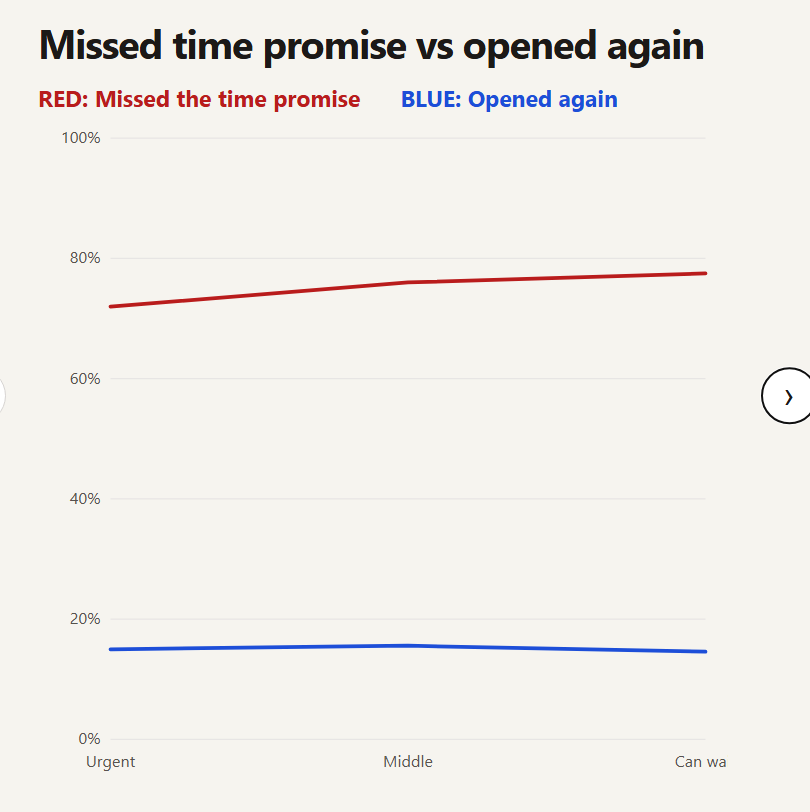
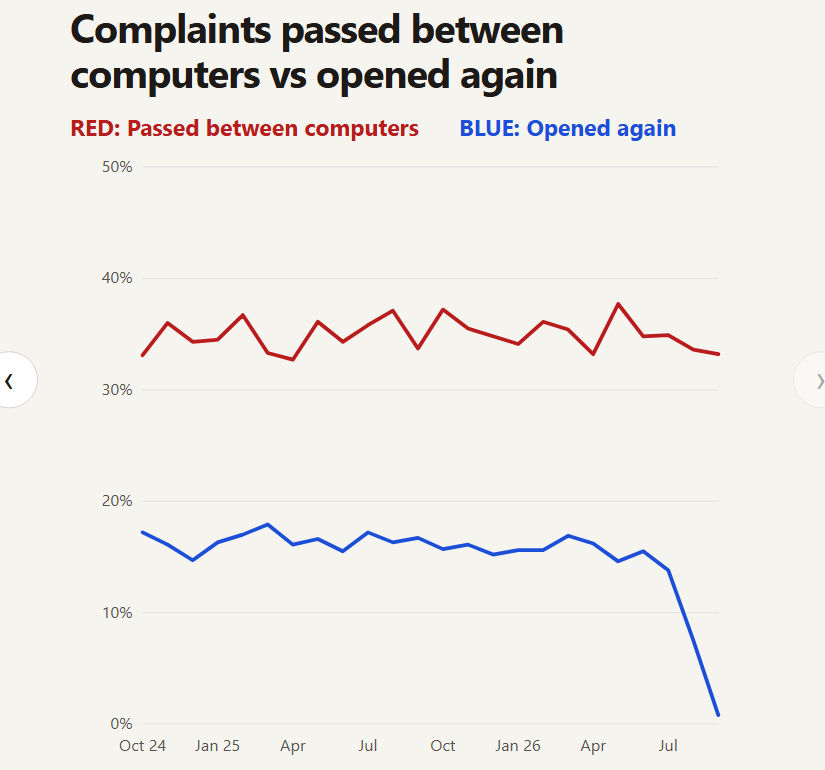
We kept seeing an issue being blamed on "bad tech", but no matter if AI was integrated, or smart meters were rolled out; every time complaints spiked. We didn't buy it, so we tested it against the data. It wasn't tech. It was access: fragmented systems, delayed retrieval, and case history that vanishes on transfer. That gap between what companies assume and what the data shows is what we wanted to fix.
What it does
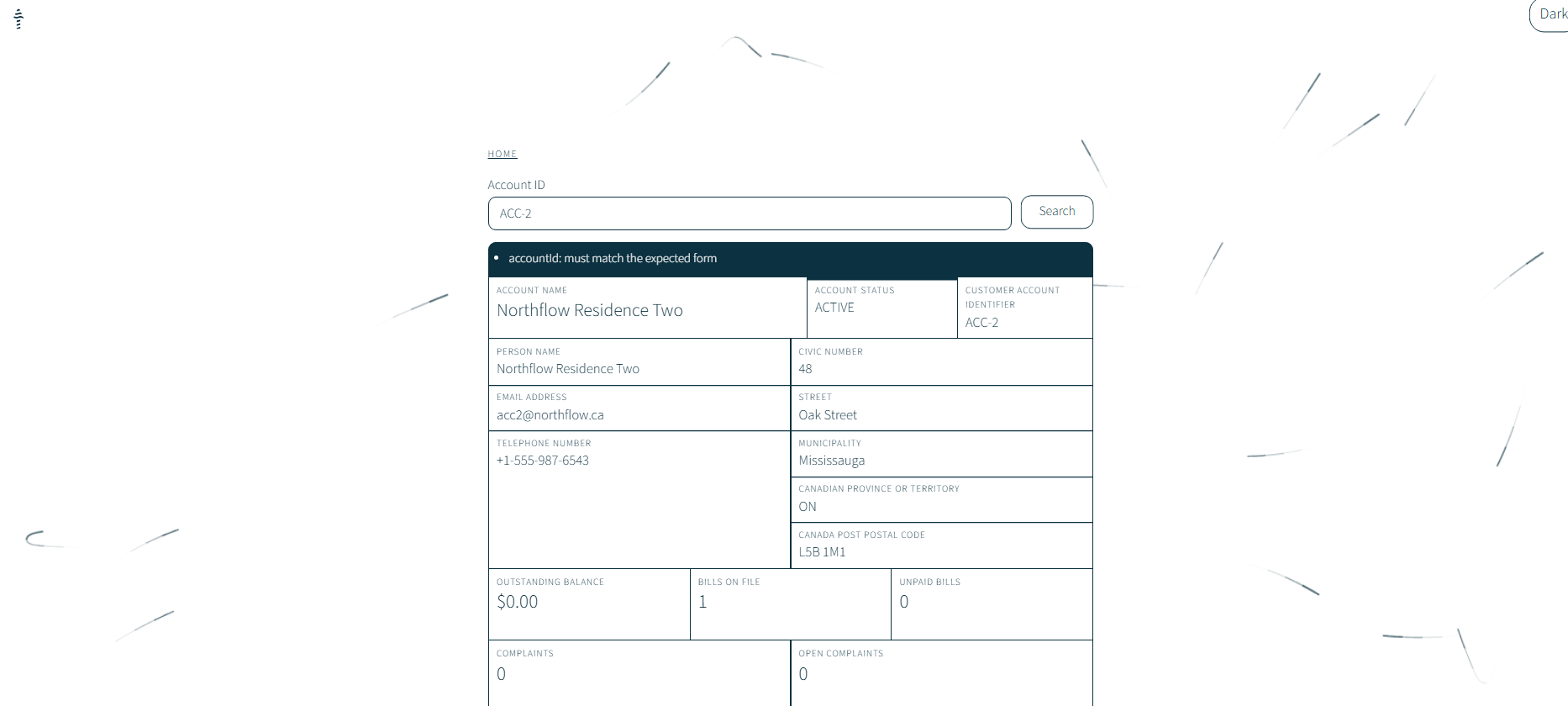
NorthFlow is a translation layer over a utility's existing systems (billing, meter, customer info, case history) that gives employees instant, unified access to all client and case data.
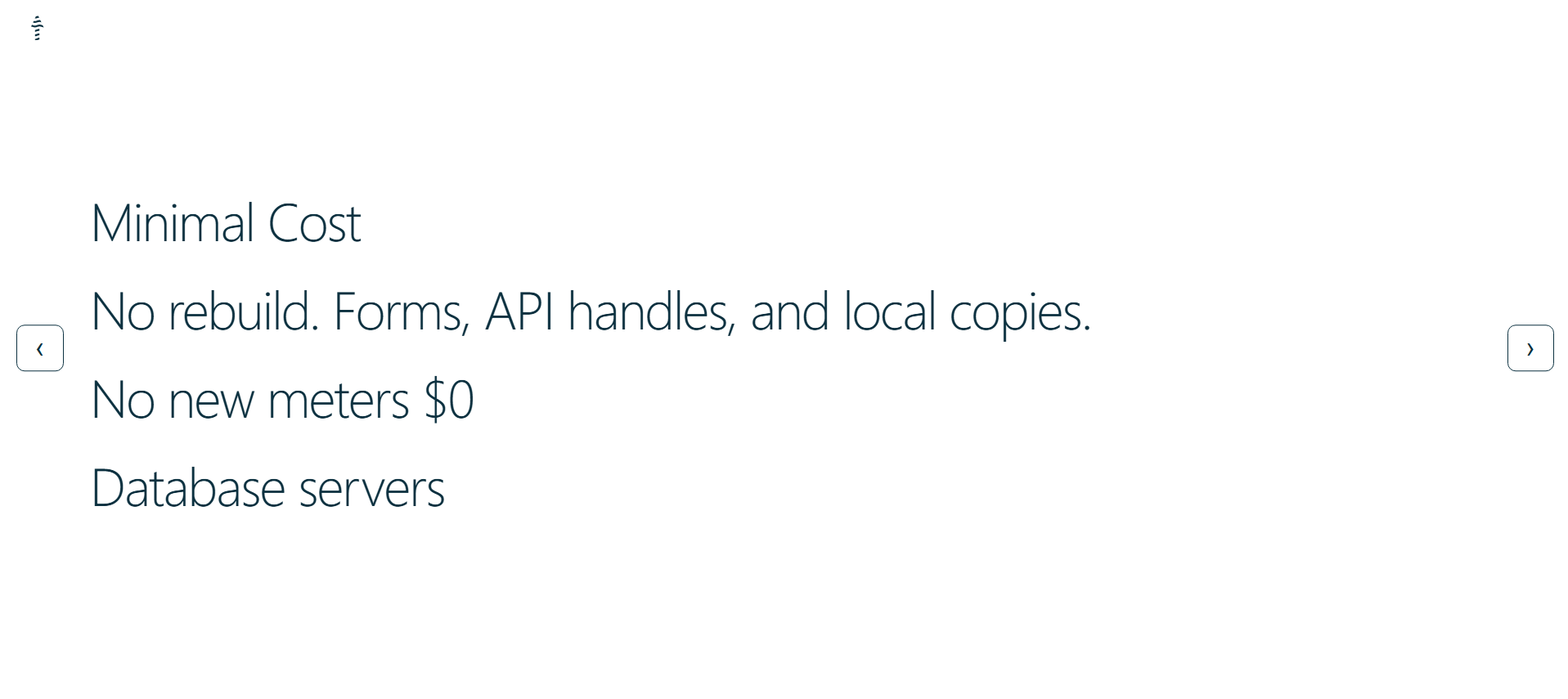
No legacy rebuild.
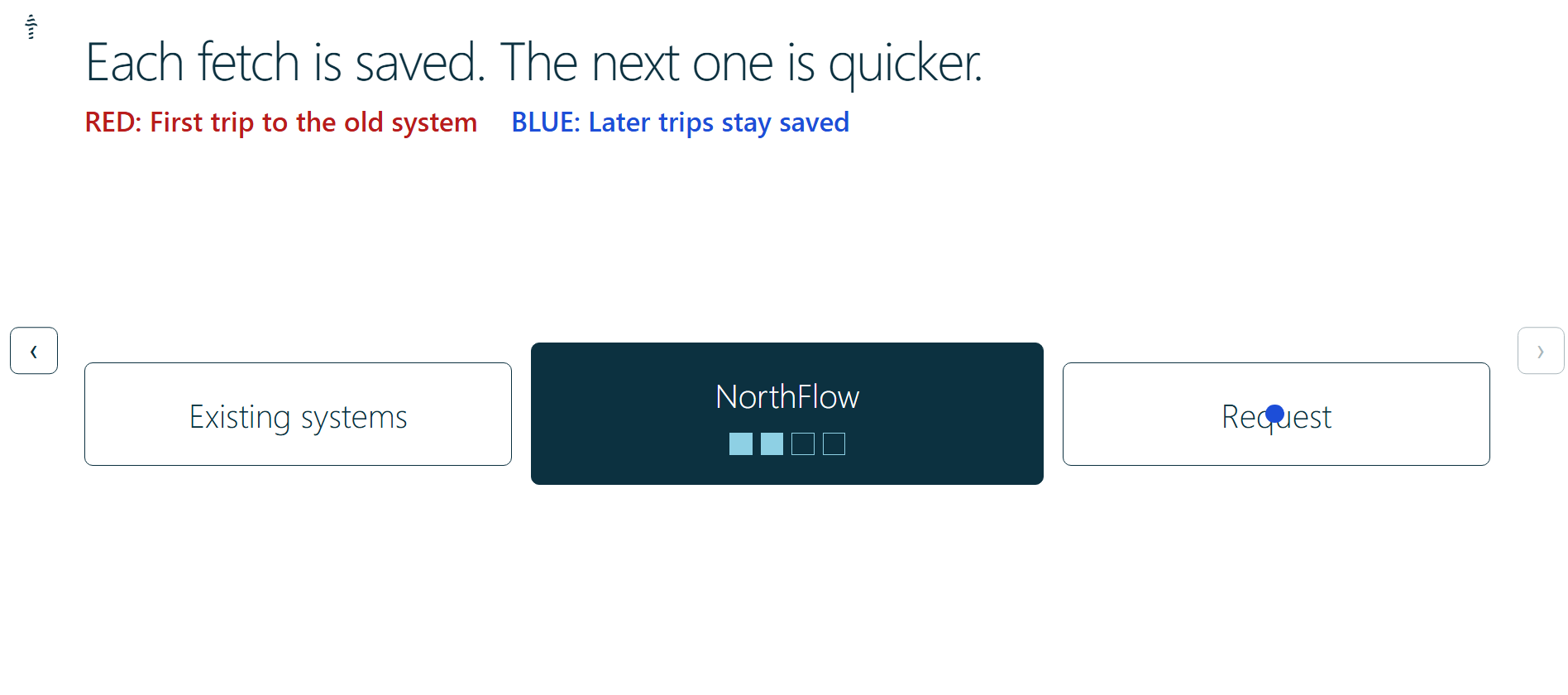
Every request fetches and caches, so the unified layer gets faster and more complete over time. And built to plug directly into the already existing ecosystem.
How we built it
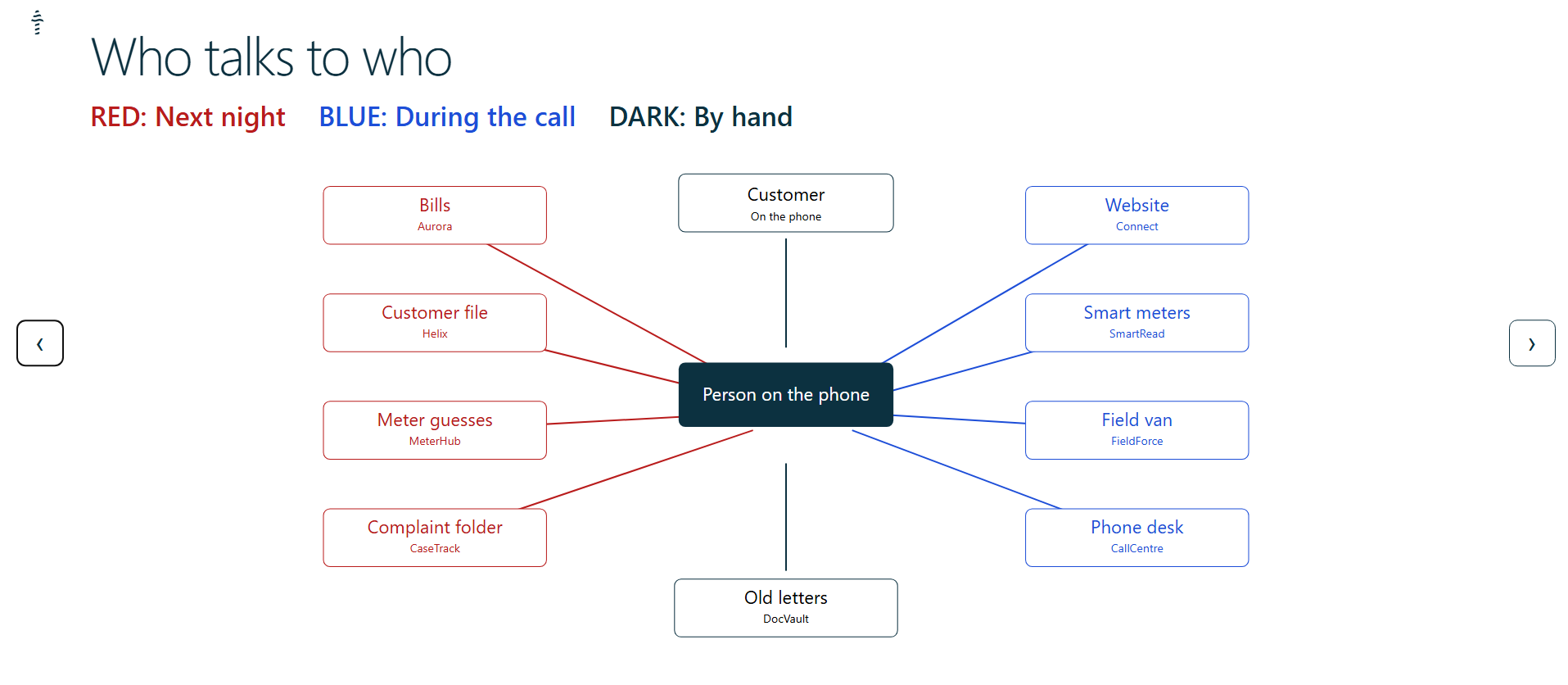
We started with root-cause analysis: AI adoption vs. complaints, tiered vs. non-tiered triage, MeterHub vs. smart meter vs. billing/complaints, hiring attrition vs. complaints. This ruled out the obvious causes and pointed to system fragmentation and transfer-related history loss. We mapped the systems communication flow to find exactly where delays happen:
- in-call document lookups
- overnight batch syncs
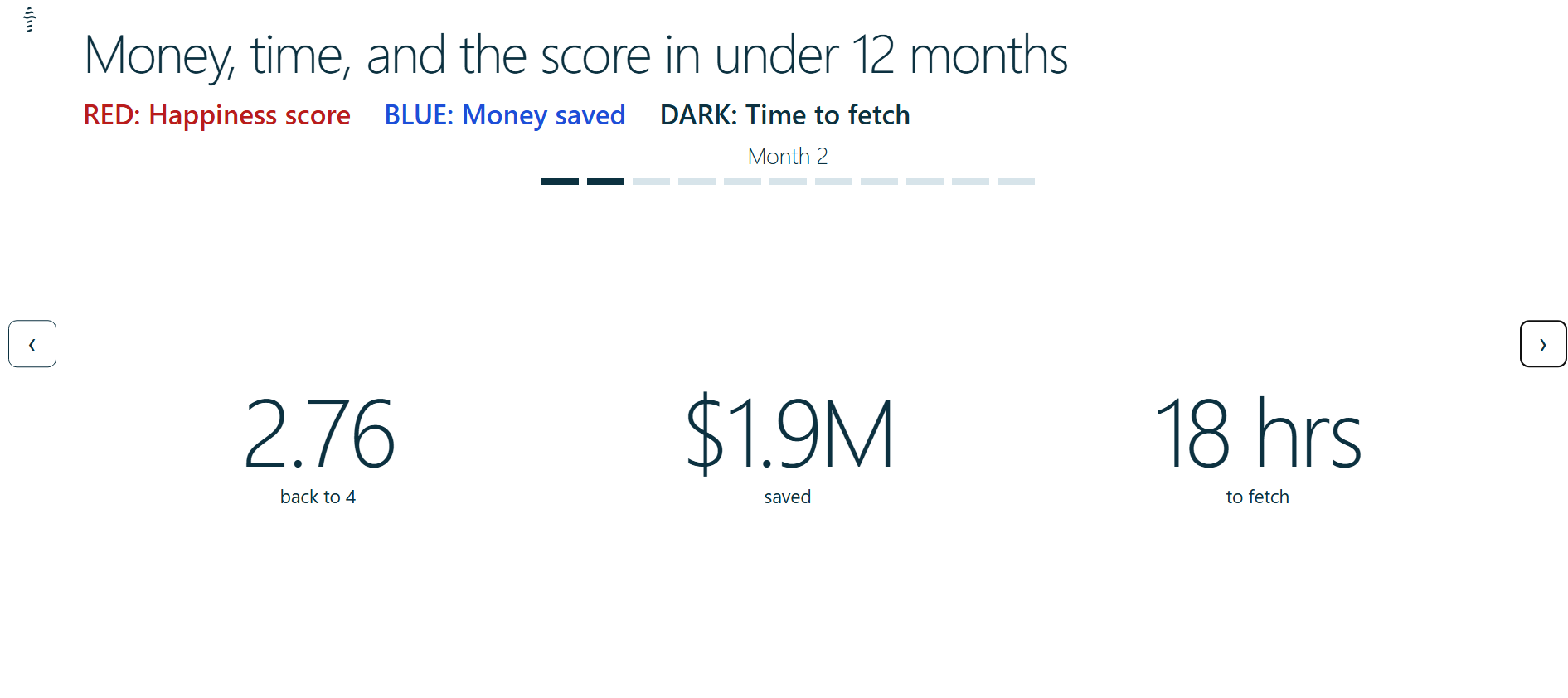
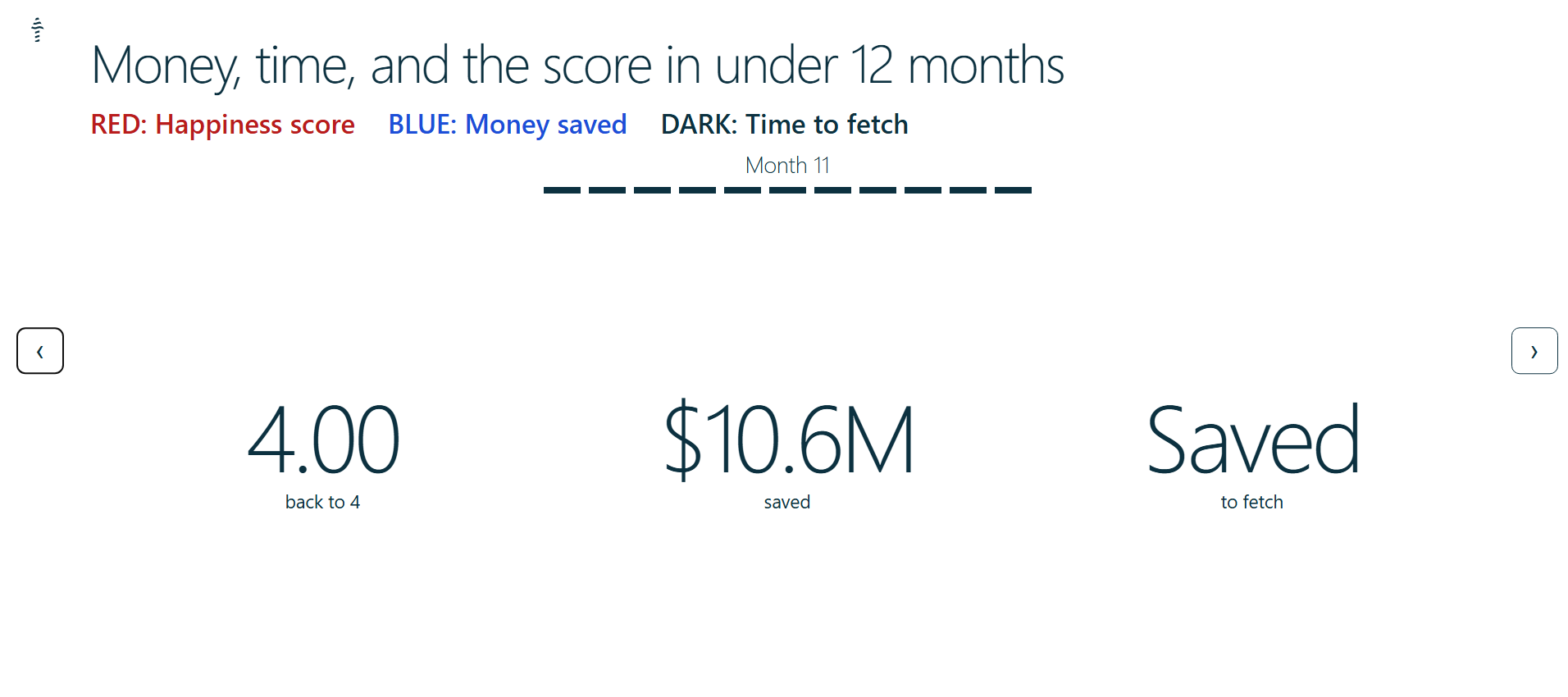
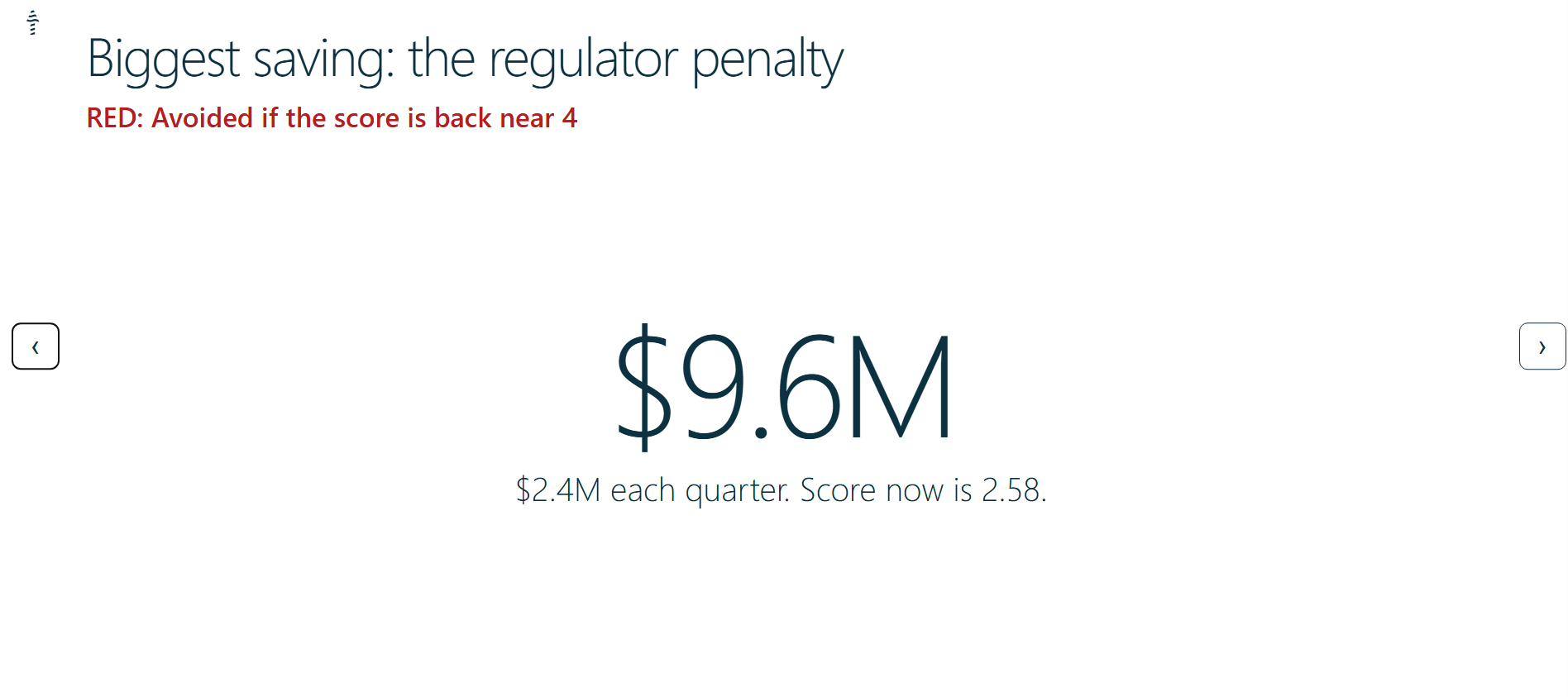
- history loss on transfer in CaseTrack. We designed NorthFlow as a middleman layer, not a rebuild, using fetch-and-cache so the unified database builds itself incrementally. Then we built a cost-benefit model and a 12-month simulation of savings, time, and KPI recovery.
Challenges we ran into
The Red Herrings. at first glance the data all pointed a simple straight forward fix, areas with aging meters, and hiring freezes for service reps, The more we looked at the data the more none of it made sense. Relative to the KPI, nothing was changing drastically enough to warrant such a drop in the score. There was correlation, but causation was not being found.
Providing a demonstration that matched the existing systems. NorthWinds service ecosystem was huge and built up over decades of business, it was complicated, everything was built on different stacks and integration methods were all over the place. Proving that our build was something that would actually work needed us to make a environment as close to the problem as possible.
Accomplishments that we're proud of
We let the data steer the solution instead of assuming one. Ruling out AI and smart meters changed the whole direction of the project. We are also proud of We're also proud of the cost-benefit and risk model.
What we learned
The obvious explanation (new tech) isn't always the real driver. The fixable problem was more mundane: data fragmentation. And for enterprises with deep legacy systems, the right fix isn't always the most complete one. An incremental layer can deliver most of the value at a fraction of the cost and risk.
What's next for NorthFlow
Close the backlog-vs-open-rate link with more data. Pilot with a real utility to validate the savings model against live numbers. Expand the translation layer to more system types beyond billing/meter/customer info, and harden the risk areas we flagged
resource isolation, security, scalability


Log in or sign up for Devpost to join the conversation.