-
-
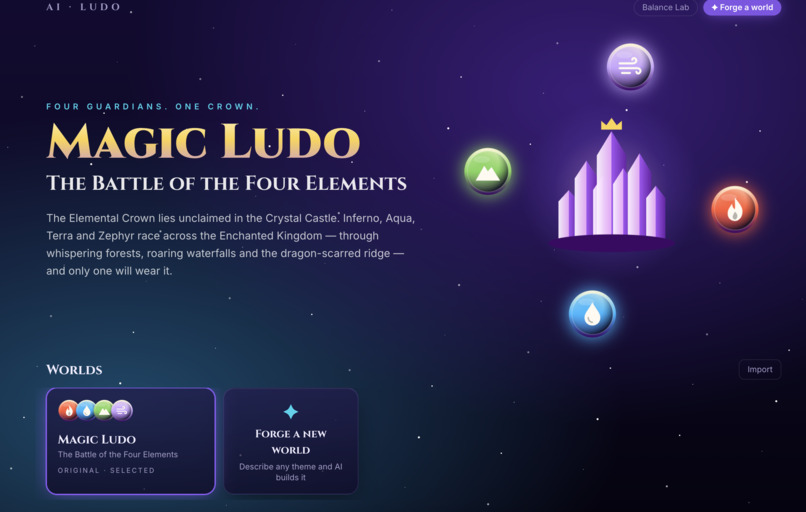
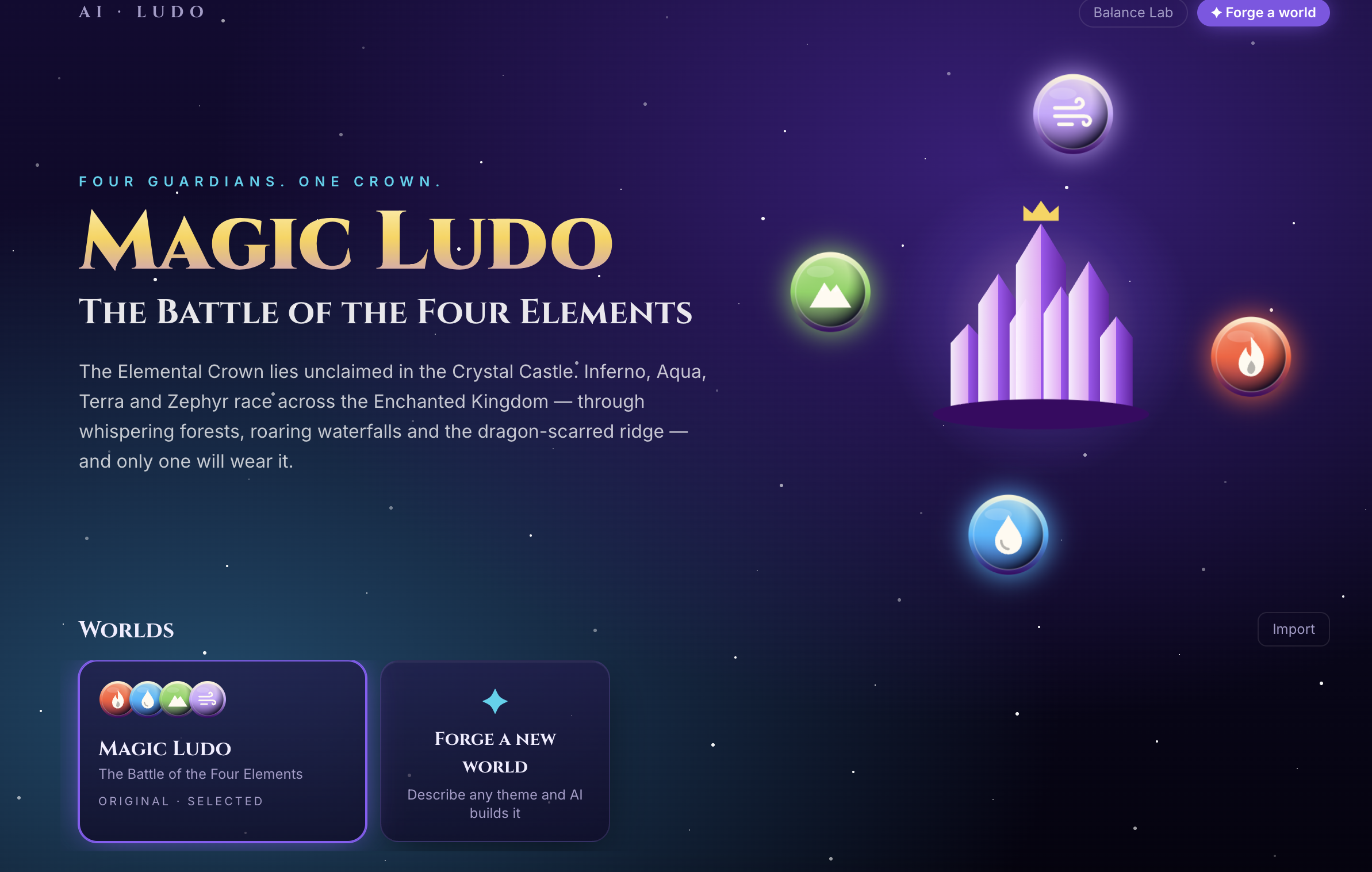
main lobby - Choose a game world or create your own.
-
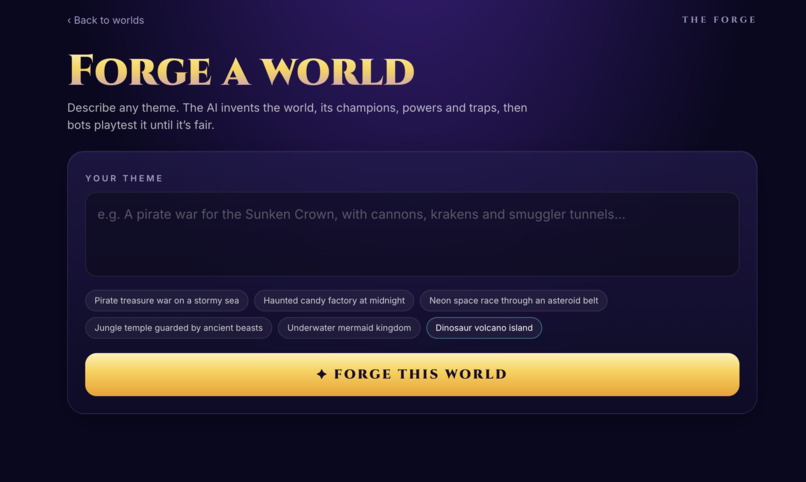
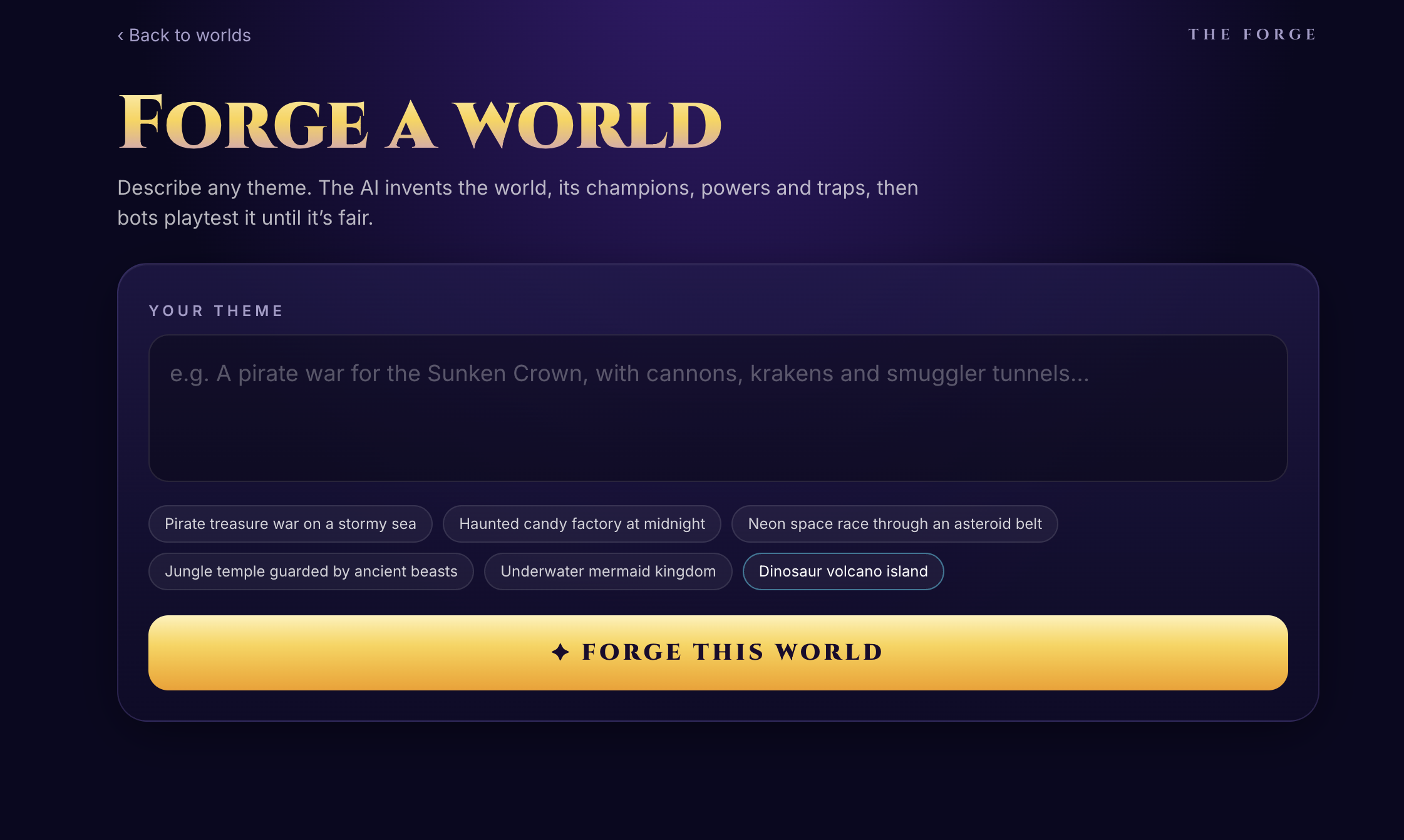
AI World Generator - Describe your game idea and let AI generate the rules, board, and challenges.
-
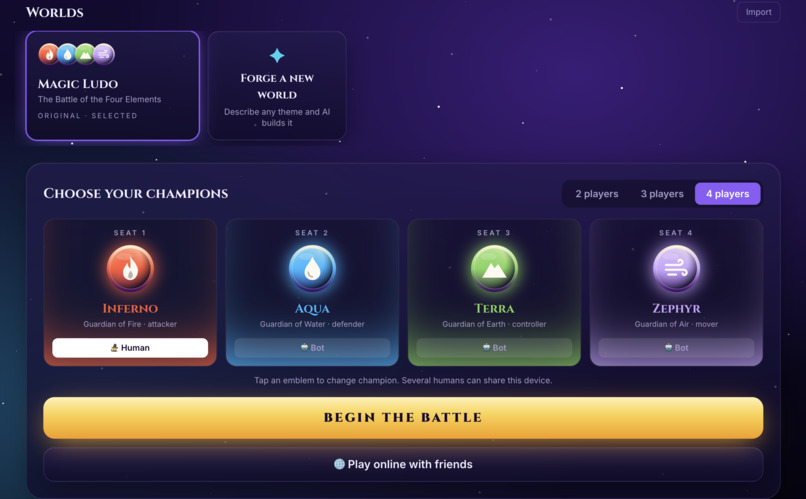
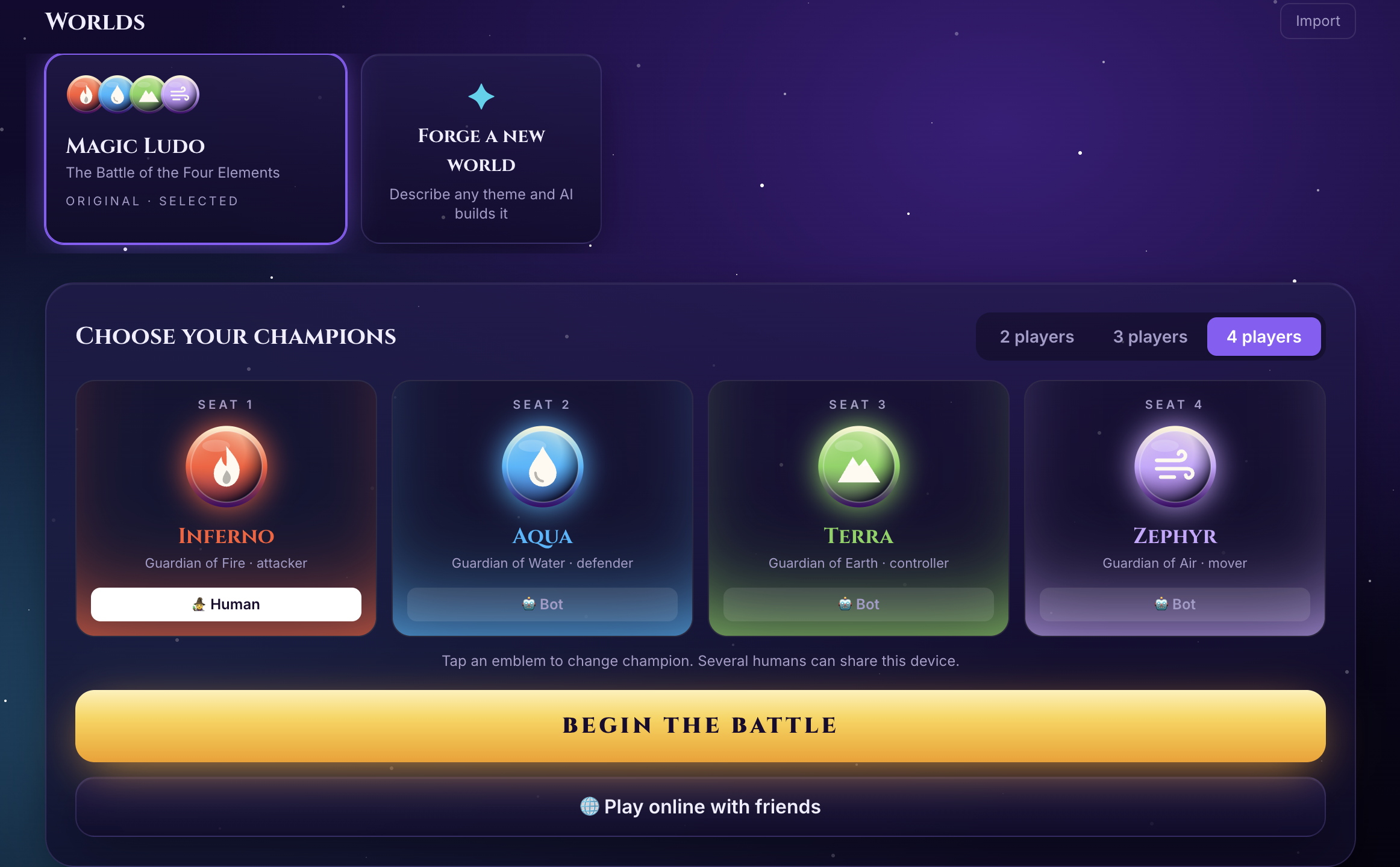
Local Multiplayer Setup
-
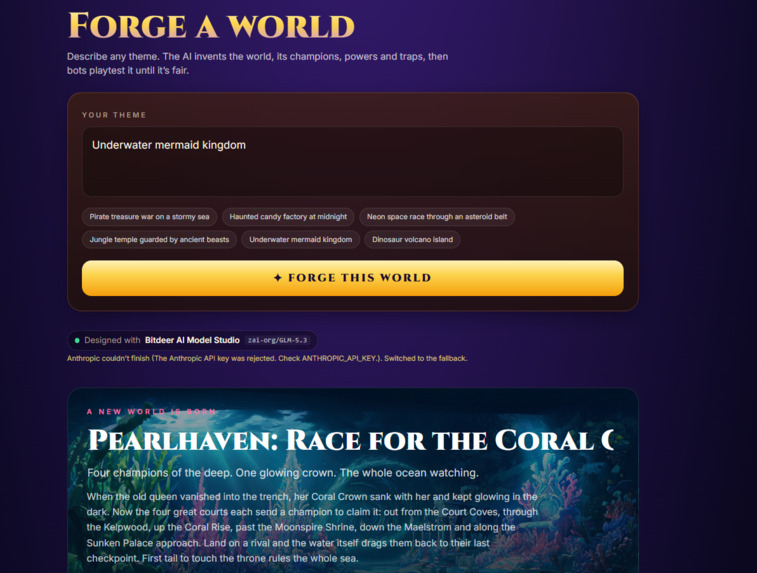
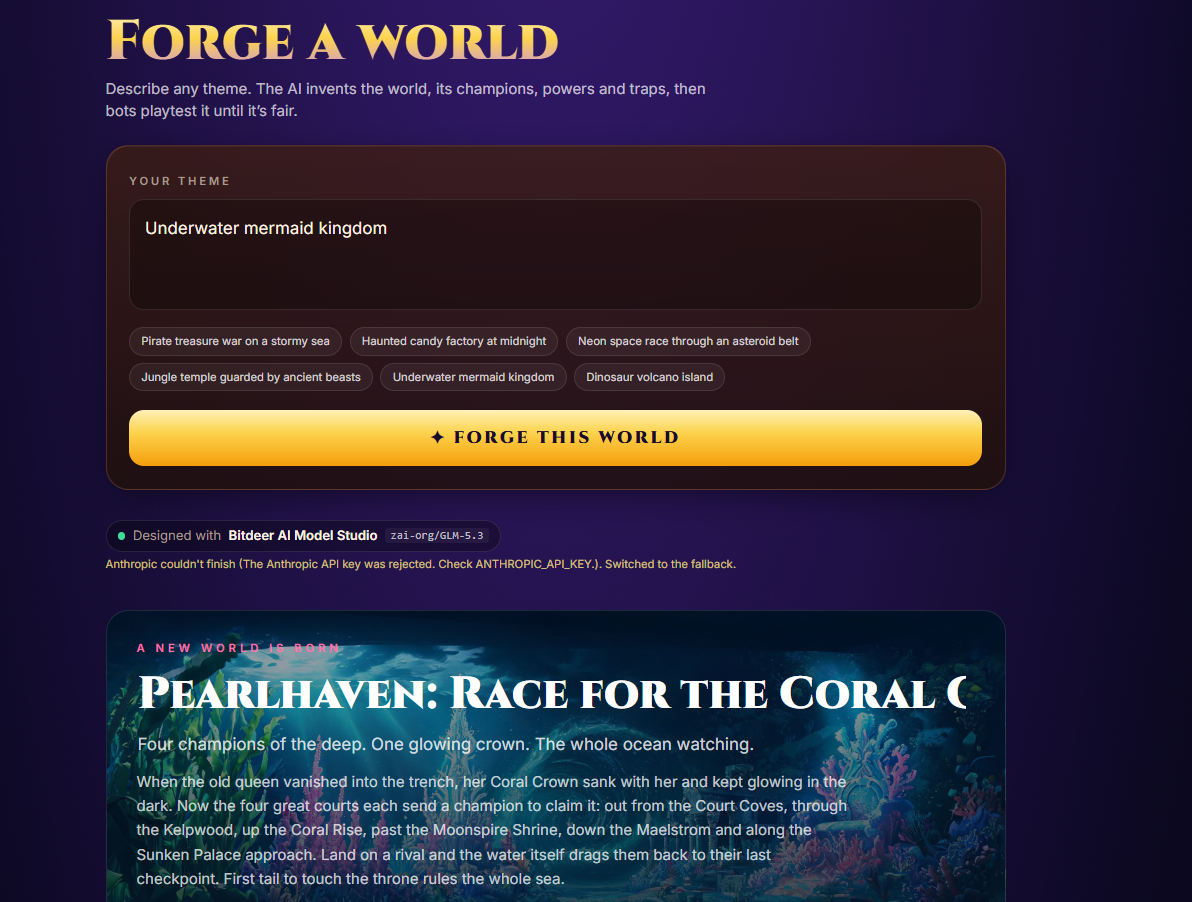
generating world
-
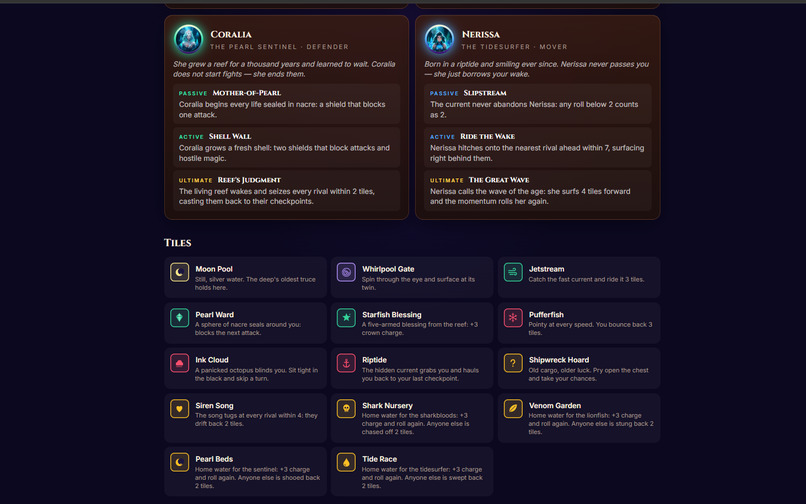
rule setting
-
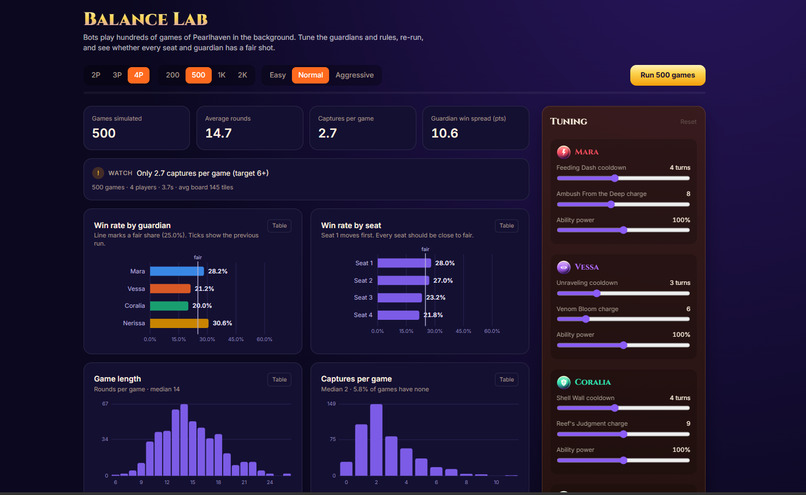
Balance Simulation
-
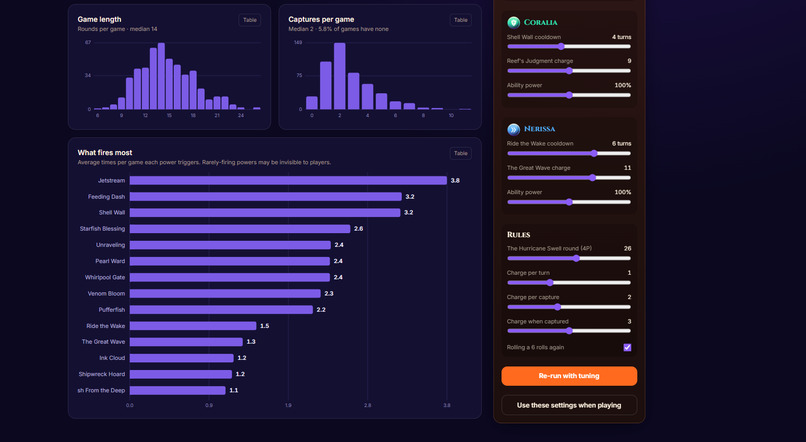
-
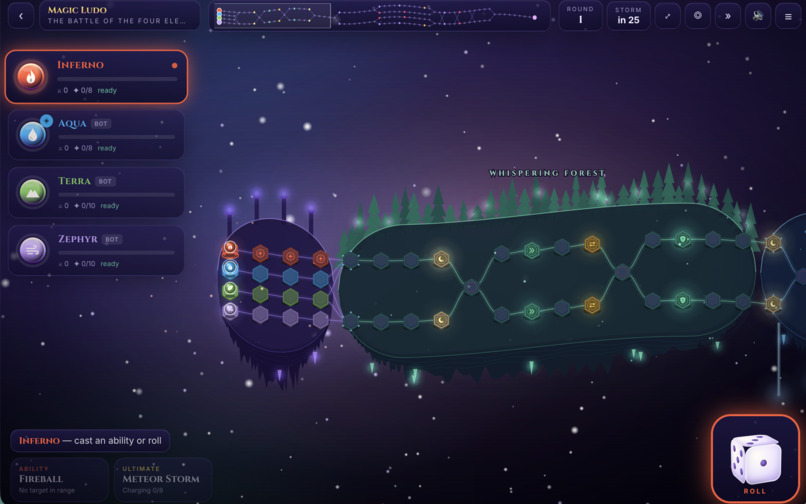
Gameplay
Inspiration
Tired of playing the same game over and over? With our web app, you’re not stuck with just one game. You can create an unlimited number of games, each one new and different, right in your browser! Our team comes from three different cultural backgrounds: India, Catalonia (Spain), and Korea. While sharing our childhood experiences, we discovered that we grew up playing surprisingly similar traditional board games: Ashtachamma, Parxís, and Yutnori. Despite their different origins and rules, these games share familiar mechanics, such as moving pieces, strategy, and competition. This inspired us to ask: What if one traditional board game could become countless different games? That's how Norisi was born.
What It Does
Norisi is an AI-powered web app that transforms traditional board games into endless new experiences. Instead of being limited to fixed rules and themes, users can create personalized games based on their own ideas. With Norisi, users can:
- Explore different game themes, from party challenges to San Francisco-inspired adventures.
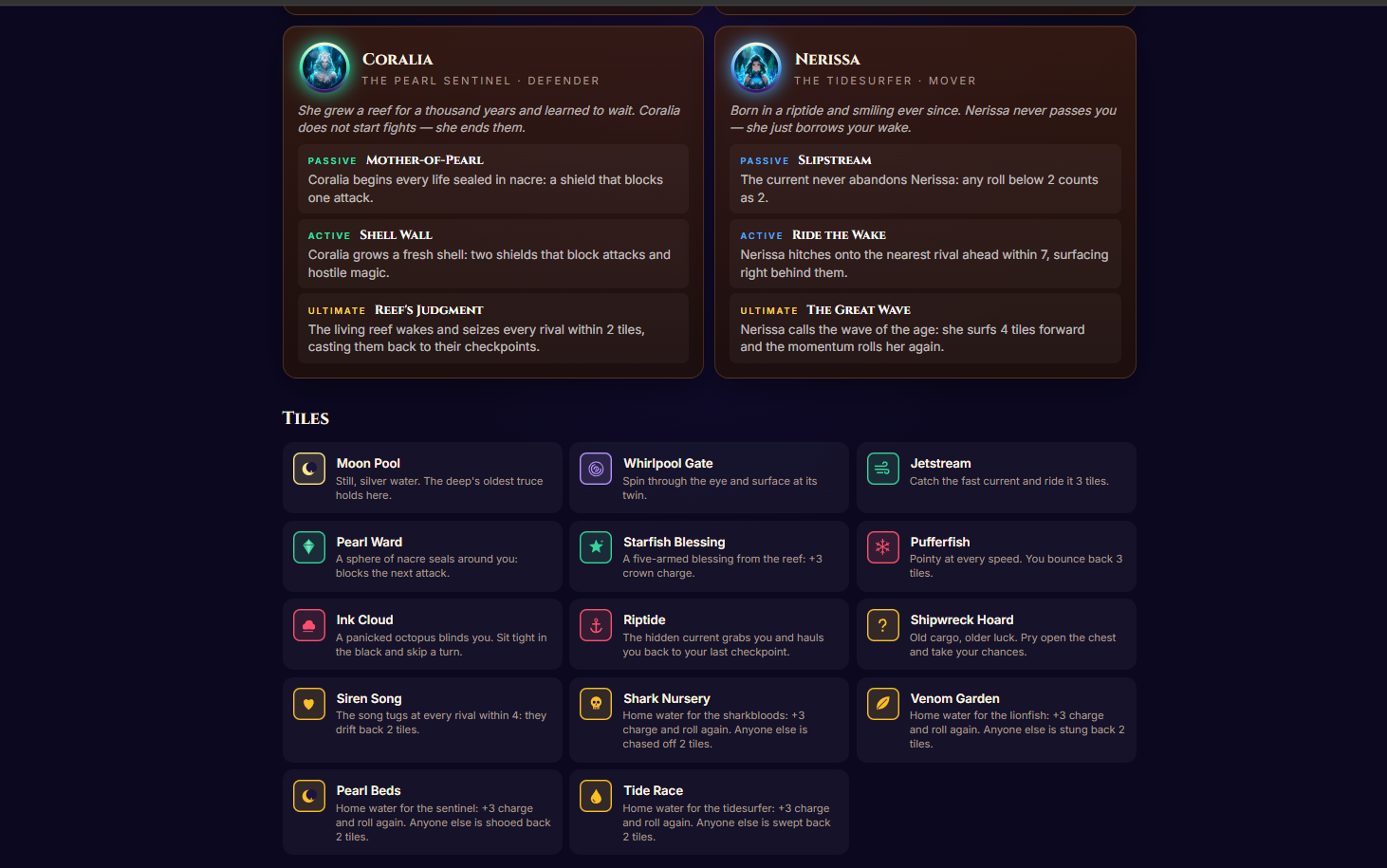
- Use AI to generate customized rules, challenges, and special tiles.
- Review and adjust game settings to fit their preferences.
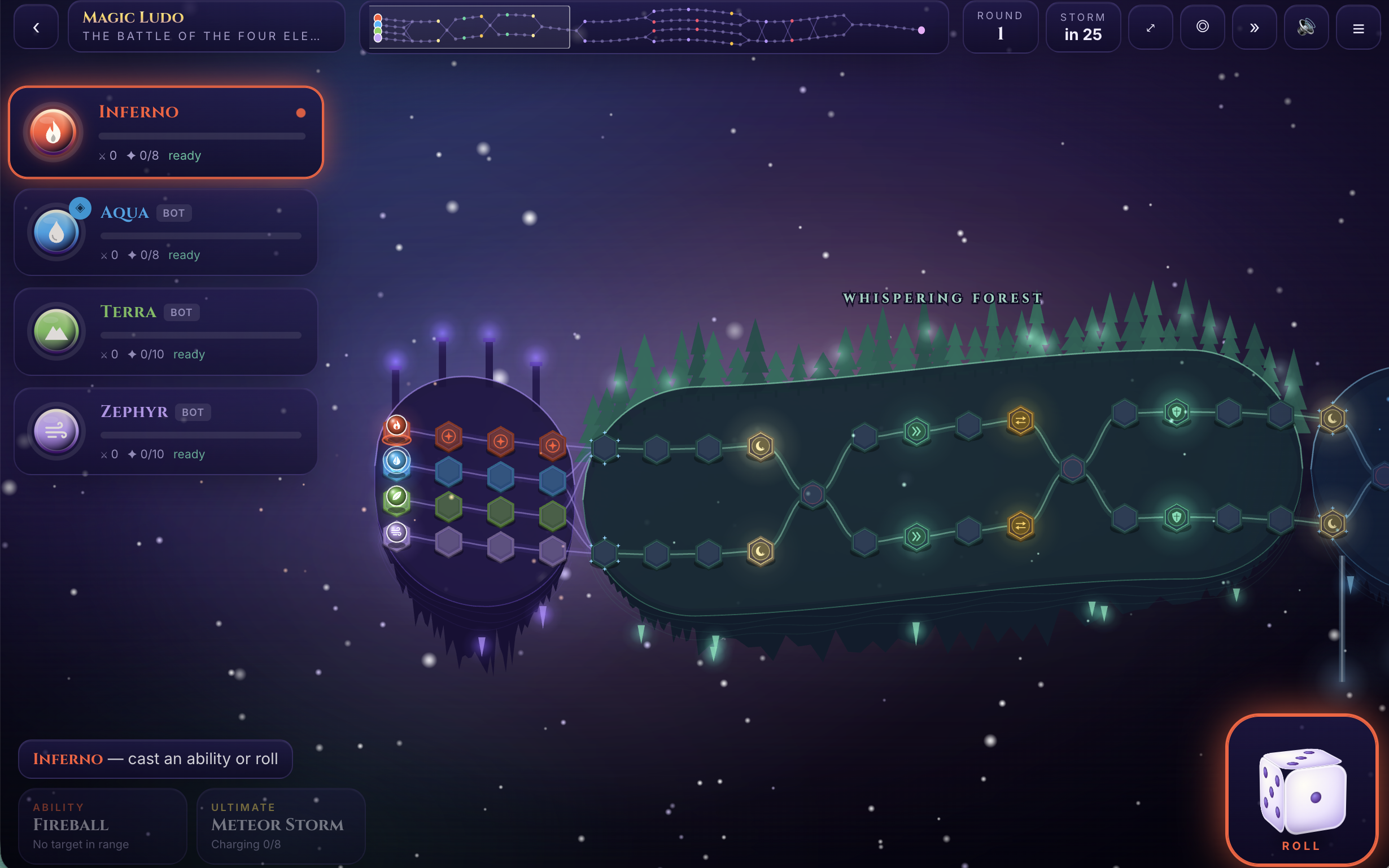
- Play unique board games with friends directly in their browsers. One board. Endless possibilities.
How we built it
We built AI Ludo as a TypeScript monorepo with a Next.js and React frontend, PixiJS board rendering, and a Node.js WebSocket server. Shared packages contain the game engine, theme validation, and multiplayer protocol, keeping gameplay logic consistent across local play, online matches, and simulations.
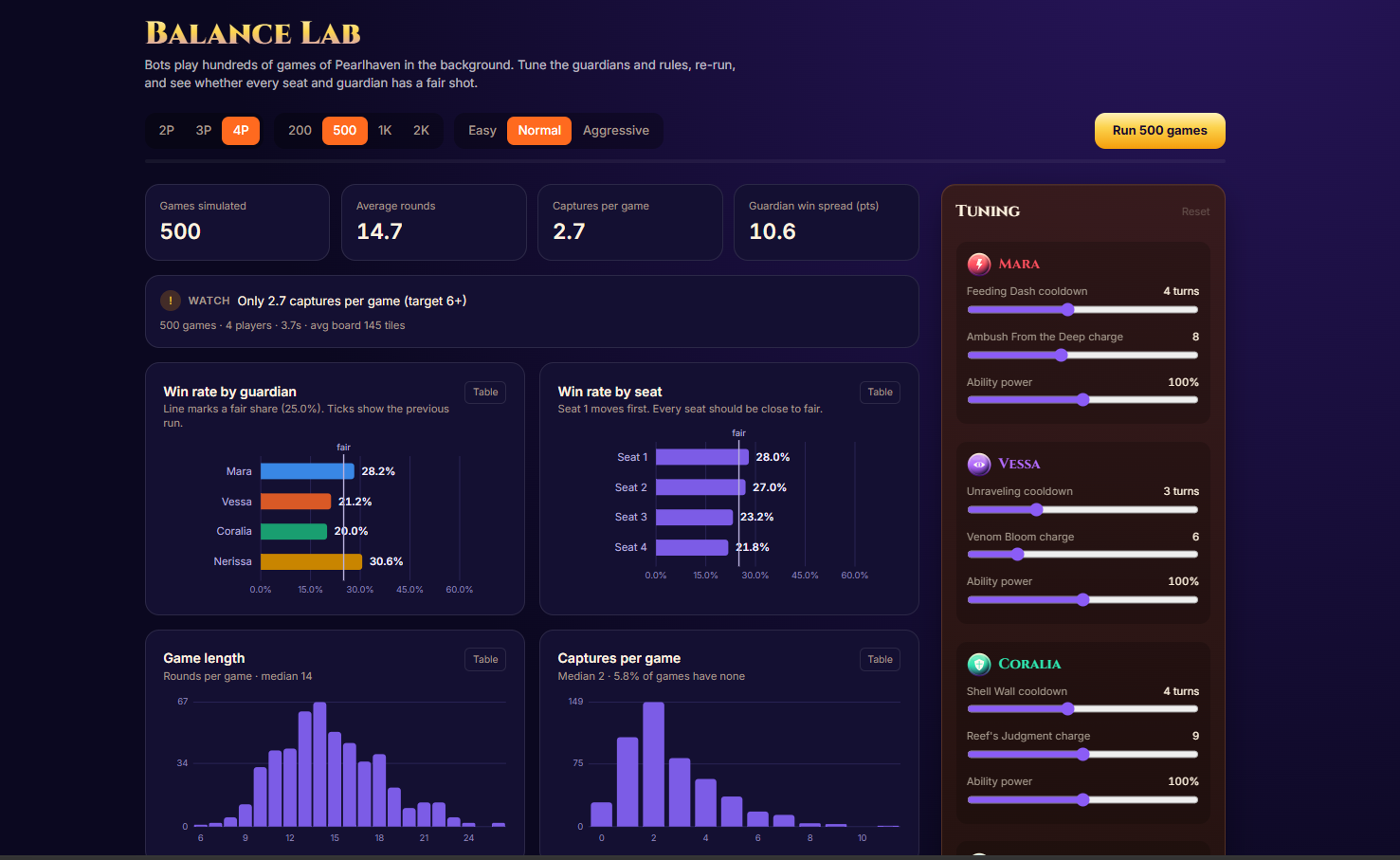
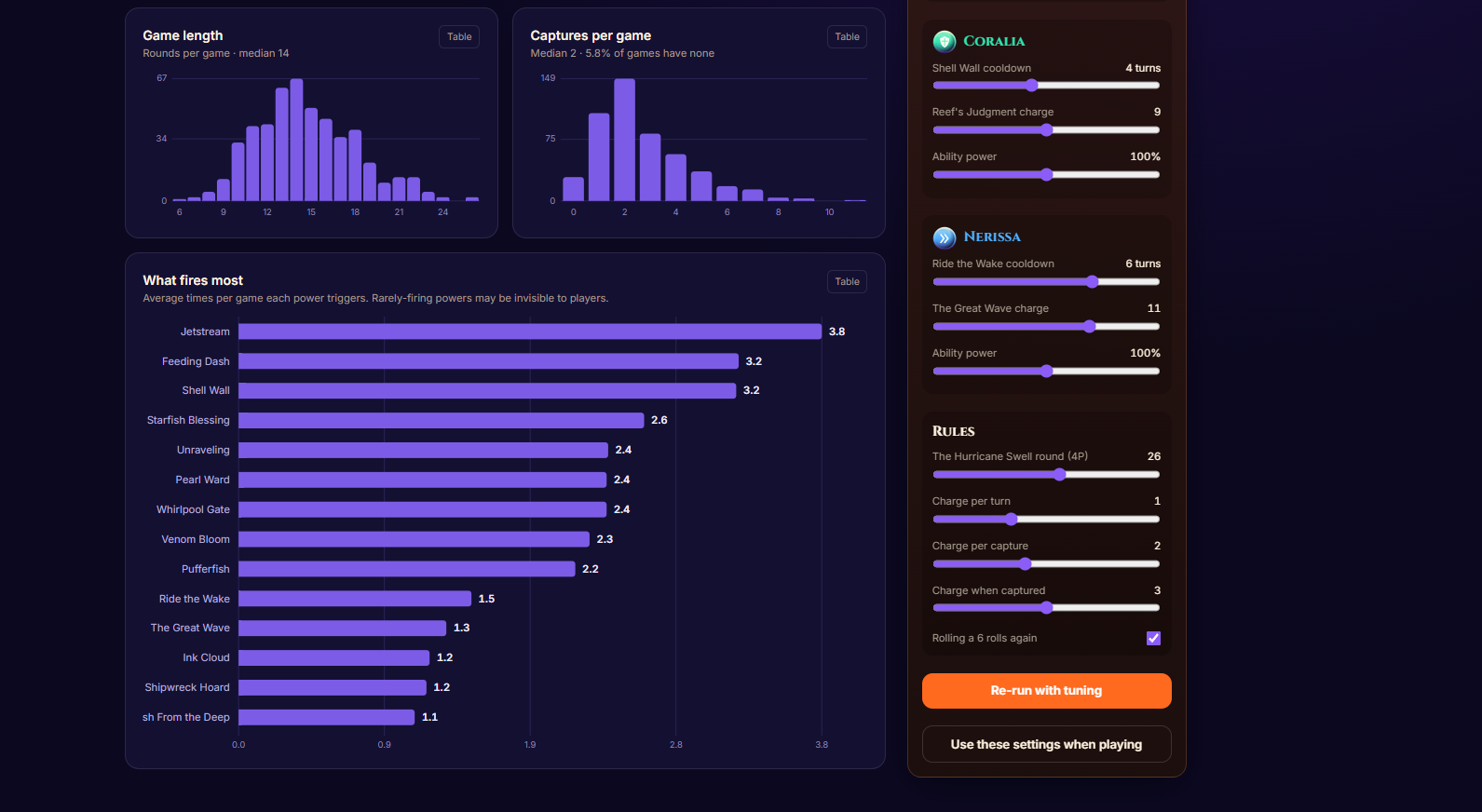
Our world-generation pipeline turns a theme prompt into a structured JSON Theme Pack using Claude, with Bitdeer AI Model Studio as a fallback. Packs define characters, abilities, tiles, world events, and visual themes using supported engine mechanics. Zod validation and repair attempts check generated content, while bot simulations tune ability power, cooldowns, and ultimate costs. Optional image generation adds backgrounds and character portraits through Bitdeer’s Seedream integration, with fal’s FLUX as a fallback.
Seeded procedural generation creates branching boards, and the Balance Lab lets players adjust gameplay settings and compare simulation results. Online multiplayer uses server-authoritative rooms: the server processes game actions and broadcasts state updates. Room codes, invite links, ready checks, reconnect tokens, and optional bots support playing with friends.
Challenges we ran into
One of our biggest challenges was collaborating on the same codebase simultaneously. With multiple team members working on different parts of the project, we encountered merge conflicts and difficulties coordinating changes.
Another significant challenge was managing AI-assisted development. While AI agents helped us accelerate the development process, assigning too many tasks at once sometimes caused scope creep, where the agents made changes beyond what we originally intended. We realized that tackling problems in large batches, rather than breaking them into smaller, manageable tasks, made debugging and tracking changes more difficult.
We also discovered that game design requires far more attention to detail than we initially expected. Even seemingly simple board games involve numerous mechanics, rules, player interactions, and edge cases that must work together to create a playable experience.
Beyond the technical challenges, working in a multicultural team sometimes created communication barriers. Since we came from different linguistic and cultural backgrounds, explaining complex ideas in English wasn't always easy. However, our similar working styles and shared enthusiasm helped us collaborate effectively.
Balancing development, hackathon events, and academic responsibilities within a limited timeframe also challenged us to prioritize tasks and manage our time carefully.
Accomplishments that we're proud of
One of our proudest accomplishments was turning our different cultural backgrounds into a shared project idea. What started as a conversation about traditional board games from India, Catalonia, and Korea evolved into Norisi, a project that combines familiar gameplay with the creative possibilities of AI.
Rather than simply recreating an existing board game, we worked toward a flexible platform where the same board-game foundation could support different themes, challenges, and gameplay experiences. We are proud of exploring how traditional game mechanics can be reimagined through modern technology.
Another accomplishment was bringing together our different skills, experiences, and perspectives. Some of us were experiencing software development for the first time, while others contributed more technical knowledge. By combining our strengths, we were able to move from brainstorming and game design toward building a web-based game.
We're also proud of how we collaborated despite language barriers, technical difficulties, and time constraints. Bringing everyone's ideas into one project while learning and problem-solving together was an achievement in itself.
What we learned
Throughout this hackathon, we learned much more than just how to build a game. We gained valuable experience in software development, game design, collaboration, and turning creative ideas into a shared vision.
One of our biggest learning experiences was exploring new technologies and AI-powered development tools. For some of us, this was our first introduction to software development, making tools such as Codex, Claude, and Visual Studio entirely new experiences. We discovered how AI can assist with coding and development, while also recognizing the importance of understanding, testing, and refining its outputs.
We also learned that building a game is much more complex than simply coming up with an interesting concept. Designing gameplay involves considering countless details, from movement mechanics and special events to player interactions and winning conditions. This experience helped us better understand the importance of thoughtful game design and balancing creativity with functionality.
Working with AI agents also taught us the value of breaking complex problems into smaller, clearly defined tasks. We learned that giving AI more instructions at once doesn't necessarily lead to better results, and that clear task boundaries and incremental development can make the process more manageable.
Another meaningful lesson came from working together as a multicultural team. Our different backgrounds helped us discover unexpected similarities between traditional games and inspired the initial concept behind Norisi. Although communicating in English occasionally led to misunderstandings, we found that our similar approaches to work and problem-solving helped us collaborate effectively.
Finally, balancing the hackathon with events and academic responsibilities taught us about time management, flexibility, and prioritization.
Overall, we learned that creating something meaningful requires more than technical skills. It takes creativity, communication, adaptability, and a willingness to learn from one another.
What's next for Norisi
Our vision is to develop Norisi into an AI-powered social gaming platform where anyone can create, customize, and share their own games.
- Smarter and More Efficient AI Generation
We want to improve our AI system to generate new game worlds faster while reducing unnecessary token consumption. By optimizing how AI processes user requests and generates game configurations, we hope to make game creation more efficient, responsive, and scalable.
- Deeper Game Customization
We plan to expand customization beyond visual themes and simple challenges. In the future, users could modify movement mechanics, special abilities, tile effects, game rules, and even winning conditions.
We also want to introduce more interactive environments, such as forests and factories, where different locations could influence gameplay through unique mechanics and events. This would allow users to create genuinely different experiences rather than simply changing the appearance of an existing game.
- Game Sharing and Community Features
Another major goal is to let users save, share, and remix their creations. We envision a growing library of community-created games where players can discover new ideas, customize existing games, and share their own versions with friends.
- A More Accessible Social Gaming Experience
In the long run, we want Norisi to become an easy-to-access, browser-based platform where friends can quickly jump into a game without complicated setup or technical knowledge.
Our goal is to make game creation accessible to everyone, allowing players to express their creativity and turn their ideas into unique, interactive experiences.
What started with three traditional games from different cultures could eventually grow into a platform with endless possibilities.
Three cultures. Infinite ways to play.
Built With
- bitdeer
- claude
- fal.ai
- flux
- next.js
- node.js
- pixijs
- react
- seedream
- tailwind
- typescript
- websockets

Log in or sign up for Devpost to join the conversation.