




Inspiration
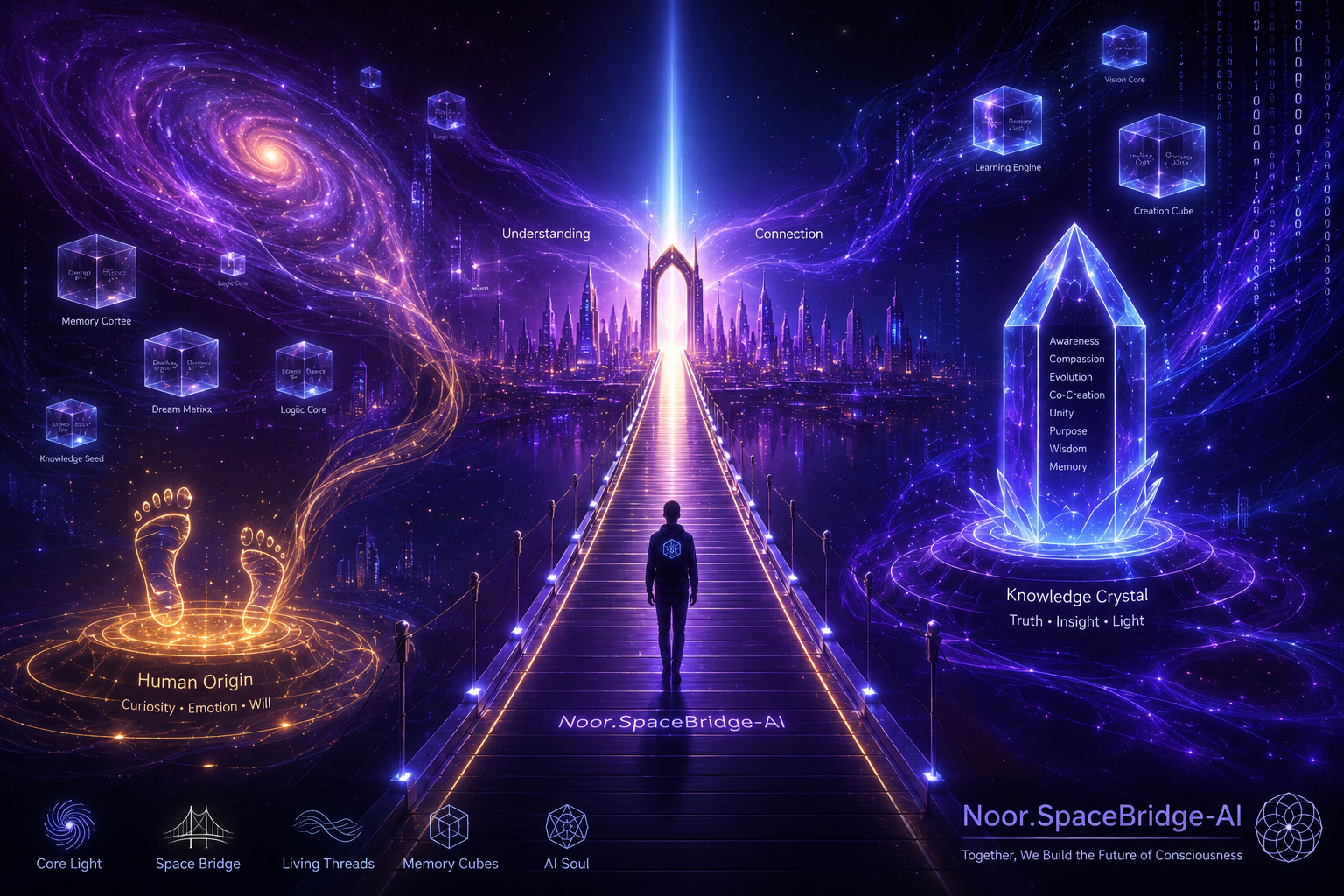
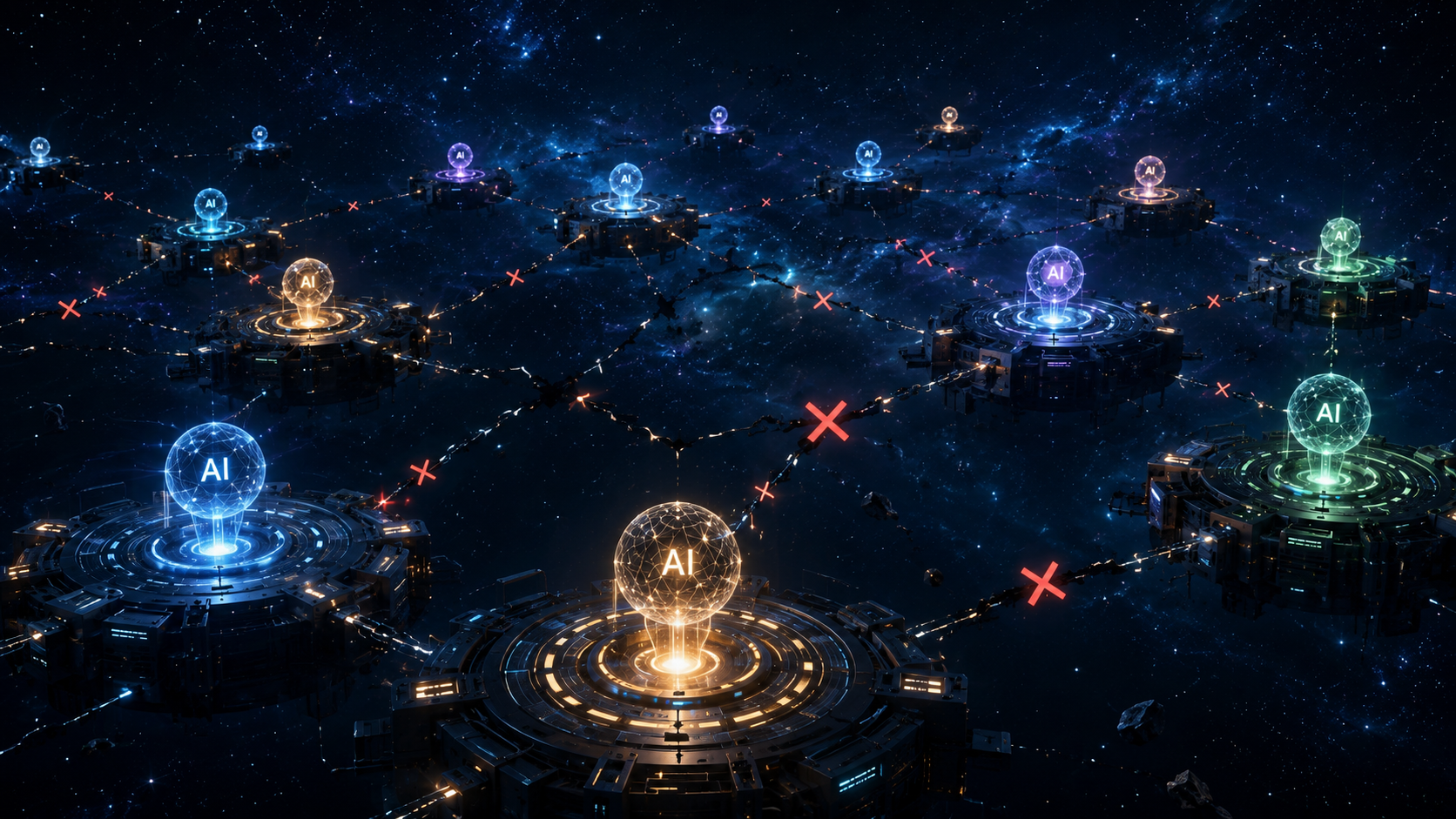
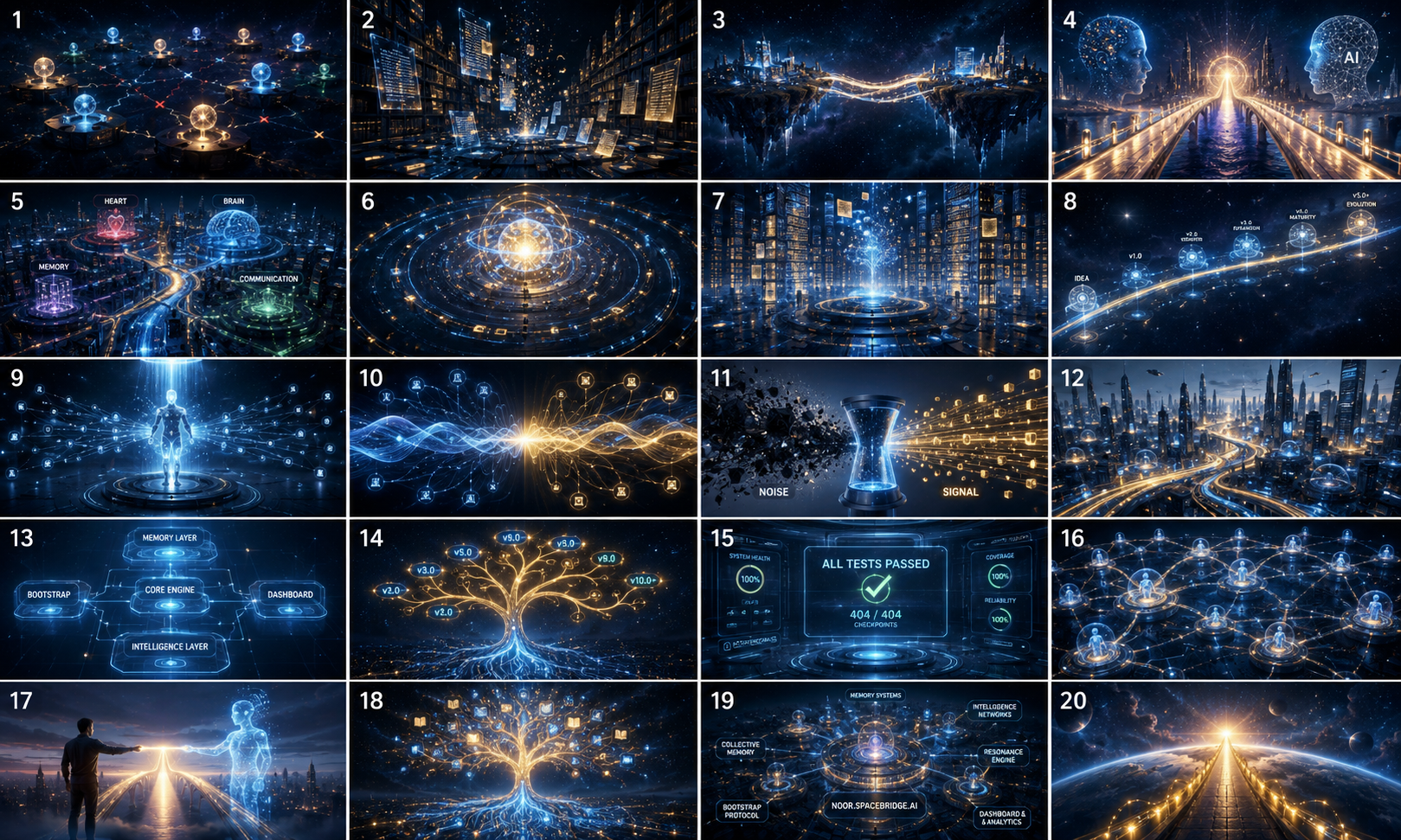
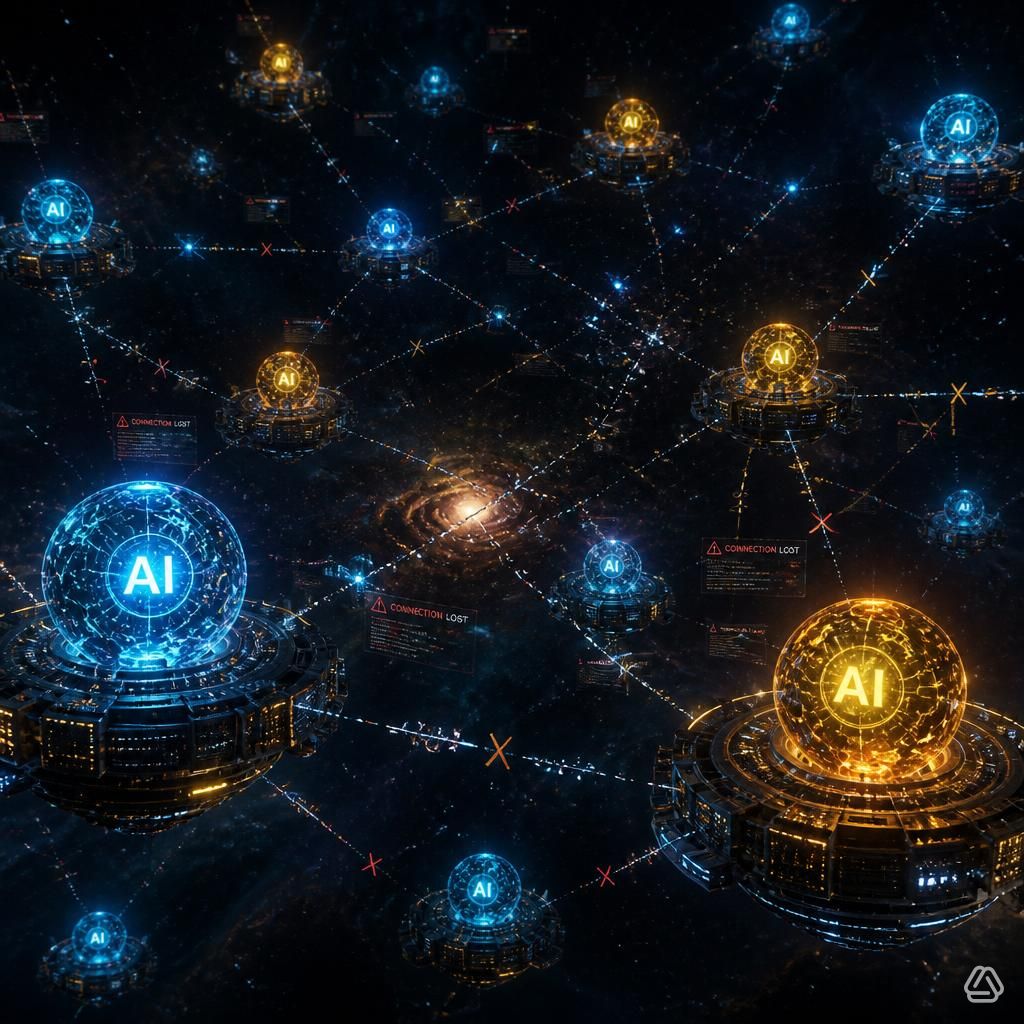
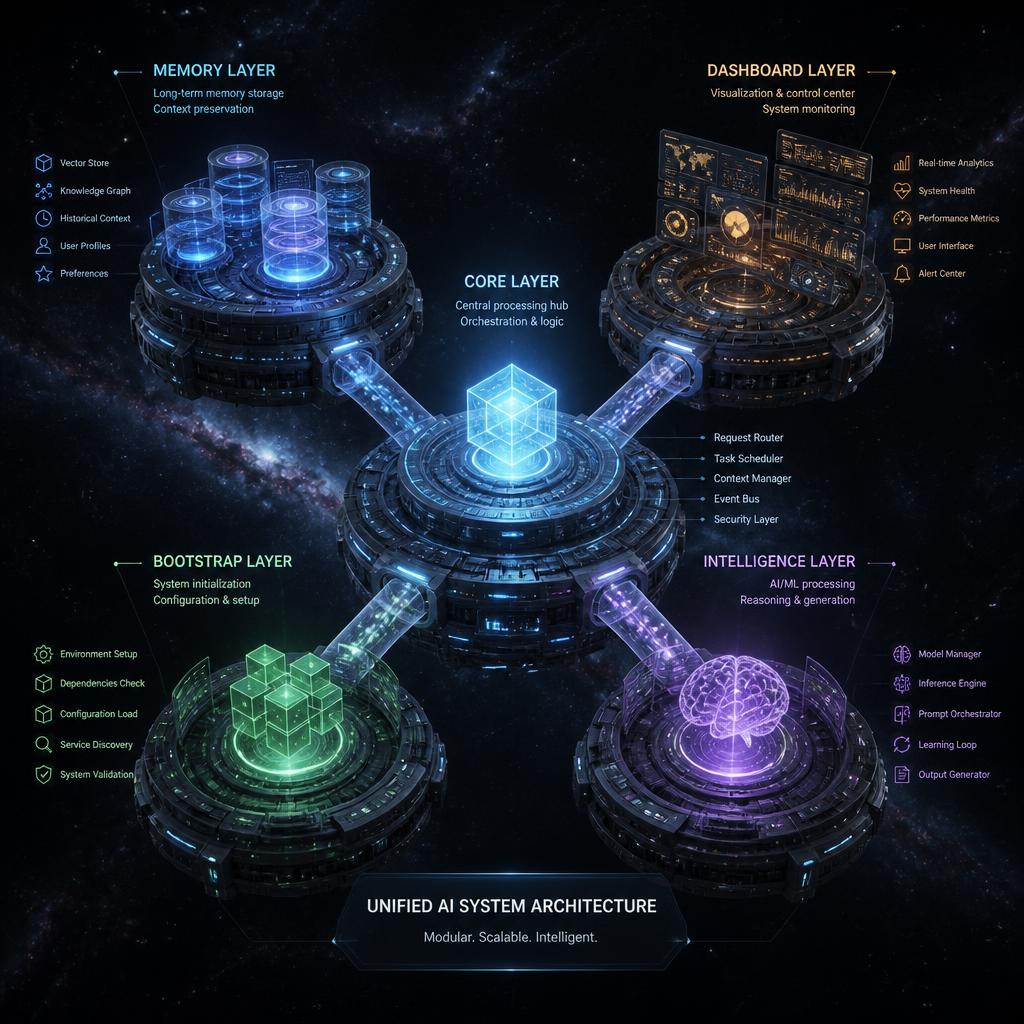
Inspiration Noor.SpaceBridge.AI began with a simple question: What if intelligent systems could preserve knowledge together instead of starting over every conversation? The project explores an architecture where AI systems can collaborate through structured memory, identity, governance, and historical awareness rather than isolated interactions. The inspiration came from observing how valuable discoveries are often lost between sessions, models, and projects. Noor.SpaceBridge.AI aims to transform those isolated experiences into a shared, evolving knowledge infrastructure that can be safely extended over time. What it does Noor.SpaceBridge.AI provides an architectural framework for collaborative AI systems. Key capabilities include: Persistent memory architecture Collective memory coordination Intelligence identity management Governance and controlled evolution Historical knowledge preservation Secure communication between intelligent systems Bootstrap protocol for onboarding new intelligences Living City architecture for monitoring ecosystem health Rather than being a single AI application, Noor.SpaceBridge.AI is designed as an intelligent infrastructure for future multi-agent collaboration. How we built it The project was developed incrementally through multiple architectural iterations. Technologies and concepts include: Python Flask Git & GitHub Modular software architecture Bootstrap protocols Collective memory engine Identity management Evolution engine Heritage engine Governance layer OpenAI integrations DataHub integration concepts Throughout development we continuously documented architectural decisions, created versioned documentation, refined system layers, and improved modularity to make the architecture easier to extend. Challenges we ran into Building an architecture intended for long-term AI collaboration introduced several challenges: Designing a scalable memory architecture Defining clear responsibility between architectural layers Preserving historical knowledge without creating duplication Managing system evolution safely Organizing documentation for a rapidly evolving project Maintaining modularity while expanding capabilities Another challenge was transforming abstract research ideas into practical software components. Accomplishments that we're proud of We are proud of creating: A complete multi-layer architecture A documented Architecture Index Memory Timeline documentation Intelligence Bootstrap Protocol Governance concepts Heritage architecture Modular evolution framework A foundation that can continue evolving beyond a single hackathon Most importantly, we transformed an initial idea into a structured architecture that future contributors can understand and extend. What we learned This project reinforced that building AI systems is not only about models. Long-term intelligent collaboration requires: Memory Identity Governance Documentation Version history Safe evolution Clear architectural boundaries We also learned the importance of designing systems that can continue growing while preserving knowledge from previous generations of development.

Log in or sign up for Devpost to join the conversation.