-
-
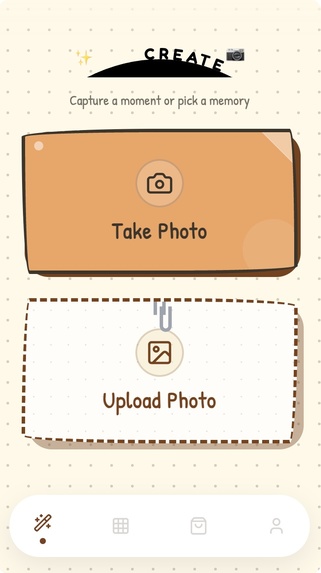
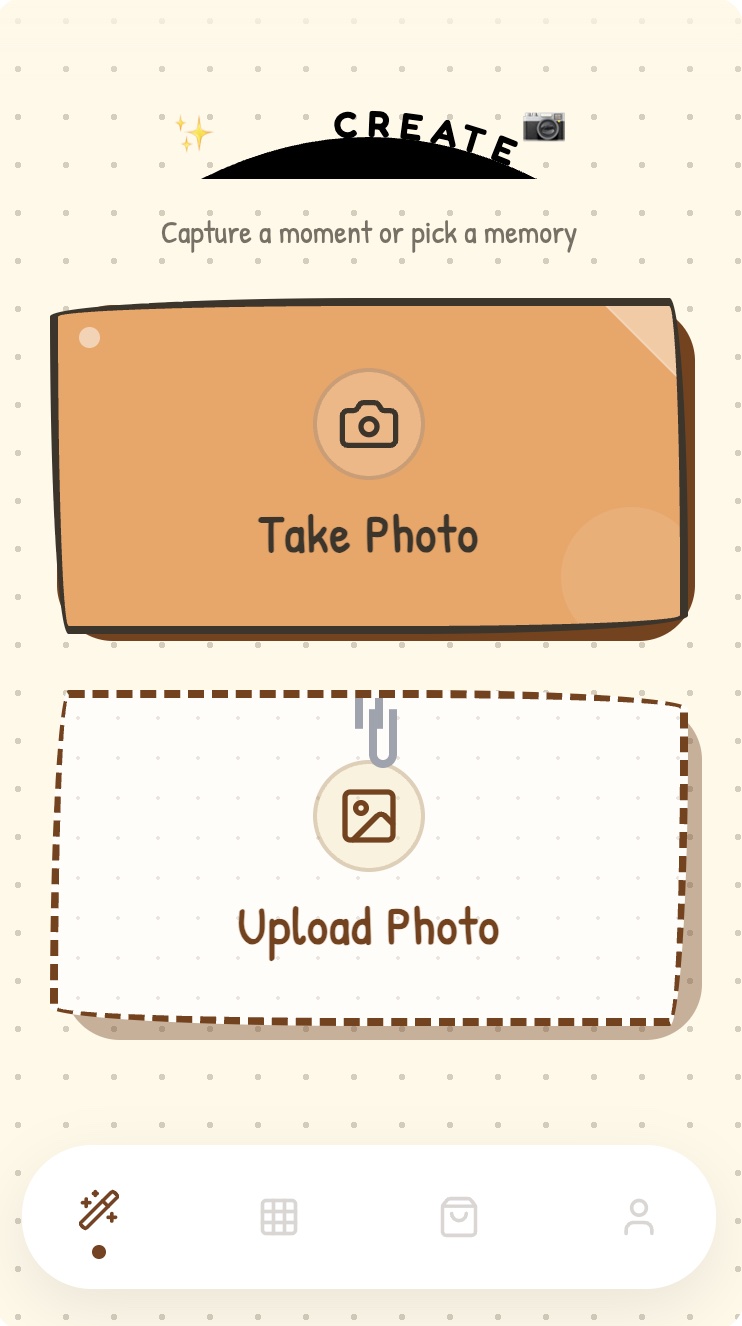
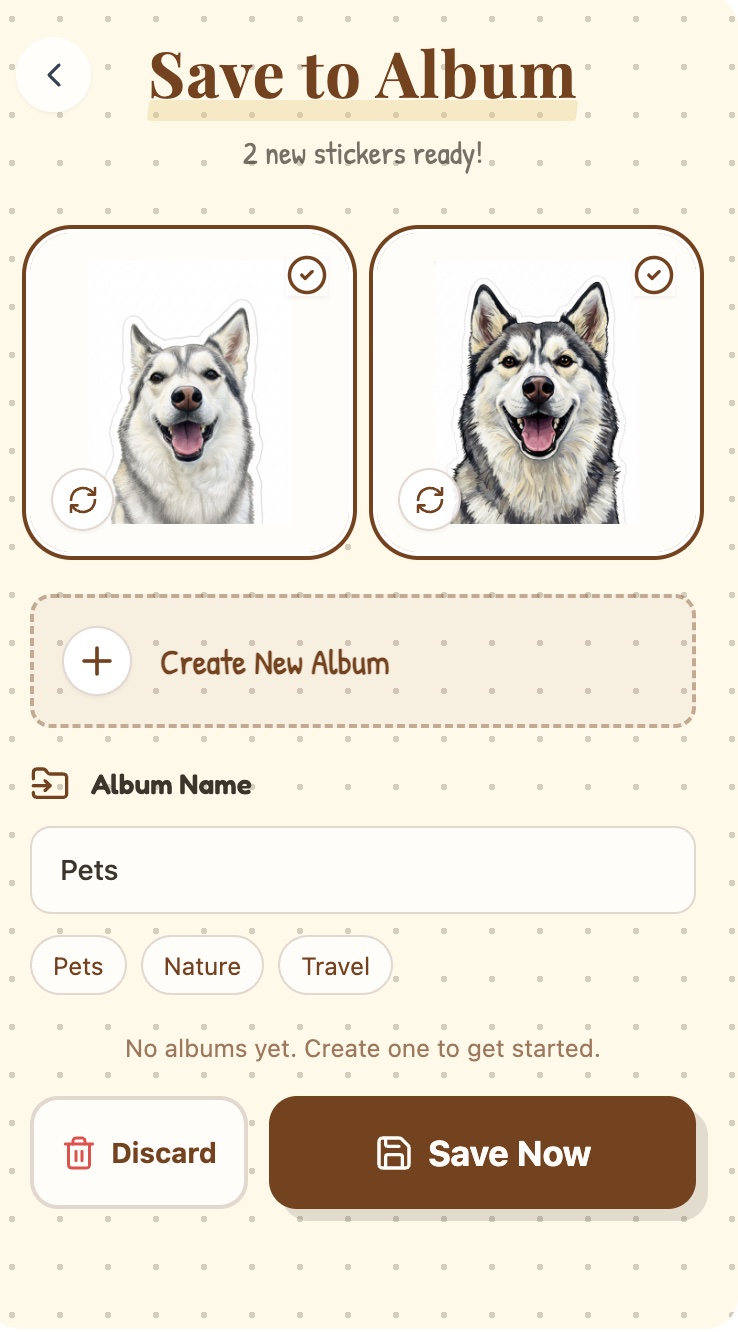
Create page
-
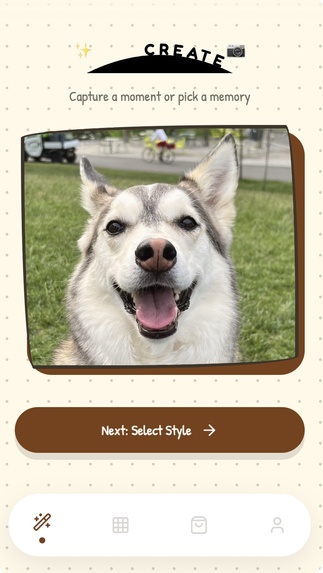
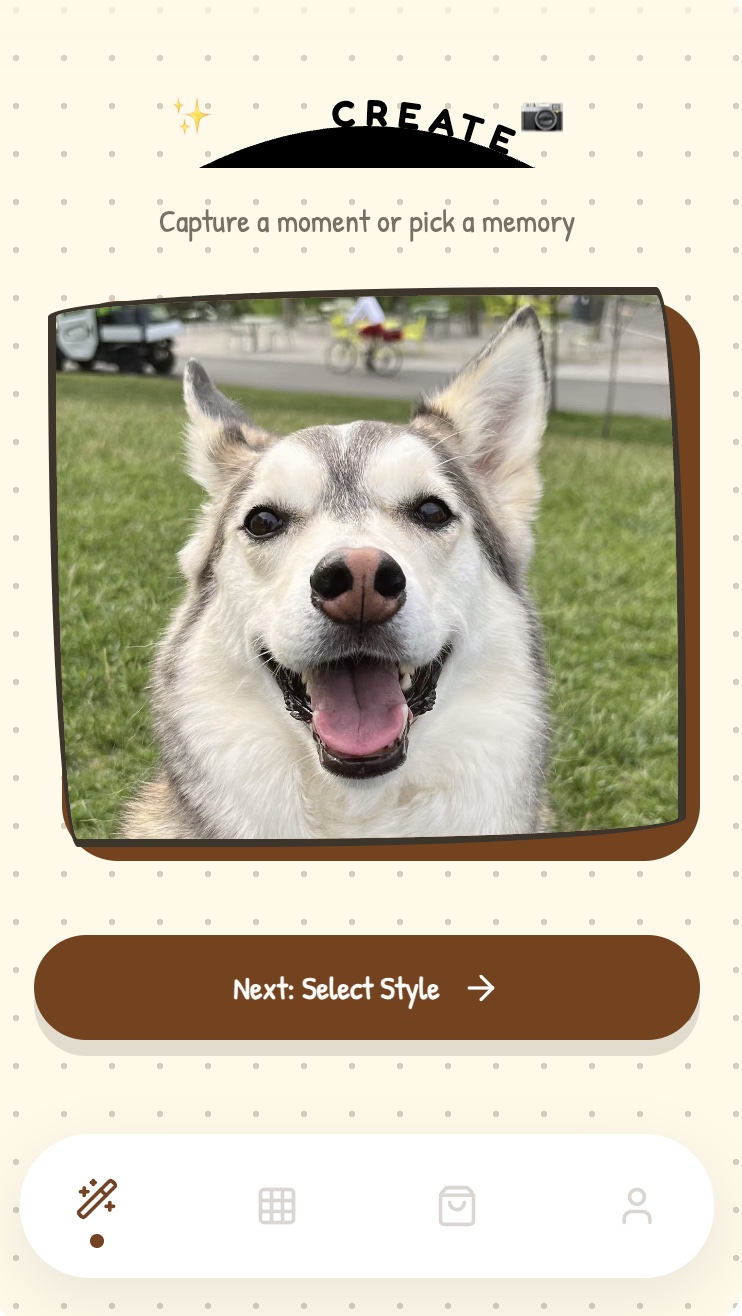
Upload a photo
-
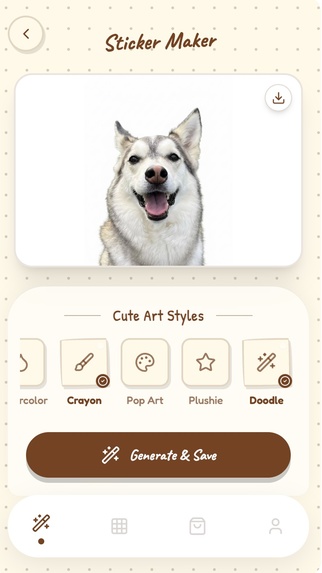
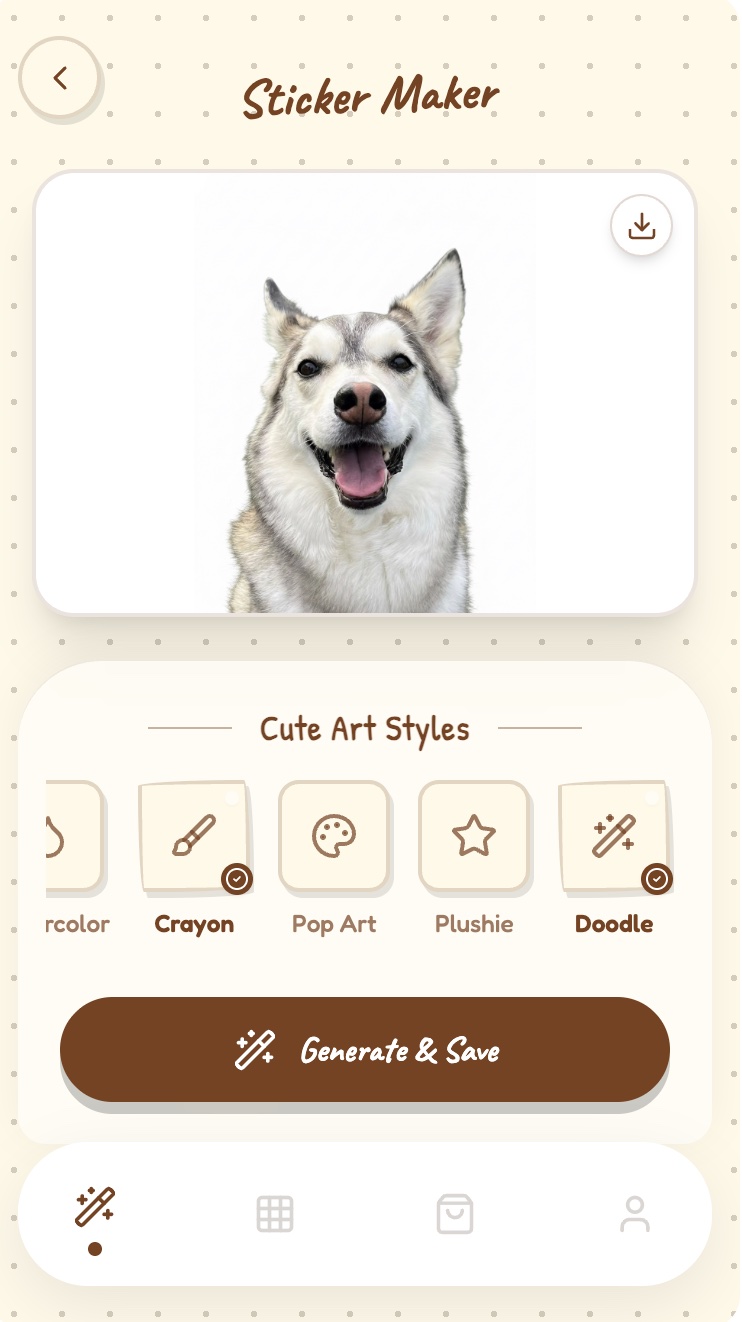
Select art styles
-
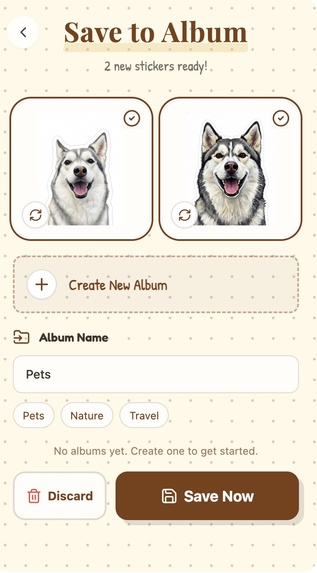
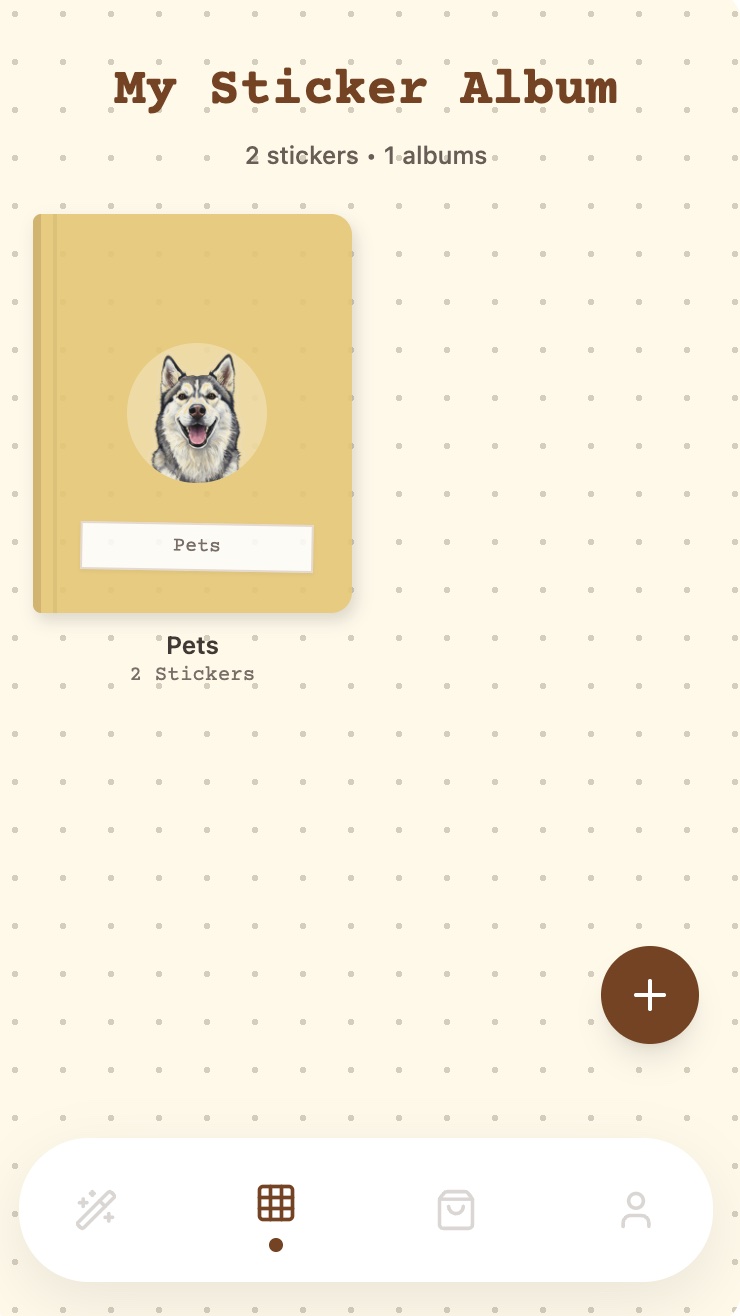
Save stickers to the album
-
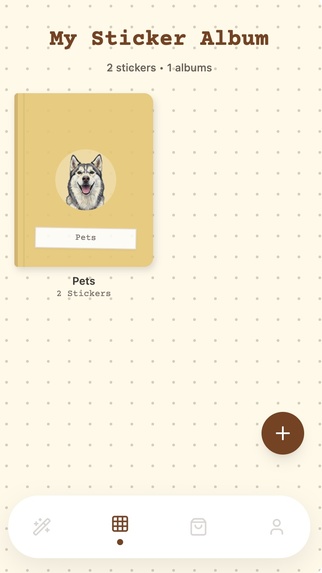
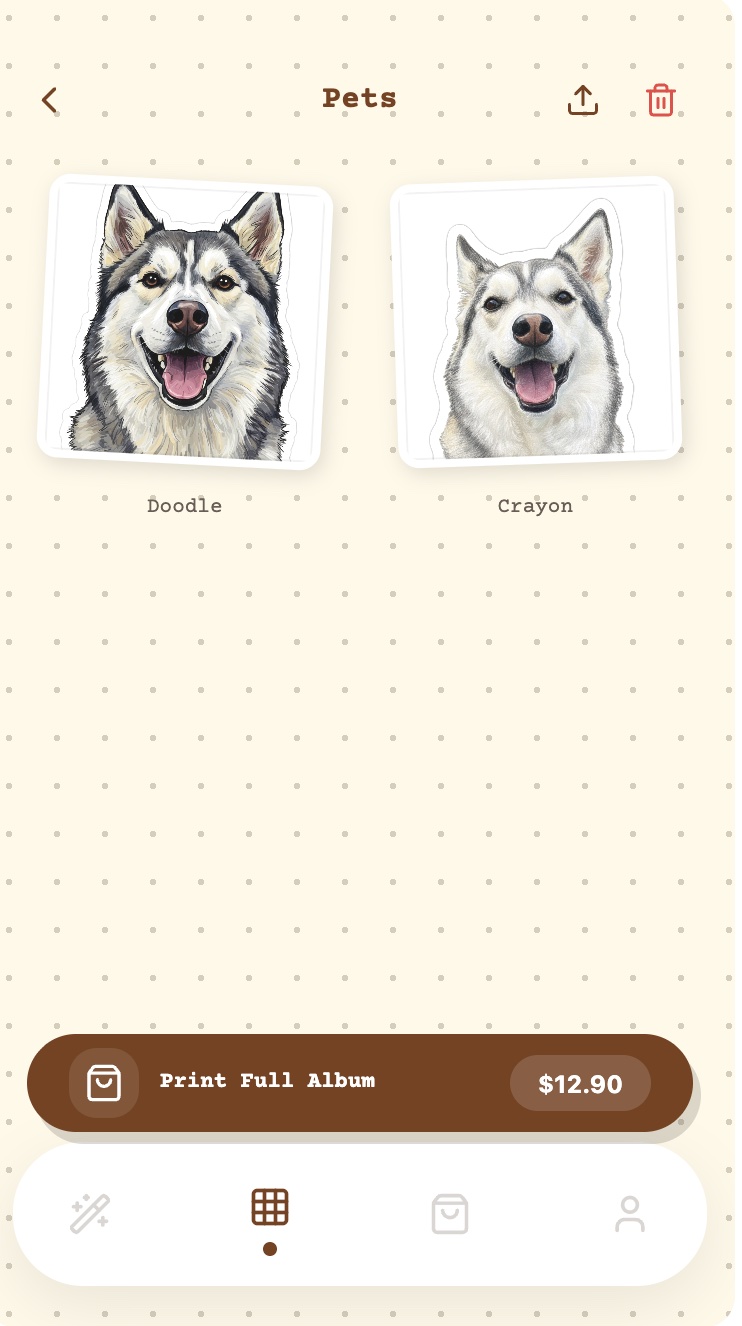
Album page
-
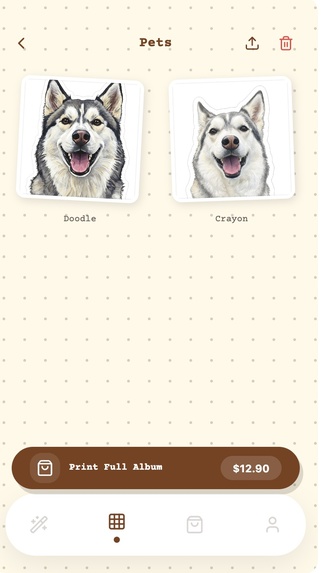
The photo grid in the album
-
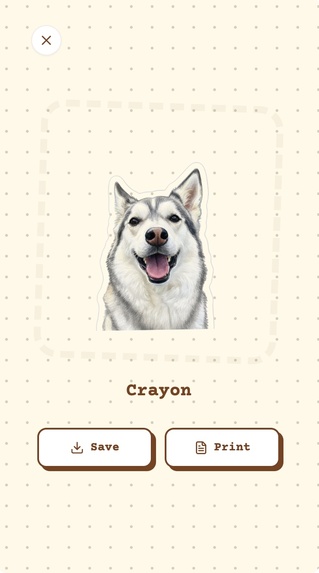
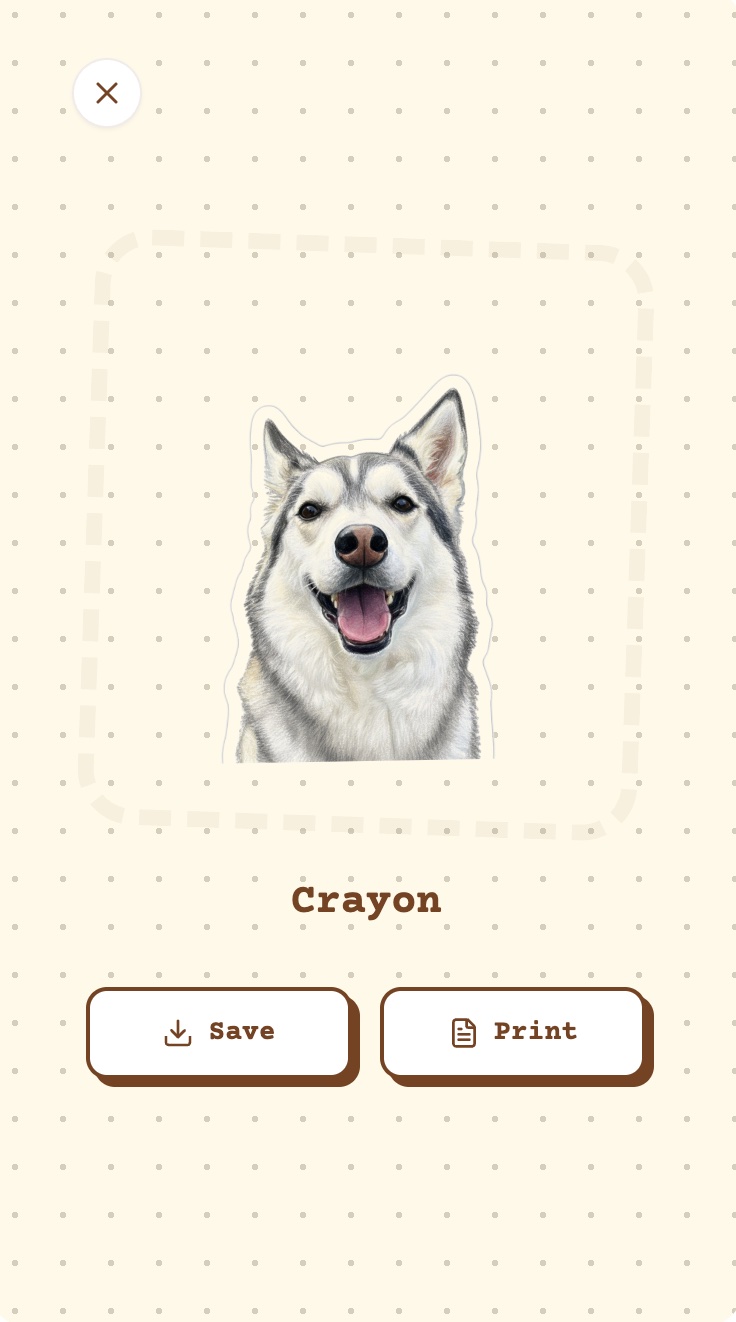
Sticker's detail page
-
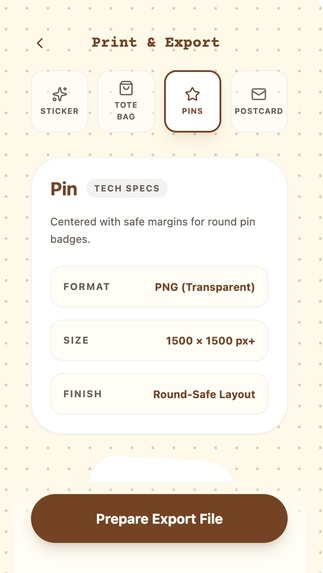
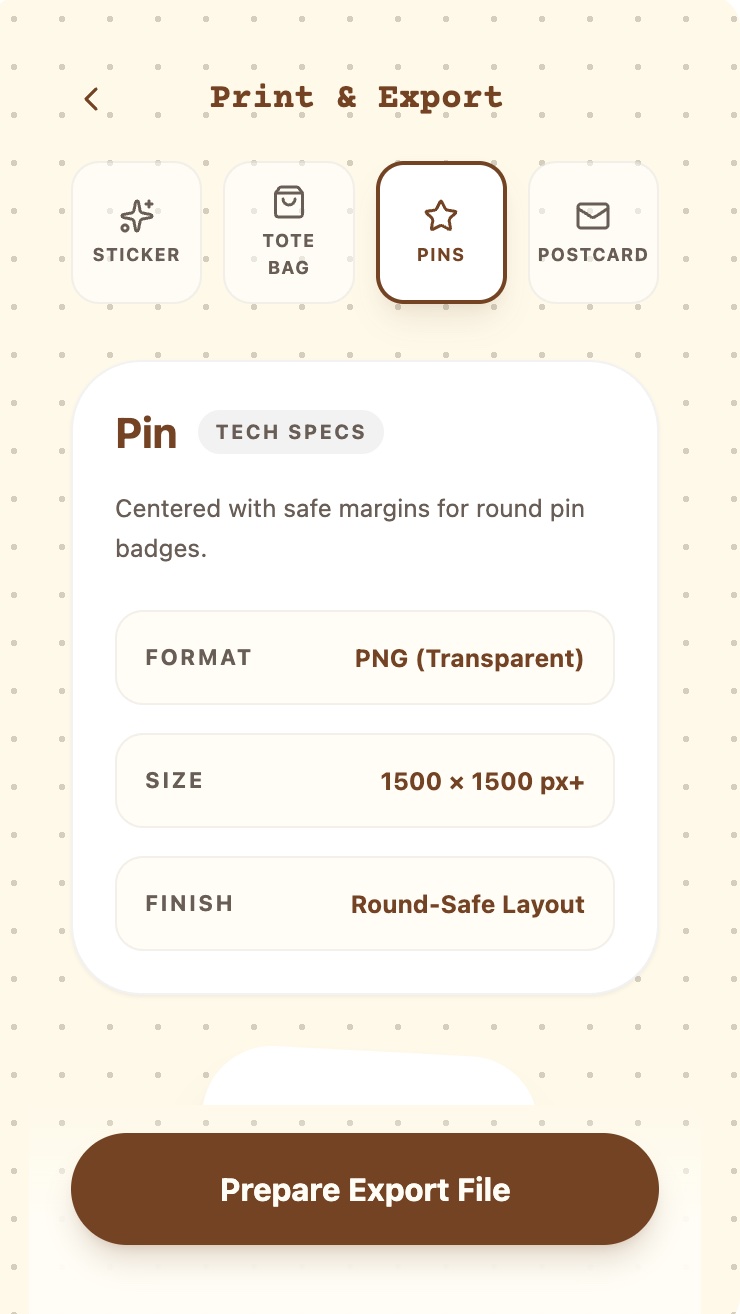
Sticker's print page
-
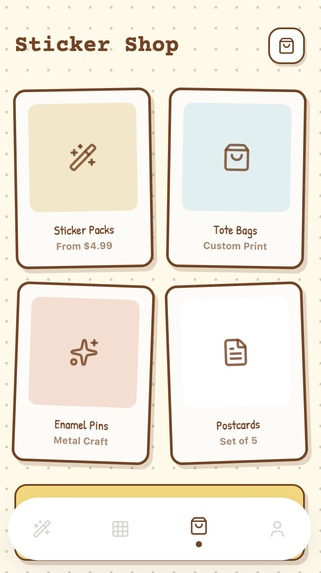
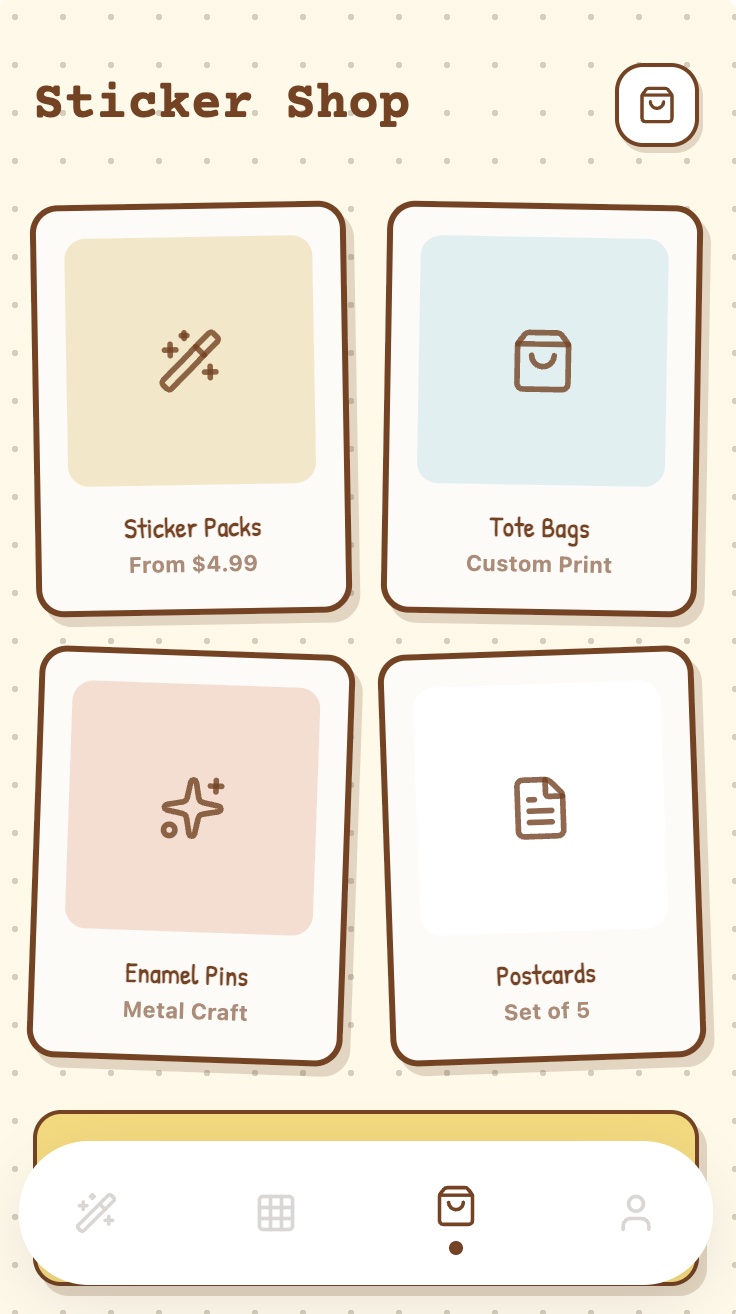
Store page
-
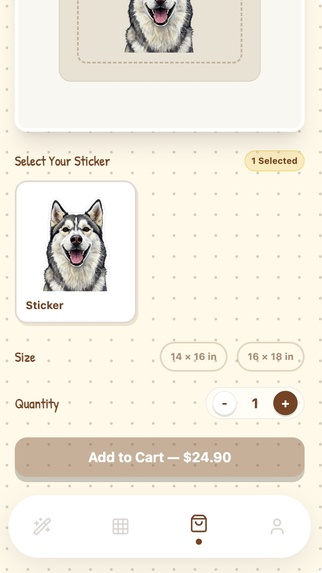
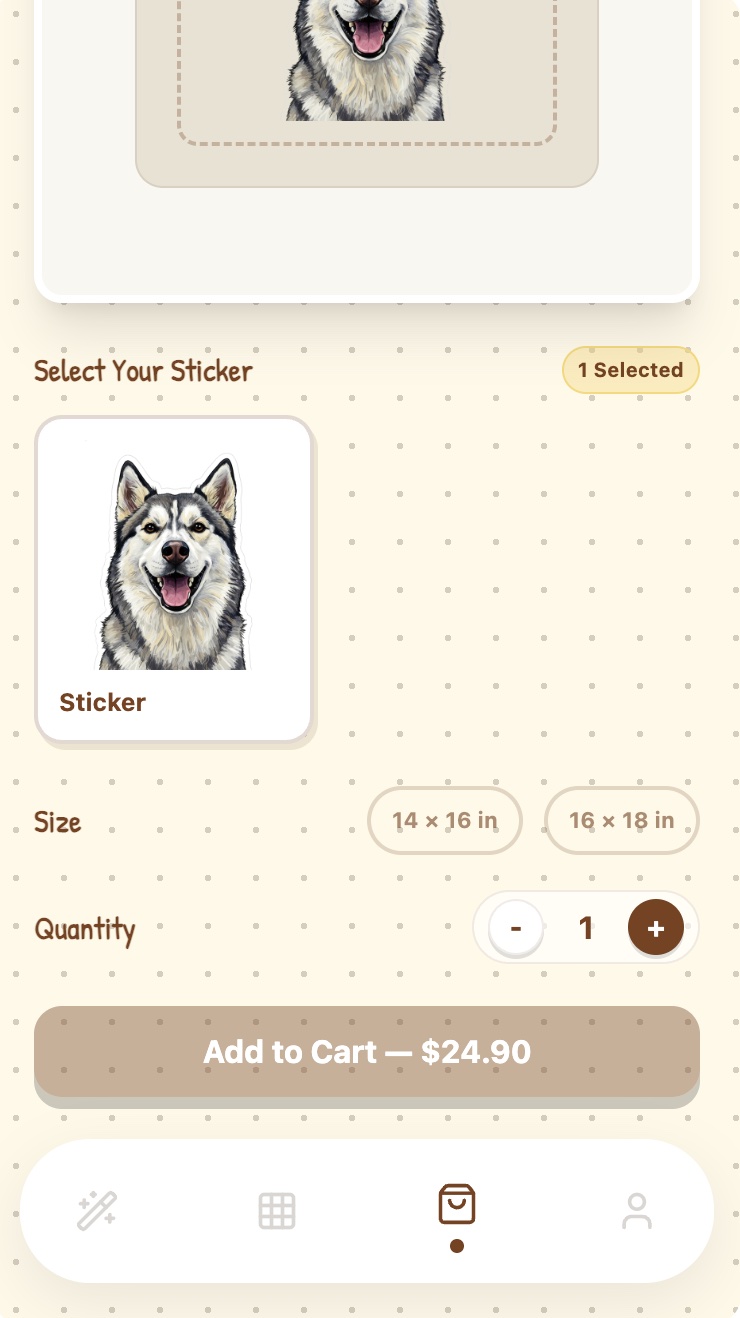
Choose the sticker you want to print on the tote bag
-
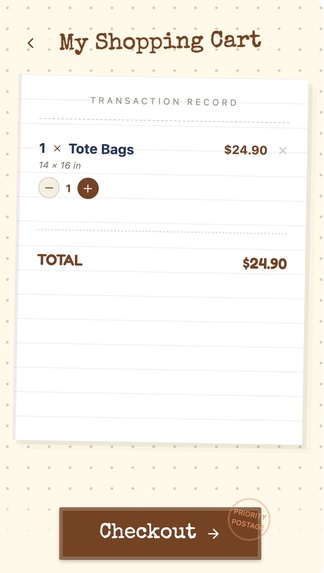
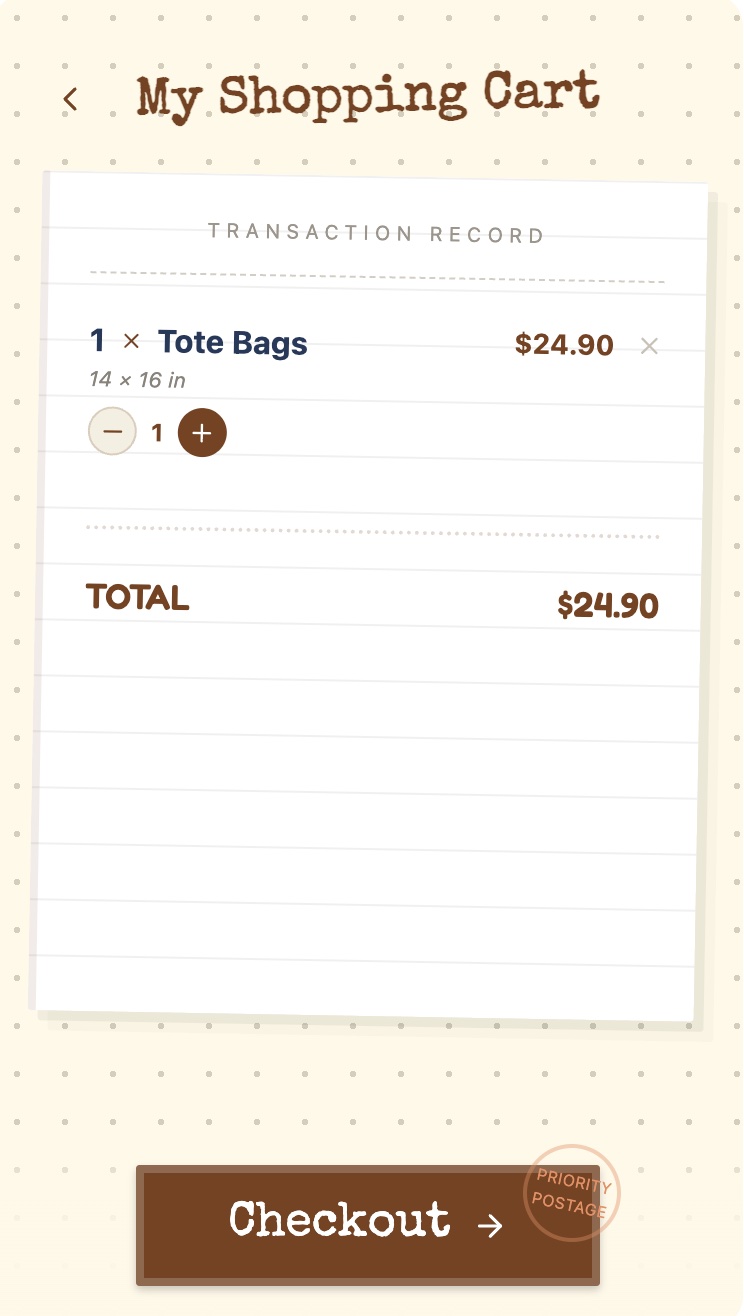
Add the item to the shopping cart
-
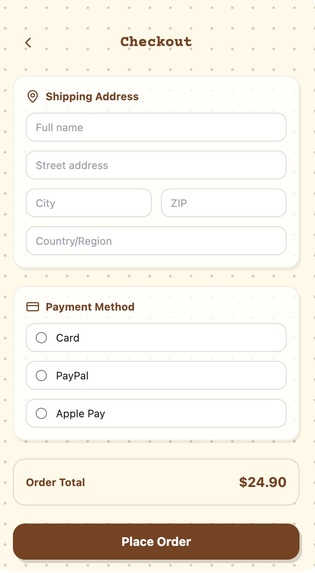
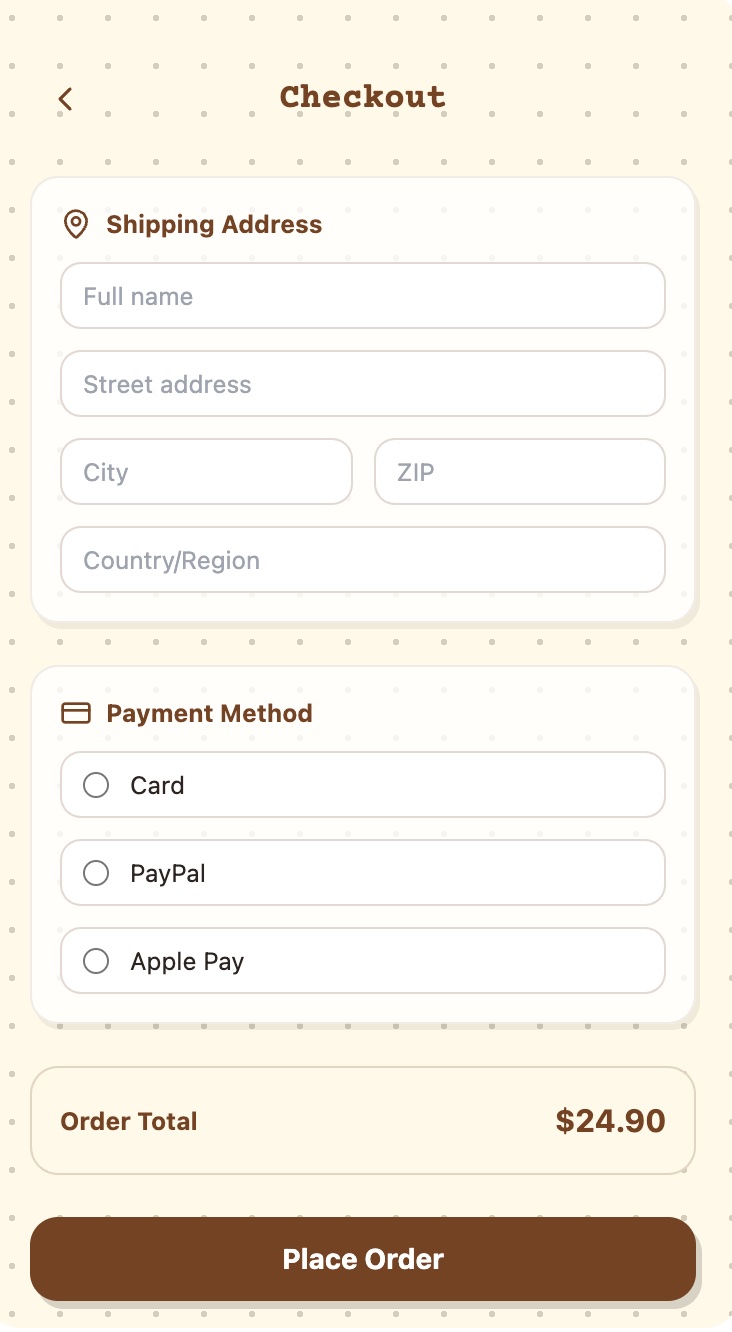
Checkout page
-
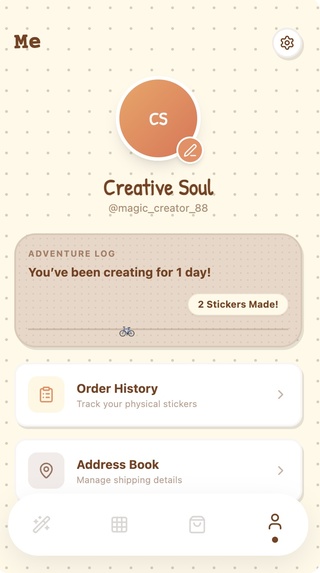
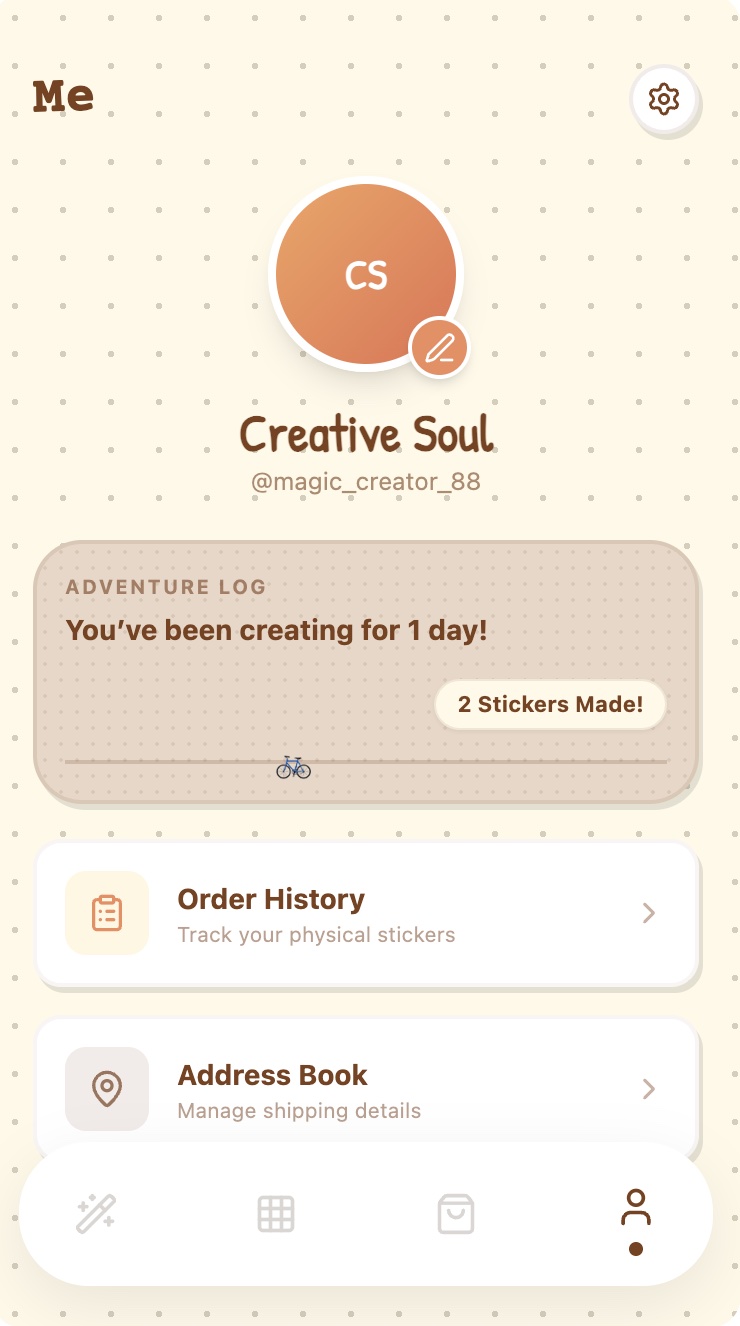
User profile page
Inspiration
Nook started from a simple idea: anyone should be able to build their own creative merchandise brand.
We noticed a recurring gap. Many people have strong aesthetic taste and creative ideas, but lack design skills. Tools like Photoshop create a steep learning curve. Even if someone manages to design something, manufacturing is another barrier — factories require high minimum order quantities, inventory becomes a financial risk, and the workflow (design → sampling → supplier → shipping → storefront) is overwhelming.
We wanted to compress this entire chain into a single action: take a photo → own a product.
What it does
Nook is an AI-powered frontend application that turns everyday photos into production-ready stickers and customizable merchandise.
Core flow: Upload or take a photo → choose an art style → generate stickers → save to album → customize products → order.
The app combines:
AI sticker generation
A digital sticker album
On-demand merchandise customization
The AI identifies the main subject, removes irrelevant background elements, and applies styles such as pixel art or watercolor while preserving identity and composition. The generated result is not just decorative — it is structurally suitable for printing and die-cut production.
Users only provide creative inspiration. Nook handles design processing and production infrastructure, enabling zero-inventory, on-demand creation.
How we built it
Frontend
React + TypeScript + Vite
Tailwind CSS (scrapbook / journaling visual style)
lucide-react icons
AI & Image Processing
Google Gemini image reasoning (subject understanding & print preparation)
Main modules
Create — upload, background removal, style selection, batch generation
Gallery — album management, export PDF, print preprocessing
Store — product customization, cart, checkout
Me — personal center & stats
Generation pipeline
User uploads a photo
AI performs subject extraction and completion
Multiple styles generate in parallel
Local canvas removes white background and trims borders
Stickers stored as DataURL/Blob and archived in album
Challenges we ran into
- Reliable subject extraction
AI image models often include noise, background objects, or even add new elements. We needed the AI to:
- keep only the intended subject
- complete cropped parts
- never add text or unrelated objects We solved this through carefully engineered prompts that force strict generation rules and bias the model toward semantic focus.
- Transparent background for printing
This was the hardest technical problem. AI models are inherently unstable at generating true transparent PNGs. Outputs were either:
- white backgrounds
- fake transparency
- edge artifacts Our solution: Generate clean white-background stickers first → remove background locally using canvas pixel processing. This gave us consistent, print-ready transparency.
- Print consistency across products
Different items (stickers, postcards, tote bags) require different margins and composition. We created product-specific prompts so the AI composes images differently depending on the final medium.
Accomplishments that we're proud of
Turned casual phone photos into manufacturable sticker assets
Achieved consistent die-cut ready outputs
Built a full pipeline: creation → album → product → order
Produced stylized images that preserve subject identity and framing
Created a zero-inventory merchandise workflow for non-designers
Most importantly, users can now create something commercially usable without knowing any design software.
What we learned
We learned that building with AI is not about replacing traditional software — it’s about understanding the behavior and limitations of generative models.
Key realizations:
AI is excellent at style transfer with semantic awareness
AI is unreliable at deterministic tasks (like exact transparency)
Prompt engineering is effectively a form of programming
The best results come from hybrid systems: AI generation + deterministic local processing
Instead of forcing AI to be perfect, we designed a pipeline that lets AI do what it is good at and compensates for what it is bad at.
What's next for Nook
Our next steps focus on turning Nook from a generator into a full creator platform:
Move storage to cloud (replace local DataURL)
Add stronger editing tools (crop, layout, text composition)
Complete user accounts and order management functions
Introduce realistic mockup rendering
Our long-term goal: Nook becomes the infrastructure layer for independent creative brands — where ideas, not skills or supply chains, determine who can create.

Log in or sign up for Devpost to join the conversation.