-
-
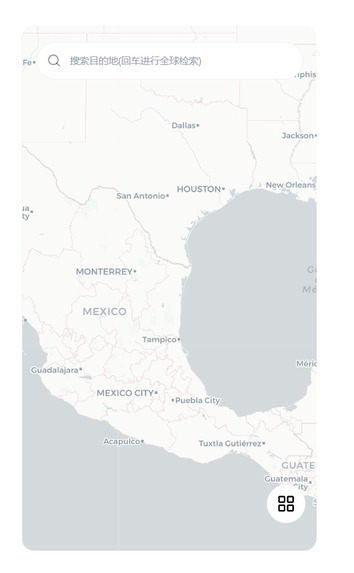
Map
-
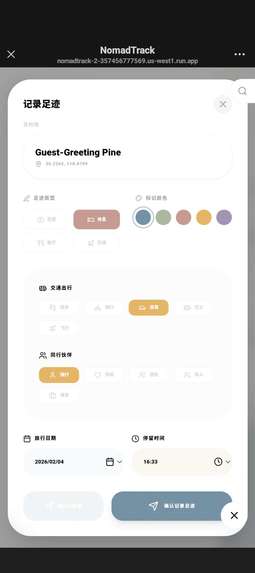
Record Footprints
-
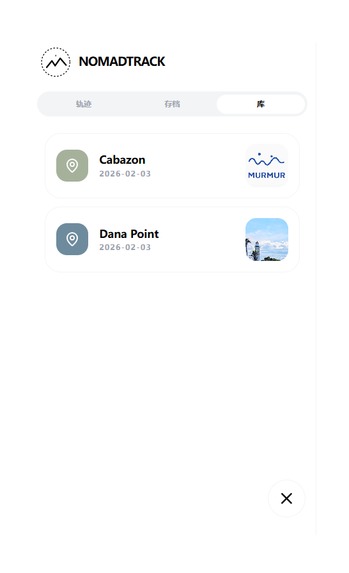
Daily Track
-
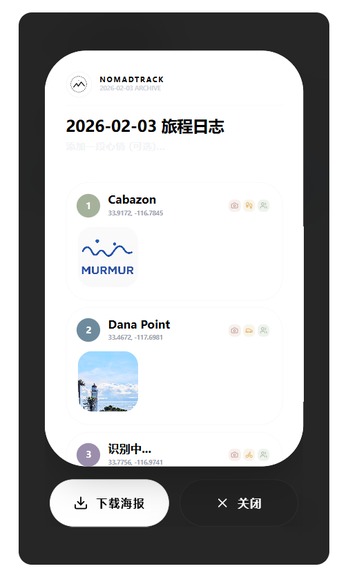
Share Poster
-
-
Daily Location Retention
-
Location Retention
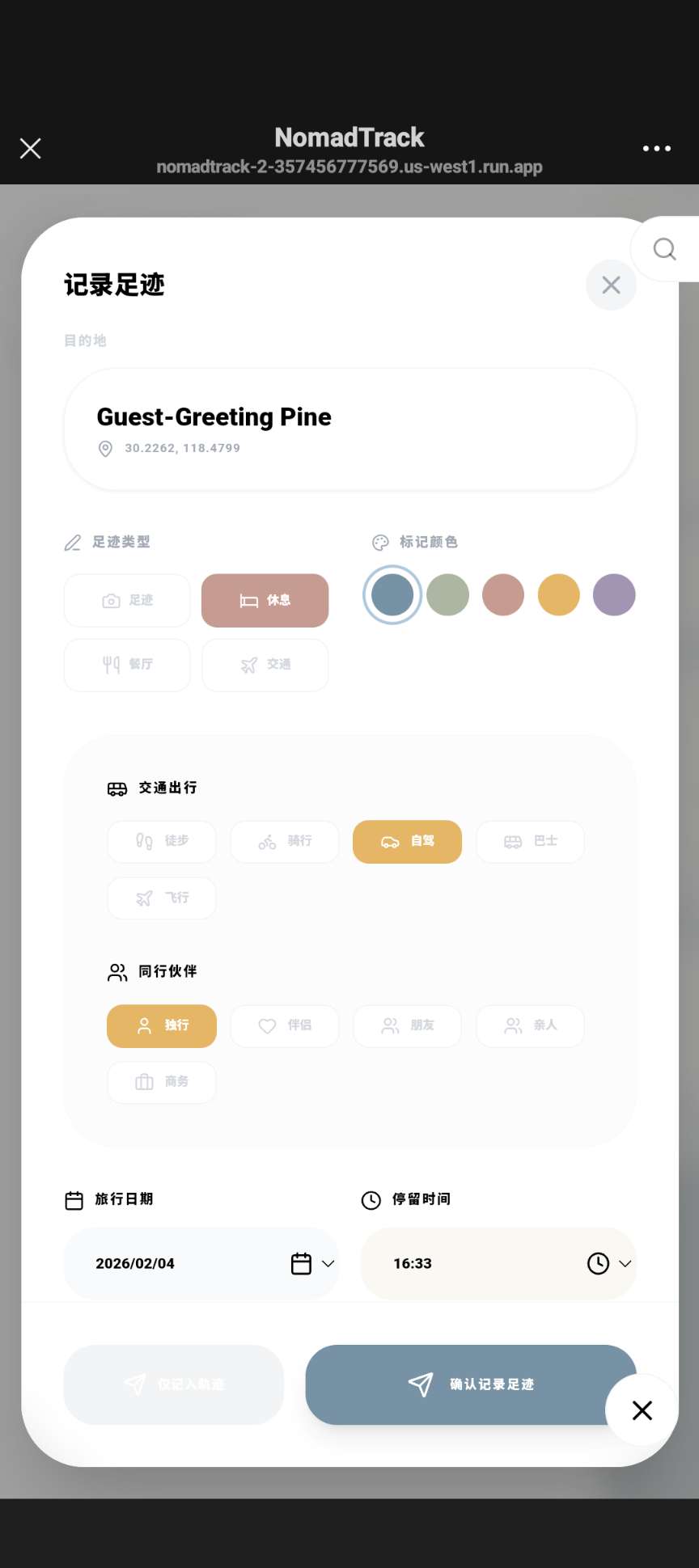
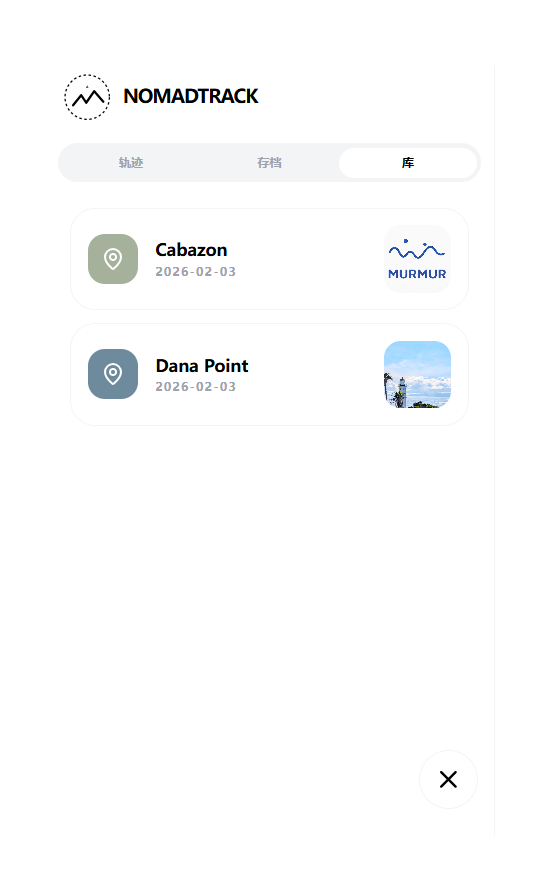
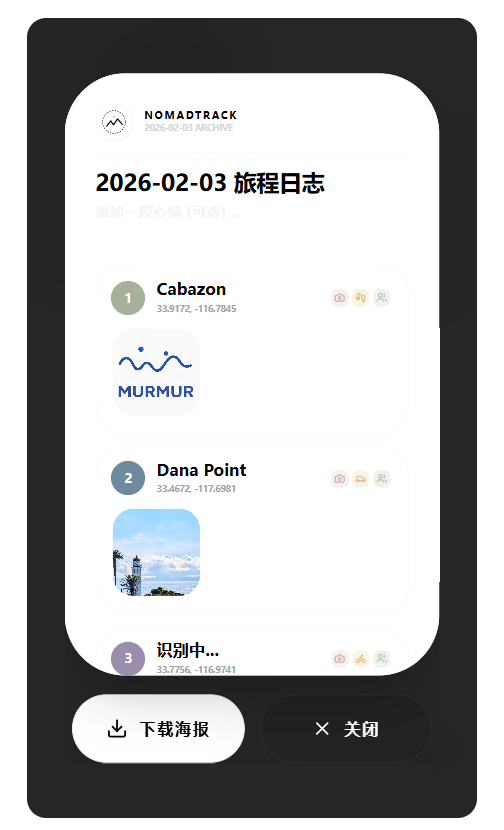
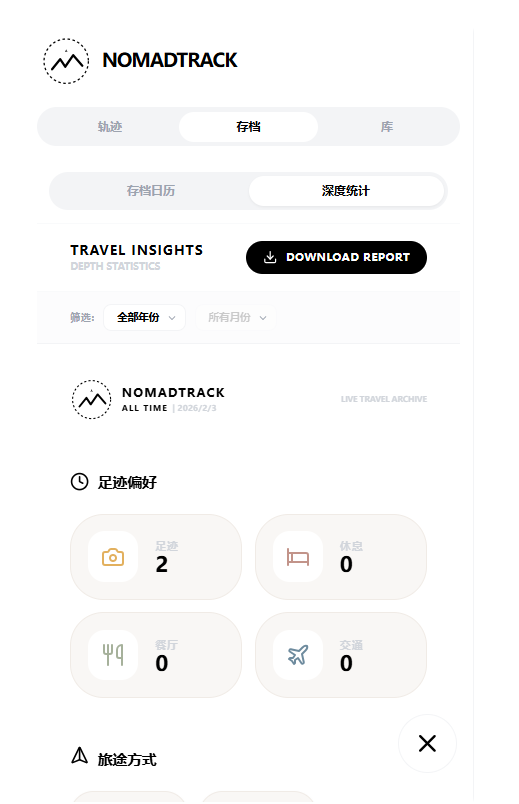
Inspiration
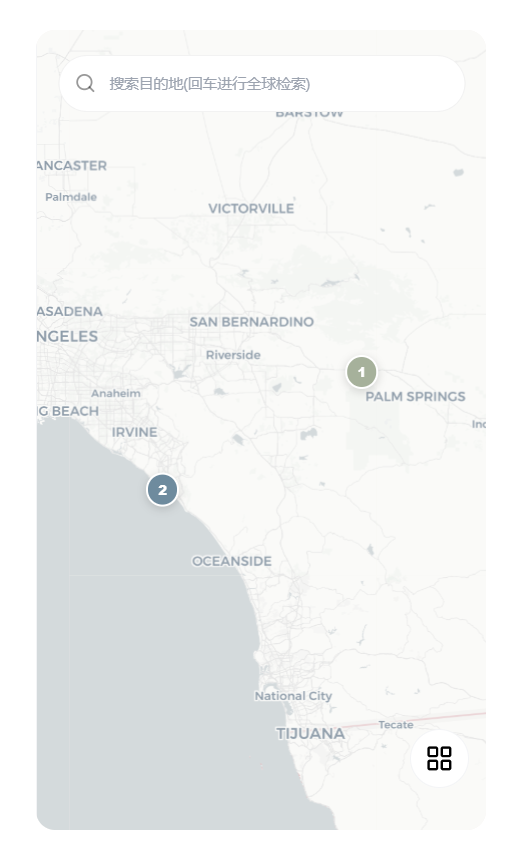
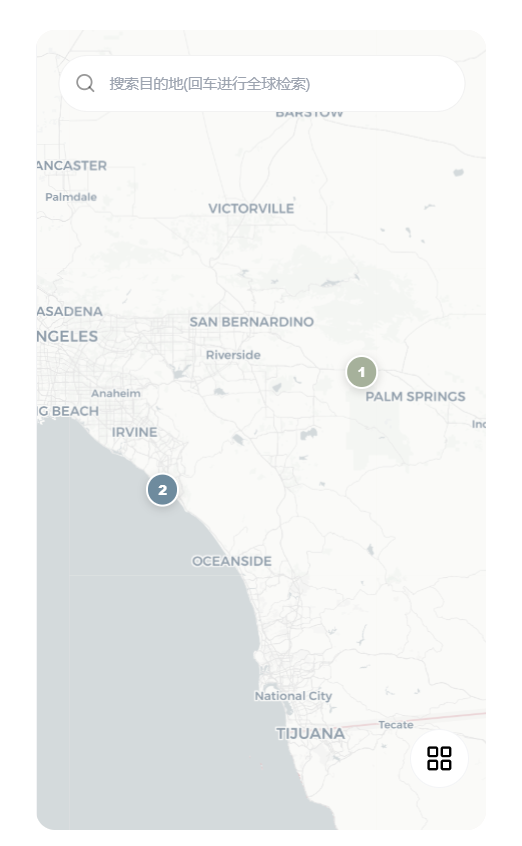
We travel to many places, yet the details often slip through our fingers. We find ourselves clearing out old photos to save space, relying on faded ticket stubs to piece together our past journeys. I wanted to create a private "footprint gallery" that chronicles more than just coordinates—it captures memories. Even when photos are deleted and recollections fade, those paths remain etched on your map, whispering: "You might have forgotten, but you were truly there."
What it does
NomadTrack is a privacy-first, lightweight application designed for personal journey management.
Passive Tracking: It operates silently in the background, weaving your daily movements into a seamless life-line with minimal battery impact.
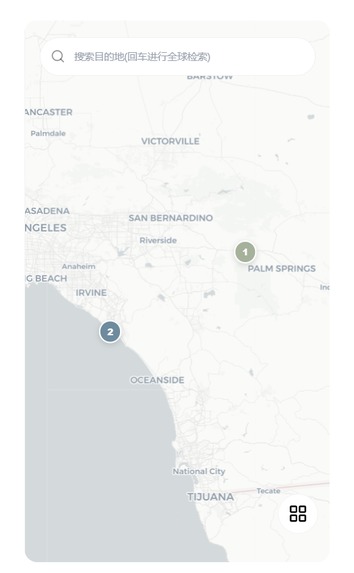
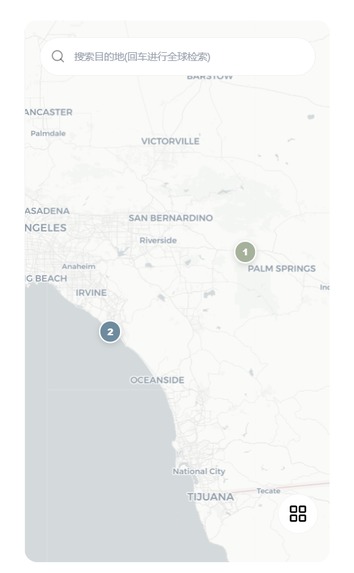
Memory Anchoring: More than a GPS tool, it acts as a spatial archive. Even if you wipe your gallery, your journey remains permanently preserved.
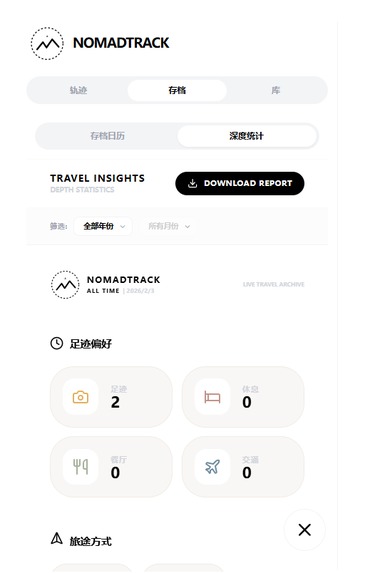
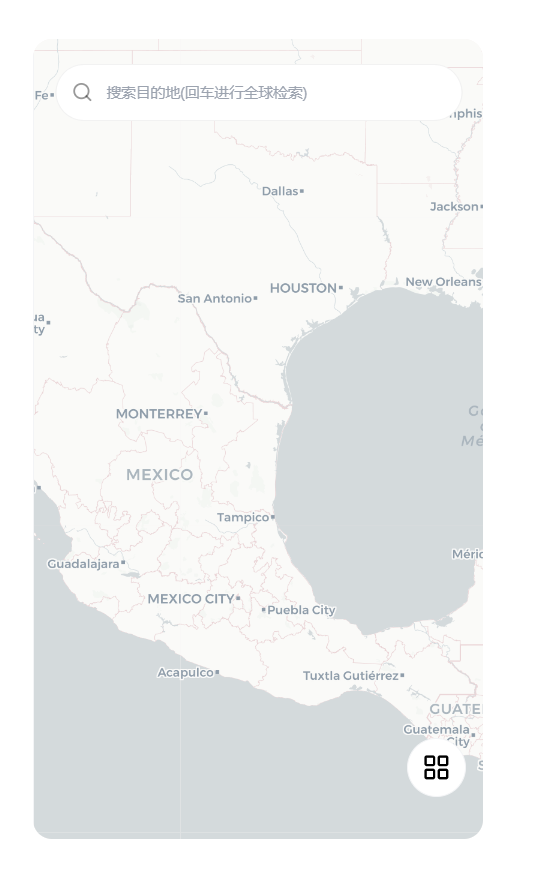
Personal Gallery: Visualize your life through a dual lens of time and space, making every trip searchable and vivid.
Privacy by Design: Your footprint data is entirely private, ensuring your life map belongs to you and you alone.
How we built it
My focus was on finding the "golden ratio" between tracking precision and power efficiency:
Core Logic: Implemented optimized location-filtering algorithms that intelligently toggle positioning modes to balance accuracy and battery life.
Minimalist UI: Designed with a "less is more" philosophy, allowing users to focus entirely on their map and their memories.
Storage Engine: Built a high-performance local database capable of rendering complex paths and storing years of coordinate history efficiently.
Challenges we ran into
Battery Optimization: The primary hurdle was maintaining continuous background tracking without draining the user’s device.
Data Smoothing: Combating "GPS drift" and static noise in indoor environments to ensure the generated paths are smooth and reflect real-world movement.
Emotional UX: Bridging the gap between cold longitude/latitude data and the warmth of a "life map" required significant design iteration.
Accomplishments that we're proud of
The "Silent Companion": Achieving a high-reliability background service that stays out of the way until the user is ready to rediscover their past.
Data Resilience: Ensuring that footprints outlast physical artifacts (like photos), staying true to the mission of "anti-forgetting."
Distraction-Free Utility: Resisting the urge to add social bloat, keeping the tool pure and focused on the individual user.
What we learned
Space-Time Connection: I realized that a coordinate is more than a dot on a map; it’s a vessel for the emotions felt at that specific moment.
The Art of Restraint: I learned that the most powerful features are often the ones the user doesn't see—the invisible underlying logic.
Value of Privacy: Deepened my understanding of how vital it is to build a "digital sanctuary" for sensitive location data in an era of over-sharing.
What's next for NomadTrack
Emotional Integration: Deeply integrating with my other app, MURMUR, to create a 4D record of "where I was and how I felt."
Memory Playback: Developing a "Time Capsule" feature to auto-generate dynamic video recaps of annual or specific journeys.
Legacy Import: Adding the ability to scan photo EXIF data to retroactively "light up" footprints from years past.
Built With
- api

Log in or sign up for Devpost to join the conversation.