-
-
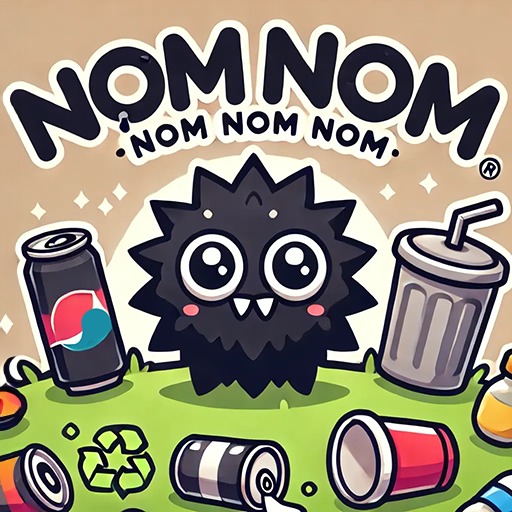
Nom Nom
Inspiration
Our inspiration for this project came from the desire to create a puzzle-solving game that enhances the value of teamwork in a mixed reality (MR) environment. We aimed to design an engaging experience that encourages players to collaborate and think strategically, while also making the act of cleaning fun and educational.
What it does
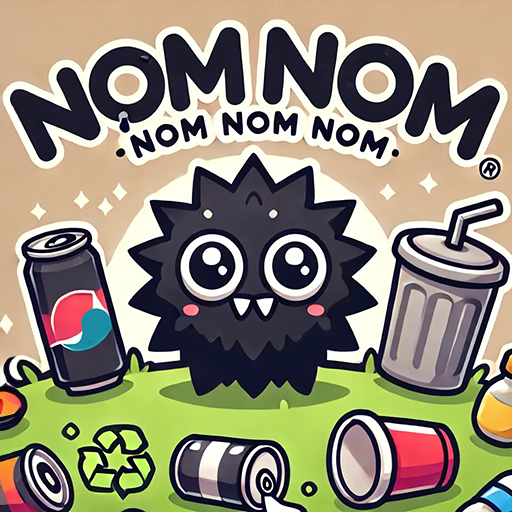
Nom Nom is a mixed reality (MR) casual game that supports both single and multiplayer modes. The objective of the game is to help Nom Nom eat the trash scattered around the room. At the beginning of the game, Nom Nom launches from its nest, which is randomly generated in the room. Players can guide Nom Nom along its path by placing paper boxes in strategic locations. The goal is to help Nom Nom eat all the trash by cleverly positioning the objects to direct its movement.
How we built it
XR Interaction SDK: This was used to enable players to directly interact with and place objects within the room. The SDK allows for intuitive and responsive interactions, making the gameplay feel natural and engaging.
MRUK: We utilized MRUK to capture the structure of the player's room, allowing objects to be accurately placed and utilized on walls, ceilings, and floors. This ensures that the virtual elements seamlessly integrate with the real-world environment.
Passthrough API: By using the Passthrough API, we made it appear as though the objects are placed in the actual room, not just in a virtual space. This enhances the immersion and makes the gameplay more believable and engaging.
Photon Fusion 2: To establish a multiplayer mode environment, we used Photon Fusion 2 to implement Colocation. This allows multiple players to interact within the same physical space, making teamwork and collaboration essential elements of the game.
Challenges we ran into
Coming up with the idea took a lot of time. It would have been more efficient if we had developed our concept earlier, giving us more time to focus on development.
Accomplishments that we're proud of
We went back and forth through several versions to implement the colocation feature. Initially, we based our implementation on the DISCOVER platform using an older MRUK version, but midway, we decided to switch to the latest version (v66) as advised. Although the progress was slower than expected, gathering together through colocation to discuss and play made our game truly stand out, making the effort worthwhile.
What we learned
Presence Platform Hackathon Rocks
Built With
- c#
- photonfusion2


Log in or sign up for Devpost to join the conversation.