-
-
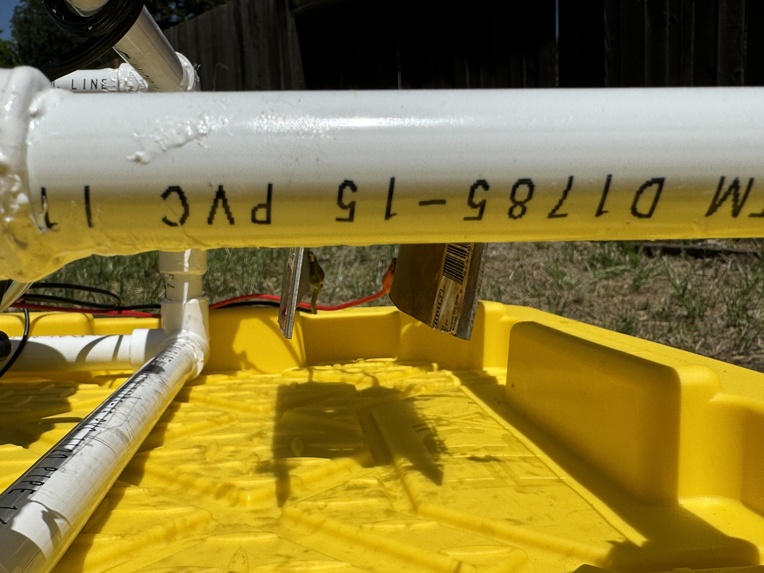
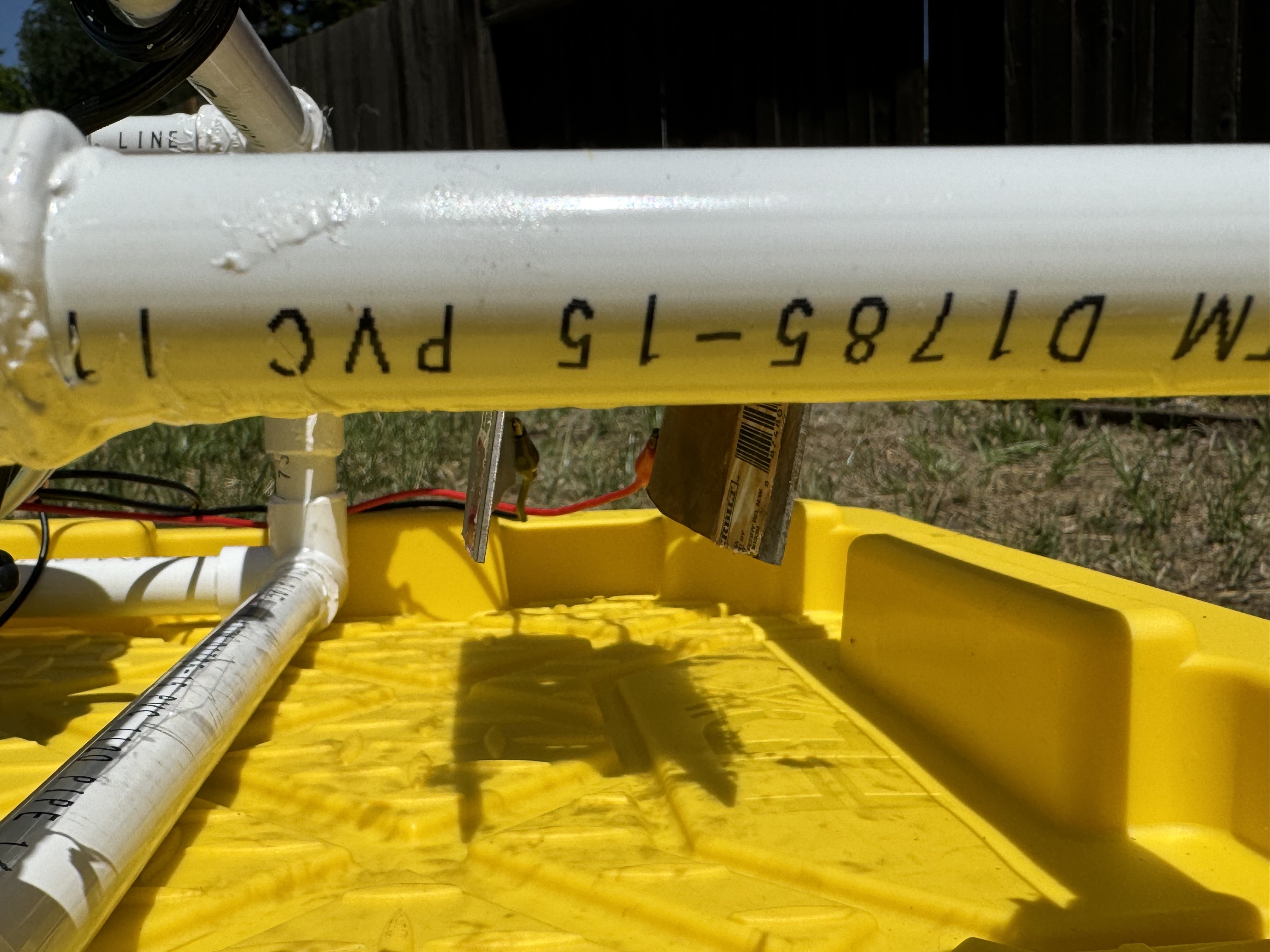
MHD Drive view, electrodes and wire connections to main controller
-
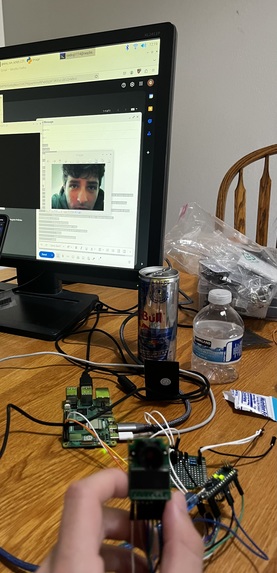
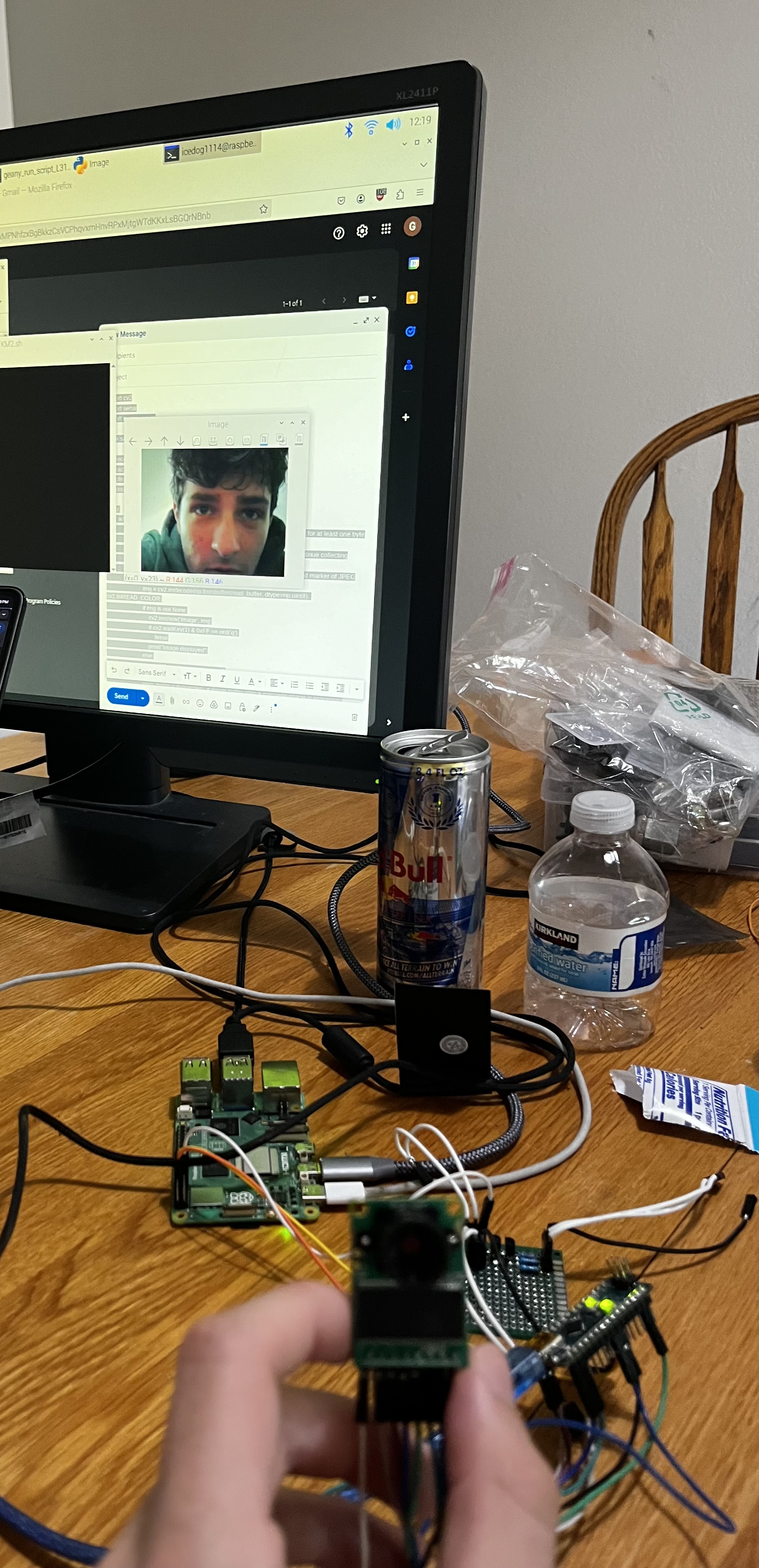
Camera demo
-
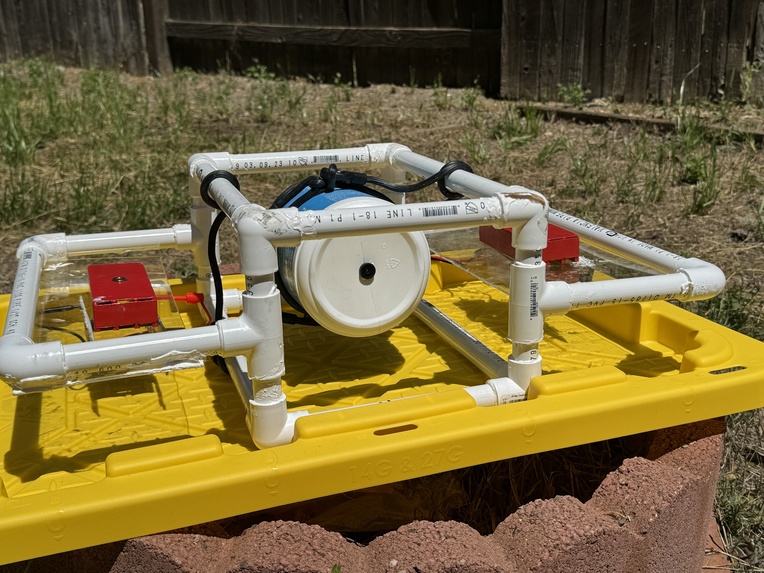
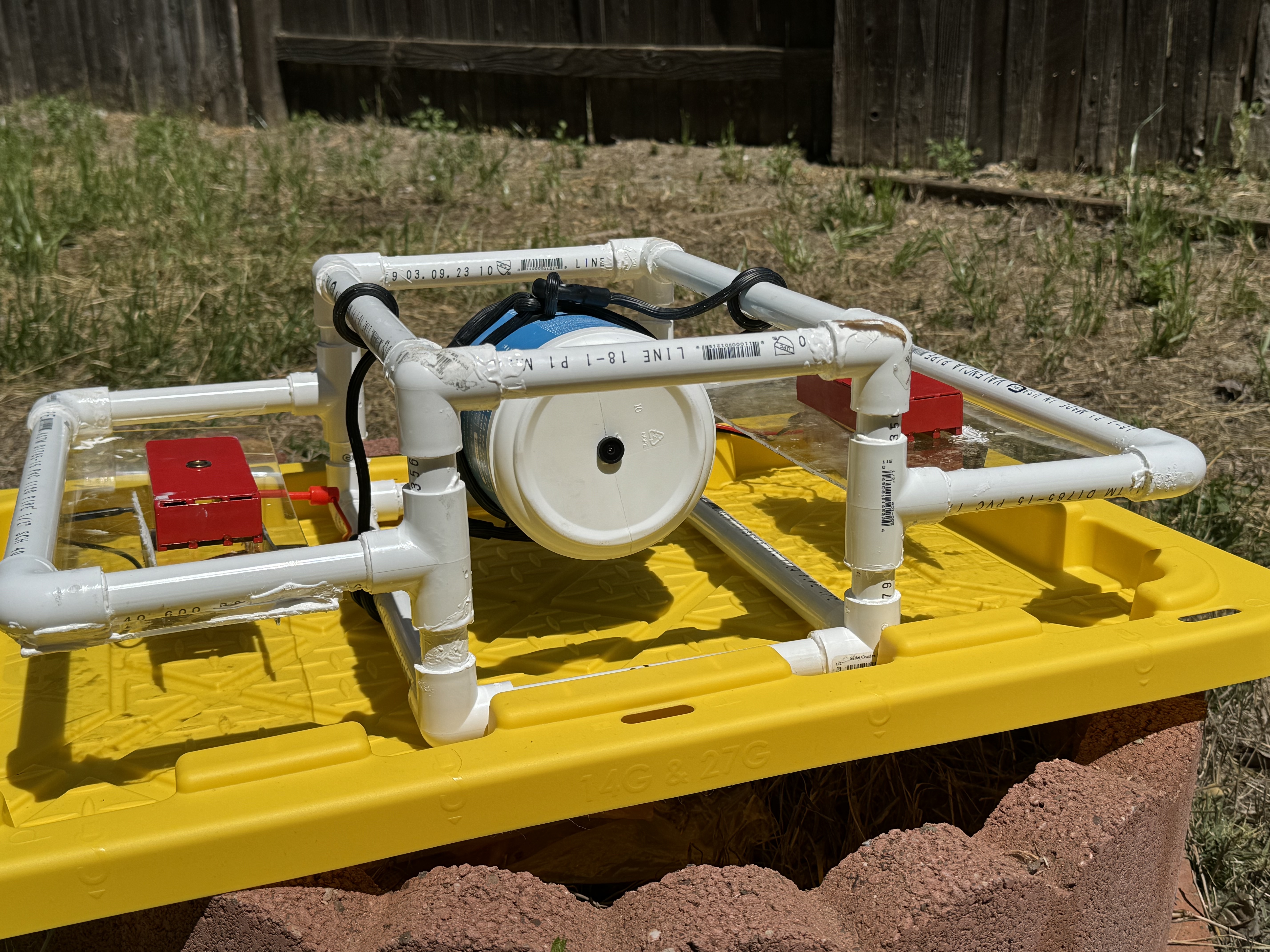
Overview of submarine, 2 MHD drives on either side and a central control unit with camera for CV.
Inspiration:
The ocean continuous to remain the most unexplored place on our Earth. With it's vast area and great depth, the ocean's mysteries come to rival the unknowns of space. In order for us to conduct research in Ocean environments we use means of transportations that create noise pollution. This noise pollution makes it hard for sea creatures to hear the natural sounds of the ocean, including predator cues, prey coming by and potential mating partners. So we set out to create a solution that would allow us to explore at greater depths without harming the environments we wish to observe. With ionic wind propulsion systems having their stride in altering the aviation industry, it's causing the magnetohydrodynamic drive could alter the way we travel the seas forever.
What it does
Magnetohydrodynamic drives utilize the conflicting nature of electric fields and magnetic fields to create thrust. As electric fields have positive ions traveling towards their negative neighbors, they create a "wind" or thrust as they pick up on the ionized salt water traveling between them. Magnetic fields create torques in the electric fields, driving the ionized water molecules down the channel to create forward thrust. Such a driving system utilizes zero moving parts and creates virtually no noise pollution. The system is simple, calling for a powerful magnet and as little as 15V to create movement. The center capsule of the submarine houses a raspberry pi and arduino circuit that uses pwm to control the power given to the thrusters. Allowing for forward and turning movement.
How we built it
We built from supplies we purchased from home depot, including magnets, stainless steel plates, pvc pipes and epoxy. We designed the submarine to be buoyant in its natural state and light enough to overcome the additional weight of the magnet and electrodes.
Challenges we ran into
We had a couple of challenges that we ran into. Firstly, the amount of salt we added in our trials was not consistent and this led to a lot of variation between our results. The shape and size of our original electrodes and magnets created unexpected difficulties. We ended up trying multiple types of both and had successful and unsuccessful results with both as well.
Accomplishments that we're proud of
We were proud to demonstrate the viability of a MHD even with the limit in material we had.
What we learned
We learned a lot about materials and their conductivity. Metals like aluminum began to chip and due to the high voltage, every metal we worked with corroded.
What's next for Noise Free MHD Submarine w/ CV
Integrating the subsystems and testing in an actual open space environment, one that has consistent salinity and valuation training targets such as the ocean.


Log in or sign up for Devpost to join the conversation.