-
-
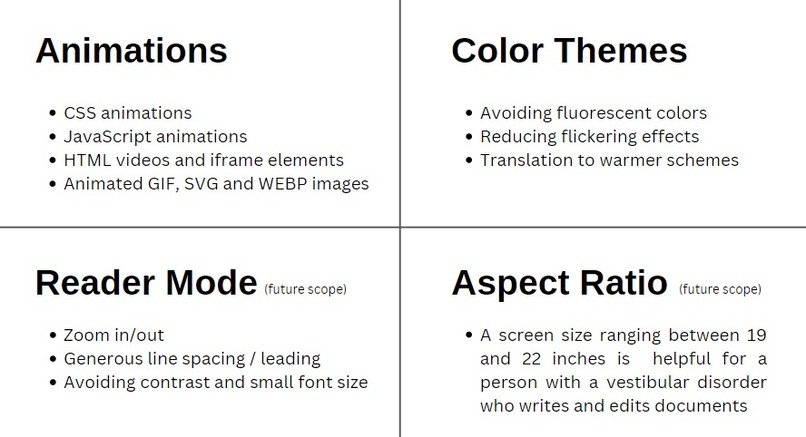
Feature plan for NOISA
-
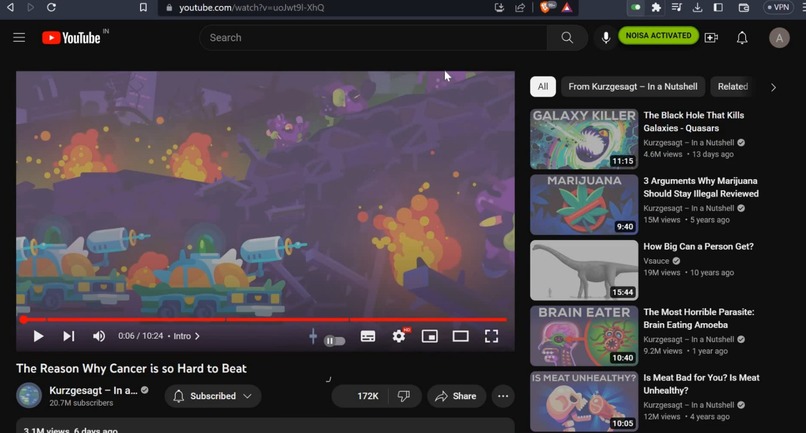
After NOISA activation
-
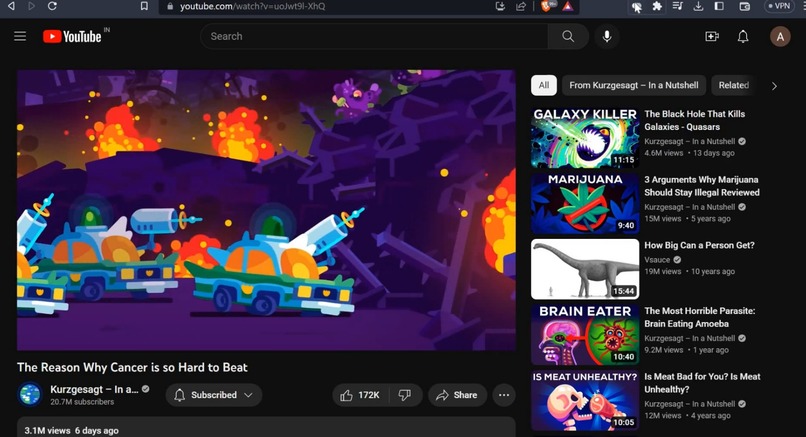
Before NOISA activation
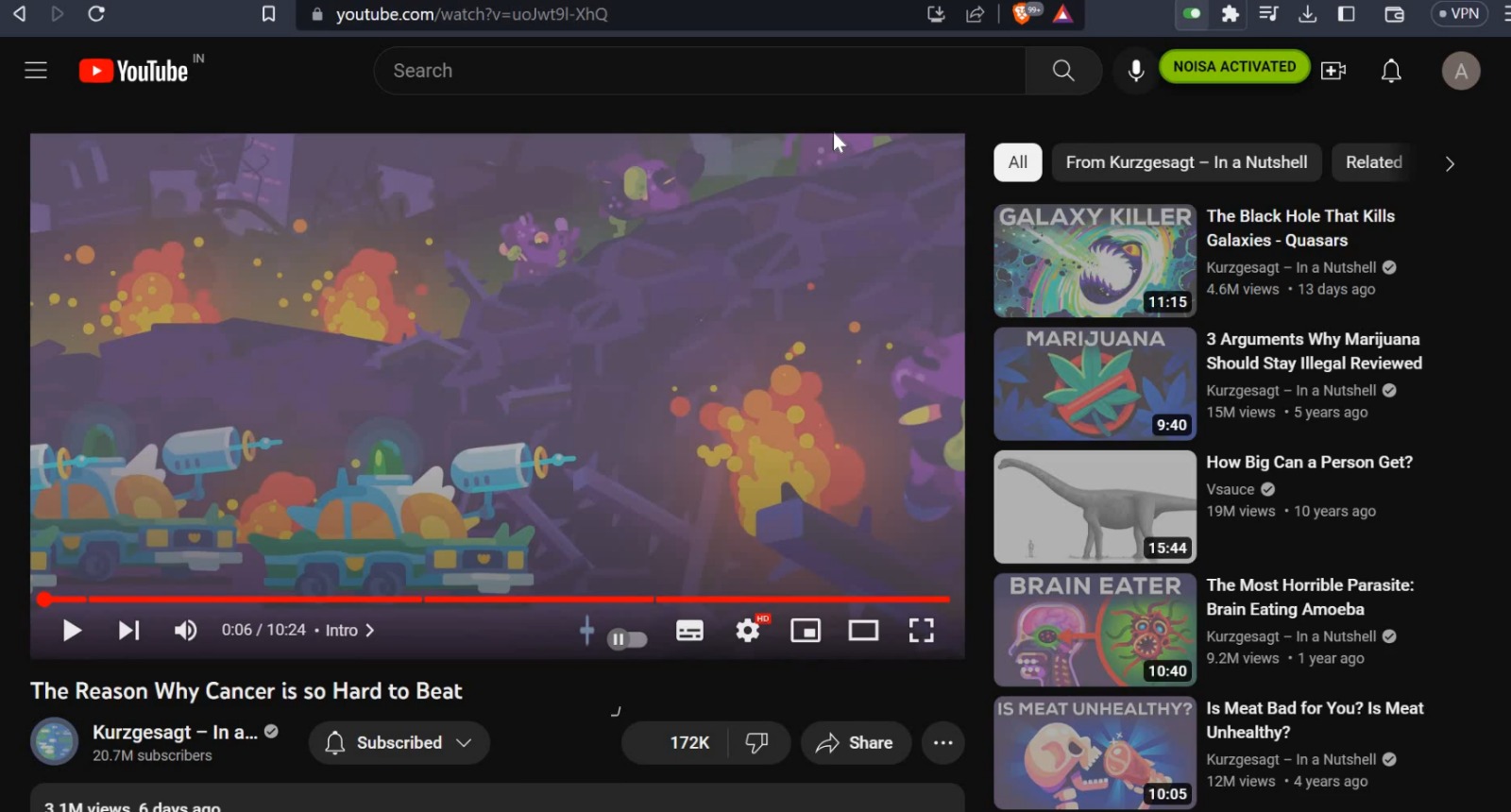
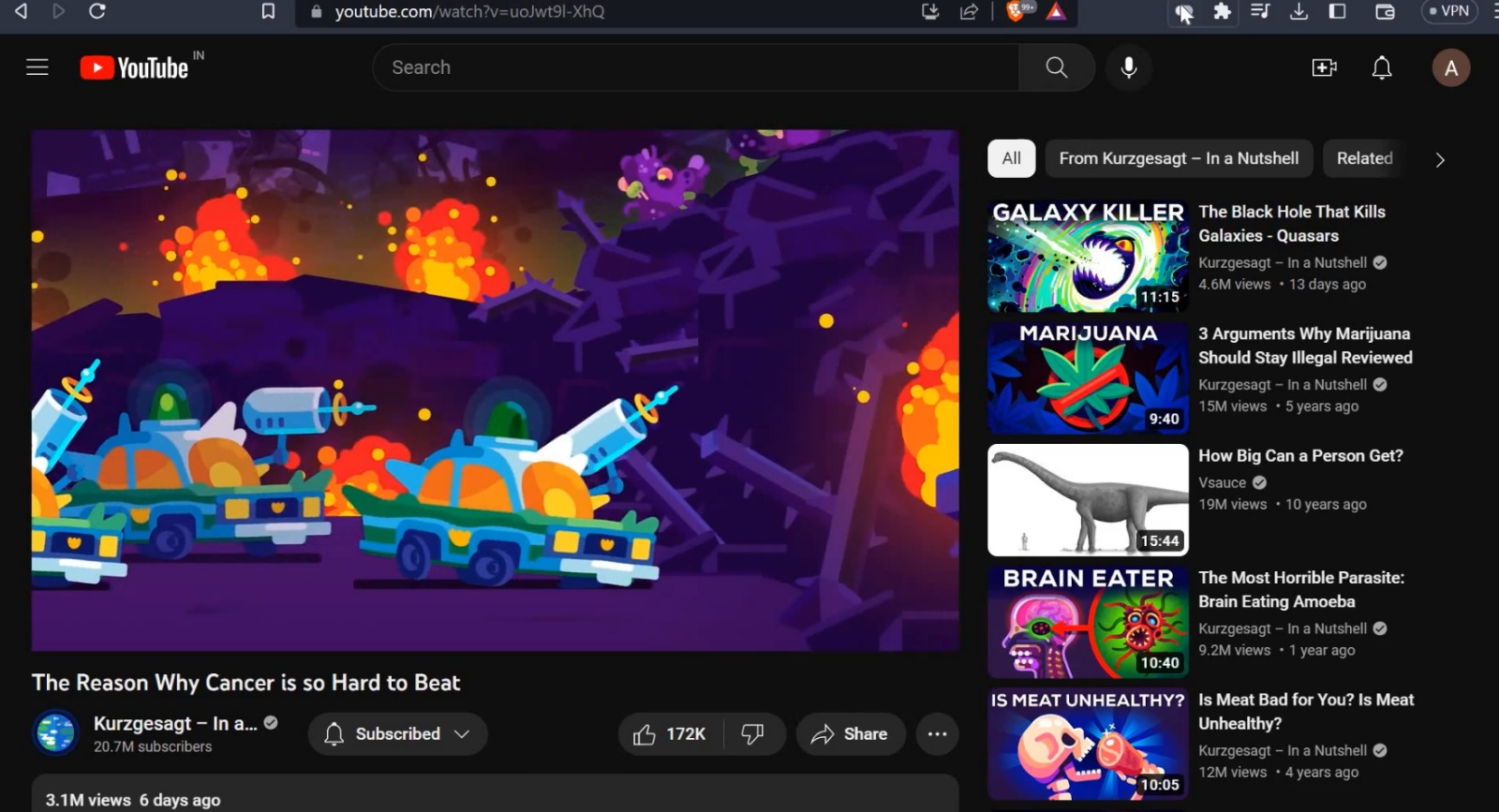
Inspiration
The inspiration behind creating a Chrome extension to assist people suffering from vestibular diseases came from my own personal experiences and interactions with individuals facing such challenges. We became aware of the difficulties they encounter when using websites or applications that have excessive animation and high contrast, which can trigger symptoms such as dizziness, nausea, and headaches. Witnessing their struggles, we realized the potential for technology to provide a solution and improve their online experience.
What it does
To build the Chrome extension, we utilized web development technologies such as HTML, CSS, and JavaScript. The extension leveraged the Chrome browser's built-in features and APIs to manipulate the webpage's elements and apply the necessary modifications. The main functionality involved disabling or minimizing animations and adjusting the contrast levels of the displayed content.
How we built it
During the development process, we learned about the specific needs of individuals with vestibular diseases and the measures that could alleviate their symptoms. We discovered that reducing animation and contrast were key factors in creating a more comfortable browsing experience for them. Animation can be distracting and disorienting, while high contrast levels can induce visual stress. By addressing these issues, the extension aimed to make web content more accessible and user-friendly for people with vestibular conditions.
Challenges we ran into
One of the primary challenges encountered during the development process was ensuring compatibility with various websites and web applications. Since different websites have unique designs and structures, adapting the extension to work seamlessly across a wide range of platforms required extensive testing and refinement. Another challenge was finding a balance between reducing animation and maintaining a visually appealing browsing experience for users without vestibular disorders. Striking the right balance was crucial to avoid making the web content too static or dull.
Accomplishments that we're proud of
To overcome these challenges, we collaborated with individuals who had vestibular conditions and incorporated their feedback into the development process. Their input was invaluable in understanding their specific needs and refining the extension's features. Additionally, we actively sought user feedback and engaged with the vestibular community to gather insights and make necessary improvements.
We are very proud to be able to implement end-to-end features for color contrast adjustment and animation controls, within these 48 hours!
What we learned
Through this project, we gained a deeper understanding of the challenges faced by individuals with vestibular diseases and the impact that technology can have on improving their daily lives. We learned the importance of user-centered design and the significance of actively involving the target audience in the development process. The project reinforced the notion that technology has the power to address accessibility barriers and enhance the inclusivity of digital experiences for individuals with diverse needs.
What's next for NOISA
The project can be scaled to fulfill huge possibilities. The current scalable paths comprise of :
- Reader Mode
- Zoom in/out
- Generous line spacing / leading
- Avoiding contrast and small font size
Built With
- chrome-extension-api
- css
- html
- javascript


Log in or sign up for Devpost to join the conversation.