-
-
Helpdesk
-
Nobi
-
Architecture
-

SaturdayMorning
-
Onerecord_workshop
-

Startupvillage
-
Office
-
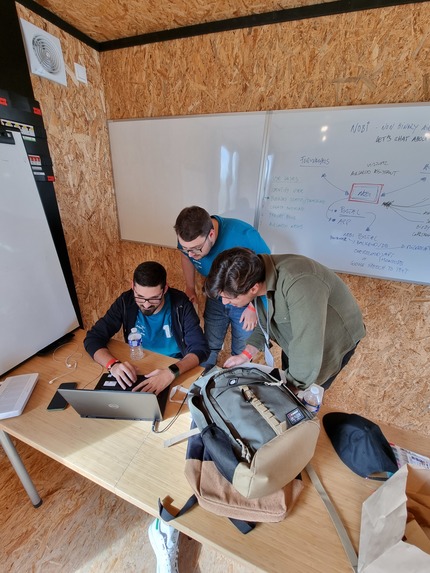
Teamwork
-
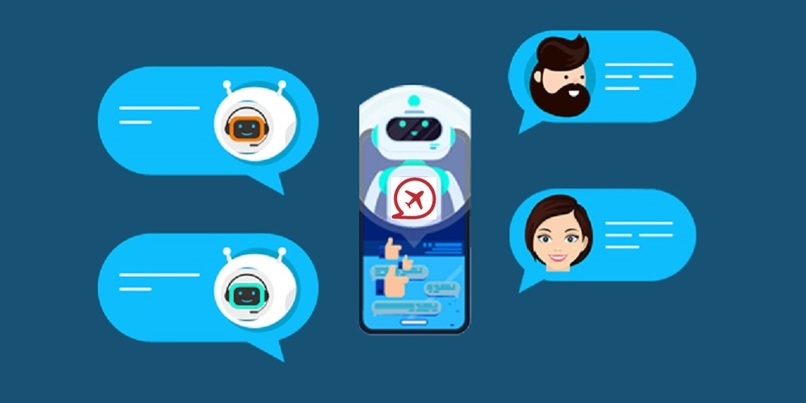
Nobibot
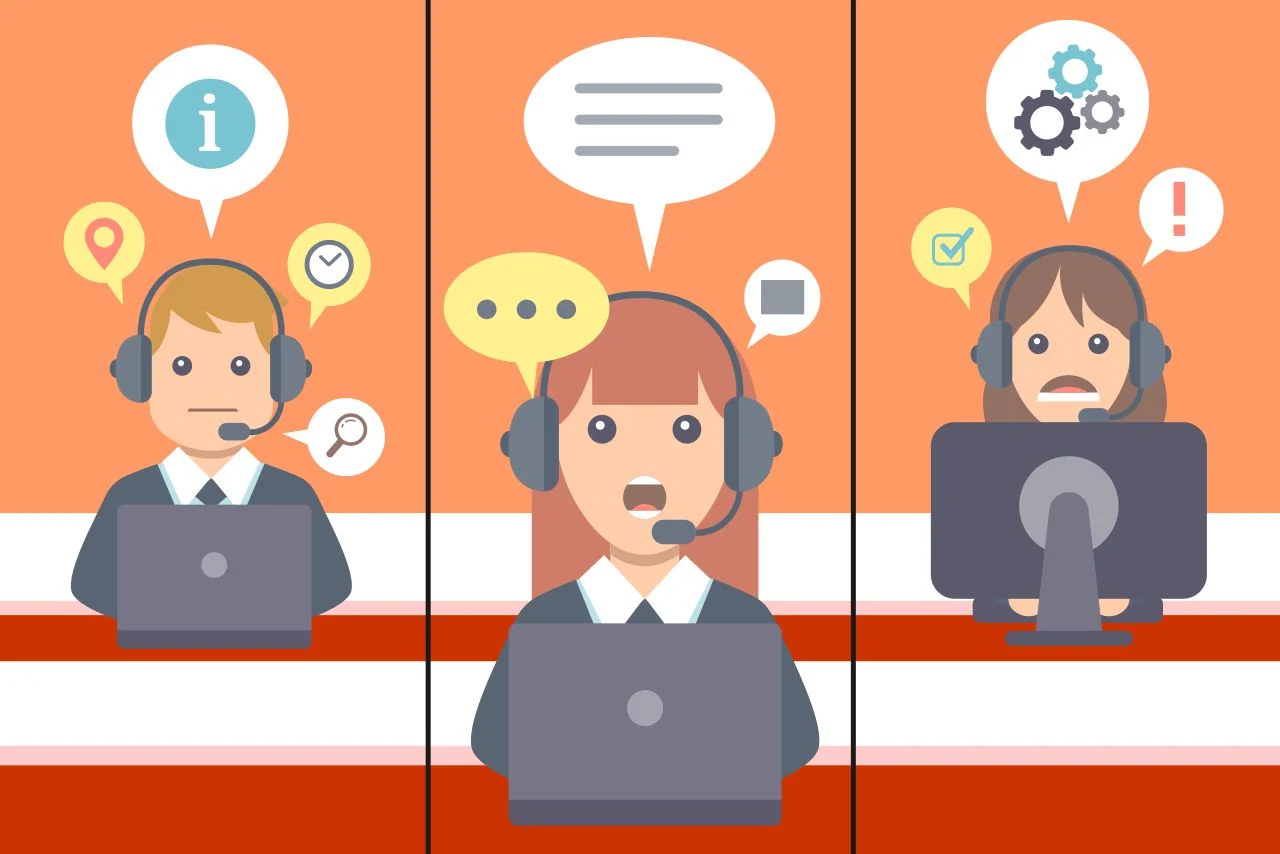

Inspiration

Aircargo industry spends much money providing assistance to customers about their cargo, either about bookings, tracking, freight costs and\or updated info when having congestion (pandemics, or other issues that impact cargo transportation) on shipments.
Majority of Airlines hire people to provide remote virtual assistance to the customers. There are many job posts online recruiting for this position.
Some airlines during pandemics activated bots on their webpages to give assistance for travelling to the passengers about new rules related with covid. However, there is missing something similar for air cargo.
On the maritime side, Maersk developed a virtual assistance called Captain Peter to give visibility to reefer containers transportation (for now not for all containers, and as a paid\extra service).
Aircargo freight industry needs better virtual assistance, 24x7, automated, that could work, either for the airlines and the forwarders, to give better service to shippers and consignees. Welcome Nobi, your non-binary smart virtual cargo assistant, suitable for Airlines and Forwarders customers.
On top of that, to have a smart virtual cargo Assistant, we can use AI\ML to better understand the customer profile and give info and related news about shipments and usual locations that may affected current or upcoming shipments.

What it does
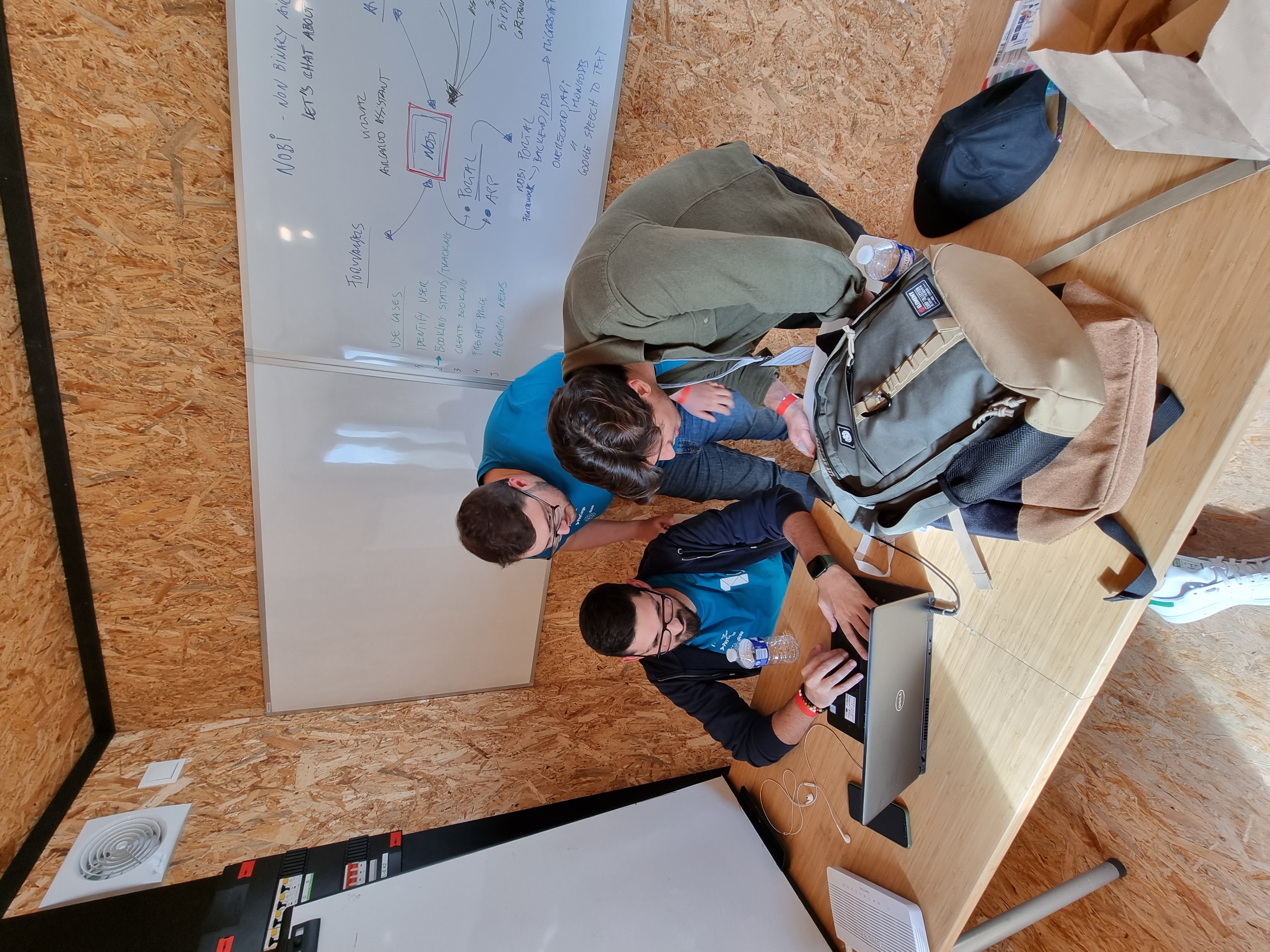
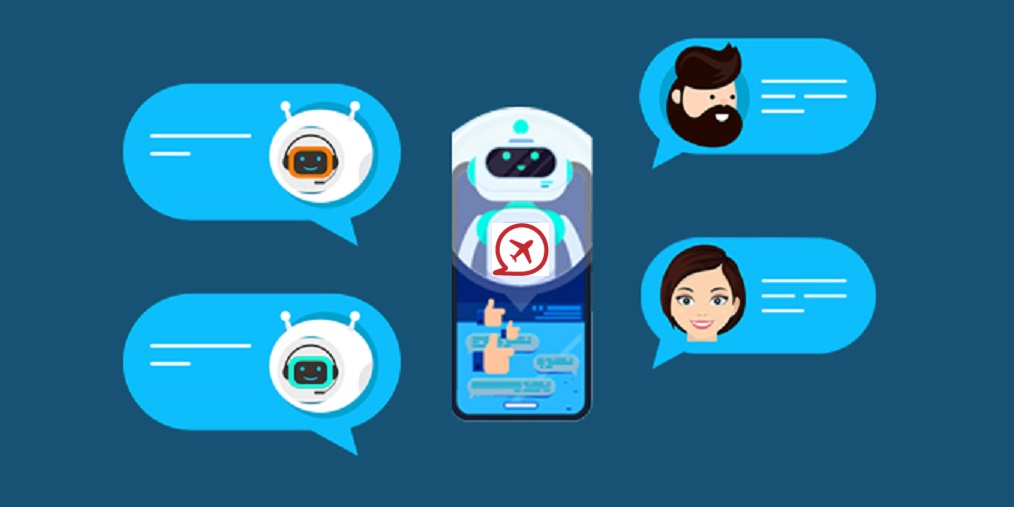
Nobi implements a chat\voice non-binary smart virtual cargo assistant.
Use cases:
- Identify customer
- Booking Status and Tracking info
- Create Booking
- Freight price info
- Aircargo news
- Shipment Alerts
Integrations
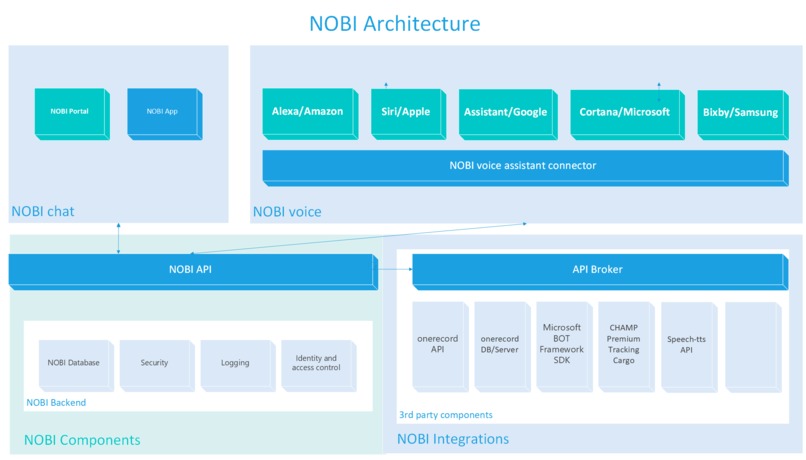
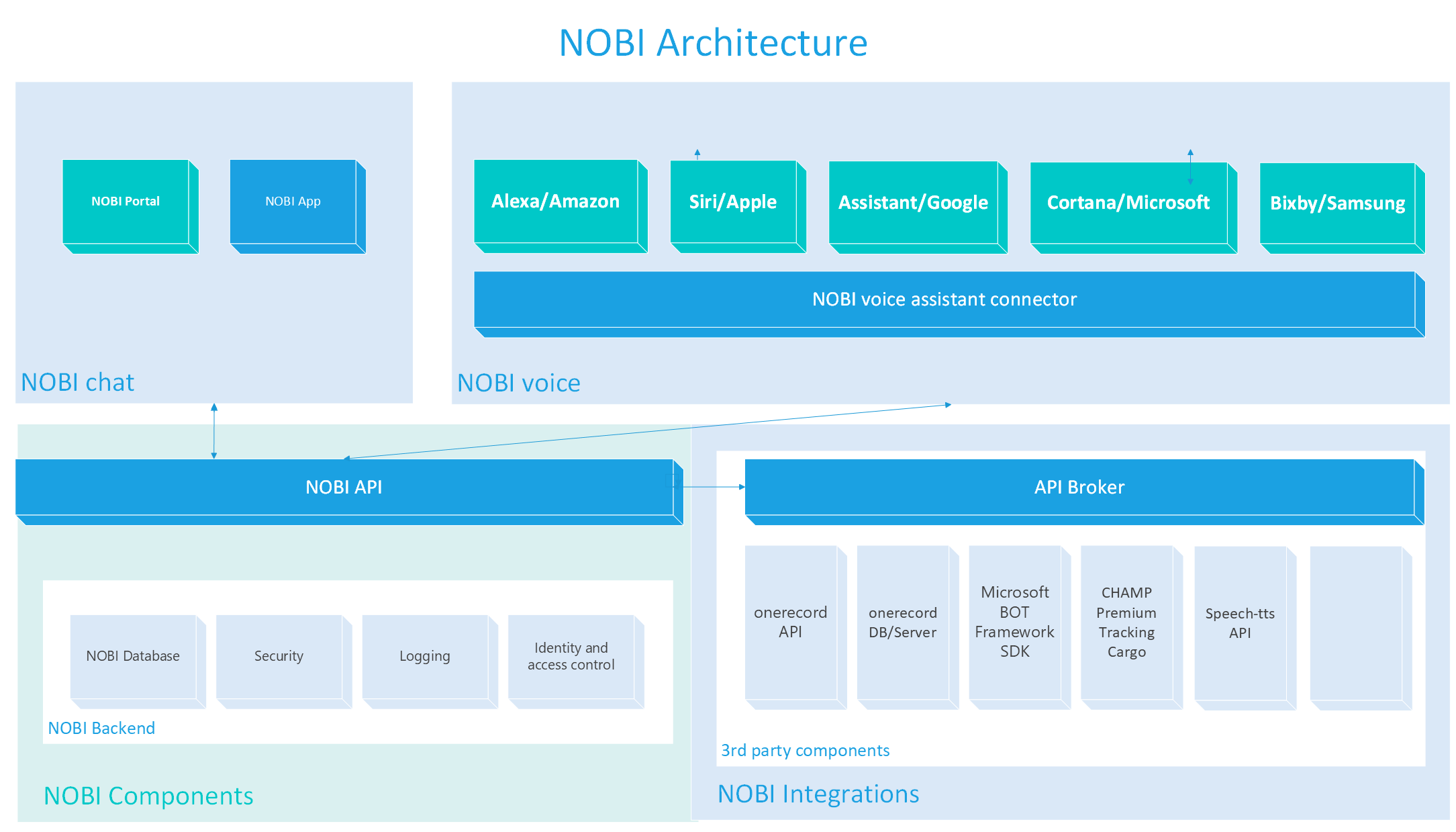
- Onerecord IATA integration
- Speech to text and text to speech libraries integrations, allowing conversation
- Integrated with other virtual assistances, such as Alexa\Amazon, Siri\Apple, Assistant\Google, Cortana\Microsoft.
- Integrated with CHAMP Premium cargo tracking
How we built it

To build NOBI portal and backend we used:
Angular – v13 for the front-end (https://angular.io/guide/update-to-latest-version)
Microsoft Bot Framework SDK (https://dev.botframework.com/) to implement the Bot Framework Emulator (https://github.com/microsoft/BotFramework-Emulator)
Speak-tts to implement text to speech from the chatbot (https://www.npmjs.com/package/speak-tts)
The ONE Record Server representing forwarder and airline was build using the following technologies:
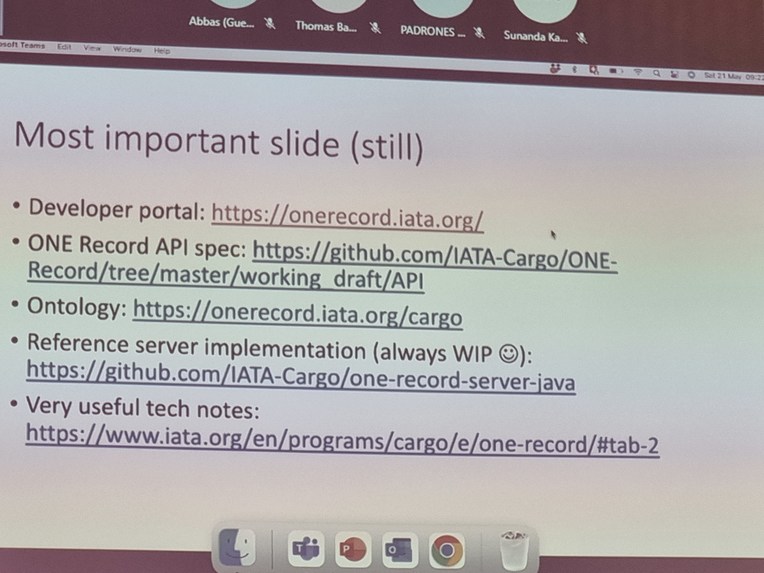
- IATA ONE Record Java Server (https://github.com/IATA-Cargo/one-record-server-java)
- Development Framework: Java Spring Boot (https://spring.io/projects/spring-boot)
- Programming language: Java (https://www.java.com/de/)
- Database: MongoDB (https://www.mongodb.com/)
- Secured by JWT-Bearer Token (https://jwt.io/)
Challenges we ran into
Use Microsoft Bot Framework SDK and implement it with our own socket (instead of emulator provided)
Connect and use onerecord API environment
Experiment the text to speech synthesis library (speech-tts)
Integrate all components – OneRecord API, Microsoft Bot Framework
Create a web adapter for Microsoft Bot Framework
Accomplishments that we're proud of
Using IATA onerecord standards
Using Microsoft Bot Framework
Connecting all the 3 components (Microsoft Bot Framework, ONERecord API, Our API)
What we learned
Haven’t found a middleware to connect to several known virtual assistants (alexa, siri, google assistant, cortana)
Learned how to use devpost
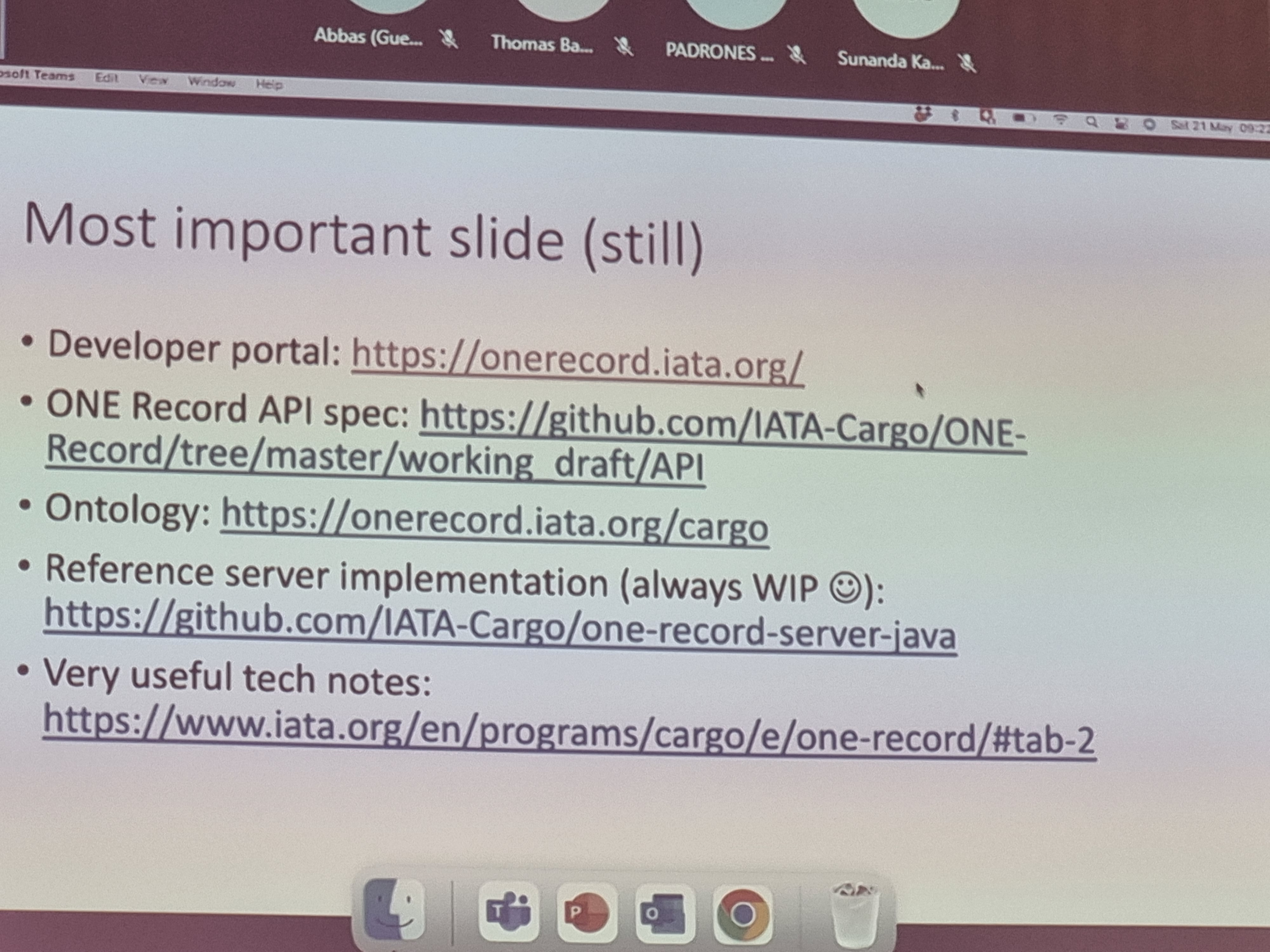
Knowing onerecord ontology (https://onerecord.iata.org/cargo)
What's next
For Nobi - virtual aircargo assistant – Develop all use cases
Create a API middleware to connect to main virtual assistants (no solution found)

Log in or sign up for Devpost to join the conversation.