-
-
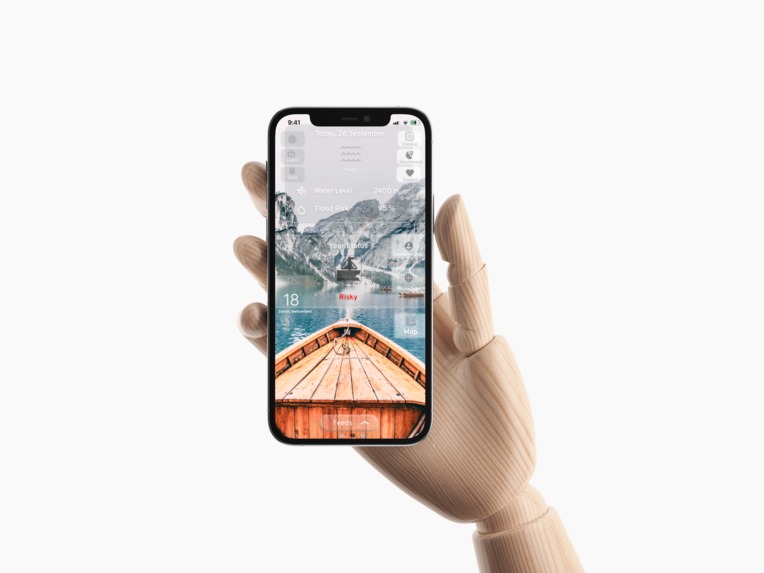
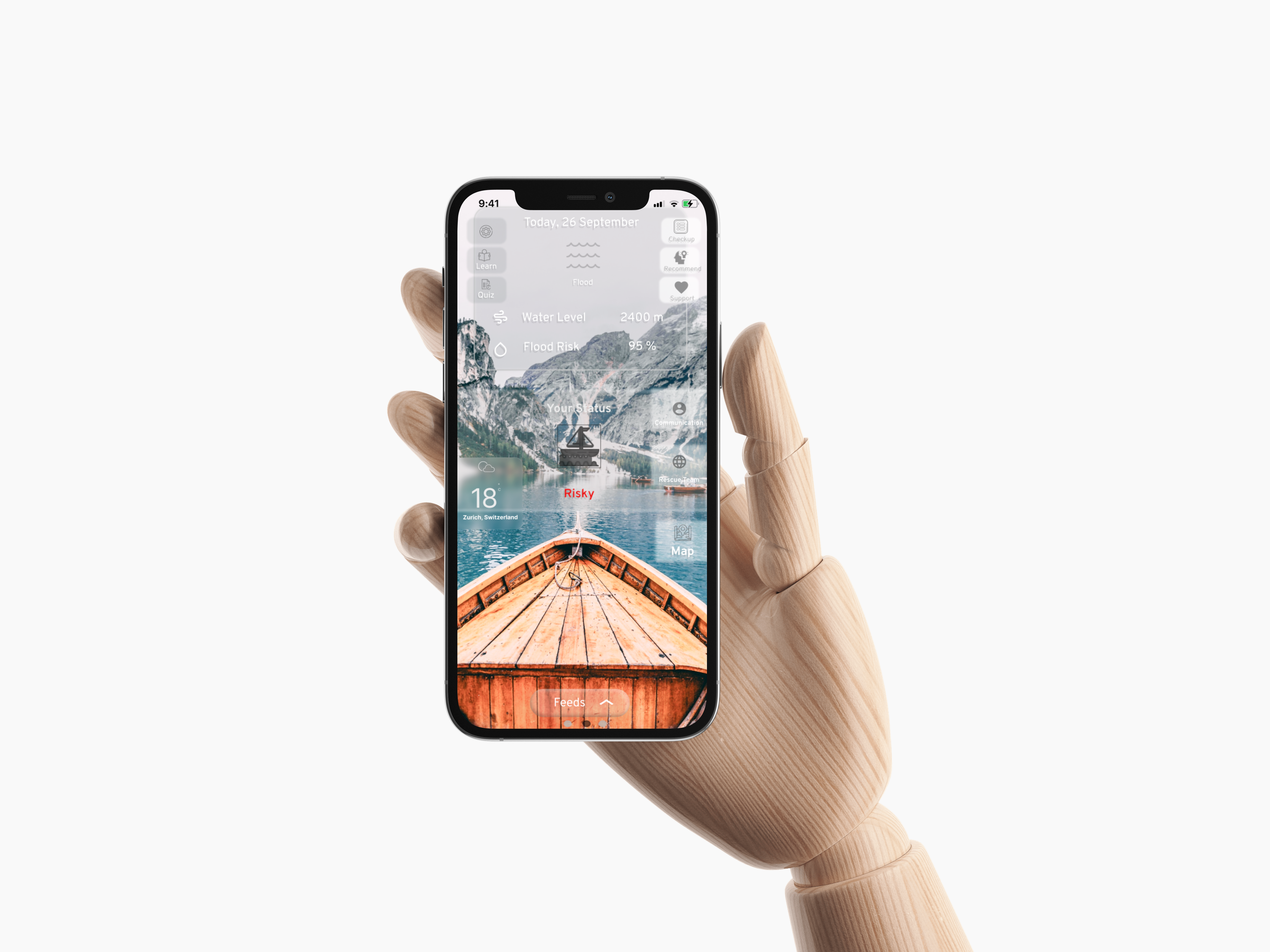
"Noah is just what you need in the abrupt flood events. It provide personified overall flood map, your status and generate recommendation"
Inspiration
We see this as an opportunity to make the difference. People's lives can truly be saved when knowledge is in the hand at the right time. I have been the flood victim in Thailand back in 2011. It was a frustrated time for everyone. We had suffered mentally and physically. At the time, there was no reliable predictive system in order to estimate the severity and timing. 2 weeks ago, we saw the Xylem's challenge on HackZurich. We decided to select this challenge without thinking twice. At the challenge, as we get to understand Xylem and Esri which they have provided us the information on ArcGIS, we wonder how much would this changes the world. Imagine if we have this innovation at the flood event back then, people wouldn't suffer that much. Innovation drives human beings to evolve our survivalability. With this information in hand from Xylem and Esri, we would adapt our wisdom passionately collaboratively with our skills, experience, creativity in order to maximise the solution for help the flood's victim not to be like us at that time.
What it does
- Location & status of users (& supplies) in the vicinity, powered by ArcGIS Featured Layer. The status is periodically checked, and include an information of the flood as much as we know. This also provide personalised recommendation based on user location and users' situations.
- Simulation of flood event in Zurich and how fast it may spread through the entire city. This raises an awareness of people living in the city.
How we built it
We tried to identify 2-3 key features we want to have that answer the challenge, then we sketch the UI/UX on Figma to identify the necessary components. We then choose ReactJS to build working prototype for the hackathon.
Challenges we ran into
Although we had been 1 time in abrupt flood event, we still have limited experience. Therefore, we tried to give extra effort trying to put ourselves in their shoes. We're also told how time-sensitive the situation can be; decision has to be taken in a matter of hours. So this put a pressure on how to organise and prepare data related to that region. Moreover, as we were in the cooking time, we realised how tight the schedule on our workflow is. The more you know, the more you don't know. That is the most precise phrase for this. We estimated we could finish everything in time. But unfortunately no. However, since we got all the idea, it would be a waste if we don't at least putting it into the mock up and hope for the best.
Accomplishments that we're proud of
We're able to touched upon wide range of ArcGIS API we have never heard of prior to the hackathon. There would be so many API we can bring a good use, one that we managed to do so was the visualization of rising water level consuming the city of Zurich. On the UX/UI design, it is quite challenging. We must imagine and feel their pain. The application should be the most user-friendly. People should be able to use it instinctively. The information should be digest as fast as possible. Moreover, the function to anti-panicking should be concerned. In our view, this should not be animation or cartoon also since it is related to life or death. I should be something calm to see. We finally come up with this soothing "Noah" as we call. We believe that if this happens it would be a game changer for disrupt flood event.
What we learned
We realized how immense data there are in the realm of ArcGIS. So many datasets can be make into a good use but requiring some effort to extract & propagate so. We also have learnt how much we can crunch. We work to surpass the limitation of our old-self. This is such a challenging activity. We gain a lot experience. Our team works quite well collaboratively together. It is so much fun.
What's next for Noah
Many technical challenges we wish we'd be able to tackle:
- Make the flood area and forecast be more accurate as the data allows. Various kind of dataset & measurements should be used in conjunction to produce prediction model. ML works.
- Internationalization & localization of the contents.
- Fact-check and rescue-protocol asserted by flood experts.
- Region-lock the inputs; only devices within crisis area should be able to update inputs to the system, whereas those outside should be in read-only mode.
- "Cheer-up" media stream, psychological wellness. We wish to be able to accept (canned) motivational kudos and spread randomly to people in struggling.


Log in or sign up for Devpost to join the conversation.