Inspiration
The current cardiopulmonary resuscitation (CPR) training is heavily dependent on vague descriptions and experience. The best and most recent improvement to the training mannequins is adding a plastic bag in between the mannequin's layers to simulate human lungs. It is hard to evaluate a trainee's performance when all they are doing is pressing on layers of plastic, and even harder for the trainees to practice outside of courses because the mannequins are not widely available.
Therefore, the wearable CPR guide, No One Bites the Dust, is born to replace mannequins' soulless eyes and provide actual accessible indications of training progress.
What it does
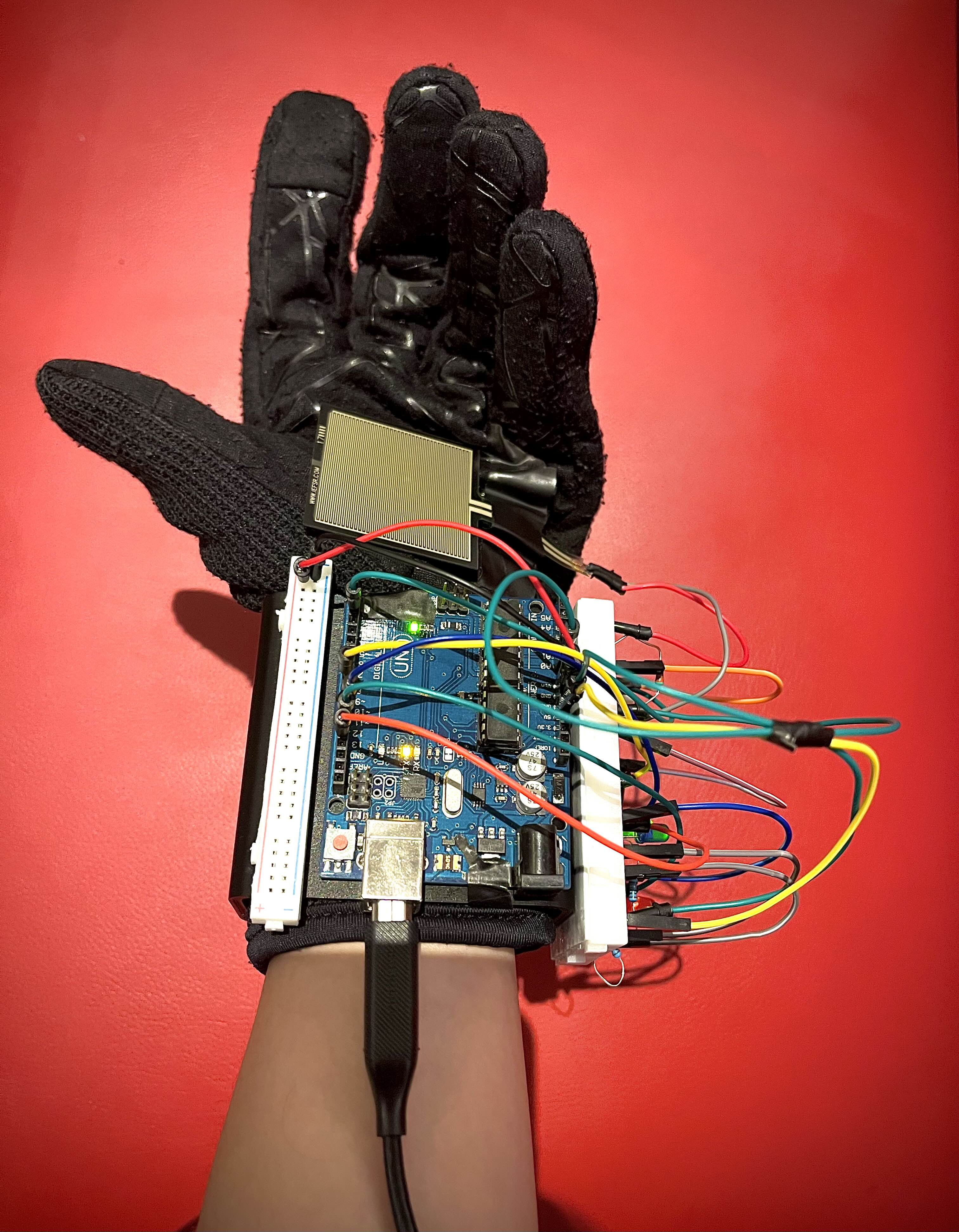
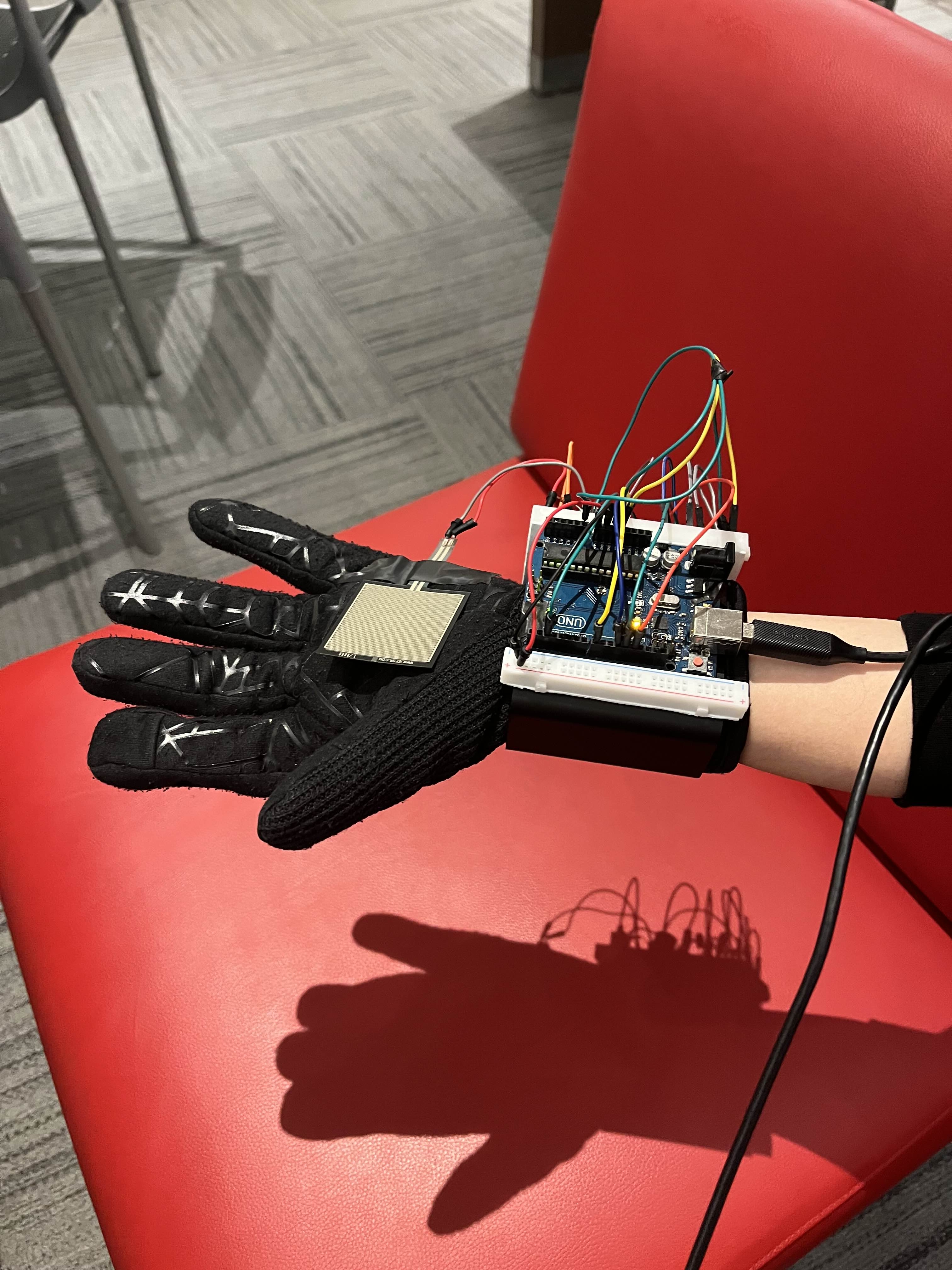
The wearable CPR guide is a device that quantifies the core CPR metrics, specifically the user's compression rate and their compression force, worn on the user's not-dominant hand.
The device plays music with the ideal compression rate, 120 beats per minute (bpm), and a blue light flashes to the music; such, the guide keeps the user's CPR rate consistent using both audio and visual cues.
The device also measures the user's CPR compressive force using a force sensor, and displays each compression on a force-time graph. If the user is using too much or little force, the device gives warning by flashing a red light.
With the wearable CPR guide, a training session filled with the guilt of abusing year-old plastic can be turned into productive, data focused self-improvement.
How we built it
The building process was split into two parts: hardware and software.
The software part was done by combining a Python code that calculates the compression per minute and maximum force over a period of time from data given, a C++ code that collects force sensor data, and a C++ code that controls the audio and light signals.
The physical device itself was made from a glove, circuit components and bread boards, and a 3D printed arm band.
The two parts together make the wearable CPR guide that uses force sensor data to initiate visual and audio cues to guide users through CPR.
Challenges we ran into
One challenge that occurred was the mismatch between difference applications.
The device's data analysis script was written on Python, but the Arduino code was made using C++ and PlatformIO. While retrieving the data from C++ through Serial, the noise from raw data, such as delays from the data or zero values, interfered with data processing and caused the program to display inaccurate values. The solution was to filter through all the raw data by grabbing the latest line with applicable values instead of looking at all values prior.
Accomplishments that we're proud of
We were able to take a complex conceptual idea, break it down into manageable parts, and turn it into a working prototype.
At the start, we had no existing framework, hardware layout, or prior design to build on. Through working together and actively thinking and reframing the problem, we created a device that performs to our expectations. It’s a demonstration that the team could construct a functional system starting from basically nothing.
What we learned
The biggest technical problems are often solved by small creative details.
The mismatched data between Python and C++ was solved by a very simple solution: filtering the data to keep only the most recent reading. One small adjustment enabled the system to function again. The experience taught us that progress isn’t always about how to challenge big problems. Sometimes it’s looking for the small details that are seemingly irrelevant but support the whole structure.
What's next for Wearable CPR Guide (No One Bites The Dust)
The CPR guide has a wide variety of applications. The device is highly customizable, being able to import different songs, as well as measuring different critical data needed for first aid, such as AED use or total rounds of compression.
Not only would the first aid information help emergency responders pass treatment information to the hospital staff, the data recorded could also be used as court evidence if there are any discrepancy between the victim or the victim's family and the first responder. The wearable CPR guide proves to be a valuable addition to the emergency responding process.
On a lighter note, trainees can change the songs to their taste, such as playing love songs on Valentines.
Theme and Sponsor Prizes we are opting for: Survival/D-day, Best Use of ElevenLabs, Best Use of Gemini API


Log in or sign up for Devpost to join the conversation.