-
-
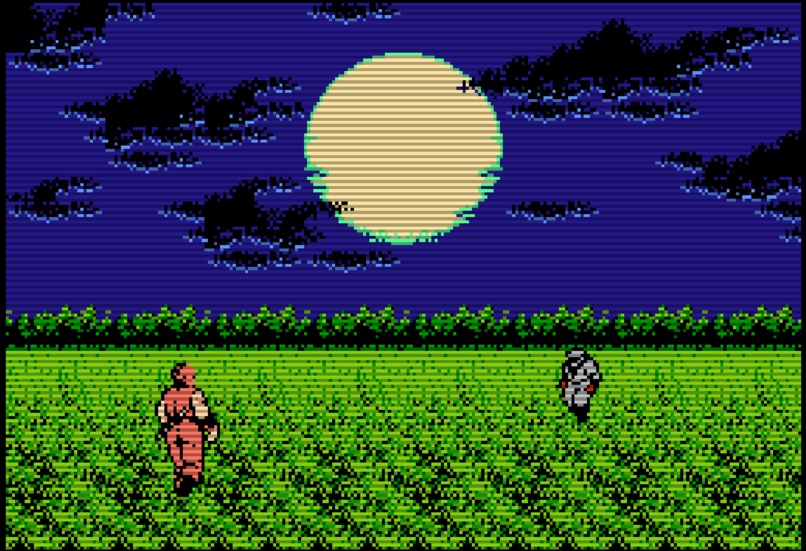
Moonlight Duel
-
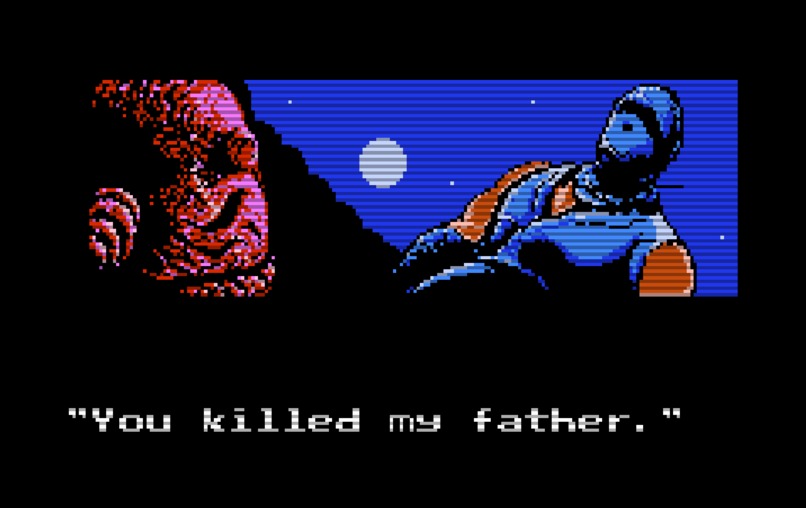
Confrontation
-
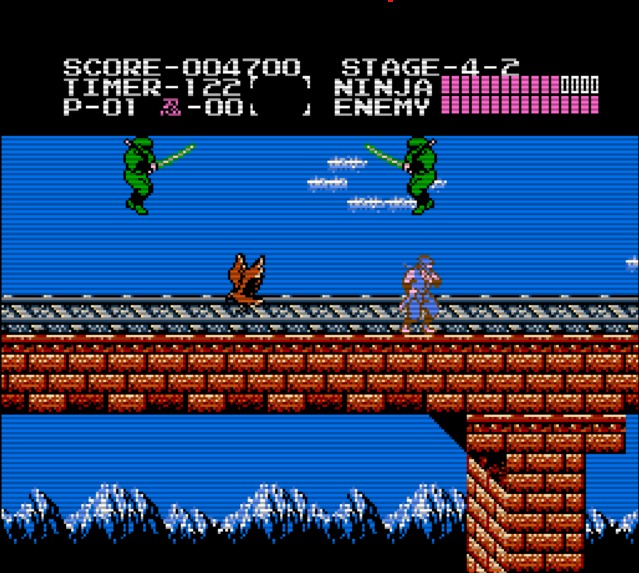
Accurate NES Levels
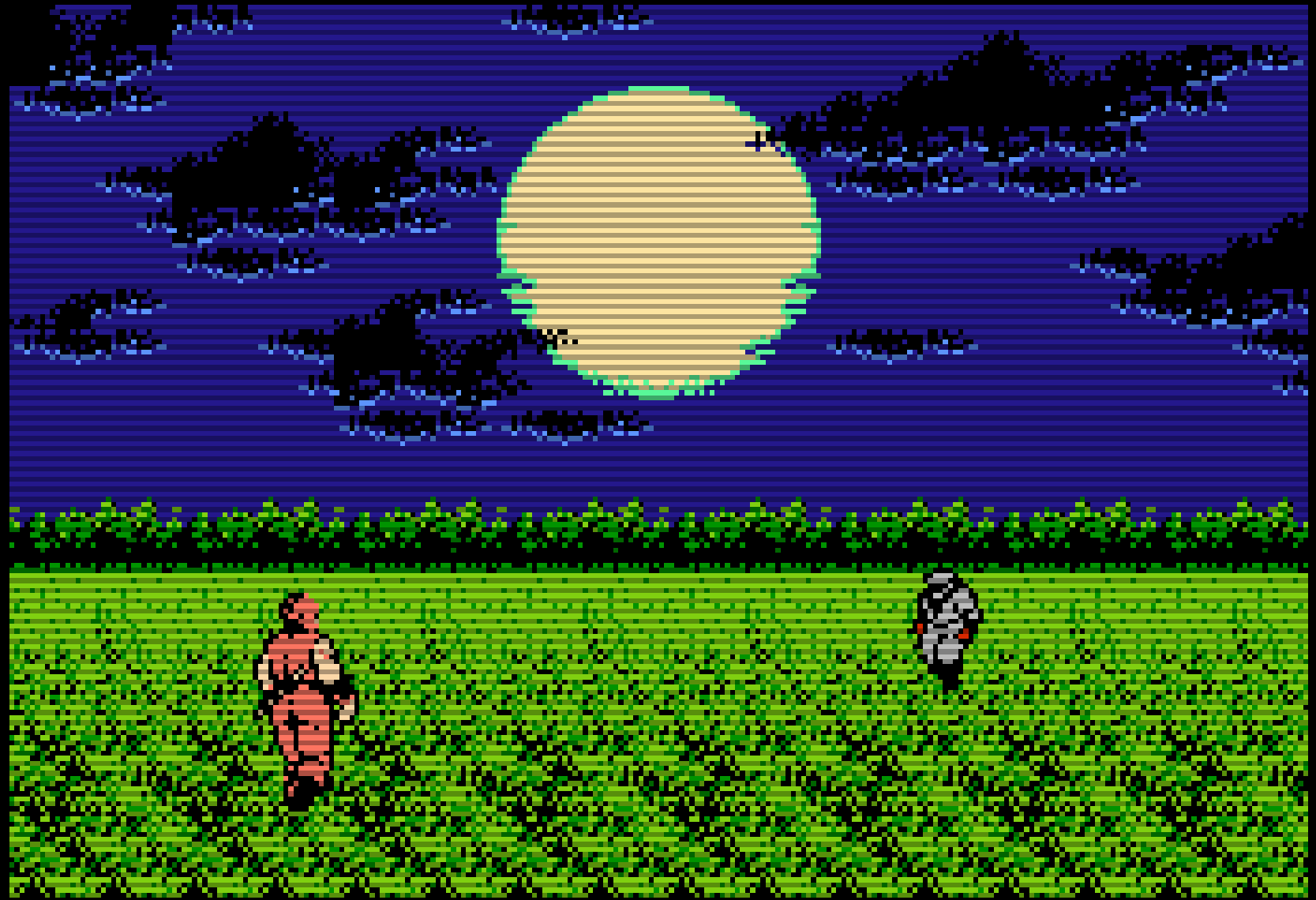
Inspiration
Ninja Gaiden: The Dragon Sword of Destiny was inspired by the original game’s precise movement, intense combat, cinematic storytelling, and unforgettable music. The goal was to preserve its NES character while making its systems easier to study and extend.
What it does
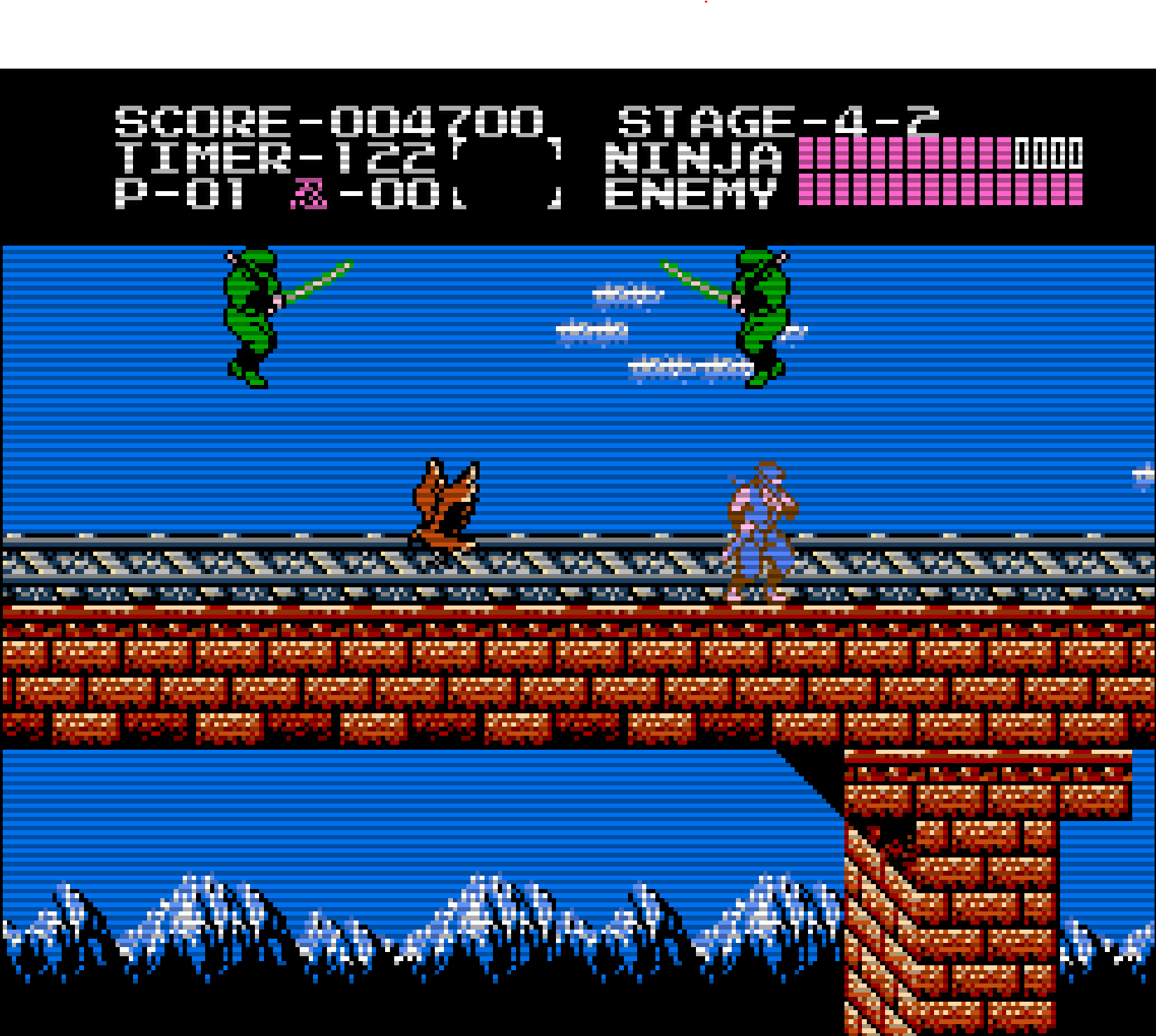
The project recreates Ninja Gaiden’s stages, enemies, cutscenes, physics, audio, collisions, sprite animation, and stage transitions. It also adds widescreen support, and configurable controls.
How we built it
We built the remake in Python and Pygame using hand-authored JSON level data, ripped sprite assets, decoded ROM information, and Mesen emulator verification. Focused regression tests compare movement, enemy spawning, collision, timing, and room transitions against the original NES behavior.
Challenges we ran into
The hardest problems were reproducing one-frame physics behavior, aligning NES coordinates with modern rendering, fixing sprite palettes and layering, and making hand-authored collision rooms behave correctly at seams and transitions.
Accomplishments that we're proud of
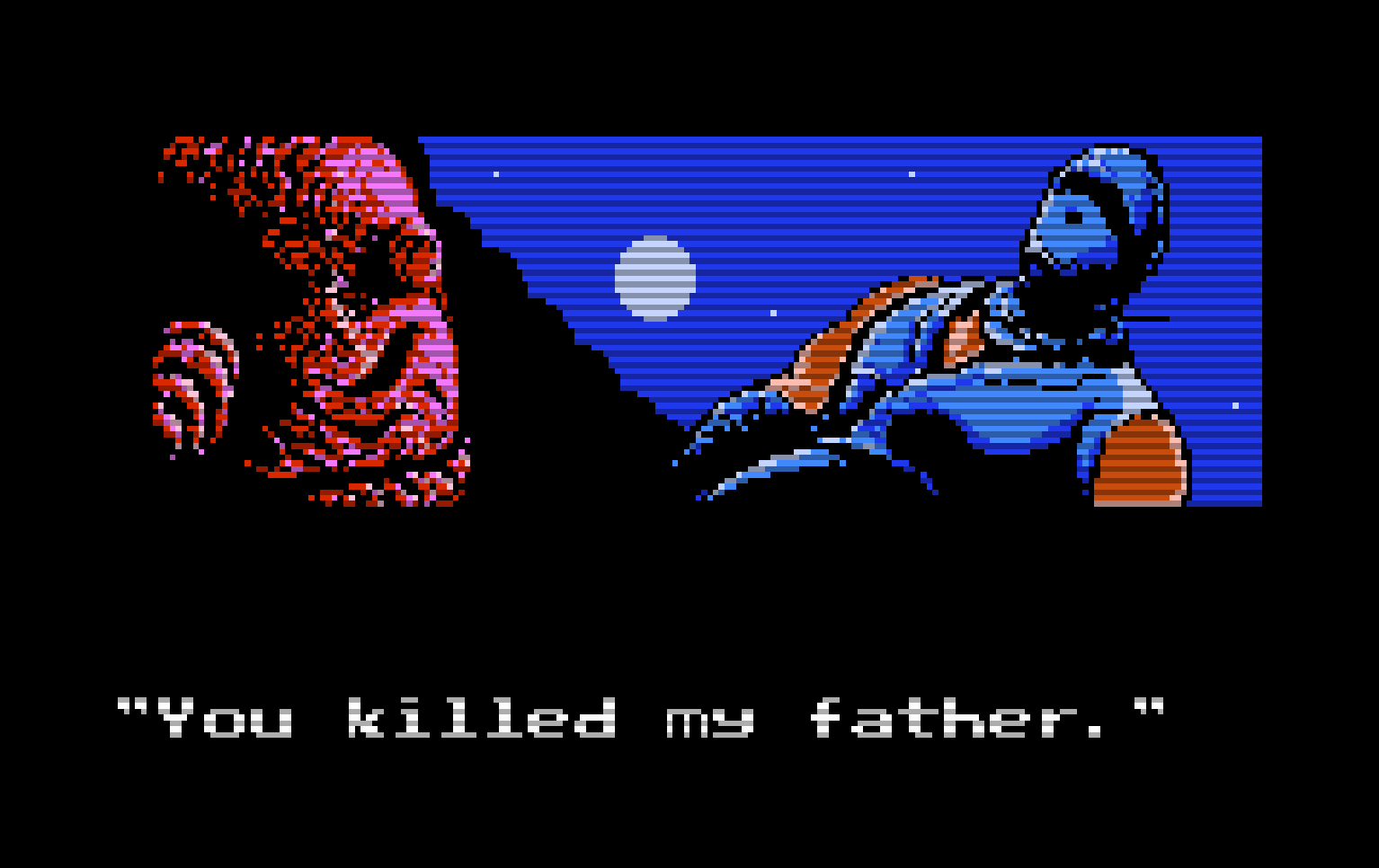
We recreated responsive wall climbing, stage-specific enemy behavior, ROM-accurate room transitions, cinematic presentation, and authentic NES physics. We are especially proud of combining technical accuracy with a playable modern presentation.
What we learned
We learned how much classic game feel depends on tiny timing, collision, animation, and audio details; and how reverse engineering, visual debugging, and focused tests can reveal them.
What's next for Ninja Gaiden: The Dragon Sword of Destiny
Next, we plan to finish remaining enemy sprites, polish every cutscene, expand widescreen artwork, improve audio coverage, and complete a full ROM-verified playthrough.

Log in or sign up for Devpost to join the conversation.