Inspiration
We live in a society in which huge corporations have the power to influence economies and trends. Today the big companies that owns the online market don’t pay taxes, they underpay their employees, and they are disrupting local economies. We think that the world deserves a better alternative, so we decide to found Nile.
What it does
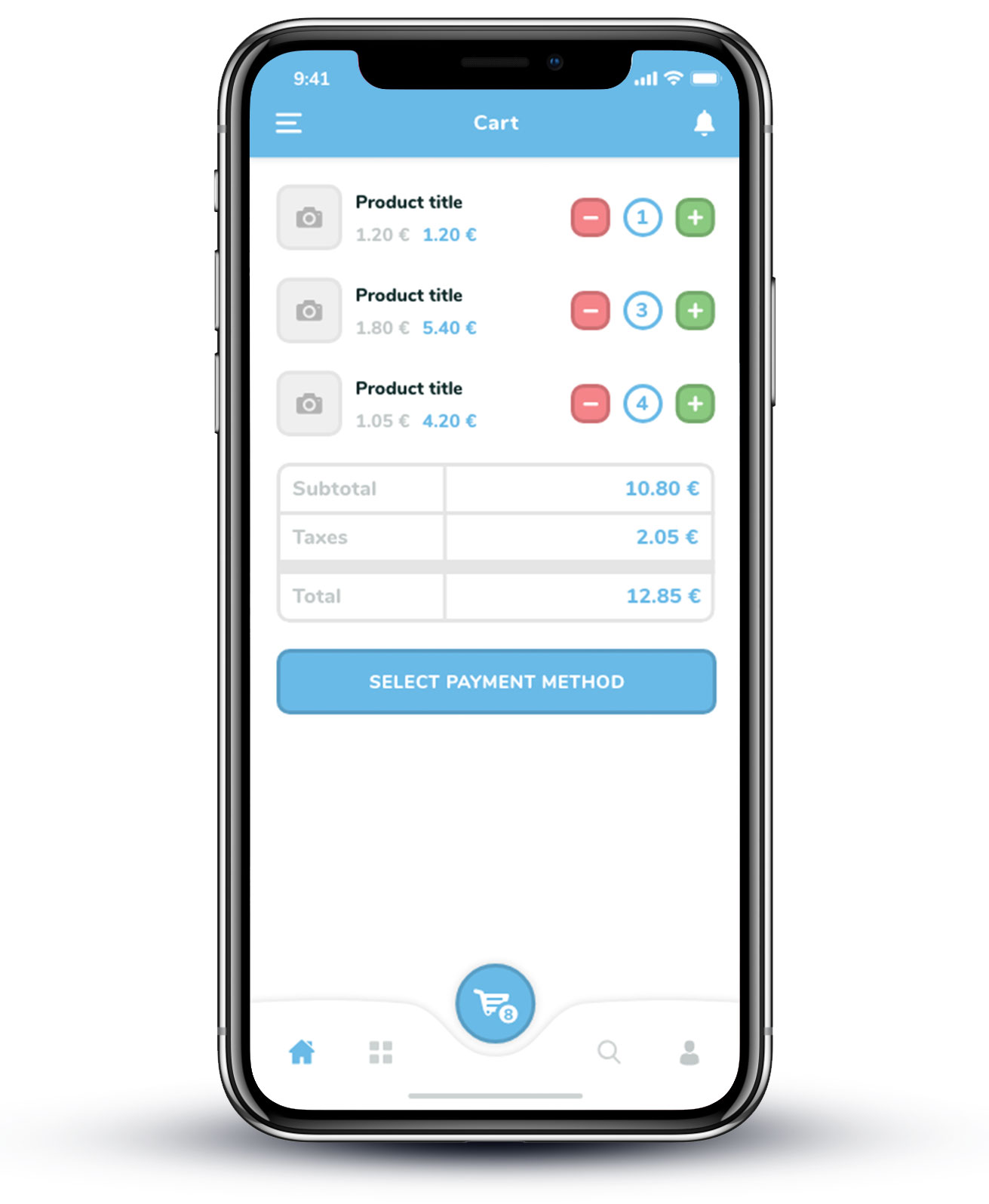
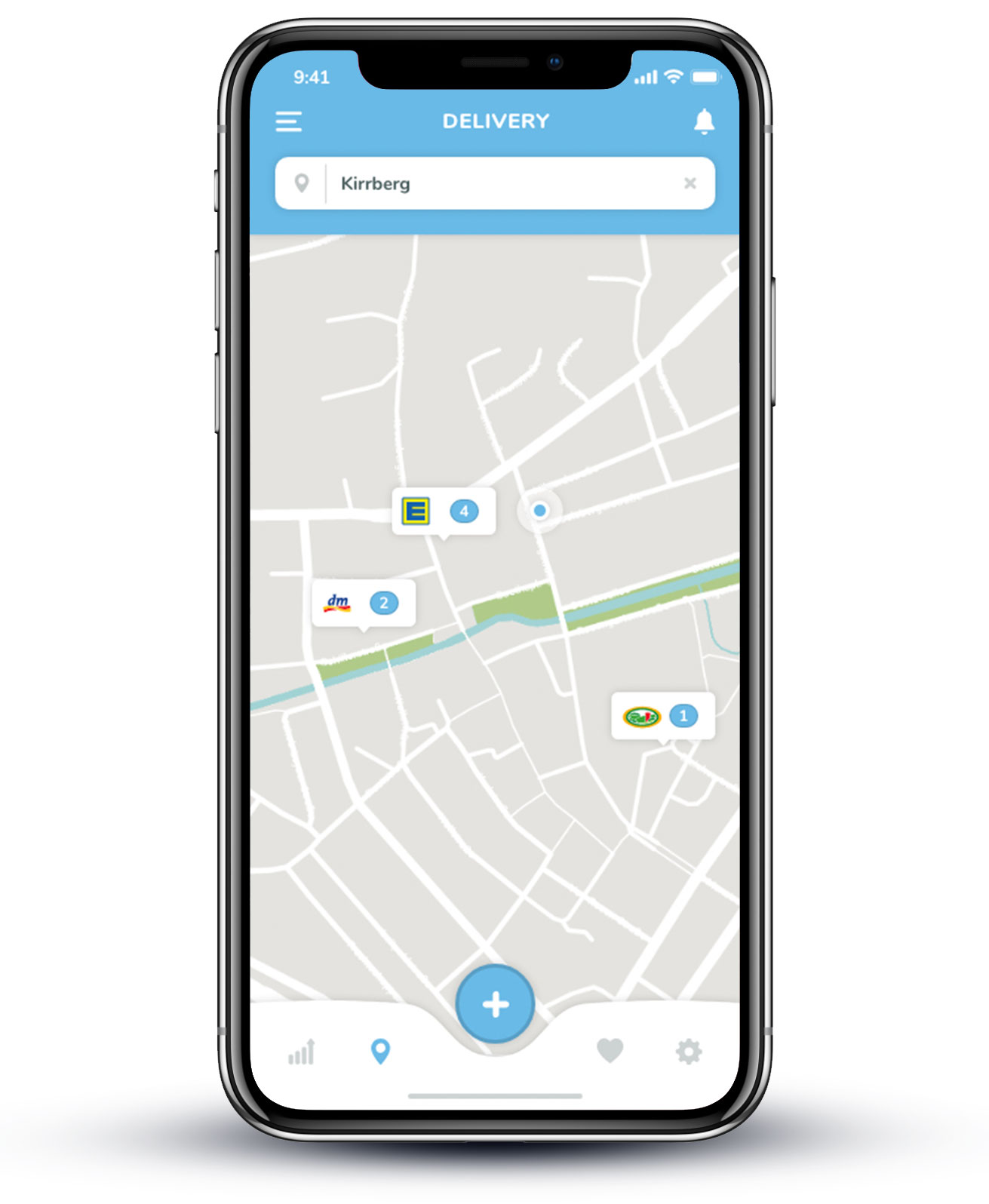
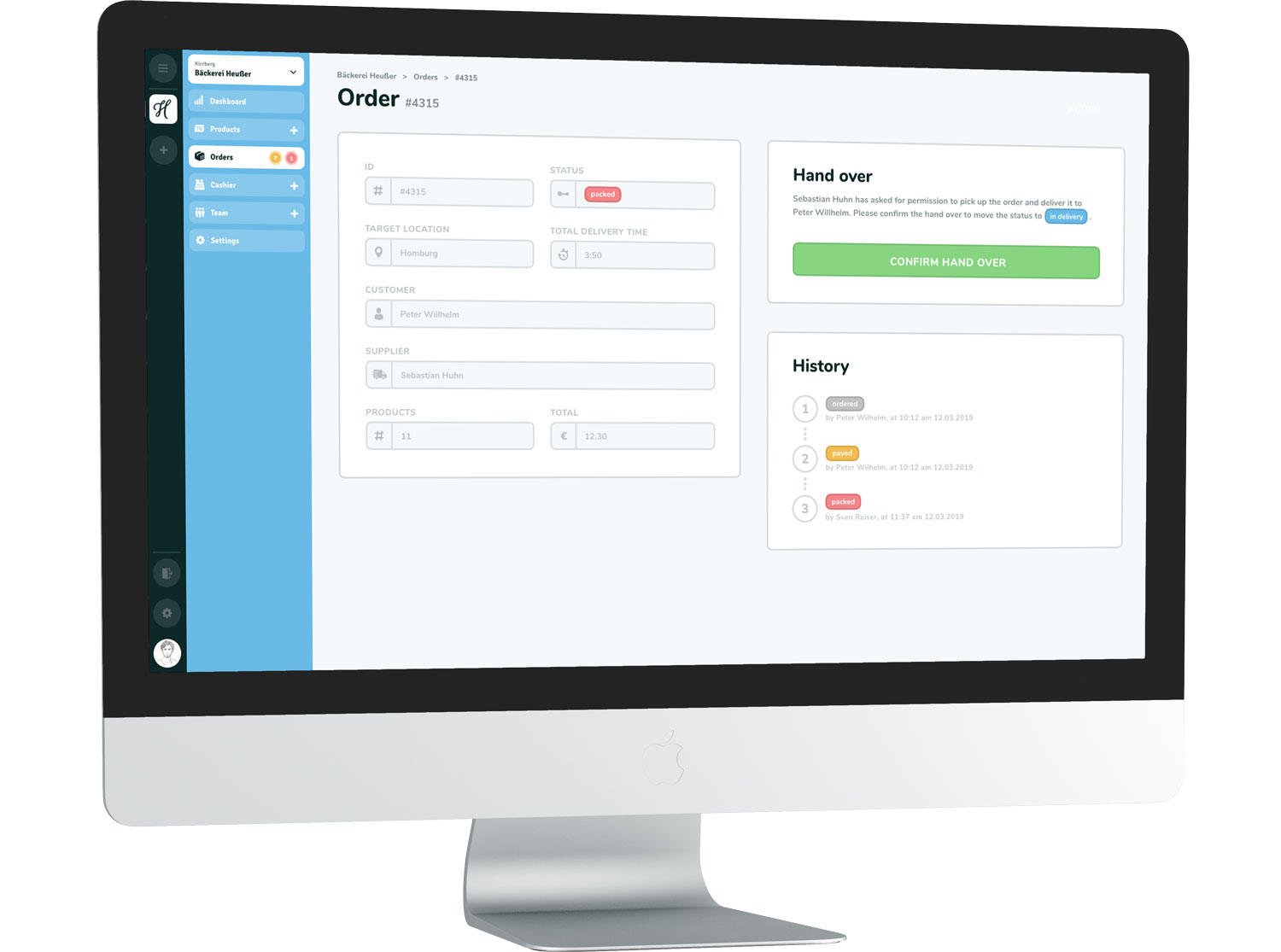
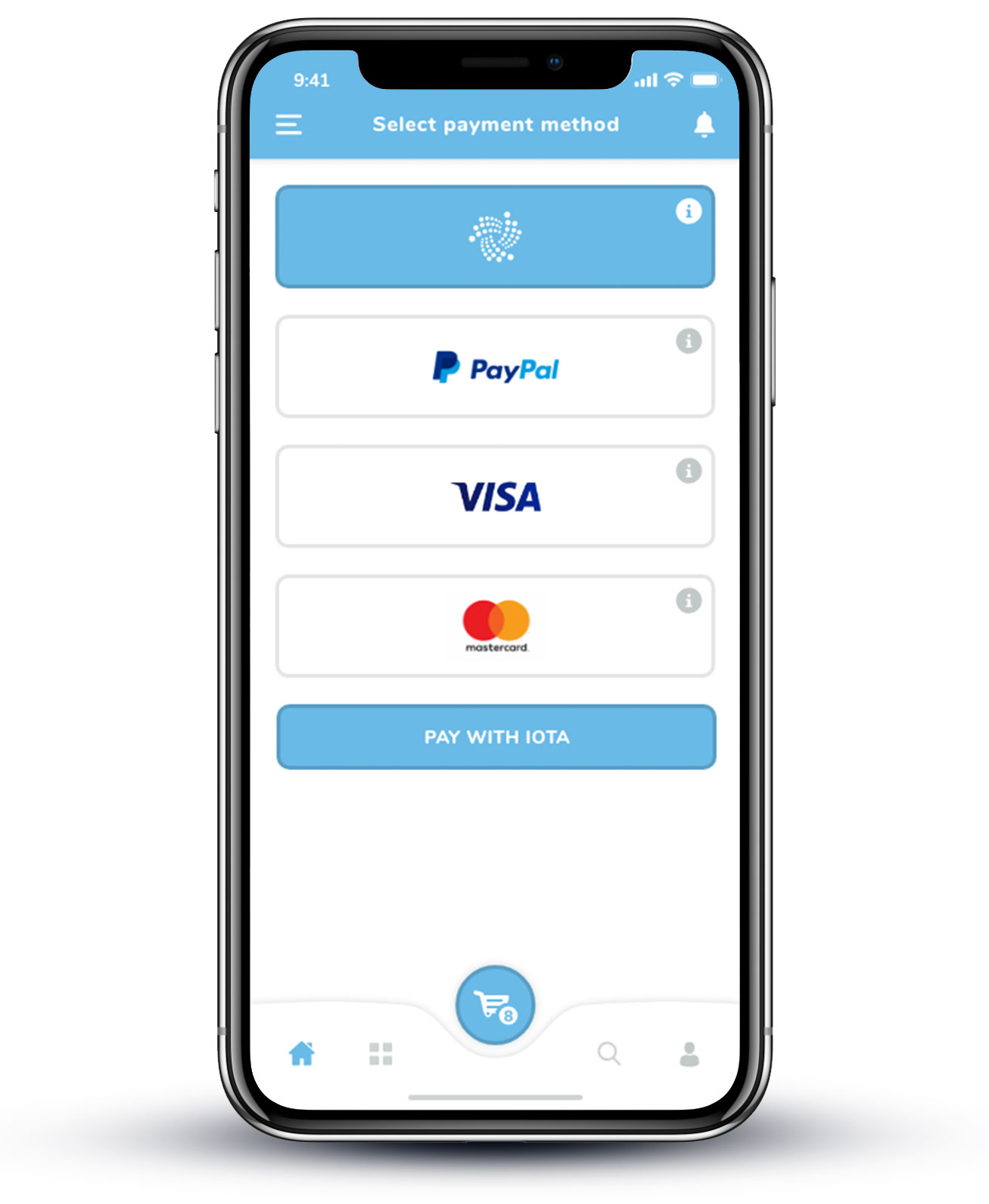
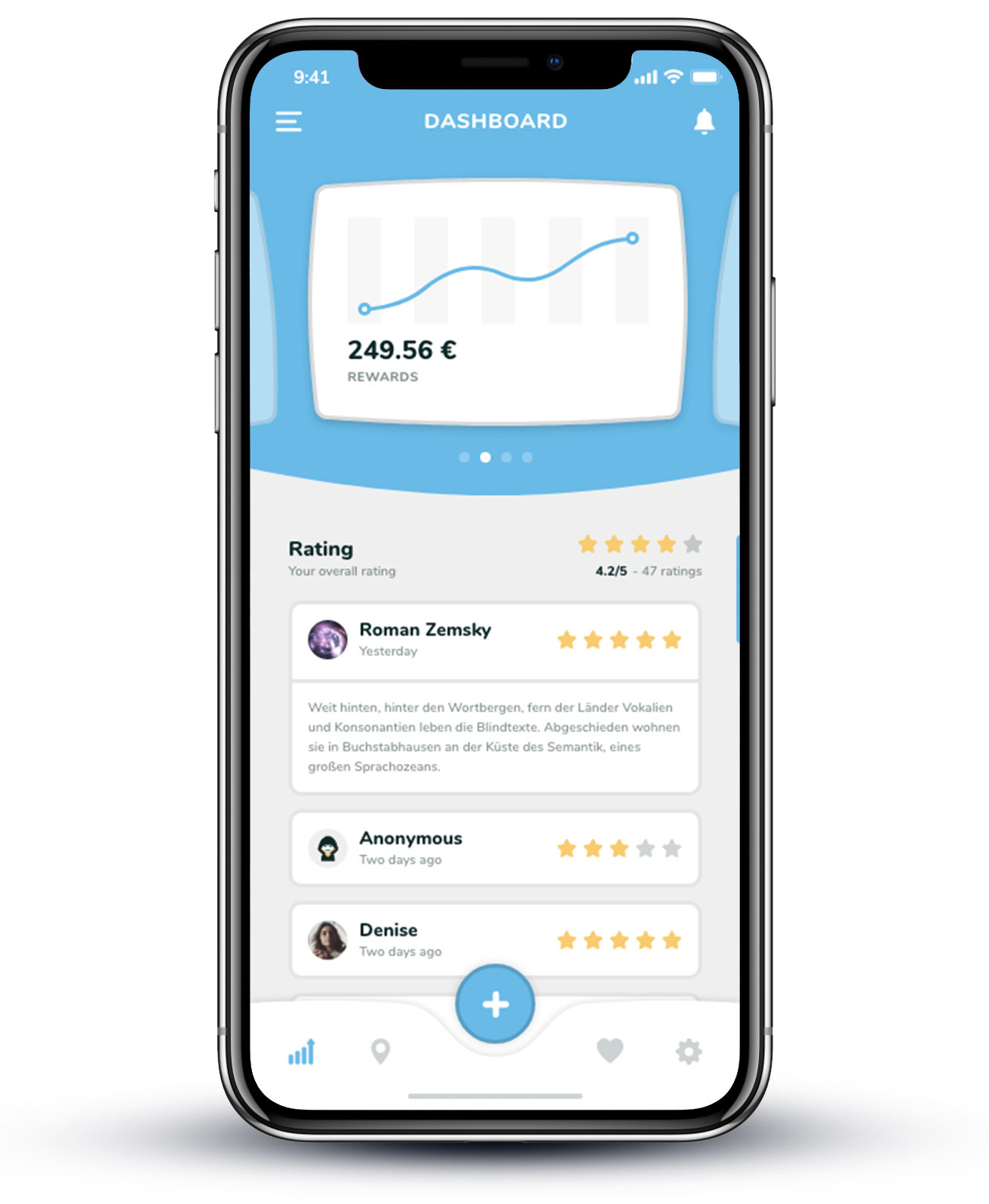
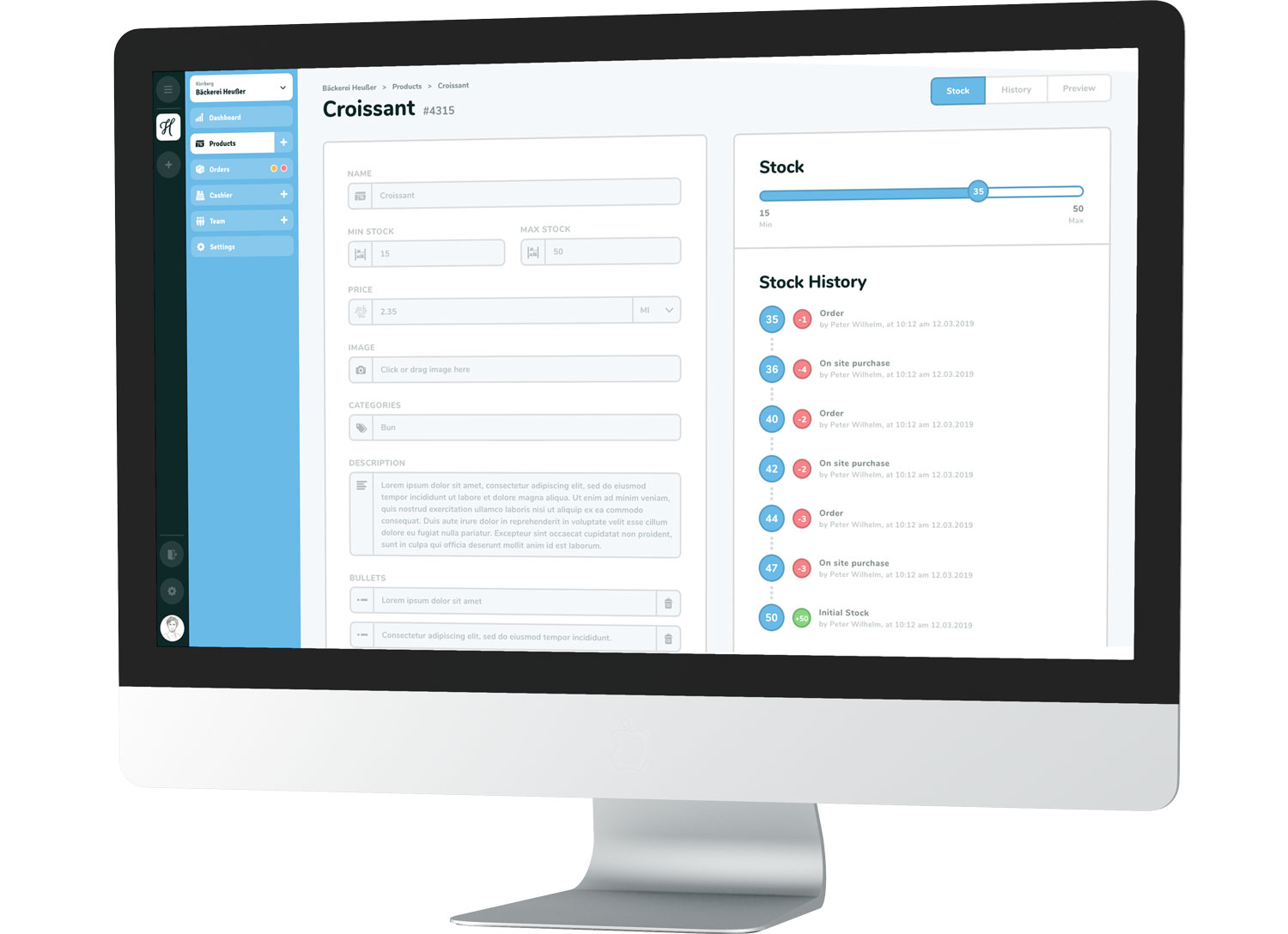
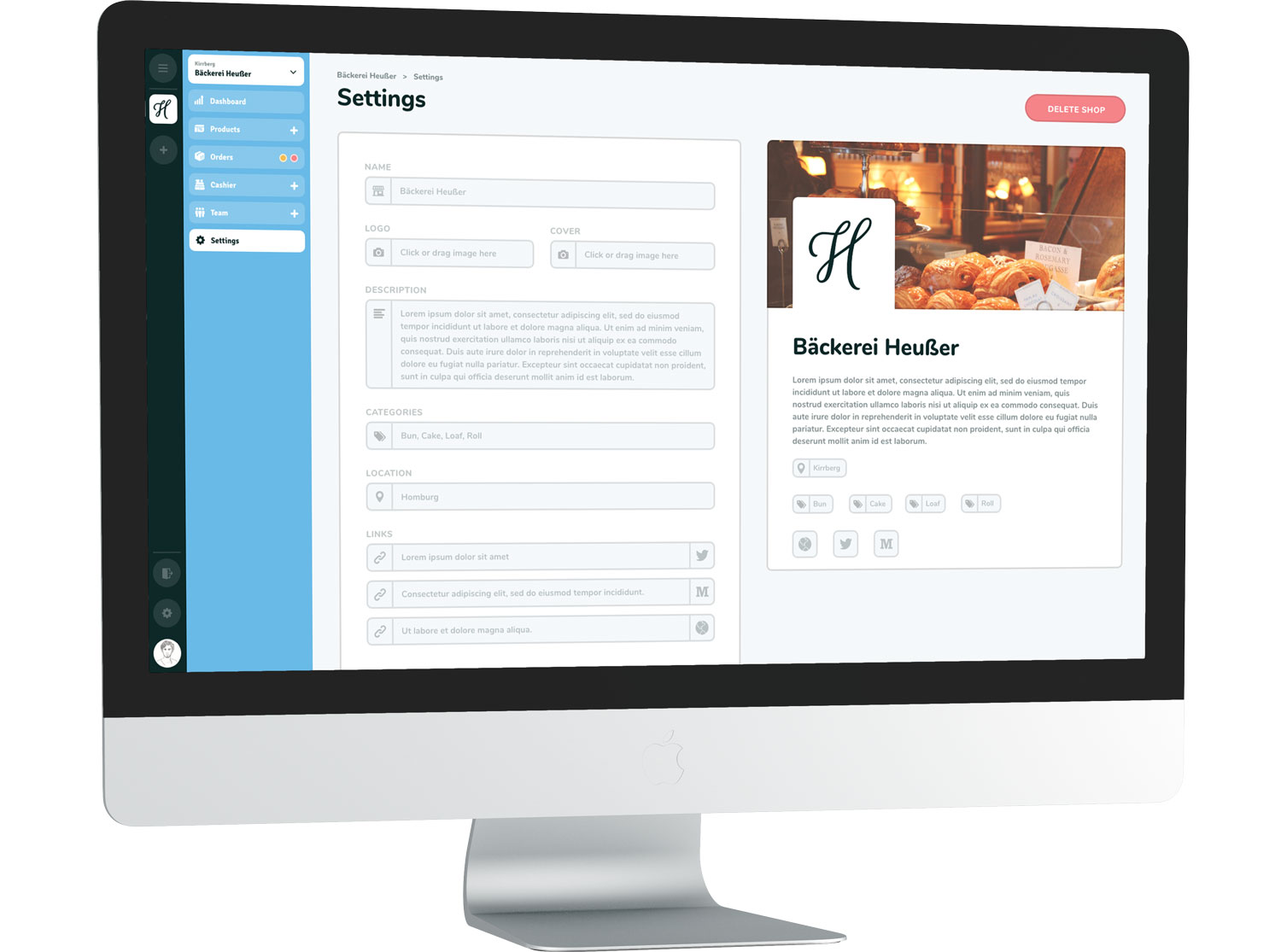
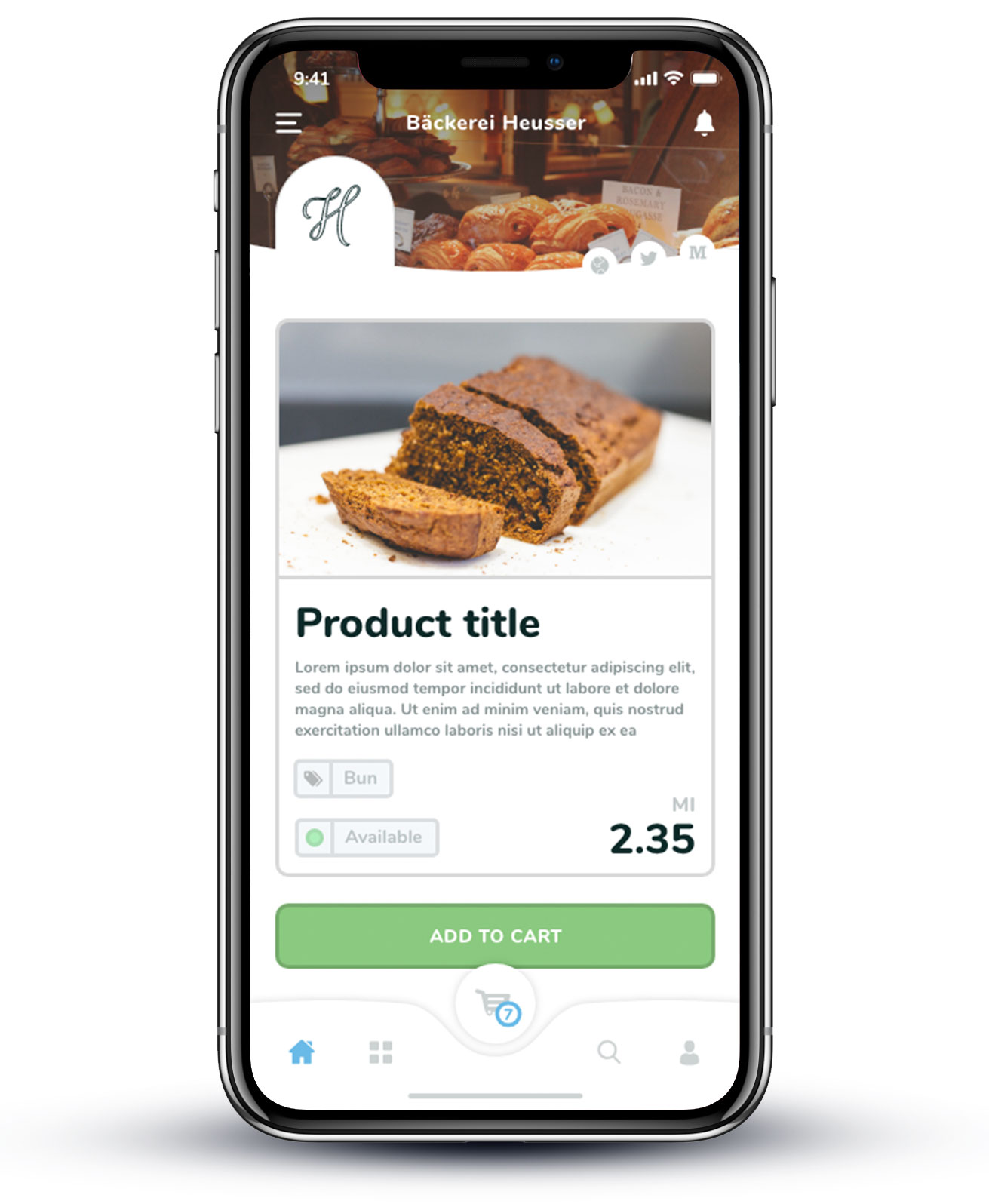
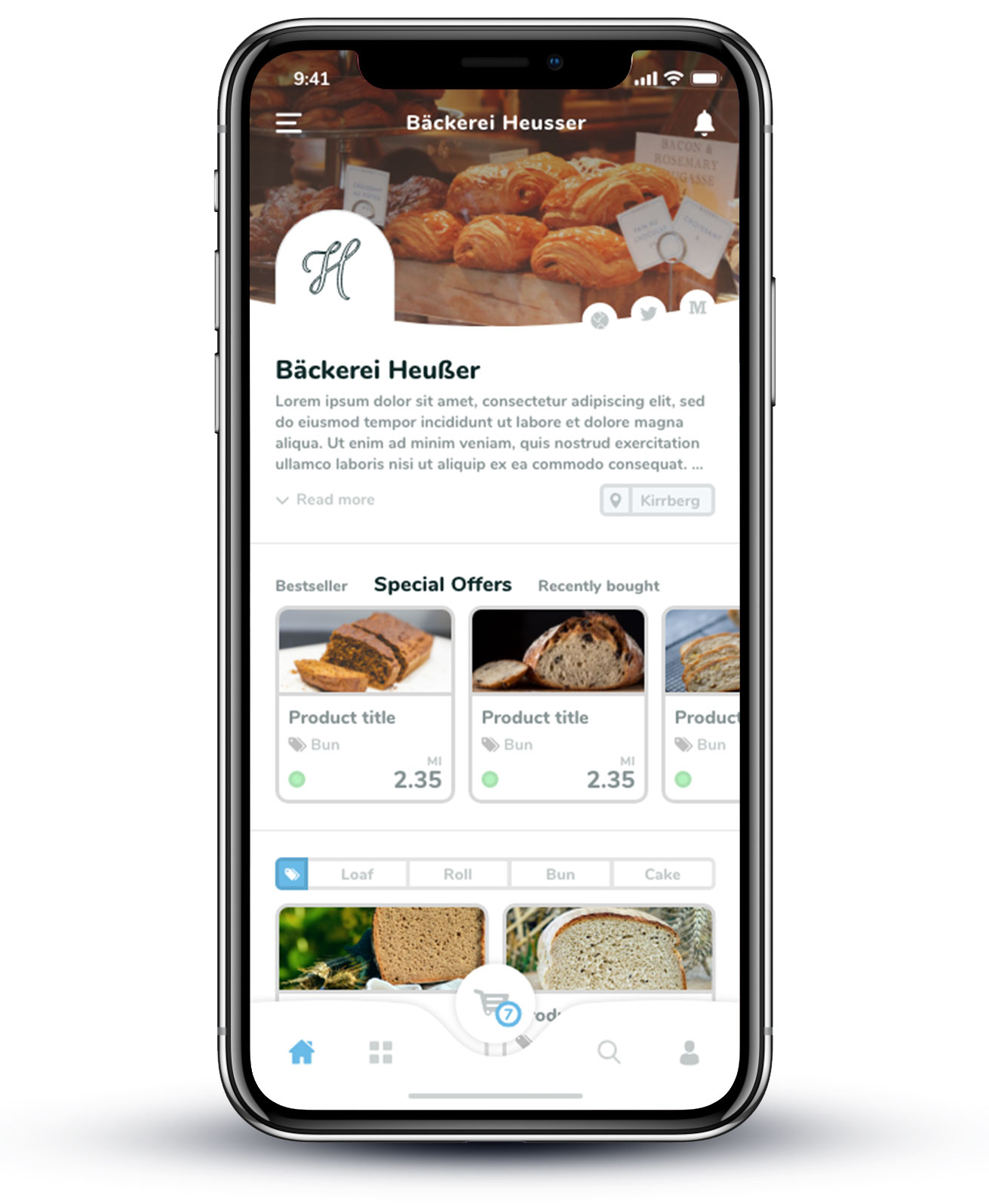
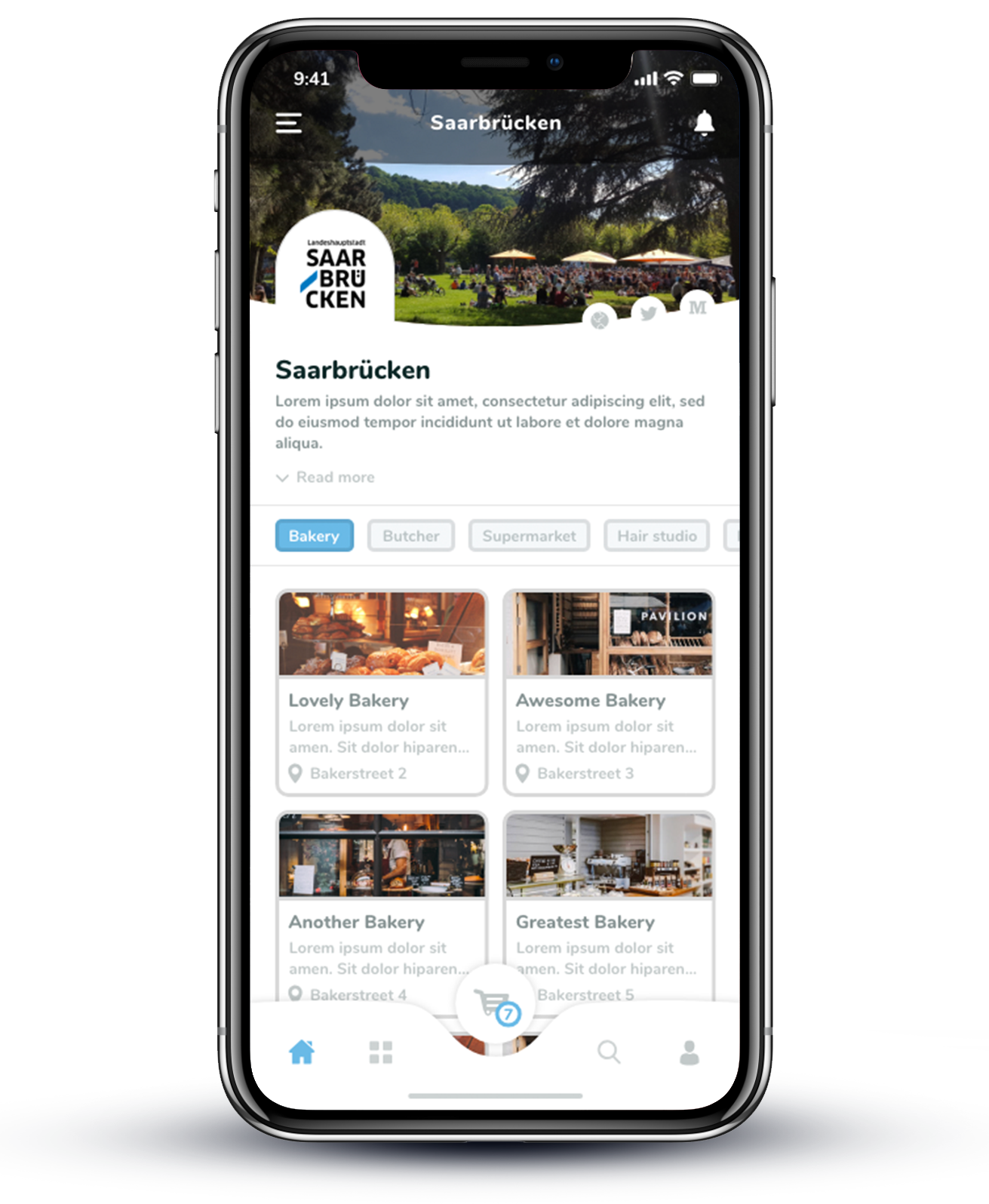
Nile is a decentralized ecommerce that promotes local stores, and it is commission free: all the money you pay for a good goes directly to the seller. Nile is made to be, as far as possible, similar to the online shops you already use; so, when you are searching for something, you’ll not even notice that you are using a decentralized system. Nile is different because it aims to enhance the local small business without neglecting the human relationship between the parties.
How I built it
Every city (or village) will have a Nile instance, the Nile instance is needed to group all the stores of your city so you can view them in a storefront like the one that you already use. All the Nile instances will talk to each other, so when you search for a product and it’s not near to you (it means it’s not in the instance of your city), you will find it anyway. Stores will also contribute to the platform: every store will host its part of the system: when you buy a product, the computational cost of the operation is processed by the store. The store will have different ways to connect to the local Nile instance, if a store doesn’t handle lots of requests then it just need a browser to be part of the network. If the store needs to handle thousands of requests per seconds then a more powerful architecture is needed but we will help configuring it.
Investors:
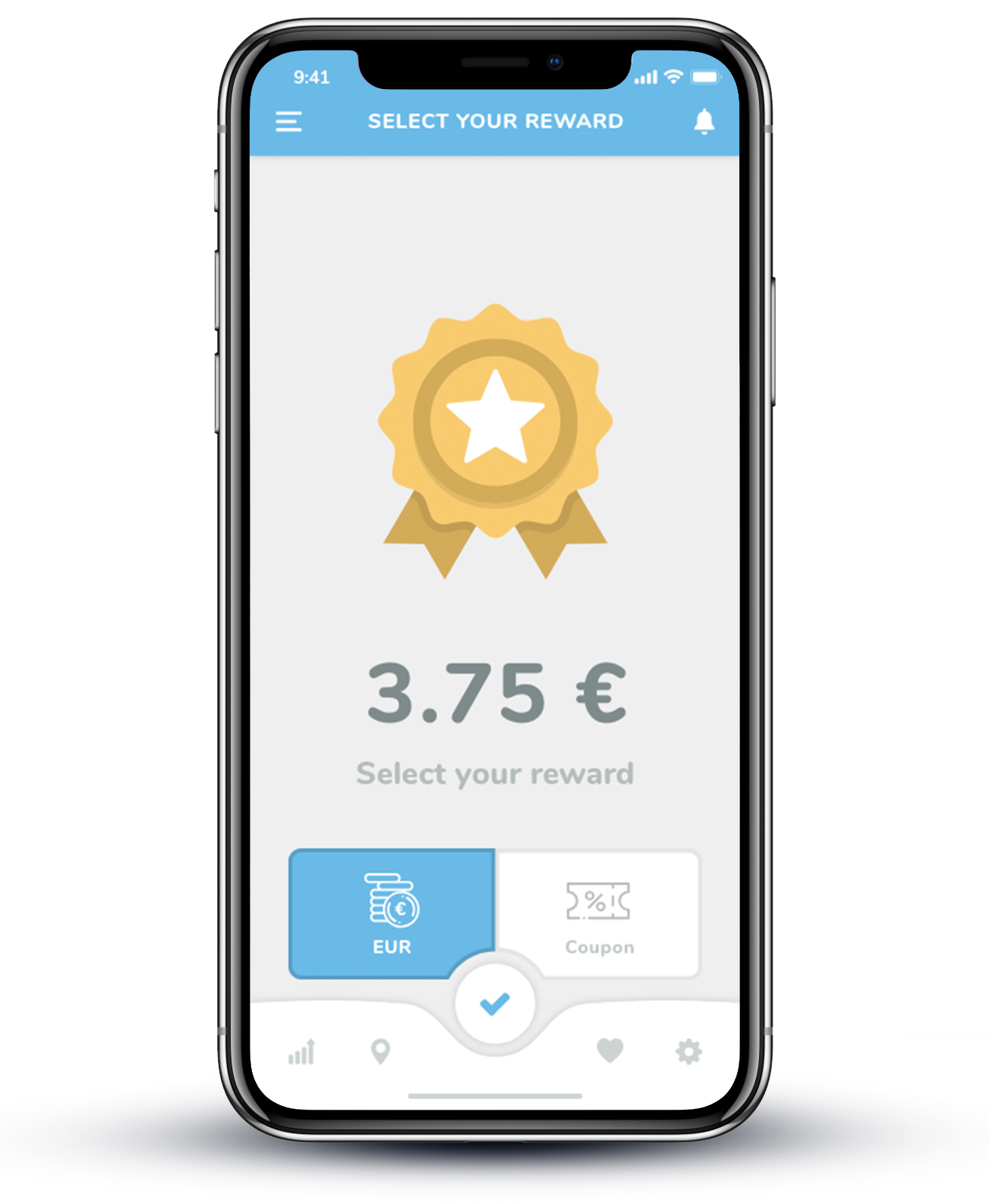
Nile itself does not need any form of investment, as it has no hosting costs and development is carried out by volunteers around the world. It will be supported by the following forms of procurement: 1) hosting, 2) payment system (PSP = Payment Service Provider), 3) delivery (Professional Delivery Company), 4) marketing 5) Donation 6) Merchandising. It will move from an initial form of volunteering to a real job for developers and full time employees. The platform is created with the Zero Point of Failures technology, so as to avoid possible crashes resulting from server problems.
Challenges I ran into
Creating a global ecommerce with low hosting costs that aims to promote local contents and managing direct communication between users and shops.
Accomplishments that I'm proud of
Using IPFS to distribute the computational cost of fetching stores information allow us to create a platform that has no expenses, allowing the developers behind Nile to offer the service totally free, respecting users privacy.
What I learned
Nile was born as an online global community. we learnt online cooperation, how to manage a community and how to work together as a multi-ethnic group.
Nile's future
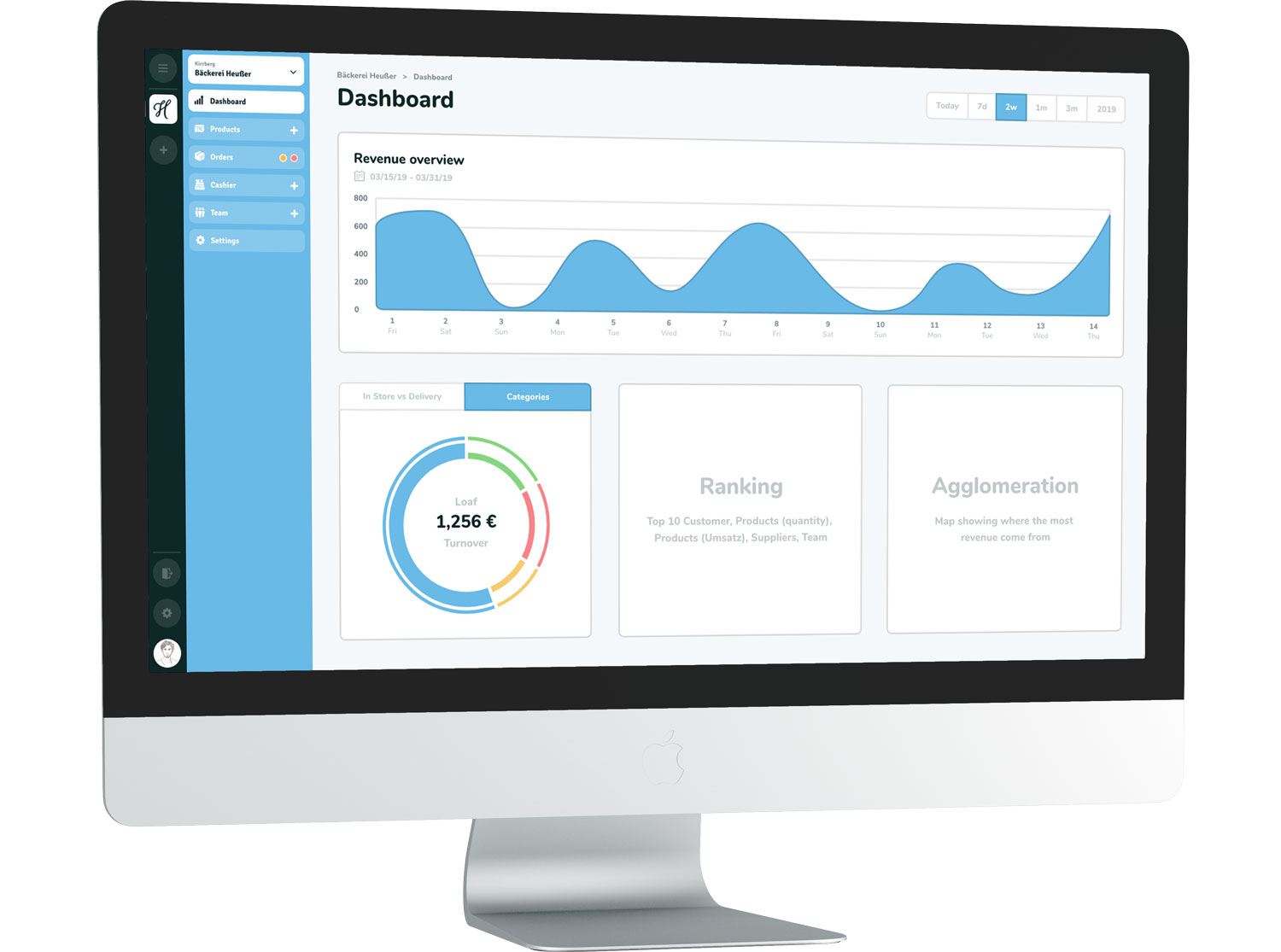
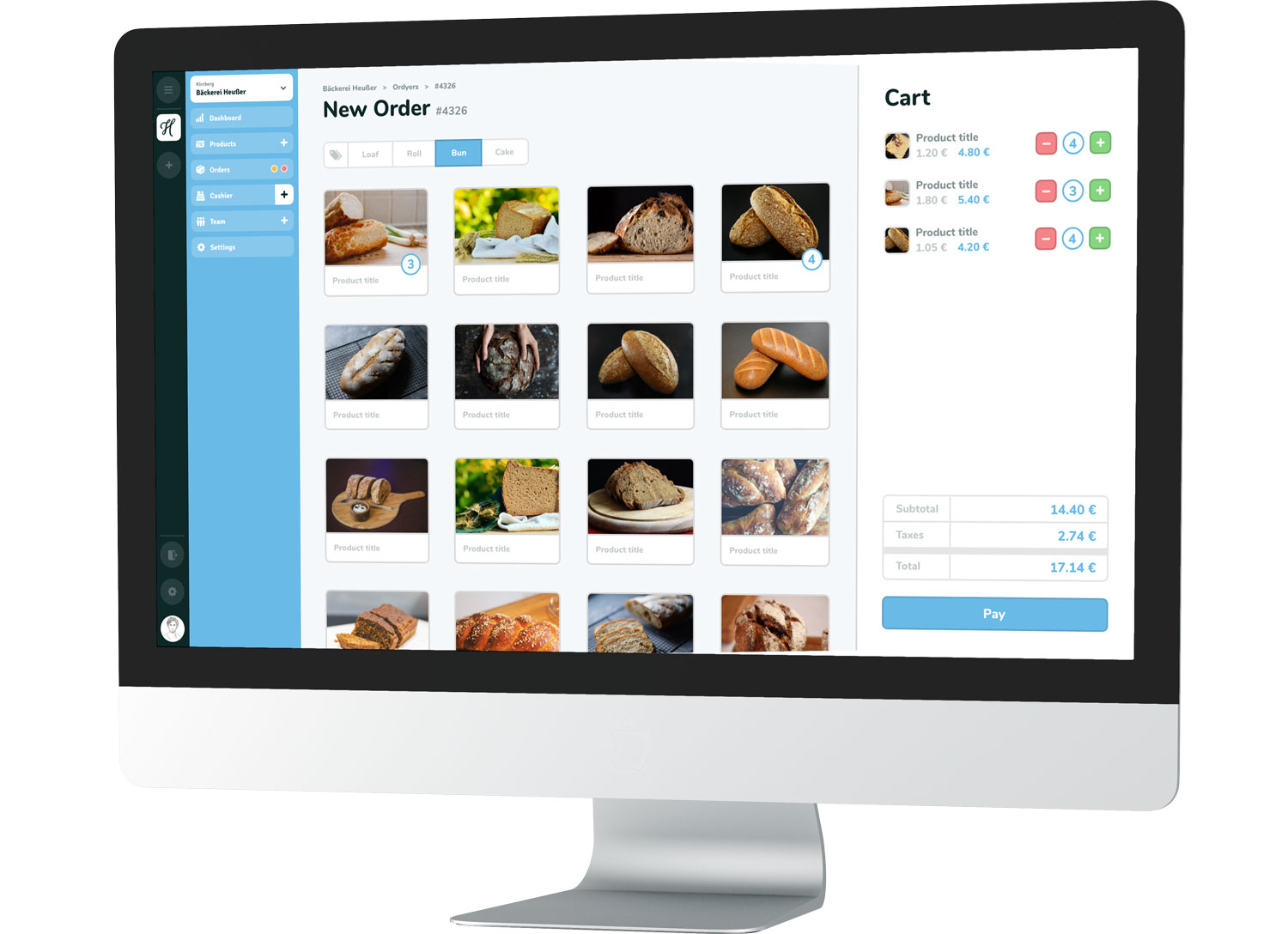
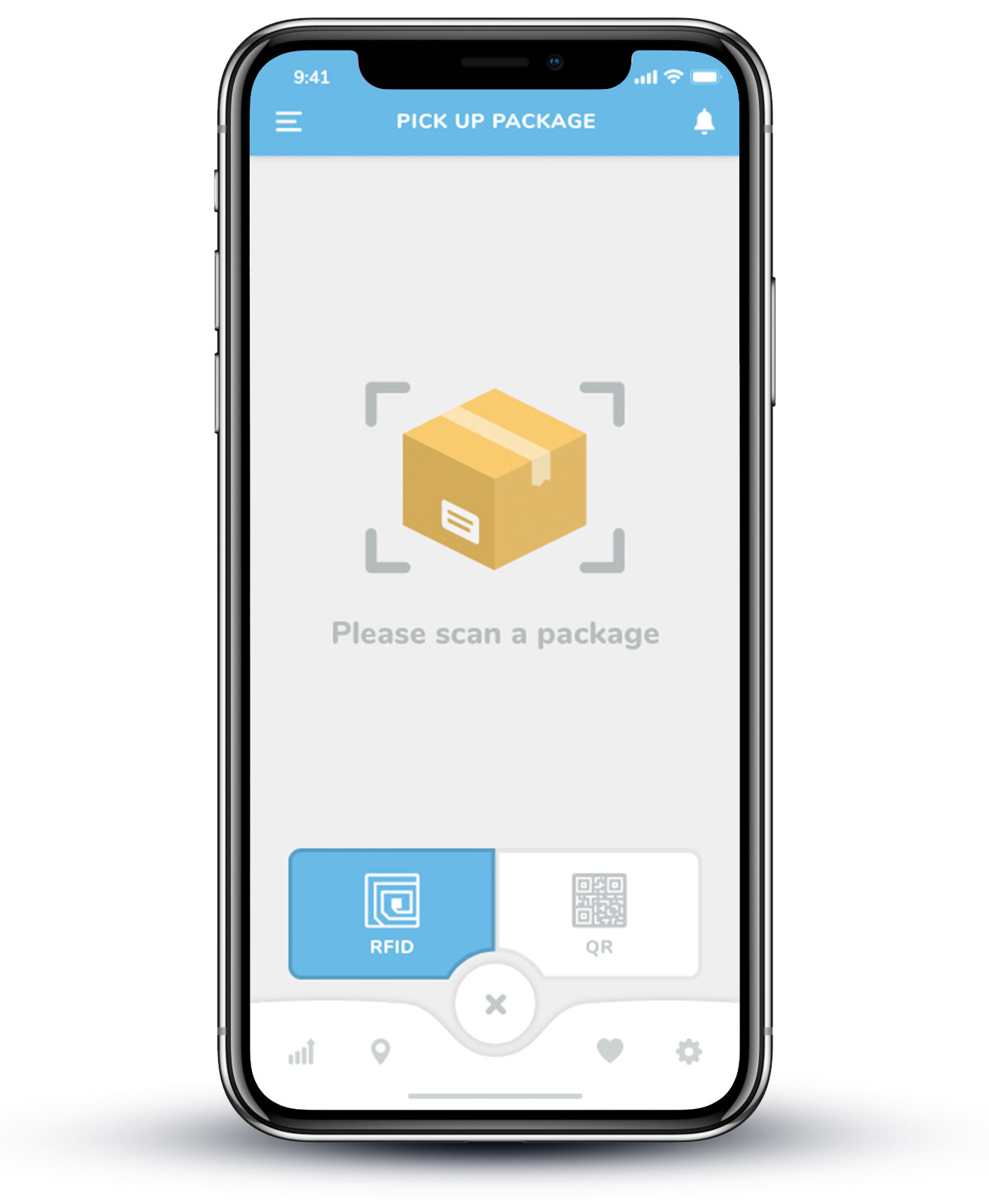
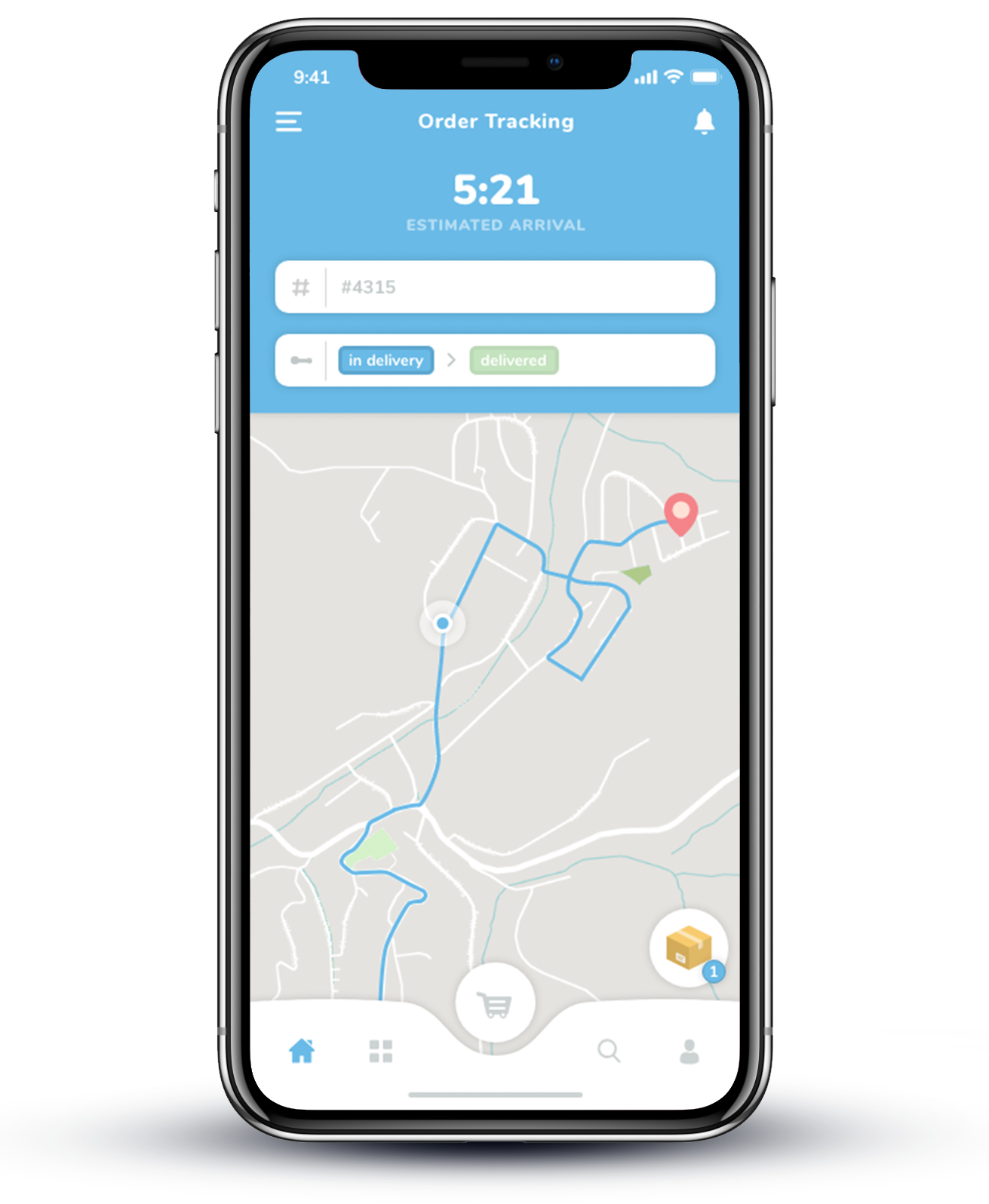
Right now shops sends their information to us (the Nile Foundation NPO) and we publish the data on a decentralized filesystem. In the future shops will be able to manage their own products with a simple user interface. They will be able to choose payment system and host their store in different ways that better fit their businesses. Nile will implement a powerful but simple interaction system between the user and the shop, the seller will be able to send information such as order position, time remaining to process the order, videos and image updates. This interaction system will allow the seller to create new type of business, for example Tom could use Nile to start his own laundry business, sharing with the users information about their washing clothes status.
What happened during the hackathon?
1) Nile is a project born about two years ago with the aim of offering even small traders in local economies, the possibility to have an online presence and be able to compete in a market monopolized by large multinationals, offering a simple and free solution. 2) During the covid emergency we saw with our own eyes the difficulties of small companies in the territory in maintaining contact with their customers and in trying to approach the online world to try to carry on the business. 3) When we saw the announcement of the #EuVSVirus hackaton on LinkedIn we immediately thought it was perfect to give Nile a boost and offer this tool totally free to as many small businesses in difficulty as possible and give real help to local economies.
Our hackathon experience:
1)Nile, started 2 years ago, offers small and micro independent traders in local economies an online presence to compete in a market monopolized by large multinationals. 2) Nile is simple and free to use for end consumer and retailer. 3) This service is essential now, and will keep Europe 'open for business' 4/ In the medium term is serves to advance the digitalisation of the independent retail sector.
Nile's time is now, and the #EuVSVirus Hackathon is the perfect catalyst to its launch.
Join our comminity
Nile is open source on GitHub
Built With
- css3
- html5
- ipfs
- javascript
- vue


Log in or sign up for Devpost to join the conversation.