-
-
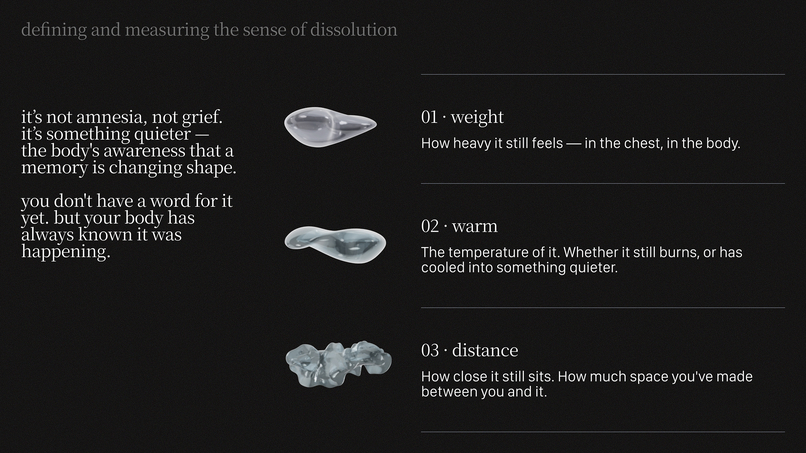
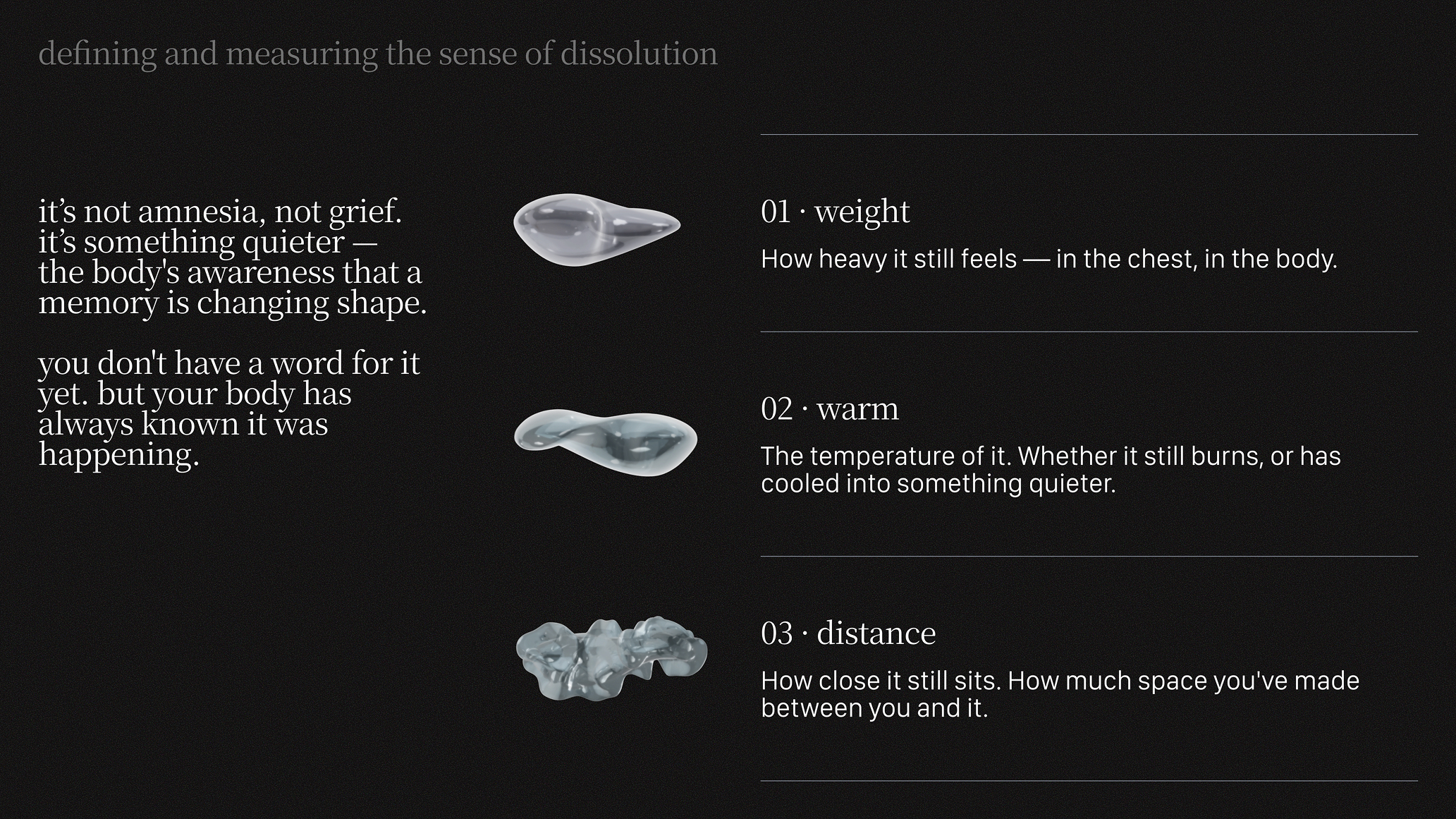
how do we measure the sense of dissolution
-
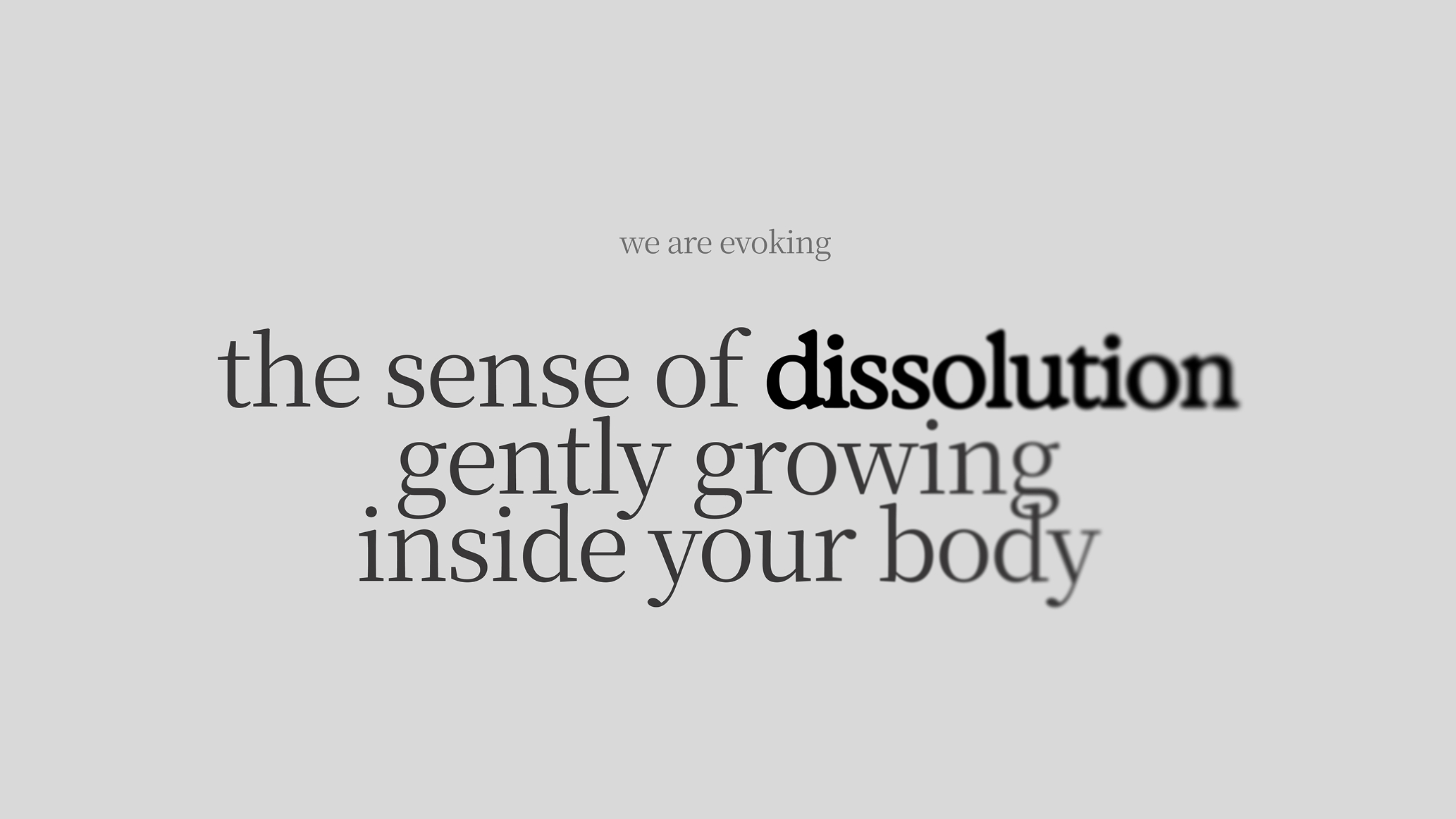
the sense we are evoking
-
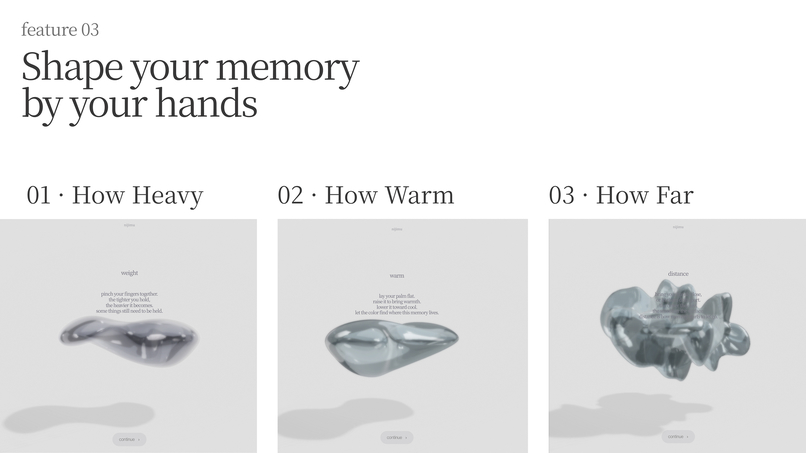
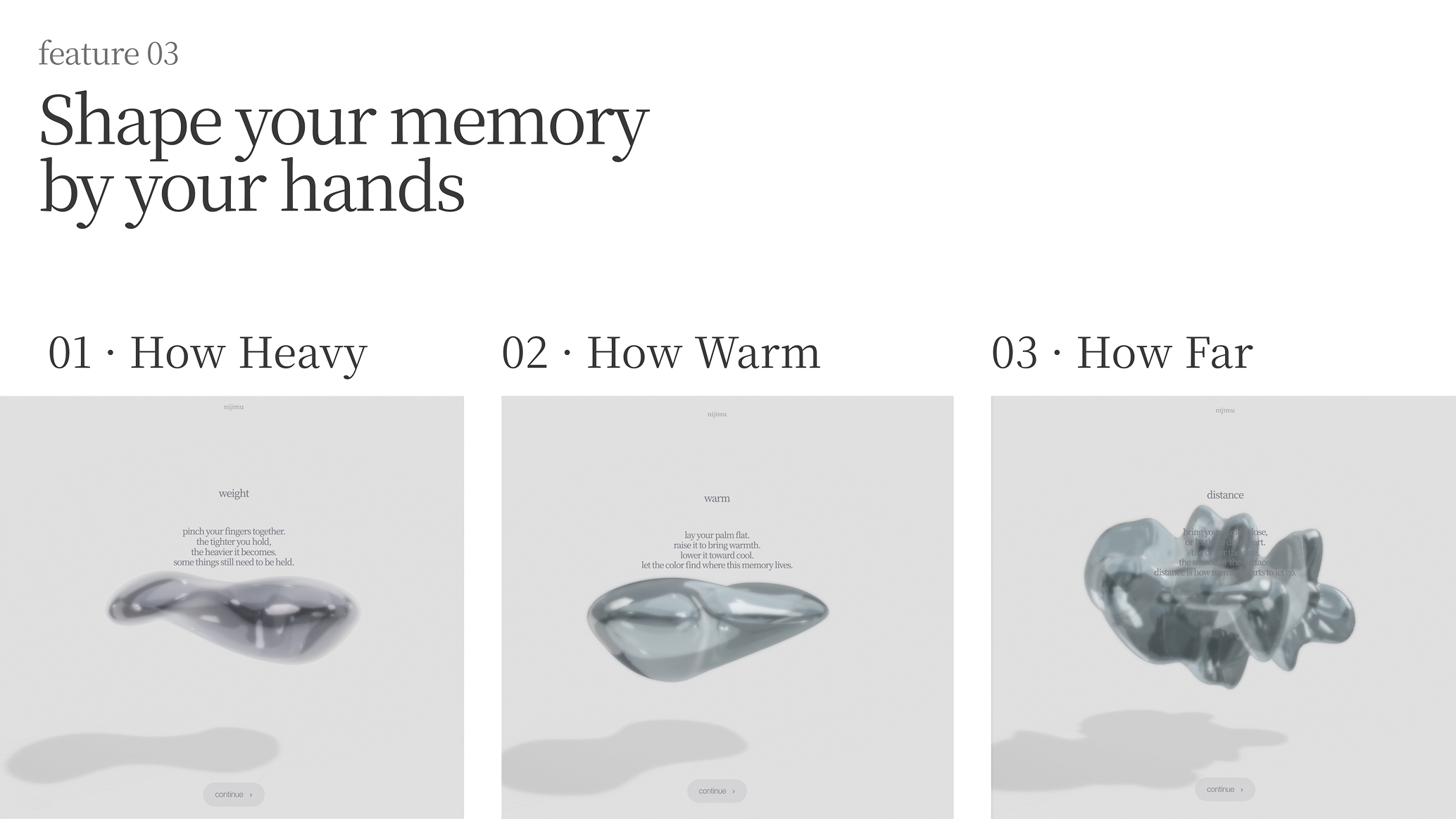
core feature: shape your memory by your hands
-
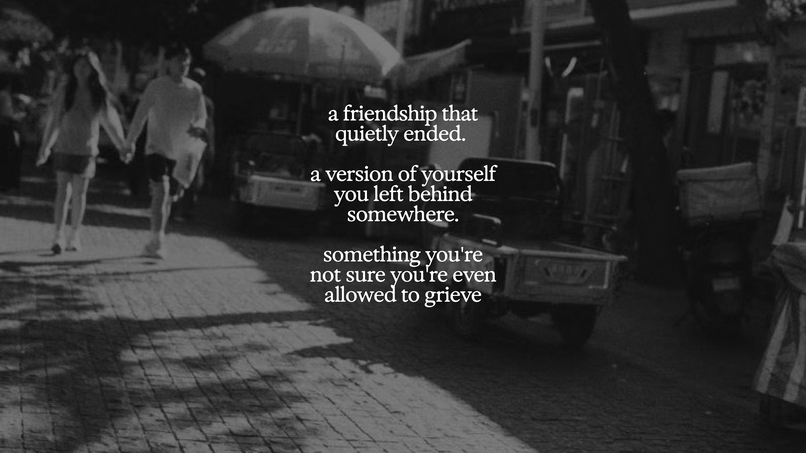
moments you can return to nijimu
-
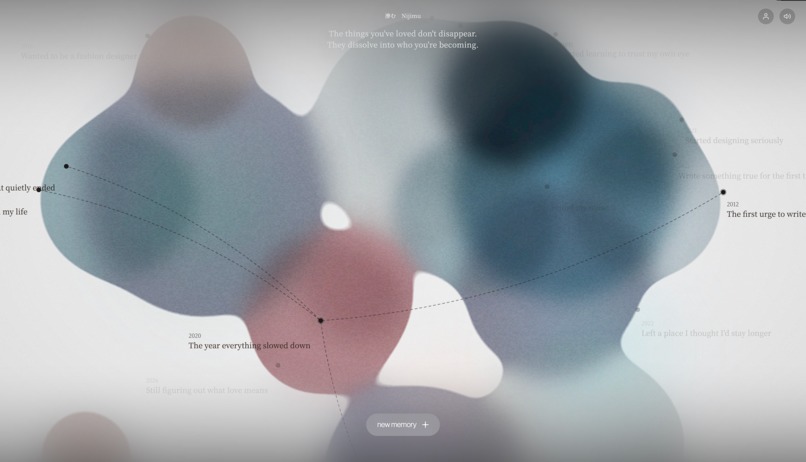
product showcase: homescreen
-
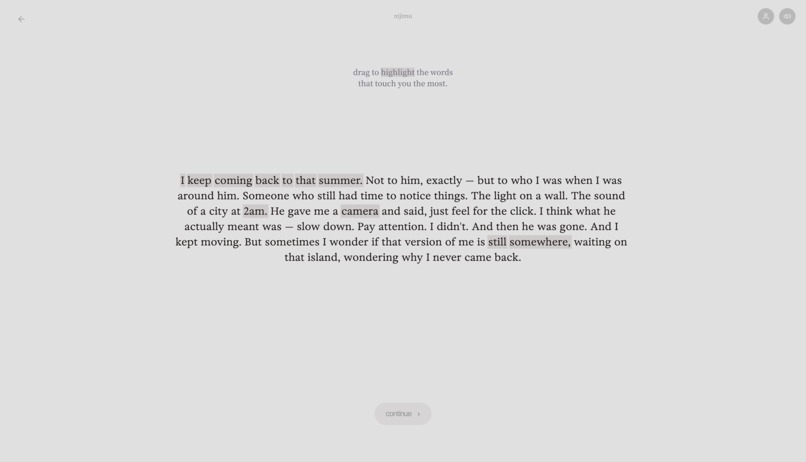
product showcase: transcribing voice
-
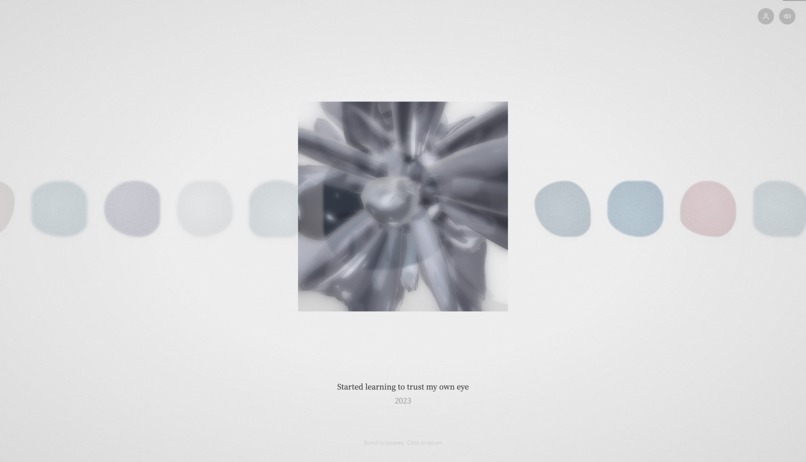
product showcase: select a memory
-
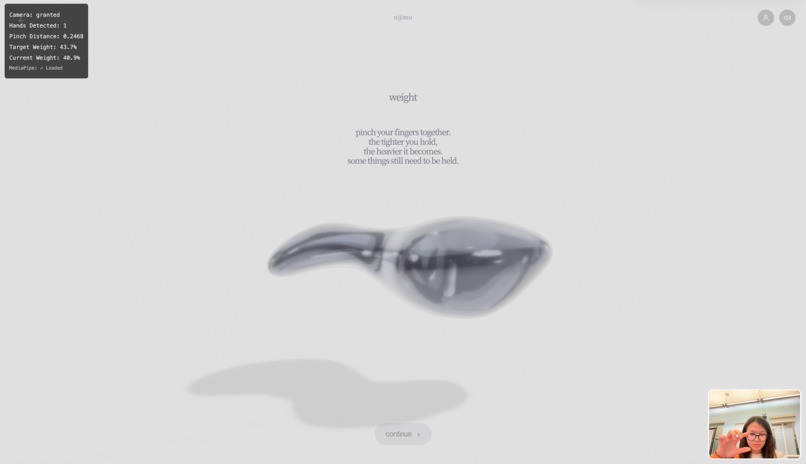
product showcase: shape building
-
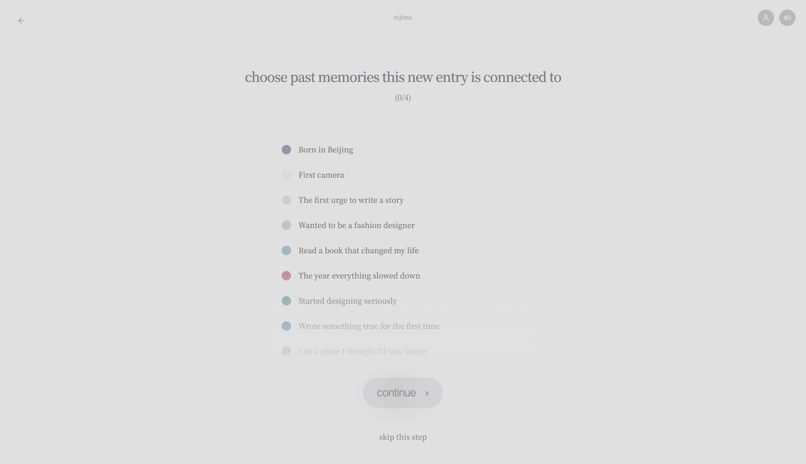
product showcase: connecting memories
Nijimu — 滲む
Inspiration
We forget things every day. We treat it as failure.
But there's a different way to understand forgetting: a transformation. The way a memory softens over months. The moment you reach for something and find it's changed shape. The quiet realization that what you once held tightly has slowly, inevitably, become part of you.
Design has built tools for everything: capturing, organizing, optimizing, remembering. But no one has built an interface for the feeling of letting go.
That gap is where Nijimu begins.
The name (滲む) means to seep into, to bleed through in Japanese — the precise quality of how something dissolves without disappearing. We were drawn to somaesthetics, Richard Shusterman's philosophy that the body is not just a vessel for experience but a site of knowledge. The body already knows how to grieve, to release, to integrate. It just needs an interface that finally listens.
What it does
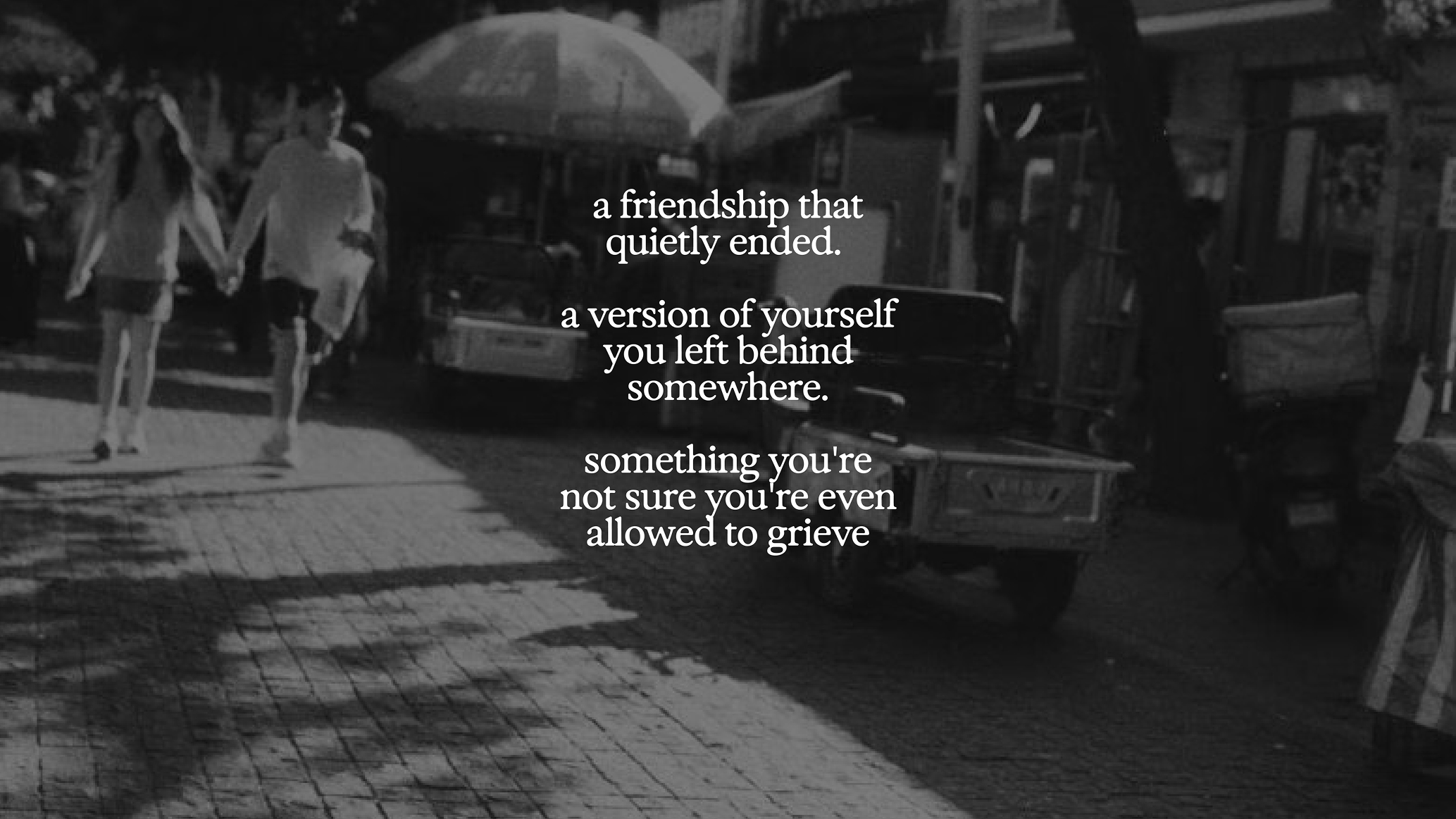
Nijimu is a speculative memory wellness tool for the quiet losses. the friendships that faded, the places you left behind, the versions of yourself you've grown out of.
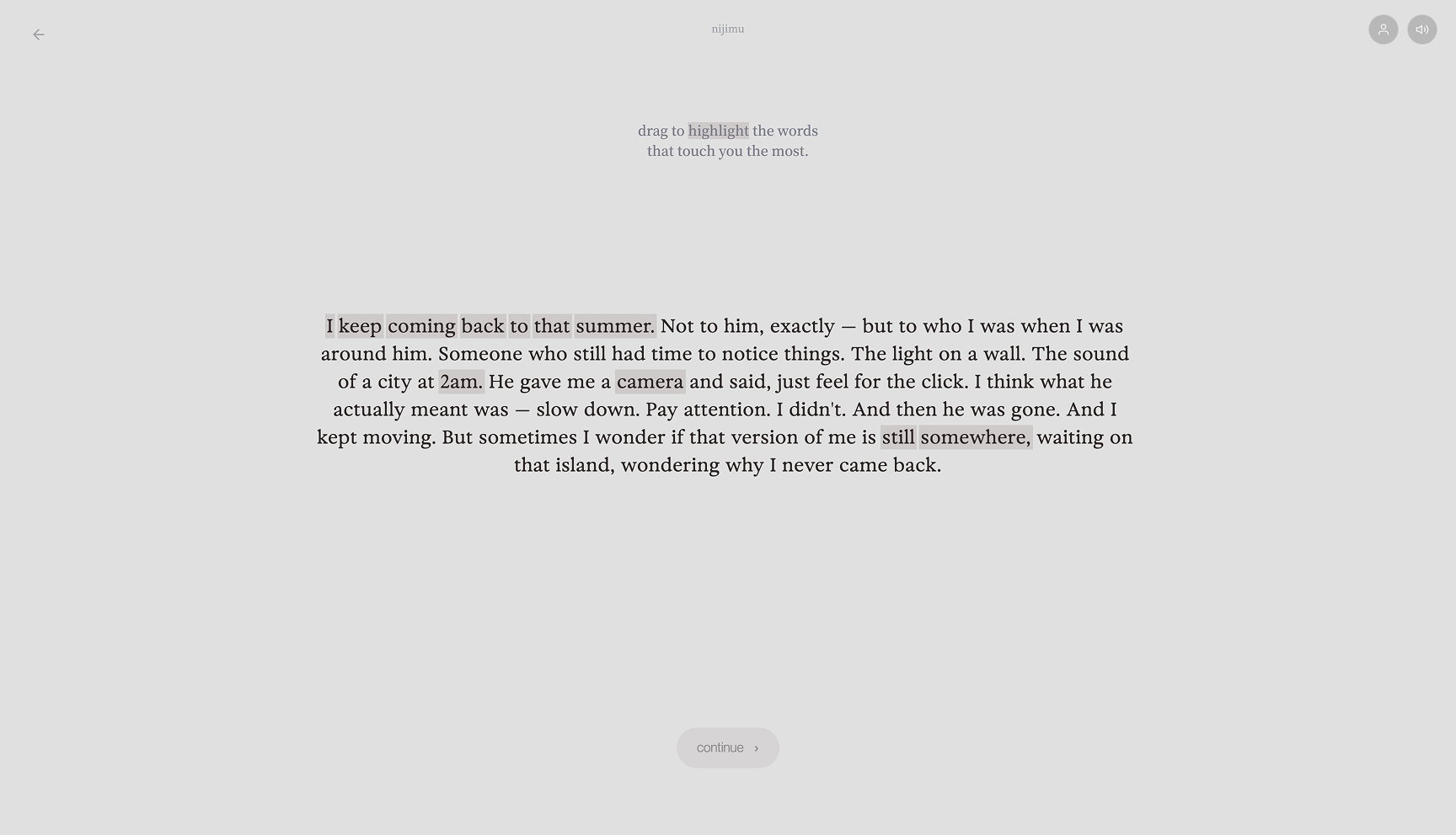
You speak. A memory, freely, imperfectly. Your transcript surfaces, and you drag your hands across the words that feel most true — not what happened, but what it meant. Non-highlighted words dissolve. What stays is a distillation you chose yourself, consciously, without an algorithm deciding for you.
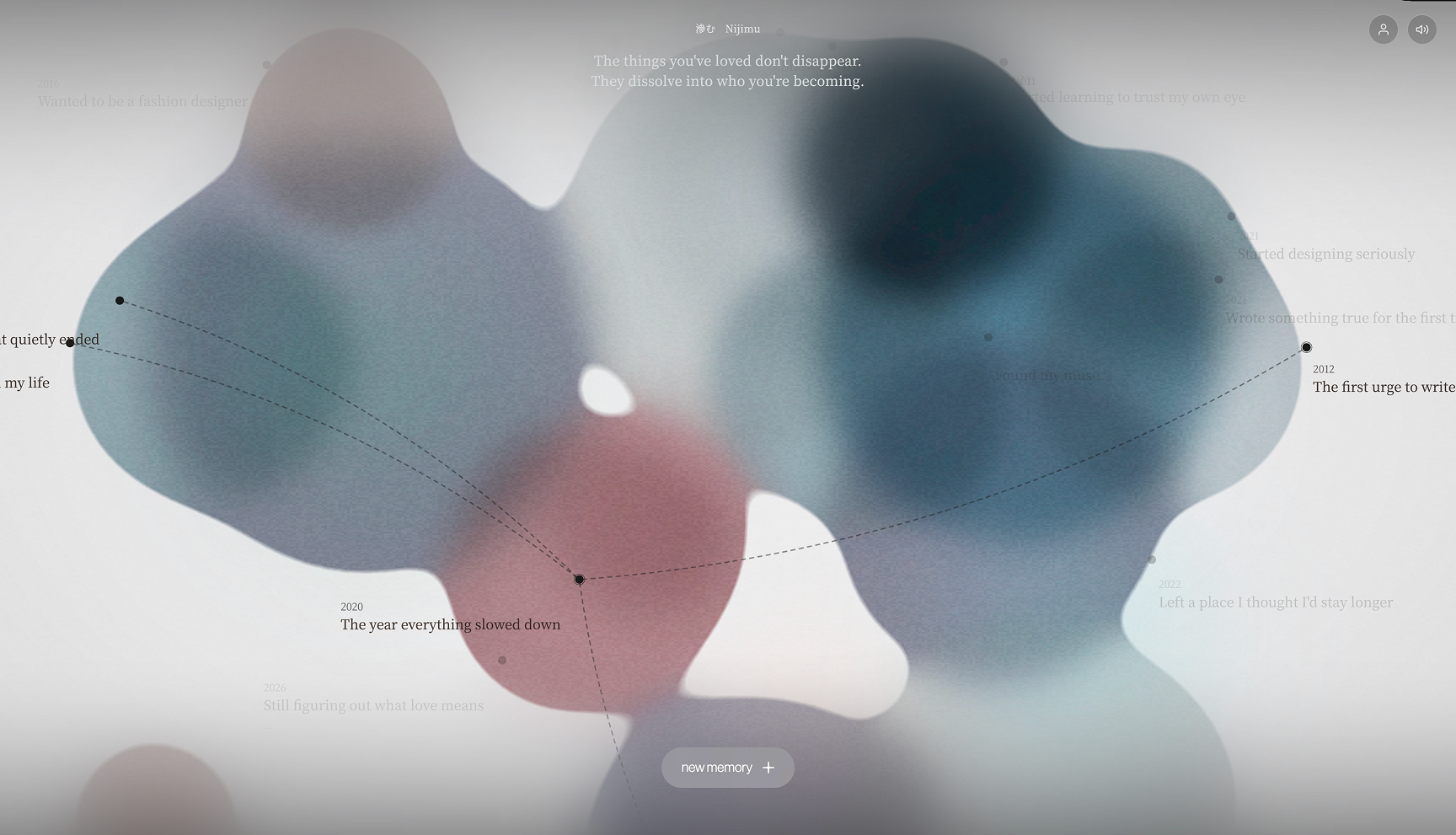
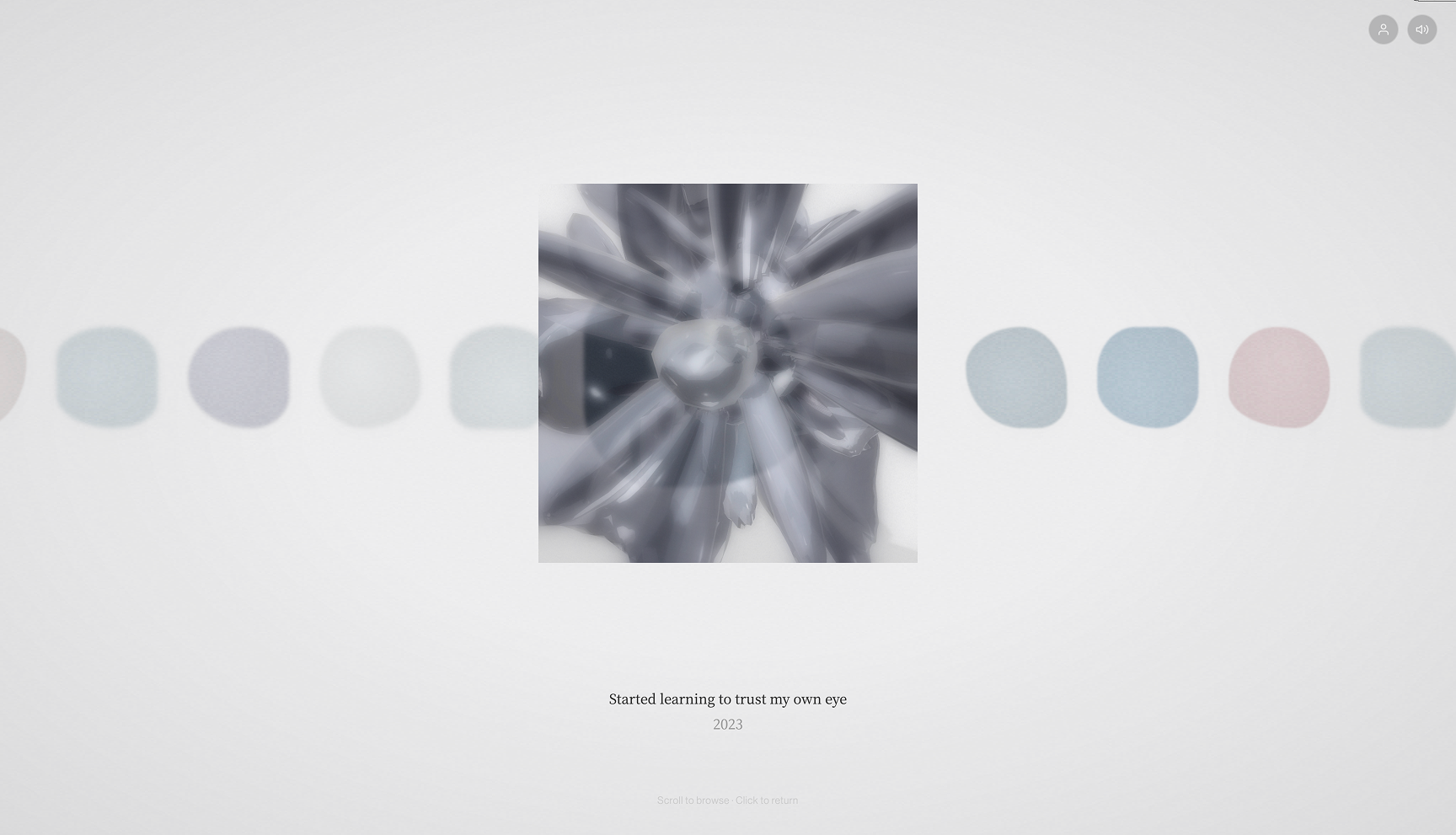
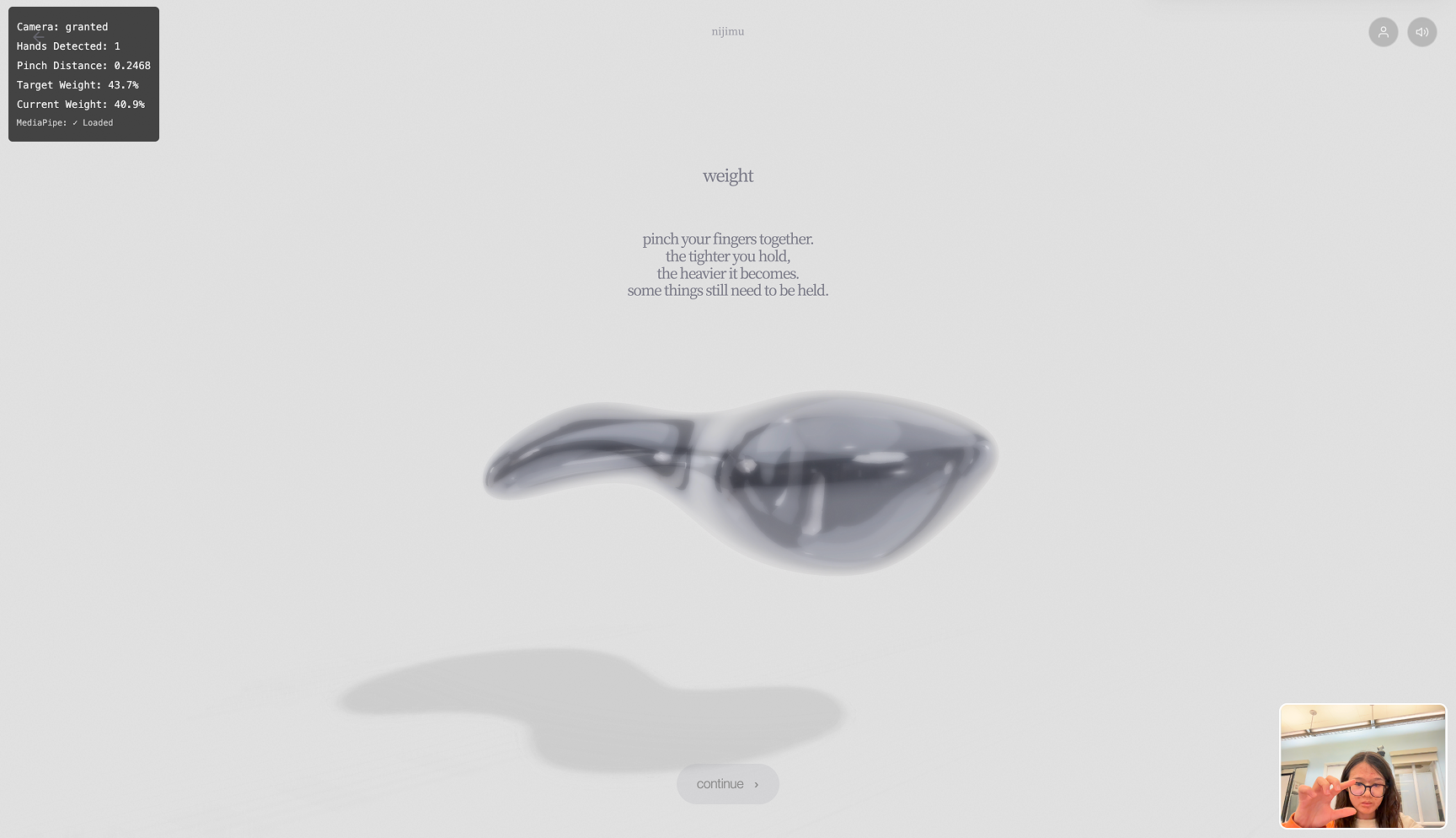
It takes shape. Your kept words generate an abstract geometry: a living form whose color, opacity, and blur reflect its current emotional weight. Fresh memories are dense and saturated. Old ones are pale, diffuse, barely there.
Your hands do the rest. Using MediaPipe gesture tracking, you physically sculpt the memory in space across three dimensions of feeling:
- How heavy — a pinch gesture. The tighter you hold, the heavier it becomes. Some things still need to be held.
- How warm — palm height. Raise it to bring warmth, lower it toward cool. Let the colour find where this memory lives.
- How far — the distance between your palms. The closer they are, the smoother the surface. Distance is how memory starts to let go.
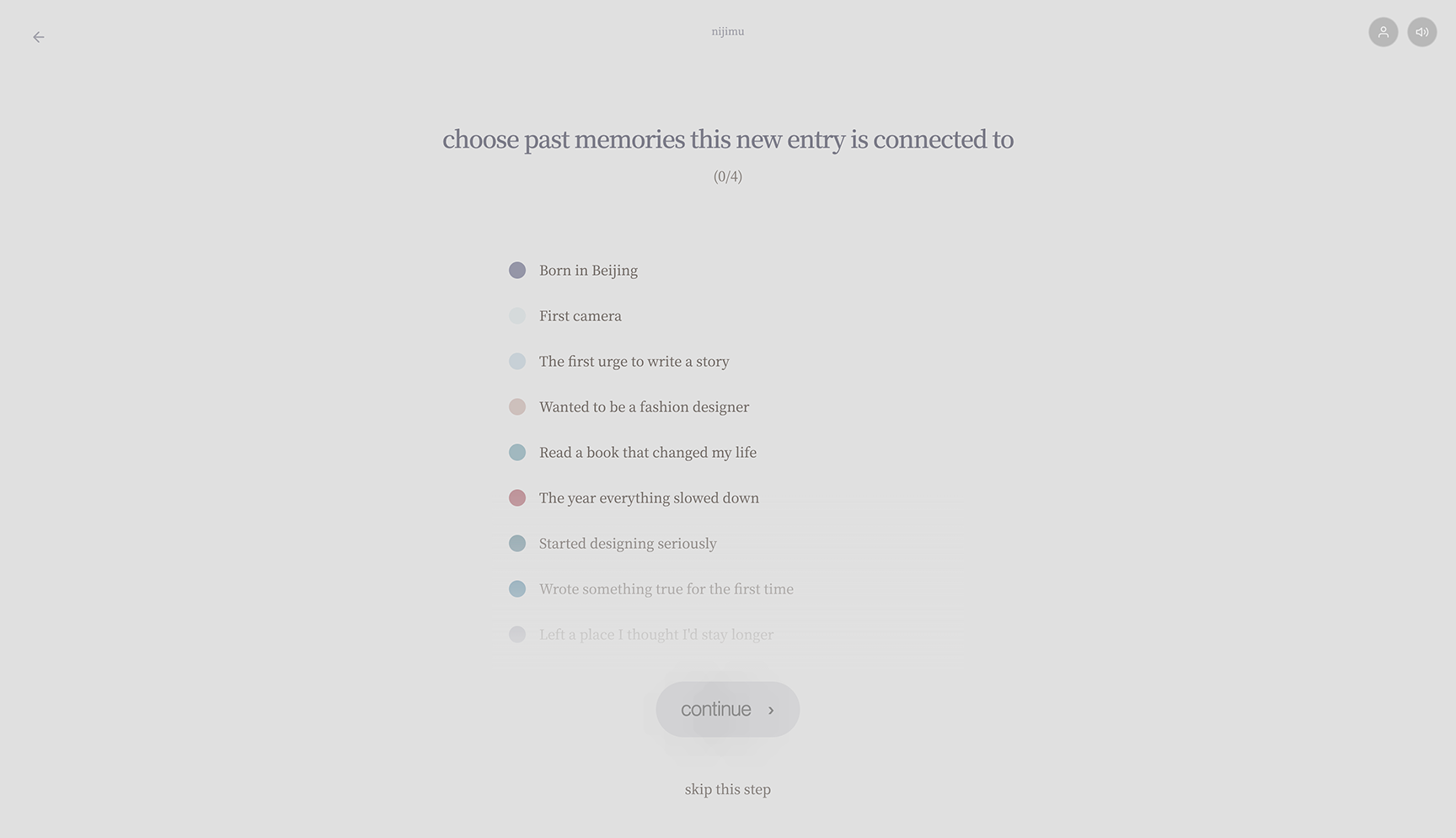
You return. The archive holds every form at its current dissolution stage. You can come back any time — not just to look, but to reshape. To find it lighter than before. To add a new layer of words. To sit with it and press that's enough for today and mean it.
Not erase. Change.
How we built it
Nijimu is built in Figma Make, with gesture interaction powered by MediaPipe Hands embedded via a separate Vercel app communicating through postMessage, and dynamic 3D scenes constructed using three.js. The visual language draws from ink wash photography, SANAA architecture, and the aesthetic of things that are almost — but not quite — gone.
Challenges we ran into
Figma Make runs in a constrained environment where many workflows developers rely on (command line, dev tool inspector) aren’t available. This meant rethinking parts of our technical stack as we built; for instance, our initial prototype used React Three Fiber, but we eventually shifted to native Three.js to better align with the environment’s constraints. We also had to learn to budget Figma credits along the way: early on we relied heavily on the costly Opus model, but eventually realized that the “default” mode could solve most problems just as effectively at a much lower cost. Rather than slowing us down, these constraints reshaped how we worked, and make us think more consciously and strategize our prompting.
Accomplishments that we're proud of
We're proud that Nijimu feels like a real thing someone might open on a quiet evening and actually use.
When we replaced sliders and buttons with hand movements, something shifted in how the prototype felt. It became less like an app and more like a practice. We're proud of how embodied and magical that felt.
And we're proud of how beautiful the site has eventually become.
What we learned
We learned that speculative design isn’t the opposite of practical design. The question what should this do was easy compared to what should this never do. No streaks. No notifications. No AI deciding what matters. No optimization. Saying no to those things, repeatedly, was the design. Removing automation can sometimes be a form of respect. We learned that gesture is a radically underused medium in wellness design, and that when you give someone’s hands something meaningful to do, the experience shifts register entirely. We also learned a great deal about what Figma Make can do. Working alongside us almost like a design-oriented programming partner, it often surprised us by moving one step ahead, implementing thoughtful details and filling small gaps that helped the prototype feel more complete.
Longer term, Nijimu points toward something bigger: a design practice built around the interior life. The parts of being human that have always happened in silence, without a screen.
We want to build for those parts, too.
Built With
- cursor
- figma
- figmamake
- mediapipe
- react
- three.js
- typescript


Log in or sign up for Devpost to join the conversation.