Inspiration
With the help of GPT-5.6 Sol in ChatGPT and Codex, we transformed our interest in language learning and manga into a working educational platform.
We have always enjoyed learning languages, especially Japanese, and we also love manga. We wanted to combine these interests and create a manga experience designed specifically for beginners.
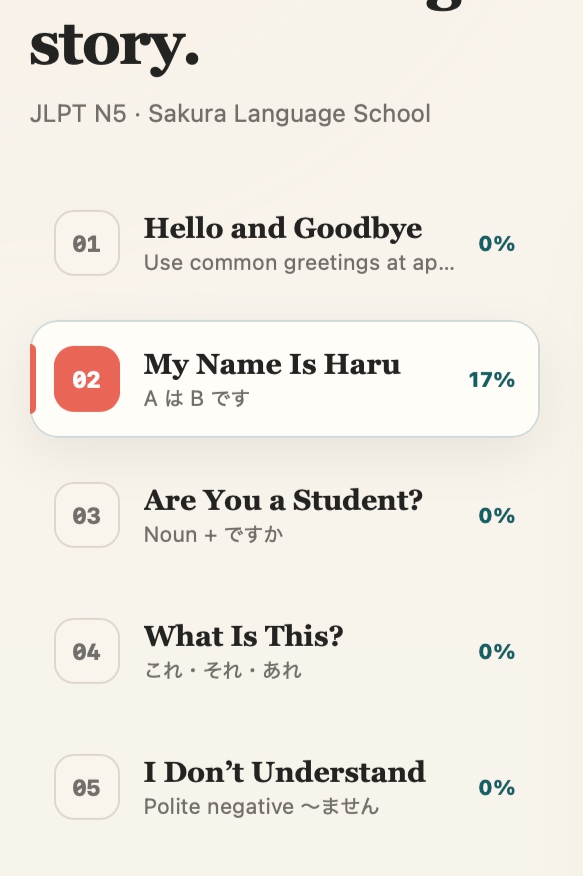
Authentic Japanese manga is engaging, but it can be difficult for new learners because of kanji, advanced expressions, and the lack of audio or simple explanations. Nihonary makes the experience more accessible by introducing Japanese step by step through simple conversations and a connected story.
What it does
Nihonary helps beginners learn Japanese through interactive manga lessons.
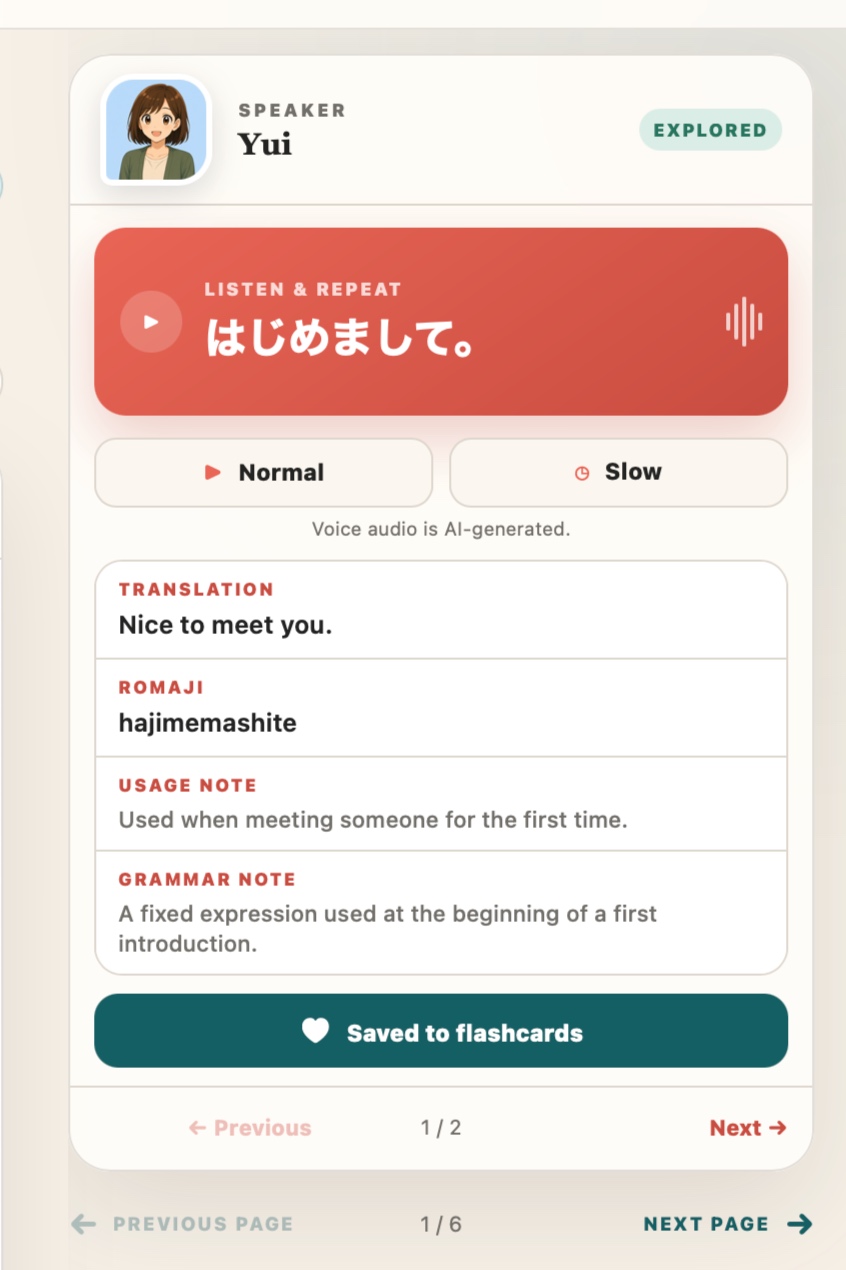
Learners can tap a speech bubble to hear the dialogue and view the Japanese text, romaji, translation, grammar explanation, and usage notes. They can listen at normal or slow speed, save useful expressions as flashcards, and track their progress.
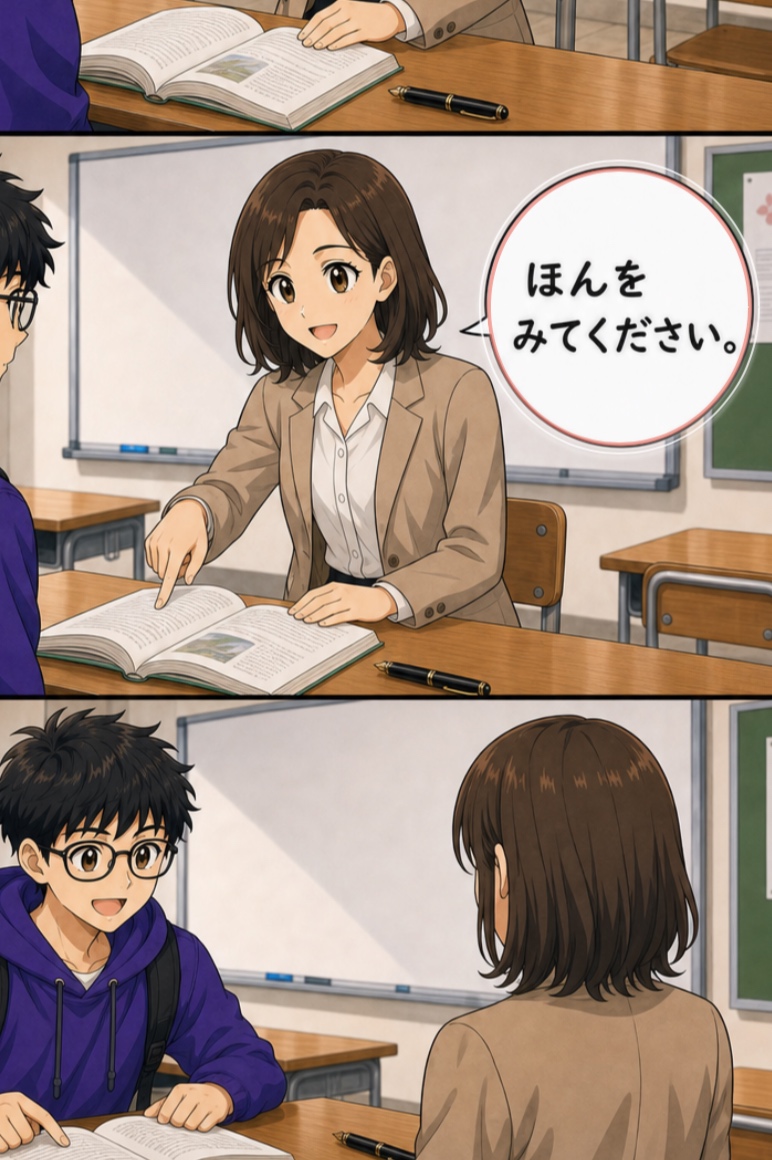
The platform also supports panels with multiple conversations. Each speech bubble can be mapped separately so learners can select the exact dialogue they want to study.
Nihonary is supported by Manga Mapper, a visual authoring tool for mapping speech bubbles, editing lesson content, generating audio, and previewing the final learner experience.
How we built it
We built the project using GPT-5.6 Sol in ChatGPT and Codex, alongside OpenAI image and text-to-speech tools. This included the learner website, Manga Mapper, story development, lesson content, images, and audio.
GPT-5.6 Sol in ChatGPT helped us brainstorm ideas, plan the connected story, write conversations, prepare translations, and create beginner-friendly explanations. Codex helped us turn those ideas into a working website and visual authoring tool.
OpenAI text-to-speech was used to create consistent Japanese voices for recurring characters. Lessons are stored in JSON format so the same content can be shared between Manga Mapper and the learner website.
Challenges we ran into
We wanted learners to tap any speech bubble and immediately access its dialogue, audio, translation, and learning information. This became more difficult when one manga panel contained several speech bubbles.
AI could generate the dialogue and lesson information, but it could not always identify the exact position and shape of every speech bubble. Even a small positioning error could cause the wrong conversation to open.
To solve this, we built Manga Mapper. It allows us to draw, resize, move, add, or remove interactive regions and connect each region to the correct dialogue. We can then preview and correct everything before publishing.
Another challenge was keeping the interactive regions correctly aligned across different screen sizes. We addressed this by saving their positions using normalized coordinates.
Accomplishments that we're proud of
We are proud that we turned a shared idea into a complete working prototype with limited resources.
The project includes a connected manga story, interactive lessons, character voices, flashcards, a responsive learner website, and a visual lesson-building tool.
A project like this would normally require programmers, graphic designers, writers, voice artists, and other specialists. Using GPT-5.6 Sol, Codex, and other OpenAI tools, our small team was able to prototype and connect all these components.
What we learned
We learned how to use AI throughout the creative process, from brainstorming and planning to storytelling, design, content creation, and development.
We also learned that AI works best when it receives clear direction. Careful planning was essential for keeping the story, conversations, learning goals, images, audio, and technical tools connected.
Most importantly, we learned that a small team can use AI to create and test a complex idea with fewer resources. We also learned that language learning becomes more engaging when learners connect words with characters, visual scenes, voices, and an ongoing story.
What's next for Nihonary
Nihonary currently focuses on simple JLPT N5-level Japanese conversations. Our next step is to add more chapters, longer storylines, additional dialogue, and increasingly realistic situations as learners improve.
In the future, the same platform could use manga or illustrated children’s stories to teach English, French, and many other languages.
Built With
- amazon-web-services
- amplify
- api
- artificial
- chatgpt
- css3
- html5
- intelligence
- javascript
- json
- next.js
- node.js
- openai
- orm
- react
- text-to-speech
- typescript
- vite
- web


Log in or sign up for Devpost to join the conversation.