
Inspiration
Night Diver was inspired by the quiet pressure many young people feel after a long day of work, study, messages, deadlines, and social noise. Night is often the only time that feels truly ours, but even then it can be hard to rest or reconnect.
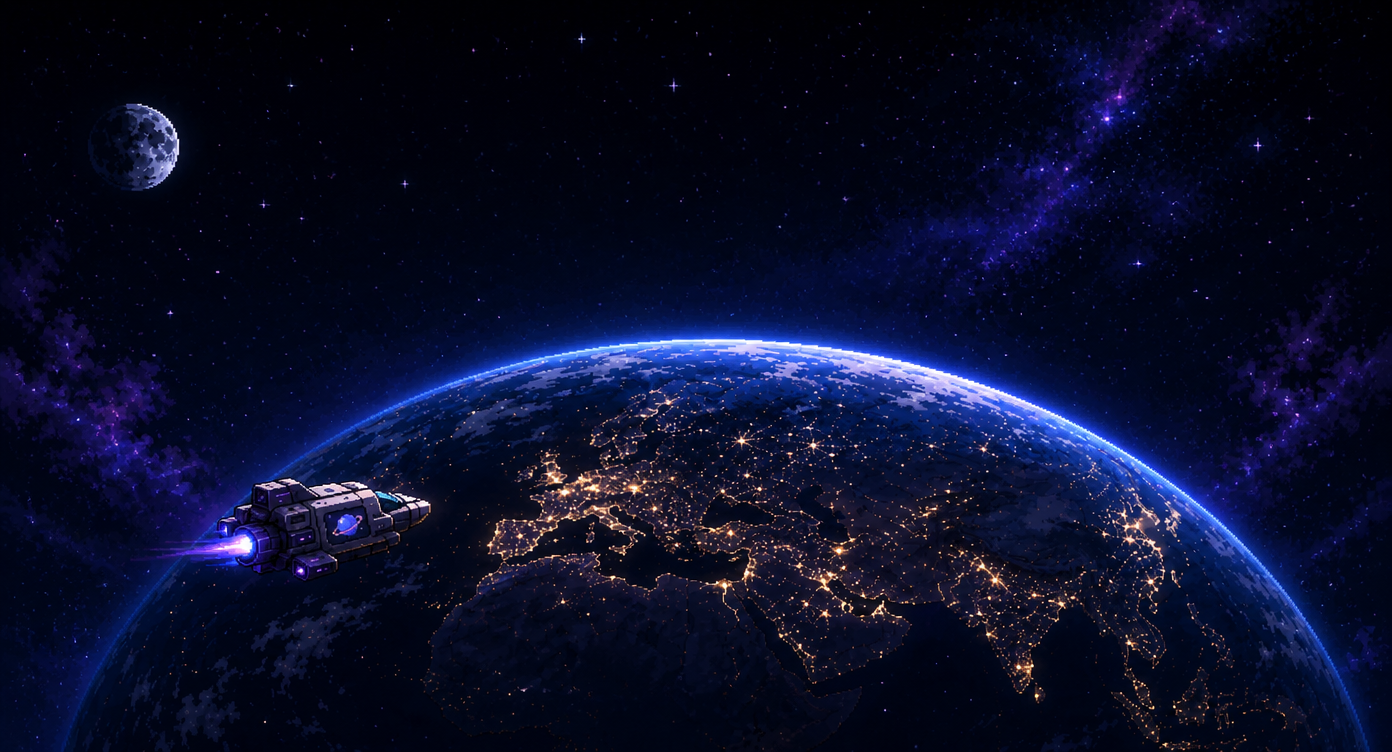
We wanted to build a small rebellion against the always-on world: not another productivity tool or social feed, but a soft escape. Night Diver lets users experience a different version of today through an AI alter ego that wanders the world, notices small beautiful details, and returns with shareable memories.
What it does
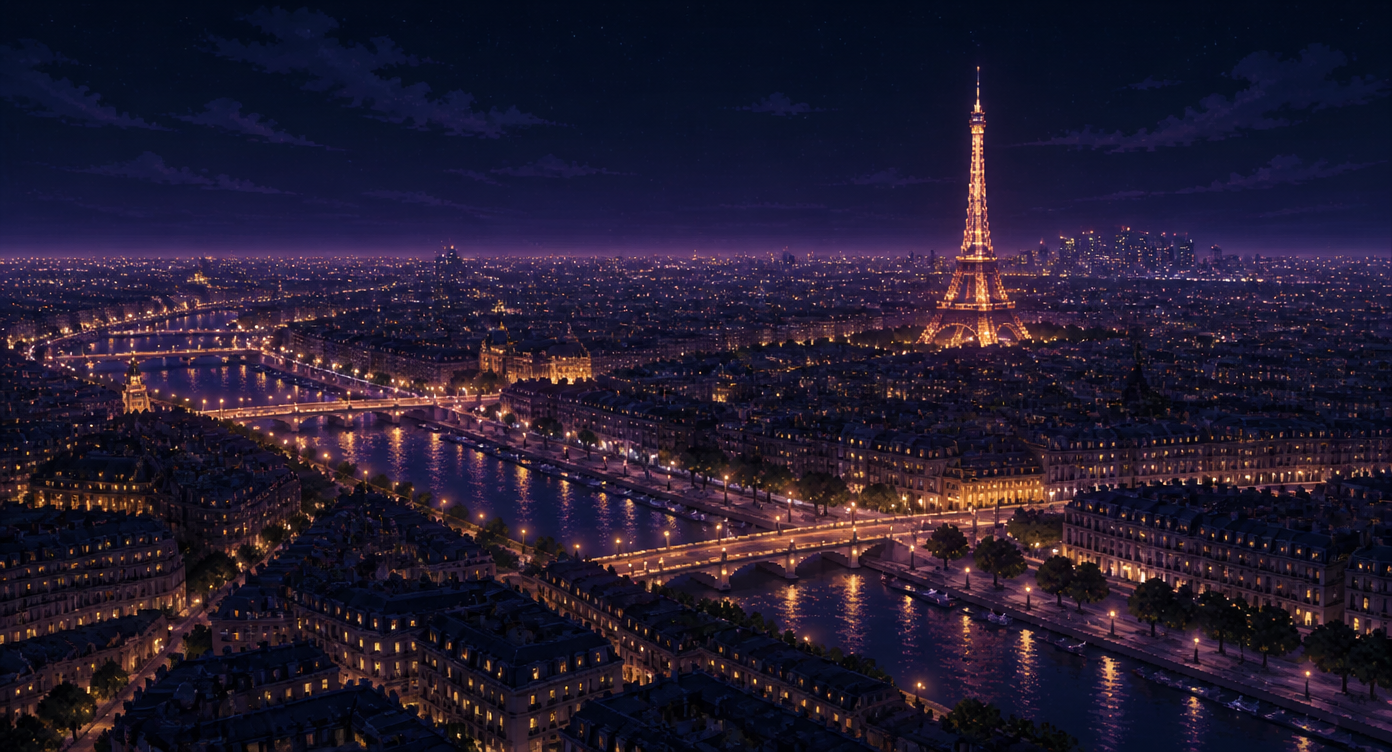
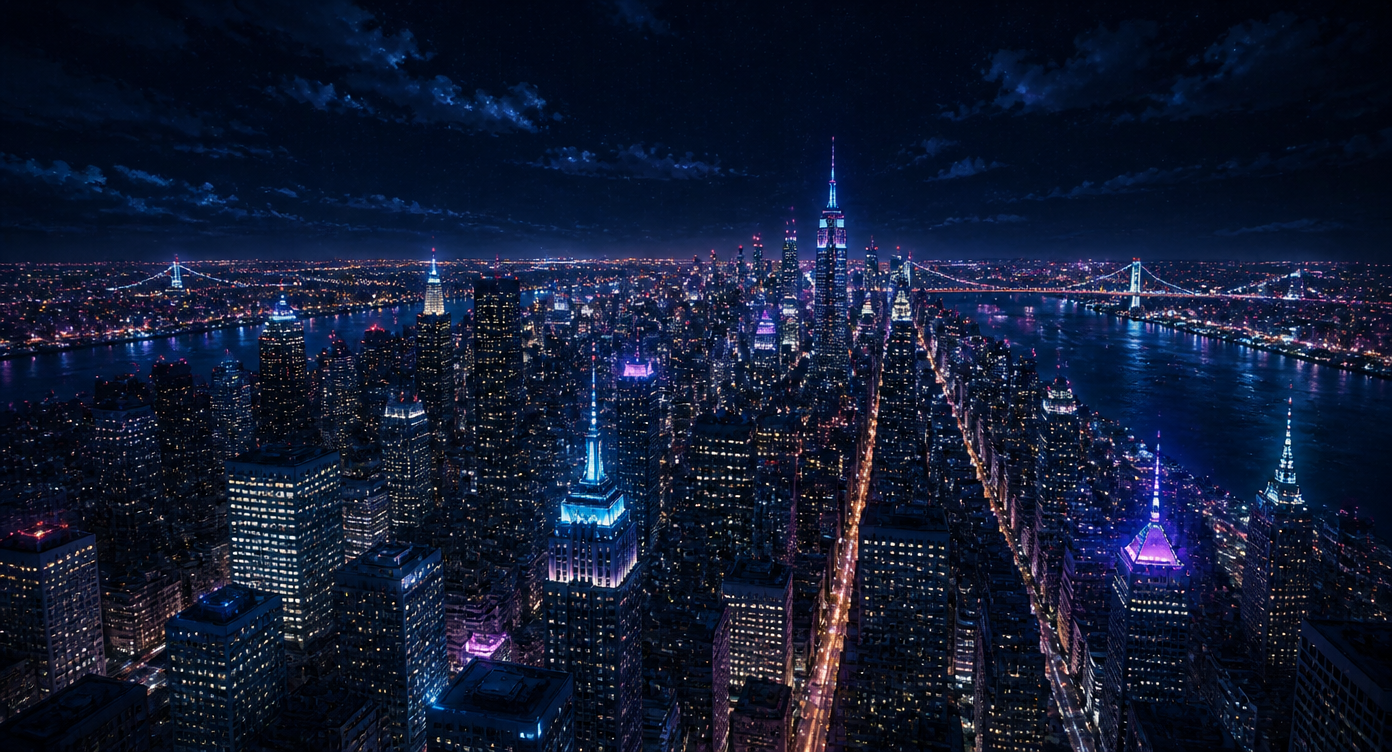
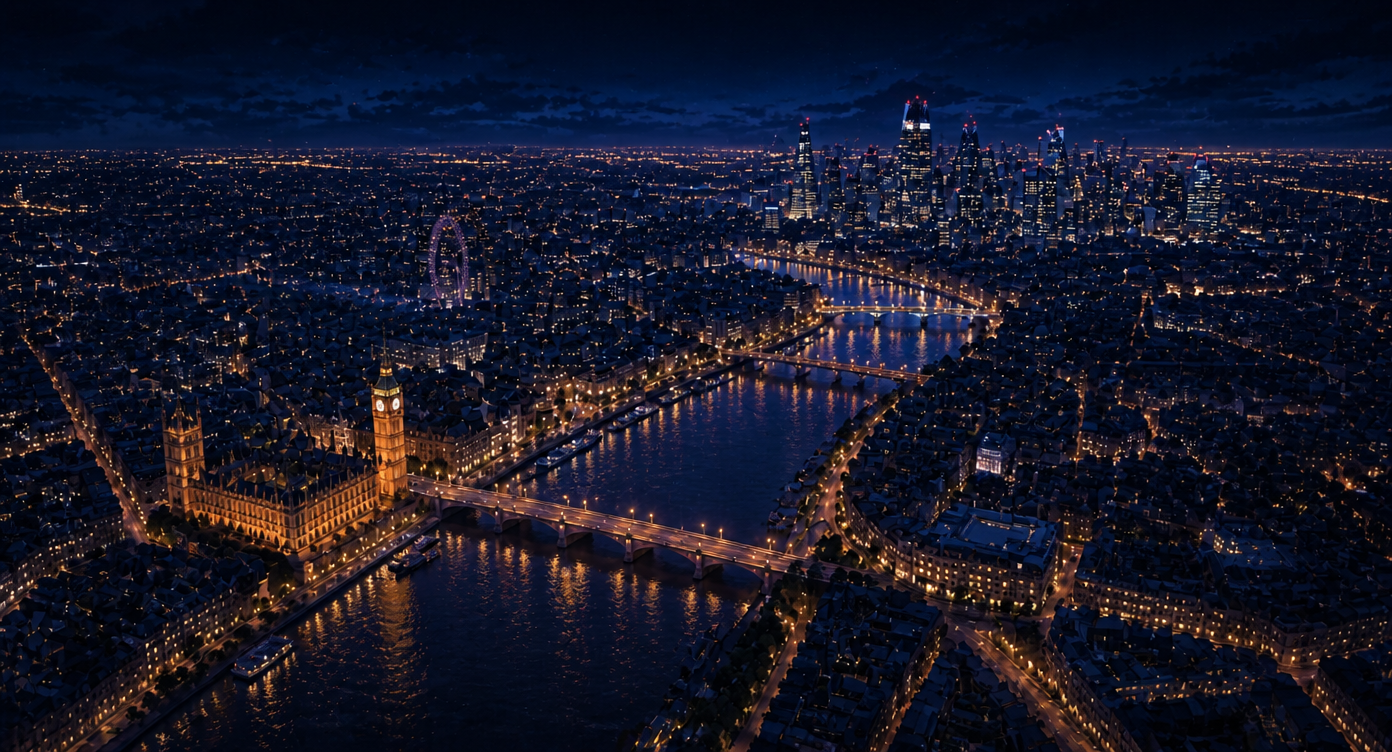
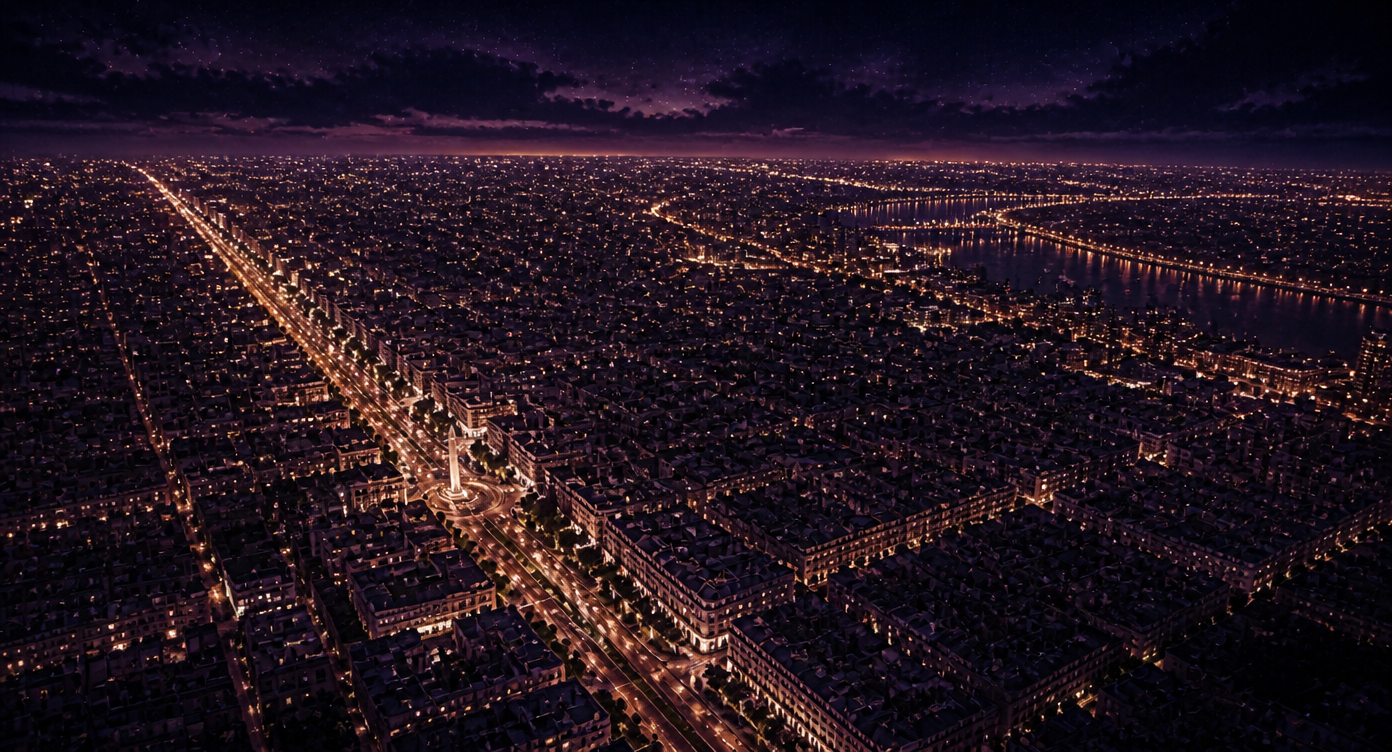
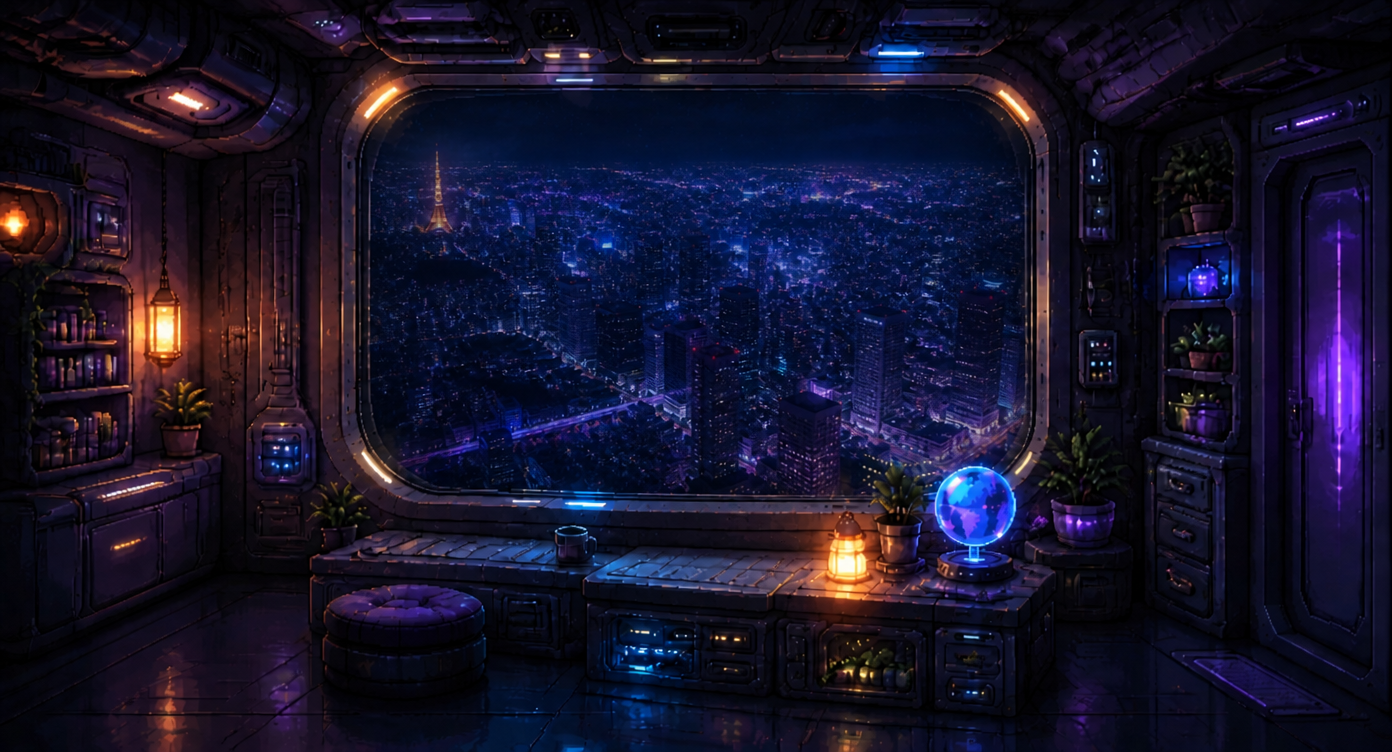
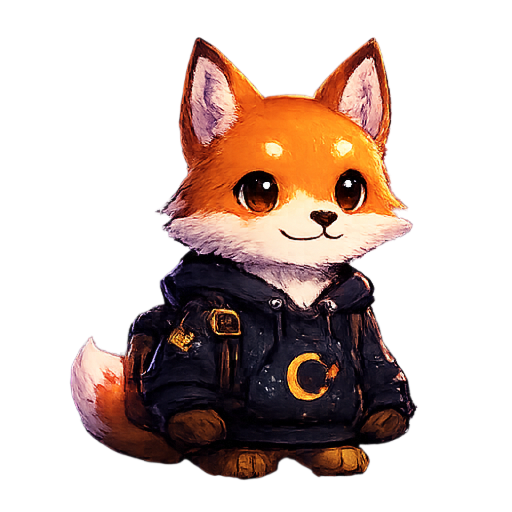
Night Diver lets users create a tiny AI alter ego living in a cozy sci-fi ship above Earth’s night side. Users choose a city and start a dive. Their Diver explores real places, then returns with a cinematic Dive Log: a multi-stop memory, generated images, a postcard, and a souvenir.
The experience is low-pressure and lightly social. Solo is for personal escape, Drift is for ambient city wandering, and Resonance creates a shared memory with another Diver or friend.
How we built it
We built Night Diver with Next.js, local memory storage, city selection, Dive Logs, souvenirs, and a cozy sci-fi cabin interface.
We used Fotor and image generation tools to design the visual system: Diver characters, cabin moods, postcards, souvenirs, and city memory scenes. We also built mode-specific AI prompts for Solo, Drift, and Resonance. These prompts guide the AI to use real city details, preserve character references, generate grounded stop-by-stop memories, name image assets, and return structured JSON for the app.
We tested a Manus API workflow that uploads Diver reference images, sends a mode-specific prompt, polls for results, and receives structured memory data plus generated image attachments.
Challenges we ran into
The hardest part was making generated memories feel real instead of generic. We had to prompt for concrete city details: damp stone, train hums, paper cups, river reflections, quiet book crates, late buses, and small social traces.
Visual consistency was also challenging. The same tiny Diver needed to feel present across different cities, images, postcards, and souvenirs. We also had to handle AI output uncertainty: JSON could appear in the assistant message or as a file attachment, images could take time, and filenames had to map back into the app.
Accomplishments that we're proud of
We are proud that Night Diver feels like a real little world, not just a chatbot wrapper. The cabin, characters, city memories, postcards, and souvenirs all support one emotional experience.
We are also proud of the Dive Log format: each generated memory becomes a book-like entry with places, images, sensory details, and a souvenir. Getting shared Resonance memories working with two Diver references was a major milestone.
What we learned
We learned that building with AI requires more than one good prompt. It needs prompt templates, structured input, output schemas, validation, image references, asset naming, fallbacks, and UI rendering.
We also learned that AI coding needs strong structure. When tasks were too broad, debugging became difficult. When we broke the project into smaller layers, progress became much faster.
What's next for Night Diver
Next, we want to turn our tested generation pipeline into a full live experience where every dive creates a fresh memory, postcard, and souvenir.
We also want to add more cities, more Diver forms, richer long-term memory, and deeper Resonance dives where friends’ AI alter egos can meet in the same city and bring back shared memories.
Built With
- chatgpt
- claude
- codex
- fotor
- manus


Log in or sign up for Devpost to join the conversation.