Inspiration
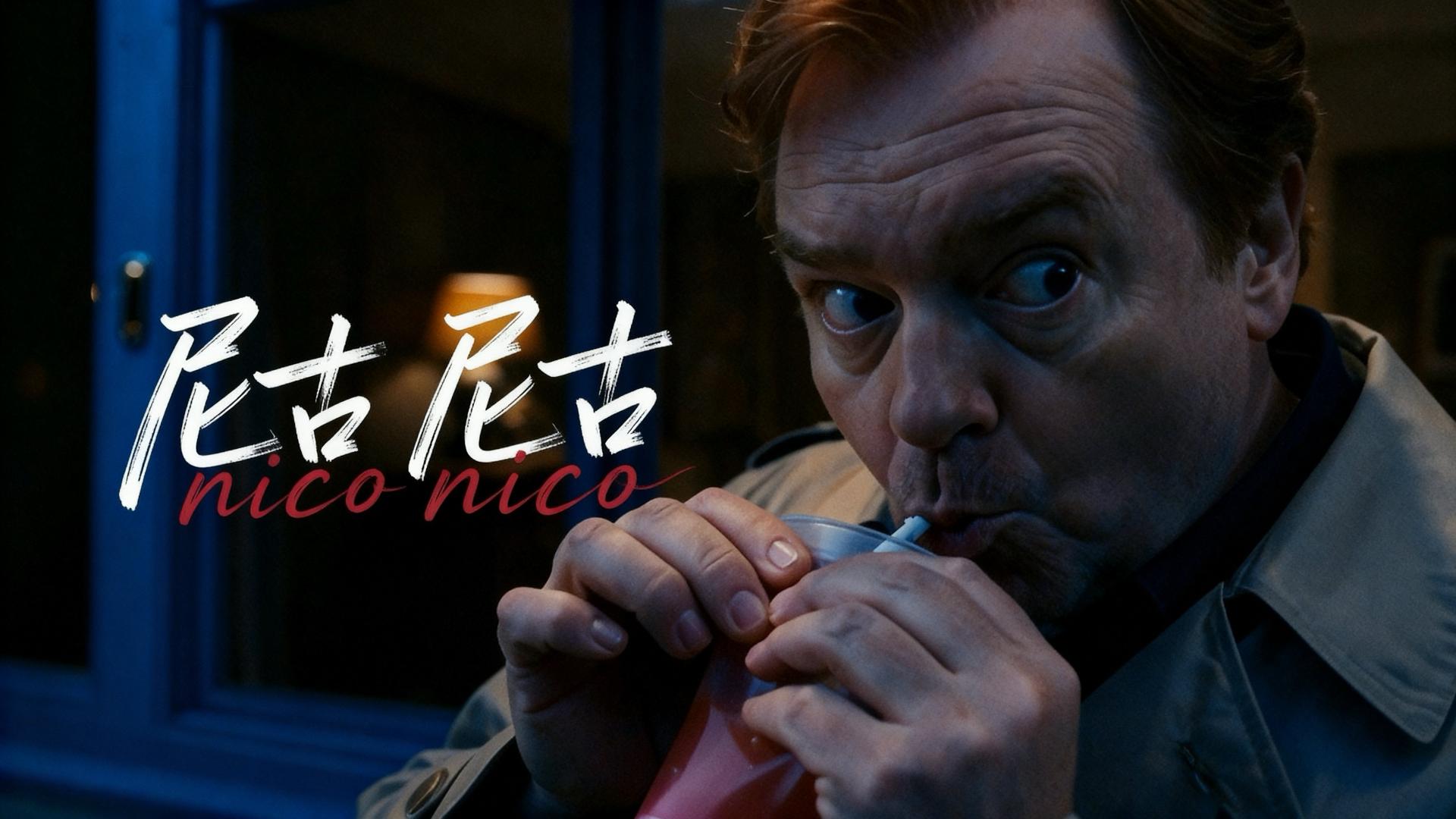
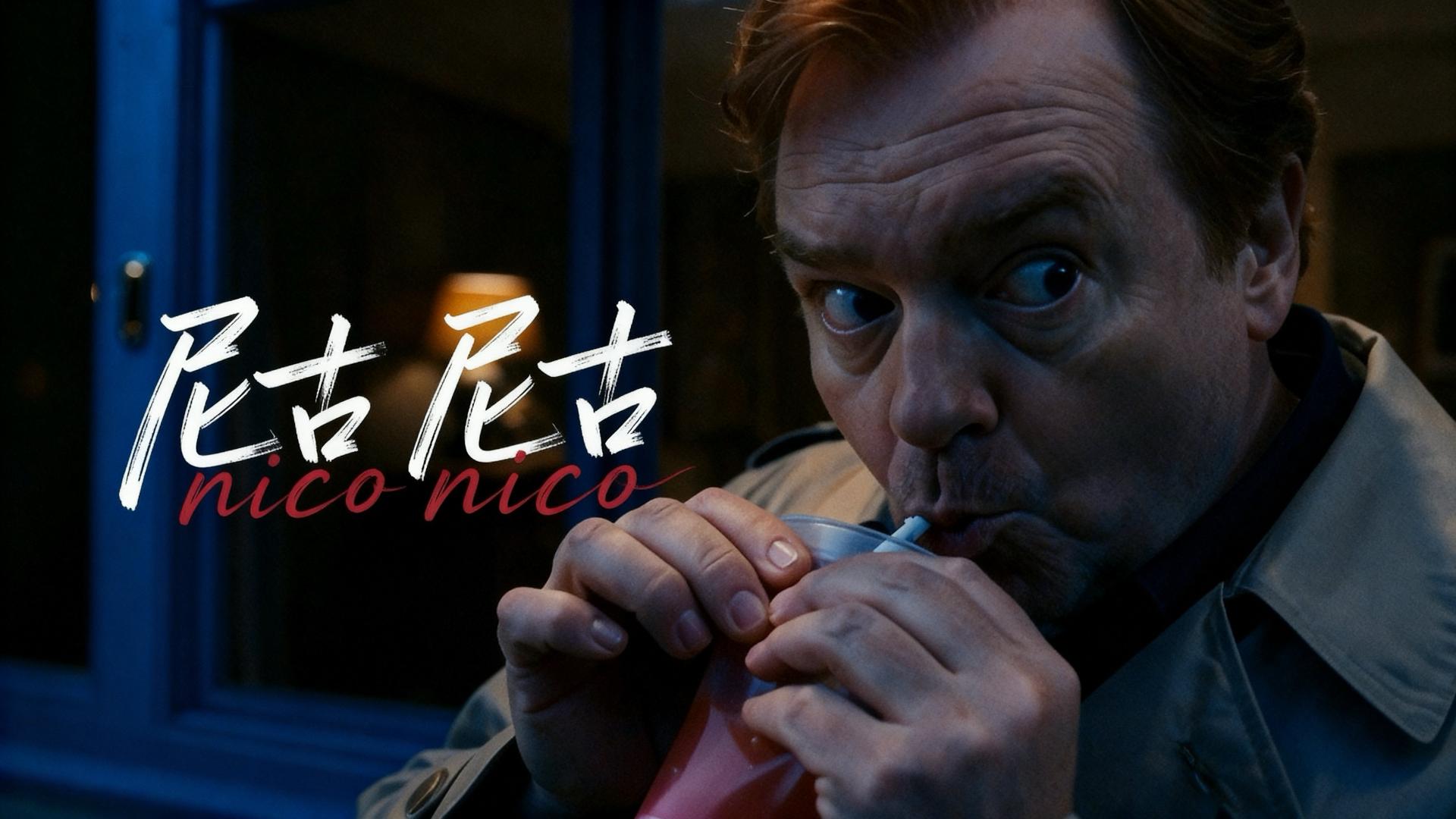
NicoNico is inspired by the satire of nicotine's "normalized disguise" in reality. The tobacco industry uses "light" and "fruit-flavored" cigarettes to downplay harms, while addiction and health risks persist. We use the absurd setting of "Nico" (a red jelly stand-in for nicotine) to expose the tangles of individual desire, family duty, public health, and industrial interests behind nicotine addiction.
What it does
This 6-minute dark comedy short film tells the story of Eric, a 40-year-old Swede addicted to "Nico". It reveals the conflicts between individual dependence and family responsibility, public health and industrial interests, social supervision and implicit connivance through three layers of conflict: family (pregnant wife’s warning, daughter’s complaint), society (neighbor protests, law enforcement double standards), and industry (boss’s reimbursement).
How we built it
Narrative Design: Constructed a "nicotine ecosystem" with characters like Eric (addict), his pregnant wife (health advocate), neighbors (public space defenders), and the boss (industry beneficiary).
- Visual Symbolism: Used the recurring "red" (jelly color, blood, warning) and absurd elements like "red smoky farts" to visualize secondhand smoke harm.
- Style Balance: Blended realistic daily scenes (balcony consumption, family quarrels) with dark humor and absurd plots to strengthen satire. ## Challenges we ran into The biggest challenge was balancing the "absurdity" and "realistic criticism". We needed to make "Nico" bizarre enough to be satirical, while ensuring the audience could connect it to real nicotine addiction. It took multiple revisions to find the right tone for the dark humor. The biggest challenge was the storyboard design for three characters in a traditional cinematic style. Even though I knew that AI tools couldn't yet achieve the cinematic language required for three characters at the time, I still chose to proceed this way. Instead of avoiding the difficulty or taking shortcuts, I tried to create something realistic and lifelike—rather than adopting a method that disregards the logical flow of the script. This has always been a source of confusion for me: How do we evaluate a good work? If it's AI-generated, will judges ultimately view it as an artistic creation? Or do we just need to blindly pursue realism, aiming for flawlessness and indistinguishability from reality to make a good AI work?
But when creating this piece, I forgot all about these questions. All I remembered was using a tool to make what I believed was a structurally complete work with real satirical meaning. I forgot about the "AI" aspect entirely.
Accomplishments that we're proud of
Successfully created an absurd mirror of nicotine addiction, making the audience laugh and then think about the "health-for-profit" cycle.
- The ending contrast (empty Nico packet vs. industry profit news) became a powerful visual and thematic climax.
- Balanced technical execution (visual effects, narrative flow) with creative concept. ## What we learned ## What we learned A key realization was that the value of AI as a creative tool lies in serving the work’s core vision, not being defined by technical limitations. We struggled with designing traditional cinematic storyboards for three characters—knowing AI couldn’t fully achieve the required cinematic language, but refusing to compromise by prioritizing "AI-friendly" visuals over the script’s logic. This made us question: Should AI works be judged by realism alone, or as artistic creations? In the end, we forgot the "AI" label entirely, focusing only on crafting a structurally complete piece with real satirical meaning. That’s when the tool truly served the art. ## What's next for NIcoNico We plan to expand this concept into a series of short films, each focusing on different "normalized addictions" in modern society, continuing to use absurdity as a tool for social critique.
Built With
- davance
- hailuoai
- paiwoai
- vidu
