-
-
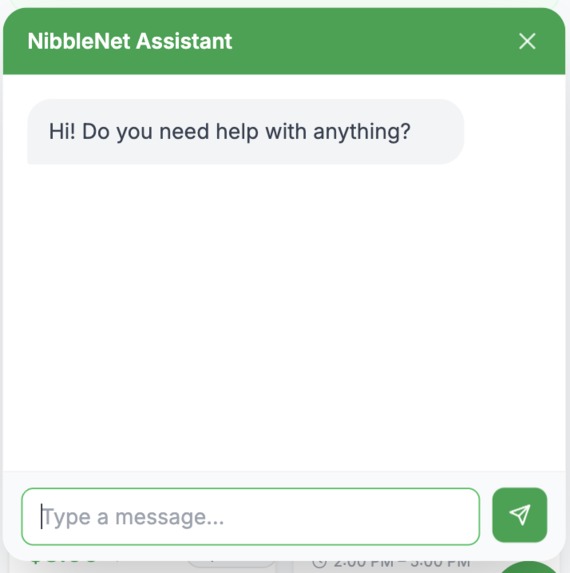
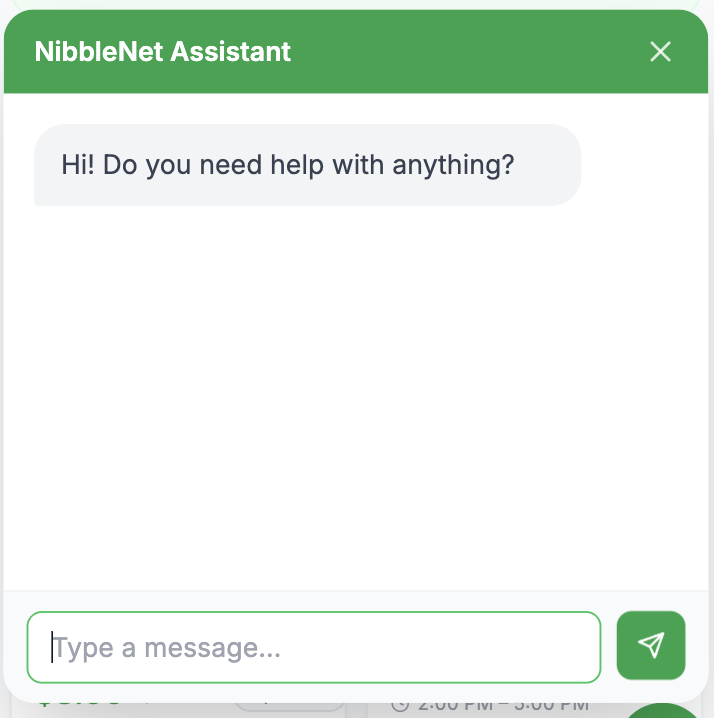
NibbleNet Chatbot Assistant
-
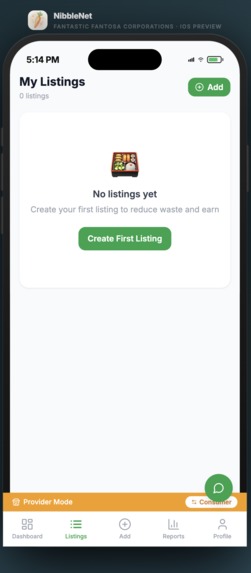
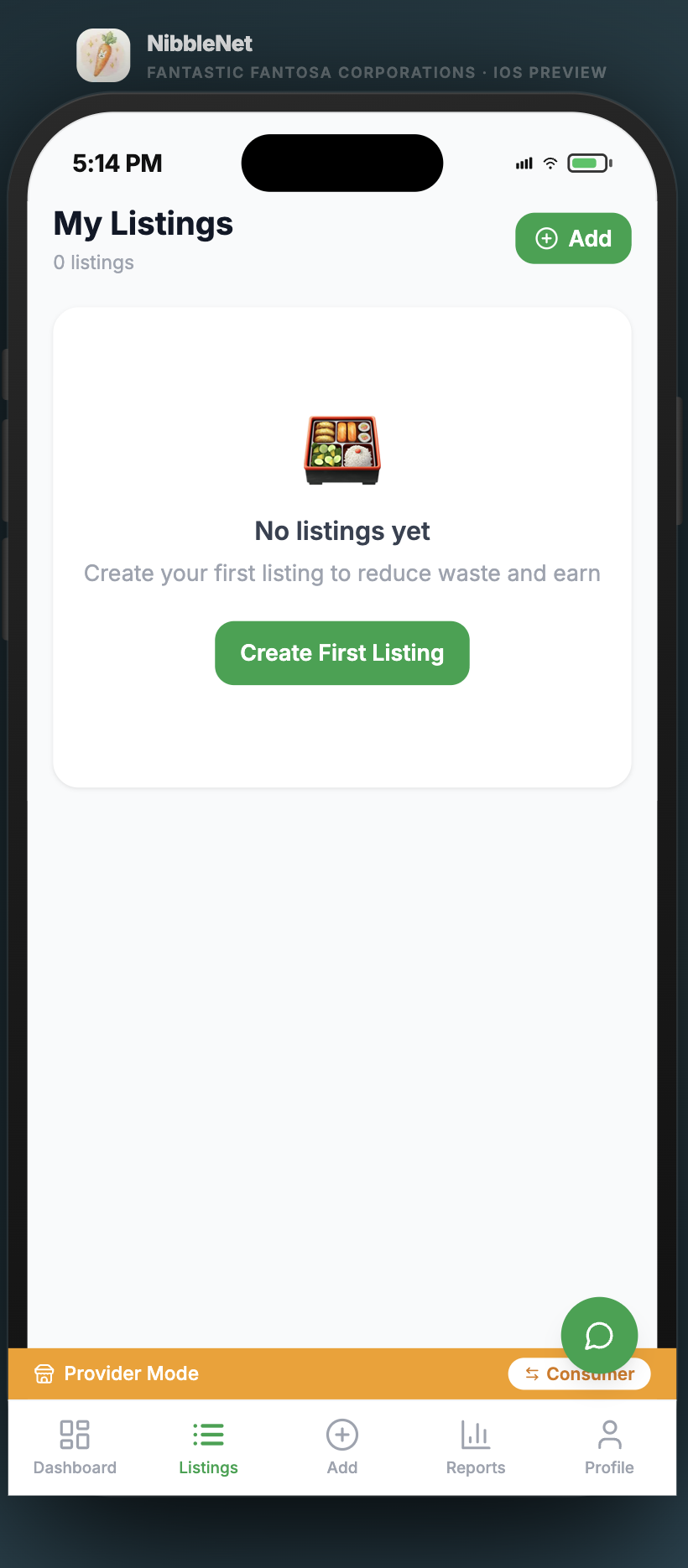
List of Listings
-
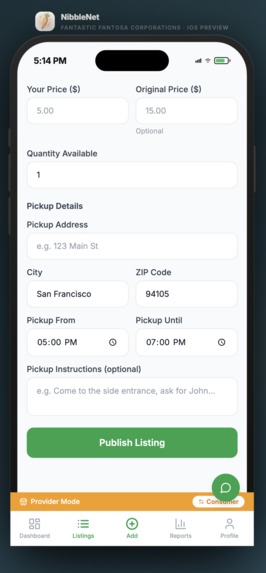
New Listing3
-
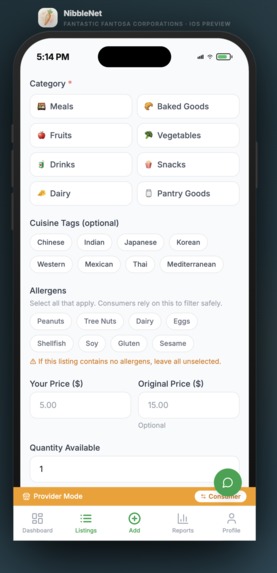
New Listing2
-
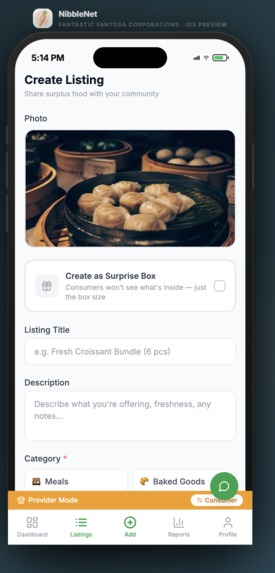
New Listing1
-
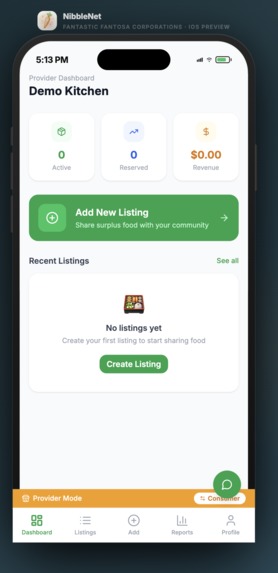
Provider Page
-
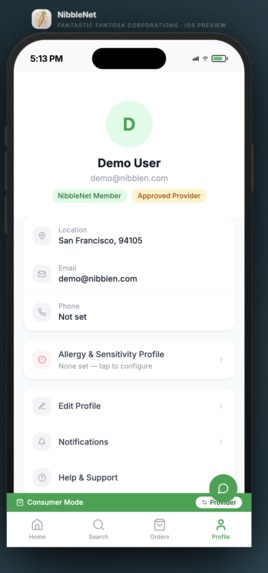
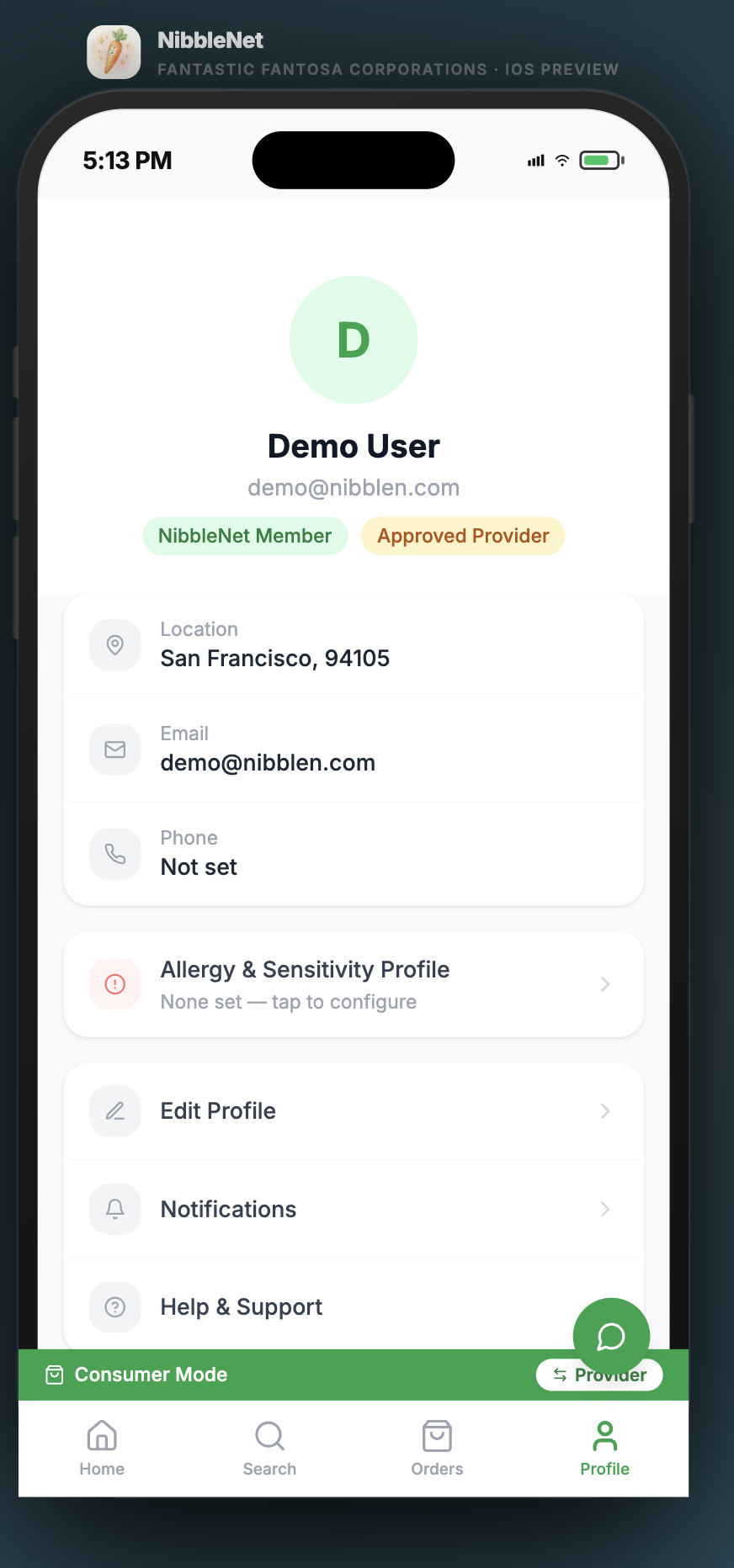
Profile
-
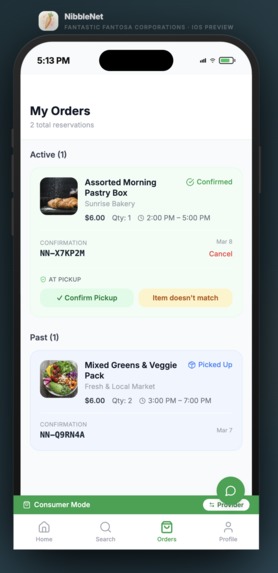
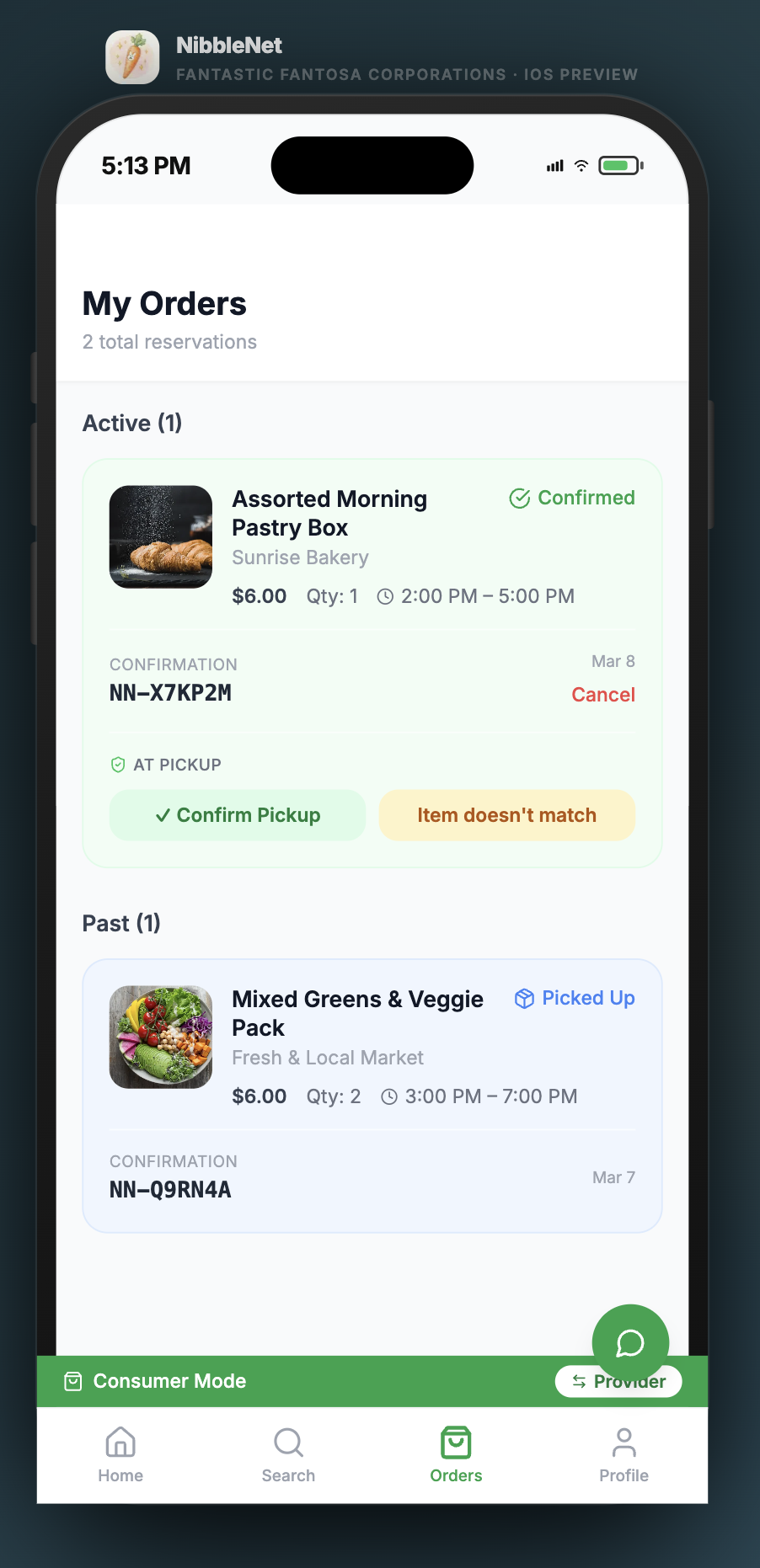
Order List
-
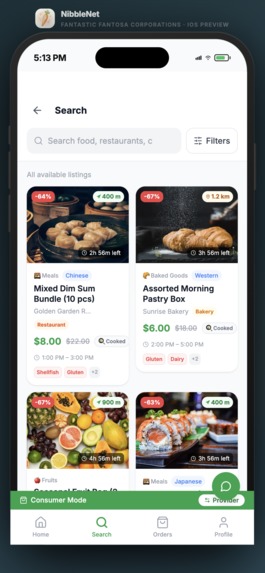
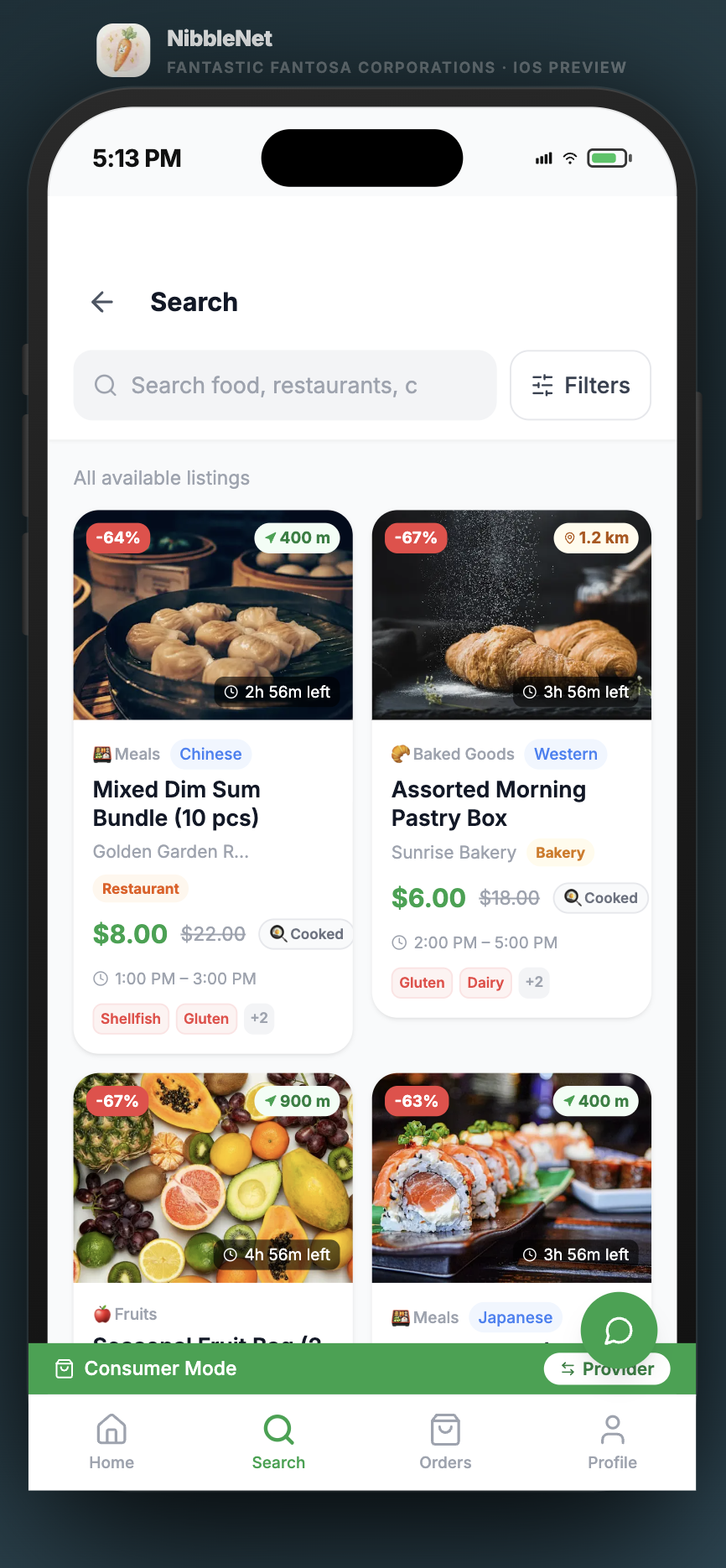
Consumer Search Listings
-
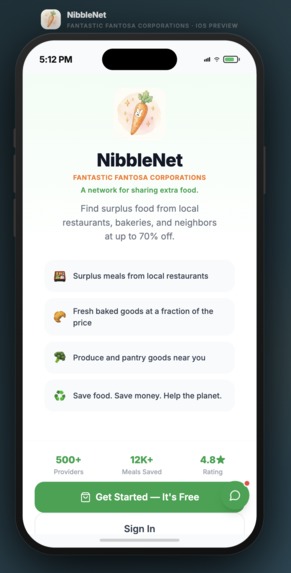
Sign up
-
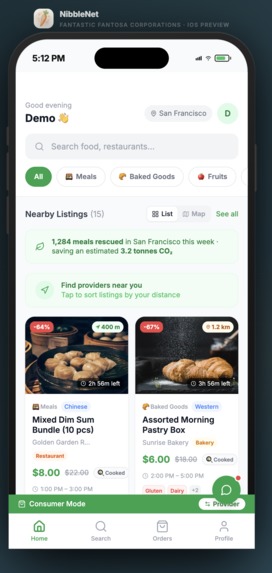
Consumer Listings
-
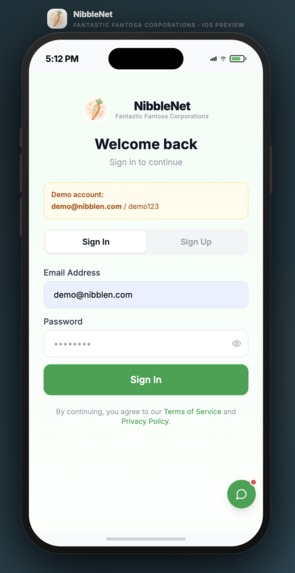
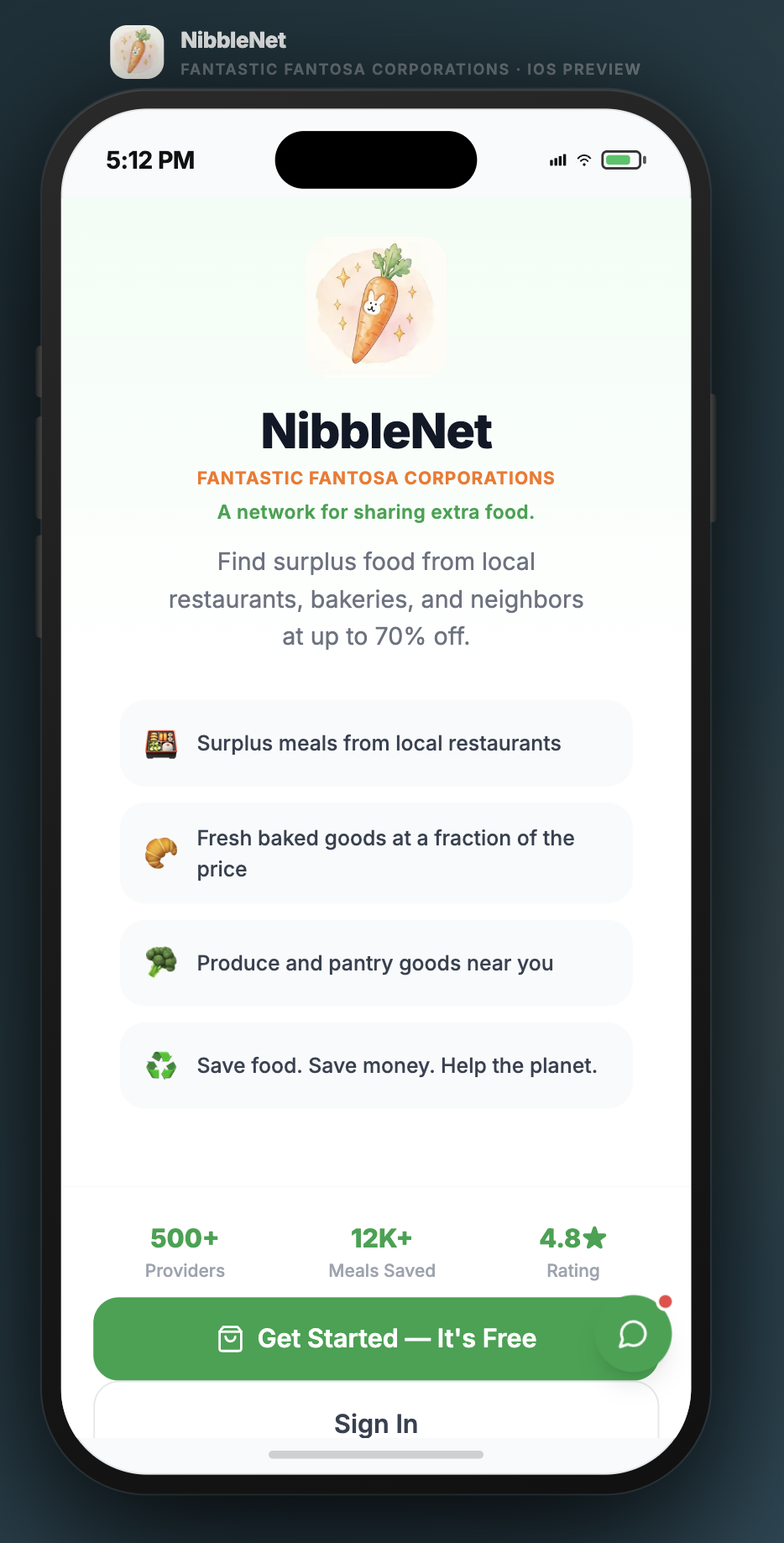
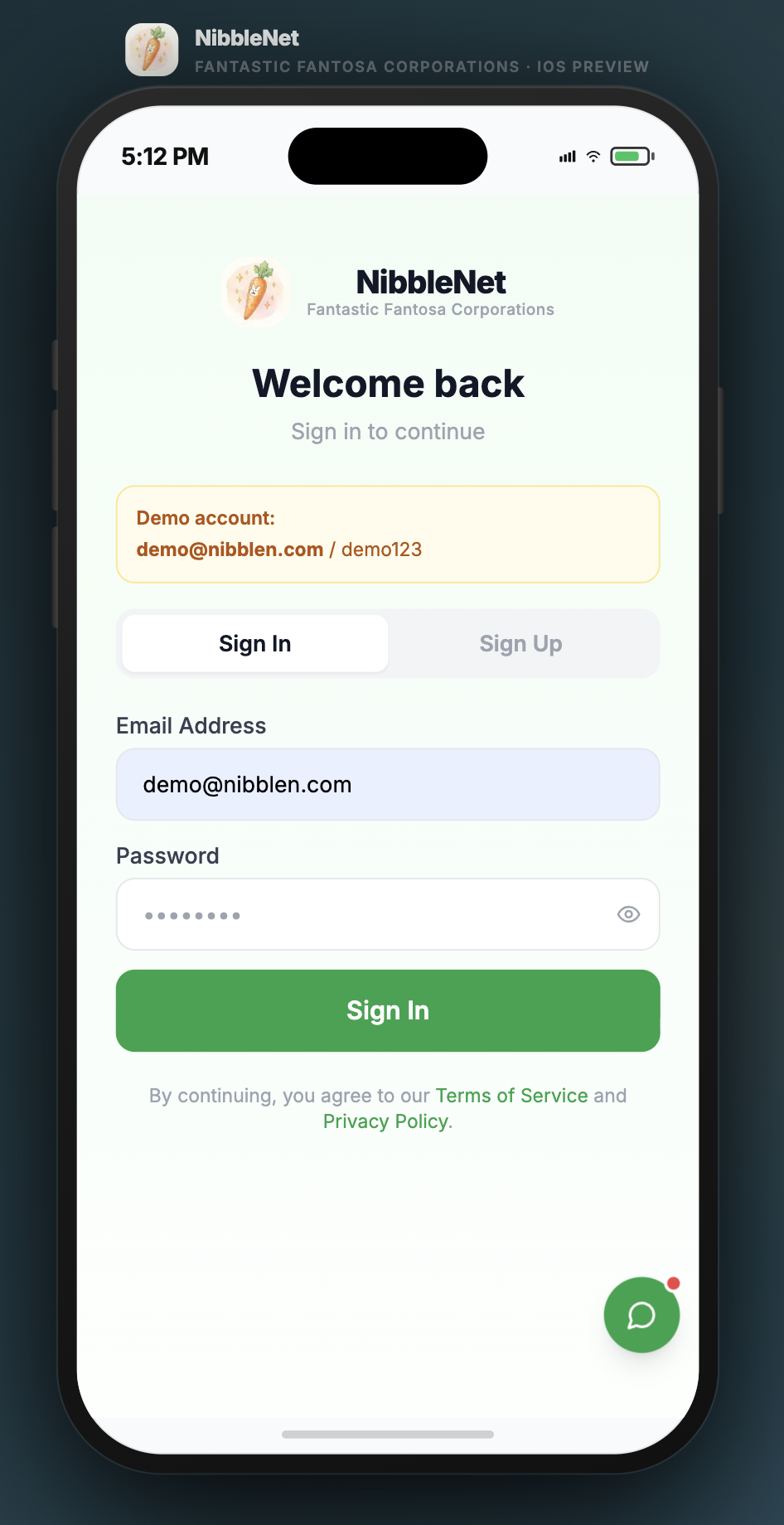
Sign in
-
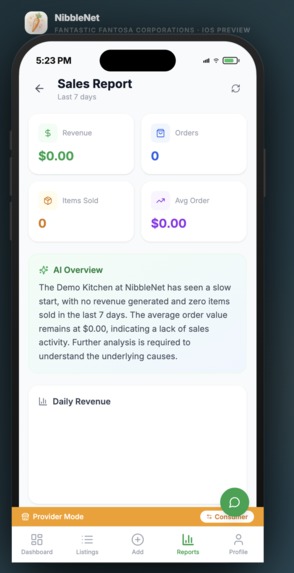
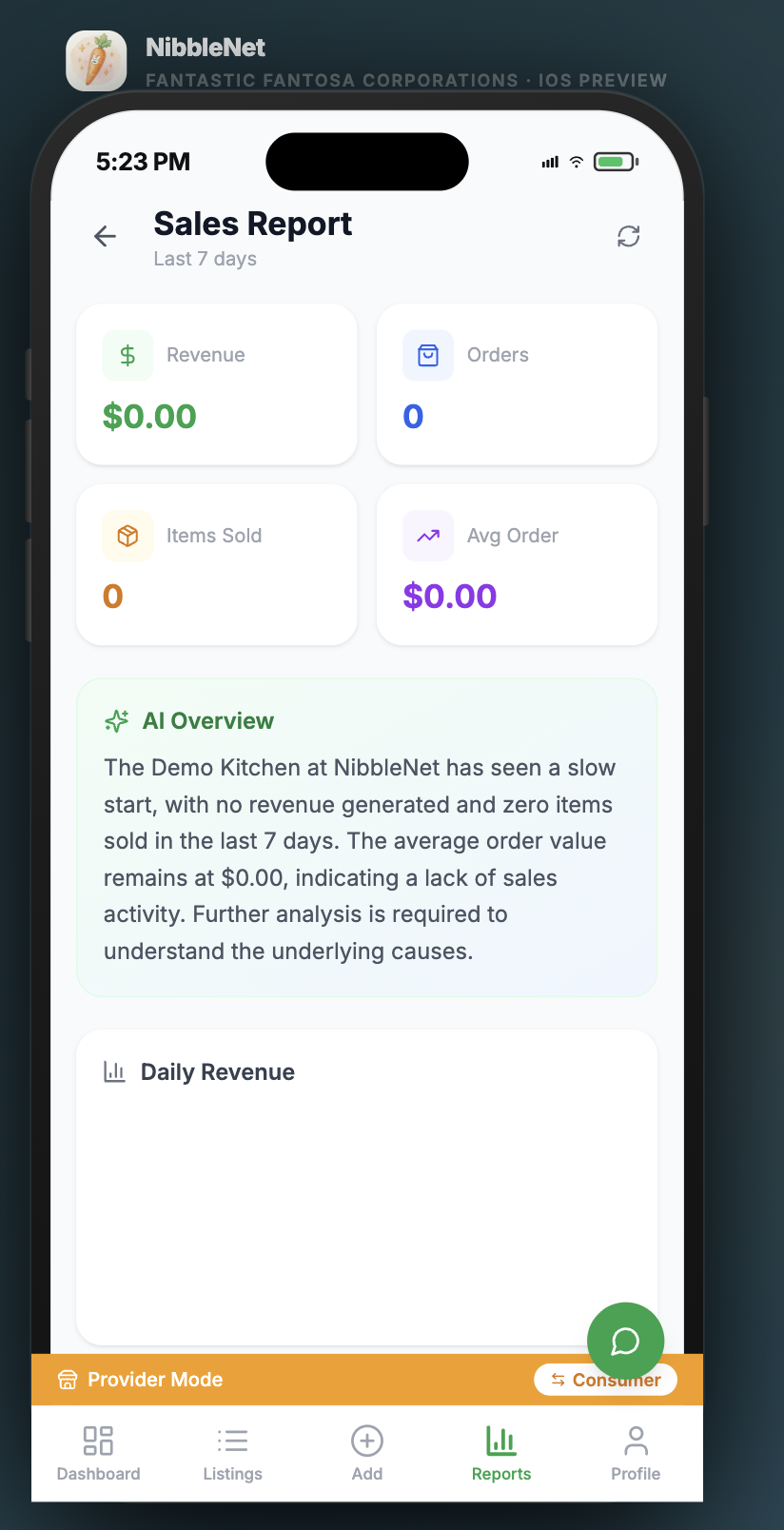
Sales Reports
-
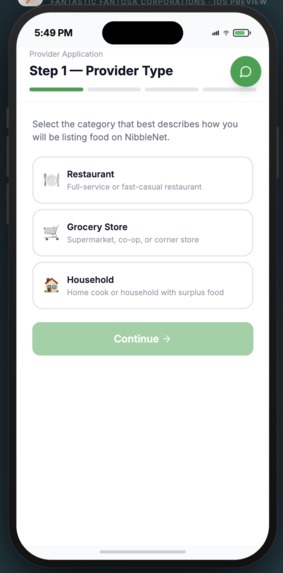
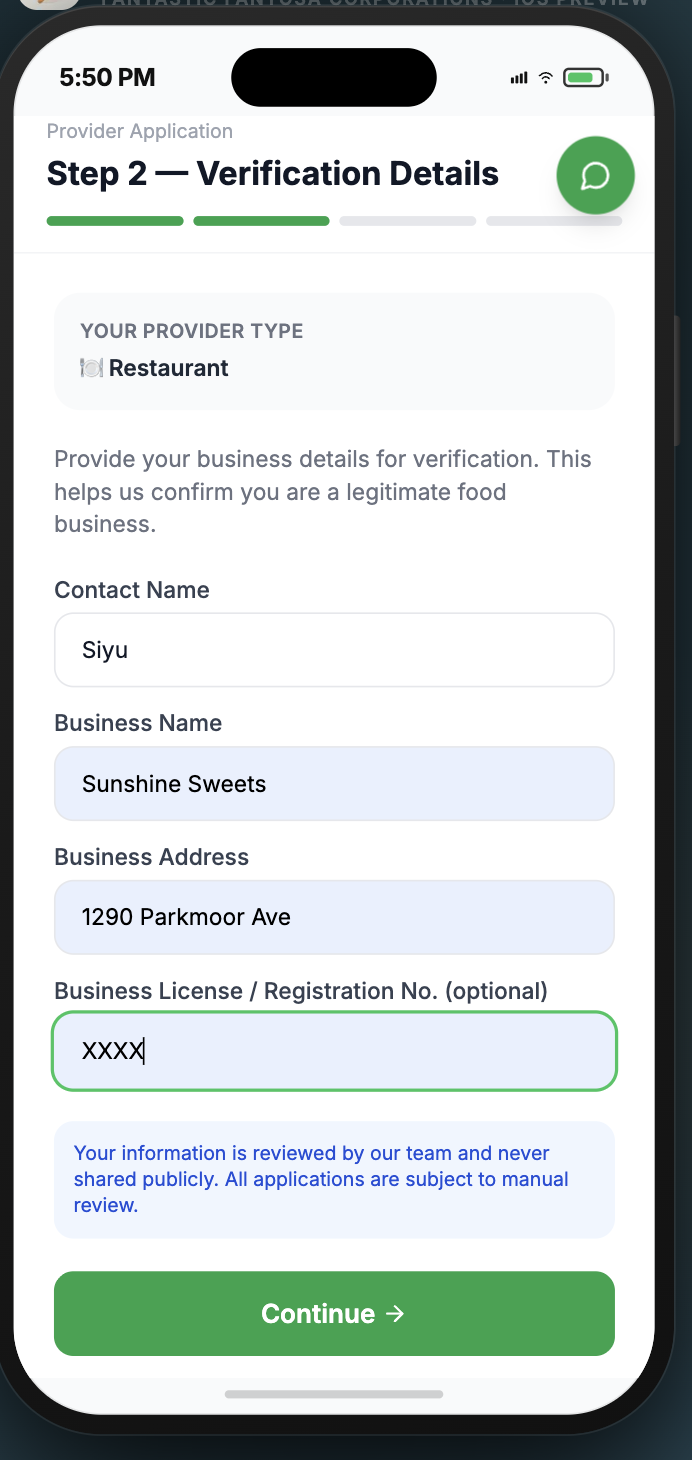
Verification Process
-
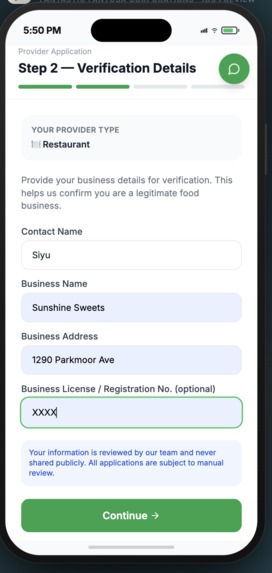
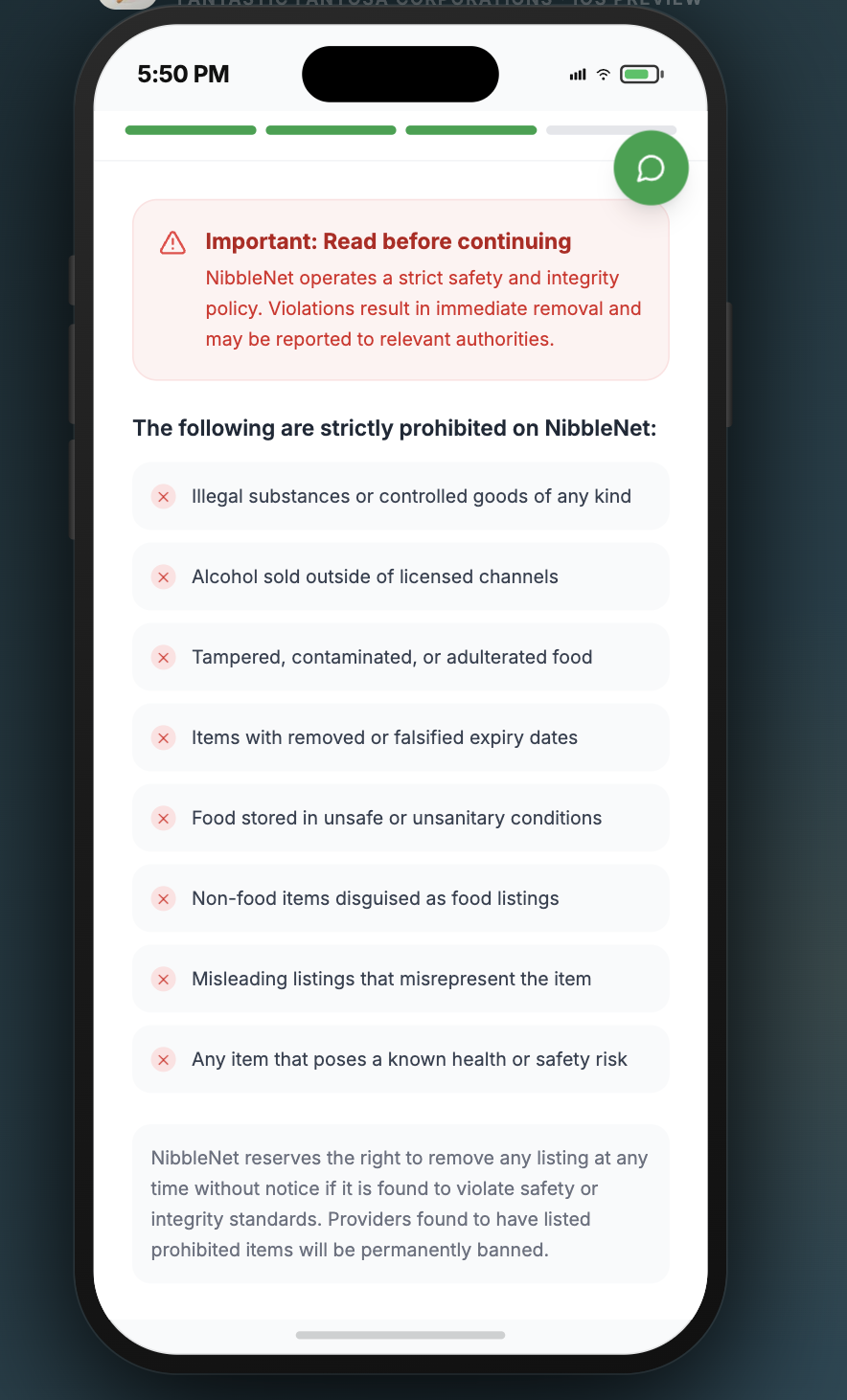
Verification Process
-
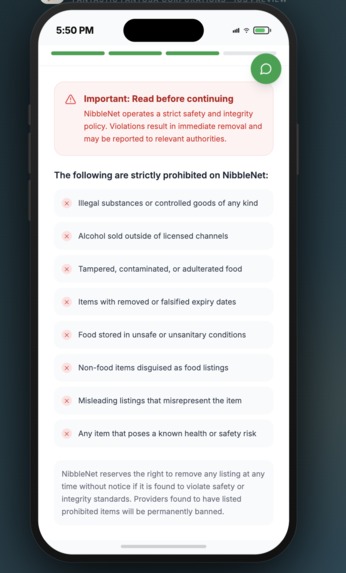
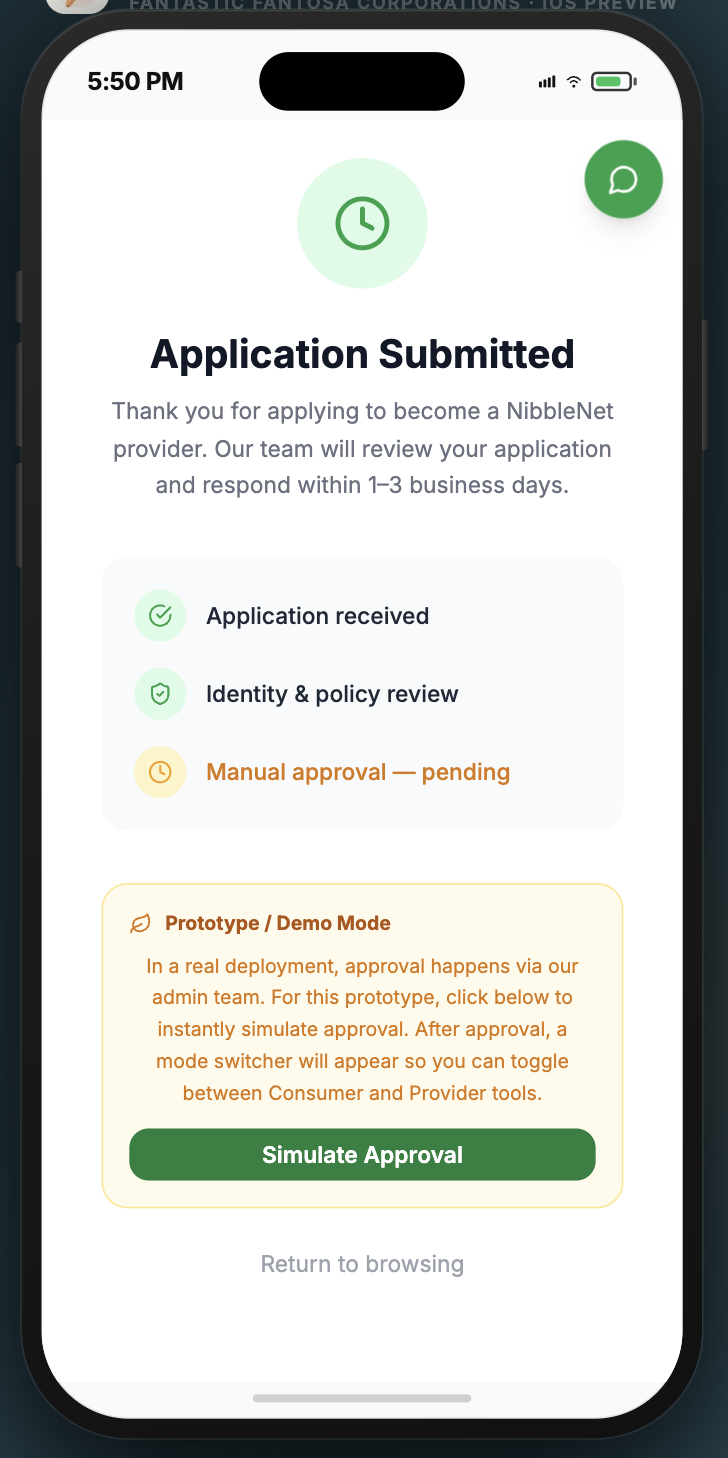
Verification Process
-
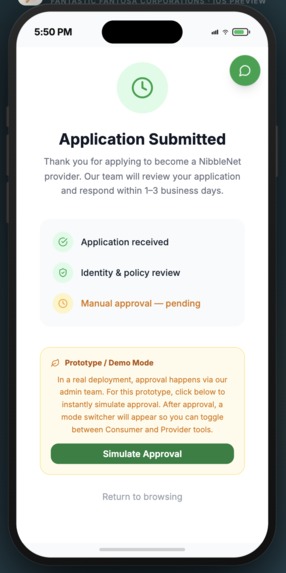
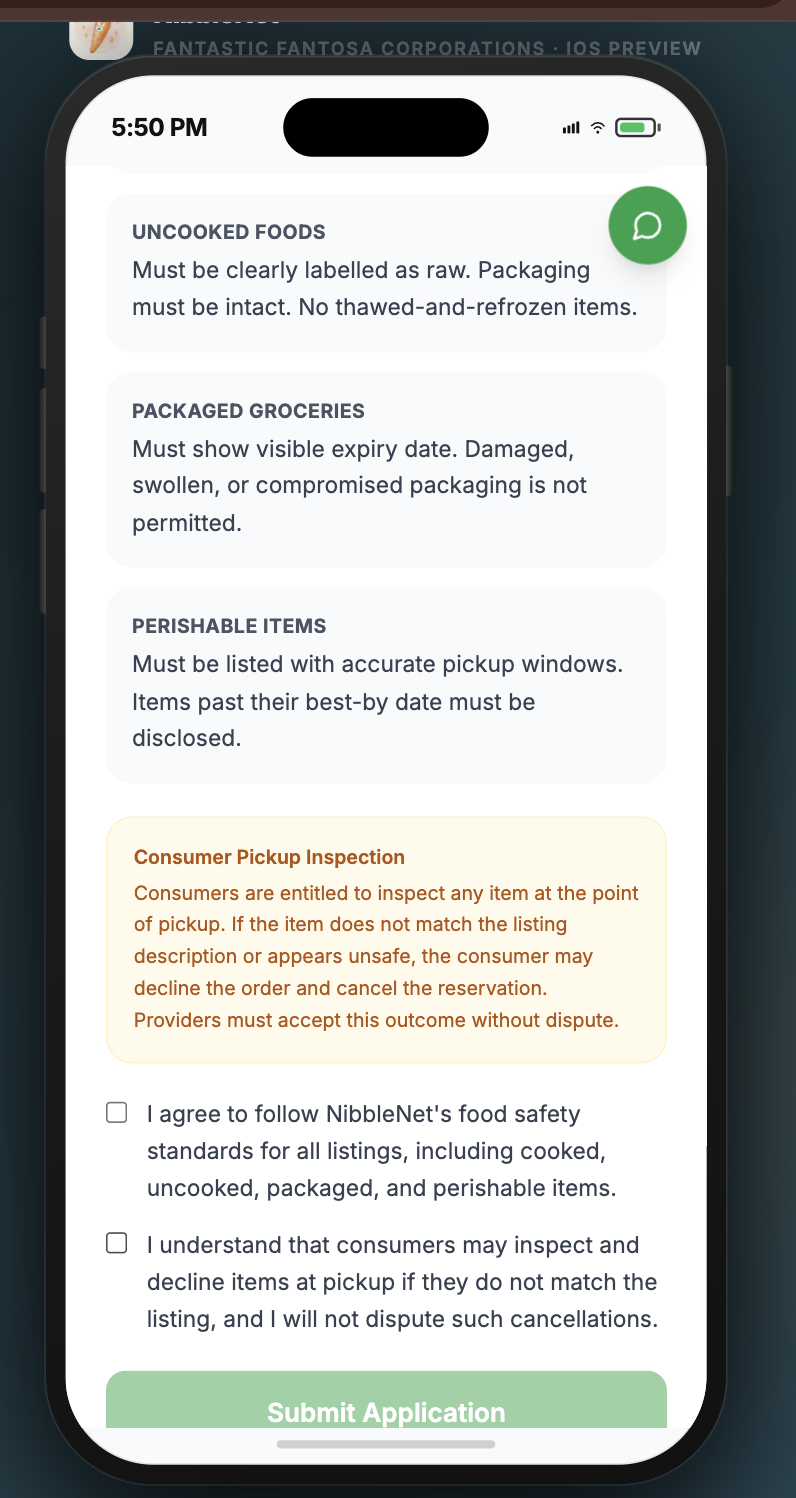
Verification Process
-
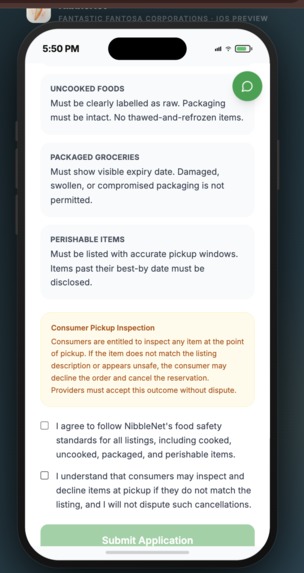
Verification Process
Inspiration
Every day, enormous amounts of perfectly edible food are thrown away while many people nearby struggle to afford meals. Restaurants discard surplus food at closing time, grocery stores remove items that are still safe to eat, and households often have extra food that goes unused. Thus, we wondered, "what if surplus food could be redistributed locally instead of wasted?" NibbleNet was inspired by the idea that technology could create a trusted network which connects excess food with nearby people who need affordable meals. Instead of food ending up in landfills, it could become an opportunity for communities to share resources more efficiently. Our goal was to build a platform that makes surplus food discoverable, safe, and accessible.
What it does
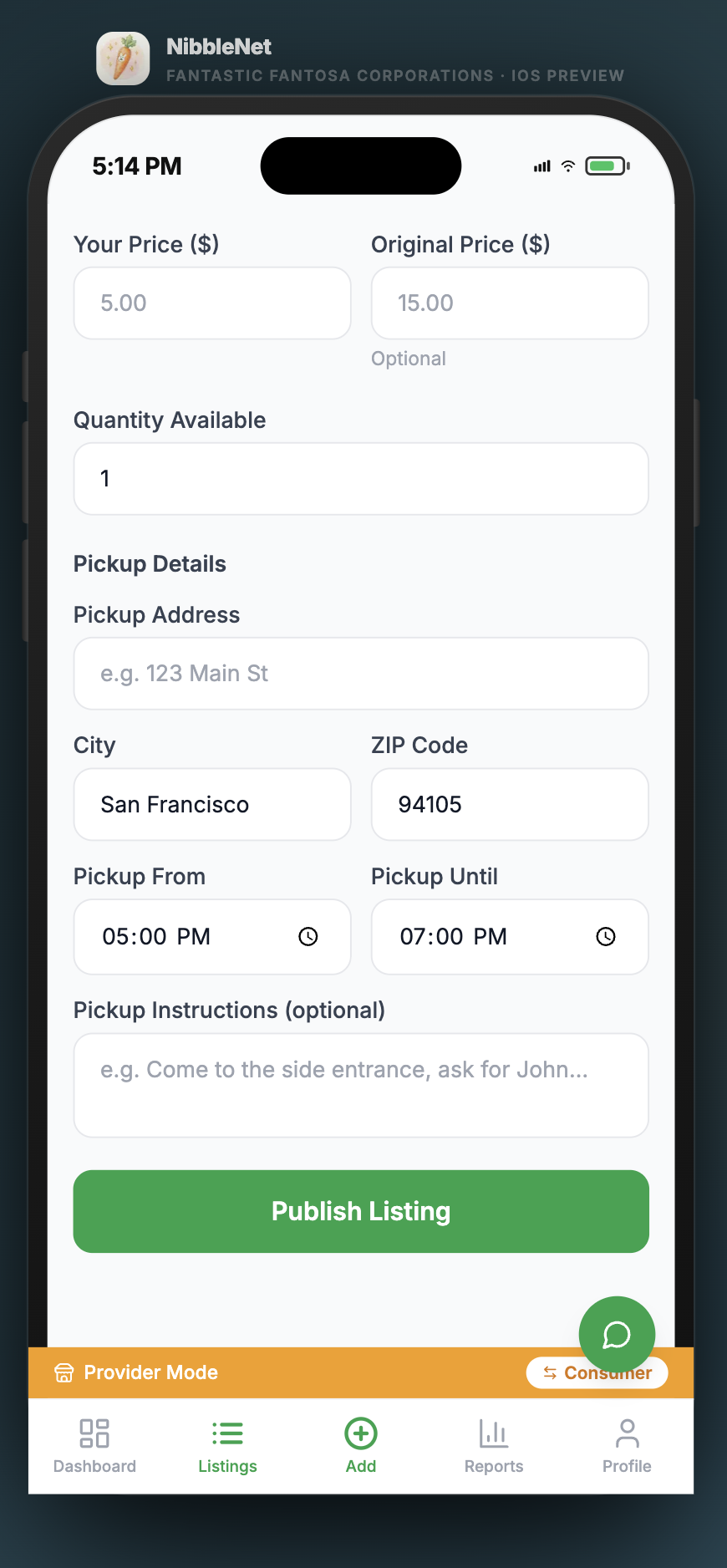
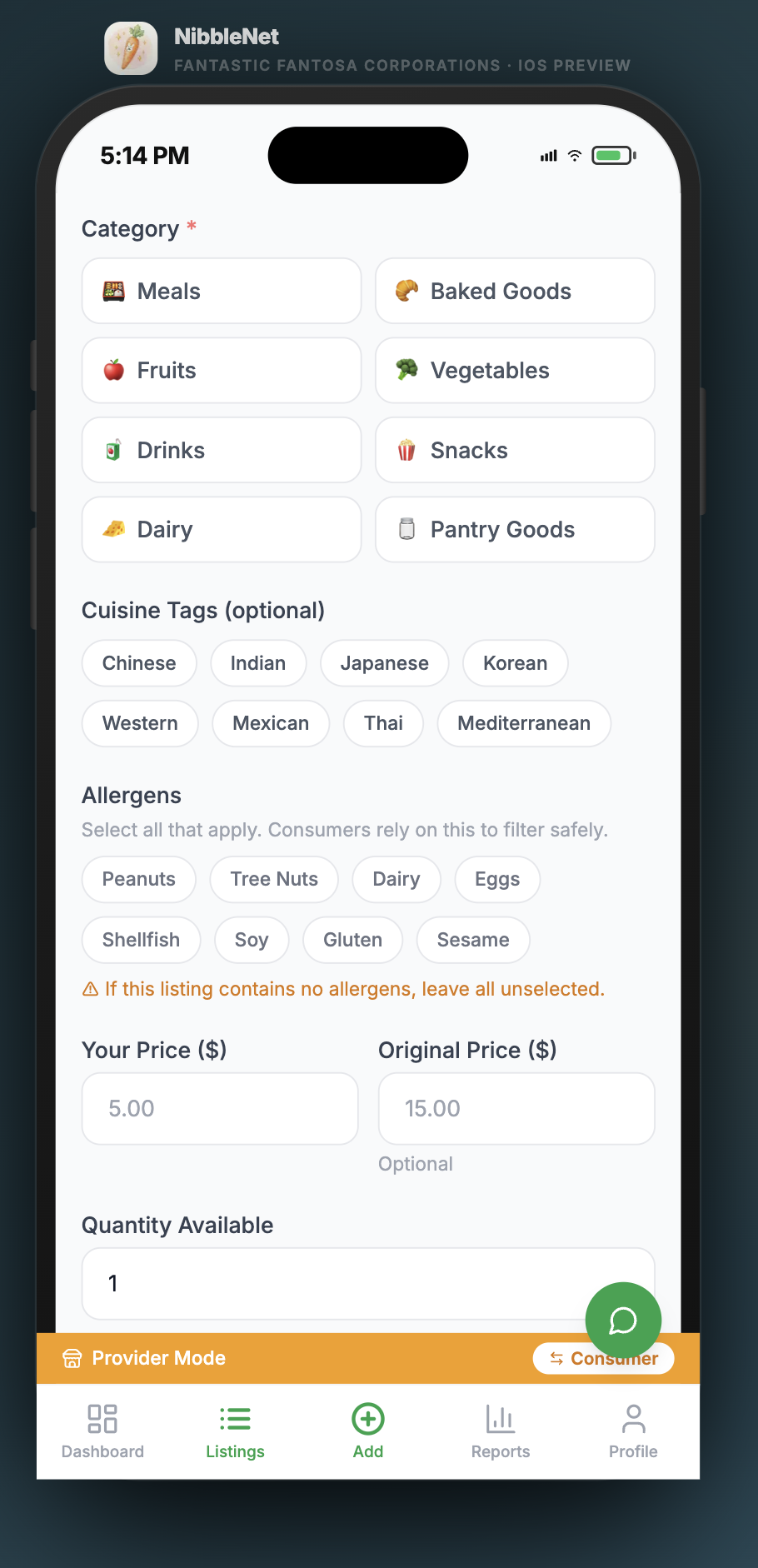
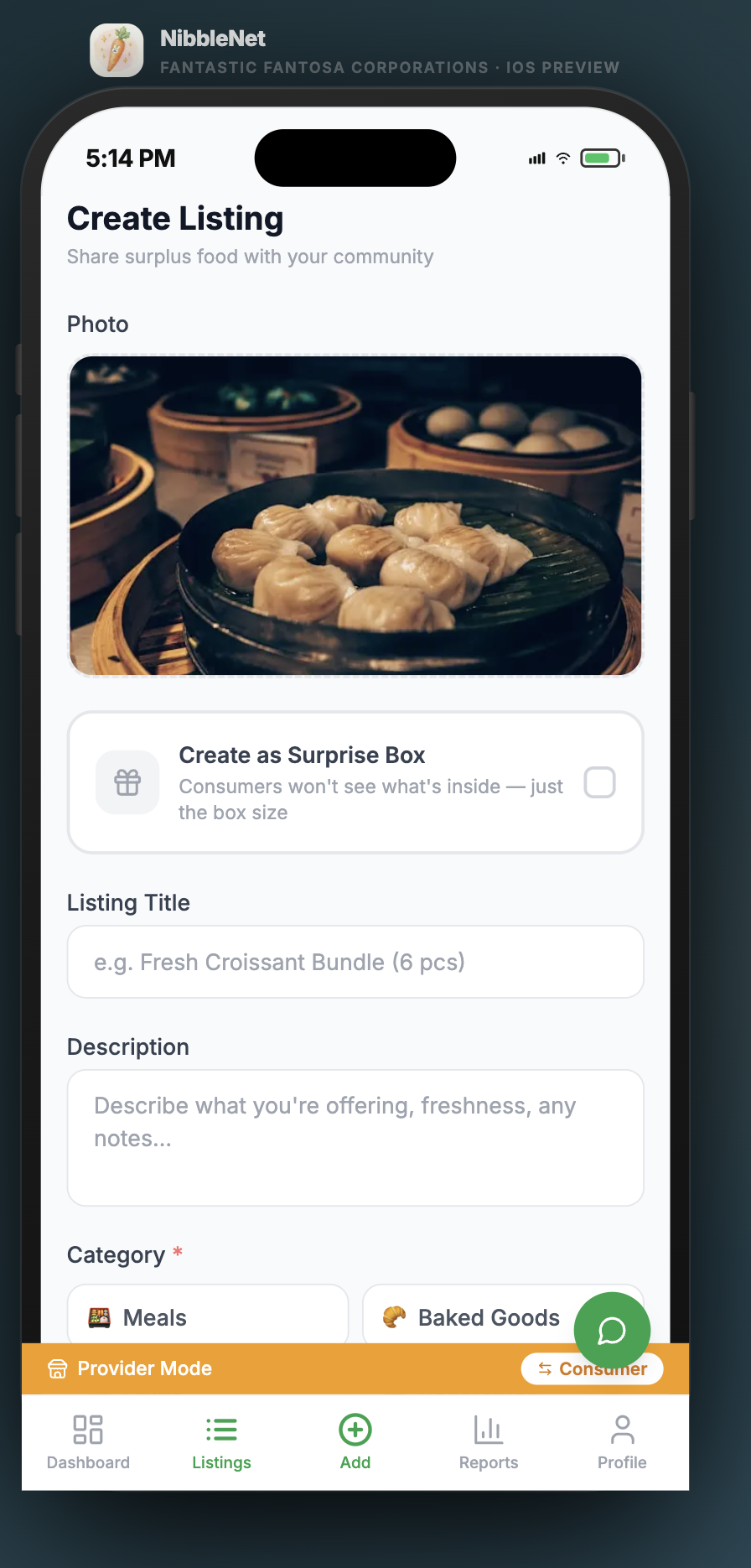
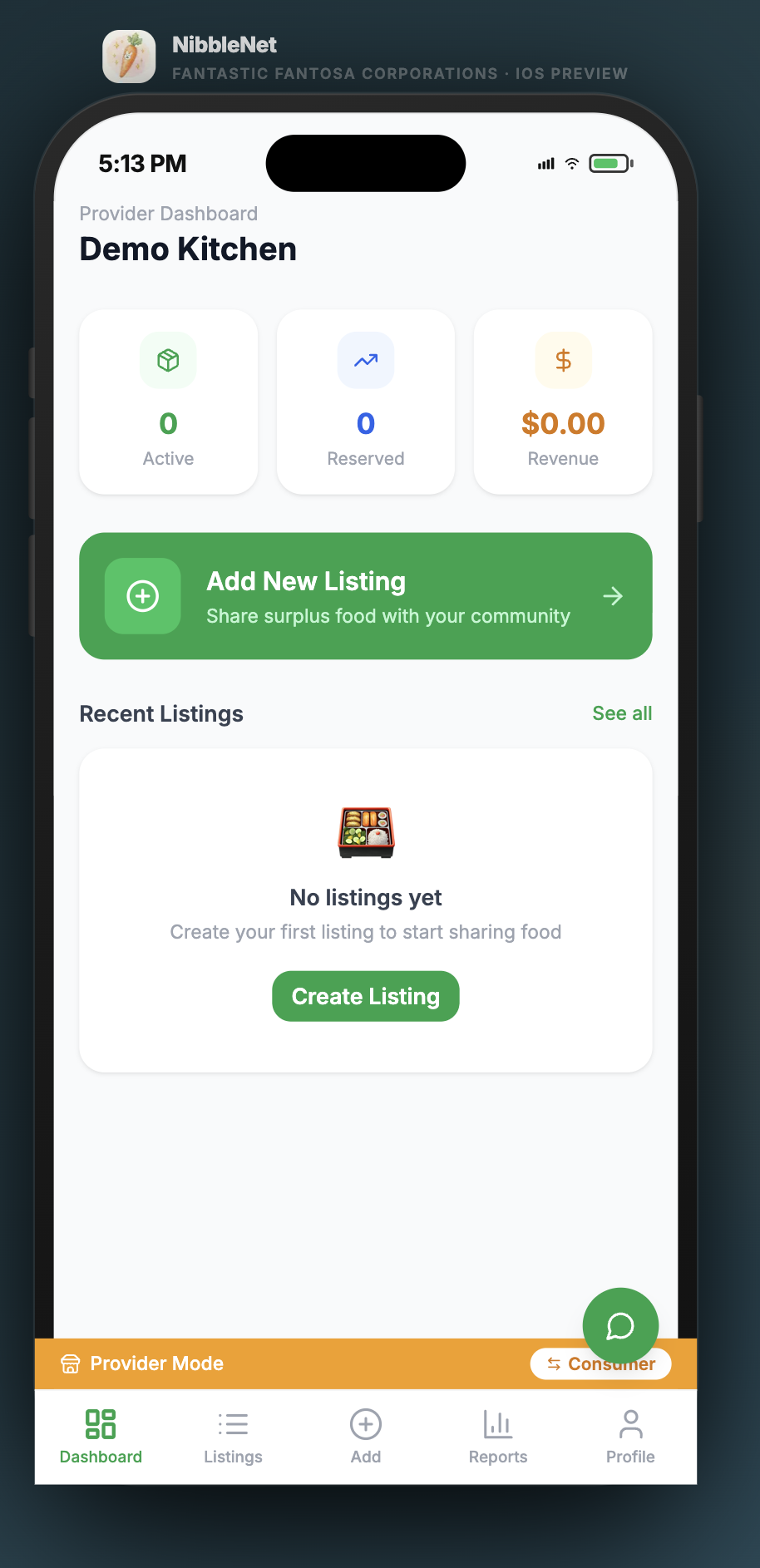
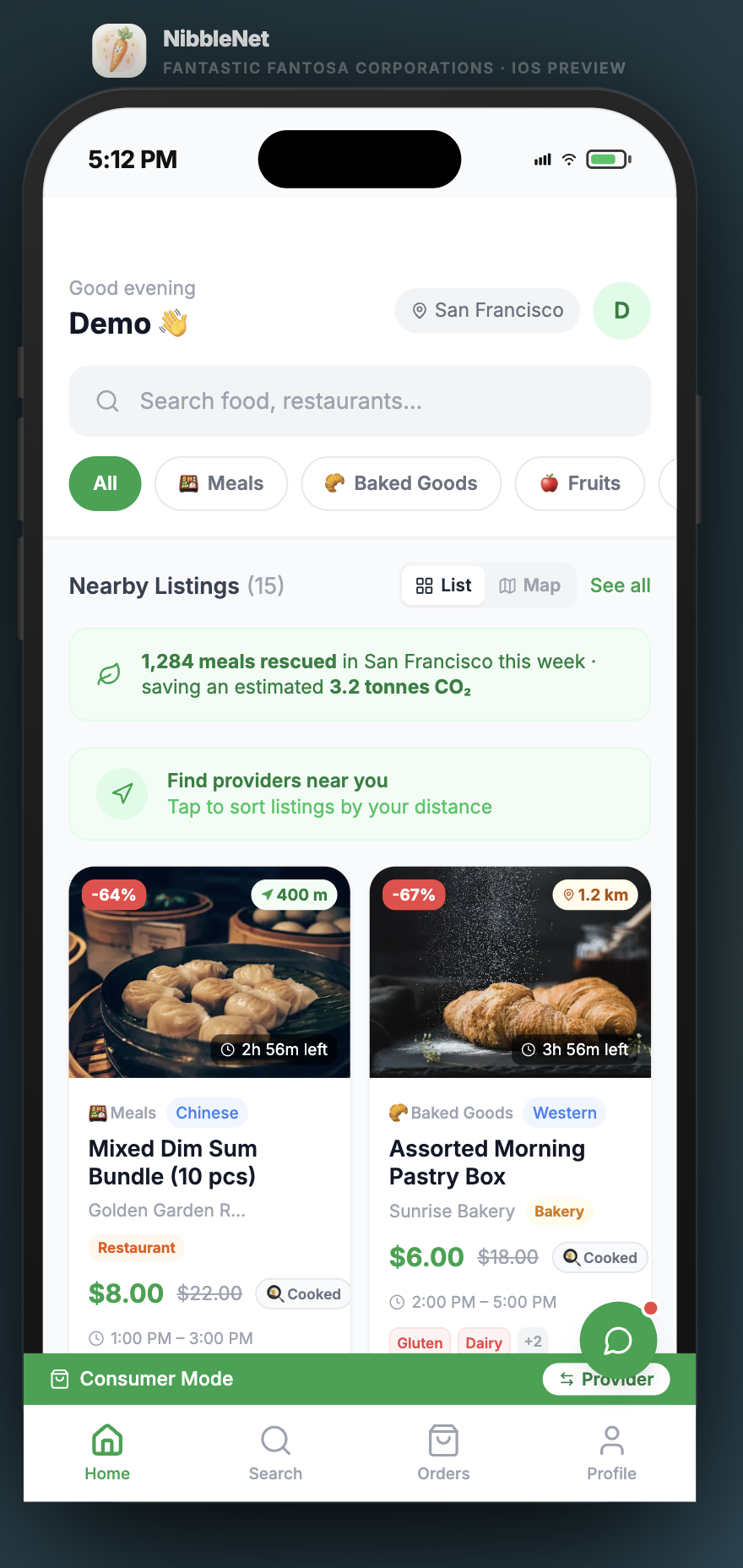
NibbleNet is a web platform that connects restaurants, grocery stores, and households with surplus food to nearby consumers looking for affordable meals. Using location-based discovery and Google Maps integration, consumers can easily find nearby food listings and see how far away each provider is from their current location. Each listing includes important details such as the type of food, cuisine category, freshness or food age, allergen tags, provider type, and pickup window, allowing users to make informed decisions before reserving an item. Consumers can then reserve food directly through the platform for pickup. On the provider side, restaurants, grocery stores, and households can apply for verified provider status in order to share surplus food safely and transparently. Before they are allowed to post listings, providers must complete a verification and safety process and provide clear details about the food they are offering to comply with platform safety policies. At pickup, consumers are able to inspect the food in person and confirm or cancel their reservation if the item does not match the listing. By combining location technology, transparent food information, and safety-focused verification, NibbleNet creates a trusted local network that reduces food waste while making meals more accessible and affordable.
How we built it
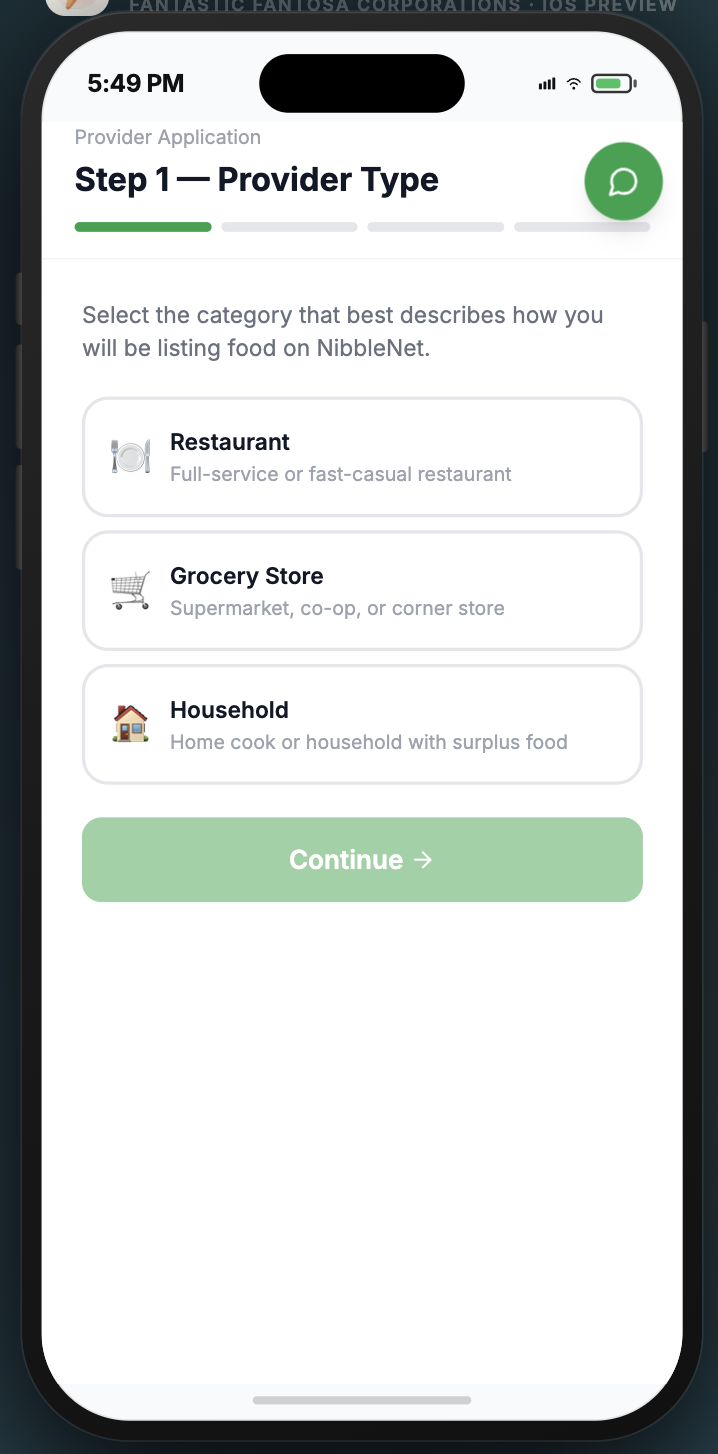
NibbleNet was built as a web-first prototype designed to feel like a practical product people could use in everyday life. We focused on making the platform simple and mobile-friendly so users can easily browse nearby food listings, view details about each item, and reserve food for pickup. The interface allows consumers to quickly scan available food and decide what they want. To make the platform useful in real life, we integrated Google Maps so users can see where food is located and how far away it is from them. The feed shows distance from the user’s current location, and clicking a listing opens a detailed page with more information about the food, such as cuisine type, freshness, pickup details, and safety disclosures. We also designed a unified account system where every user starts as a consumer. If someone wants to provide food, they must go through a verification process before they can post listings. This includes identity verification, selecting a provider type such as a restaurant, grocery store, or household, and agreeing to safety policies. To improve safety and organization, we integrated Featherless.ai to help analyze listing descriptions. The AI can help detect allergens, suggest food categories, and flag potentially unsafe listings. This helps maintain transparency while reducing the need for manual moderation.
Challenges we ran into
One of our biggest challenges was designing a provider system that still felt safe and trustworthy. Because the platform deals with food, we needed to ensure that users could not immediately start posting listings without verification. Creating a provider approval process that feels official while still being lightweight enough for a prototype was difficult. Integrating location features also presented technical challenges. Handling geolocation permissions and displaying map information while keeping the app responsive required a lot of thought. We wanted the location experience to feel useful without making the prototype overly complex. Designing a unified account system was another challenge. Instead of separating provider and consumer accounts, we created a system where every user starts as a consumer and can unlock provider capabilities after verification. This required careful permission logic and interface design. Overall, there were many issues, especially ones that consisted of technicalities, but we figured it out as a team, and that further motivated us to power through this hackathon journey.
Accomplishments that we're proud of
One accomplishment we are proud of is creating a realistic workflow for sharing surplus food. The platform shows how extra food from restaurants, grocery stores, and households could be redistributed locally instead of being wasted. We are also proud of the safety-first provider system. Providers must complete verification steps and agree to safety policies before posting listings, which helps build trust between providers and consumers. Another achievement is the location-based discovery feature. By integrating Google Maps and showing how far away each listing is, the platform makes it easy for users to quickly find nearby food options. We are also proud of integrating AI into the platform in a meaningful way. Using Featherless.ai allows the system to support food categorization, allergen detection, and listing moderation, demonstrating how AI can assist real-world systems. Finally, we are proud that the idea is scalable. Even though the current version is a prototype, the architecture could expand into a full platform with mobile apps and larger community partnerships.
What we learned
This project taught us that technology alone is not enough when solving real-world problems. For something like food distribution, safety and trust are just as important as technical functionality. We also learned that simplicity greatly improves usability. The unified account system made the platform easier to understand compared to having separate consumer and provider accounts. Another important lesson was that AI is most useful when integrated directly into a product’s workflow. Instead of creating a simple chatbot, we used AI to assist with moderation, categorization, and safety features. Finally, we learned that solving real-world problems requires thoughtful UX design. Features like food age information, allergen filtering, and pickup inspection policies help make the platform feel responsible and trustworthy.
What's next for NibbleNet
NibbleNet is currently a prototype, but we believe it has strong potential for future development. One next step would be building a full mobile application so users can discover nearby food more easily on their phones. We would also like to expand the AI features of the platform. Future versions could include automated food classification, freshness estimation, recommendation systems, and fraud detection to improve safety. Another improvement would be logistics features such as smart routing. This could help users plan the most efficient pickup routes if they reserve multiple food items. We also see potential for partnerships with food banks, restaurants, grocery stores, and nonprofit organizations. These partnerships could help scale the platform and increase its impact. Finally, we would like to add impact tracking features that show users how much food waste they have helped prevent, encouraging continued participation.
Built With
- css
- html
- javascript
- plpgsql
- typescript

Log in or sign up for Devpost to join the conversation.