Inspiration
- Nexxlynx started with a simple idea: what if all your conversations could live in one private, secure place.. no matter where they came from? We set out to build a single inbox that puts you in control of your messages.
- Imagine your messages from email, social media, and different chat apps eventually coming together in one organized, easy-to-use space. Nexxlynx is built around that vision, and we're taking steady steps toward it.
- Email can be cleaned up, highlighted, and shared into your chats so important messages appear right where you talk with people.
- Today, conversations are scattered across many apps, and it’s hard to keep track of everything.
Nexxlynx aims to give you one secure app for your conversations now and as we grow.
What it does
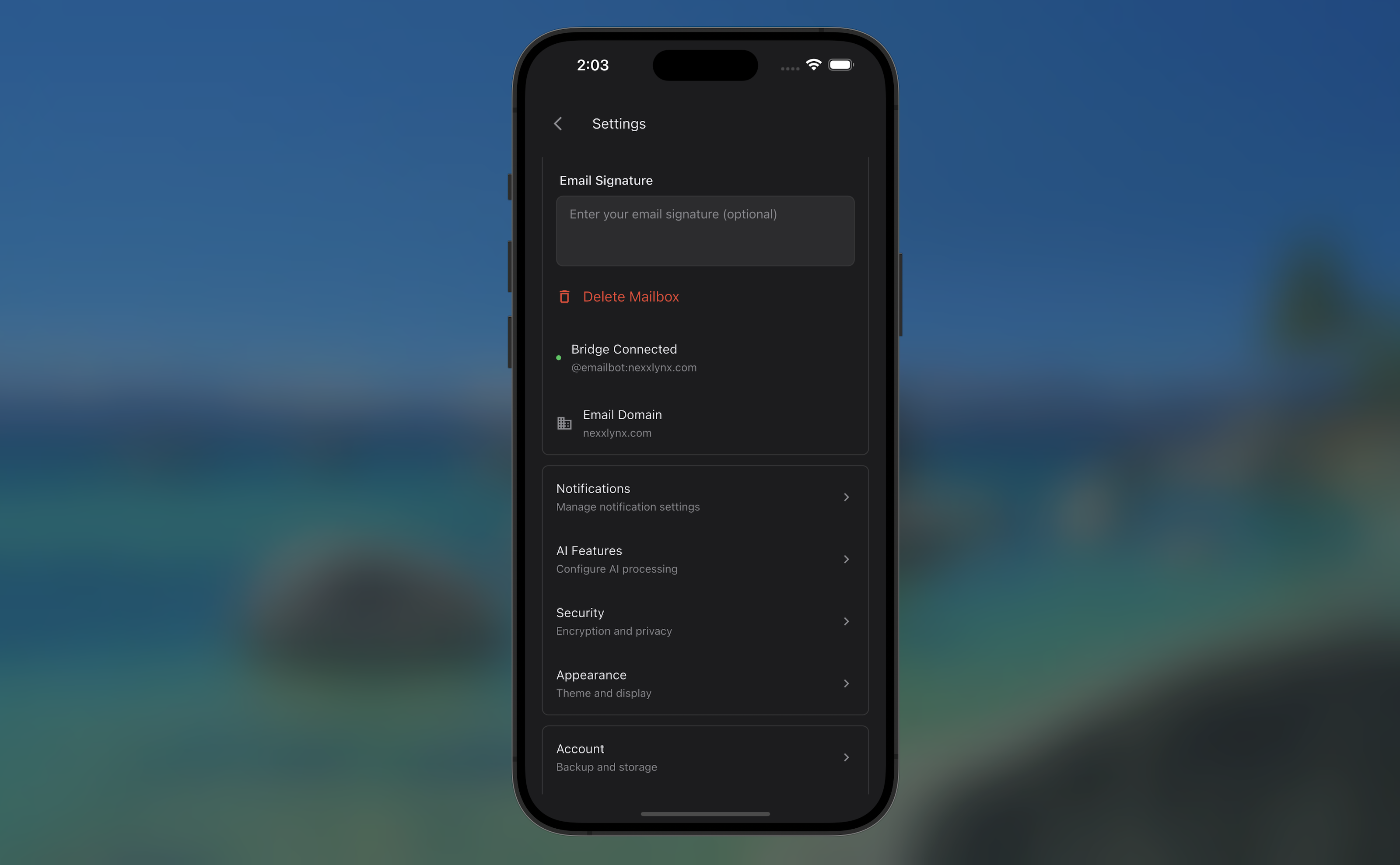
- Runs a Matrix homeserver with Synapse + PostgreSQL on Azure and uses the Postmoogle bridge so email becomes just another chat stream inside Matrix.
- Provides a Flutter client with Matrix E2EE chat and built‑in VoIP (voice/video), so users can message or call securely inside the app.
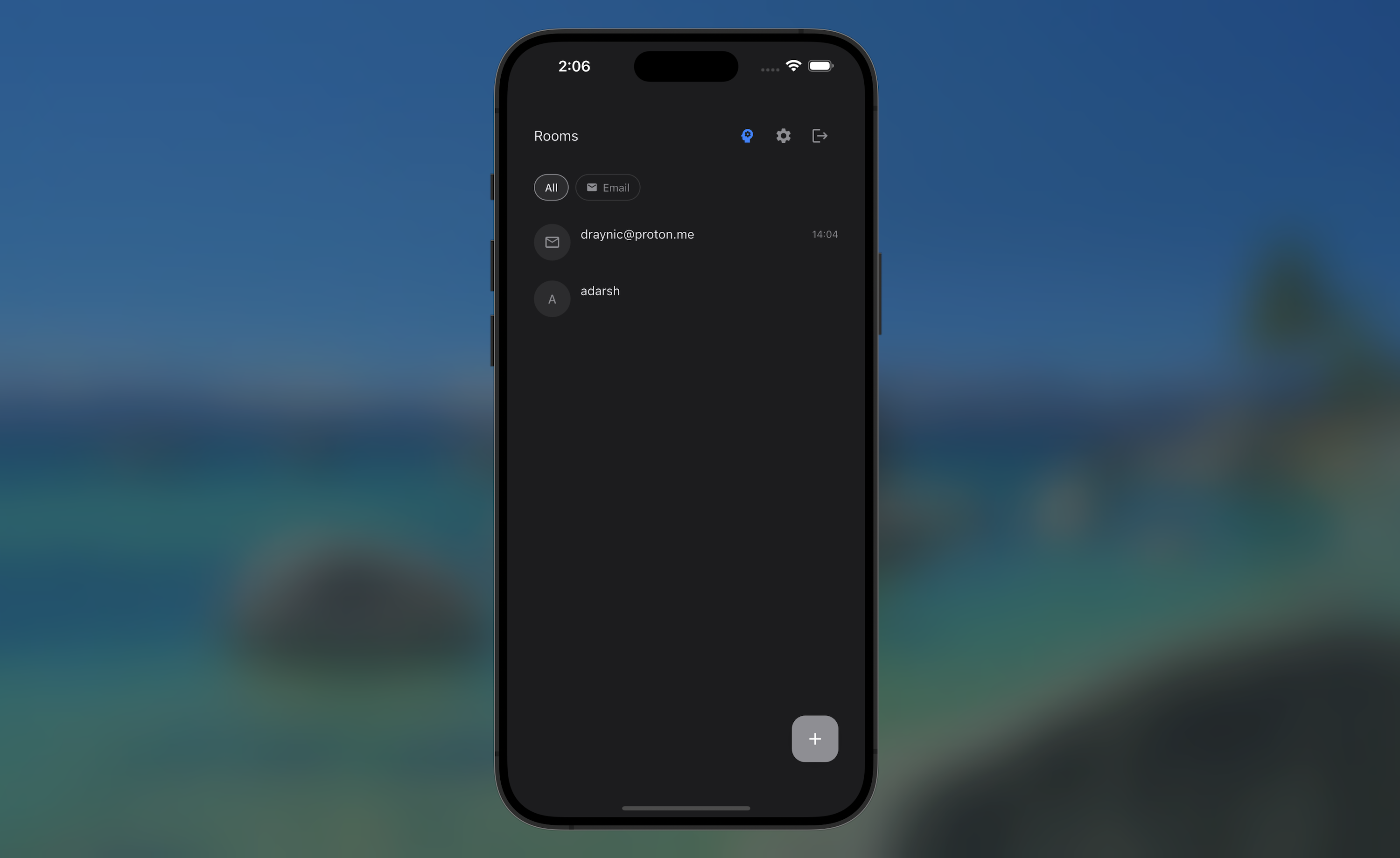
- Lets you pull confusing email threads into clean Matrix conversations and forward/reshare email content into any chat room, treating email like a first‑class messaging channel.
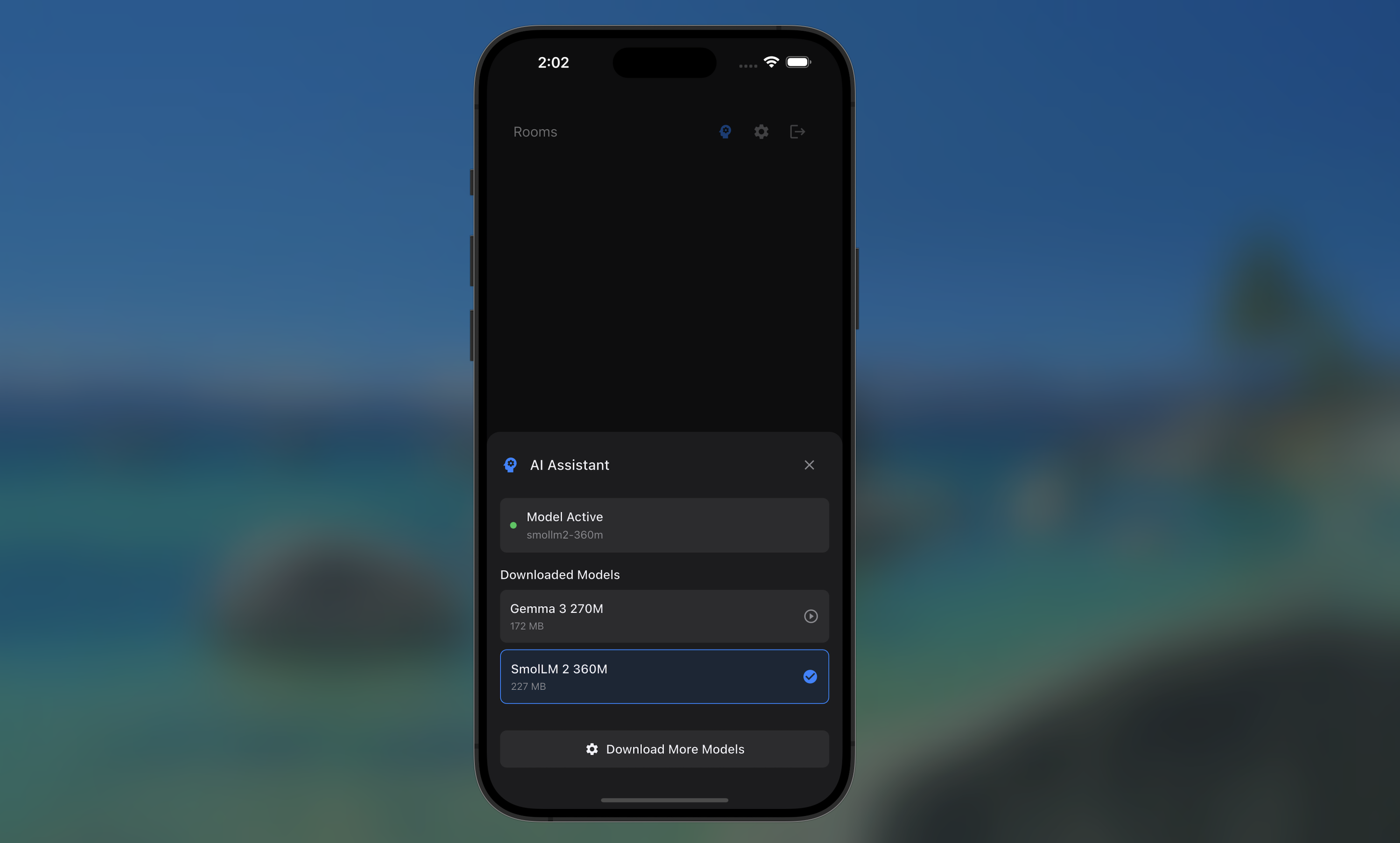
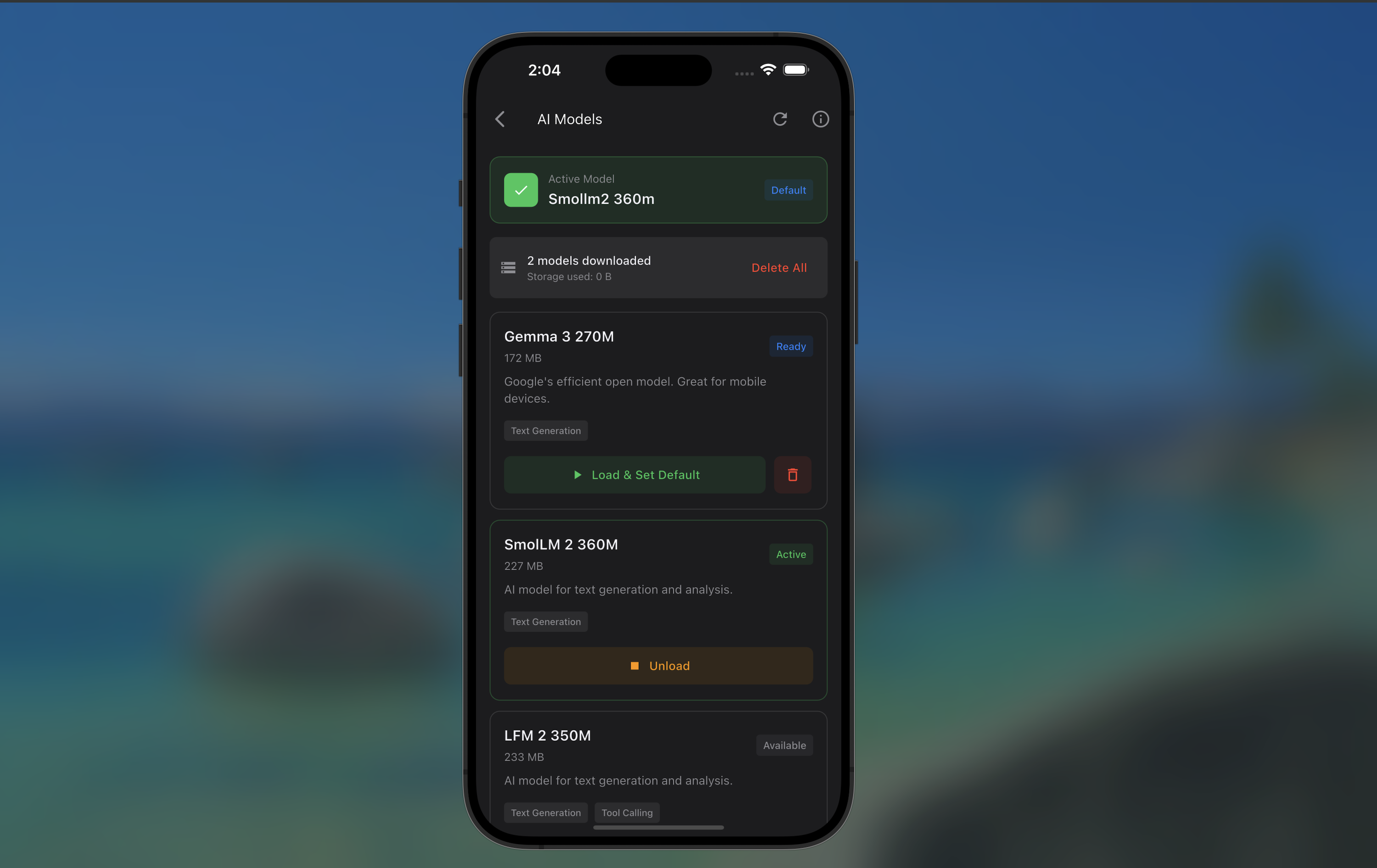
- Uses local Cactus Compute AI to summarize unread messages by priority so users can quickly catch up and see what they actually missed, plus detect potential "actions" inside conversations.
How it was built
- Deployed a Synapse homeserver with PostgreSQL on Azure, running in a single‑tenant, non‑federated mode to keep everything under one controlled environment.
- Integrated the Postmoogle email bridge so incoming and outgoing emails are represented as Matrix events, enabling thread flattening and cross‑room sharing.
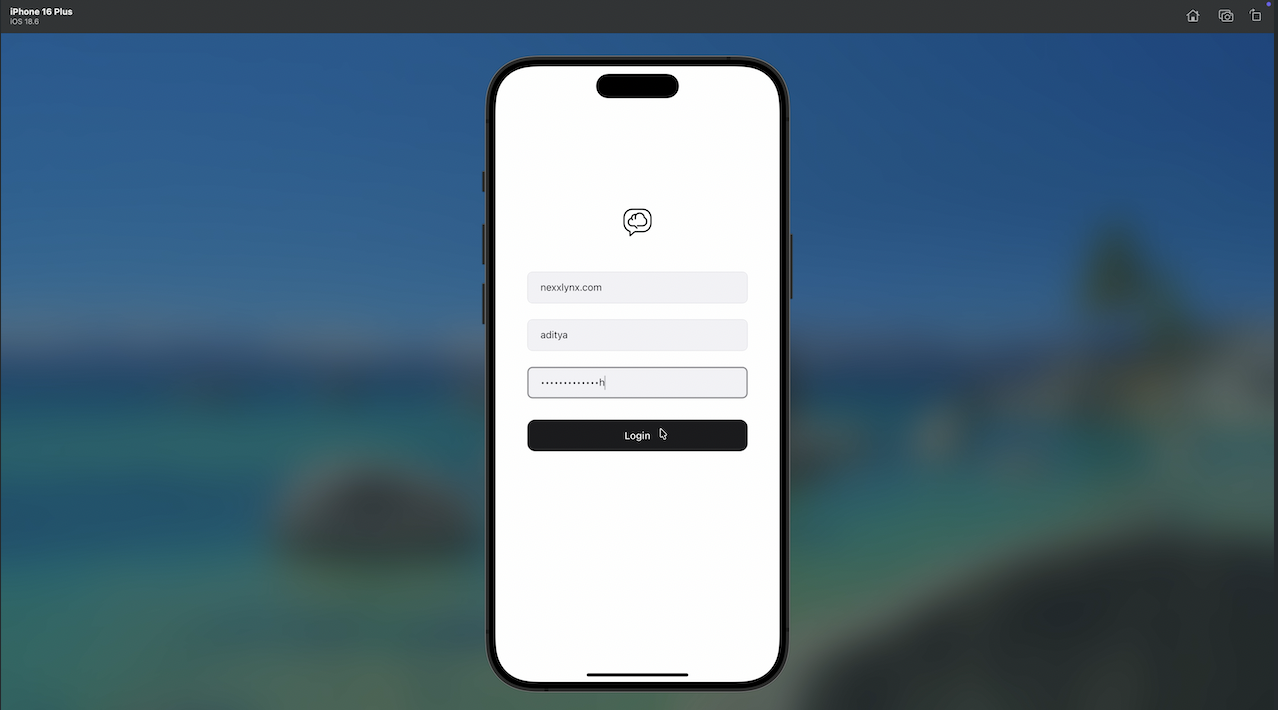
- Built the client in Flutter, talking directly to the homeserver, with Matrix E2EE and VoIP enabled so the same app handles secure chat, calls, and email‑derived conversations.
- Hooked in Cactus (or compatible local models) on the compute side to run AI summarization and action detection locally, without sending message content to external clouds.
Challenges
- Bridge scope vs. time: bridging Messaging platforms via mautrix was planned, but time constraints meant I could only get email (Postmoogle) fully integrated for this version.
- Email → chat UX remains a work in progress: Collapsing confusing email threads into something that feels like normal messaging, while preserving reply context and forwards, proved more complex than anticipated.
- Getting E2EE and AI to coexist was tricky: the AI must run locally and while still having enough context to produce useful summaries and actions.
- Managing and deploying all services (Synapse, Postmoogle, database, AI runtime) cleanly on Azure under hackathon time pressure.
Accomplishments that I'm proud of
- Successfully turning email into a first‑class chat source via Postmoogle so users can forward and discuss emails inside any Matrix room like normal messages.
- Implementing a local AI "catch‑up" feature that summarizes unread messages by priority, making it easy to see what mattered while staying fully on‑device.
- Building an action‑aware assistant layer that can detect potential actions from conversations and surface them as structured items the user can act on.
- Deploying a privacy‑first Matrix stack on Azure with E2EE chat and VoIP capabilities.
What I learned
- Even with Matrix, good bridges take serious time; focusing on one high‑value bridge (email) first gives a solid foundation before adding more complex other ones.
- Privacy‑first AI strongly shapes architecture: running models locally changes how data flows, how much context is available, and how features must be designed.
- Users don't just need protocol unification; they need conceptual unification—email threads, chats, and calls must all feel like one coherent inbox with consistent UX.
What's next for nexxlynx
- Integrate mautrix bridges so any contact, on any major messaging app, can be reached from the same privacy‑first inbox.
- Perfect the email-to-chat UX with cleaner thread collapsing, better reply context preservation, and seamless forward/share flows.
- Evolve the memory system so the AI can learn long‑term patterns, remember facts from conversations, and proactively help at the right moments in a controlled, user‑visible way.
- Add more on‑device agents: spam/scam detection, smarter notification control, automatic categorization (work/personal/finance), and richer cross‑channel search.
- Polish the Flutter UX further, add multi‑device support, and harden the Azure deployment with better observability, scalability, and easy onboarding flows for non‑technical users.


Log in or sign up for Devpost to join the conversation.