-
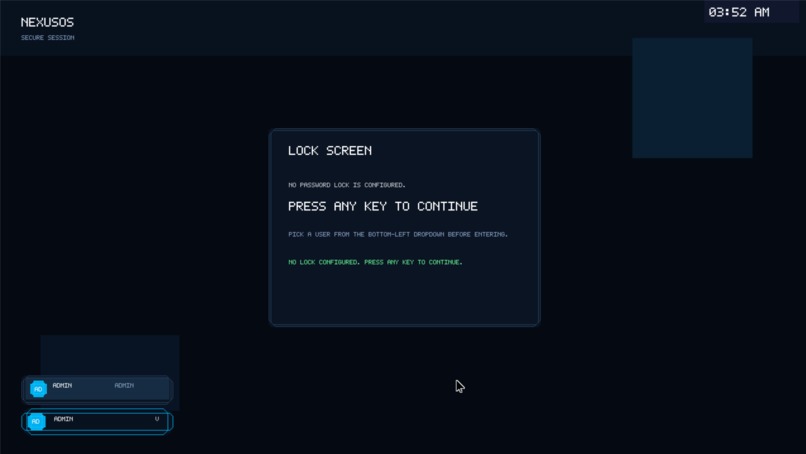
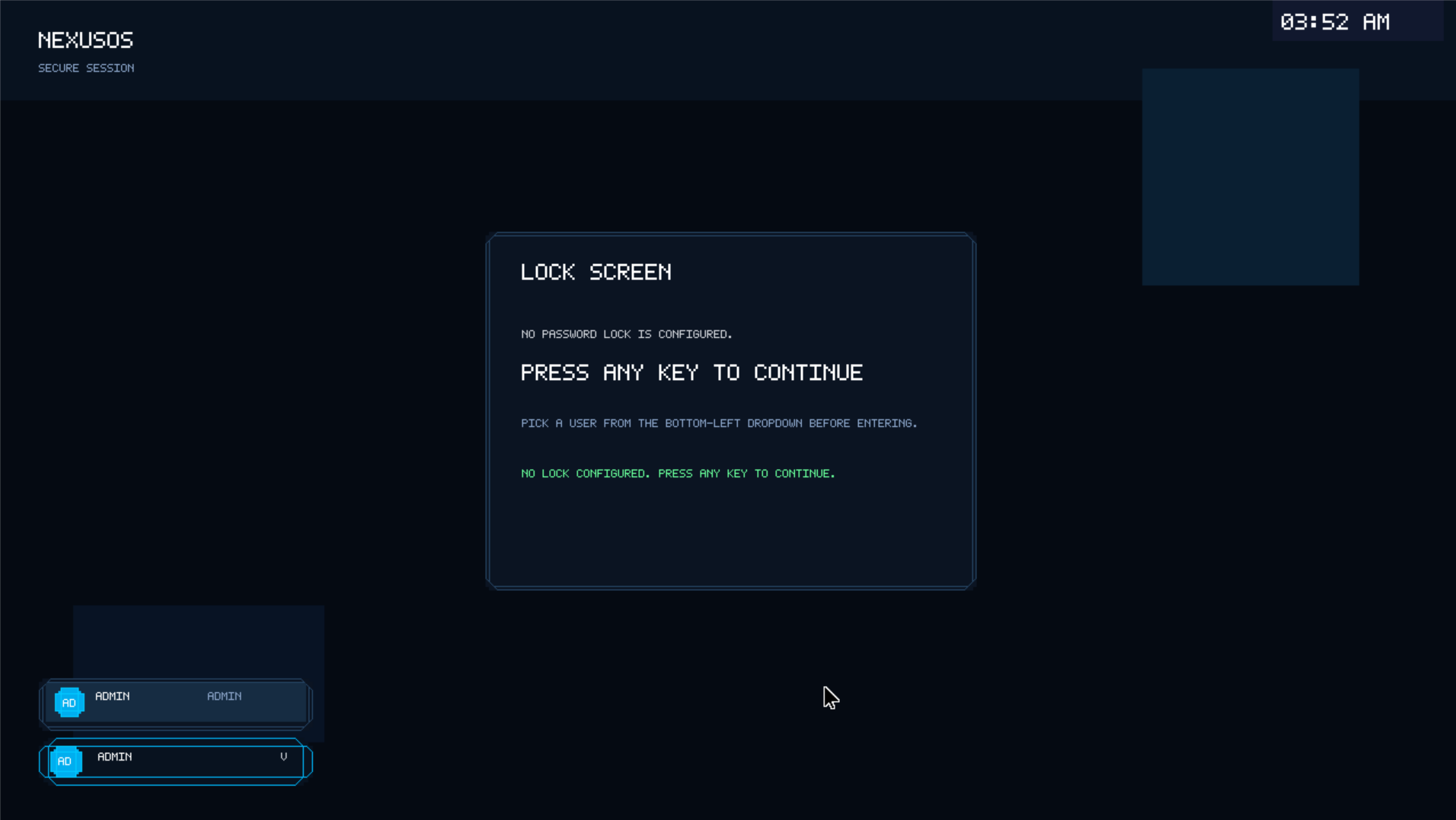
Lock Screen
-
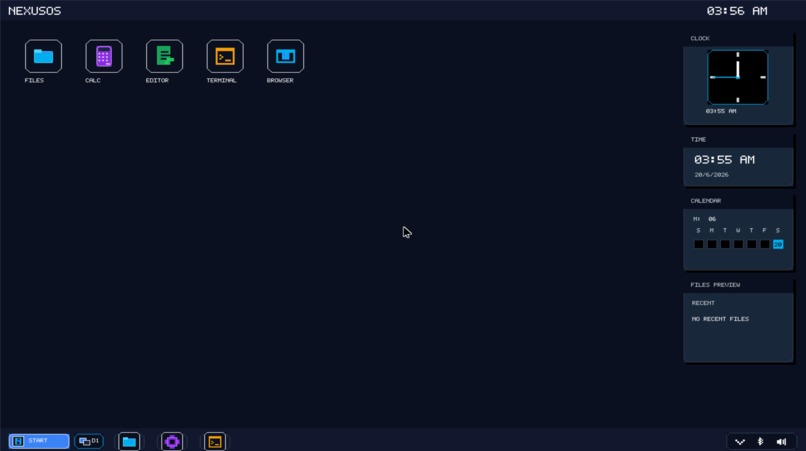
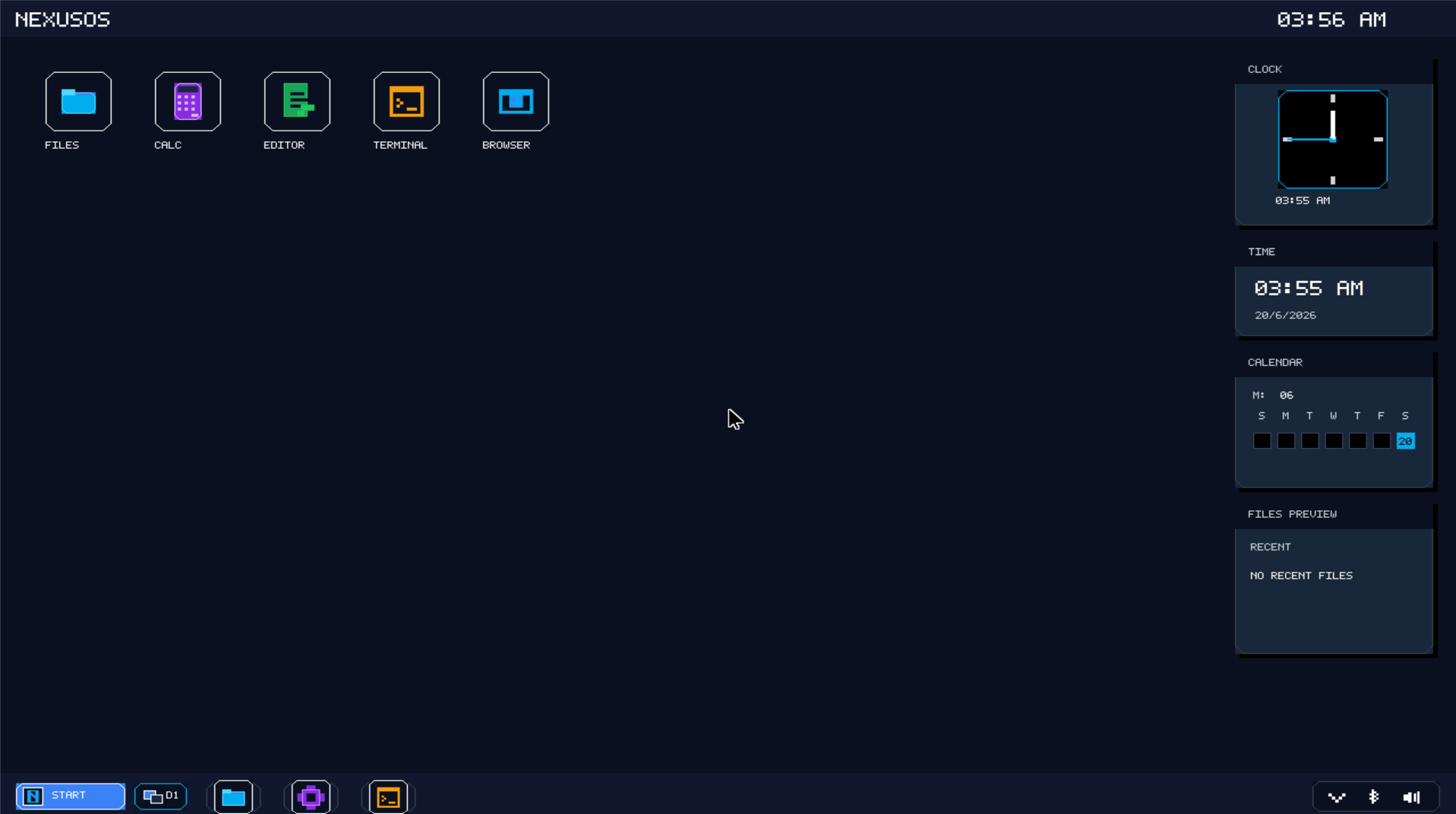
Desktop
NexusOS
About the Project
NexusOS is a custom operating system built from scratch to explore low-level system programming, operating system architecture, and desktop environment design. The project focuses on creating a lightweight and modular platform while providing a modern desktop experience.
The operating system includes a custom kernel, graphical desktop environment, terminal, file management system, window manager, and application framework. The architecture is designed to allow future expansion into a complete software ecosystem.
Inspiration
The inspiration behind NexusOS came from a desire to understand how operating systems work internally. Modern operating systems are extremely complex, and many developers only interact with high-level applications.
I wanted to learn what happens beneath the surface—how a system boots, manages memory, handles user interaction, renders graphics, and launches applications. Building an operating system from scratch provided the opportunity to explore these concepts directly.
What I Built
NexusOS currently includes:
- Custom operating system kernel
- Bootloader integration
- Desktop-style graphical interface
- Start Menu
- Window management system
- Terminal application
- File management framework
- Memory management components
- Modular application architecture
- Custom command system
The operating system is structured so new features can be integrated without major architectural changes.
How I Built It
The project was developed using low-level system programming techniques.
Development involved:
- Designing the operating system architecture.
- Creating the kernel and boot process.
- Building screen and graphics components.
- Implementing desktop and window management.
- Developing terminal functionality.
- Creating application and file management systems.
- Testing and running the operating system in a virtual machine environment.
- Continuously improving modularity and scalability.
The project was built and tested using Linux development tools, GRUB bootloading technology, and QEMU virtualization.
Challenges Faced
Developing an operating system from scratch introduced many technical challenges.
Some of the most significant challenges included:
- Understanding the boot process.
- Setting up kernel execution correctly.
- Managing low-level memory operations.
- Building graphical interfaces without existing frameworks.
- Designing a modular architecture.
- Debugging issues with limited runtime tools.
- Creating a stable window and desktop management system.
Each component had to be built manually, which required learning many concepts that are normally hidden by existing operating systems.
What I Learned
This project provided practical experience with:
- Operating system architecture
- Kernel development
- Memory management concepts
- System programming
- Computer architecture
- Desktop environment design
- Window management systems
- Build systems and toolchains
- Virtual machine testing
The project significantly improved my understanding of how software interacts directly with hardware and how operating systems coordinate system resources.
Future Plans
Planned future features include:
- Advanced filesystem support
- Networking and internet connectivity
- Enhanced security systems
- Expanded application framework
- Additional desktop utilities
- Performance optimizations
- Developer tools and SDK support
- Custom application ecosystem
The goal is to continue evolving NexusOS into a complete and extensible operating system while maintaining a lightweight and educational design philosophy.


Log in or sign up for Devpost to join the conversation.