-
-
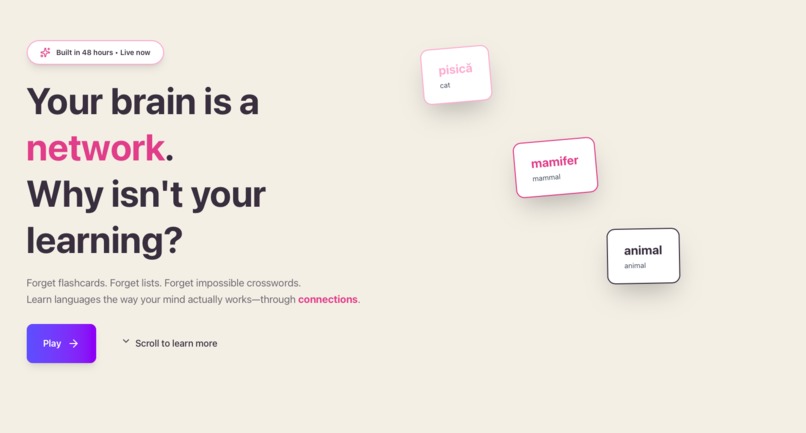
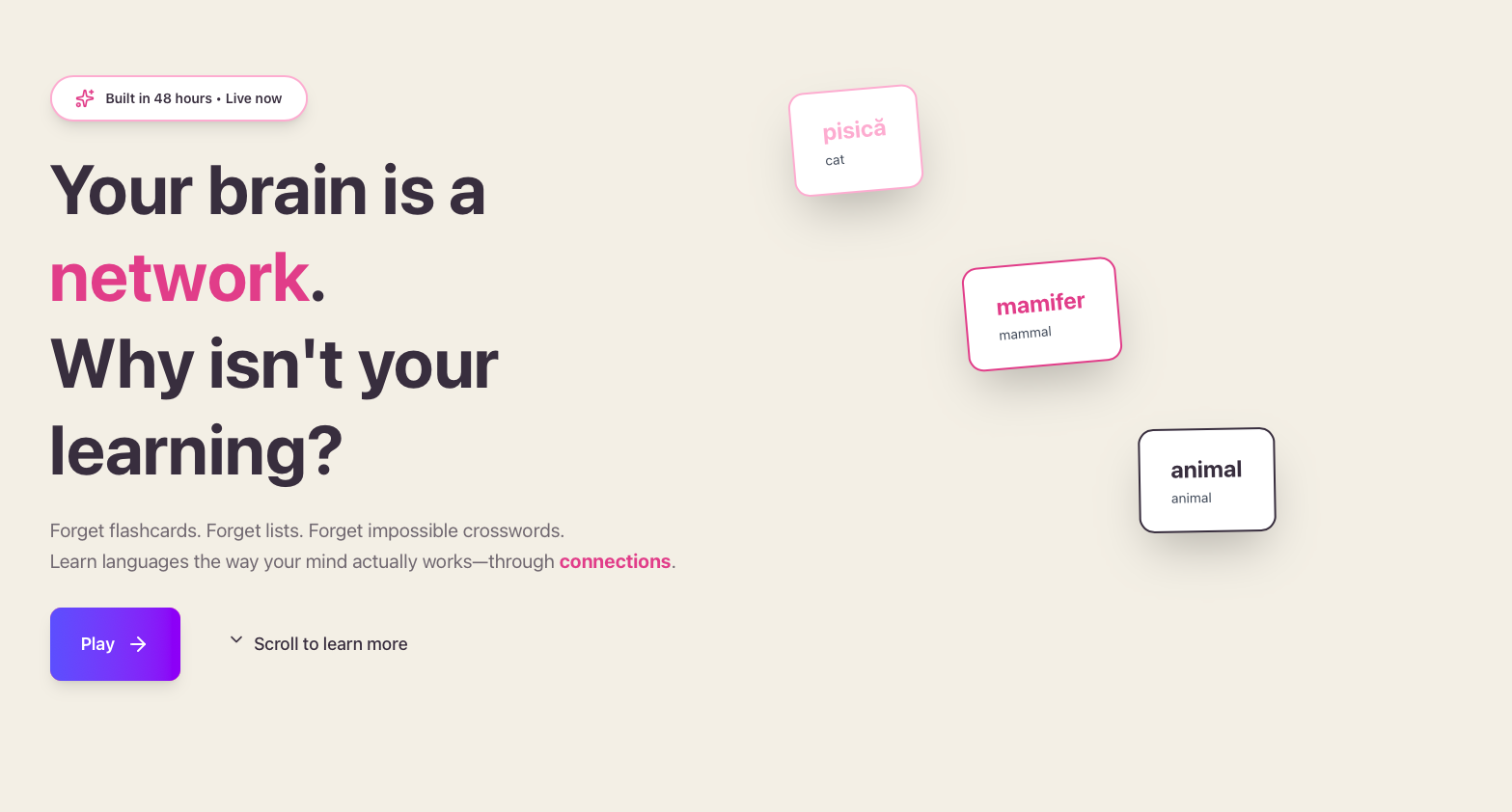
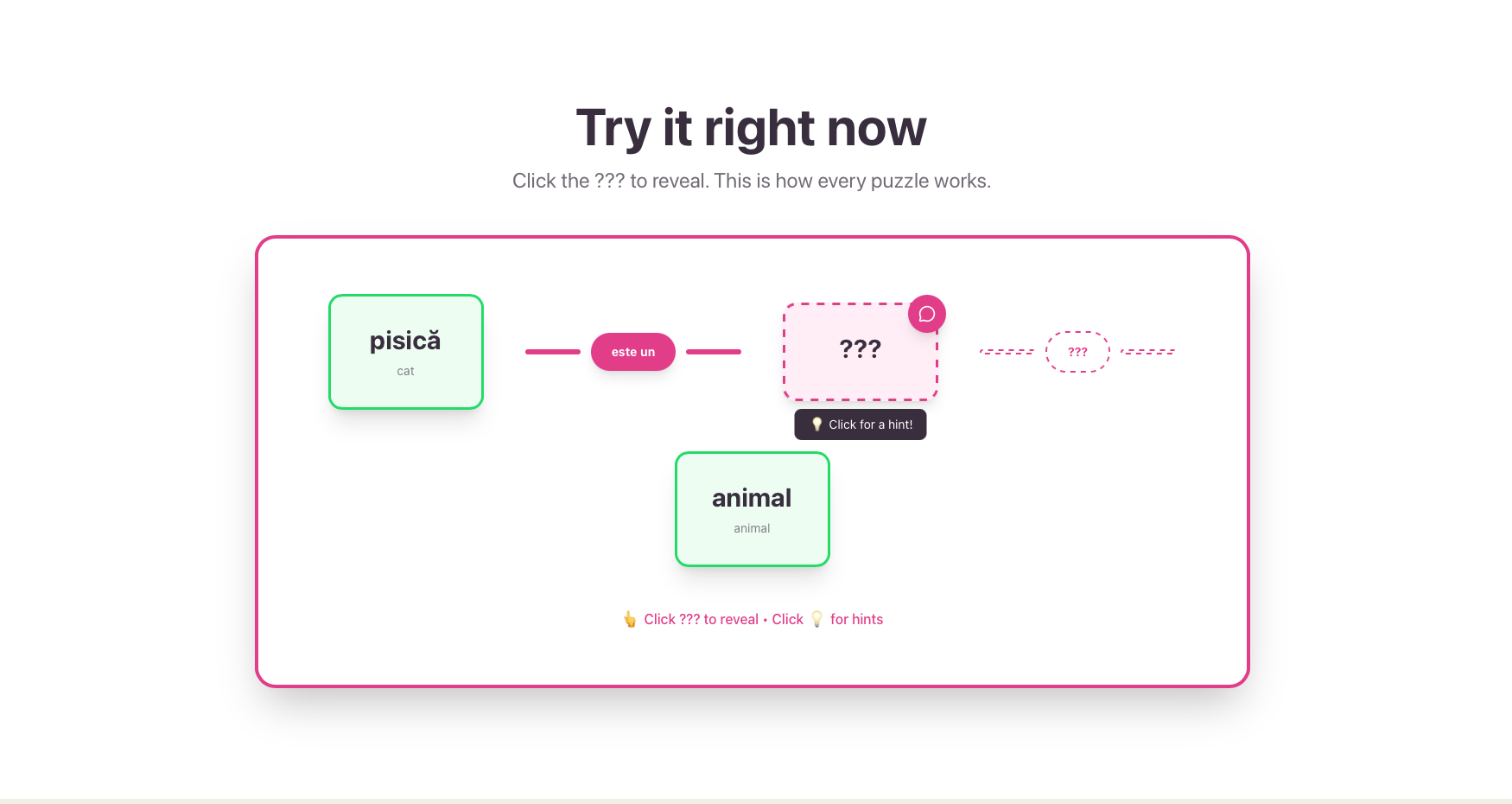
Landing page
-
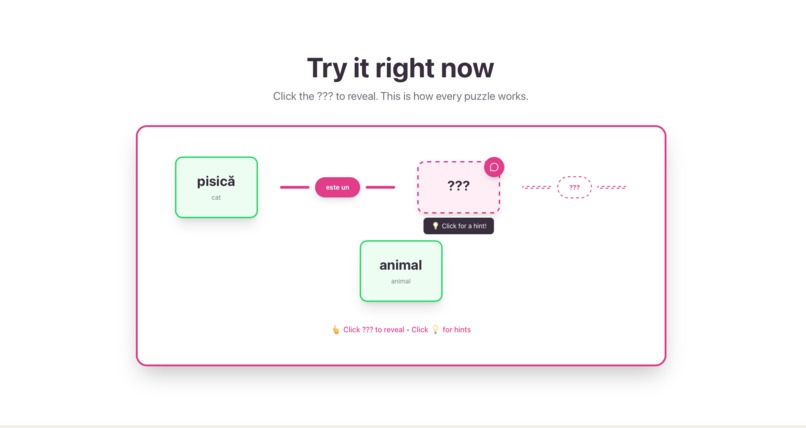
Interactive Demo
-
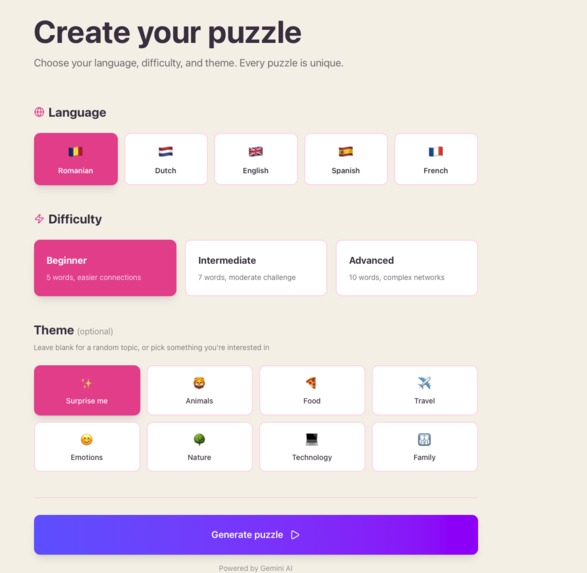
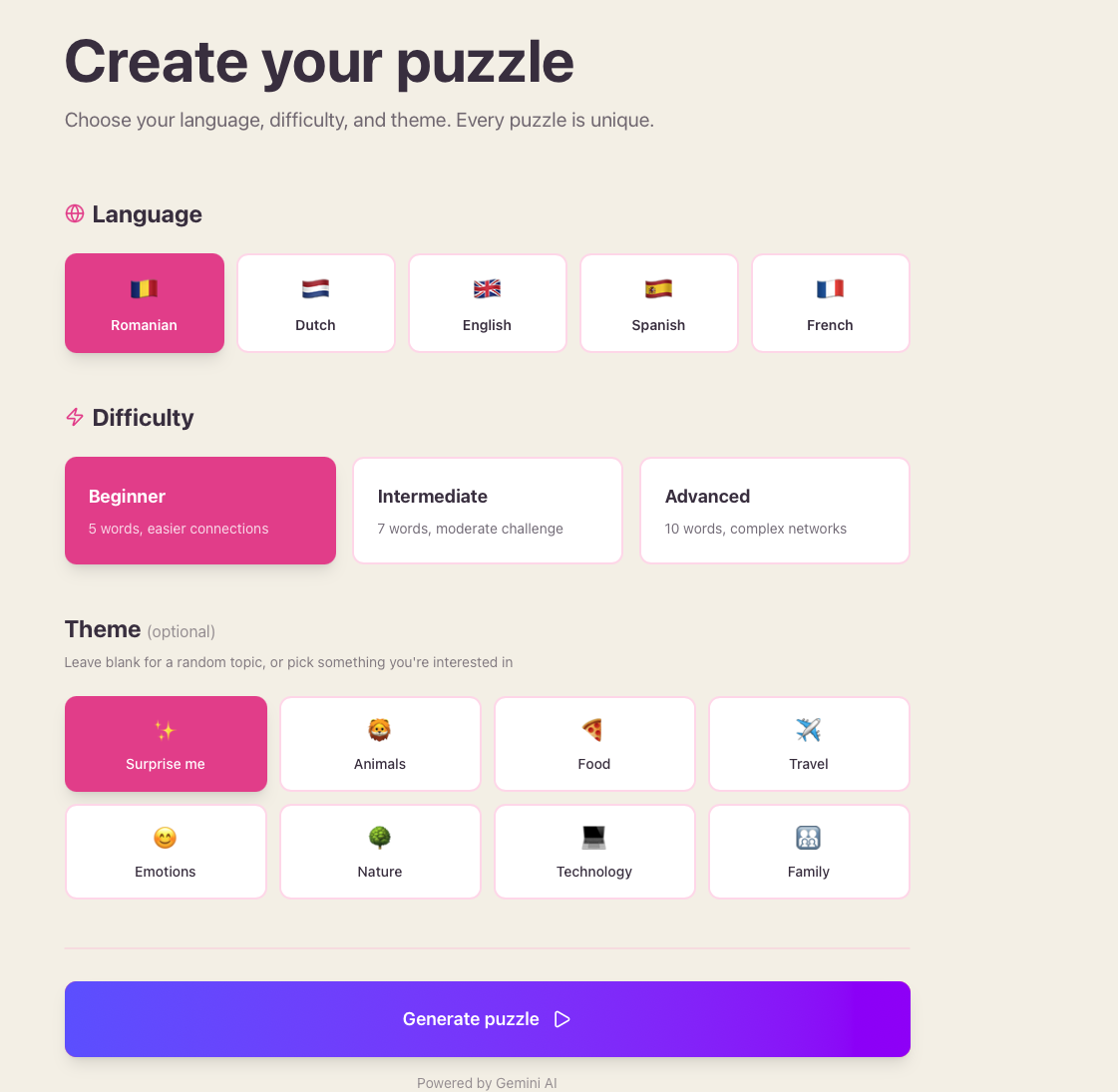
Create customized puzzles
-
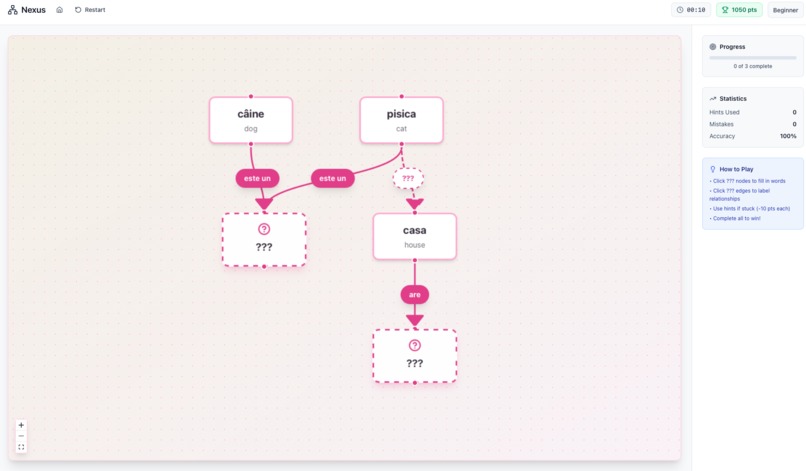
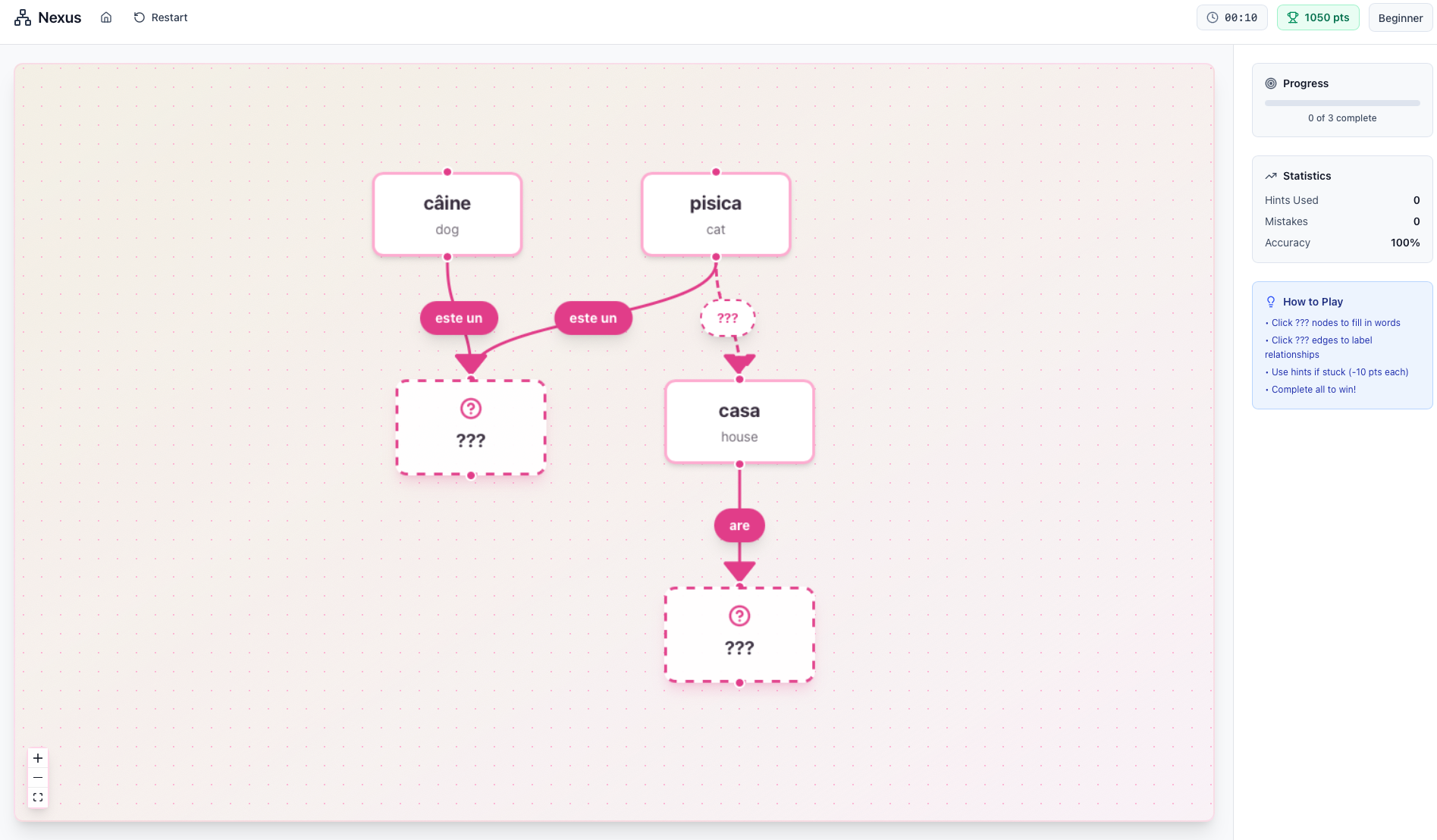
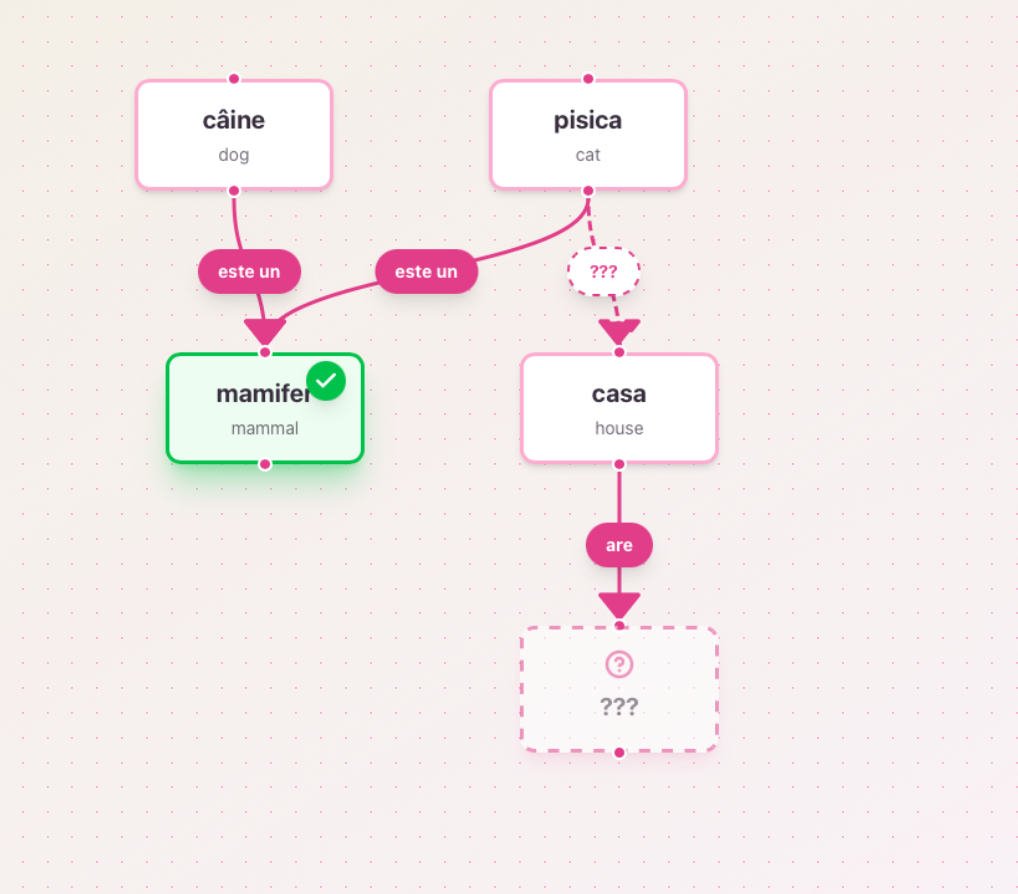
Game canvas with a generated graph
-
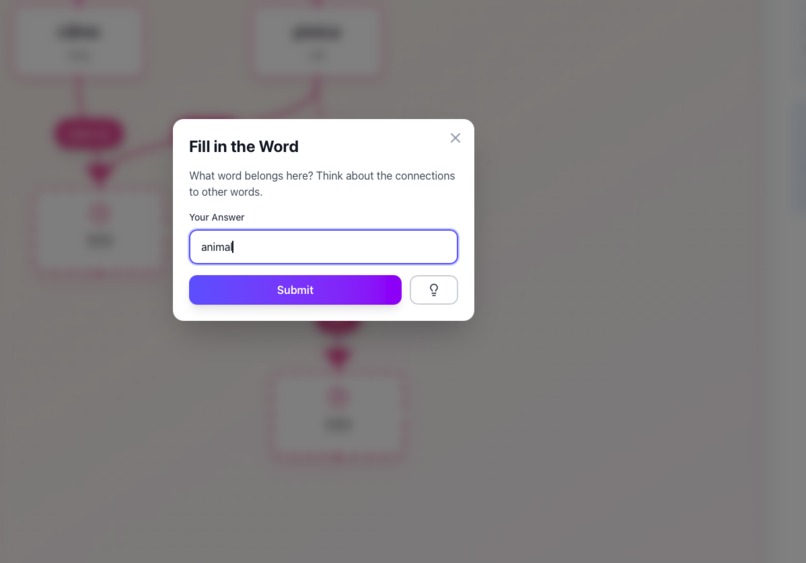
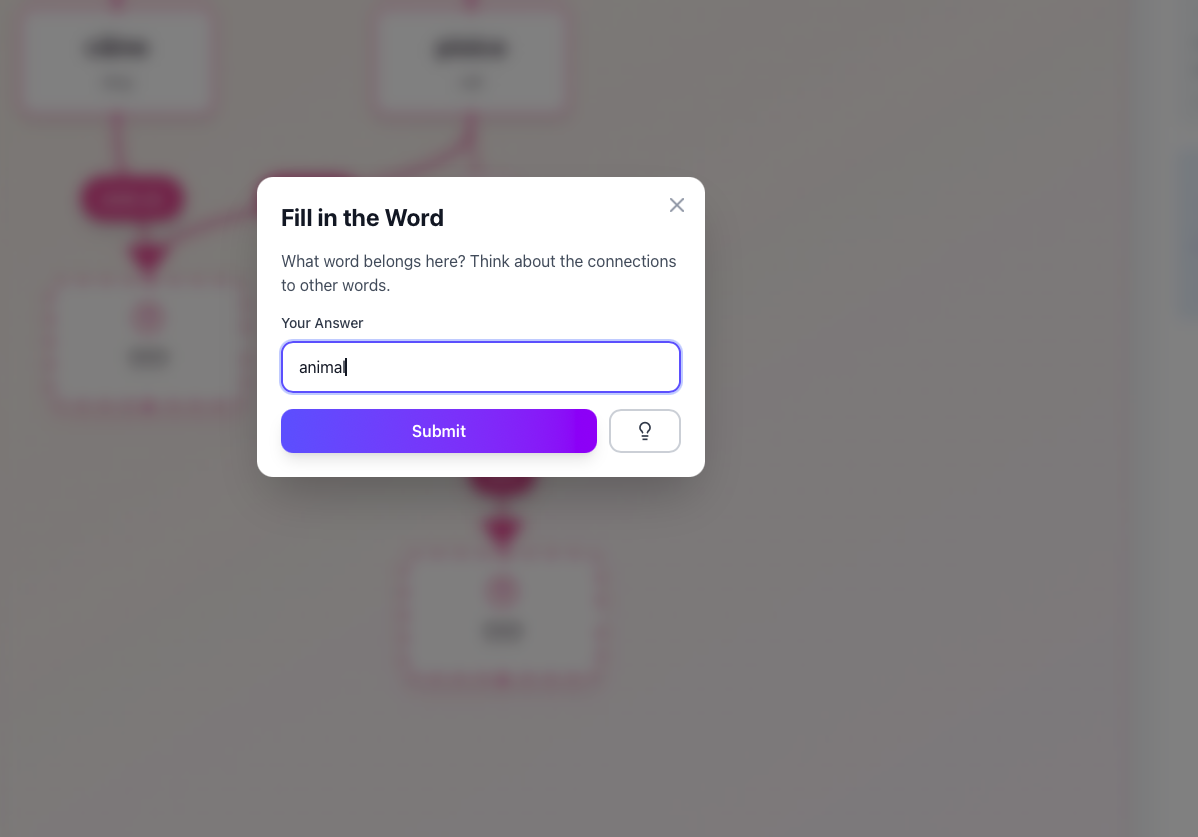
Fill the nodes and links
-
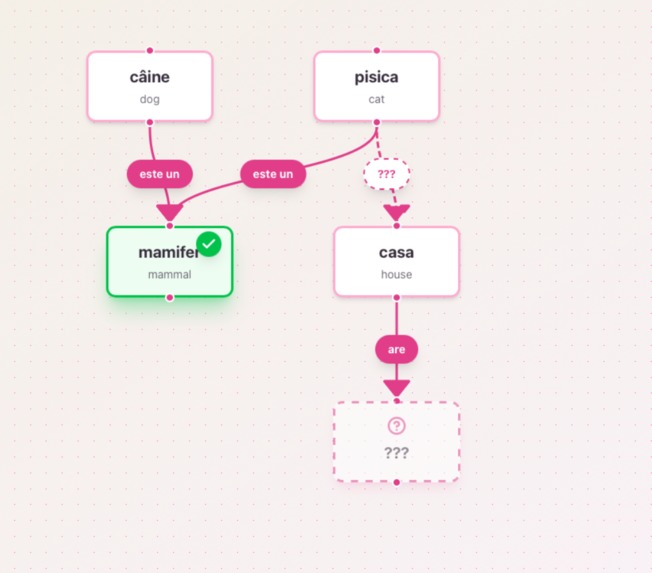
Nice!! We got this one correct
-

Ohh, needed a hint for this one
-
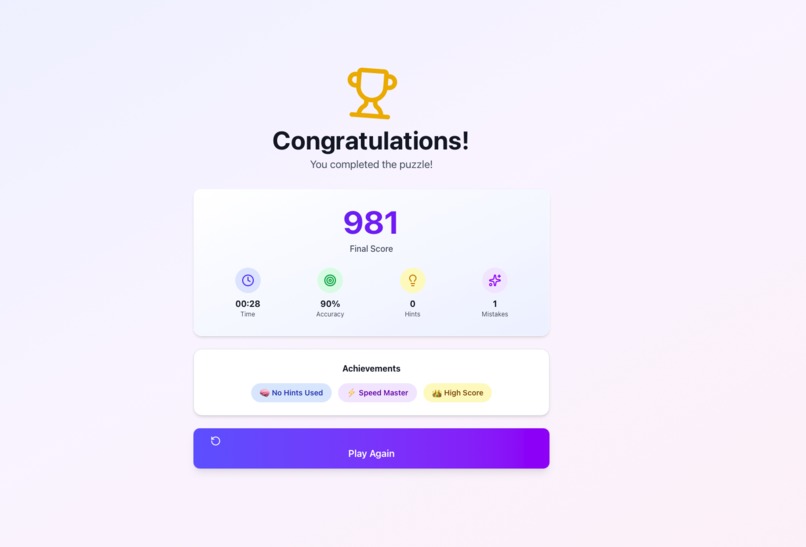
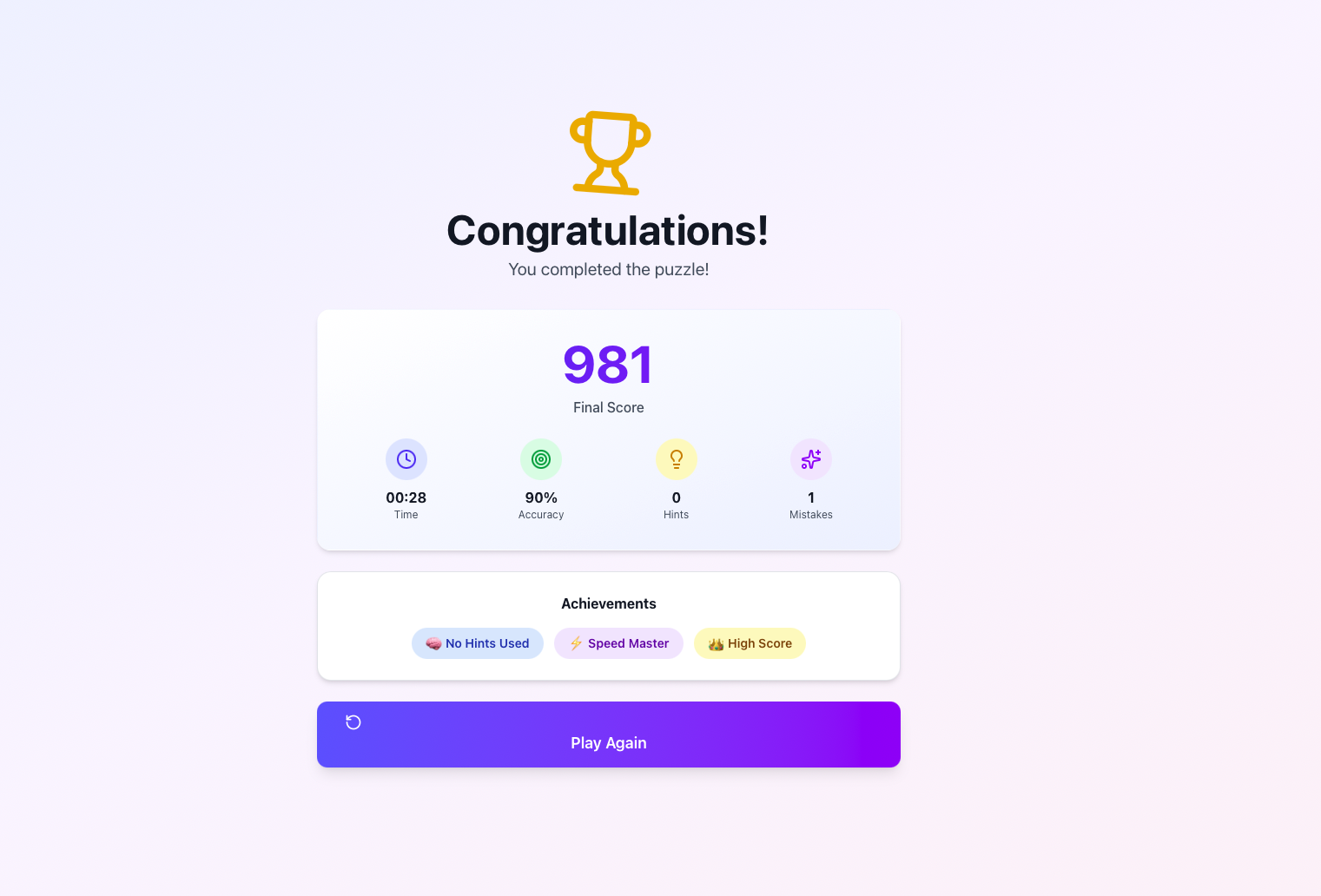
Ahahaha, congrats!! You got this

Inspiration
I moved to the Netherlands as an international student from Romania, and suddenly I needed Dutch, for grocery shopping, for conversations, for existing. I tried everything: Duolingo, Babbel, flashcards, grammar books, even Dutch Wordle. I was memorizing words but not understanding them, and then forgetting them. So I quit. Later, in my Complex Networks course, we learned about the small-world problem, the “six degrees of connection.” I was intrigued, and for my final assignment I wrote a report about how the small-world effect and the rich-get-richer (Matthew Principle) relate to how neurons form connections, i.e., how we learn. That’s when it clicked: the same theory can be applied to language learning. After all, language itself is a small world, you can move from one word to another through surprisingly short paths.
What it does
The science behind Nexus
Nexus is built on real cognitive psychology and network theory:
- Semantic clustering helps you remember information up to 3× better (Bower et al., 1969)
- Spreading activation explains why thinking about one word lights up related ideas (Collins & Loftus, 1975) *Small-world networks show that concepts are connected through surprisingly short path, the same principle behind “six degrees of separation” (Watts & Strogatz, 1998) Nexus turns these theories into an actual learning method:
How it works
- Nexus generates a small semantic graph of related words.
- Some nodes and links are hidden.
- You reveal them by understanding the connections, not memorizing.
How we built it
I built Nexus in 48 hours, powered primarily by:
- React for the frontend, with TailwindCSS for styling and React Flow for the graph visualization
- Gemini AI to generate dynamic, adaptive puzzles
- A custom semantic network engine for linking words meaningfully
- A clean, minimal UI designed to reduce distractions and provide instant feedback
- A puzzle format where each unknown word is uncovered through its connections, not memorization Nexus is intentionally simple, lightweight, and focused on both clarity of design and functional impact. Built by a student, for students.
Challenges we ran into
- Gemini API -> I had no idea how it worked, or that I needed to create a cloud project for it.
- Prompt engineering -> still need to improve this one.
- Performance -> when Gemini hit its quota limit or had performance issues, I HAD TO CREATE puzzles manually.
- Caching -> it’s true that in CS there are two difficult things: naming things, caching, and counting :)))
- The fact I wanted to challenge myself and try to participate solo in this hackathon
- Creating the video, that's why I preferred to attach the google drive link to the actual presentation. The video is just a blurred demo. PoC ++
Accomplishments that we're proud of
- I’m more of a frontend person, so I’m really happy with the UI and how the presentation looks.
- Actually learning how Gemini works and how to set everything up correctly.
- Removing the extra features I wanted to add and keeping only the essentials.
What we learned
- How to manage my time, and managed to not be that stressed during the hackathon.
- First solo hackathon -> had to learn to stop adding features and let go of the perfectionistic attitude
- Better folder structure.
- That useEffect can crash if you stack too many layers of complexity :))
What's next for Nexus
- Adding accounts so we can have leaderboards.
- Your account will be associated with a list (joking, no lists here :) -> more like a brain map) of words you learned through puzzles. You’ll be able to revisit your old puzzles.
- Launching this for everyone.
- Fixing bugs: for example, improving the direction/accuracy of relationships by instructing Gemini better + the quality of puzzles
- Adding a mode where the network grows as you play -> you start with a small graph, and it expands dynamically based on your performance.
- Improve responsiveness
- BETTER TESTING!!!


Log in or sign up for Devpost to join the conversation.