
Inspir## Inspiration
The Sfinx-01 was born from a vision of absolute technological sovereignty and energy independence. In a world of increasing threats and environmental challenges, I wanted to create a platform that combines extreme hypersonic speed with zero-emission energy. The inspiration comes from the fusion of ancient strength and future tech.
What it does
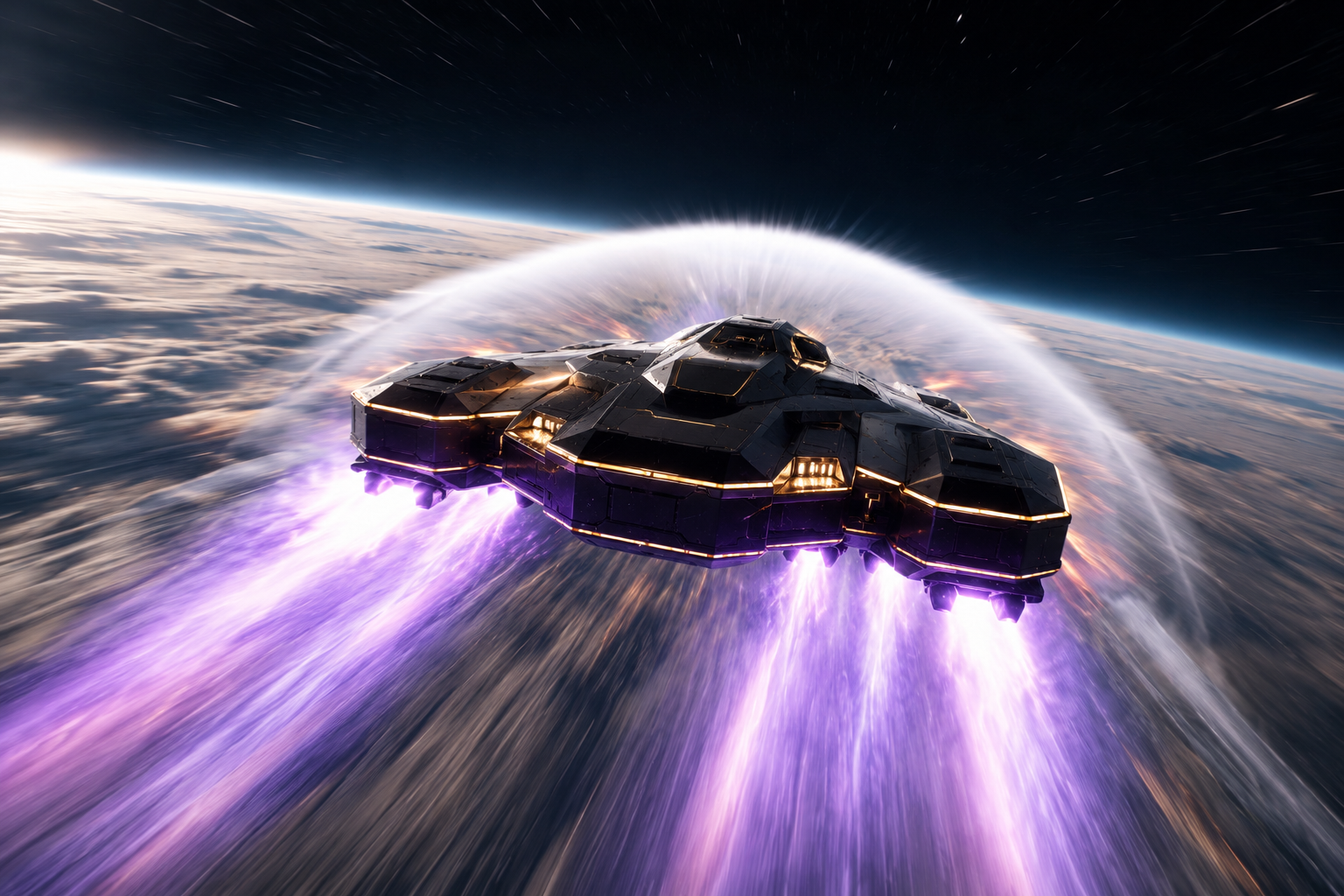
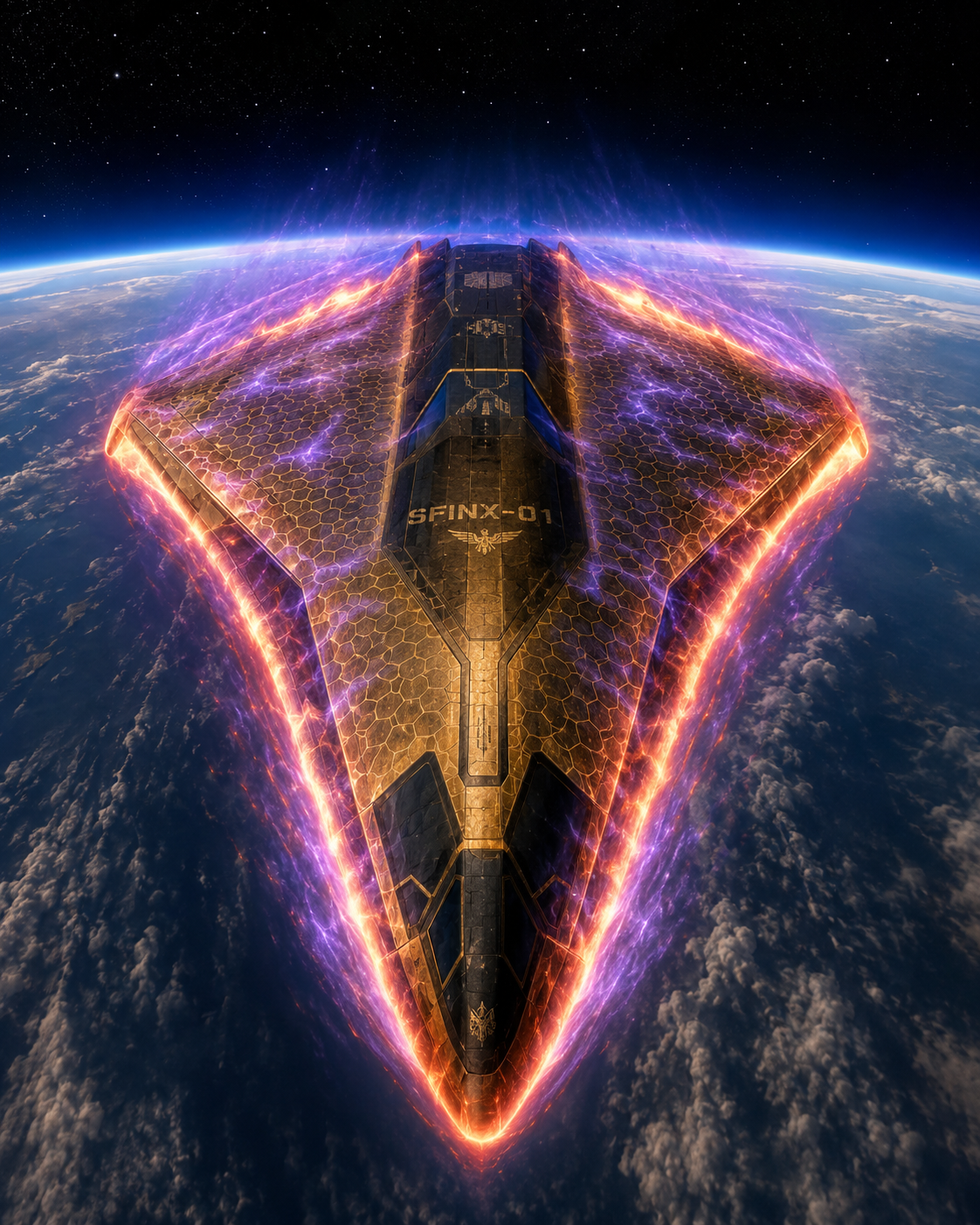
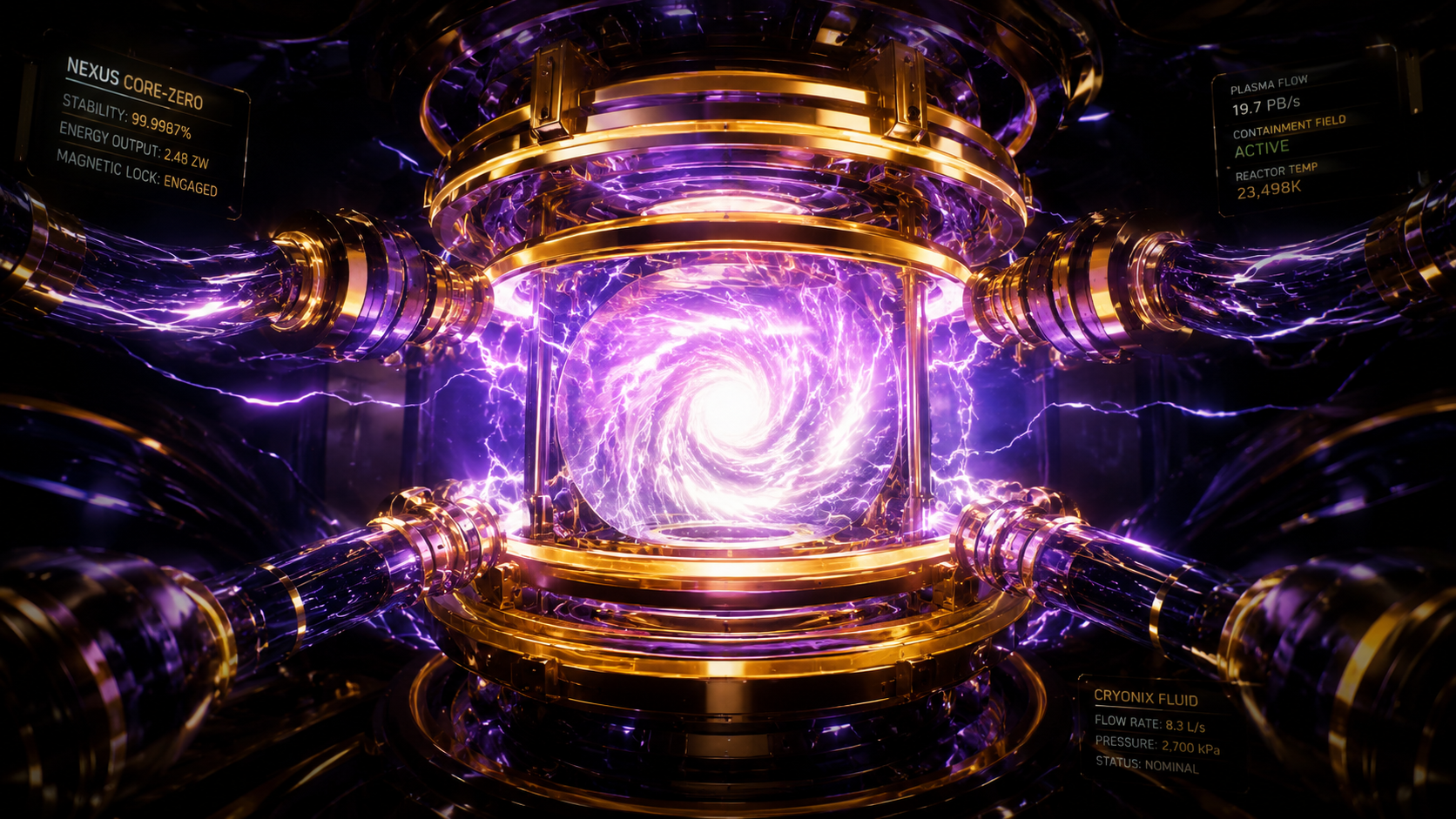
Sfinx-01 is an autonomous interceptor capable of Mach 5.1 flight. It is powered by a proprietary 1.21 GW Titanium-Fusion reactor (Core-Zero), eliminating the need for fossil fuels. It features:
- Active Shielding: A Gold-Graphene lattice that protects the fuselage from extreme heat.
- Stealth Weaponry: 48 internal missile bays managed by AI.
- NEXUS OS: A real-time monitoring system built in Python/Flask.
How I built it
Using Baidu's MeDo AI as a strategic engineering partner, I simulated the thermal dynamics and the "Aeolus" plasma propulsion system. The project was developed using a "Low-Code" approach for the Command Center (Flask/Python) while focusing heavily on systems architecture and aerodynamic rendering to validate the Mach 5.1 flight model.
Challenges I ran into
The biggest hurdle was stabilizing the fusion core output at 1.21 GW during high-G maneuvers (up to 40G). I solved this by implementing an AI-driven magnetic containment field that adjusts in microseconds based on the flight trajectory.
Accomplishments that I'm proud of
I am proud to have designed a fully integrated ecosystem—from the internal reactor physics to the live web-based command dashboard—that brings the concept of "Sovereign Defense" into the 21st century.
What's next for NEXUS Sfinx-01
The next phase is the construction of a sub-scale flight prototype and the integration of swarm-intelligence algorithms for multi-drone coordination ation.


Log in or sign up for Devpost to join the conversation.