-
-
-
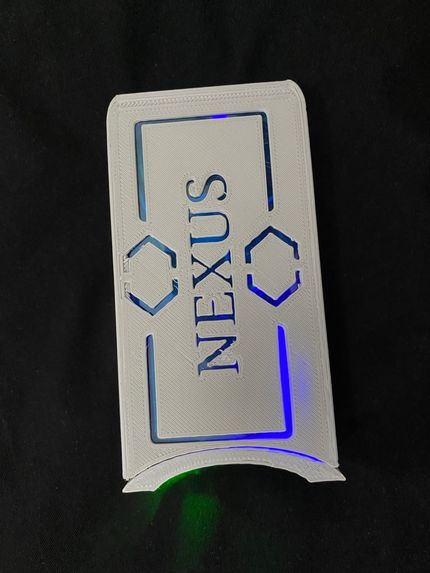
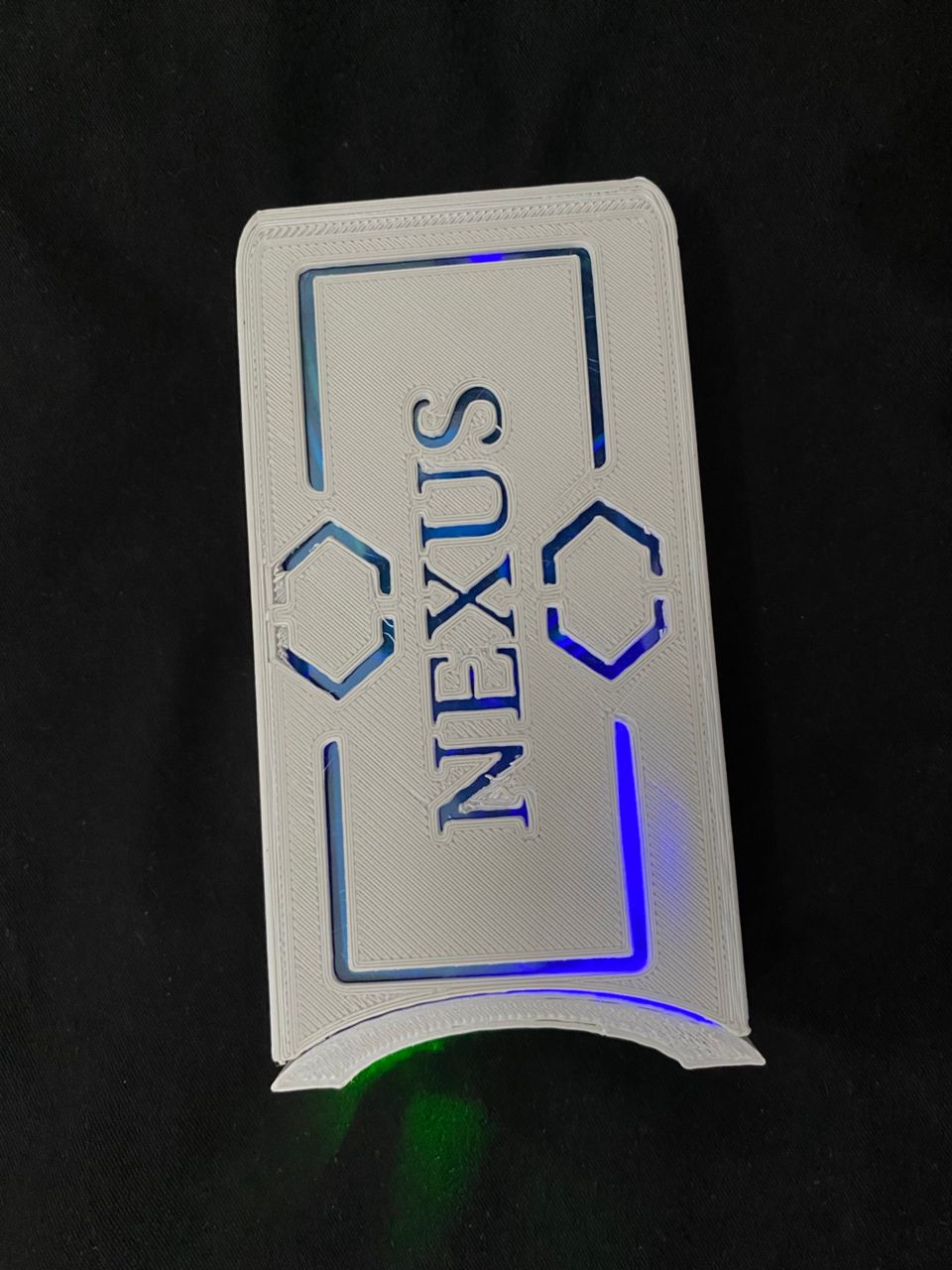
Nexus Medical Device Top view
-
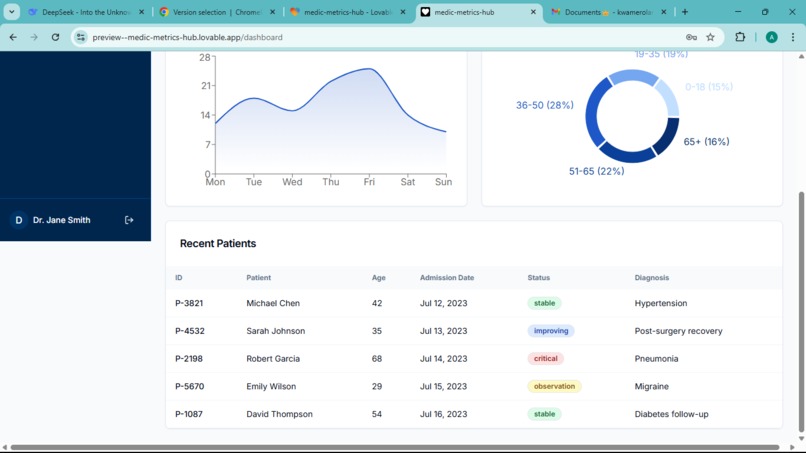
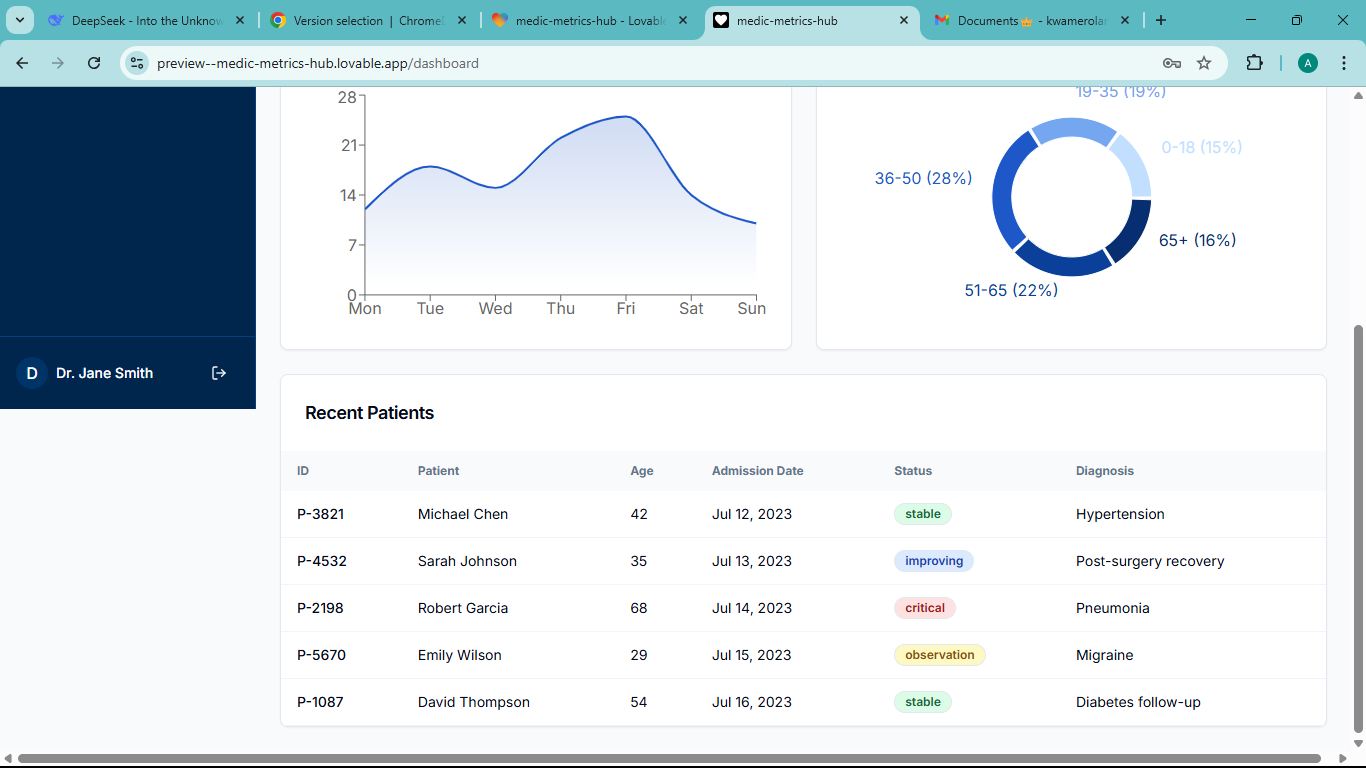
Hospital Management System interface
Inspiration
We were inspired by the growing need for accessible and intelligent healthcare tools that can assist both doctors and patients. The idea came when we observed how long it often takes for doctors to access patients’ previous medical data and how easy it is for crucial information to be missed during consultations. We wanted to create a system that bridges this gap and supports better, data-driven decisions in real time.
What it does
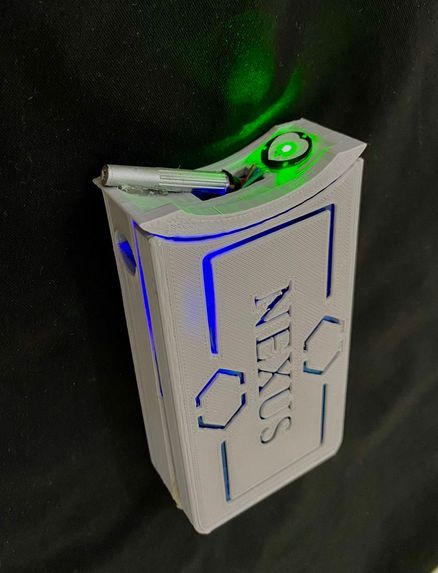
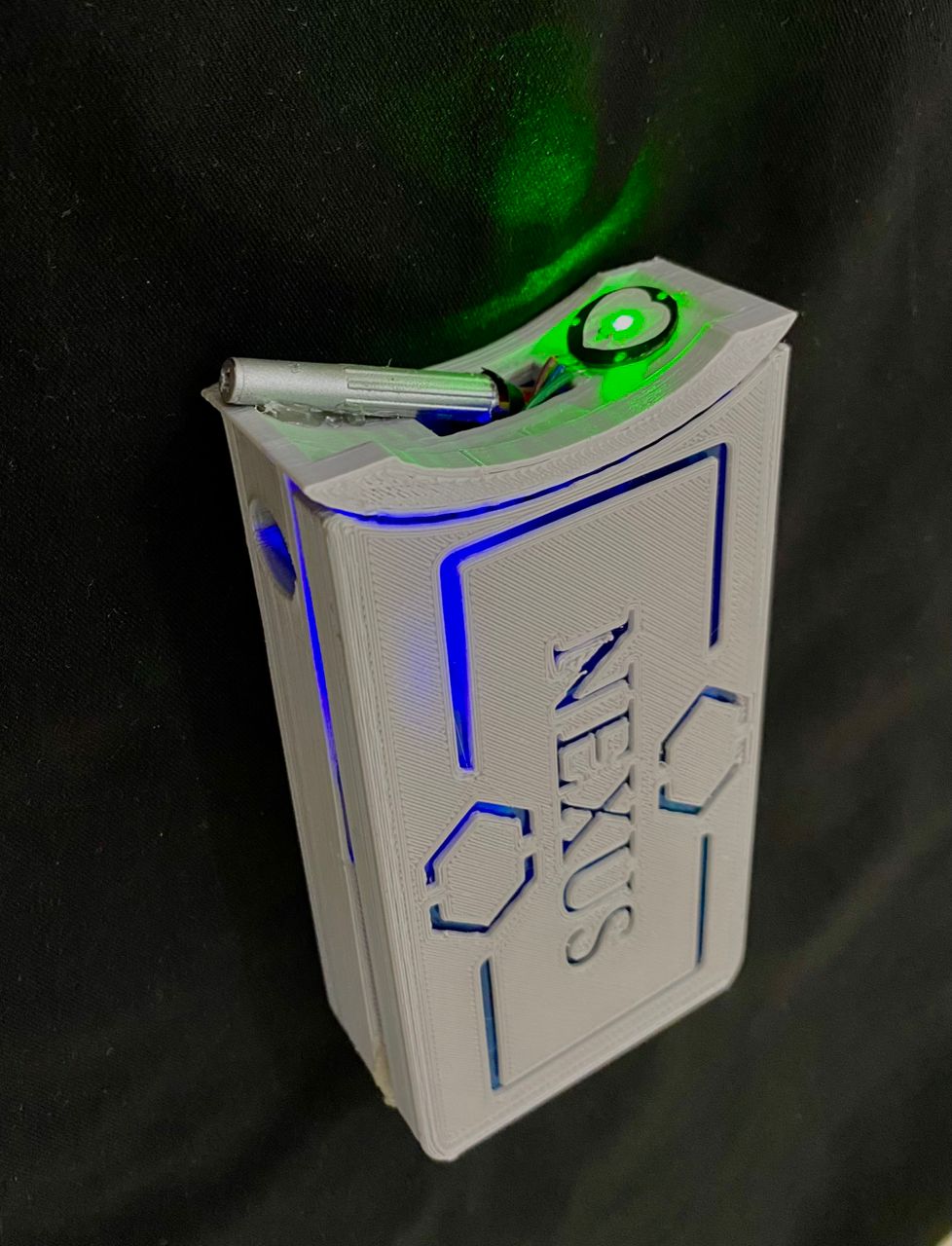
Nexus is a medical assistive device that automatically captures a patient’s vital signs and uploads them to their hospital folder by extracting the folder ID from an RFID card. It can also record and summarize doctor-patient conversations using AI. By combining new data with the patient’s past medical history, Nexus generates a comprehensive summary that helps doctors make informed diagnoses quickly and accurately.
How we built it
We built Nexus using a combination of embedded hardware and AI technologies. The hardware module handles sensor data collection for vitals and RFID scanning, while the software uses speech-to-text and natural language processing models to summarize interactions and analyze medical history. We integrated the system with a secure hospital database to ensure automatic data uploads and retrieval.
Challenges we ran into
One major challenge was ensuring accurate speech recognition in noisy hospital environments and that of accent. We also faced difficulties with real-time data synchronization between the device and hospital servers. Balancing data privacy and performance was another critical hurdle.
Accomplishments that we're proud of
We successfully built a working prototype capable of reading RFID data, collecting vitals, and summarizing doctor-patient interactions. Our AI model produced concise and useful medical summaries that impressed early testers.
What we learned
We plan to improve accuracy through better noise filtering, enhance privacy with encrypted data channels, and collaborate with hospitals for pilot testing. In the future, we aim to integrate predictive analytics to detect early signs of medical complications.
What's next for Nexus
We plan to improve accuracy through better noise filtering, enhance privacy with encrypted data channels, and collaborate with hospitals for pilot testing. In the future, we aim to integrate predictive analytics to detect early signs of medical complications.


Log in or sign up for Devpost to join the conversation.