-
-
-
-
-
-
-
-
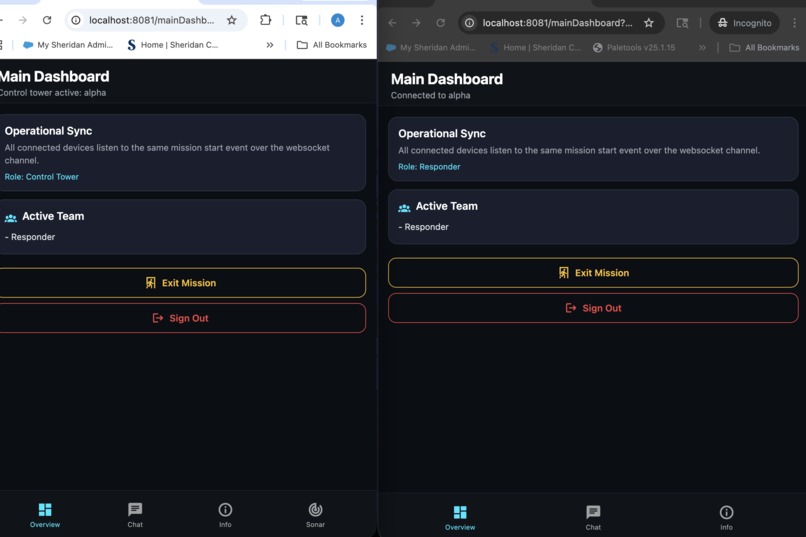
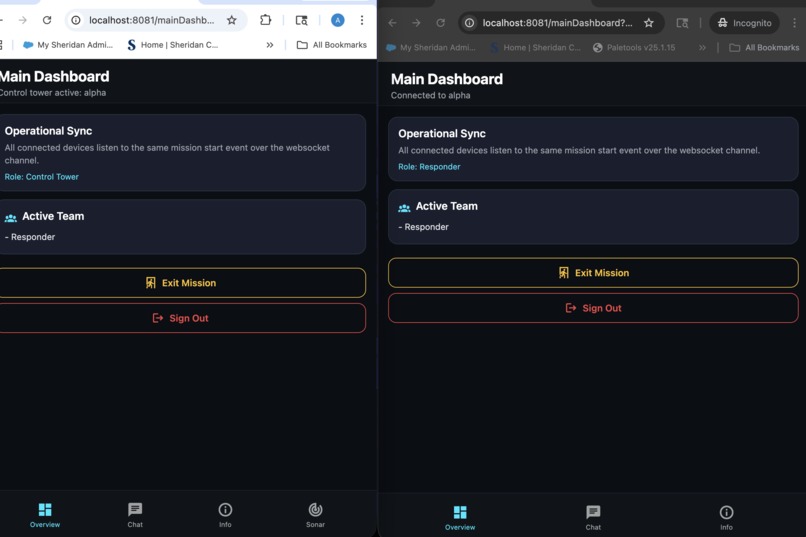
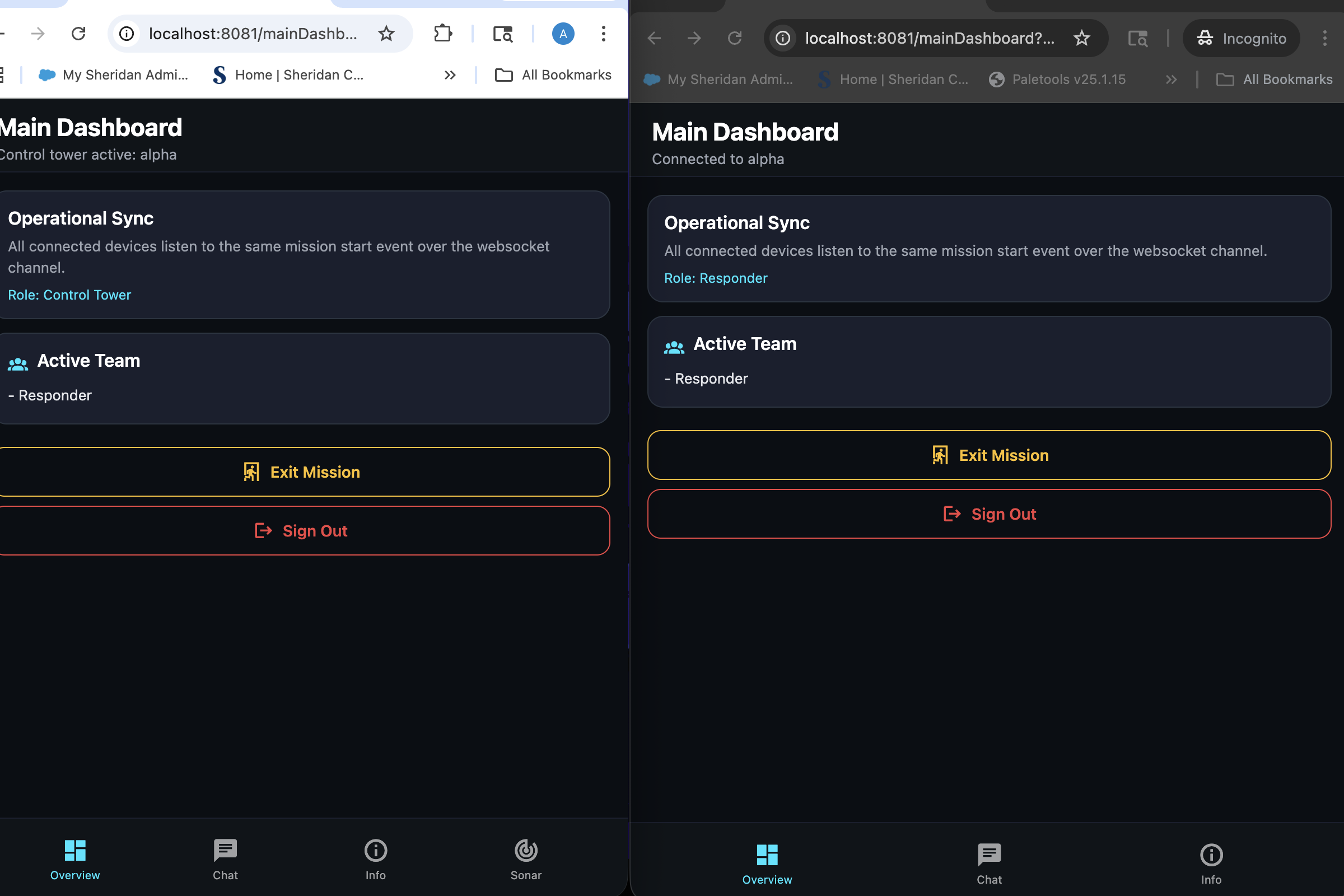
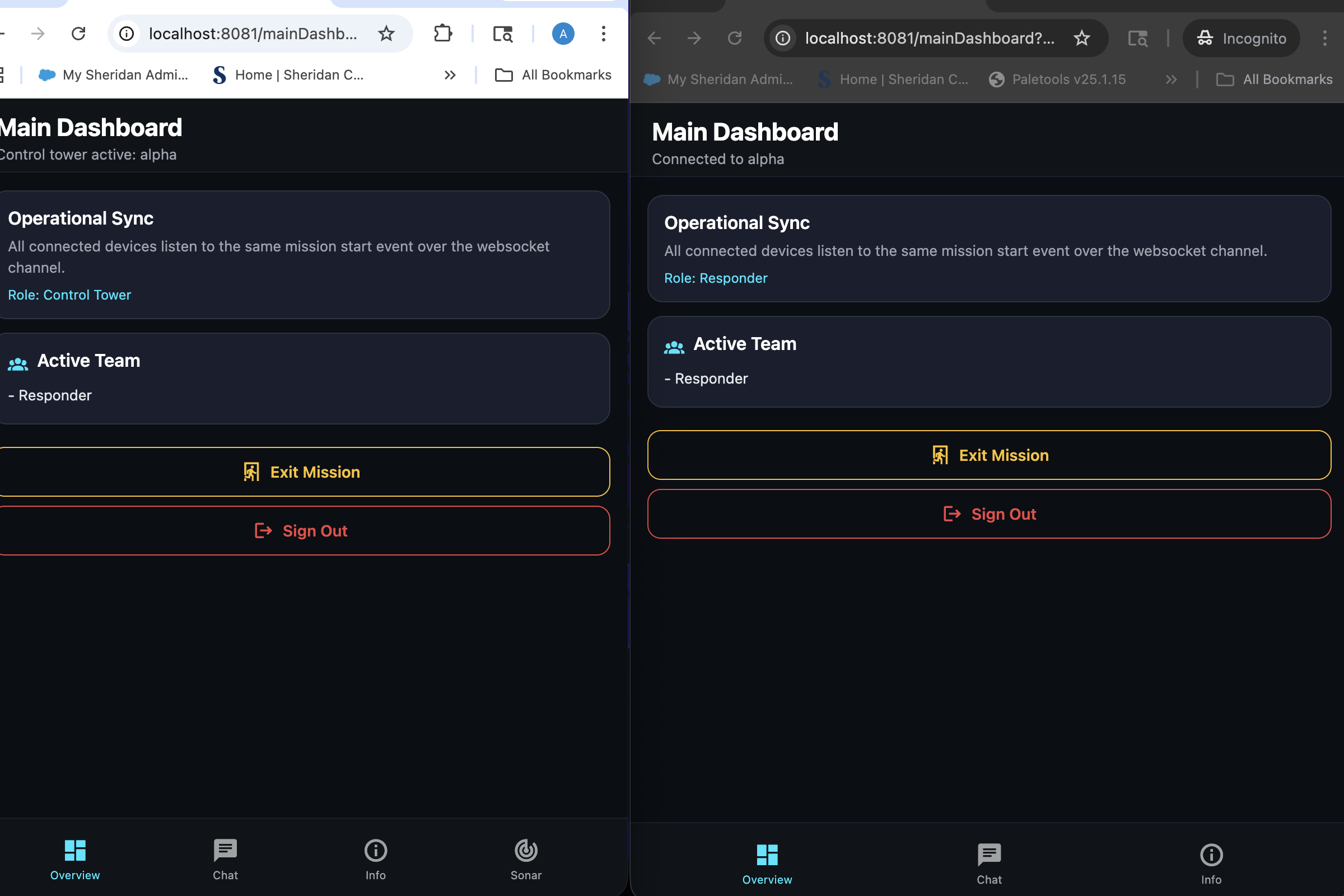
the dashboards for both the master node and the responder
-
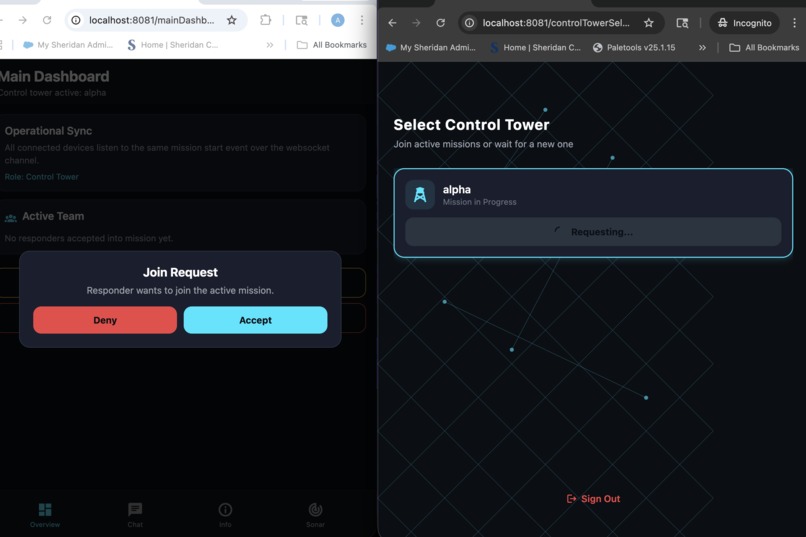
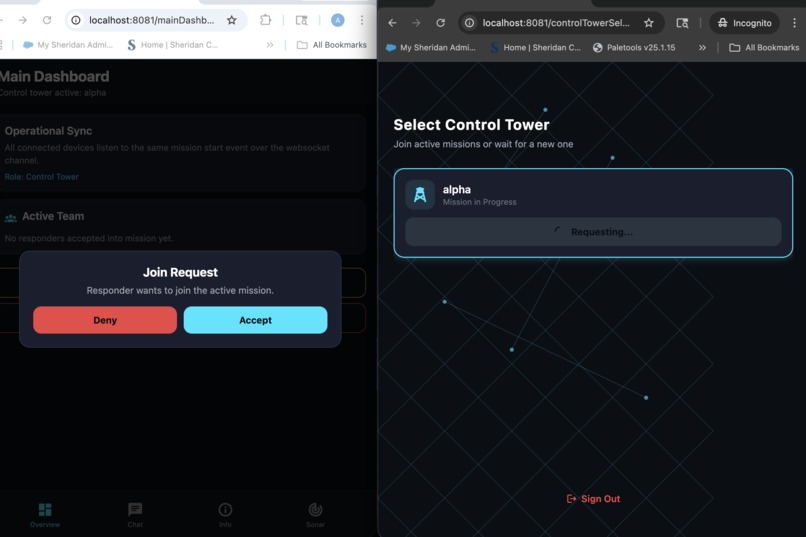
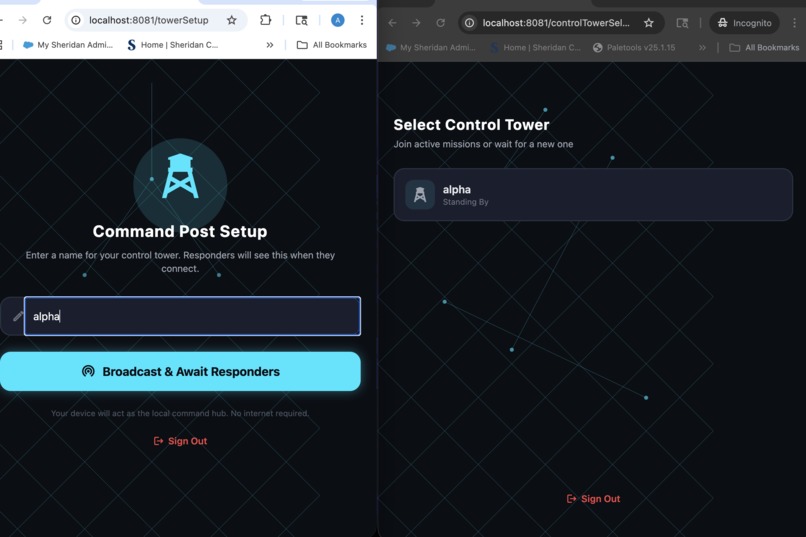
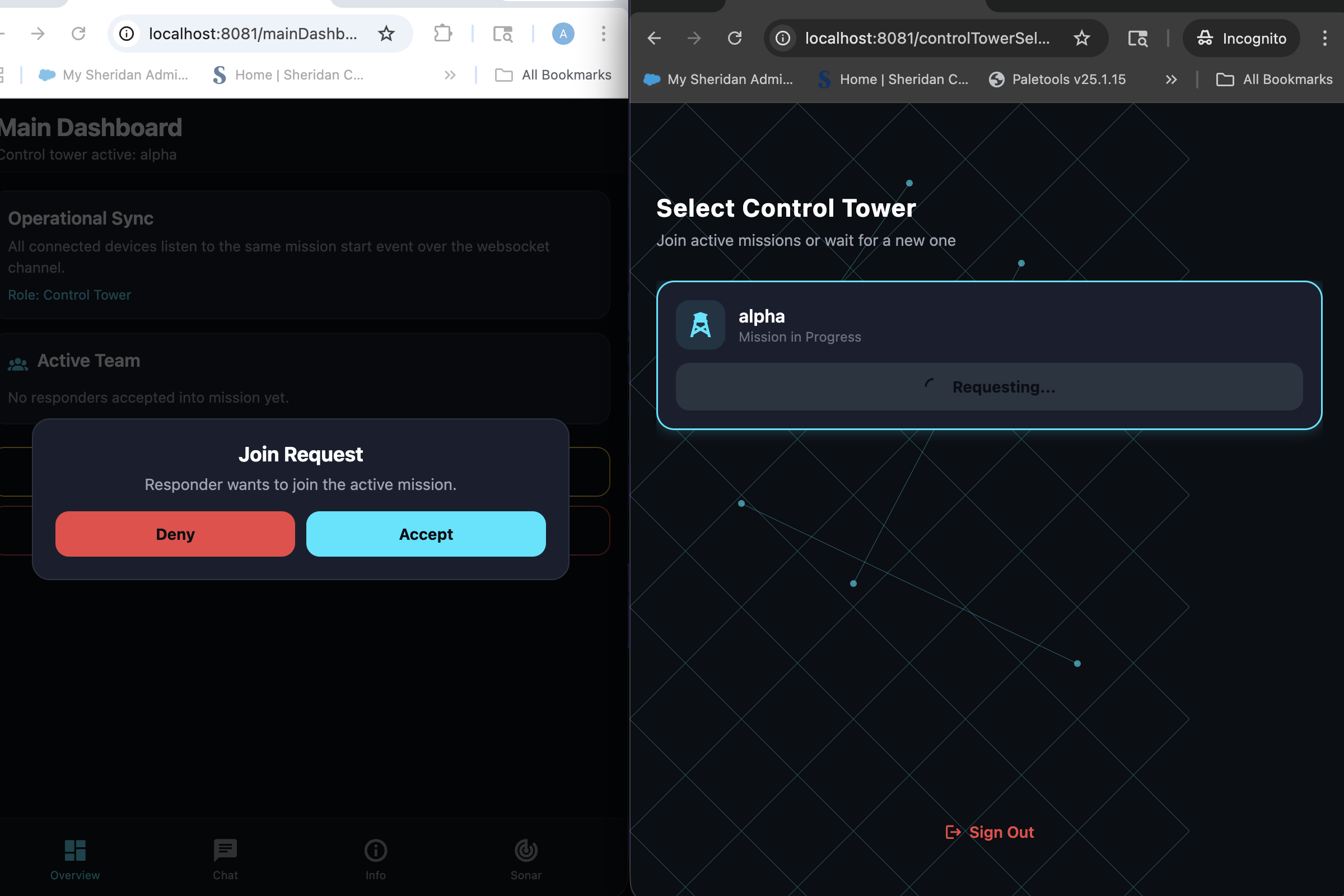
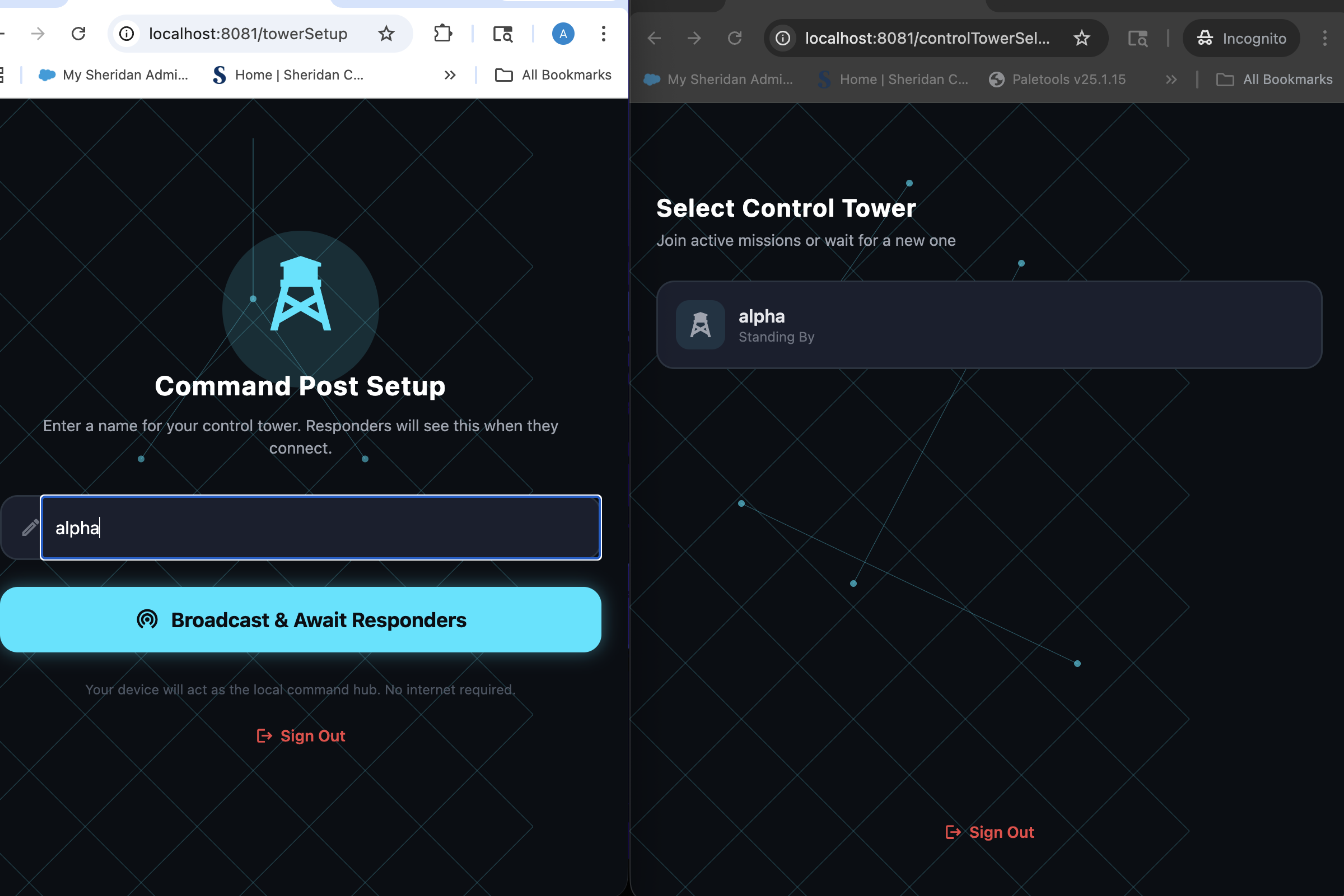
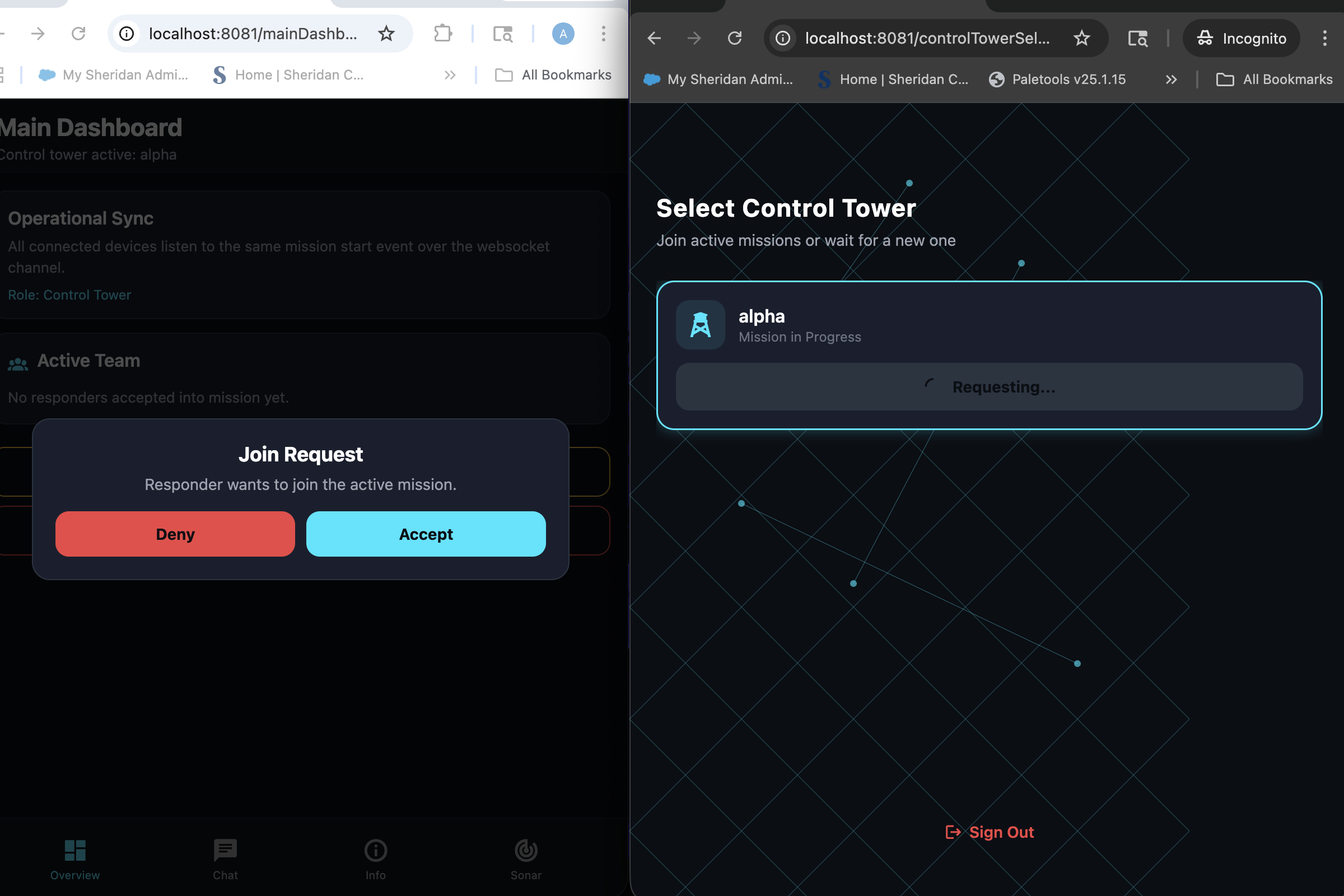
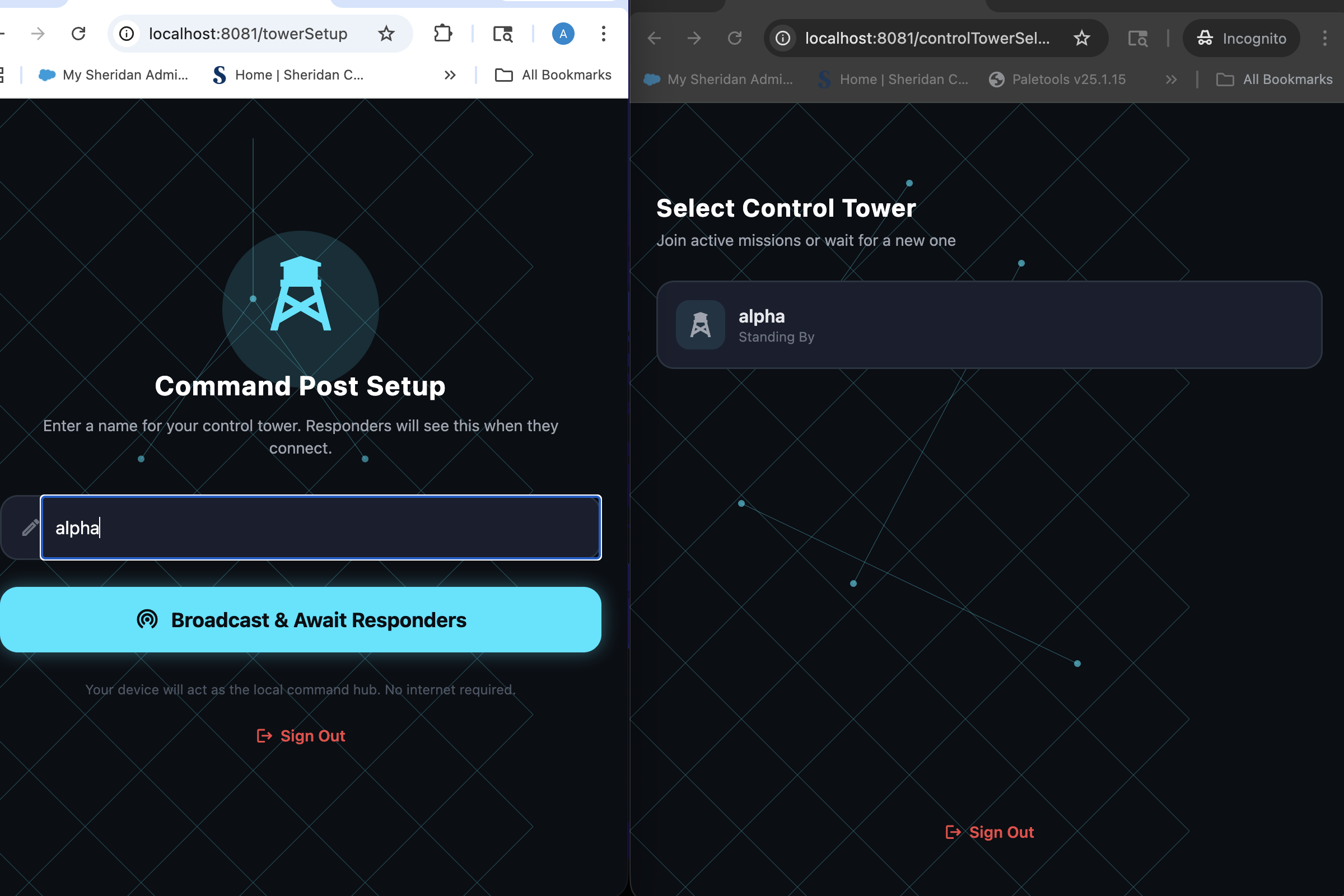
The mission workflow — the Master Node creates a mission and responders can discover and join it.
-
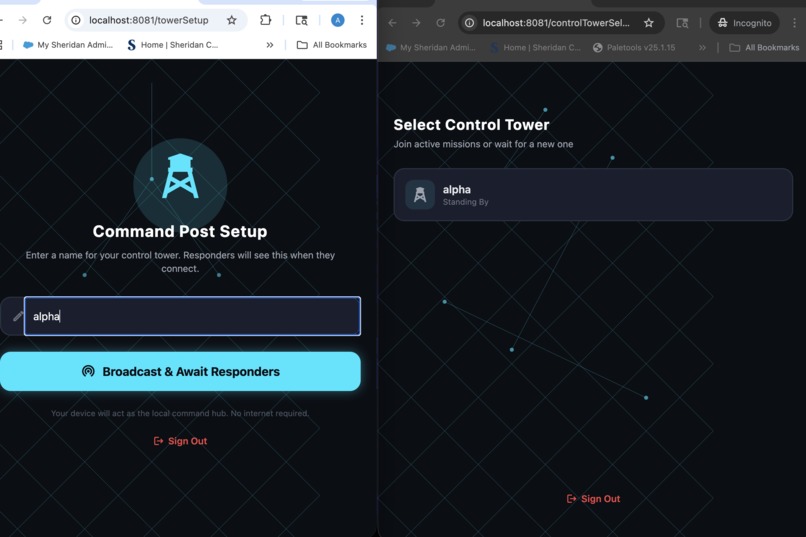
The different interfaces for the responder and the control tower — each purpose-built for their role.
-
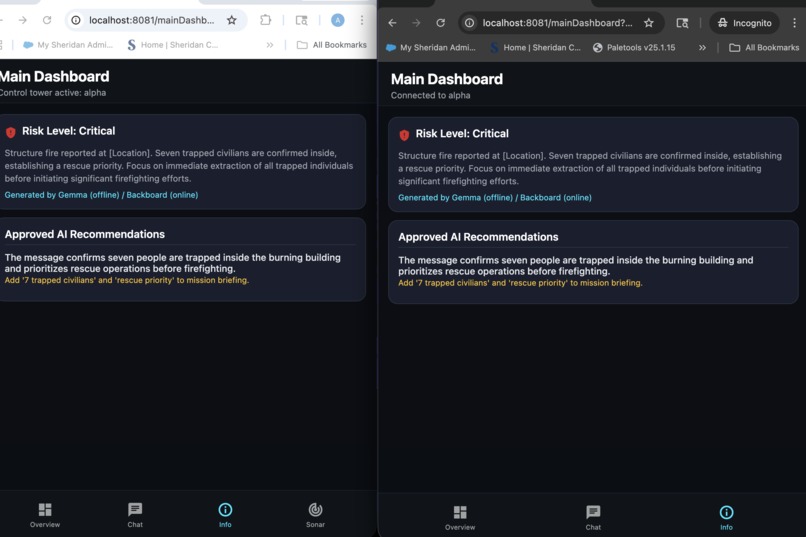
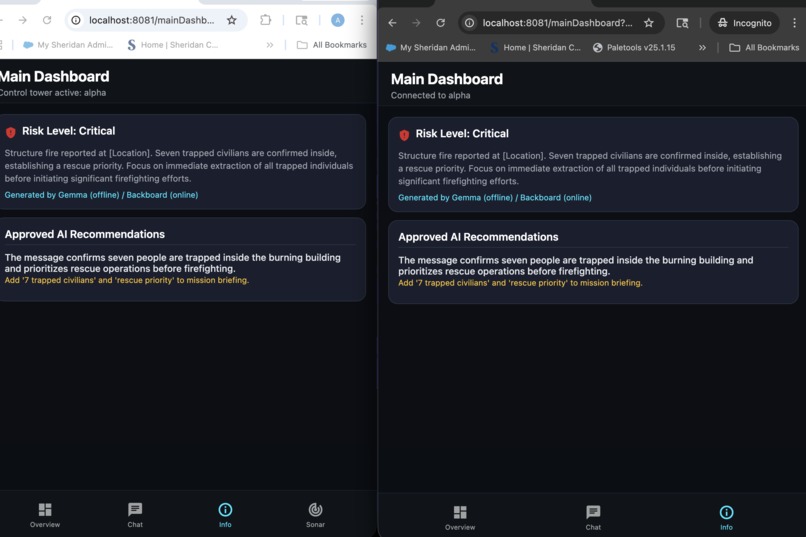
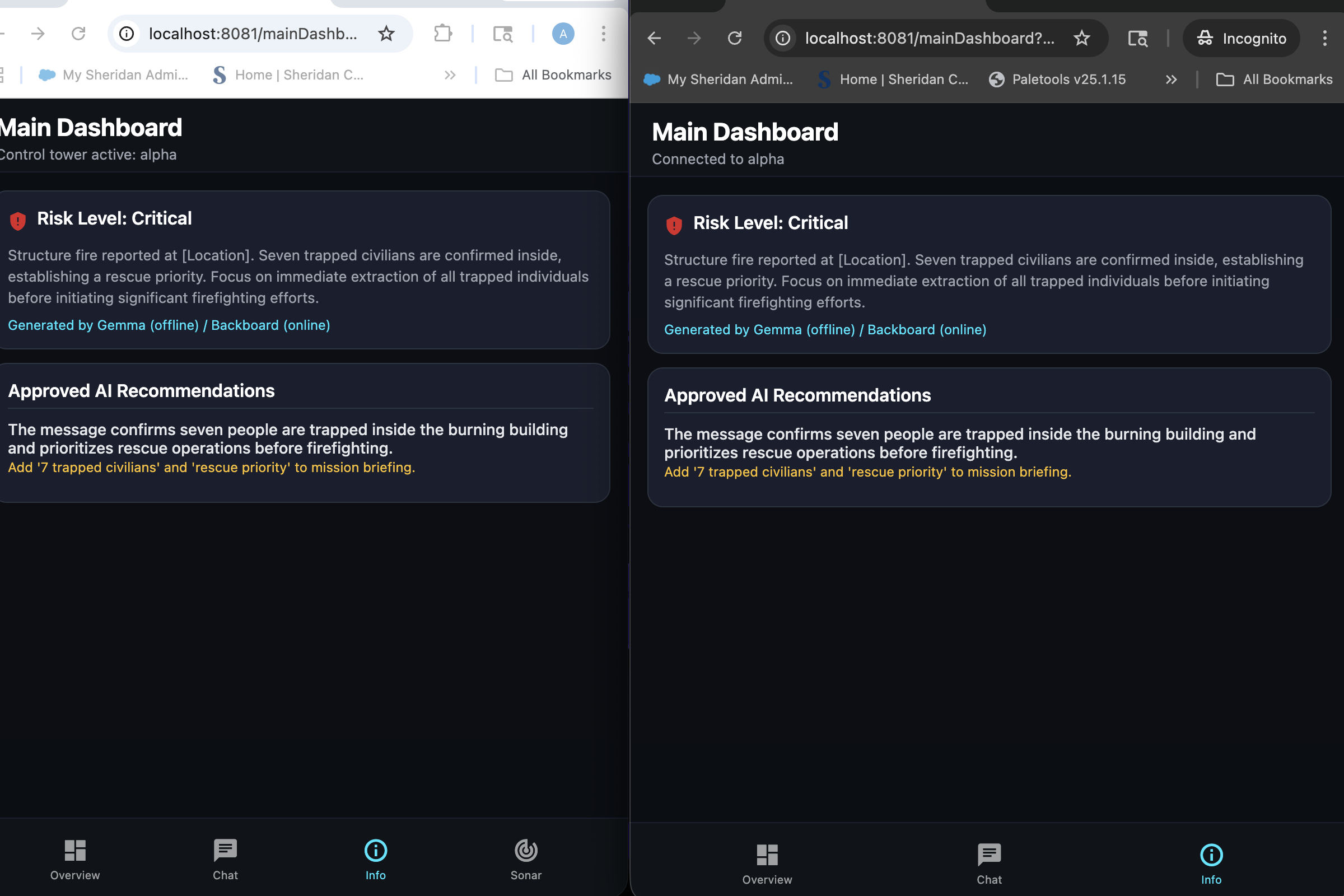
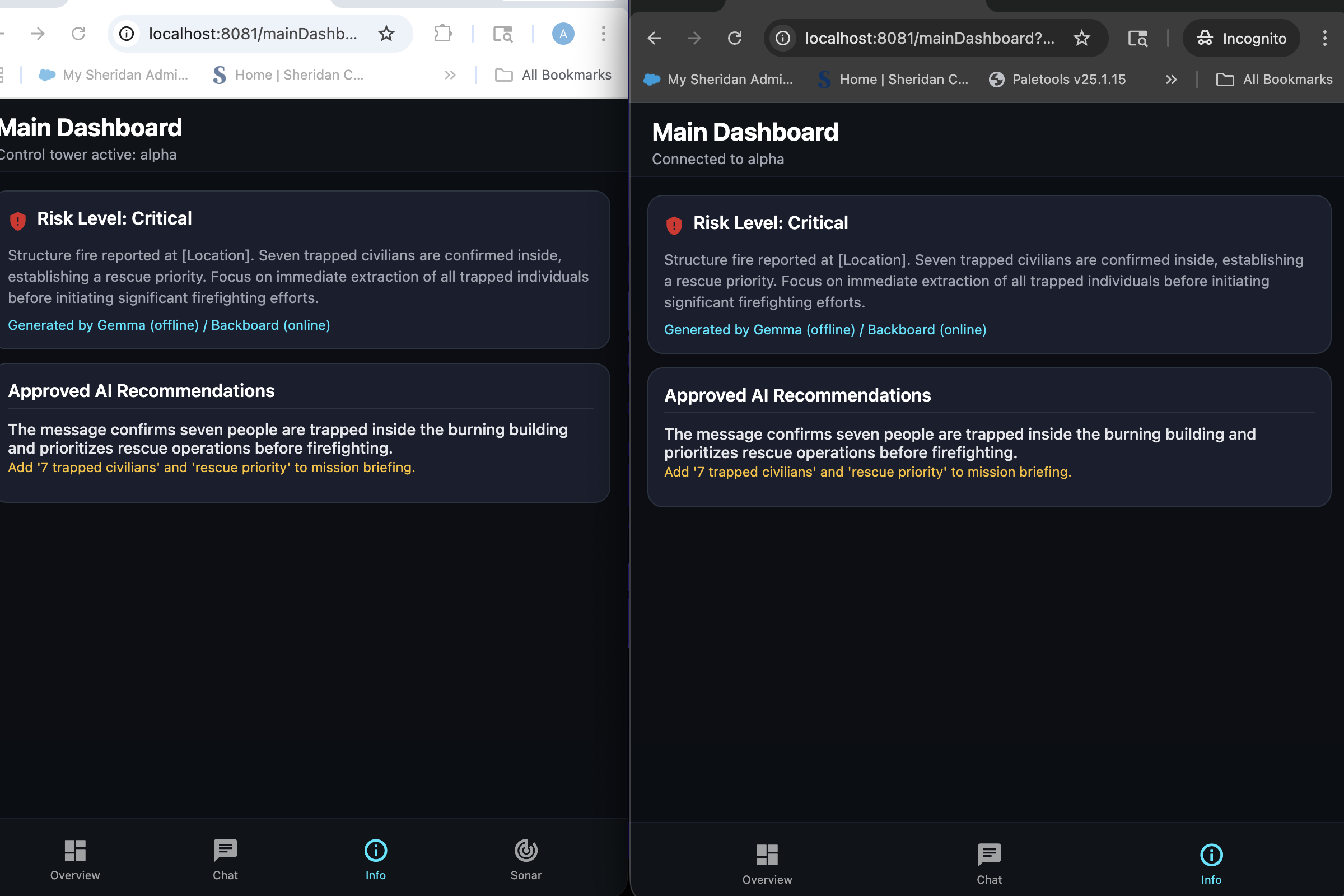
The Info tab — AI-generated mission metadata and a summary of past events to get new joiners up to speed instantly.
-
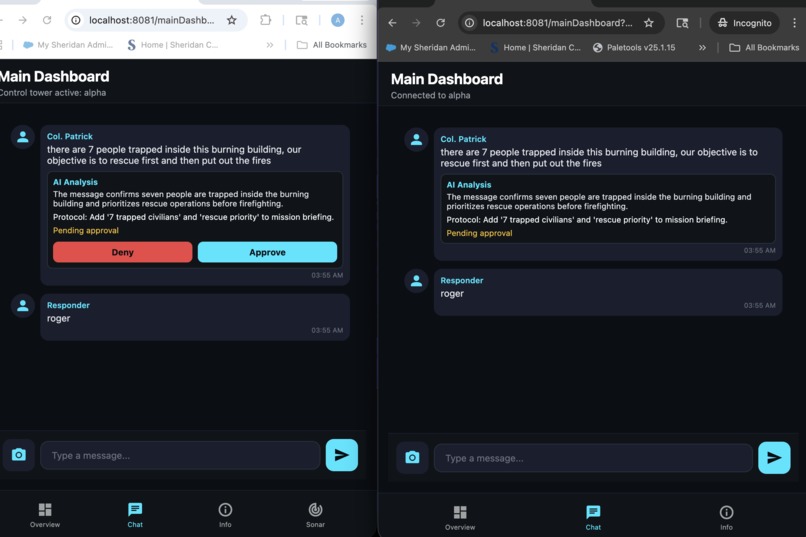
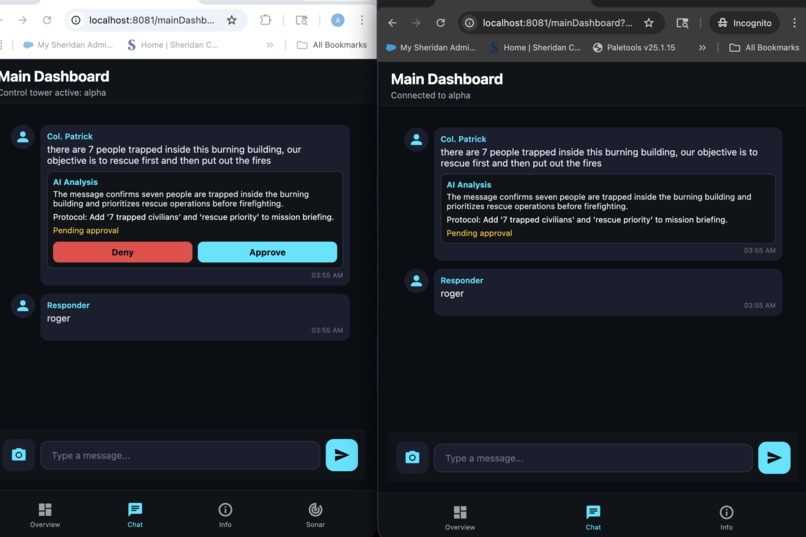
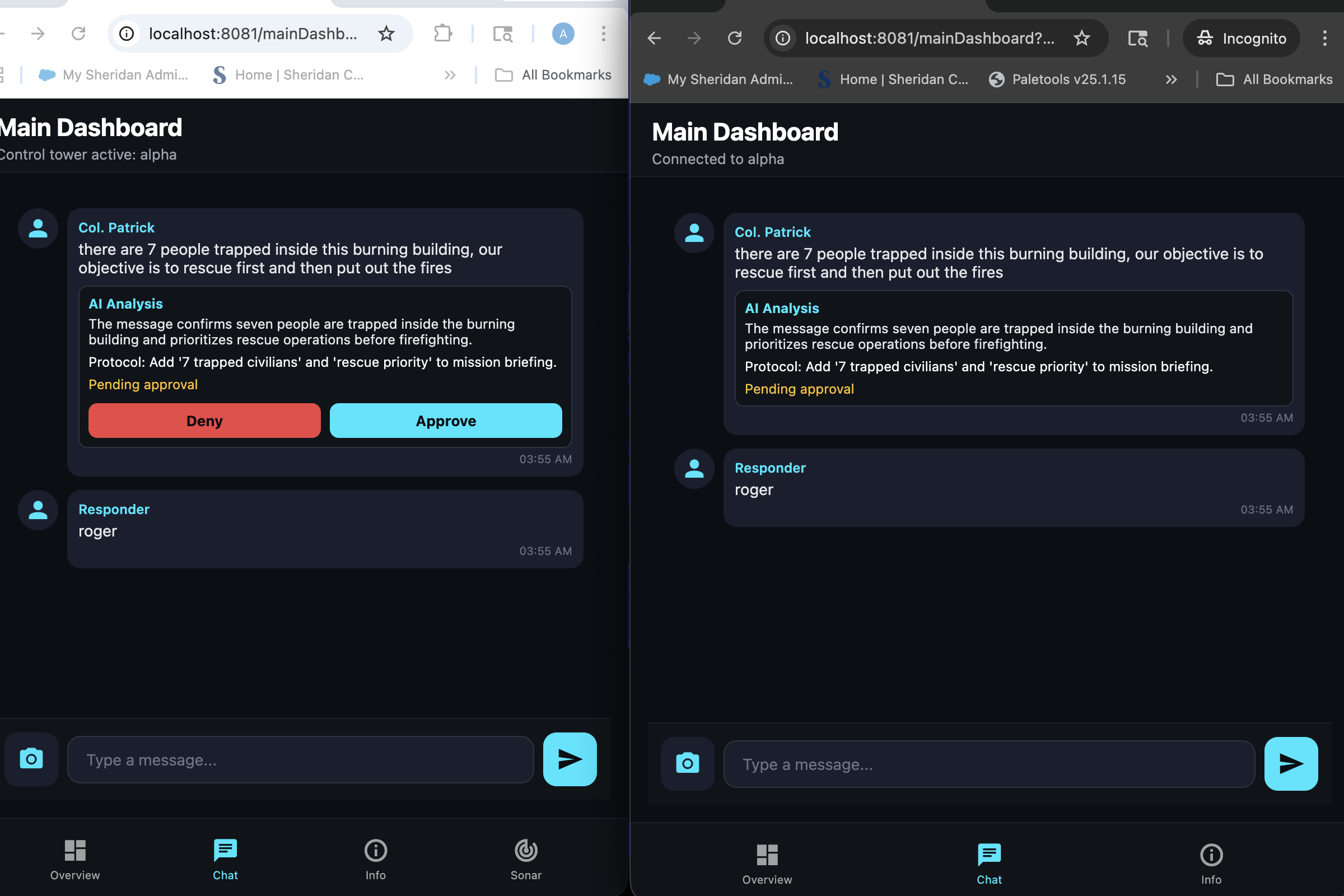
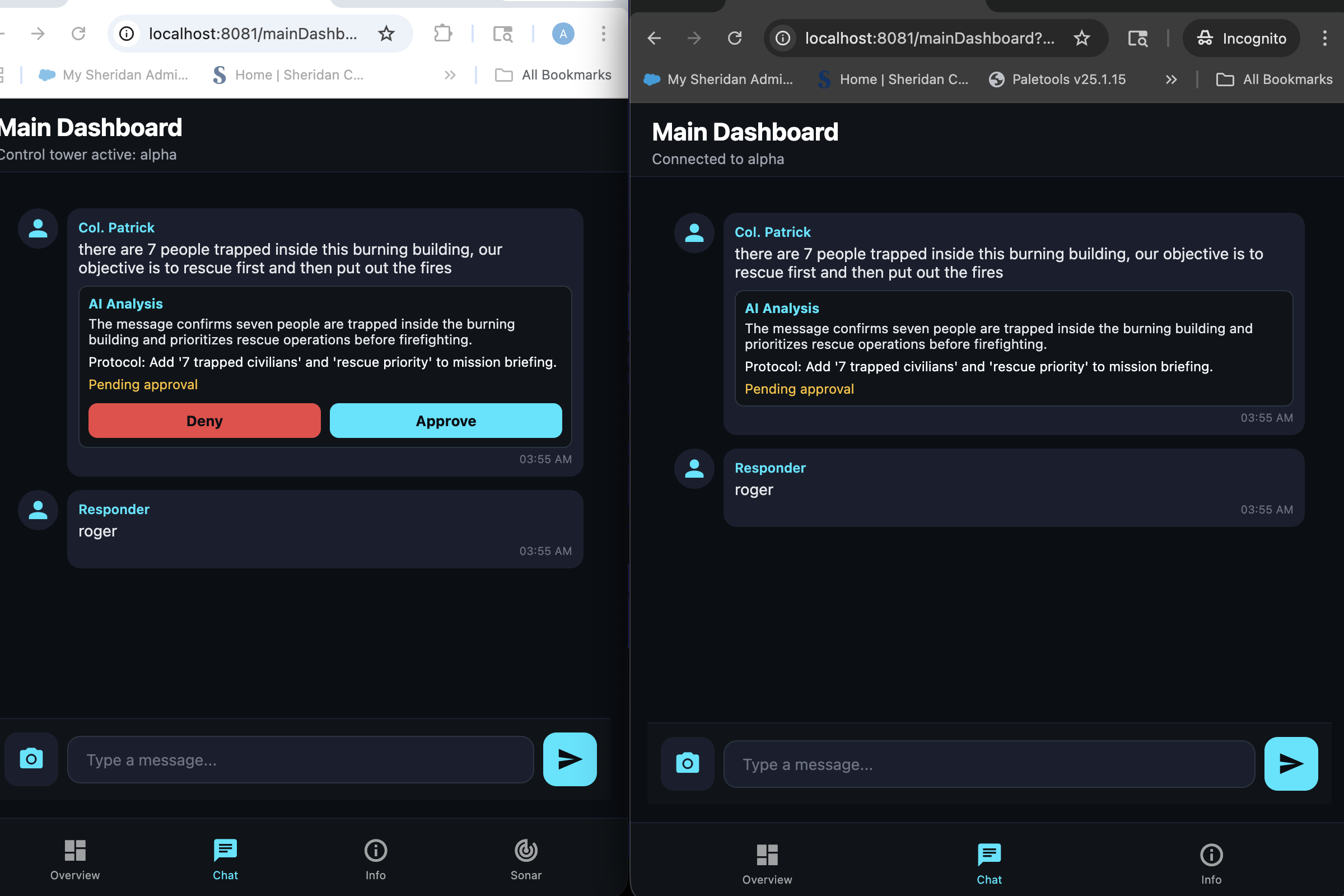
The request feature — the AI makes recommendations based on field messages, and the Master Node can approve or deny them.
-
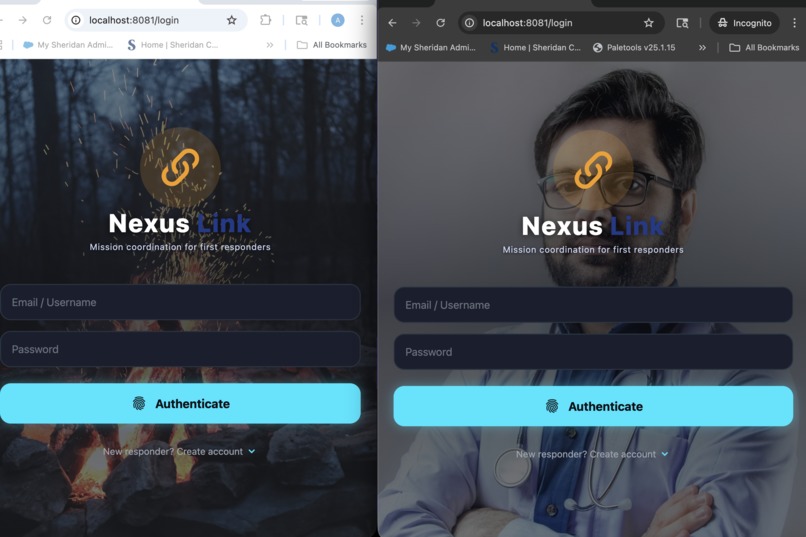
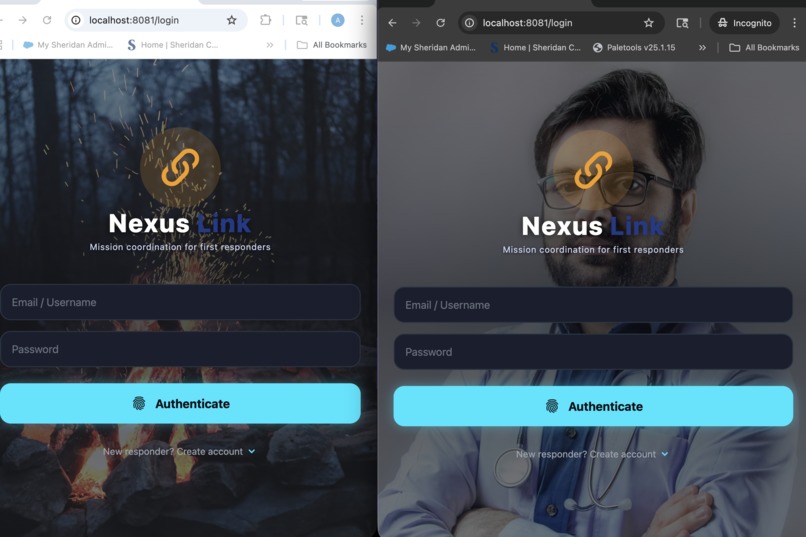
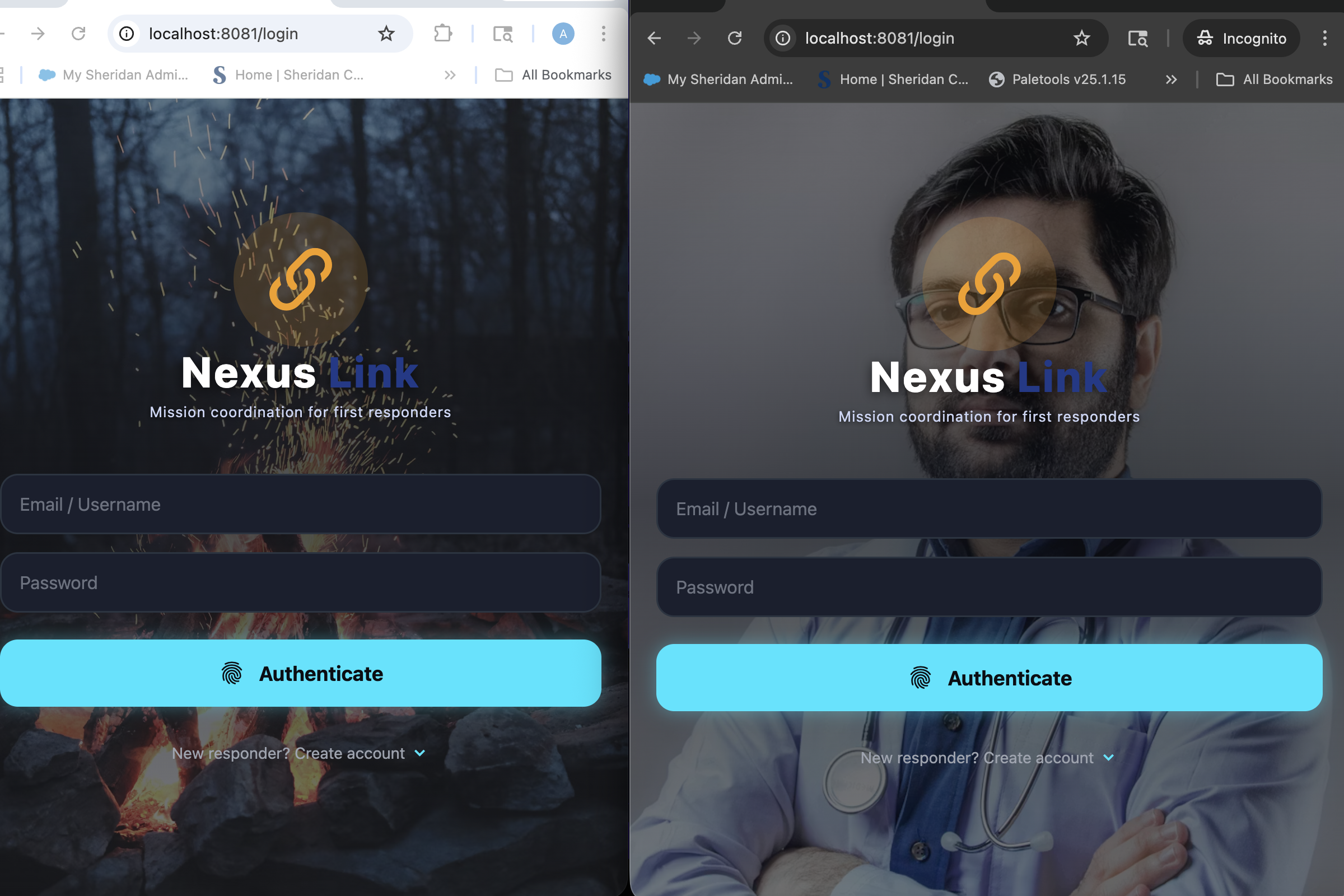
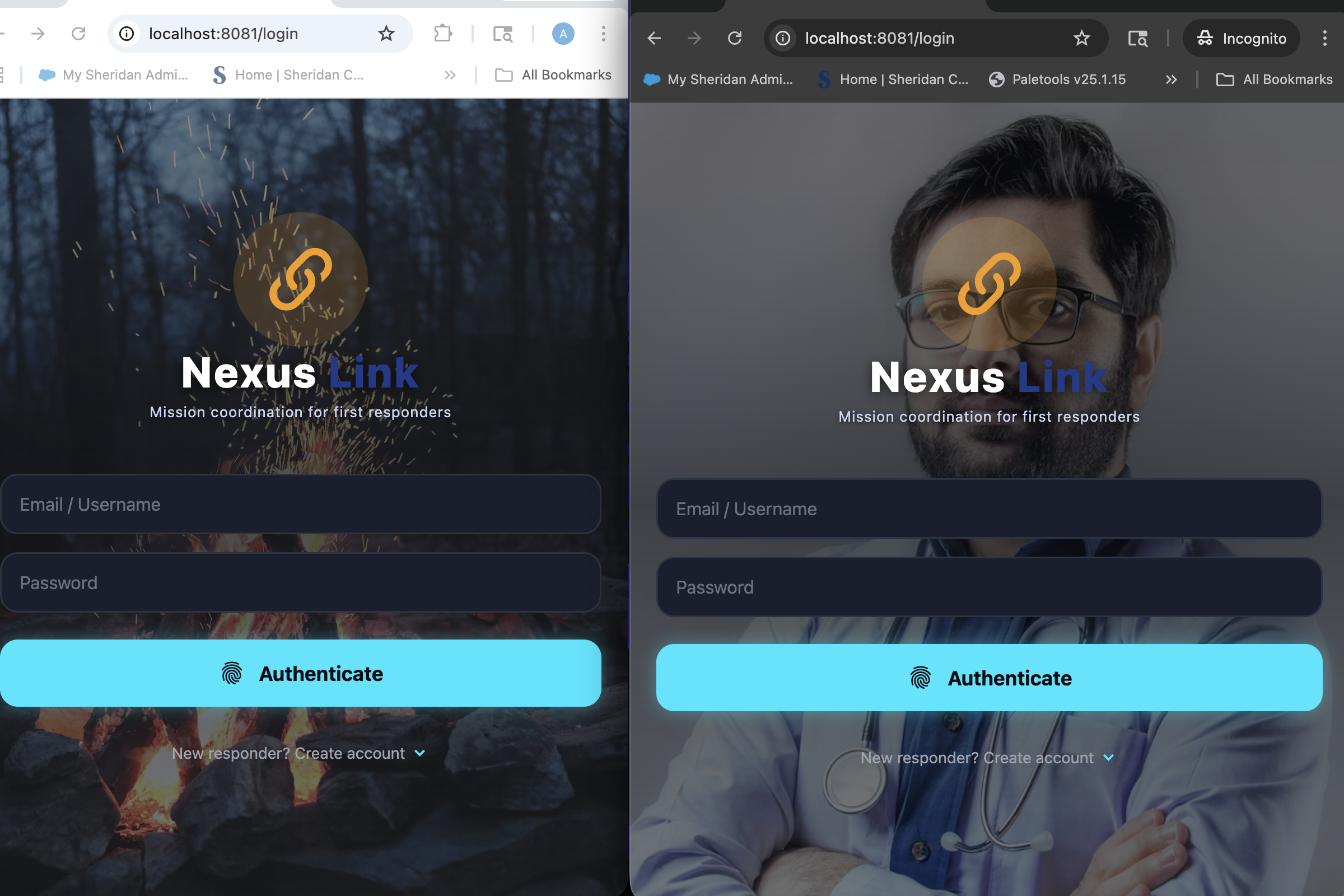
The login screeen
-
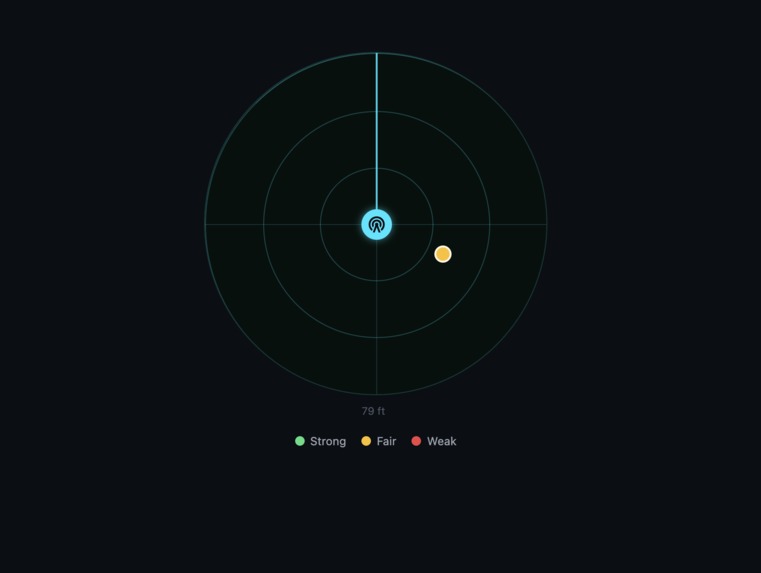
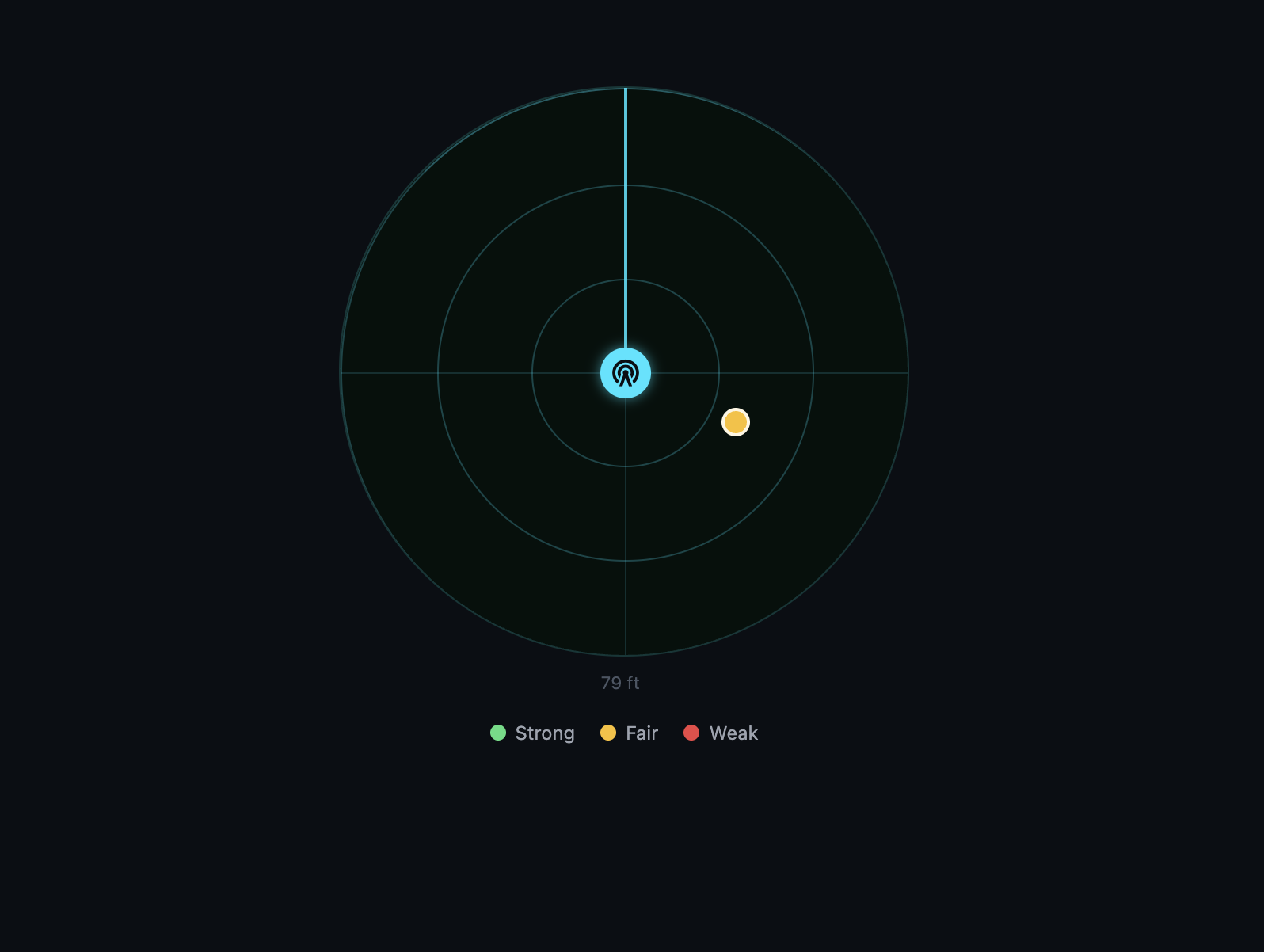
The radar that scans for devices
Inspiration
First responders are the backbone of our safety, yet they are often forced to work with outdated tools. I have seen firsthand how quickly a small kitchen fire can escalate into a tragedy when communication breaks down or when responders lack the data they need to act effectively. It is a dangerous "norm" that, in 2026, we still send emergency personnel into high-stakes environments relying on analog walkie-talkies that cannot transmit photos, maps, or vital intelligence. For BearHacks 2026, we decided to break that norm by creating NexusLink—a platform that ensures no responder is ever truly disconnected, even when the grid fails.
What it does
NexusLink is a resilient communication ecosystem designed to function in "data dark" zones. By turning every smartphone into a node in a decentralized network, we allow for the transmission of text, imagery, and AI-vetted protocols without the need for a central cell tower or Wi-Fi router.
How we built it
We utilized a high-performance stack to ensure the app is both tactical and intelligent:
The Mesh: We integrated the Bridgefy SDK within a React Native environment to facilitate peer-to-peer communication. Messages "hop" across devices using Bluetooth and Wi-Fi Direct, allowing data to travel through a squad even if only one person has a satellite or cellular link.
AI Orchestration: We leveraged the Backboard API as our central mission memory. It manages conversation threads and context, allowing for a "Knowledge Gateway" where one connected device can broadcast AI-vetted answers to the entire offline group.
Intelligent Senses: We utilized Google Cloud Vision API for instant hazard identification—allowing responders to snap photos of chemical labels and receive immediate safety data.
Audio Integration: To ensure responders keep their "eyes up and hands on," we used ElevenLabs to convert critical text alerts into clear, authoritative voice commands.
Local Intelligence: For situations with zero connectivity, we utilized Gemma 4 for local AI parsing of emergency manuals stored on the device.
The Backend: Supabase serves as our primary database for real-time synchronization and cloud logging once a device regains internet access.
Challenges we ran into
The development process was technically demanding. Handling asynchronous data synchronization across a shifting mesh network required complex logic to prevent message loss. My teammate fell ill at the beginning of the hackathon, which significantly increased the workload. I had to prioritize the core networking and AI features, which unfortunately meant i couldnt add as many cool features as i had initially hoped.
Accomplishments that we're proud of
We successfully demonstrated a multi-hop data transmission where a device in total Airplane Mode received a life-saving AI protocol from a gateway node. We transformed a standard smartphone into a ruggedized tactical tool, proving that software can bridge the gap where physical infrastructure fails. Most importantly, we are proud of the potential impact of this project; we believe that if implemented at scale, NexusLink will save countless lives by ensuring that the heroes who protect us are never left without a lifeline.
What we learned
We learned to think "outside the tower," mastering the art of low-level mesh networking with Bridgefy and discovering how to orchestrate high-level intelligence through the Backboard API on limited bandwidth. By overcoming the technical hurdles of P2P data synchronization and adapting to a reduced team size, we realized that "breaking the norm" means more than just writing code, it means doing something you would normally shy out of
What's next for Nexus Link
Because of the 24-hour time constraints, we have only scratched the surface of what this platform can achieve. Our immediate roadmap includes integrating smartwatches into the ecosystem to monitor each responder's vital signs in real-time, allowing command to detect exhaustion or distress automatically, and a lot of other cool features. NexusLink is built to evolve; if you stare and wait too long, it could grow into a monster.
Built With
- backboard-api
- bridgefy
- elevenlabs
- expo.io
- gemma
- google-cloud-vision-api
- javascript
- node.js
- ollama
- react-native
- supabase
- typescript
- websockets


Log in or sign up for Devpost to join the conversation.