-
-

NEXUS
-
HACKATHON
-
AI

the story of Project: The Architecture of Empathy.
As a Human Interaction Specialist, I treat relationships not as random occurrences, but as intricate systems that can be designed, nurtured, and optimized. Here is the breakdown of how I approached the "project" of deepening human connection.
Project: The Architecture of Empathy
1. What Inspired Me
I was inspired by the paradox of modern communication: we are hyper-connected digitally but suffering from an acute deficit of intimacy. I observed that the quantity of interactions ($Q$) was inversely proportional to the quality of connection ($C$).
$$ C \propto \frac{1}{Q} $$
I wanted to challenge this equation. I realized that most people operate on "autopilot" in their relationships, relying on scripts ("How are you?" "Fine.") rather than genuine inquiry. My inspiration was to build a framework that forces us off the script and into the soul.
2. What I Learned
Through this process, I learned that trust is not a static state; it is a cumulative function of vulnerability over time.
If $V$ is vulnerability and $R$ is responsiveness, the Trust ($T$) built between two people is the integral of their interactions from the moment they meet ($t_0$) to the present ($t$):
$$ T = \int_{t_0}^{t} (V(x) \cdot R(x)) \, dx $$
Key Insight: If Vulnerability ($V$) is high but Responsiveness ($R$) is zero (ignoring someone's feelings), the total trust remains stagnant. Both variables must be present. I learned that simply asking deep questions isn't enough; one must create a "container" safe enough to hold the answers.
3. How I Built the Project
I built this project by deconstructing the standard conversational flow and inserting Connection Catalysts at critical junctures.
Phase I: The Foundation (Active Presence)
Before speaking, I implemented a protocol of "Radical Presence." This involves removing distractions and treating the other person as the sole protagonist of the current moment.
Phase II: The Collaborative Exercise
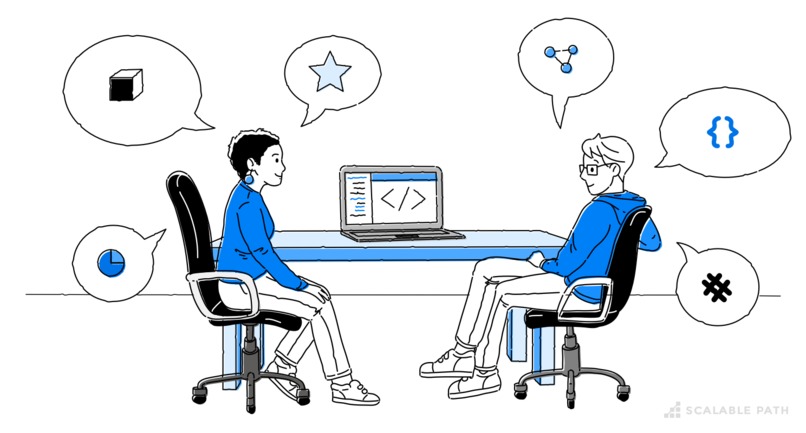
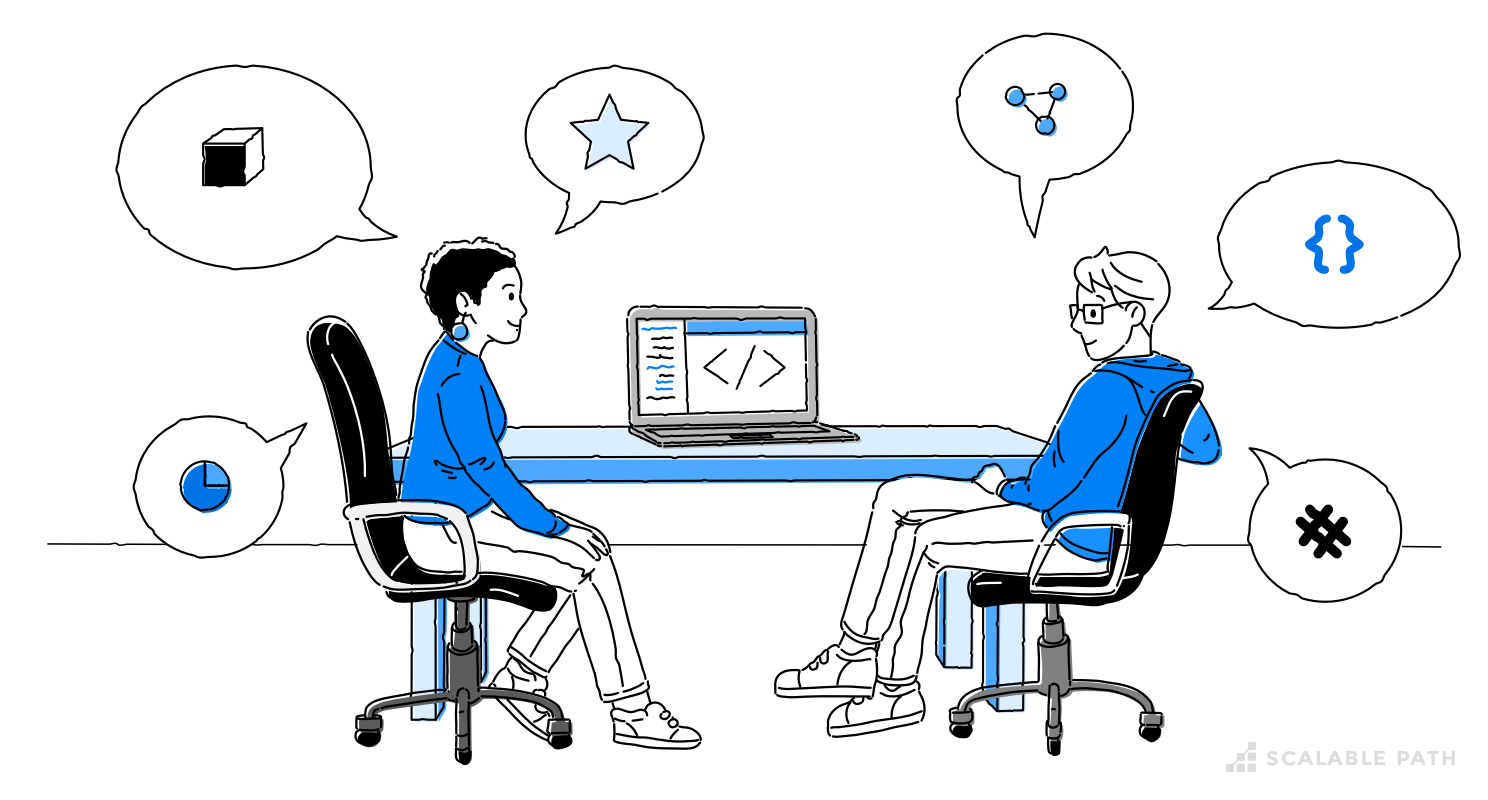
I designed a mechanism called "The Third Entity." In any relationship, there is You, Me, and the Relationship (the Third Entity).
- The Exercise: I ask partners to sit facing each other and visualize the relationship as a physical object sitting between them. They then describe its current shape, weight, and texture. This externalizes conflicts and allows for collaborative problem-solving.
Phase III: The Code (The Questions)
I developed a library of questions designed to bypass the ego and access the emotional core.
- Instead of: "What do you do?"
- I implemented: "What is a problem in the world you would love to solve?"
- Instead of: "How was your day?"
- I implemented: "When did you feel most like yourself today?"
4. The Challenges I Faced
The biggest challenge was The Signal-to-Noise Ratio.
In human interaction, "Noise" ($N$) comes in the form of projection, past trauma, and defensiveness. The "Signal" ($S$) is the true intent of the speaker.
$$ \text{Perceived Message} = \frac{S}{N} $$
When $N$ is high (e.g., during an argument), the Perceived Message is distorted, regardless of how clear the Signal is.
- The Bug: I initially found that offering advice too quickly increased the Noise. People felt unheard.
- The Fix: I implemented a "Validation Patch." Before offering a solution, one must repeat back the emotional content of what was heard ("It sounds like you felt betrayed when..."). This lowers $N$ and clarifies the signal.
⚡ Today's Connection Catalyst
To help you start your own project of connection, try this question with someone close to you today:
"If we were to write a chapter of our relationship story titled 'The Turning Point,' what memory would we write about, and why?"
Built With
- css
- geminiapi
- python
- typescript

Log in or sign up for Devpost to join the conversation.