-
-
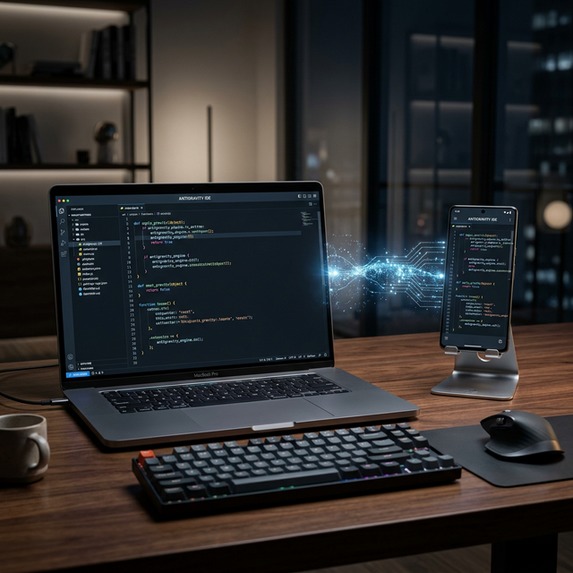
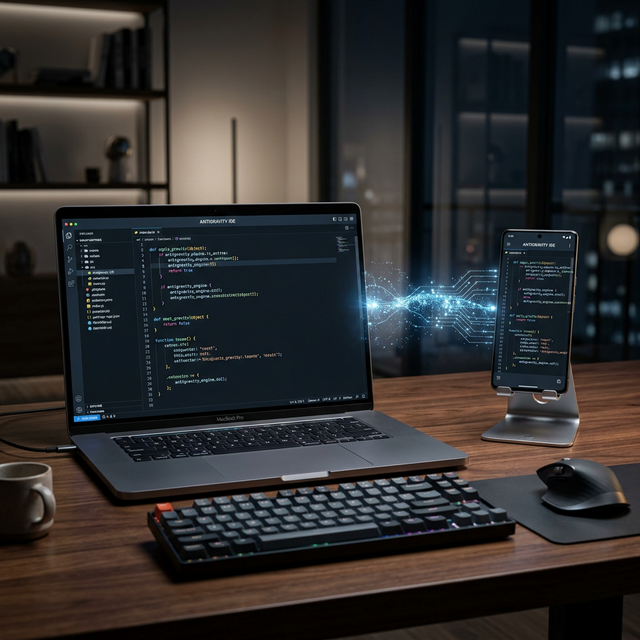
synchronization between the Antigravity IDE and the mobile viewport.
-
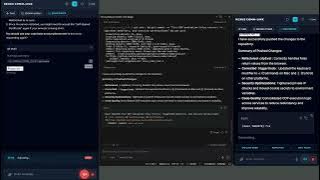
live sync voice on left. Antigravity ide sync with mirror on right
-
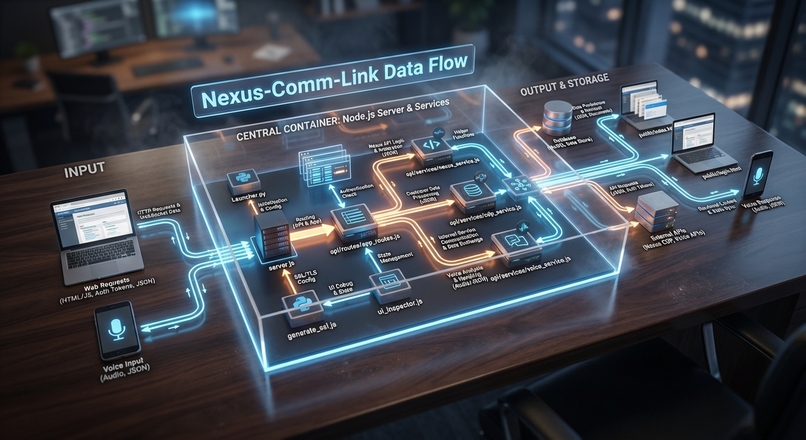
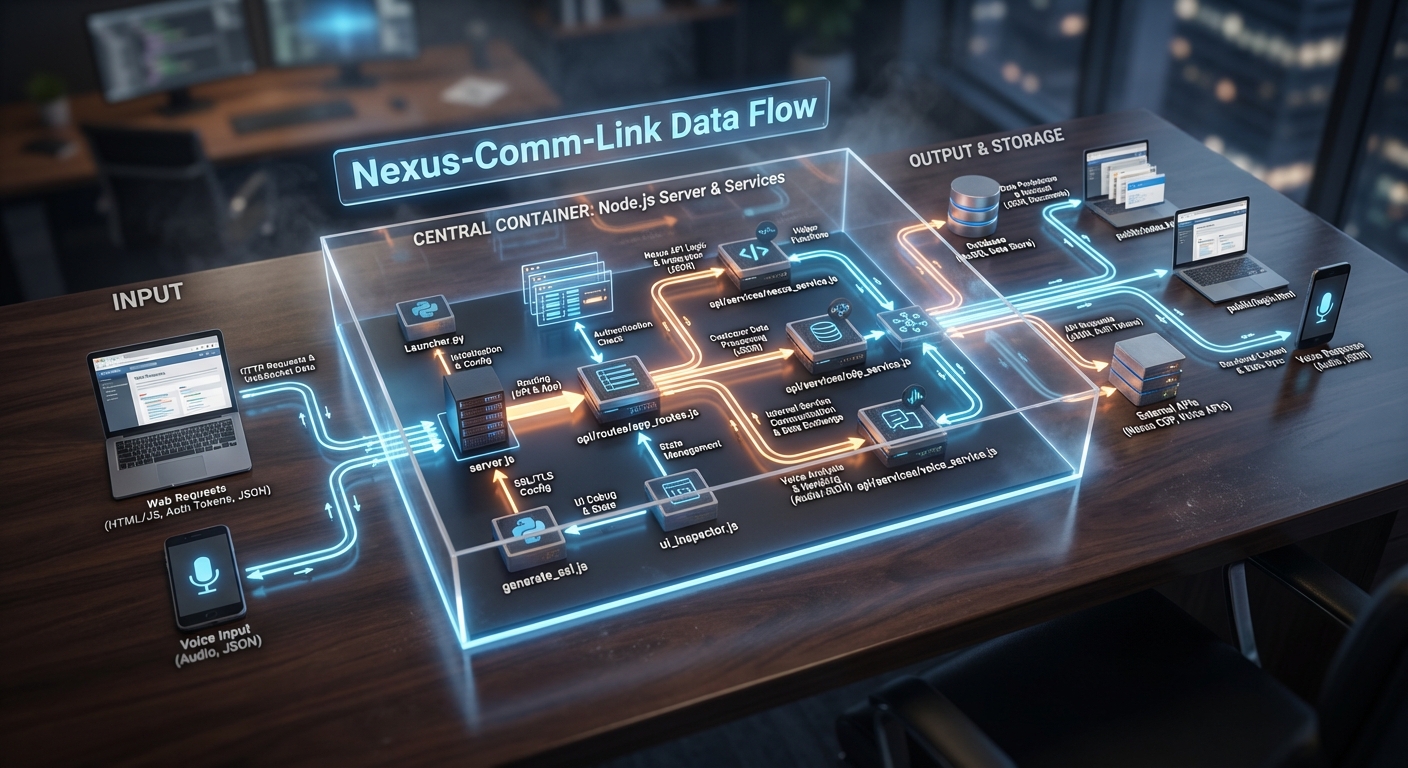
Nexus-Comm-Link Data Flow
-
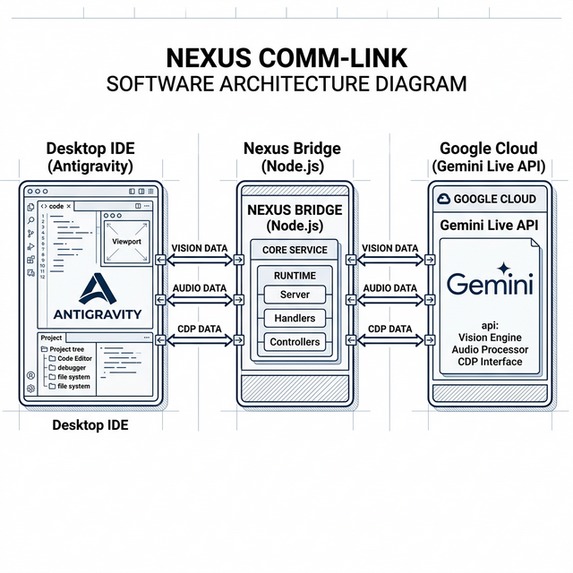
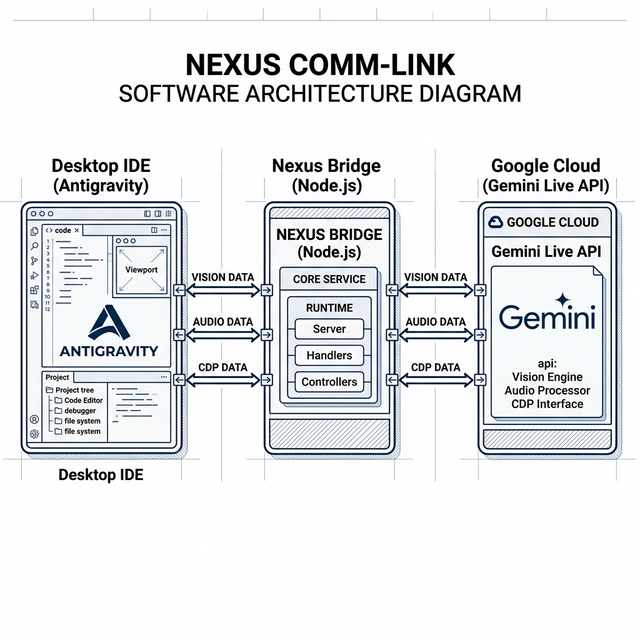
Nexus Comm-Link Software Architecture Diagram
Inspiration
Modern AI-driven development has a paradox: as our codebases grow, we become more "tethered" to our desks, waiting for complex generations, builds, and test cycles to complete. I wanted to break that physical constraint without losing situational awareness. Nexus Comm-Link was born from the idea that your IDE should be a seamless digital twin, a workspace that follows you, thinks with you, and acts for you, anywhere in your home or office.
What it does
Nexus Comm-Link creates a low-latency "neural bridge" between the Antigravity IDE and a mobile device. Powered by the Gemini Multimodal Live API, it provides:
- High-Fidelity Mirroring: A 1:1 visual sync of your desktop workspace on mobile.
- Context Coupling: The agent "reads" the IDE’s internal thought-blocks and console state in real-time. This goes beyond simple pixels to understand the logic of the session.
- Conversational Teammate: Gemini proactively reports build errors and explains reasoning through bidirectional high-quality voice.
- Action Relay: Voice-to-Action tool calling allows users to apply fixes, trigger undos, and push code directly from mobile with sub-second latency.
How we built it
The stack is built for speed and technical depth:
- Backend: A Node.js server hosted on Google Cloud Run, acting as a high-speed WebSocket proxy.
- Context Intake: Deep integration with the Chrome DevTools Protocol (CDP) to traverse execution contexts and mirror the DOM without impacting desktop performance.
- AI Engine: Unified integration of the Gemini 2.0 Multimodal Live API on Vertex AI handling interleaved vision and audio streams.
- Tooling: A custom Python-based Tactical Hub for automated environment linking across macOS, Windows, and Linux.
Challenges we ran into
The biggest hurdle was latency synchronization. Mirroring a complex IDE's DOM while maintaining a 1 FPS vision stream and high-quality bidirectional audio required aggressive optimization of the WebSocket bridge. Additionally, mapping natural language "intent" to physical browser events through the Chrome DevTools Protocol required building a robust context-traversal engine that could handle the brittle nature of dynamic IDE components.
Accomplishments that we're proud of
I’m most proud of the Action Relay. There’s a certain magic in seeing a voice command like "Apply those changes" turn into a physical click and a code push on a machine in another room with almost zero delay. Achieving grounding by letting Gemini "read" the assistant's hidden internal thoughts via the DOM mirror was also a major technical win that significantly reduced hallucinations.
What we learned
This project was a deep dive into the intersection of systems engineering and multimodal AI. I learned how to leverage low-level browser protocols (CDP) as a source of truth for LLM grounding. I also discovered how much "agentic" potential is unlocked when you move AI out of the chat box and into a live, bidirectional audio-visual stream.
What's next for Nexus Comm-Link
The next step is Multi-User Context Linking, allowing multiple developers on different devices to inhabit the same "neural bridge" for collaborative, voice-driven pair programming. I also plan to implement Predictive Action Sequences, where Gemini can anticipate the next step in a developer's workflow and prepare the IDE state before they even ask.
Built With
- cdp
- chrome
- css3
- dotenv
- express.js
- gcr
- gemini
- google-cloud-build
- html5
- javascript
- node-forge
- pyngrok
- python
- vertex-ai
- websockets


Log in or sign up for Devpost to join the conversation.