-
-
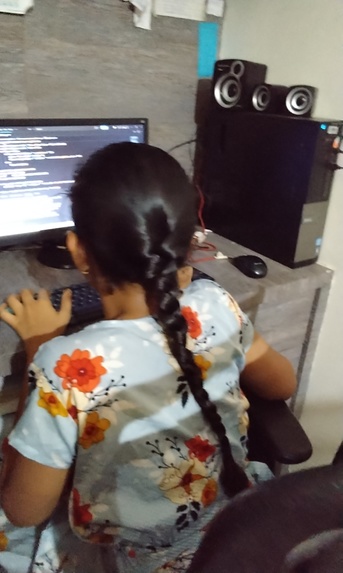
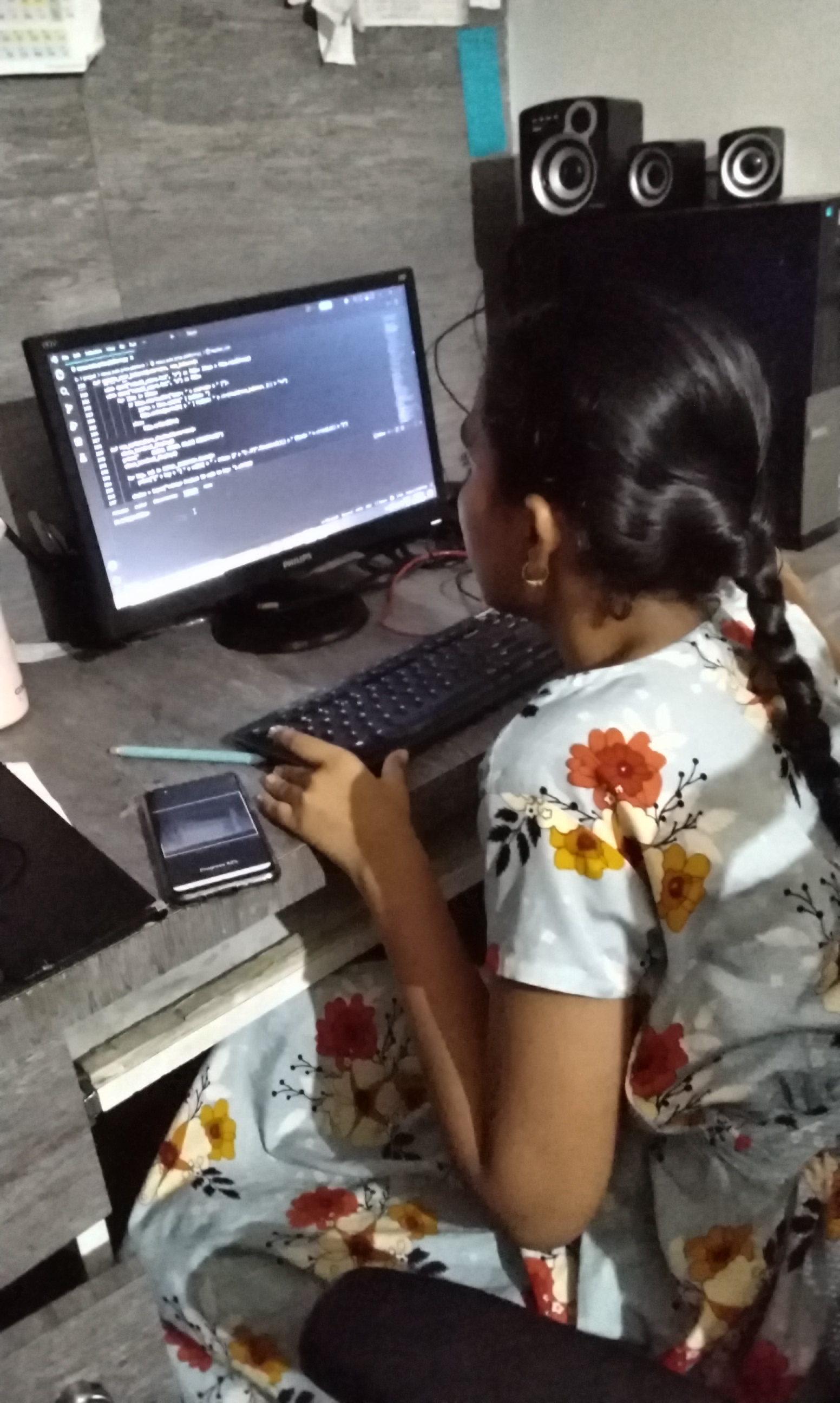
Write coding
-
Error
-
Executing
Inspiration
We wanted to create a solution that tackles the issue of data privacy in consumer tech. Most valuation tools require constant internet access, tracking user searches and logging personal data on external servers. We were inspired to build a highly secure environment where users can evaluate vehicle asset values privately, without any digital footprint or reliance on cloud APIs.
What it does
The platform serves as an offline valuation system for automobiles. Users input key vehicle metrics such as manufacturing year, mileage, brand, and condition. The application instantly runs these data points through strict input validation loops and evaluates the dynamic market value using precise localized algorithms, delivering a realistic asset depreciation report instantly.
How we built it
We engineered this platform from the ground up using pure Python. To honor our privacy-first philosophy, we purposely avoided heavy external frameworks or third-party web dependencies. We relied strictly on standard built-in libraries to handle the local application logic, local data structures, math functions, and terminal-based user choice flows.
Challenges we ran into
Our main hurdle was building advanced software workflows completely offline. Without database packages or cloud servers, structuring secure multi-user verification and robust data flows required deep logical planning. We also faced massive issues with system-crashing inputs, forcing us to write comprehensive defensive error handling routines.
Accomplishments that we're proud of
We are proud of building a functional application entirely from scratch. We successfully engineered the core pricing logic, mastered offline software architectures, and proved that highly secure, data-driven platforms can run beautifully without web dependencies. This breakthrough laid the exact foundation for our entire suite of local tools.
What we learned
This project taught us the core fundamentals of defensive programming and clean data management. We learned how to handle complex validation cycles to stop bad data from crashing the application. Most importantly, we mastered the development lifecycle, transforming abstract math and logic into an interactive software product.
What's next for Nexus Auto Price Platform
We plan to transition this platform out of the terminal by building a modern graphical desktop window using. We also want to introduce local JSON caching to let users save search logs and track car pricing trends over time. Finally, we will train a predictive machine learning model to make the asset valuation even more accurate.


Log in or sign up for Devpost to join the conversation.