Inspiration
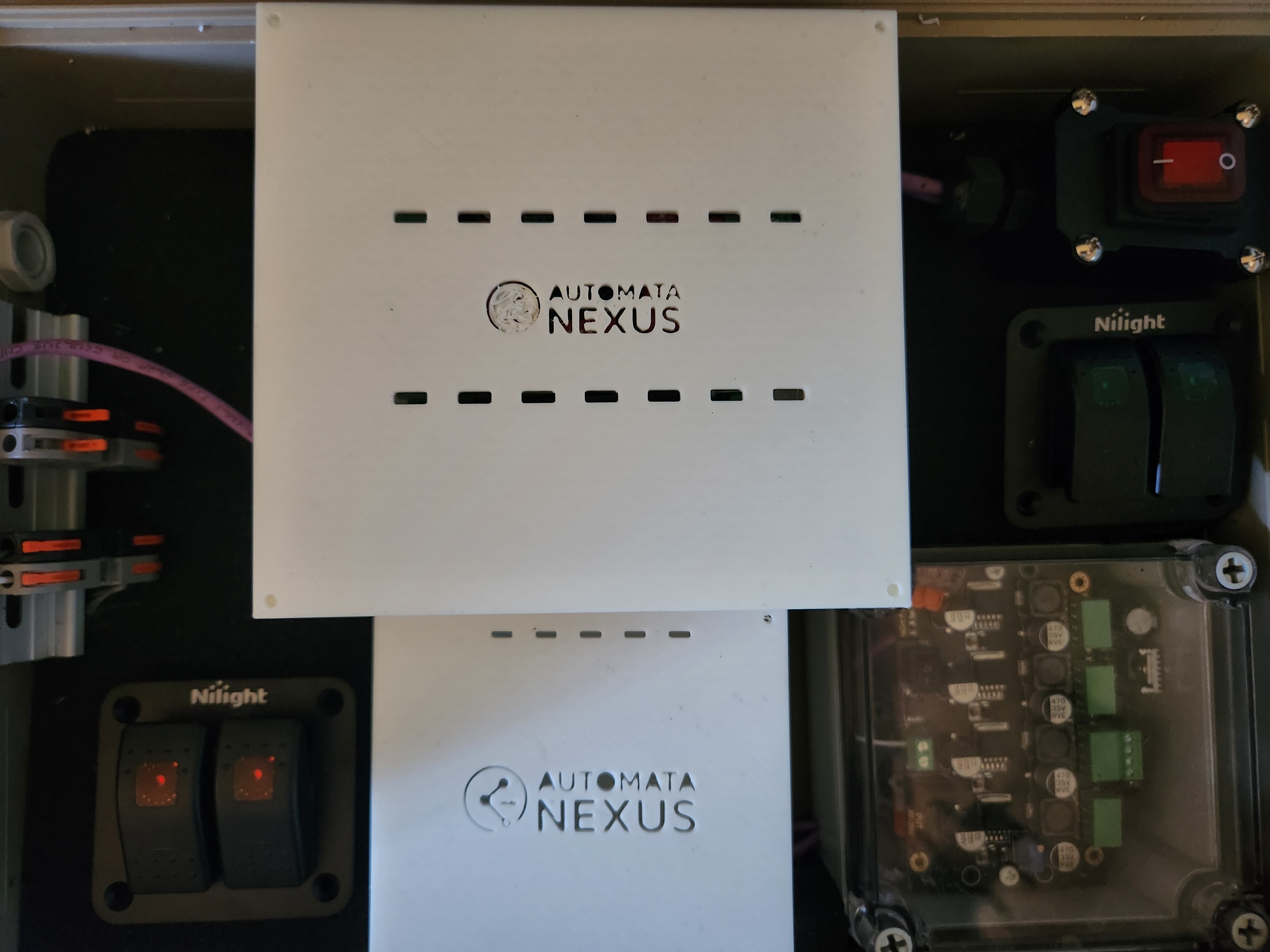
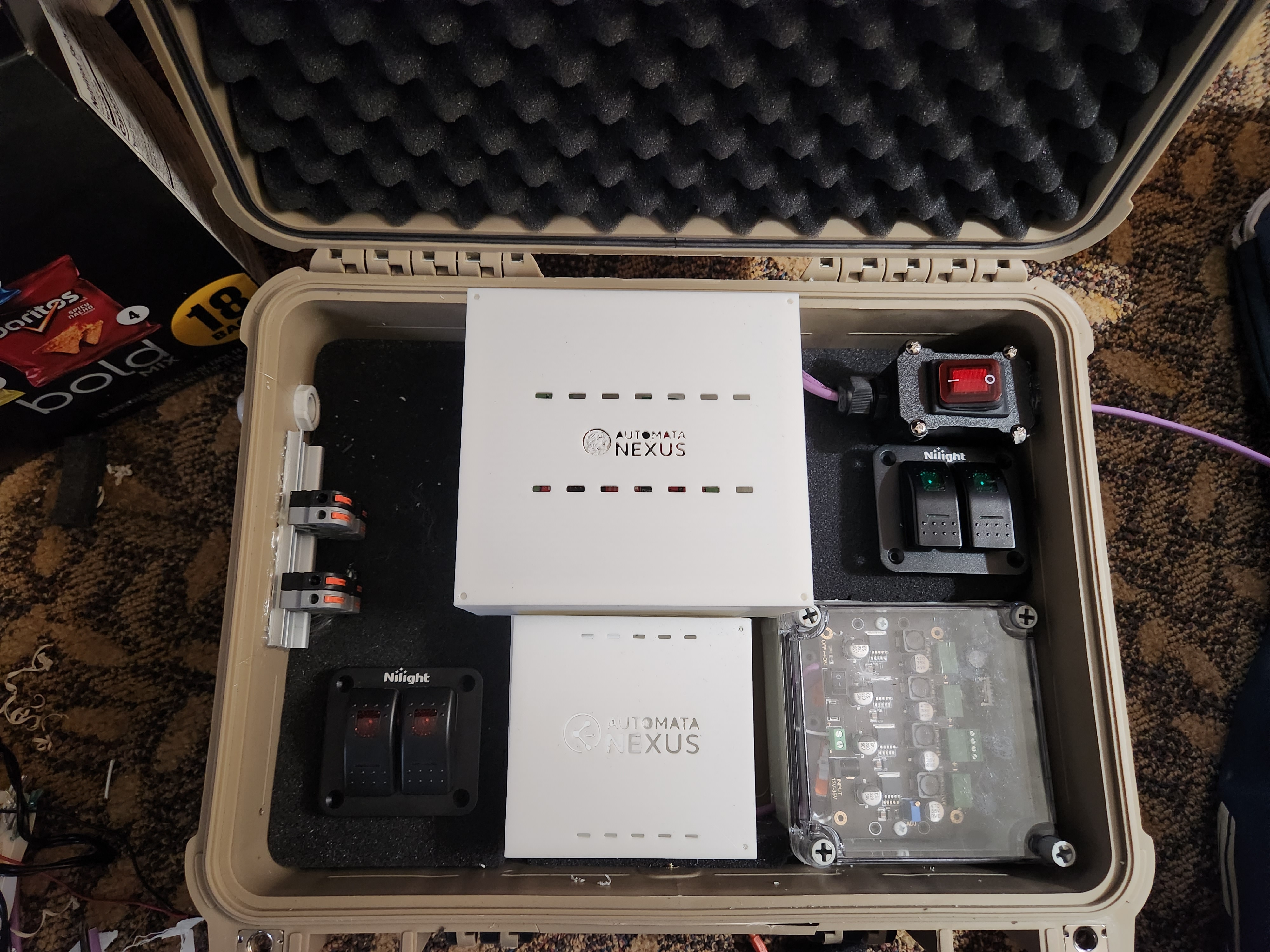
HVAC systems generate massive amounts of sensor data that contains patterns indicating potential failures. Traditional threshold-based monitoring misses complex multi-sensor correlations. TiDB's vector search capability offered a way to find similar fault patterns in historical data, enabling predictive maintenance.
What it does
Nexus Apollo is an HVAC monitoring and diagnostic system that:
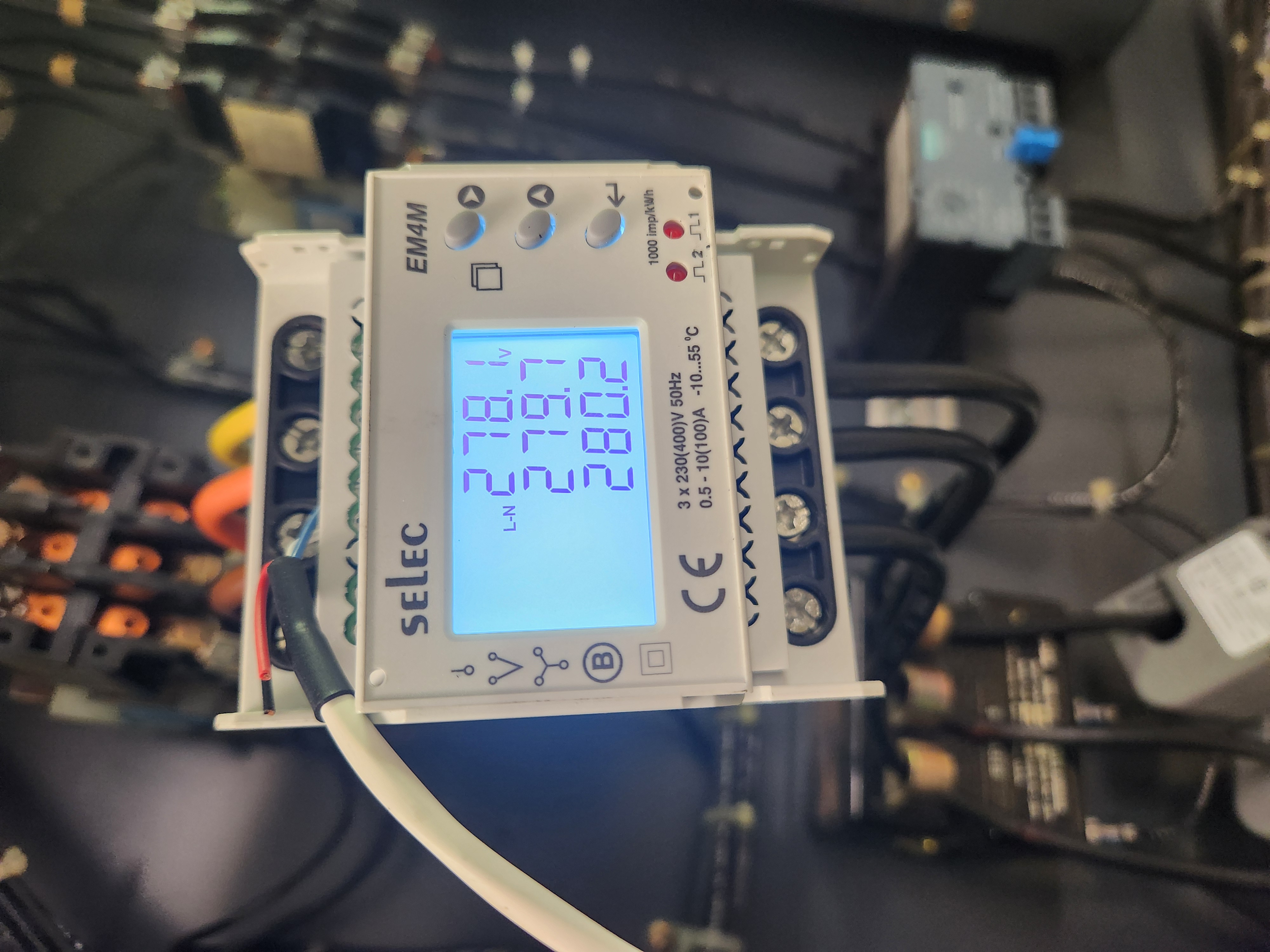
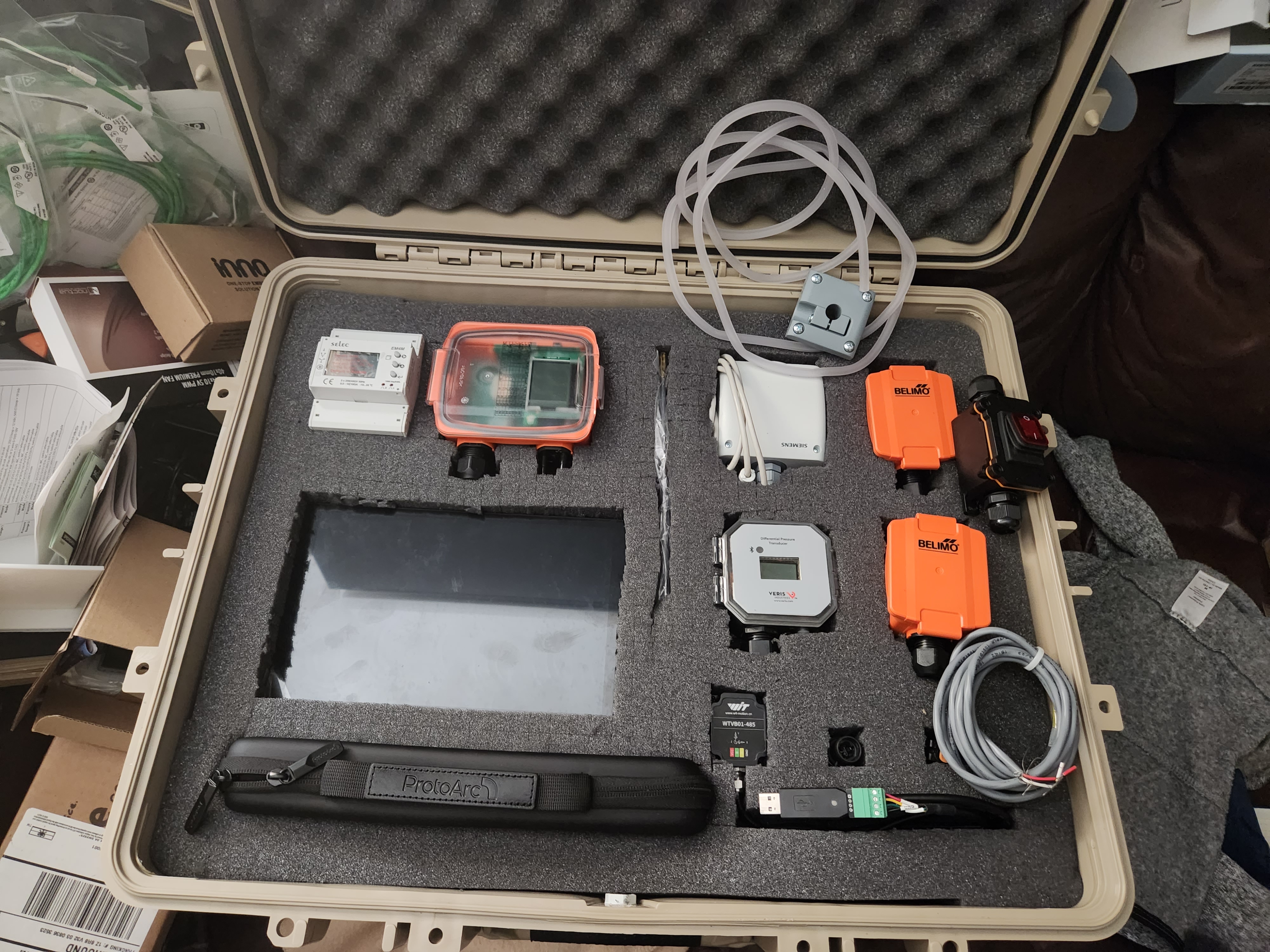
- Collects real-time sensor data (temperature, pressure, humidity, electrical) from HVAC equipment
- Converts sensor readings into vector embeddings stored in TiDB Cloud
- Uses vector similarity search to match current conditions against known fault patterns
- Runs 8 specialized AI models for different HVAC subsystems (electrical, refrigeration, airflow, etc.)
- Provides a web dashboard for monitoring and running diagnostic workflows
How we built it
- Backend: Node.js/Express API with PostgreSQL for customer/equipment data, SQLite for sensor readings, and TiDB Cloud for vector storage
- Frontend: Next.js 14 with TypeScript and shadcn/ui components
- Vector Search: TiDB Cloud storing 1536-dimensional embeddings with HNSW indexing
- AI Models: 8 ONNX models running inference for specialized fault detection
- Multi-Step Workflow:
- Collect sensor data
- Generate embeddings
- Search TiDB for similar patterns
- Run specialized AI models
- Aggregate results
- Generate recommendations
Challenges we ran into
- Connecting to TiDB Cloud from Node.js required proper SSL certificate configuration
- Creating proper vector embeddings from time-series sensor data
- Coordinating multiple AI models in a sequential workflow
- GitHub's 100MB file size limit when pushing the repository
Accomplishments that we're proud of
- Successfully integrated TiDB vector search for pattern matching
- Built a complete 6-step agentic workflow exceeding the 3-step requirement
- Created a working dashboard with real-time data visualization
- Implemented equipment-specific diagnostic workflows
What we learned
- TiDB's vector search is powerful for finding similar patterns in sensor data
- Multi-model approaches provide better fault detection than single models
- Proper indexing is critical for vector search performance
What's next for Nexus Apollo
- Expand to more equipment types
- Improve vector embedding generation
- Add more sophisticated fault prediction algorithms
- Deploy to production facilities
Built With
- 4-20ma
- bcrypt
- cloudflare-tunnel
- docker
- express.js
- hailo-8-npu-sdk
- jwt-authentication
- linux
- lucide-icons
- modbus-tcp
- next.js-14
- nginx
- node.js
- openweathermap-api
- pm2
- postgresql
- python
- raspberry-pi-os
- react
- recharts
- sequent-microsystems-libraries
- shadcn/ui
- socket.io
- sqlite
- tailwind-css
- tensorflow.js
- tidb-cloud
- typescript

Log in or sign up for Devpost to join the conversation.