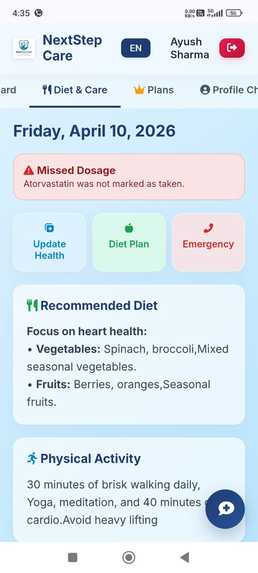
NextStep-Care: AI-Powered Patient Triage & Accessible Telehealth Platform
Elevator Pitch
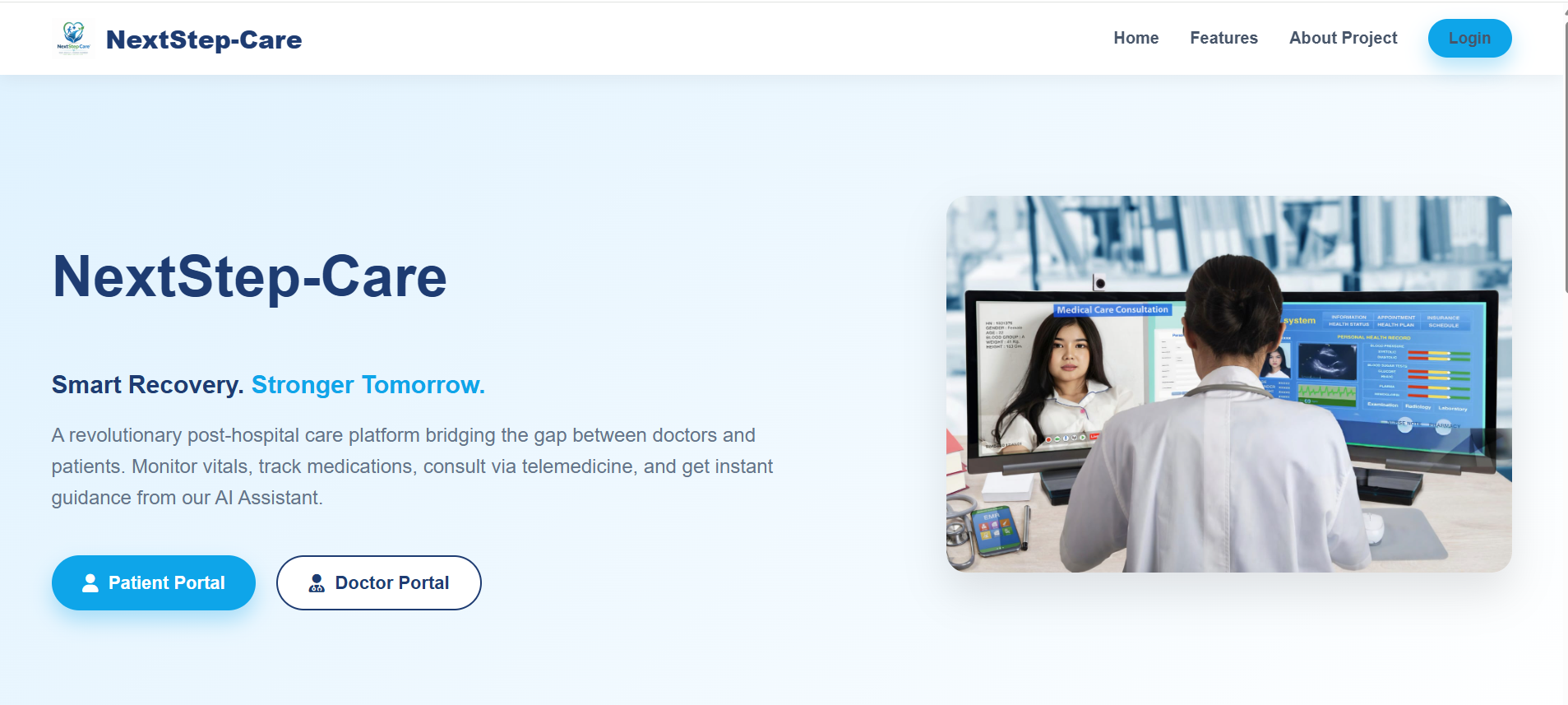
NextStep-Care uses the Gemini API to streamline patient triage with weighted severity scoring and provides immediate, accessible telehealth through dynamic video consultations.
Project Story
Inspiration
Accessing care efficiently is one of the biggest bottlenecks in the global medical system. Emergency rooms and clinics are often overwhelmed because there is no standardized, scalable way to prioritize patients before they arrive. We were inspired to build NextStep-Care to solve two critical problems: reducing the time it takes to assess patient urgency and bridging the gap between patients and providers through immediate, accessible telehealth.
What it does
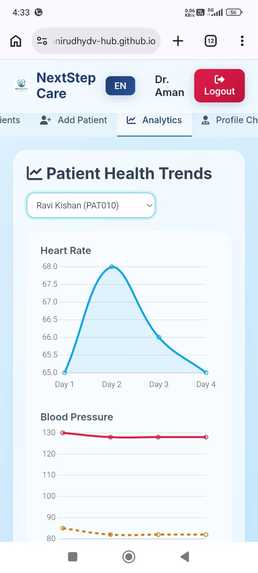
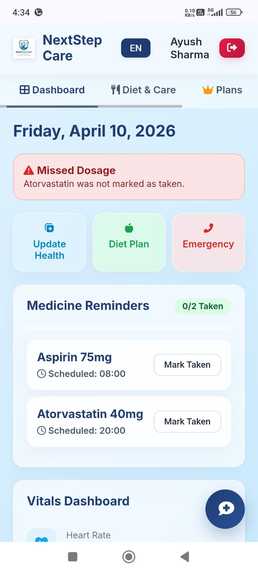
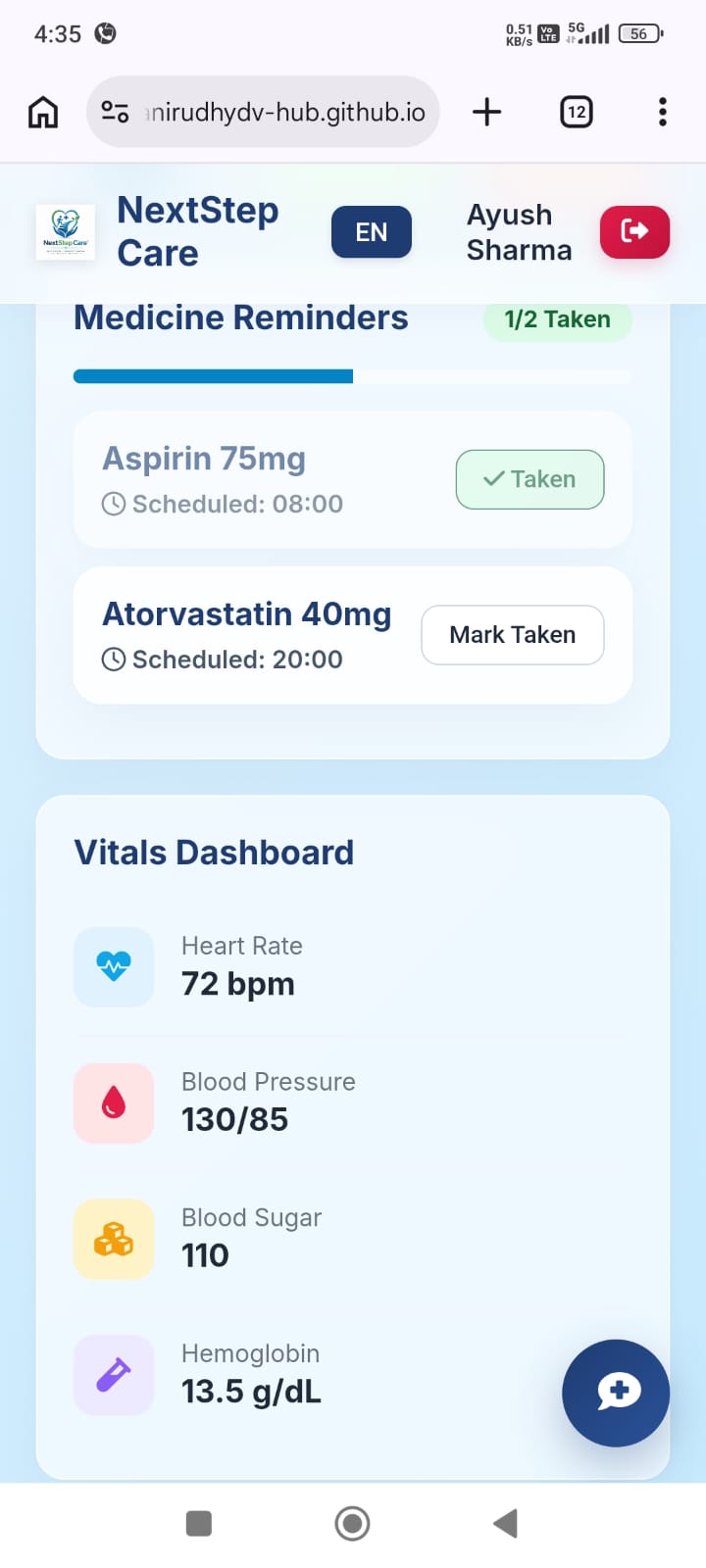
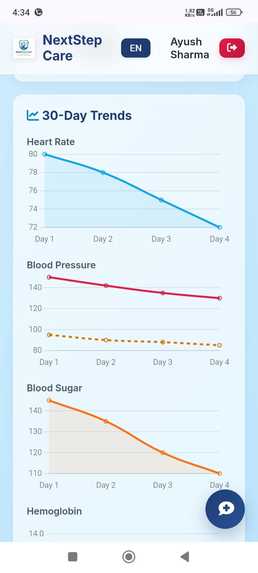
NextStep-Care is a full-stack healthcare platform designed to streamline the patient intake process.
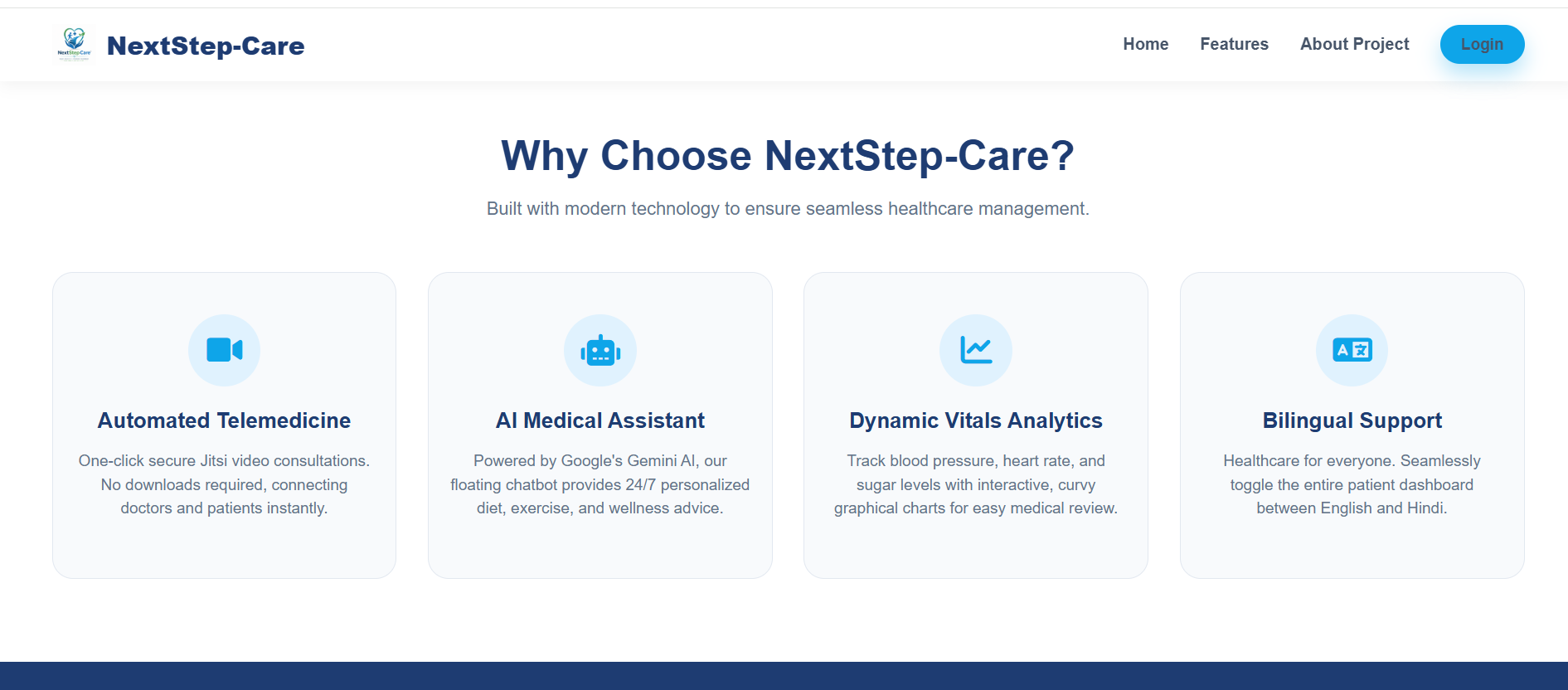
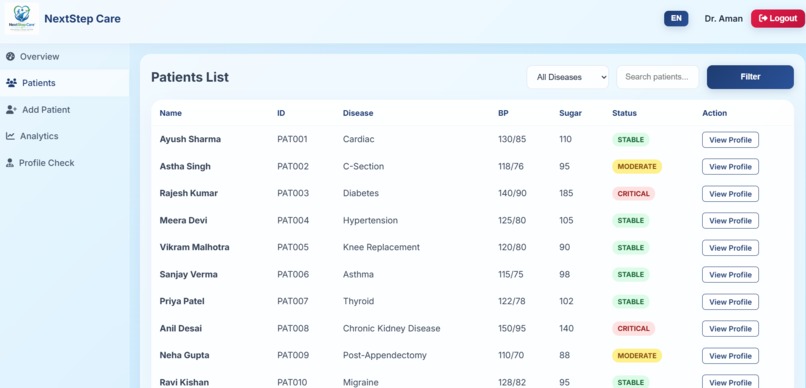
- AI-Powered Triage & Assessment: Patients describe their symptoms, and our system uses a custom weighted scoring algorithm combined with the Gemini API to generate comprehensive healthcare narratives and priority assessments.
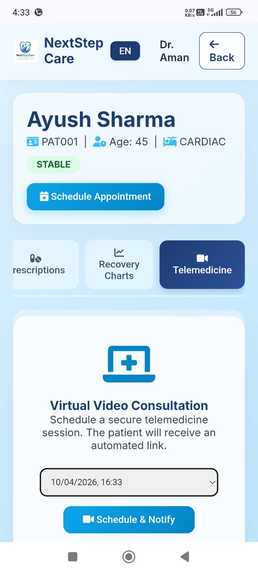
- Telehealth Accessibility: The platform automatically generates secure, dynamic Jitsi video room links, allowing patients to connect with healthcare professionals instantly from the platform.
- Secure Authentication: We ensure patient privacy and identity verification through an integrated Nodemailer OTP system.
How we built it
We built NextStep-Care as a robust, full-stack application:
- Backend: Node.js and Express form the core API, deployed reliably on Render.
- Frontend: React and Tailwind CSS provide a clean, responsive, and accessible user interface.
- AI Integration: The Google Gemini API powers the intelligent healthcare narrative generation and symptom analysis.
- Communications: Jitsi integration handles the dynamic video telehealth rooms, and Nodemailer manages our secure OTP verification.
Challenges we ran into
Integrating real-time video infrastructure while maintaining a lightweight frontend was a significant hurdle. We had to ensure the dynamic Jitsi links generated flawlessly for every unique consultation session. Additionally, designing a triage scoring system that weighed various symptom severities accurately required careful backend logic to ensure high-priority cases were flagged correctly without overwhelming the system.
Accomplishments that we're proud of
We are incredibly proud of successfully integrating the Gemini API to take raw symptom data and turn it into actionable, structured healthcare narratives. Building a seamless flow—from secure OTP login, to AI symptom triage, straight into a live video call—was a complex workflow to map out, and seeing it run flawlessly end-to-end is a huge win.
What we learned
Building NextStep-Care taught us how critical data structuring is when working with AI in a medical context. We learned how to effectively prompt the Gemini API to return consistent, usable data structures that our frontend could render dynamically. We also gained valuable experience configuring CI/CD pipelines to keep our Render backend and Vercel frontend in sync during rapid development.
What's next for NextStep-Care
We want to expand the AI's capabilities to support multiple languages, breaking down language barriers in patient care. We also plan to integrate a more comprehensive database (like PostgreSQL) to securely store longitudinal patient histories, allowing the AI triage to factor in a patient's past medical data when assigning priority scores.

Log in or sign up for Devpost to join the conversation.