-
Next-Generation API Gateway with Deep Auth0 Integration
-
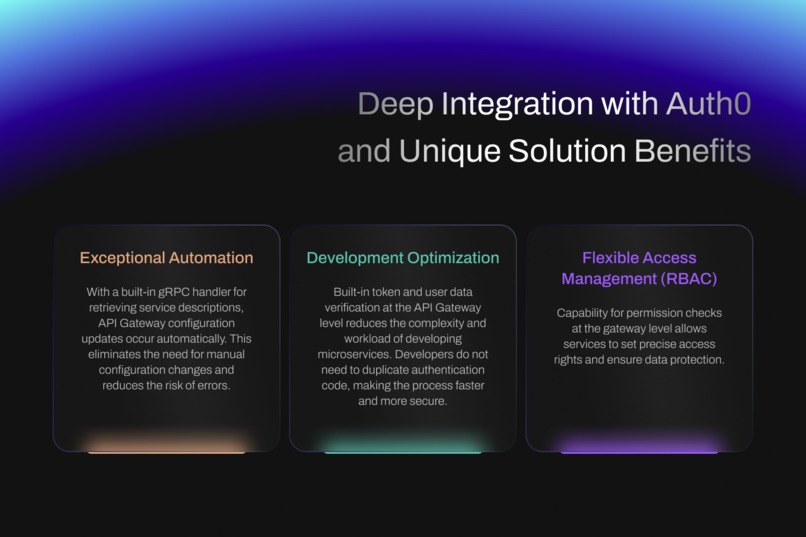
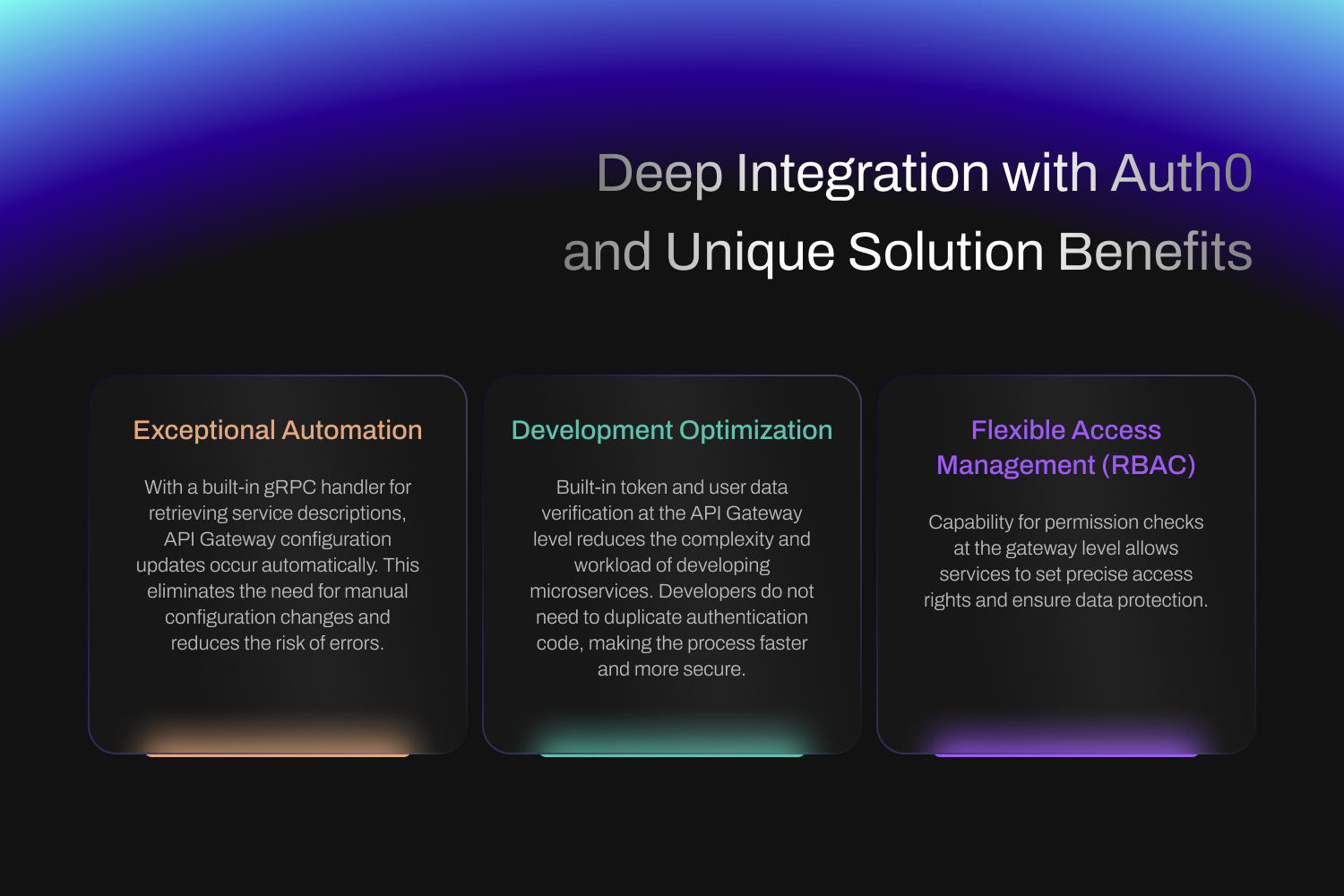
Deep Integration with Auth0 and Unique Solution Benefits
-
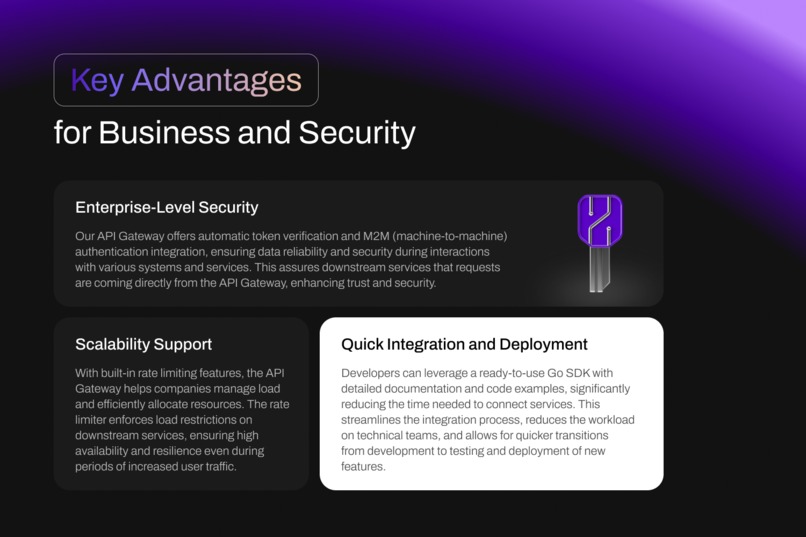
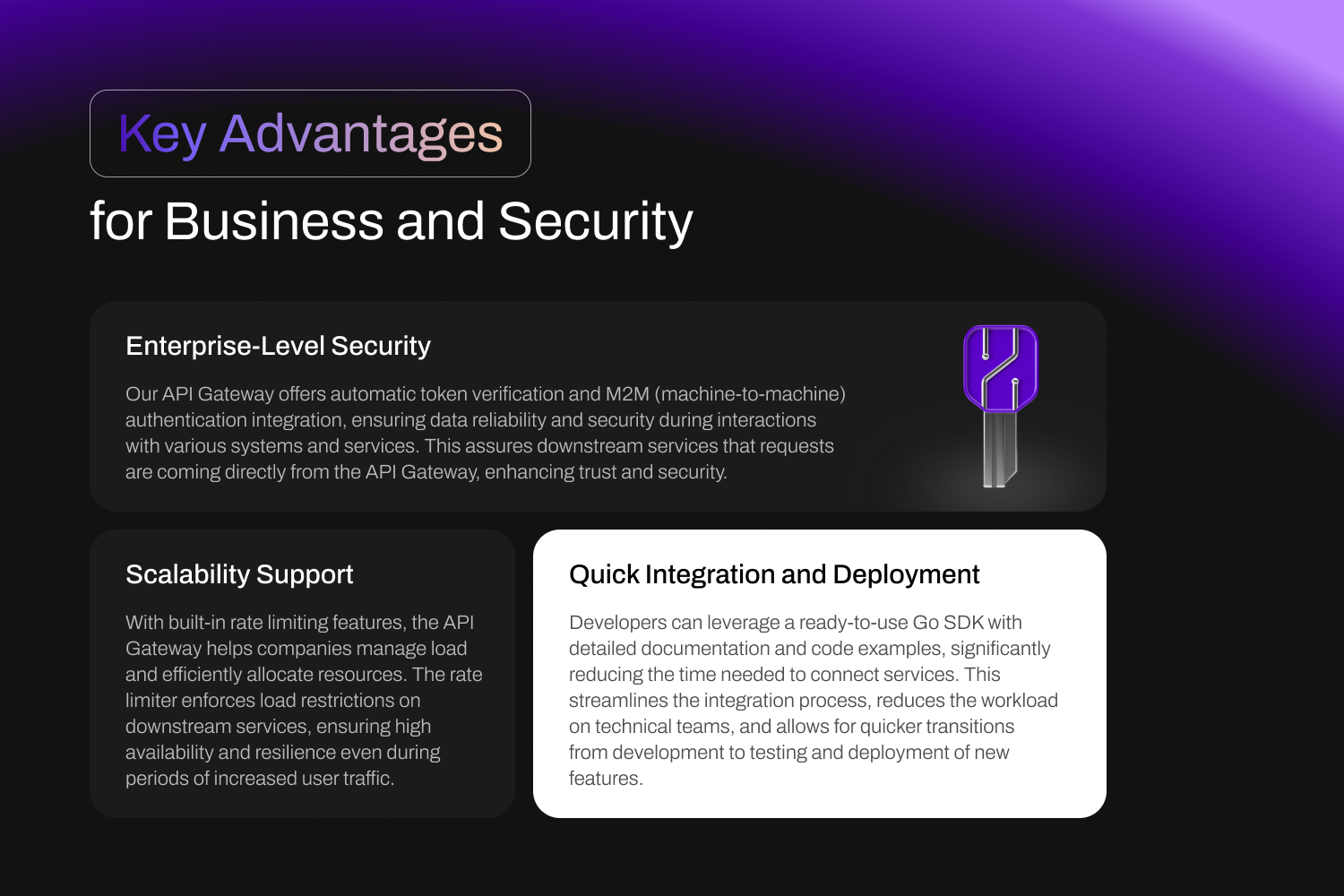
Key Advantages for Business and Security
-
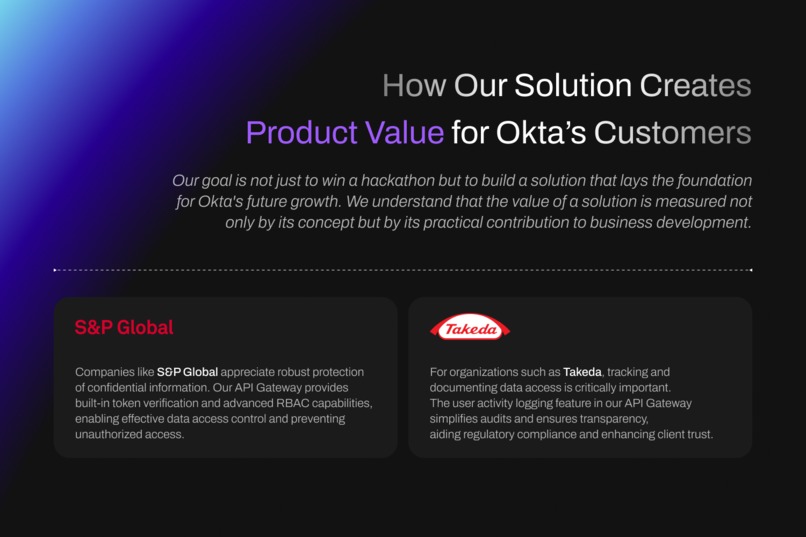
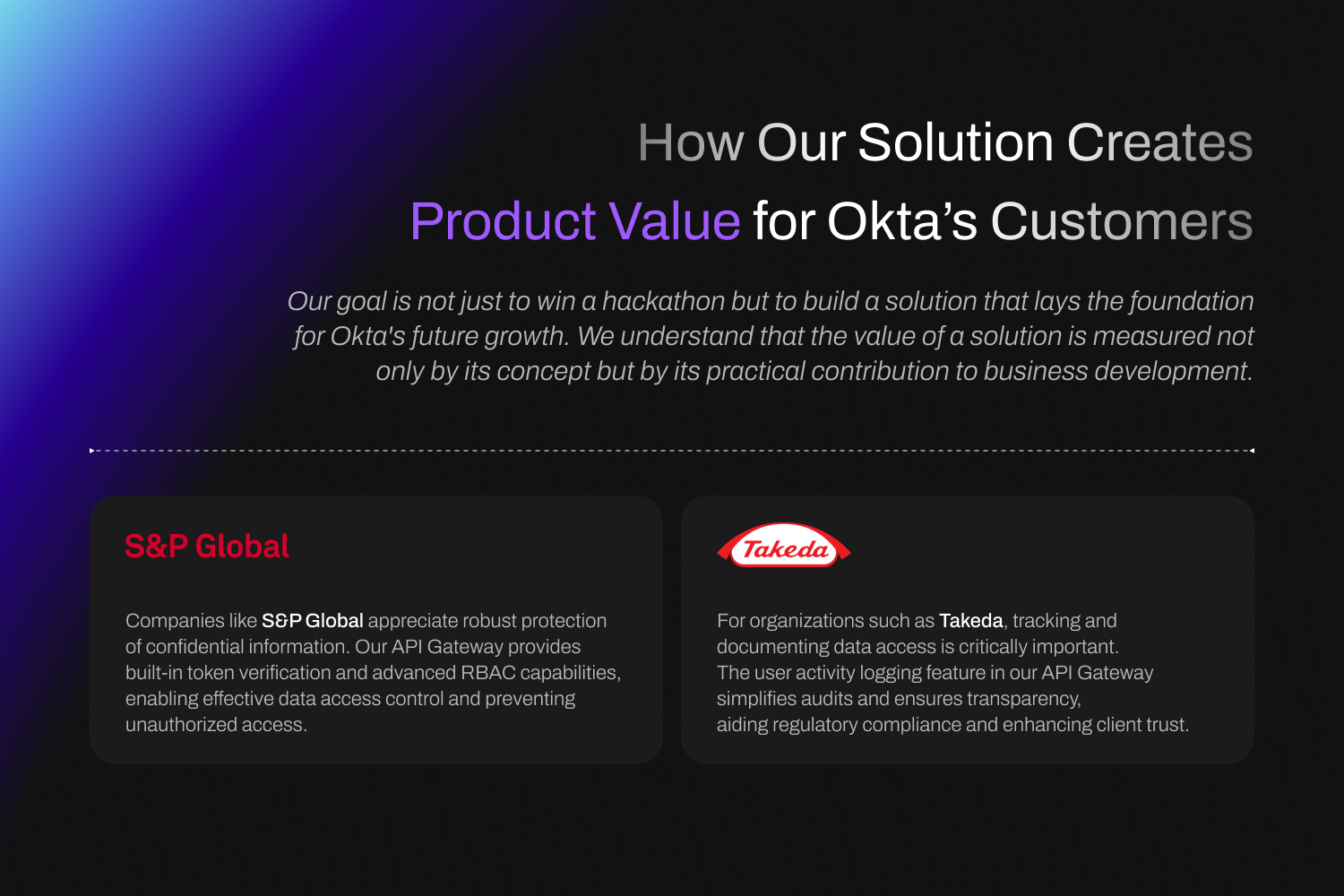
How Our Solution Creates Product Value for Okta’s Customers (1/2)
-
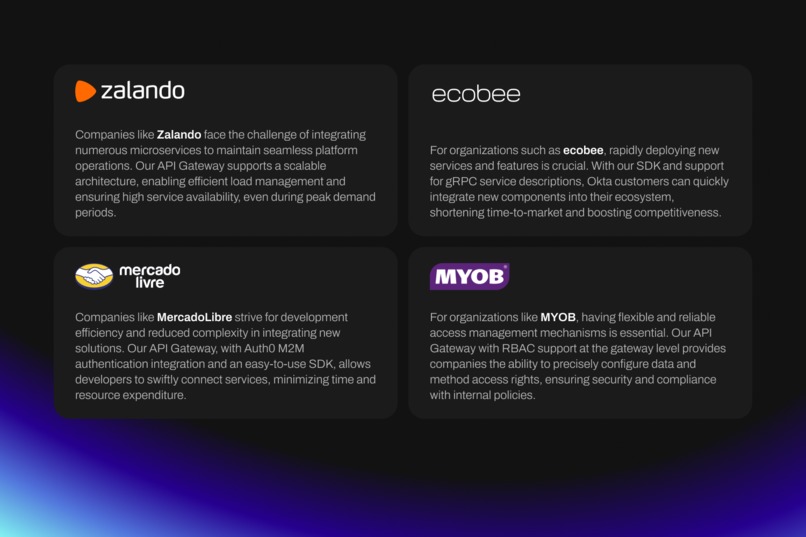
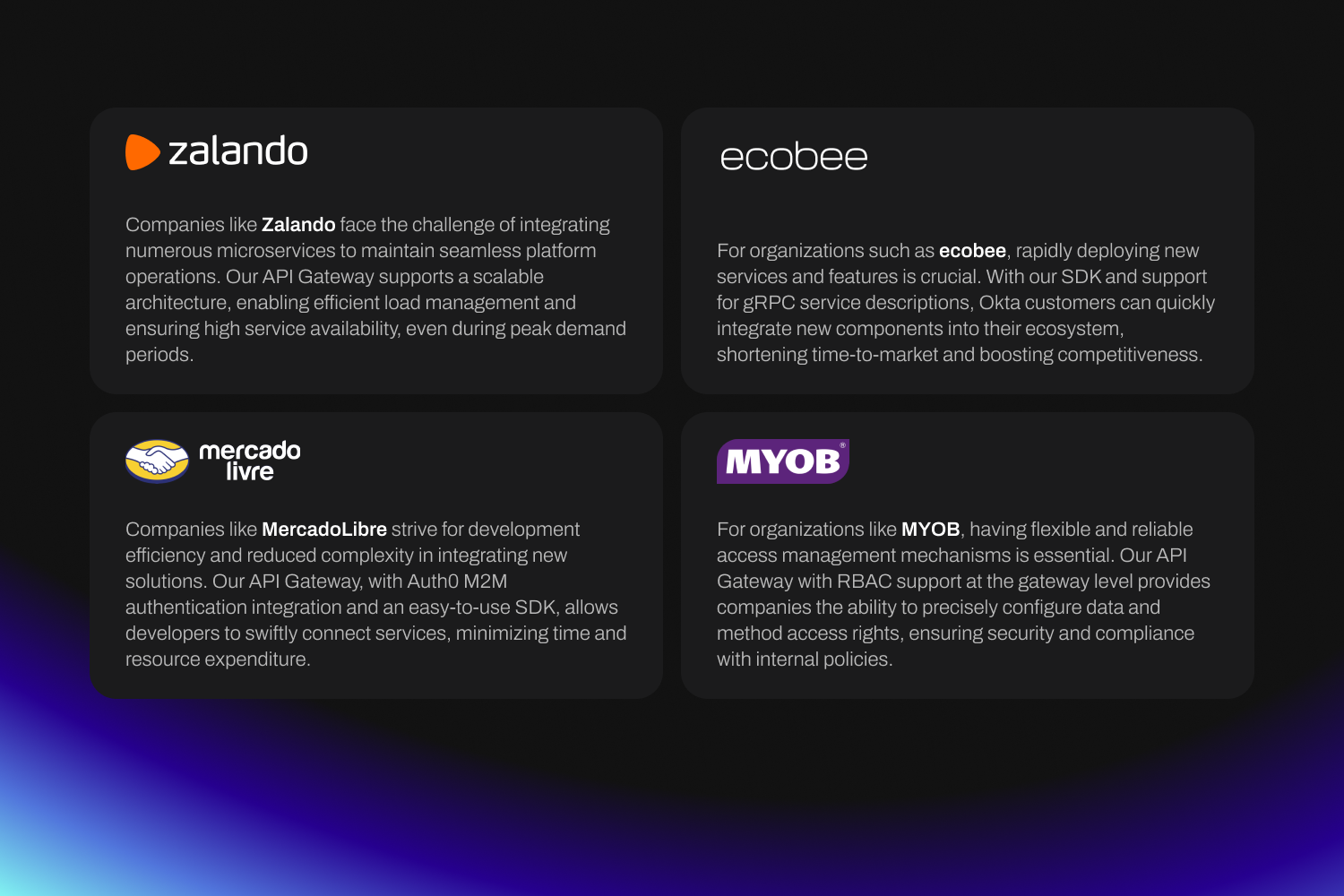
How Our Solution Creates Product Value for Okta’s Customers (2/2)
-
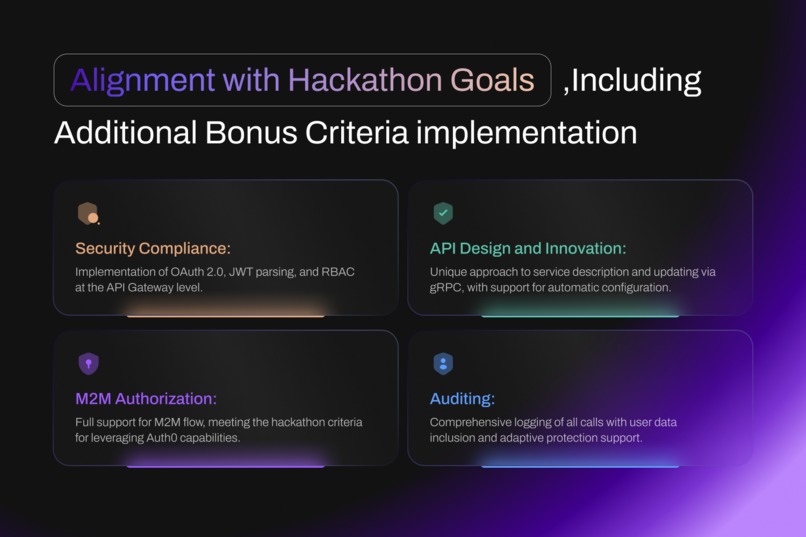
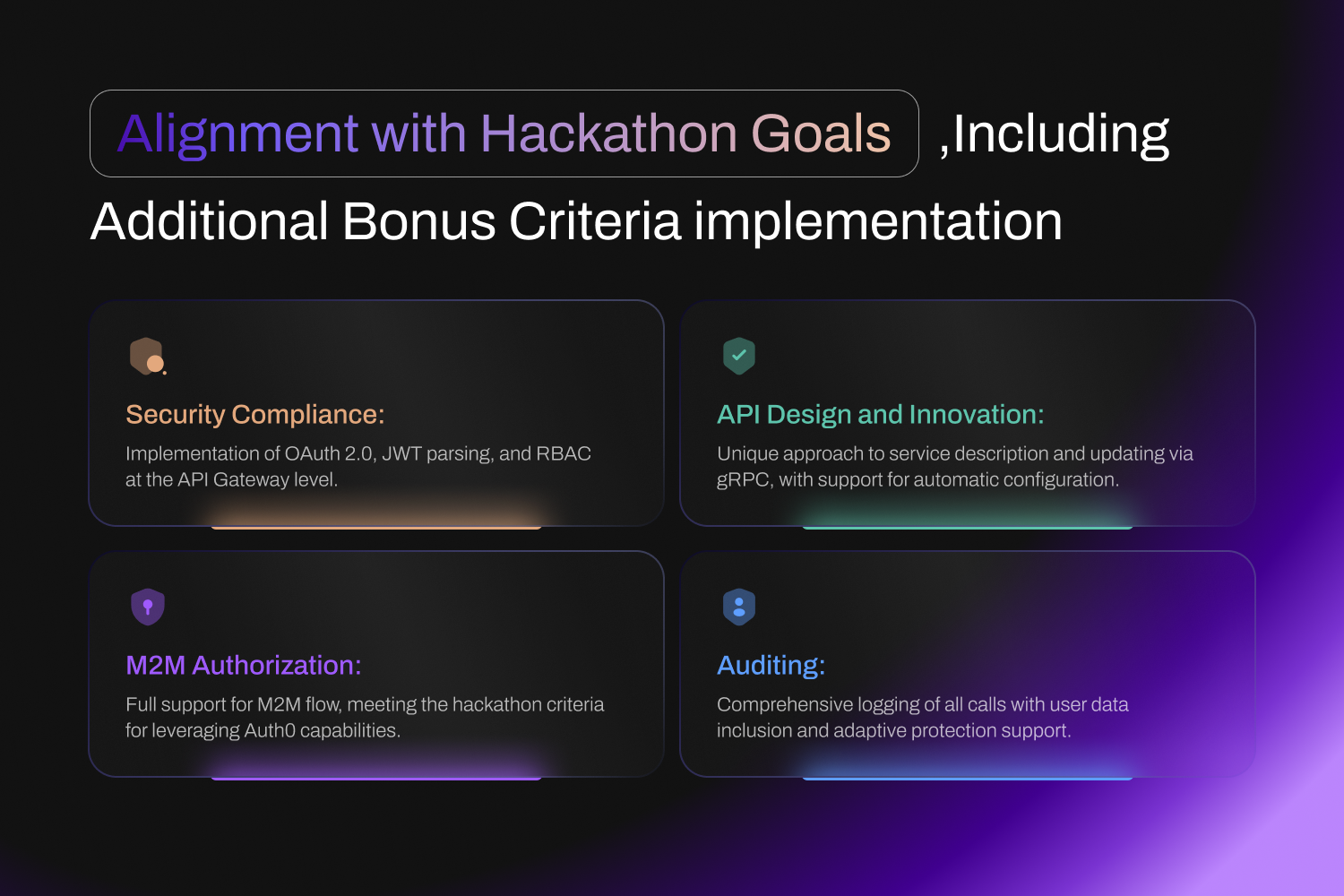
Alignment with Hackathon Goals, Including Additional Bonus Criteria implementation (1/2)
-
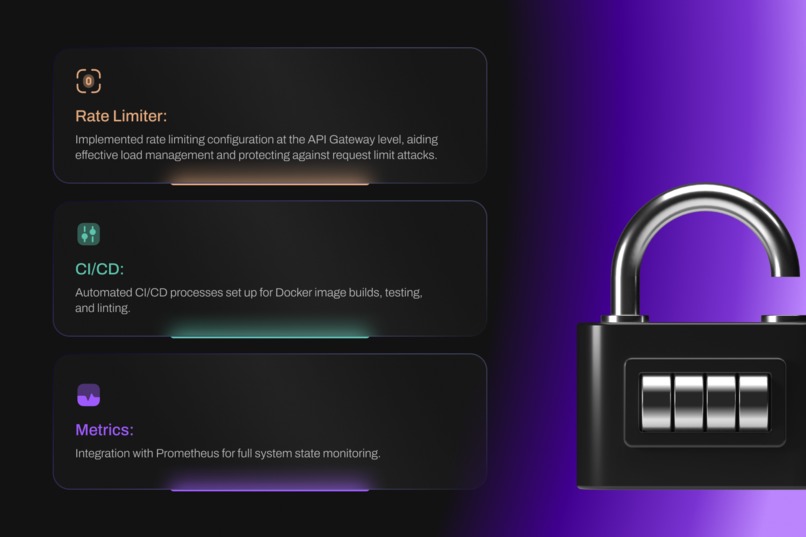
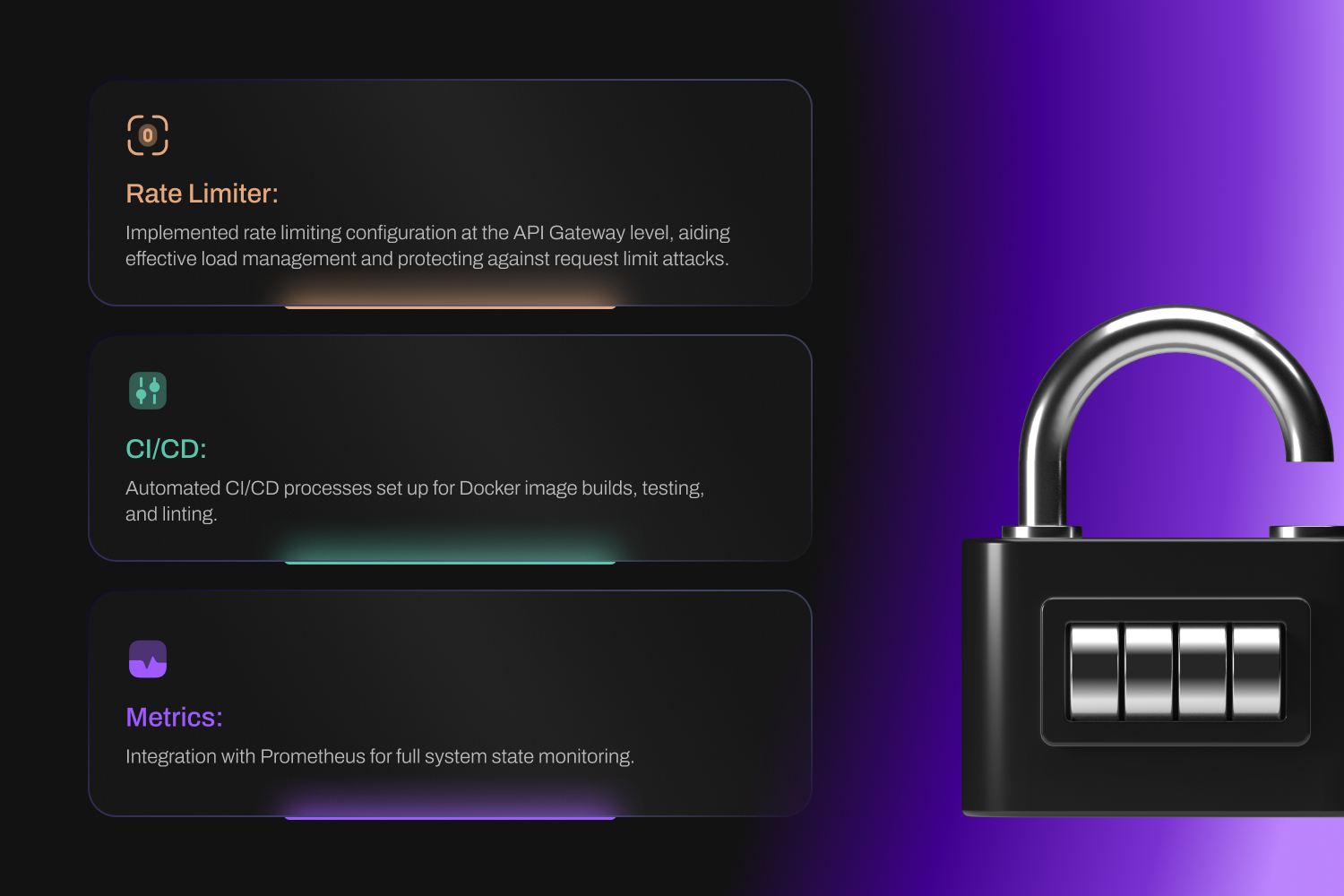
Alignment with Hackathon Goals, Including Additional Bonus Criteria implementation (2/2)
-
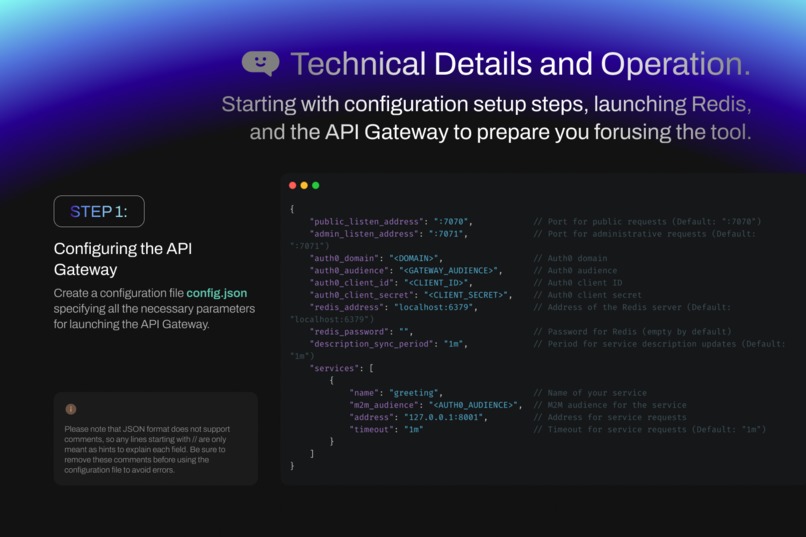
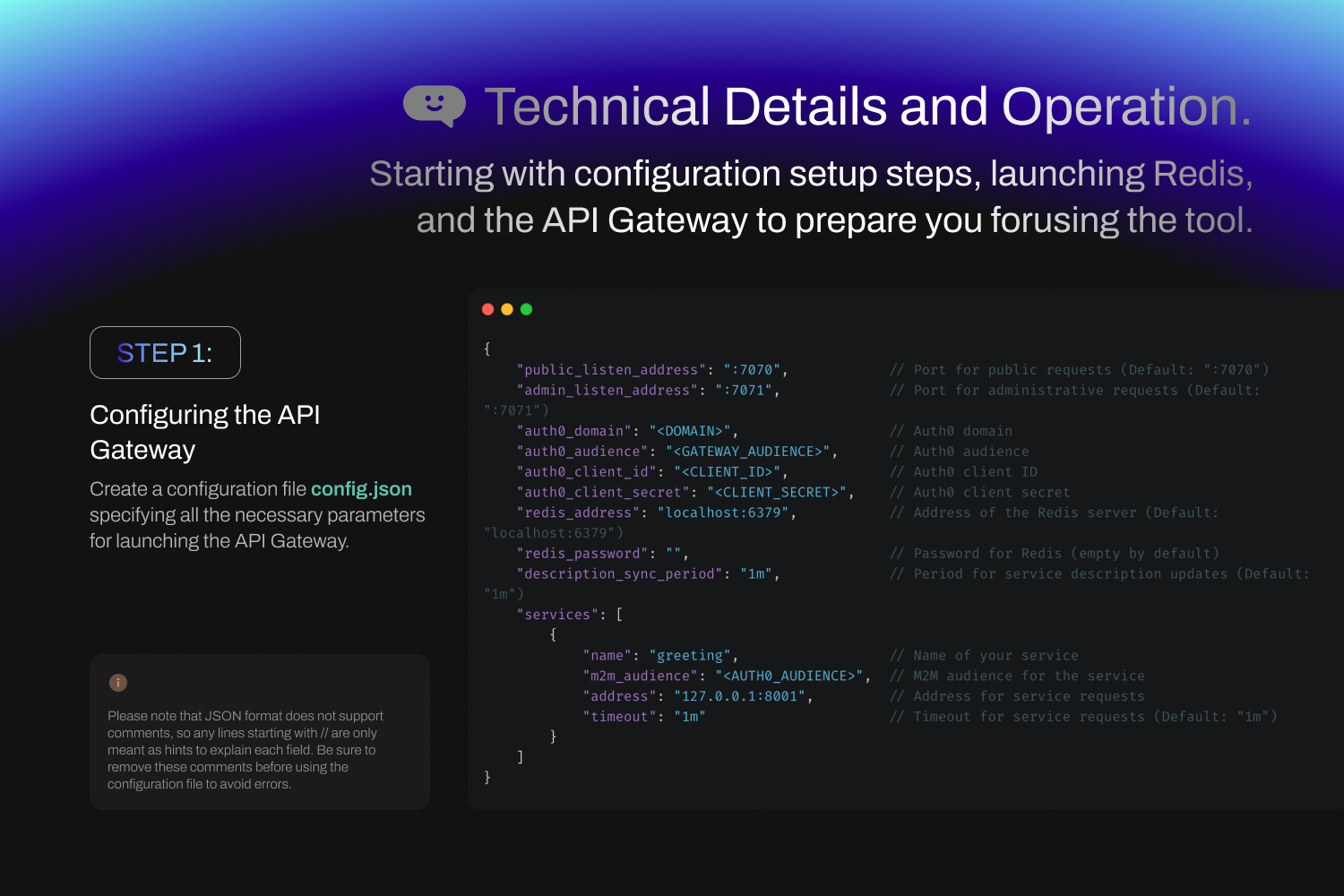
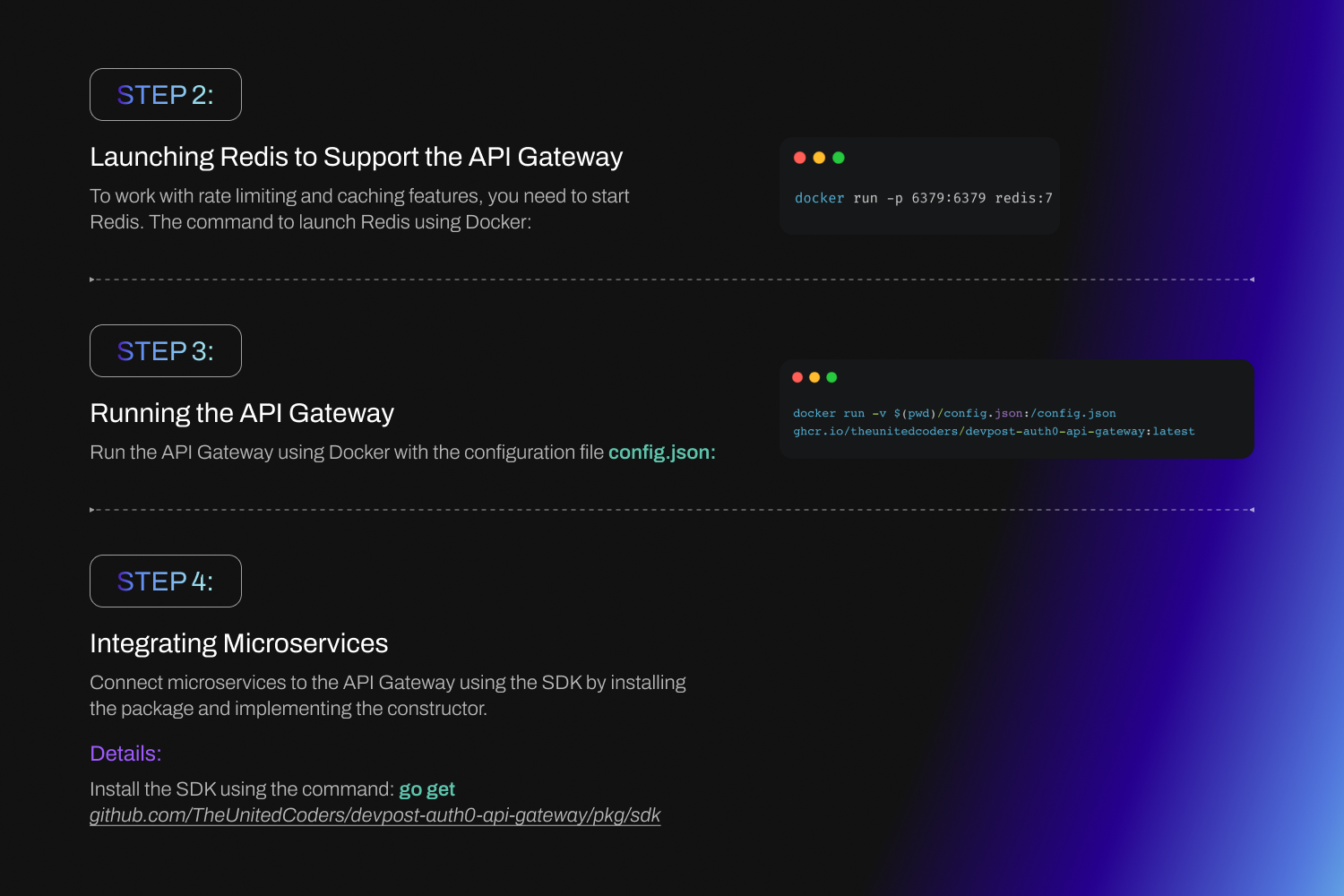
Technical Details and Operation (1/2)
-
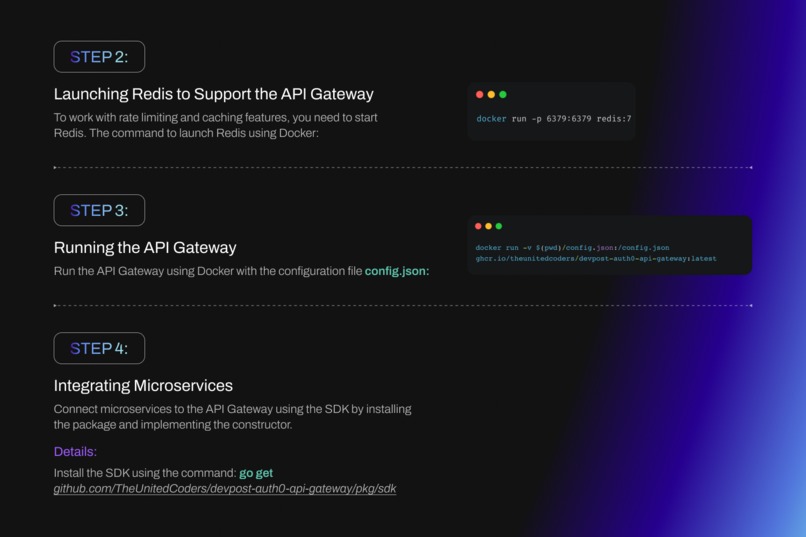
Technical Details and Operation (2/2)
-
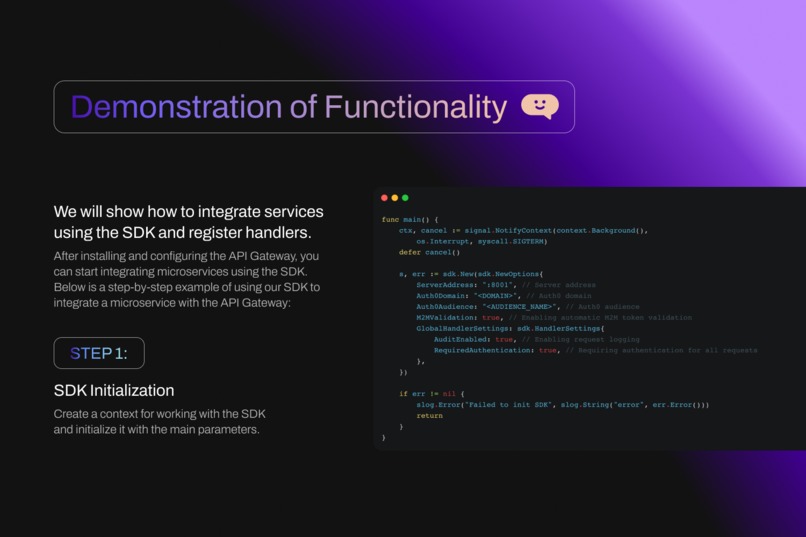
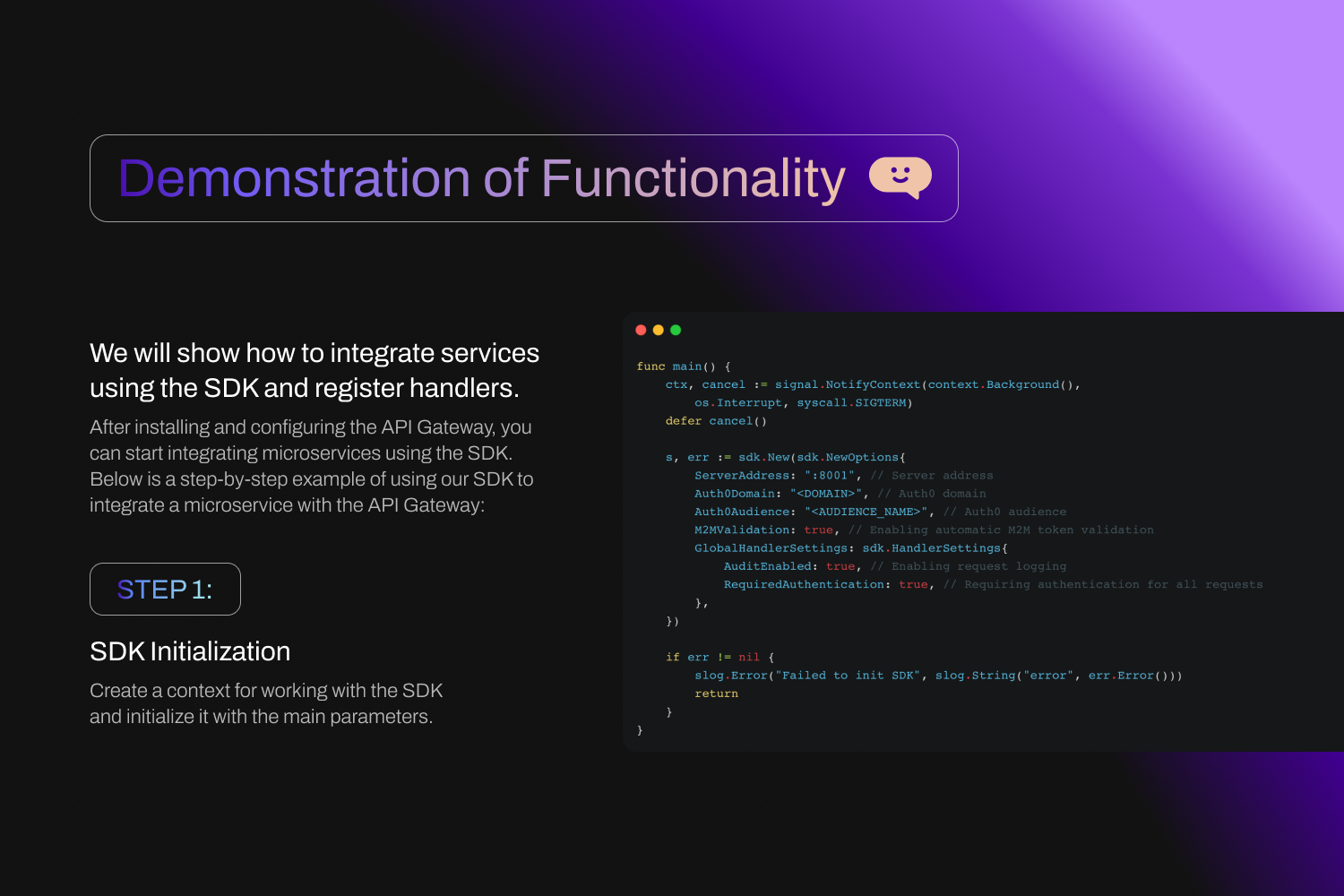
Demonstration of Functionality (1/3)
-
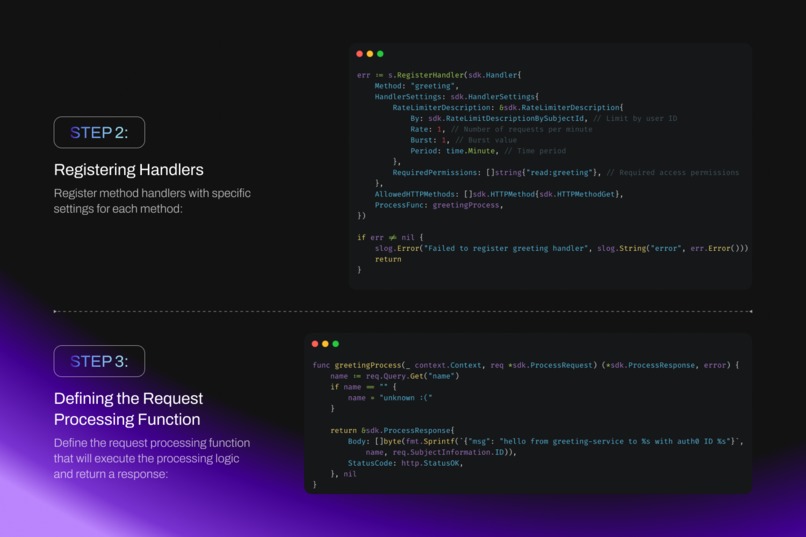
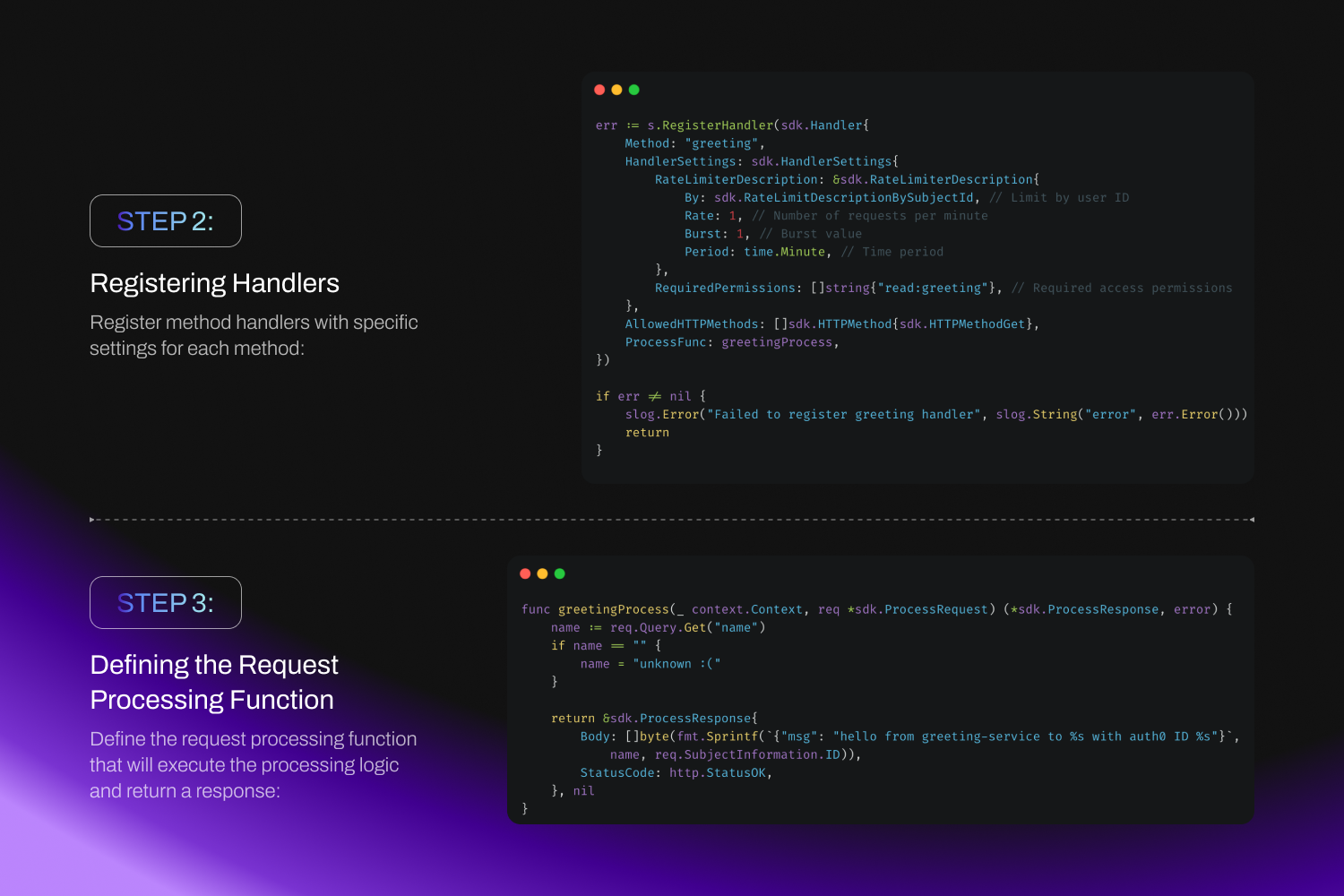
Demonstration of Functionality (2/3)
-
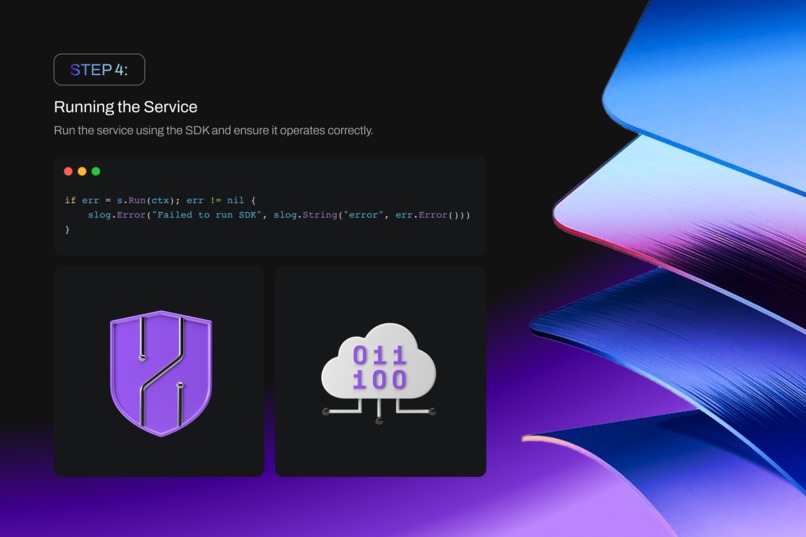
Demonstration of Functionality (3/3)
-
Thank you
Inspiration
We aimed to tackle the complex challenges faced by modern businesses in securing and managing API access. Many existing solutions lack deep integration with Auth0 and efficient automation features, making them cumbersome to scale. This inspired us to design an advanced API Gateway that not only enhances security but also simplifies development and operational tasks through a well-thought-out architecture.
What it does
Our API Gateway provides enterprise-grade security with automated Auth0 token verification, M2M (machine-to-machine) authentication, and Role-Based Access Control (RBAC). It’s designed to optimize development by reducing repetitive authentication code and enables seamless scalability with rate limiting and automatic configuration updates through gRPC handlers. This solution empowers companies to implement secure, efficient, and compliant API access management with minimal overhead.
How we built it
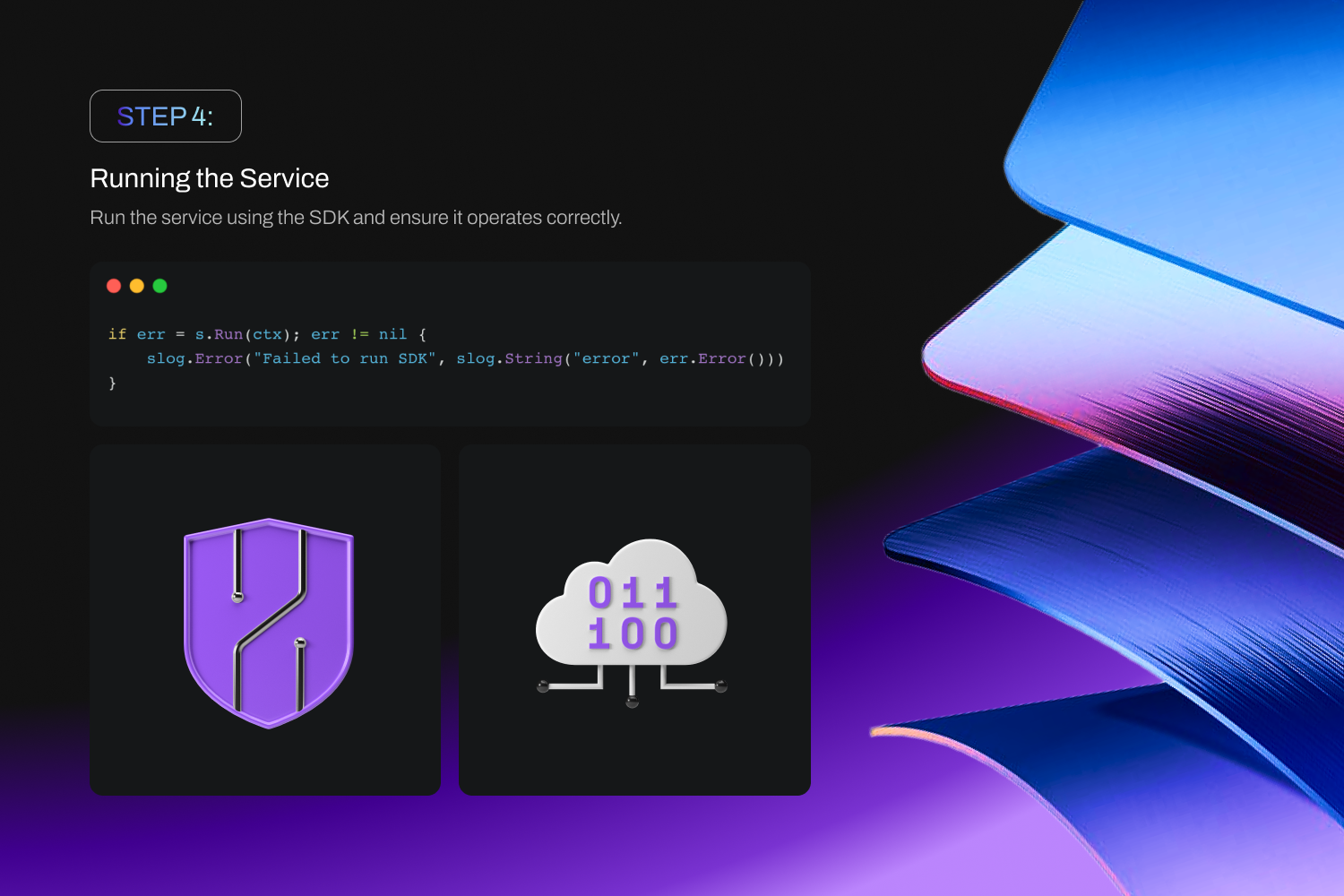
We built the API Gateway using Go, with a focus on modular architecture to allow for easy extension and customization. The gateway leverages gRPC for service description synchronization, enabling automated configuration updates without manual intervention. Redis was incorporated for rate limiting, and Prometheus was integrated for real-time monitoring and metrics. We developed this solution to handle high scalability demands, ensuring optimal performance even under heavy loads. CI/CD pipelines for Docker ensure streamlined deployment and version control, while our Go SDK simplifies the integration of microservices, enabling quick setup with robust authentication.
Challenges we ran into
The main challenge was architecting a solution that balances flexibility, security, and performance. Designing an efficient rate limiter and a seamless integration for gRPC updates required innovative problem-solving. We also focused on creating a design that minimizes latency and ensures stability across diverse microservice environments, all while maintaining strict compliance and security standards.
Accomplishments that we're proud of
We’re proud of building a sophisticated API Gateway that incorporates deep Auth0 integration, real-time configuration updates, and scalable access control. Our solution not only simplifies API management but also supports rapid deployment and scalability, all while providing comprehensive logging for audit purposes. This API Gateway is a powerful tool for enterprises looking to elevate their API security and operational efficiency.
What we learned
This project taught us the importance of architectural flexibility and the value of automation in API management. We gained practical experience with OAuth 2.0, JWT parsing, and M2M authentication flows. Additionally, building a highly performant gateway with robust monitoring and automated auditing capabilities was an invaluable learning experience, especially in terms of scaling enterprise solutions.
What's next for Next-Generation API Gateway with Deep Auth0 Integration
Looking forward, we plan to enhance the gateway with more advanced anomaly detection, possibly leveraging AI to identify unusual traffic patterns. We aim to extend support for additional cloud environments and continue refining our SDK for even faster, more customizable integrations. Ideally, we would be happy to work with Okta after the hackathon to further develop this application and hand it over to Okta for permanent use.


Log in or sign up for Devpost to join the conversation.