-
-
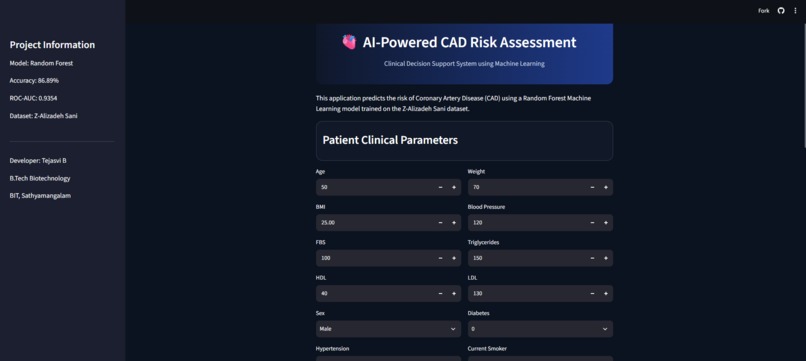
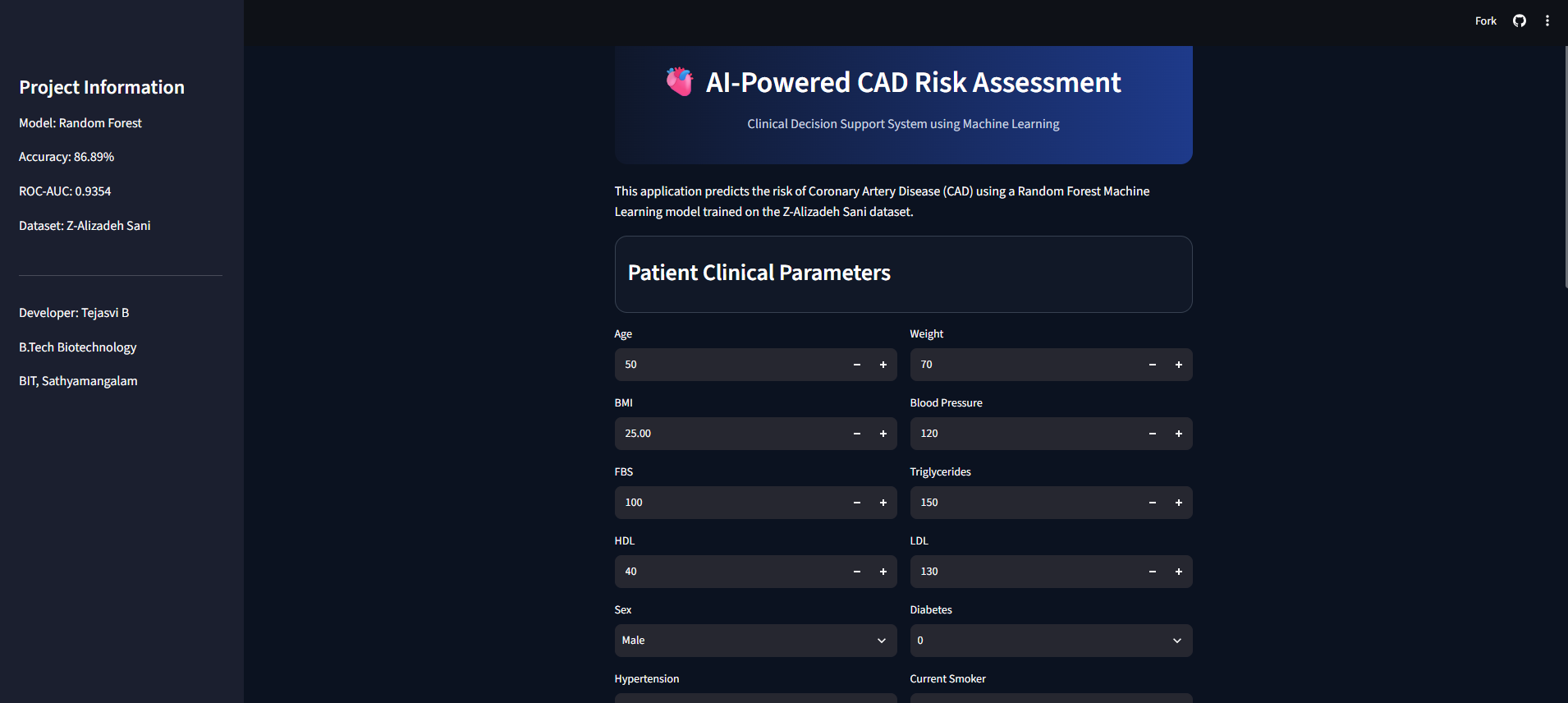
App Homepage
-
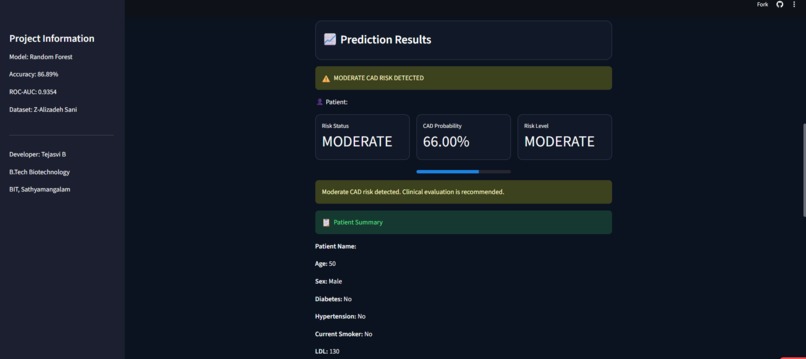
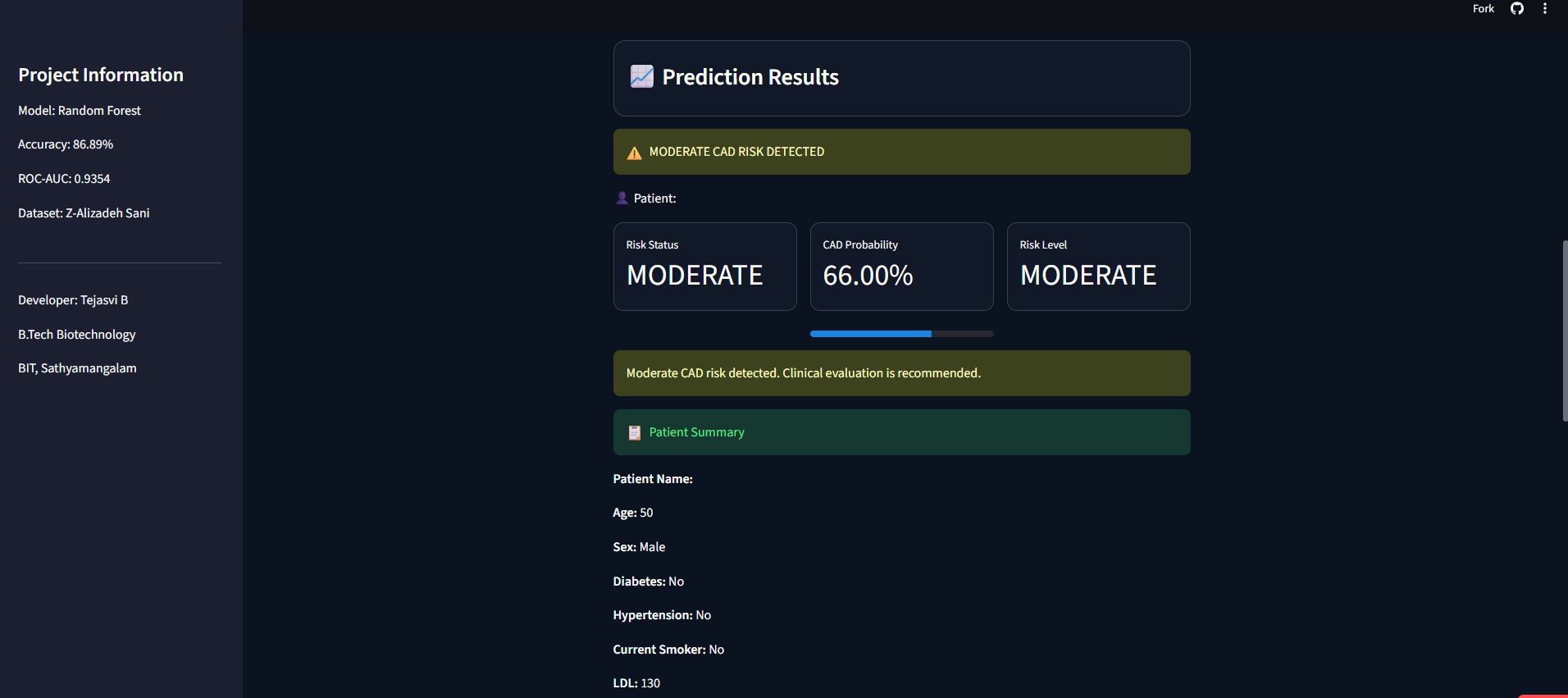
Moderate Risk Results
-
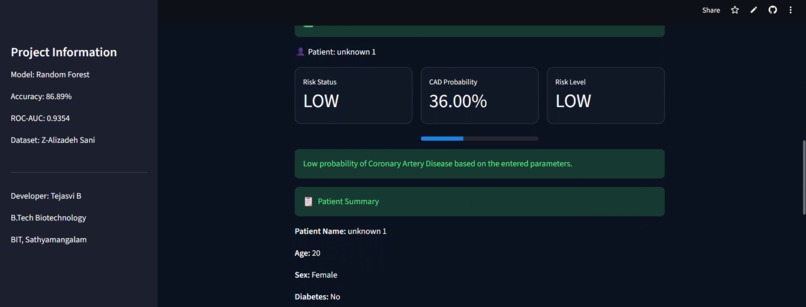
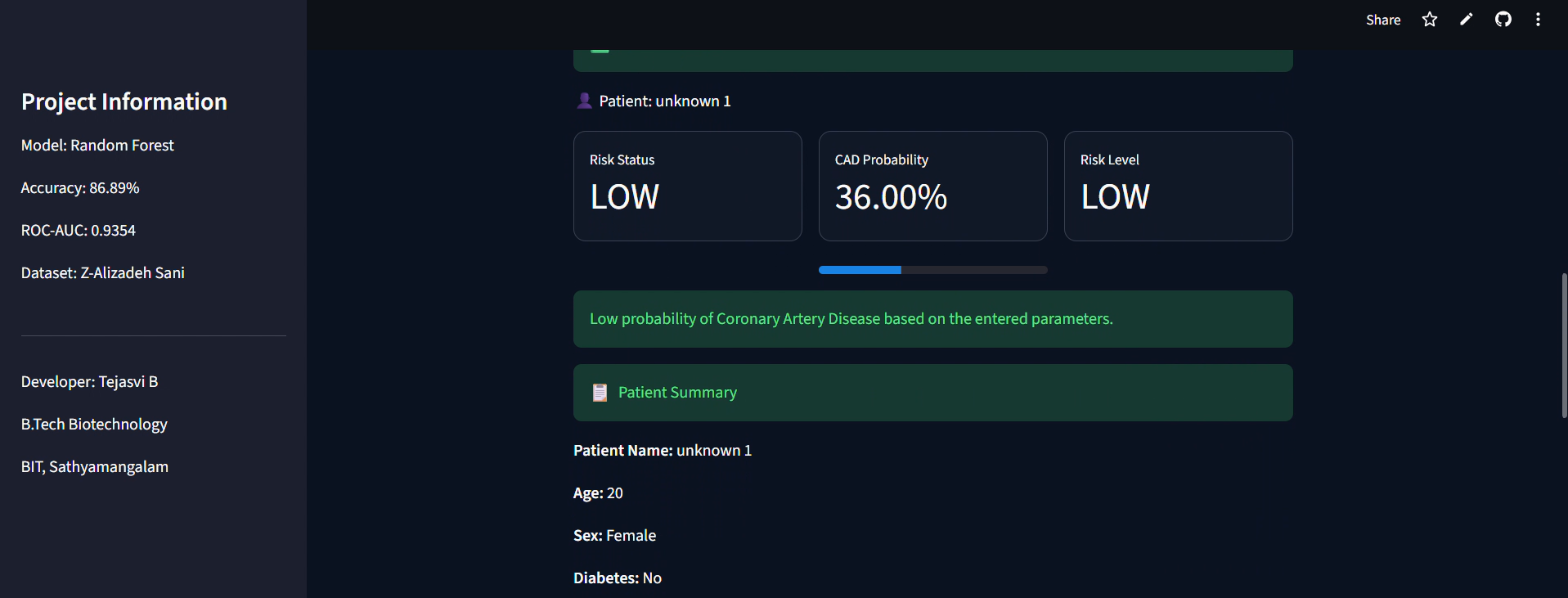
Low Risk Results
-
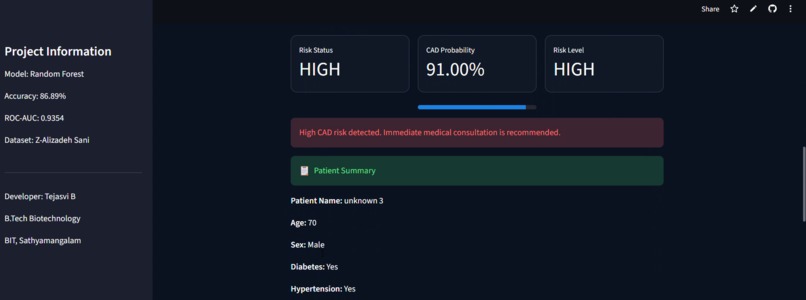
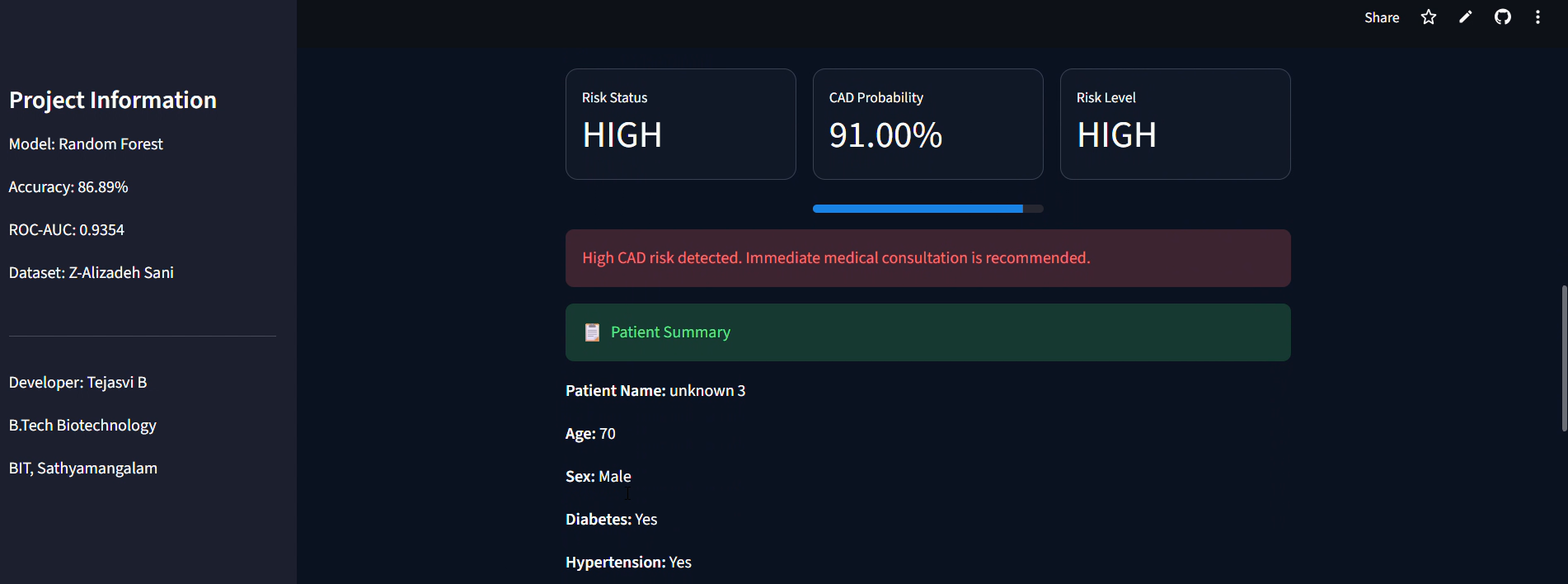
High Risk Results
-
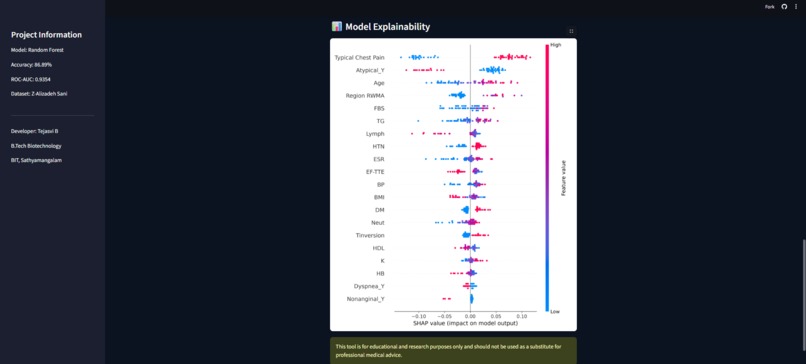
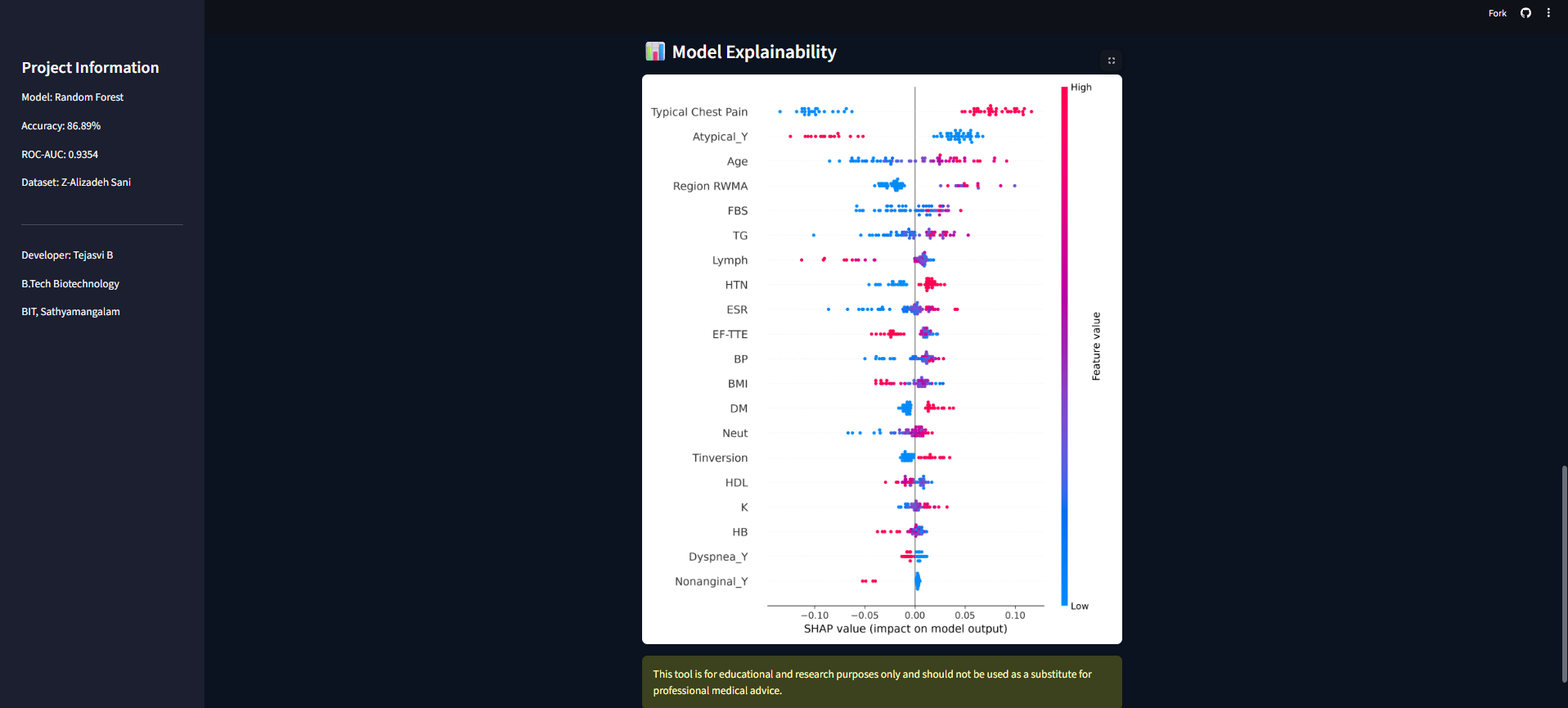
SHAP Explainability
Coronary Artery Disease (CAD) is one of the leading causes of mortality worldwide. Early identification of individuals at risk can significantly improve preventive healthcare and clinical outcomes. As a Biotechnology student interested in healthcare innovation and Artificial Intelligence, I wanted to develop a solution that combines Machine Learning with clinical decision support. This inspired the development of Nexora, an AI-powered system designed to assist in CAD risk assessment using patient clinical and laboratory data.
Nexora is an AI-powered Clinical Decision Support System that predicts the risk of Coronary Artery Disease using Machine Learning. The application analyzes patient parameters such as age, BMI, blood pressure, diabetes status, smoking history, cholesterol levels, and blood sugar values. Based on these inputs, it provides probability-based risk prediction and categorizes patients into Low, Moderate, or High CAD risk groups. The system also generates a patient summary report and includes explainability visualization to improve transparency.
The project was developed using Python and Streamlit. A Random Forest Machine Learning model was trained using the Z-Alizadeh Sani Dataset, which contains clinical and laboratory information related to Coronary Artery Disease. Data preprocessing, feature engineering, model training, and evaluation were performed using Scikit-Learn. The trained model was integrated into a Streamlit web application to provide real-time CAD risk prediction. SHAP explainability visualization was incorporated to improve model interpretability. Finally, the application was deployed using Streamlit Community Cloud.
One of the main challenges was aligning clinical features from the dataset with user-friendly application inputs. Another challenge was ensuring that the trained model remained compatible with the deployed environment. Managing dependencies, debugging deployment issues, and creating meaningful risk categorization while maintaining model performance required extensive testing and refinement. Understanding and implementing explainable AI concepts also provided an additional learning challenge.
of Successfully developed an end-to-end AI-powered healthcare application. Built and deployed a publicly accessible CAD risk prediction system. Achieved strong model performance with an Accuracy of 86.89% and ROC-AUC score of 0.9354. Implemented Low, Moderate, and High risk categorization. Integrated SHAP explainability visualization for improved transparency. Created an intuitive and user-friendly clinical decision support interface.
Through this project, I gained practical experience in healthcare Machine Learning, clinical data preprocessing, model development, deployment, and explainable AI. I also learned how to transform a trained Machine Learning model into a real-world application that can be accessed through a web interface. The project strengthened my understanding of healthcare analytics, predictive modeling, and cloud deployment.
Future developments include integration with Electronic Health Records (EHRs), advanced Explainable AI dashboards, mobile application deployment, and support for additional cardiovascular and lifestyle-related diseases. The long-term goal is to create a comprehensive AI-powered healthcare risk assessment platform that can support preventive medicine and early clinical decision-making.
Built With
- artificial-intelligence
- biotechnology
- data-science
- healthcare
- joblib
- machine-learning
- numpy
- pandas
- python
- random-forest
- scikit-learn
- streamlit

Log in or sign up for Devpost to join the conversation.