
Build Week scope
NexoCargo Office and NexoCargo Driver were completed days before OpenAI Build Week.
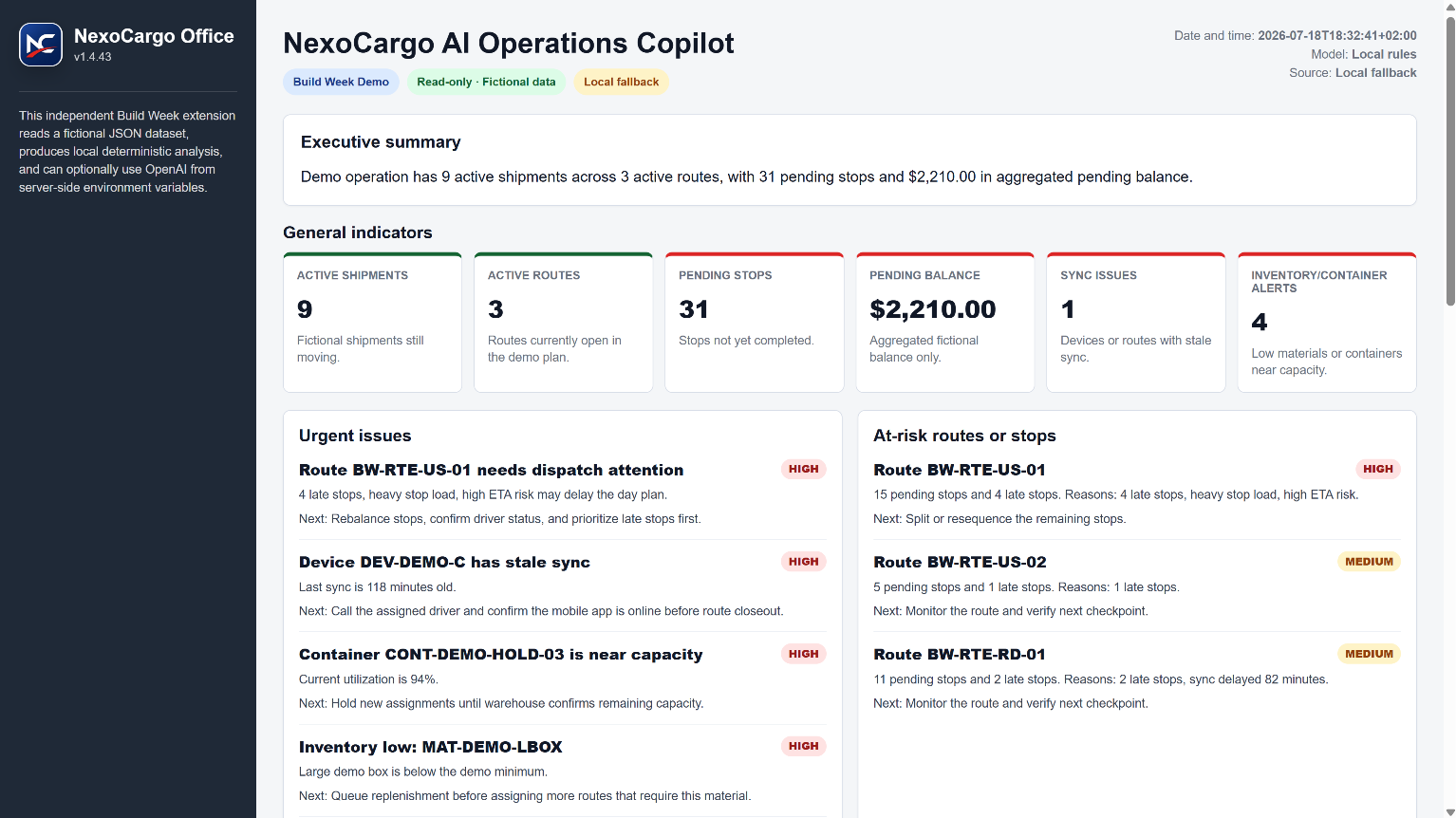
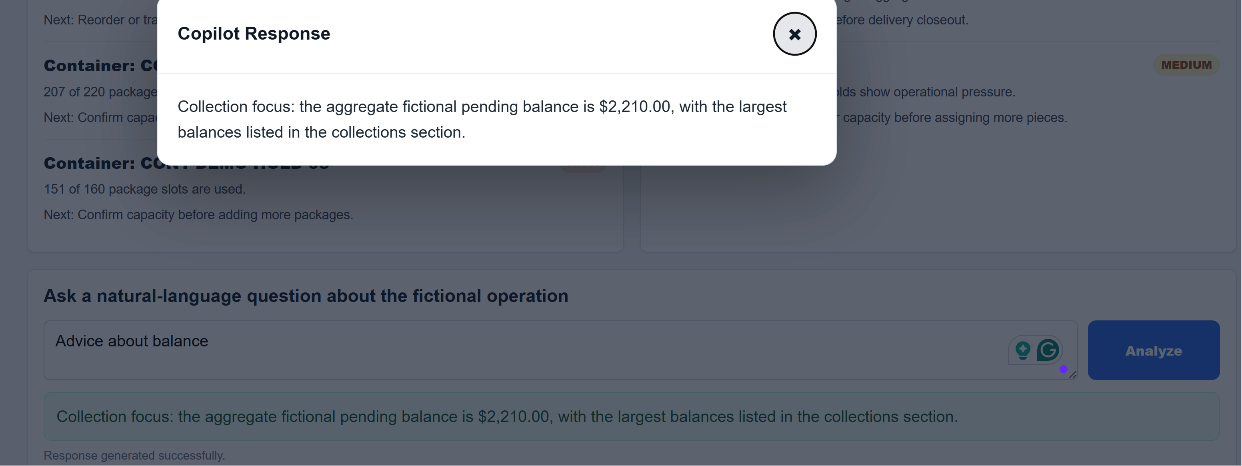
During the event, I used Codex to build and refine NexoCargo AI Operations Copilot: a separate, read-only operational intelligence extension with risk detection, natural-language questions, privacy safeguards, automated tests, a secure optional GPT-5.6 integration, and a fictional interactive judge demo.
The full NexoCargo ecosystem provides the real-world product context. The AI Operations Copilot is the new work submitted for Build Week.
Inspiration
NexoCargo began with a problem I experienced directly while working in the shipping and logistics industry.
The company where I worked already had a management system, but it had important limitations. Office processes were fragmented, drivers did not have the tools they needed while working on the road, and many tasks depended on manual communication, repeated data entry, and constant follow-up.
At first, my goal was simple: create a mobile application that would make the drivers’ daily work easier.
I wanted drivers to be able to view their assigned routes, access customer information, register payments, confirm pickups, capture signatures, and report completed work without depending entirely on calls or messages from the office.
However, as I began analyzing the real workflow, I discovered that a driver application alone would not solve the underlying problem.
The office, customers, shipments, invoices, payments, routes, drivers, containers, inventory, QR codes, receipts, and delivery records all needed to be connected. Improving only one part of the operation would leave the rest of the process fragmented.
That realization transformed the original idea into NexoCargo.
What NexoCargo is
NexoCargo is a completed logistics management platform designed for small and growing shipping companies.
It connects office operations with the work performed by drivers in the field through two main products: NexoCargo Office and NexoCargo Driver.
NexoCargo Office
NexoCargo Office is a web-based system that allows a shipping company to manage its daily operations from one platform.
It includes:
- Customer management
- Shipment creation and tracking
- Invoices and partial payments
- Payments registered in different countries
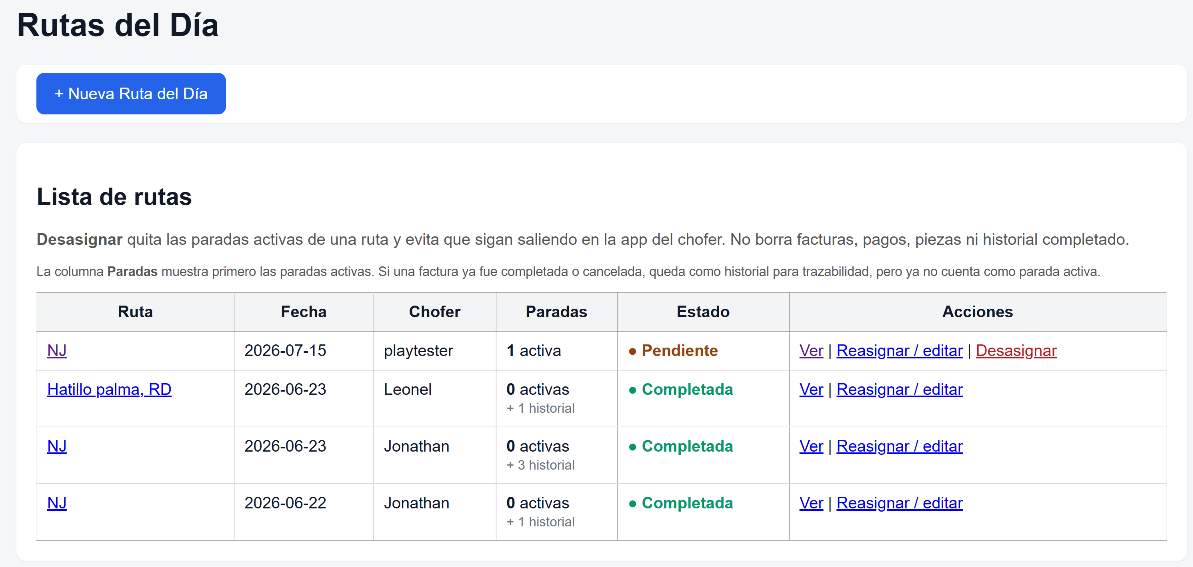
- Daily routes and driver assignments
- Route reassignment and stop management
- Container opening, closing, and tracking
- Package and piece movement
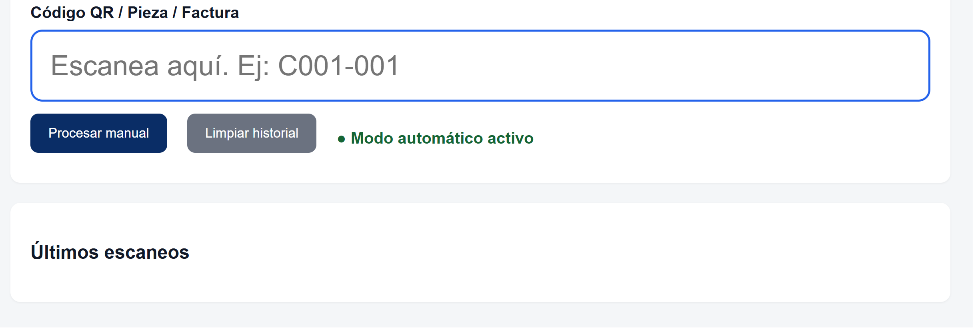
- QR code generation and scanning
- Packing lists
- Inventory and operational materials
- User roles and permissions
- Financial and operational reports
- Driver and device management
- Licensing and access controls
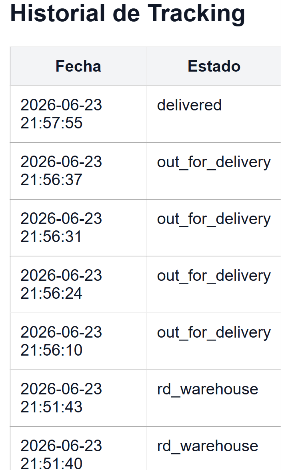
The office can follow the complete journey of a shipment, from the moment it is created until it is collected, processed, transported, received, and delivered.
NexoCargo Driver
NexoCargo Driver is an Android application created for drivers working outside the office.
The application allows drivers to:
- View assigned routes and stops
- Access customer and shipment details
- Register cash and electronic payments
- Confirm pickups and deliveries
- Capture customer signatures
- Generate receipts
- Generate and scan QR labels
- Record packages and individual pieces
- Review completed routes
- Store important information locally
- Synchronize completed work with the office system
The mobile application was designed around the reality of field work. Drivers may operate in locations with weak or unstable internet access, so the application uses local storage and synchronization to protect operational information.
Together, NexoCargo Office and NexoCargo Driver create a connected workflow between the office and the road.
Built by one person in less than eight days
One of the most important parts of the NexoCargo story is not only what was built, but how quickly it was built and who built it.
I was the only human builder behind the project.
There was no traditional software development team. I did not have a separate front-end developer, back-end engineer, Android developer, database specialist, product manager, designer, quality assurance team, or DevOps department.
I brought direct knowledge of the logistics problem, an understanding of the real operational workflow, and a clear vision of what the system needed to accomplish.
OpenAI Codex became my AI development partner.
In less than eight days of intensive development, NexoCargo evolved from an idea for helping drivers into a complete web and mobile logistics platform.
During that period, I created and connected:
- A web-based office management platform
- An Android application for drivers
- Back-end services and REST API connections
- A production database
- Local SQLite storage
- Offline-aware synchronization
- Authentication and user roles
- Customers, shipments, routes, invoices, and payments
- Container and inventory management
- QR tracking and label generation
- Digital signatures and receipts
- Licensing and device controls
- Cloud hosting and production configuration
- An Android release prepared for Google Play
A system with this scope would traditionally require several specialized professionals and months of coordinated development.
NexoCargo was not reduced to a presentation prototype in order to meet that timeline. It became a functional and deployed product.
The web platform operates on a production cloud server, the database and back-end services are connected, and NexoCargo Driver has been approved for testing through Google Play.
How I built it
I did not begin by creating a list of random software features.
I began by mapping how the business actually works.
I studied how a customer is registered, how a shipment is created, how payments are recorded, how packages are assigned to routes, how drivers collect them, how pieces move through warehouses and containers, and how the final delivery is confirmed.
That real workflow became the foundation of the software.
I defined the product requirements, business rules, screen behavior, user permissions, operational states, and testing scenarios. Codex helped me convert those requirements into working software.
I used Codex to assist with:
- Structuring the web and mobile applications
- Developing and improving features
- Connecting the Android application to the back end
- Working with REST APIs and databases
- Designing local storage and synchronization
- Diagnosing errors
- Refactoring existing functionality
- Improving user interfaces
- Testing operational edge cases
- Preparing the Android application for release
- Solving production deployment issues
The process was highly iterative.
I would describe a real operational situation, analyze the proposed implementation, test it, identify what did not match the real workflow, and then improve it. This combination of domain knowledge, continuous testing, and AI-assisted development made the speed of the project possible.
Codex accelerated the technical work, but the product direction came from understanding the people who would actually use the system.
Challenges
The greatest challenge was translating a complicated real-world operation into reliable software rules.
A shipment does not move through one simple status. It can be created, assigned, collected, stored, divided into pieces, loaded into a container, received in another country, assigned to another route, and finally delivered.
Payments also introduce complexity. A customer may pay partially, use different payment methods, or complete payment at another stage of the shipment.
The system needed to preserve this information without making the experience confusing for office employees or drivers.
Synchronization was another major challenge.
Drivers may complete important work while their connection is unstable. The application therefore needed to store information locally, prevent completed operations from being lost, and synchronize safely when a connection became available.
Another challenge was balancing depth and simplicity.
The office requires detailed controls, reports, permissions, financial information, inventory, containers, and user management. Drivers, by contrast, need fast screens, large controls, clear instructions, and as few unnecessary steps as possible.
Both experiences had to operate within the same connected system.
Accomplishments
My greatest accomplishment is that NexoCargo became a completed and operational platform rather than remaining an idea or visual demonstration.
What began as a small application for helping drivers became an ecosystem that connects office management, mobile field operations, customers, shipments, routes, payments, inventory, containers, QR tracking, receipts, signatures, databases, and cloud services.
I completed the project as the only human builder, using Codex as my AI development partner.
The system demonstrates what can happen when someone with direct knowledge of an industry problem gains access to powerful AI development tools.
Instead of waiting for a large budget or assembling a multidisciplinary development team, I was able to transform my operational experience into working software in less than eight days.
What I learned
NexoCargo taught me that building useful software is not only about writing code.
The most important work begins before the code.
It requires observing how people work, identifying where information is lost, understanding why existing processes fail, and deciding which steps should be simplified or automated.
I learned that domain knowledge can be as important as traditional technical experience. Because I understood the daily operation, I could recognize when a feature looked correct technically but did not make sense in practice.
I also learned that AI-assisted development can dramatically reduce the distance between an idea and a working product.
Codex did not replace product judgment, testing, or decision-making. It expanded what one person could accomplish.
The project showed me that a single individual, supported by AI and guided by real industry experience, can now create software whose scope would previously have required a larger team, more funding, and a much longer development cycle.
NexoCargoGo
The development of NexoCargo also revealed another need in the shipping industry.
Not every driver works through an office or established shipping company. Independent drivers need tools to manage their own customers, routes, invoices, receipts, packages, and operational records.
This led to NexoCargoGo, a separate subproject designed specifically for independent shipping drivers.
NexoCargoGo follows a local-first approach so independent operators can maintain ownership and control of their business information without depending on a larger office platform.
It is a separate product direction created from the knowledge and infrastructure developed through NexoCargo.
Current status
NexoCargo is completed and operational.
NexoCargo Office, the production database, the back-end services, and NexoCargo Driver function together as one connected logistics platform.
The web system has been deployed to a production cloud environment, and the Android application has been approved for testing on Google Play.
NexoCargo represents more than a software product.
It is evidence that real industry knowledge, clear product direction, continuous testing, and AI-assisted development can allow one person to build in days what would traditionally require a team and months of work.
Built With
- android
- backend-development
- chatgpt
- cloudways
- database-management
- digitalocean
- google-play
- kotlin
- openai-codex
- qr-codes
- rest-api
- sqlite
- web-development


Log in or sign up for Devpost to join the conversation.