-
-

Home landing page
-
-

Inspiration
Imagine you are in a rush to the Emergency Room because someone in your family is injured or even dying, but the hospital makes you wait up to 80 minutes before you can actually meet with a doctor.
- 80 min average admin time per discharge
- 30% of beds blocked by paperwork delays
- $15B lost annually to U.S. discharge inefficiencies
Nexara was inspired by a simple operational pain point in hospitals: discharge decisions are often fragmented across teams and systems. Nexara can provide:
- 91% reduction in admin time per patient (80 min → 7 min)
- 36+ staff-hours saved daily at a 200-bed hospital
- 4x faster bed turnover
- 100% of discharges still reviewed by a clinician
This workflow can save million of lives each year. Allowing medical staff to focus more on treating patients rather than matter such as paperwork and task allocations.
What it does
Nexara is a clinical operations dashboard, an all around tool for all medical staff.
- Patient Management
- Map and visual representation of the bed and room availability
- Data and analytics of the status of the hospital
- An easy to wrok with graph system for doctors to use to access the complicated web-like structure of hospitals
- Ai optimized Task Allocation depending on specialty
- Note taker for patients
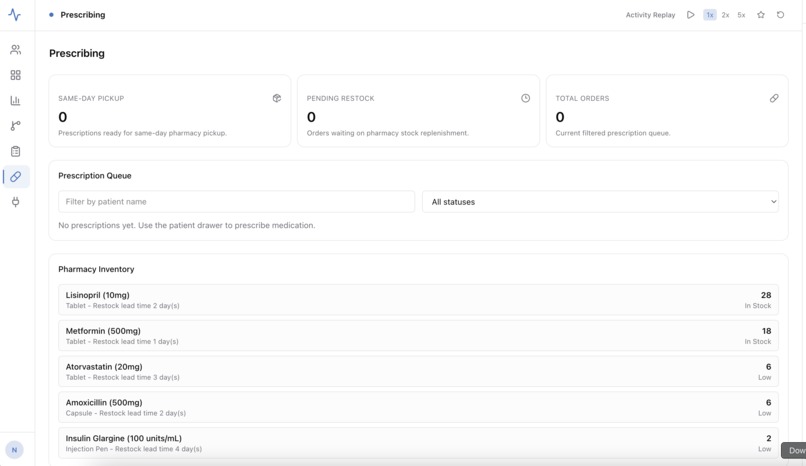
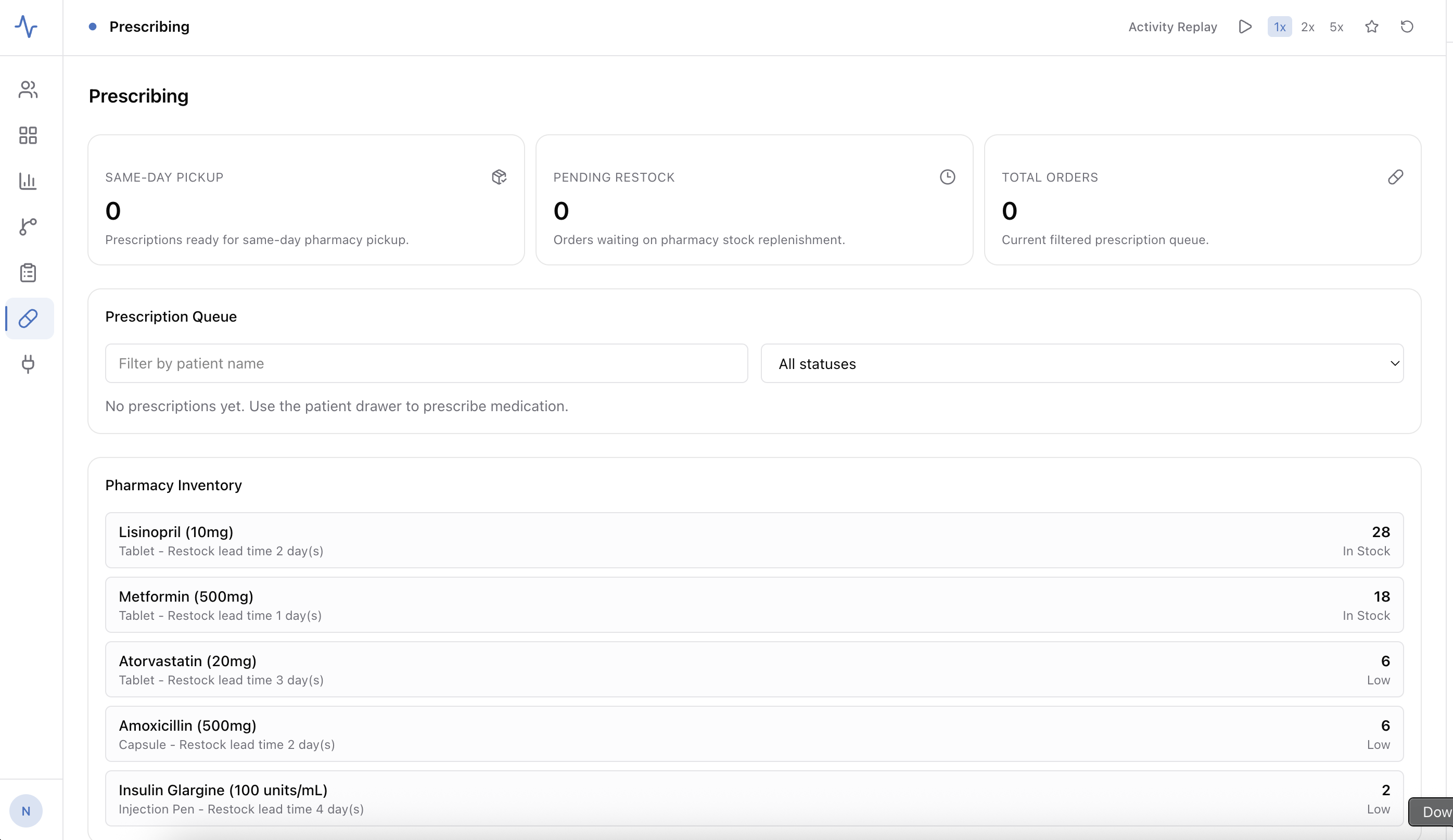
- Prescription issuing and management
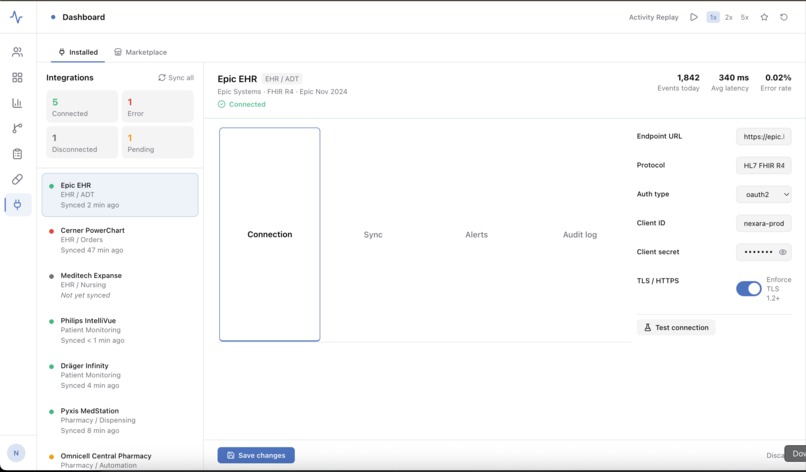
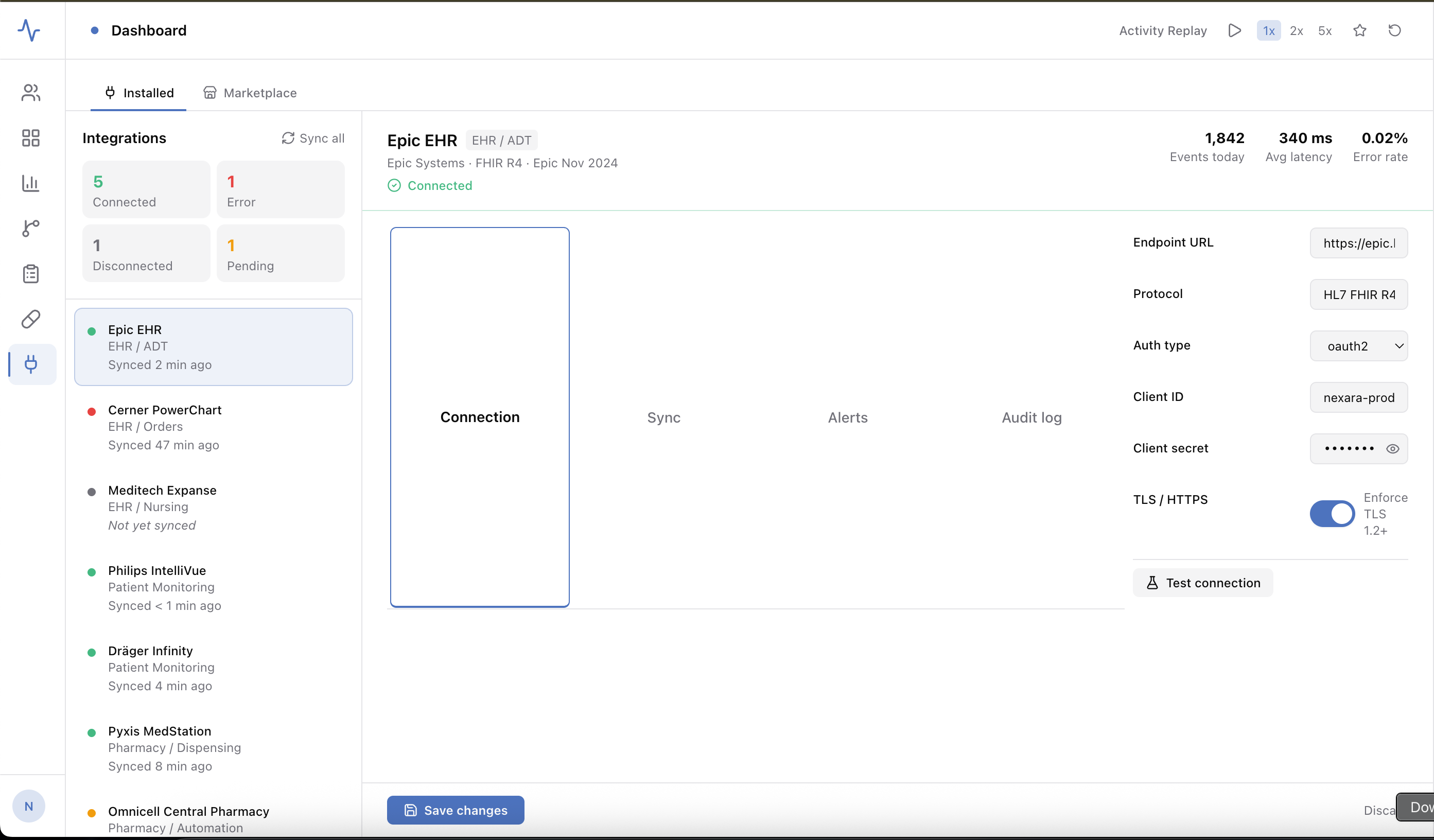
- Sync with other medical tools easily with just a few clicks
- Everything is exportable
In short: it turns discharge complexity into a clear, prioritized action queue.
How we built it
We built Nexara using:
- React + TypeScript
- Vite for fast iteration
- Tailwind + shadcn/ui patterns for a dense clinical dark-theme UI
- A custom trained and hosted deepseak model running on the amd gpu cloud
Our design principles were:
- Readability under pressure: high contrast, minimal visual noise
- Operational density: every pixel earns its place
- Actionable hierarchy: everything is optimized for efficiency
Challenges we ran into
- Balancing density with clarity: we needed high information throughput without creating visual overload.
- Making the website easy to use: we had to iterate through countless UI drafts to finalize our current UI to make everything easy to understand and use.
- Human approval flow: ensuring “automation assist” without crossing into unsafe “automation replace.”
Accomplishments that we're proud of
- Built a clear, floor-level discharge prioritization experience from scratch.
- Delivered a deterministic scoring model that is optimized to maximize productivity in a hospital.
- Established a strong visual language for clinical operations (dark, high-contrast, status-driven).
- Preserved safety with a human-in-the-loop checkpoint before sending documents.
What we learned
- In operational healthcare tools, clarity beats novelty every time.
- Building with strict constraints (time and api limits) can sharpen architecture and interaction design.
- Product value appears fastest when there is real impact in your project.
What's next for Nexara
Next steps focus on moving from strong demo value to production readiness:
- Add role-aware workflows (charge nurse, case manager, admin)
- Expand analytics (discharge trend, blocker frequency, ward comparison)
- Improve recommendation quality for next-best action per blocker
- Validate scoring weights with real clinical stakeholders and outcomes data
Built With
- amd
- cloudflare
- css
- html
- javascript
- palantir
- typescript


Log in or sign up for Devpost to join the conversation.