-
-
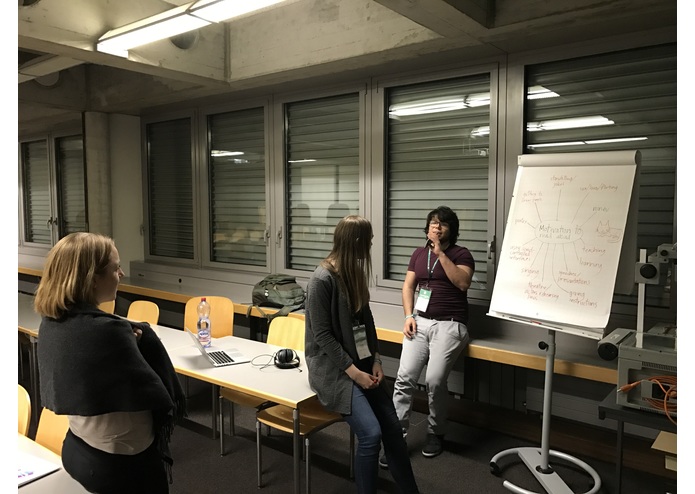
brainstorming (quite long session)
-
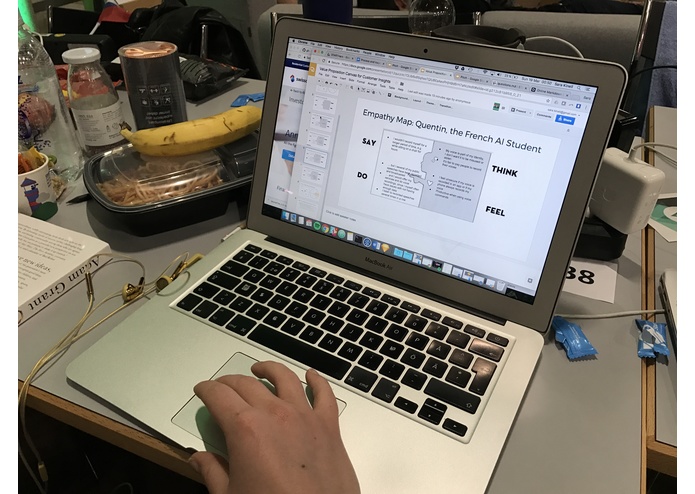
research is being done
-
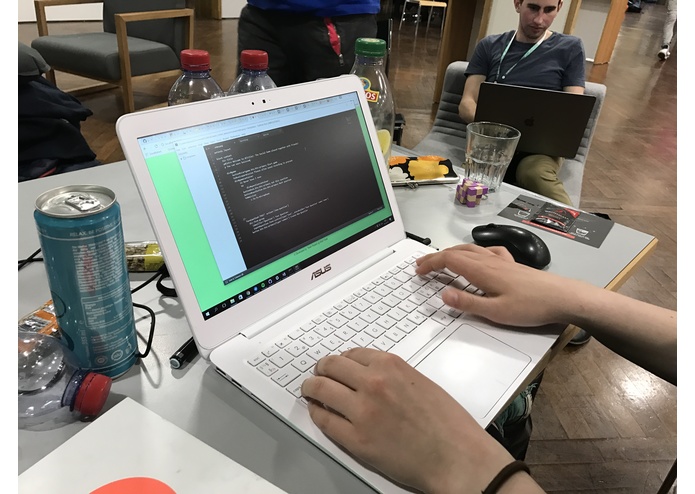
coding part
-
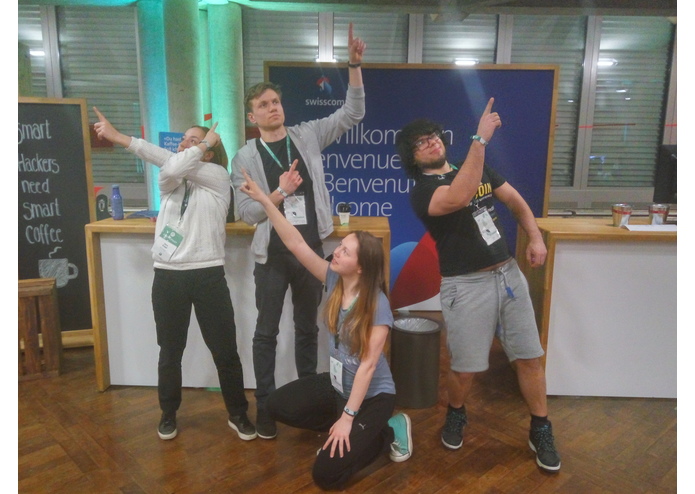
team rocket
-
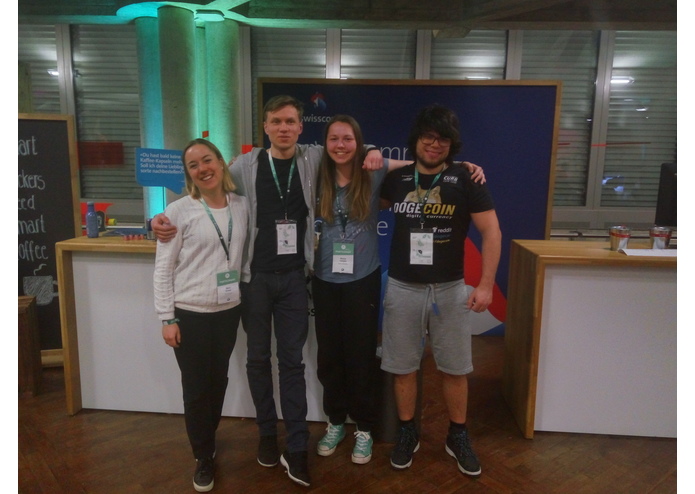
team rocket
Inspiration
Swisscom provided a challenge of refining artificial intelligence through voice recordings. The proposed challenge included a flirting app, similar to Tinder, where users could record messages that would make others attracted by them.
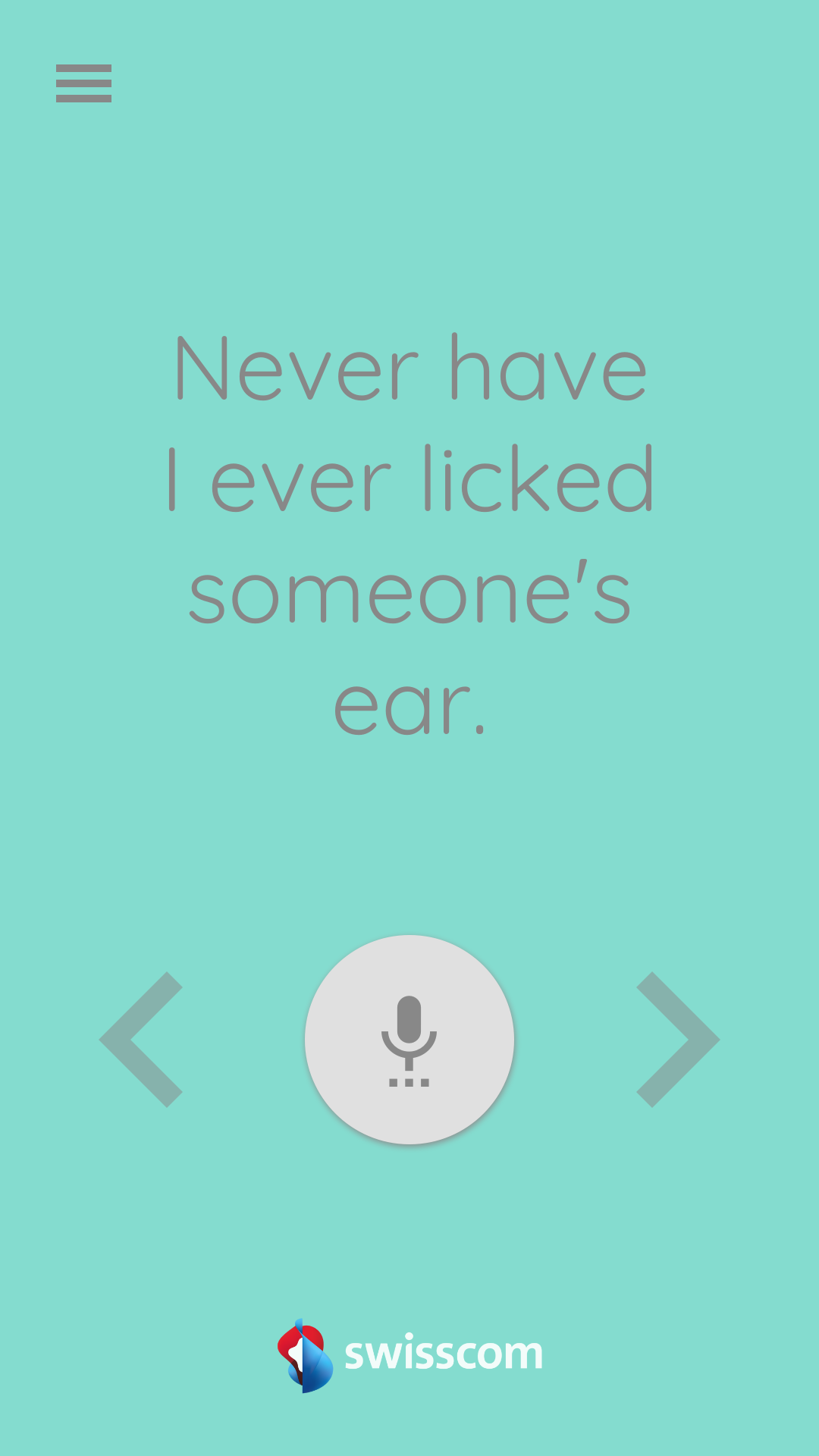
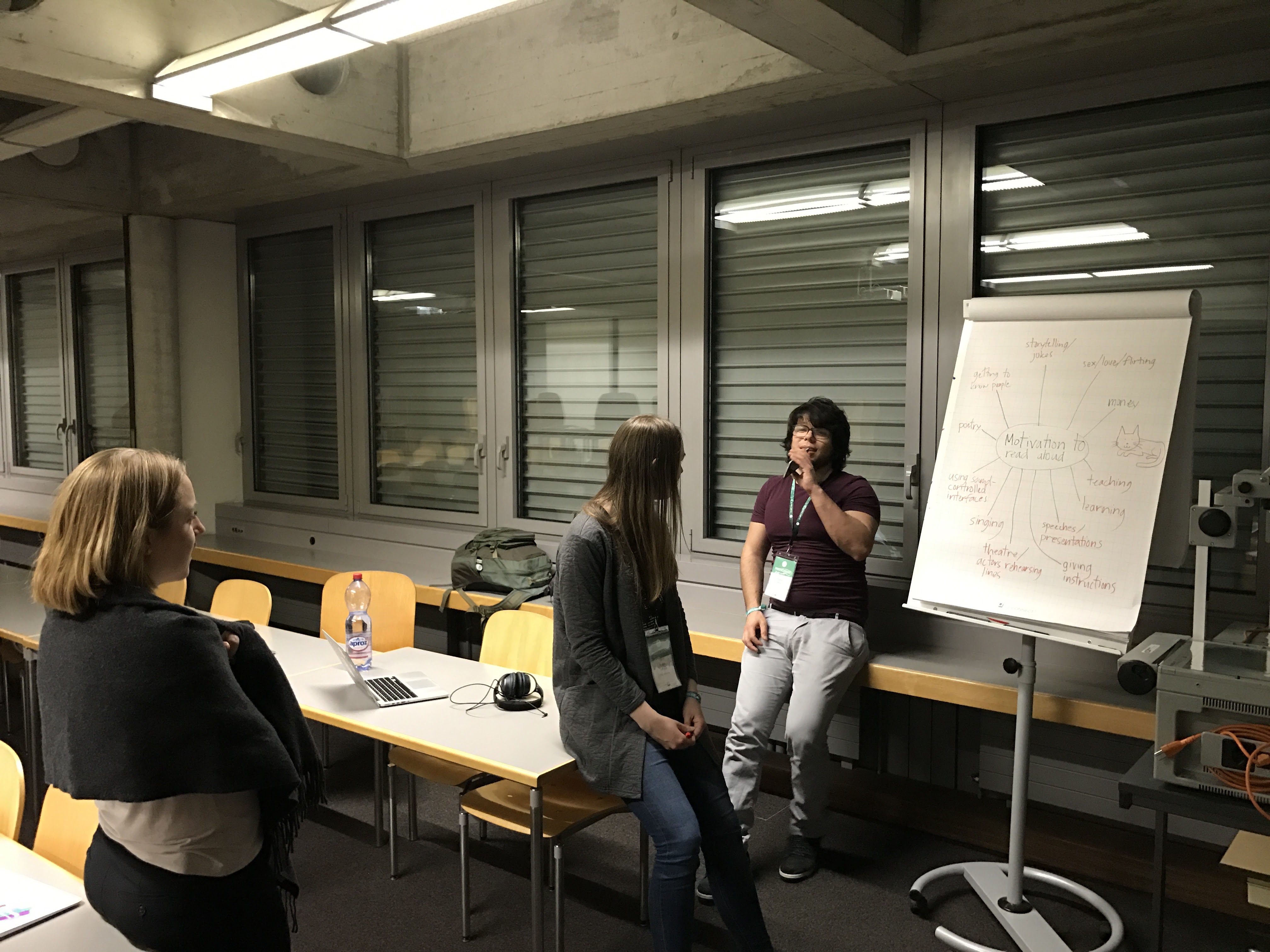
We used the challenge as inspiration and brainstormed more ideas on where voice inputs to machines naturally could be done. Some of the ideas we brainstormed included storytelling, recordings of audiobooks. In addition, we discussed sound captcha, speech based games and singing, learning (such as parents reading out loud for their children) and teaching. However, the idea that we as a team agreed upon in the end was the game called Never Have I Ever. The game can be played as a quiz or a drinking game, where a person asks a question about a life experience, and all people in the group who ever have done this have to take a sip of their drink.
What it does
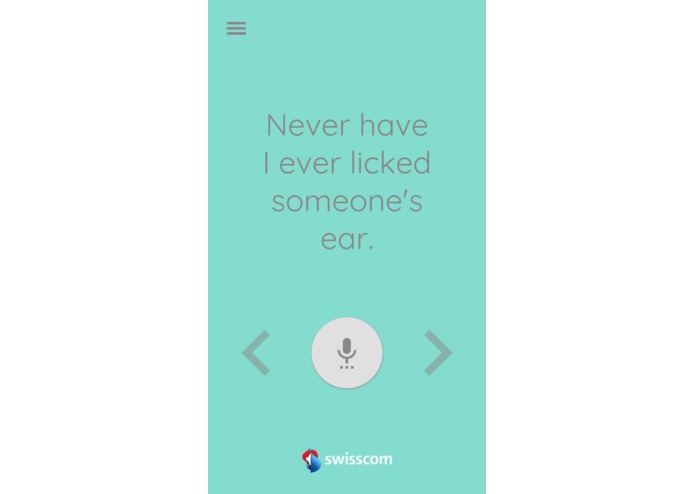
The goal is to provide an interactive experience for, and to also be able to extract voice input from, the user. The solution randomly displays questions to game players, some more challenging and some can be answered easily. The application gathers voice input form the user and stores it on the server.
The solution incentivizes the user to participate in the game, and contribute with recorded speech.
How we built it
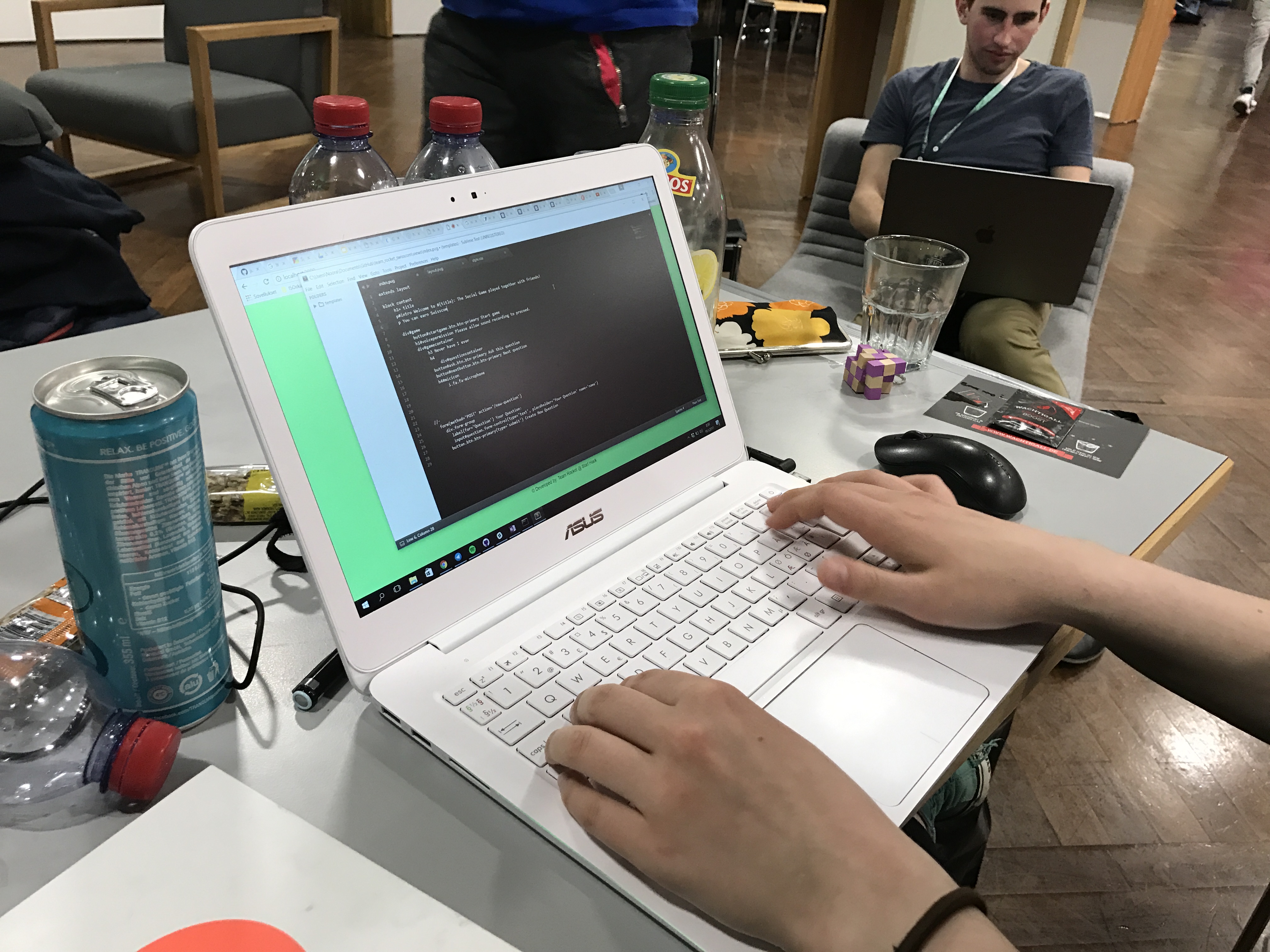
We made a web app (using Node.js and Express for the server part and Pug and Bootstrap for View and Style).
Challenges we ran into
We struggled to find a solution, that would motivate a person enough, so that he or she would be willing to read the text out loud. We realized that there has to be clear value for the user, and we decided to focus on a gaming experience. Hence, we spent a considerable amount of time in the beginning of the project on brainstorming and trying to solve a real need for the potential users.
Also, none of us have any experience with the machine learning (tensorflow etc.).
What we learned
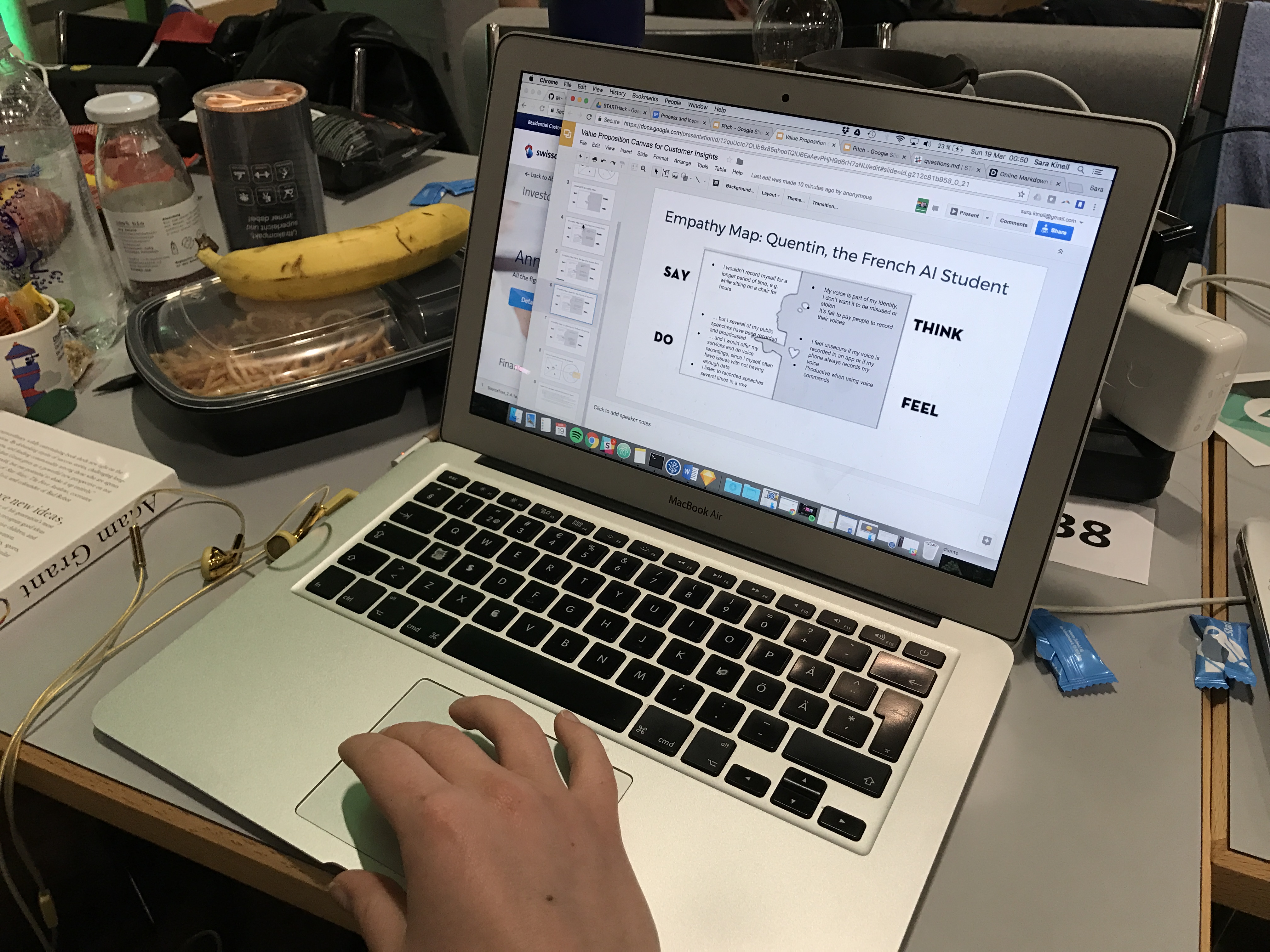
In order to tackle the challenge of finding the right incentives for our target group, we needed to understand how potential users use voice commands today, and how they would feel motivated to contribute to machine learning through voice recognition. We approached this problem through a Design Thinking approach, and conducted 13 in-depth interviews with participants from START Hack.
Potential users of our solution would feel insecure if the computer constantly, or without their consent, recorded their voice. In addition, they had a need of trusting the one responsible for the data stored. Users could imagine contributing to a machine learning project if they know it would benefit themselves, or other people.
The learnings we gained through these interviews were used to design the following features of our solution: The solution is branded and provided by a well-trusted company, Swisscom, which increases the trustworthiness of the application and data recording When a question is displayed for the user to read out loud, she can choose to record her speech or not. If she does, she earns Swisscom points, which directly can be converted to money used to pay parts of, or even the whole, Swisscom phone bill.
What's next for Never Have I Ever
As next steps, our solution could be expanded to include more games than Never Have I Ever, to adapt the solution to different demographics or target groups. More games, result in more input and also more customized input. All this could further improve Swisscom Swiss-German voice dataset.


Log in or sign up for Devpost to join the conversation.