-
-
Introducing NeuroViu Research Agent: advancing transparent, AI-powered neuroscience research using NVIDIA Nemotron and Nebius.
-
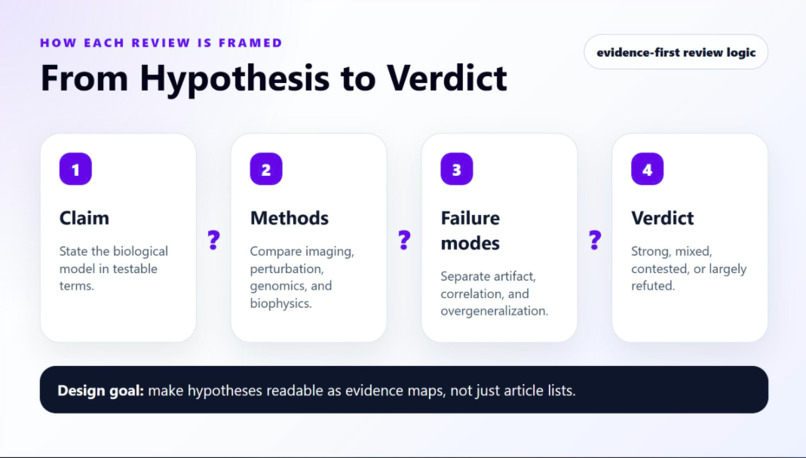
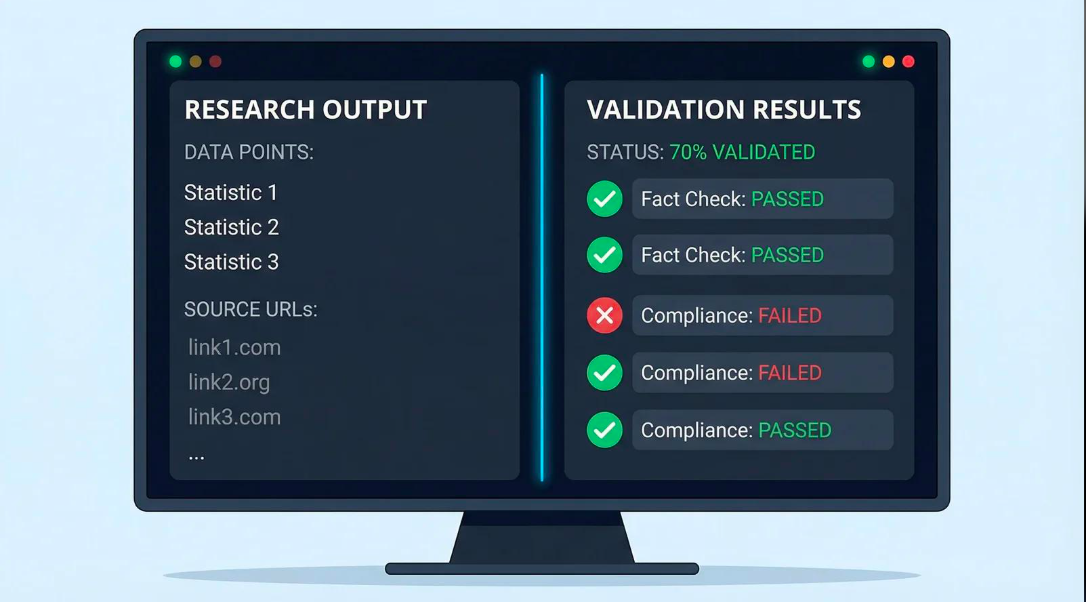
NeuroViu prioritizes evidence-based explanations with 6/6 text-screening checks and 8/8 numerical claims verified in our demonstration.
-
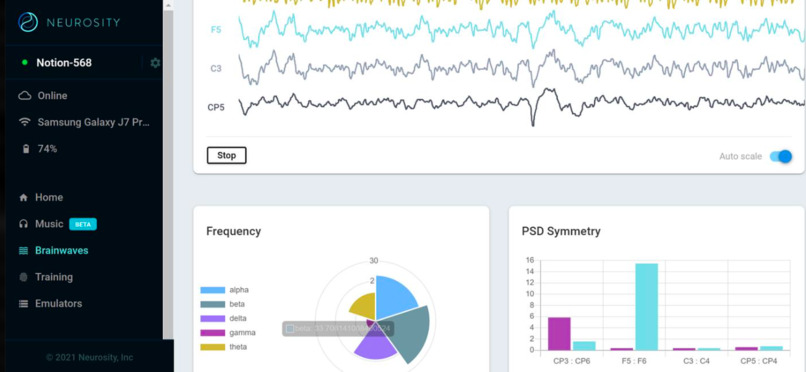
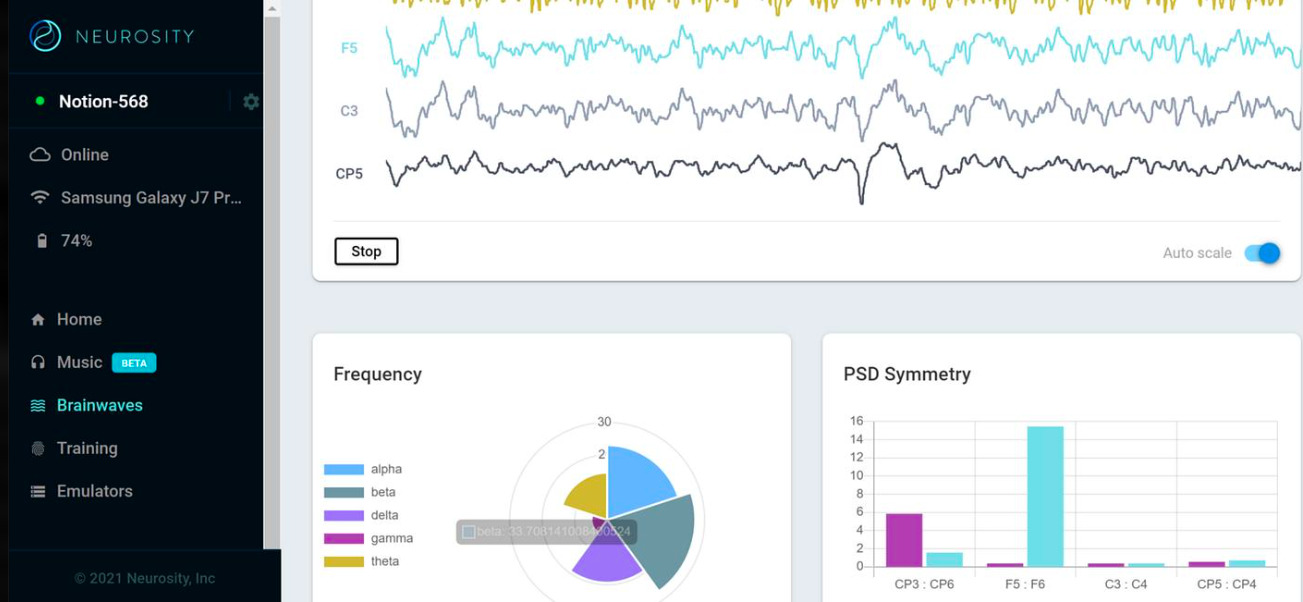
Analyzing synthetic EEG signals across delta, theta, alpha, and beta frequency bands using reproducible signal-processing methods.
-
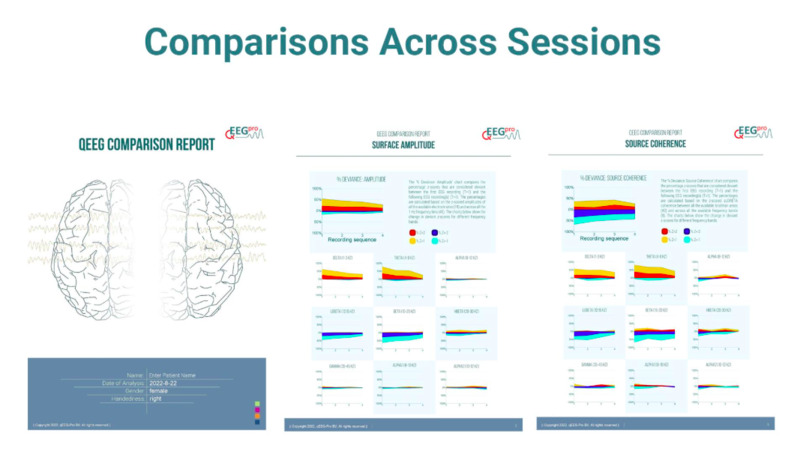
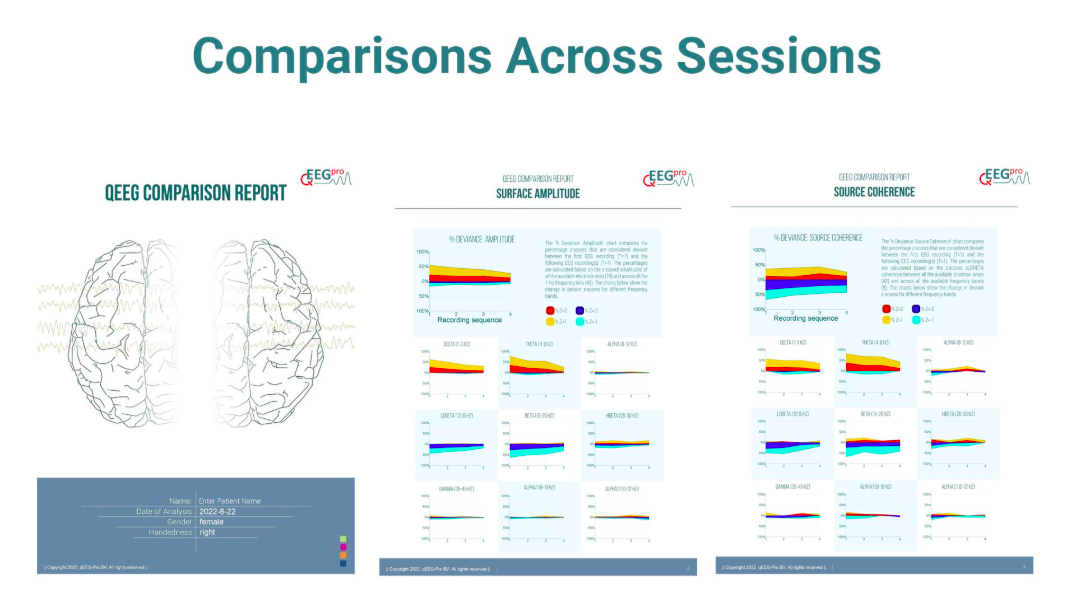
Comparing synthetic EEG sessions to visualize frequency-band changes over time and support transparent, quantitative research analysis.
-
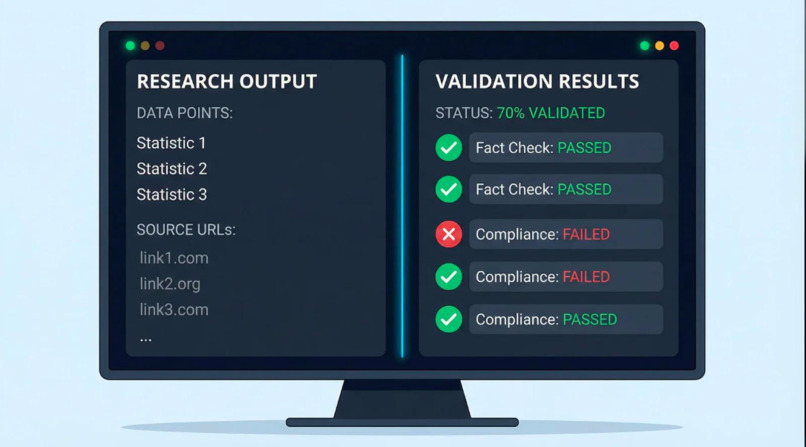
Trust, but verify.
Inspiration
The brain produces extraordinary amounts of information, yet transforming neural signals into understandable, reproducible research insights remains challenging.
As a biomedical engineer and founder of NeuroViu, I am passionate about advancing accessible neuroscience research through artificial intelligence. I founded NeuroViu to explore how emerging technologies can help researchers better understand brain activity, cognitive performance, and changes in neural signals over time.
One challenge particularly interests me: How can we use generative AI to explain complex neuroscience data without allowing it to invent scientific findings?
That question inspired the NeuroViu Research Agent, developed for the Nebius × NVIDIA Global AI Hackathon 2026.
Our goal was to build a working research prototype that combines quantitative EEG analysis with AI-generated explanations while independently verifying numerical claims.
What It Does
NeuroViu Research Agent is an AI-powered, non-diagnostic neuroscience research prototype that analyzes synthetic electroencephalography (EEG) signals and transforms quantitative measurements into understandable research summaries.
The application demonstrates:
Synthetic EEG generation: Simulates two EEG channels, F3 and F4, under baseline, high-frequency noise, and flat-channel conditions.
Spectral analysis: Computes power spectral density (PSD) and summarizes delta, theta, alpha, and beta frequency bands.
Signal-quality assessment: Flags illustrative signal abnormalities, including flat-channel behavior.
Longitudinal comparison: Compares synthetic EEG sessions and calculates absolute and percentage changes in frequency-band measurements.
AI-powered explanations: Uses NVIDIA Nemotron through Nebius Token Factory to explain computed results and scientific limitations.
AI output verification: Screens generated explanations and checks structured numerical claims against independently computed measurements.
Research reporting: Displays a research dashboard and provides downloadable HTML reports.
Rather than allowing generative AI to determine the scientific results, NeuroViu calculates the measurements first and uses the language model to explain them.
This distinction is central to the project's design.
How We Built It
The Research Agent was developed using Python and deployed as an interactive Streamlit application.
Neuroscience Signal Processing
We used MNE-Python, NumPy, and Pandas to generate and analyze reproducible synthetic EEG data.
The prototype processes two simulated EEG channels sampled at 256 Hz over 12 seconds.
Welch's method estimates power spectral density, with measurements summarized across four frequency bands:
Delta: 1–4 Hz
Theta: 4–8 Hz
Alpha: 8–13 Hz
Beta: 13–30 Hz
The application also compares two synthetic recording sessions and computes percentage changes for each channel and frequency band.
These calculations are performed independently of the language model.
NVIDIA Nemotron + Nebius Integration
We integrated NVIDIA Nemotron 3 Nano 30B A3B, accessed through the Nebius Token Factory API, to generate research-oriented explanations.
The application supplies the model with structured EEG measurements, signal-quality indicators, and optional longitudinal comparison results.
We designed the prompting workflow to emphasize scientific boundaries, including:
Identifying all EEG data as synthetic.
Distinguishing measured values from interpretation.
Avoiding unsupported diagnoses or cognitive-state claims.
Explaining limitations of spectral measurements.
Preserving the numerical values supplied by the analysis pipeline.
Verification and Transparency
One of the most important components is the verification workflow.
The Research Agent includes text screening to evaluate whether explanations meet defined research communication requirements.
It also verifies structured frequency-band percentage-change claims against the application's independently computed results.
During our final demonstration, the application achieved:
6/6 text-screening checks passed
8/8 structured numerical claims verified
These results demonstrate successful checks for the recorded example, rather than a claim that the model is universally accurate or clinically validated.
Deployment
The application was developed with GitHub-based version control and deployed through Render.
The prototype uses environment variables for API configuration, keeping credentials separate from the source code.
Technology stack: Python, Streamlit, MNE-Python, NumPy, Pandas, Matplotlib, NVIDIA Nemotron, Nebius Token Factory, GitHub, and Render.
Challenges We Faced
- Preventing Unsupported Scientific Claims
Generative AI can produce convincing explanations that go beyond the evidence supplied.
We addressed this by separating deterministic signal processing from language generation and introducing explicit restrictions on unsupported medical and cognitive interpretations.
- Verifying AI-Generated Numbers
A scientifically plausible explanation can still contain incorrect numerical statements.
We developed a structured verification workflow that compares model-generated percentage-change claims against the underlying calculations.
This became one of the project's defining features.
- Building Reliable Research Safeguards
Early screening logic required refinement to recognize appropriate scientific limitation statements.
We improved the screening conditions, strengthened the model's required disclosure language, and added regression testing.
- Working Within Deployment and API Constraints
We worked with limited hosted compute resources and a restricted AI request allowance.
To keep the demonstration accessible, we designed the application so synthetic EEG analysis remains functional independently of AI API availability.
What We Learned
This project reinforced an important principle:
Generative AI should help researchers understand scientific evidence, not replace the evidence itself.
We learned how to combine deterministic neuroscience analysis with NVIDIA Nemotron, design machine-checkable model outputs, and build practical safeguards around AI-generated research communication.
We also learned the importance of making model limitations visible to users rather than treating them as an afterthought.
What's Next
The Research Agent is an early step toward NeuroViu's broader vision for accessible, transparent neuroscience research.
Future development priorities include:
Supporting appropriately consented real-world EEG research datasets.
Expanding beyond two channels to multichannel EEG analysis.
Improving signal-quality and artifact-assessment methods.
Developing richer longitudinal research dashboards.
Expanding automated verification and reproducibility testing.
Exploring additional multimodal research workflows and explainable AI methods.
Future use with real EEG data would require appropriate privacy protections, validation, and research governance.
Our long-term vision is to create research tools that help scientists explore neural signals while maintaining transparency, reproducibility, and responsible AI practices.
Try NeuroViu Research Agent
Live application: https://neuroviu-research-agent.onrender.com/
GitHub: https://github.com/NeuroViu/neuroviu-research-agent
Video demonstration: https://youtu.be/UpguJTsttwI
Research disclaimer: NeuroViu Research Agent currently uses synthetic EEG data for research demonstration purposes only. It is not a medical device, does not provide diagnoses, and has not been clinically validated.

Log in or sign up for Devpost to join the conversation.