Inspiration: Rising global deaths from lung diseases and the need for faster, accurate diagnosis inspired this AI-based solution.
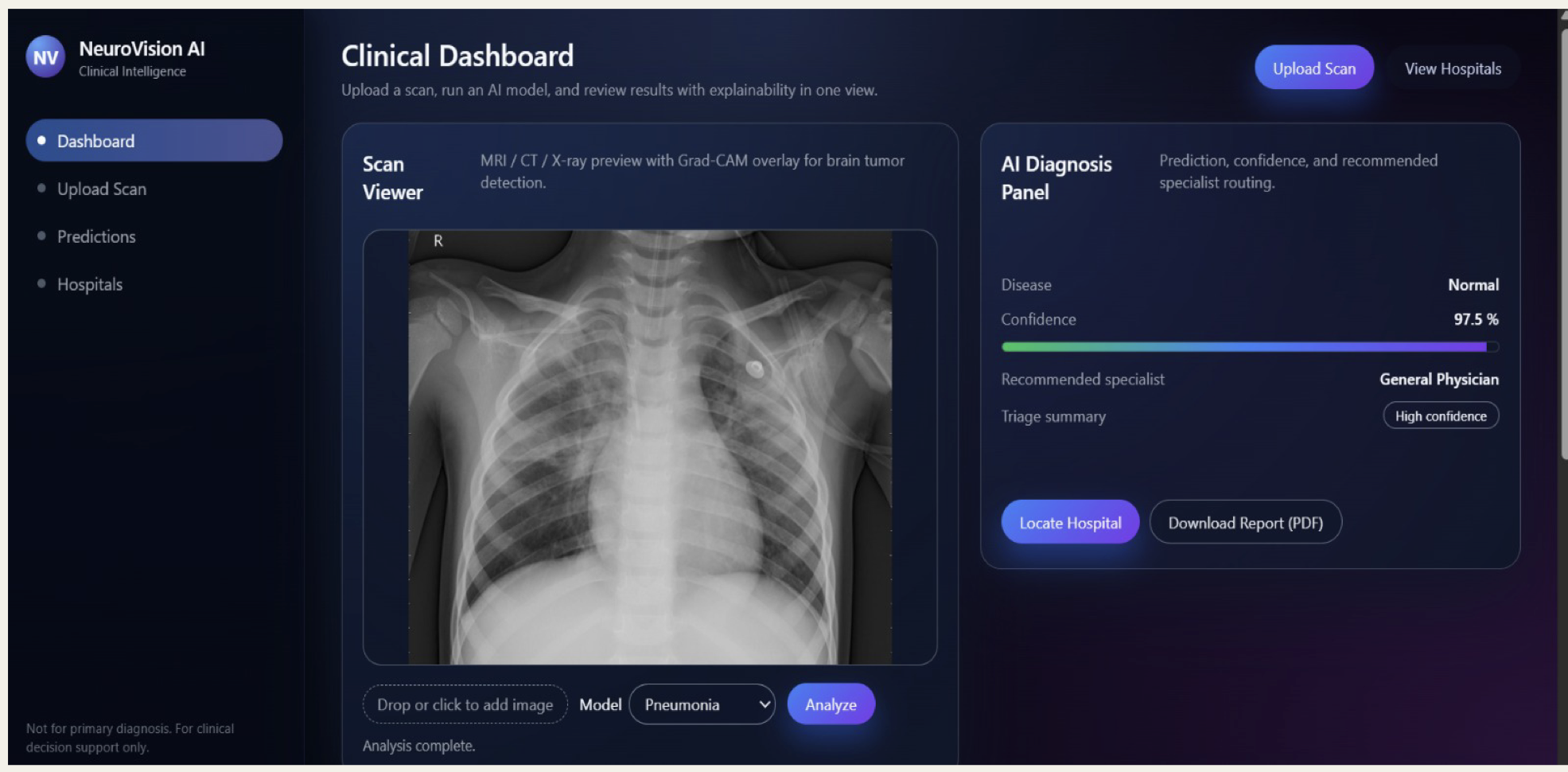
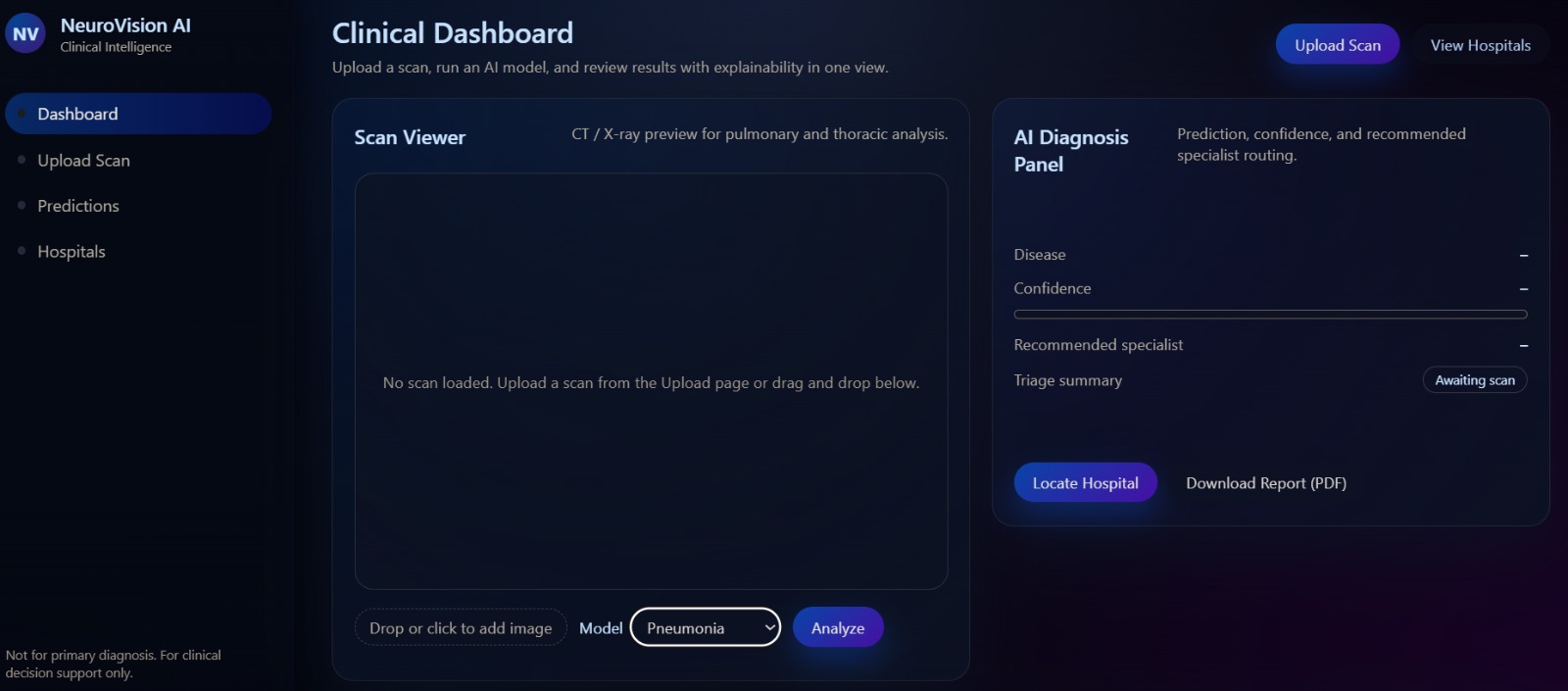
What it does: Detects lung cancer and pneumonia, from medical images using AI models.
How we built it: Used datasets like NIH ChestX-ray14 and LUNA16 with CNN architectures (ResNet, DenseNet, EfficientNet).
Pipeline: Data preprocessing, model training, and evaluation
Challenges: Handling class imbalance, ensuring high accuracy, and achieving reliable generalization across datasets.
Accomplishments: Achieved ~90%+ performance, approaching radiologist-level accuracy in detection tasks.
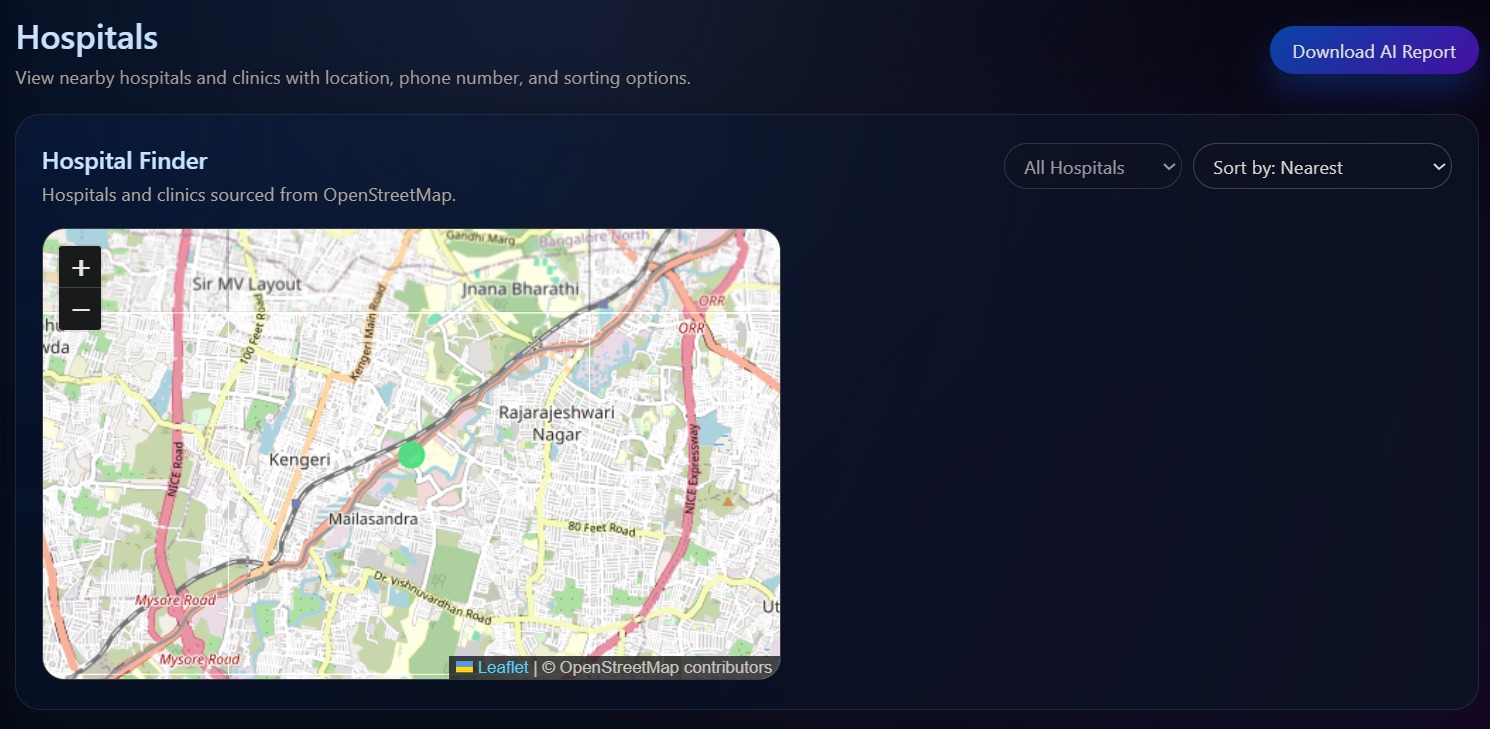
Impact: Enables rapid, scalable screening, especially in low-resource healthcare settings.
Explainability: Integrated Grad-CAM visualizations to highlight disease regions and improve trust.
What we learned: Importance of data quality, preprocessing, and model interpretability in healthcare AI.
What’s next: Deploy as a cloud/edge diagnostic tool and expand to more diseases for broader clinical use.

Log in or sign up for Devpost to join the conversation.