-
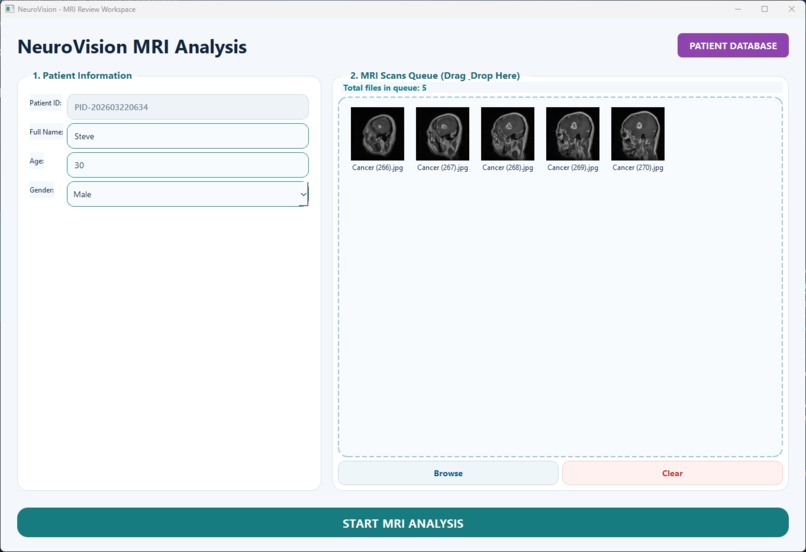
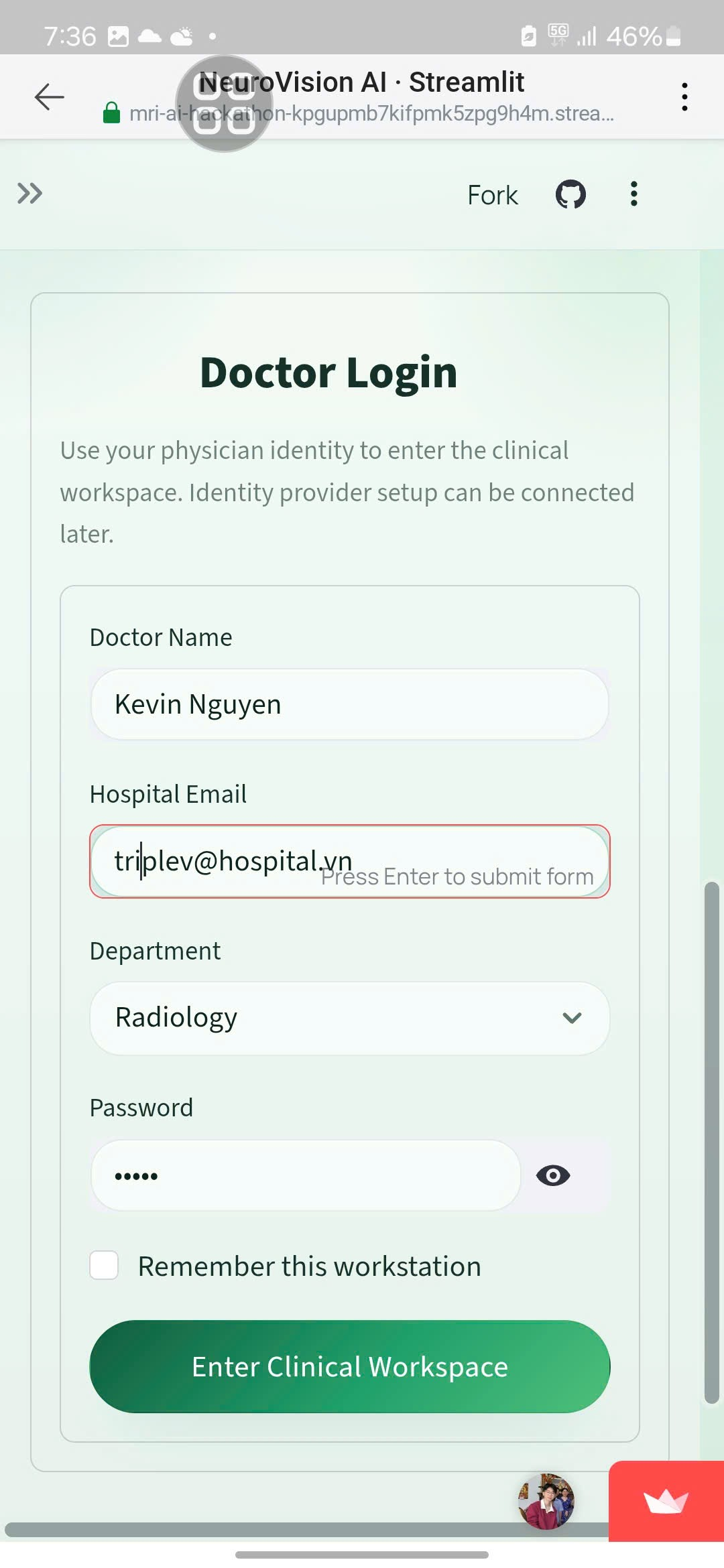
Main app menu
-
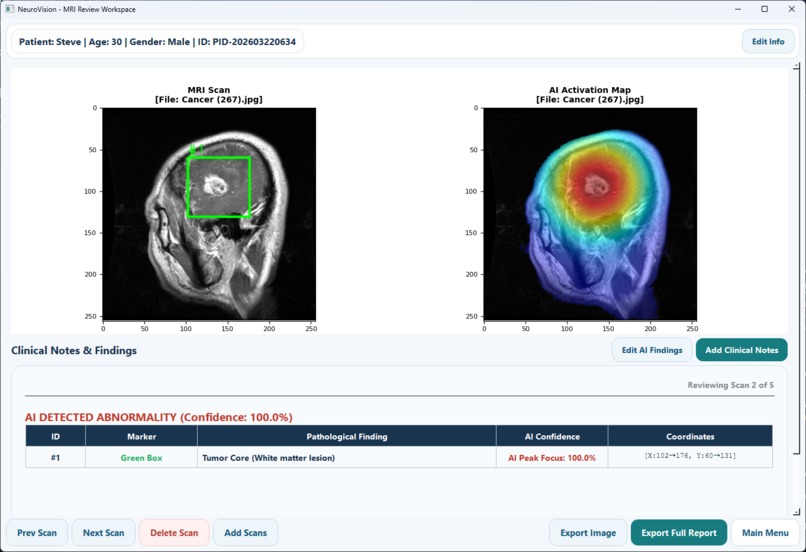
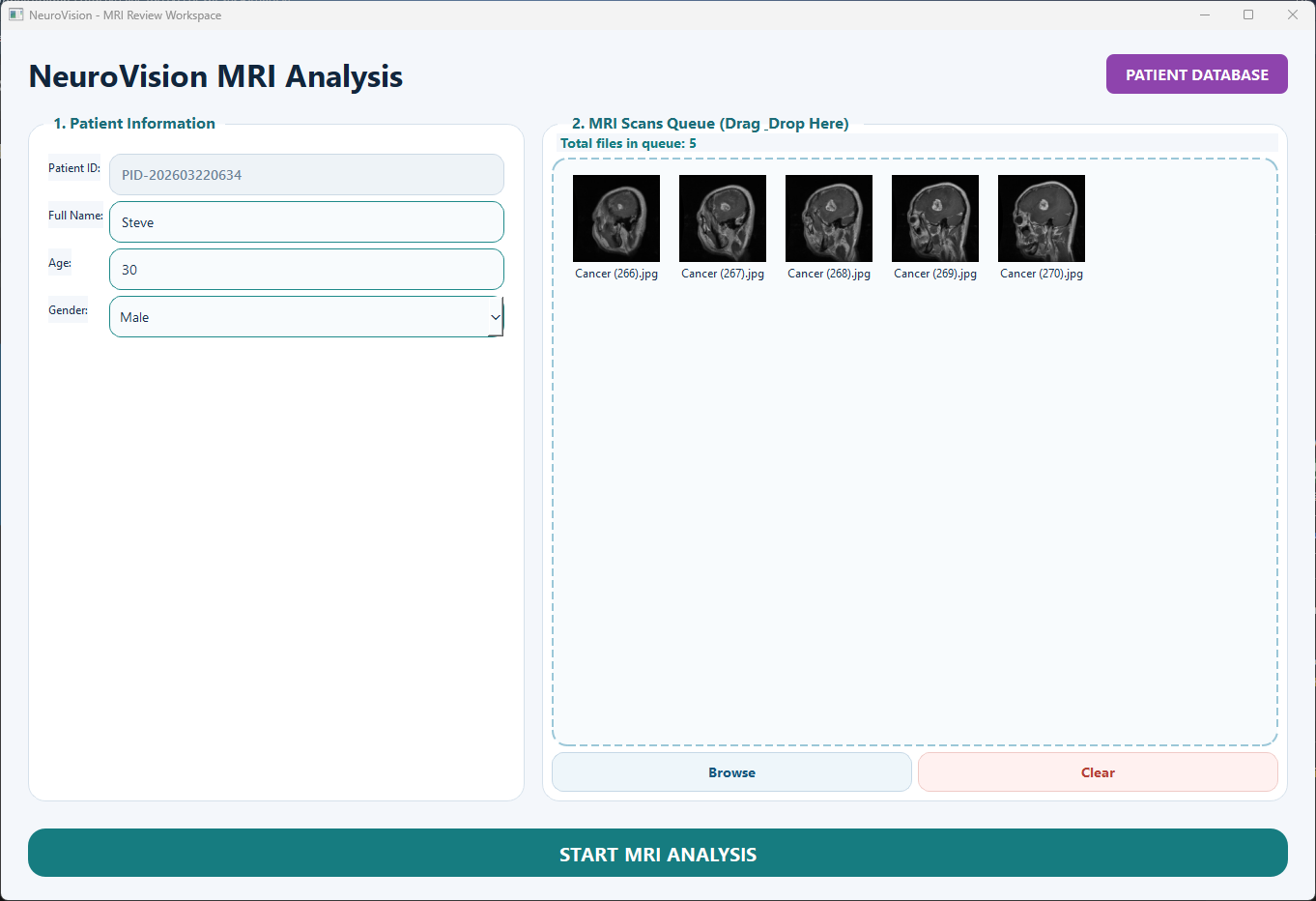
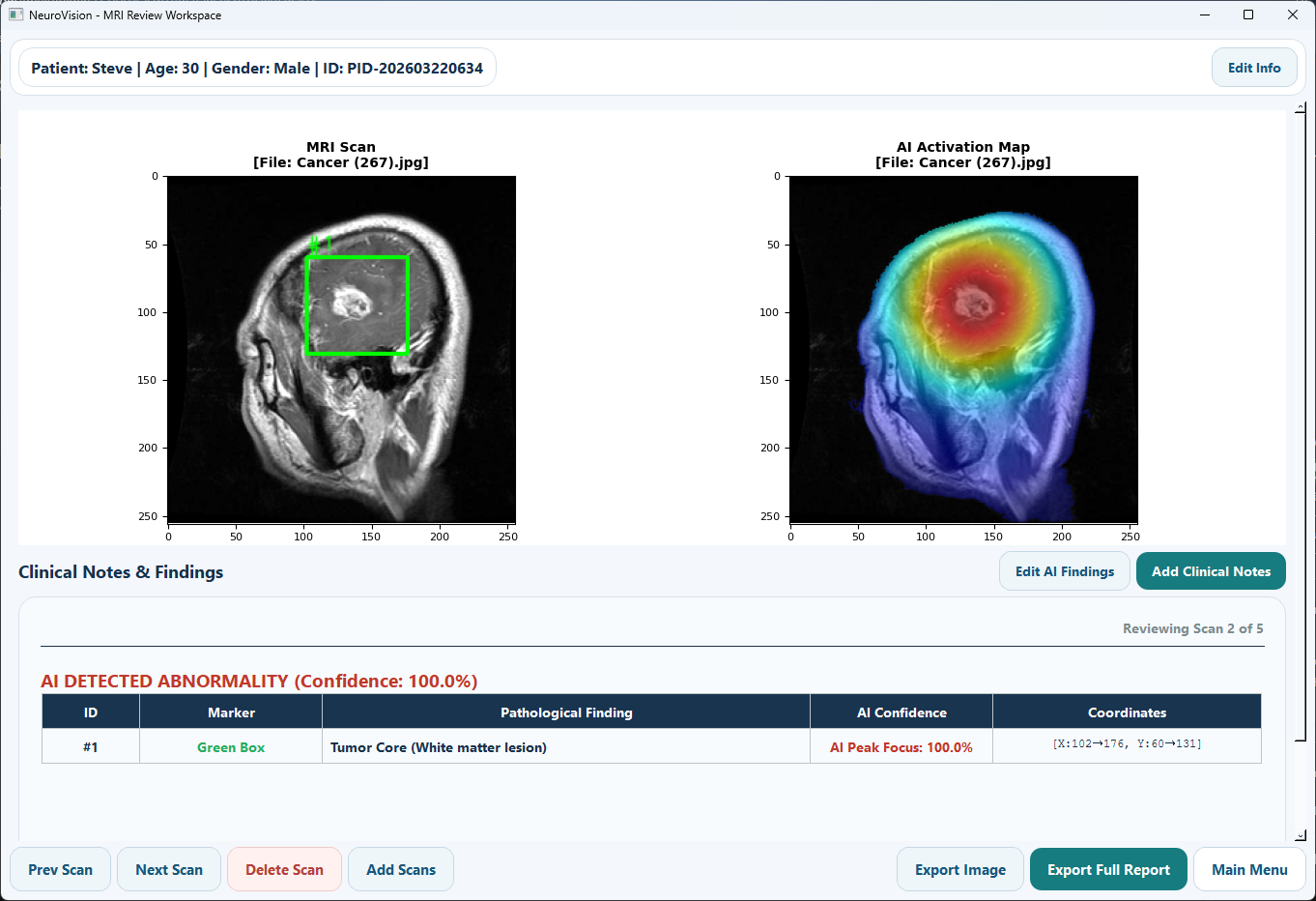
Scanning
-
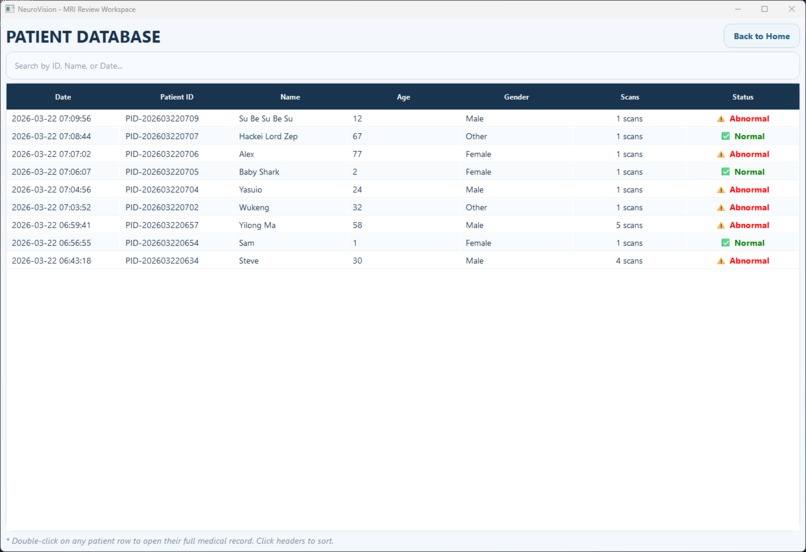
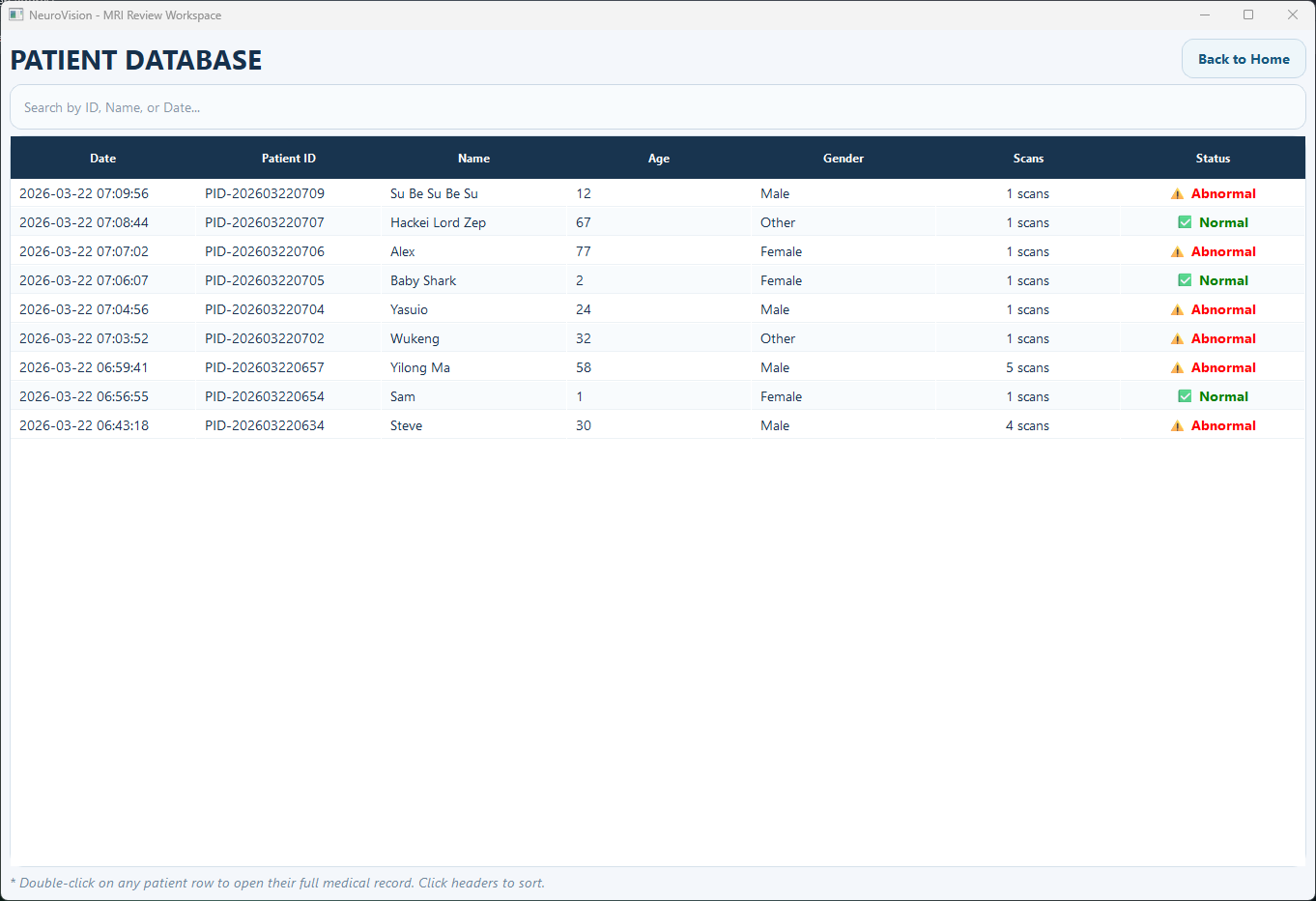
Patient database (history)
-
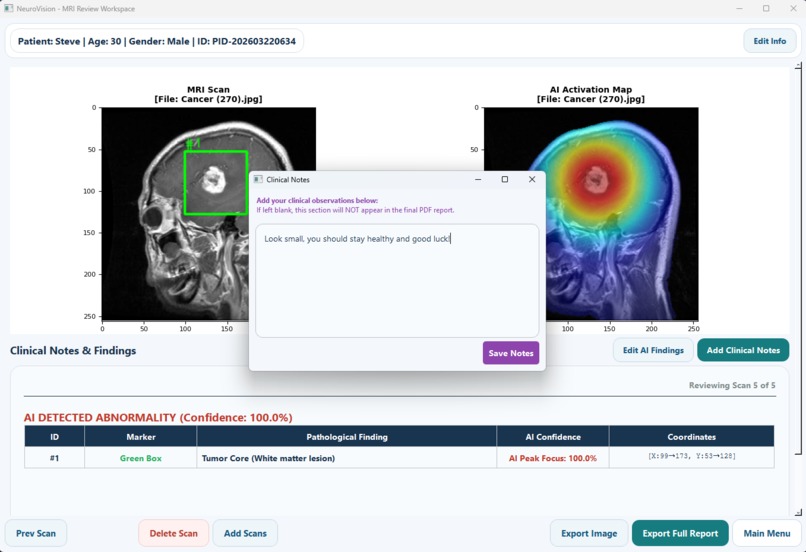
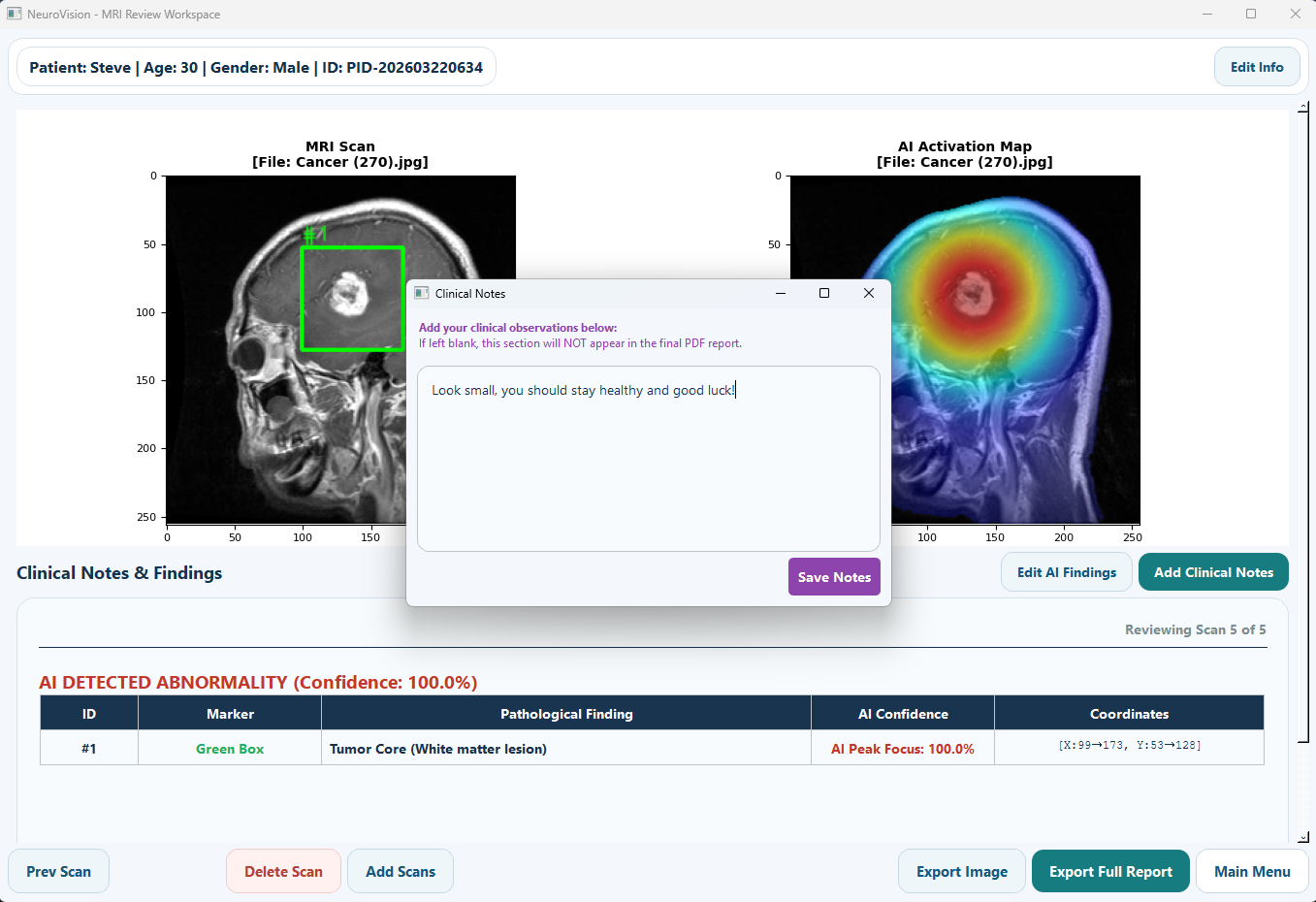
Add clinical notes
-
-
-
Inspiration
The inspiration behind NeuroVision stems from the critical bottleneck of cognitive fatigue among radiologists and the limited accessibility of top-tier neurological expertise in frontline clinics. While Artificial Intelligence has made massive strides in medical imaging, most state-of-the-art models operate as opaque "black boxes" that healthcare professionals cannot confidently trust with a patient's life. Motivated by the TASCO 'Social & Mobility' track to democratize healthcare, we wanted to change this narrative by building a transparent, "Human-in-the-Loop" diagnostic workspace. By integrating high-precision U-Net segmentation with Explainable AI (Grad-CAM), we envisioned NeuroVision not as a machine to replace doctors, but as a tireless digital assistant that brings trustworthy, advanced, and accessible MRI analysis to any local clinic's desktop.
What it does
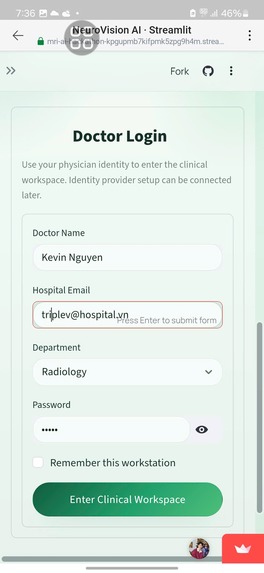
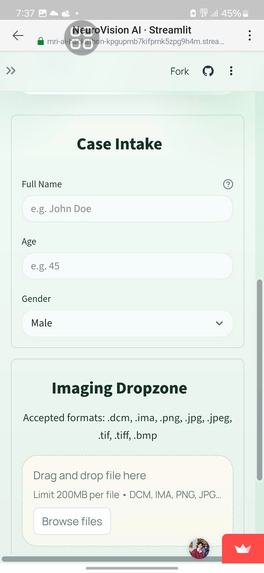
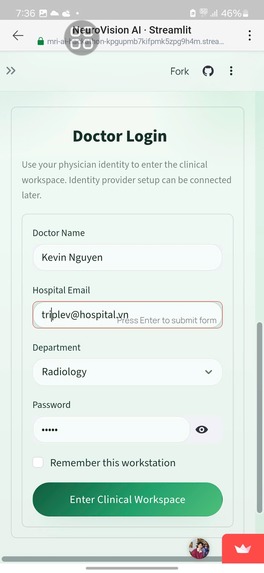
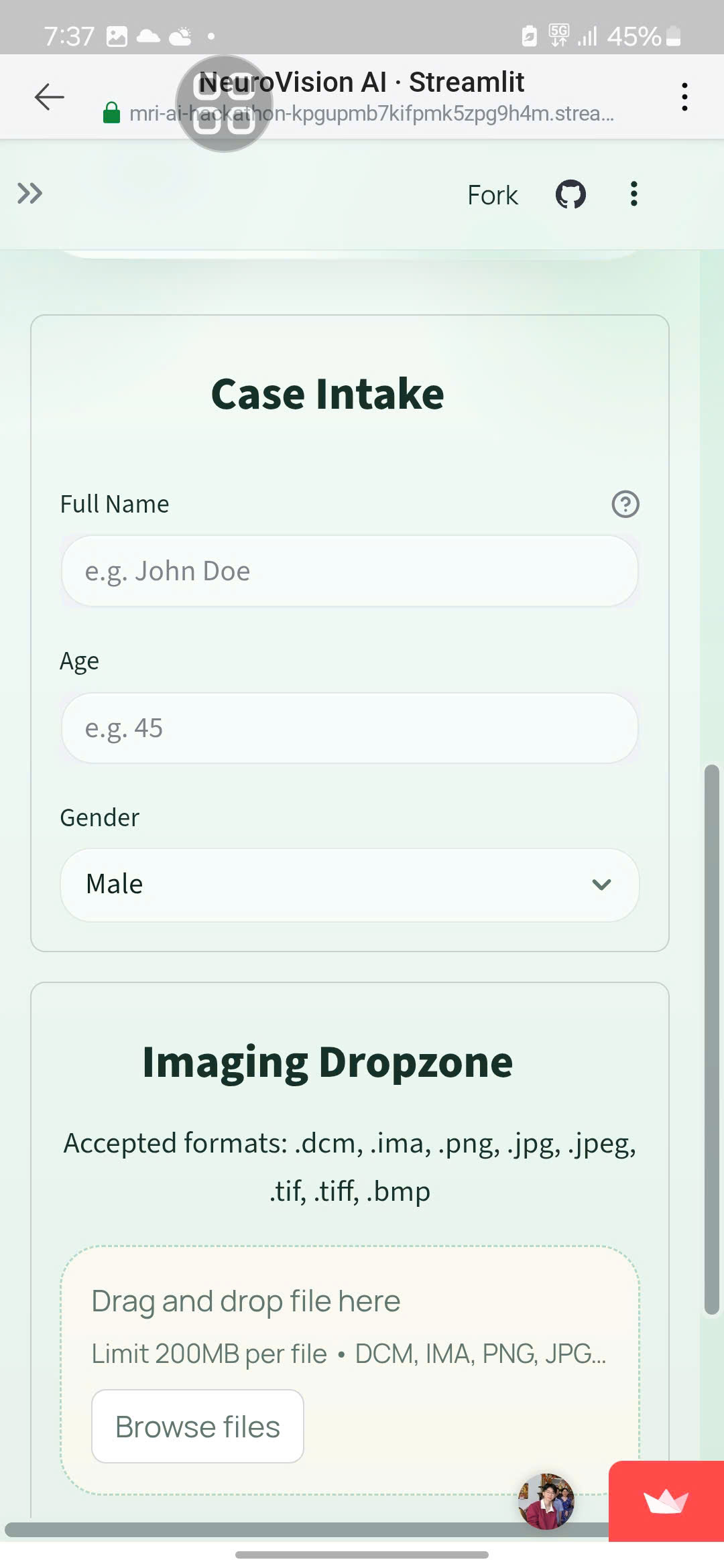
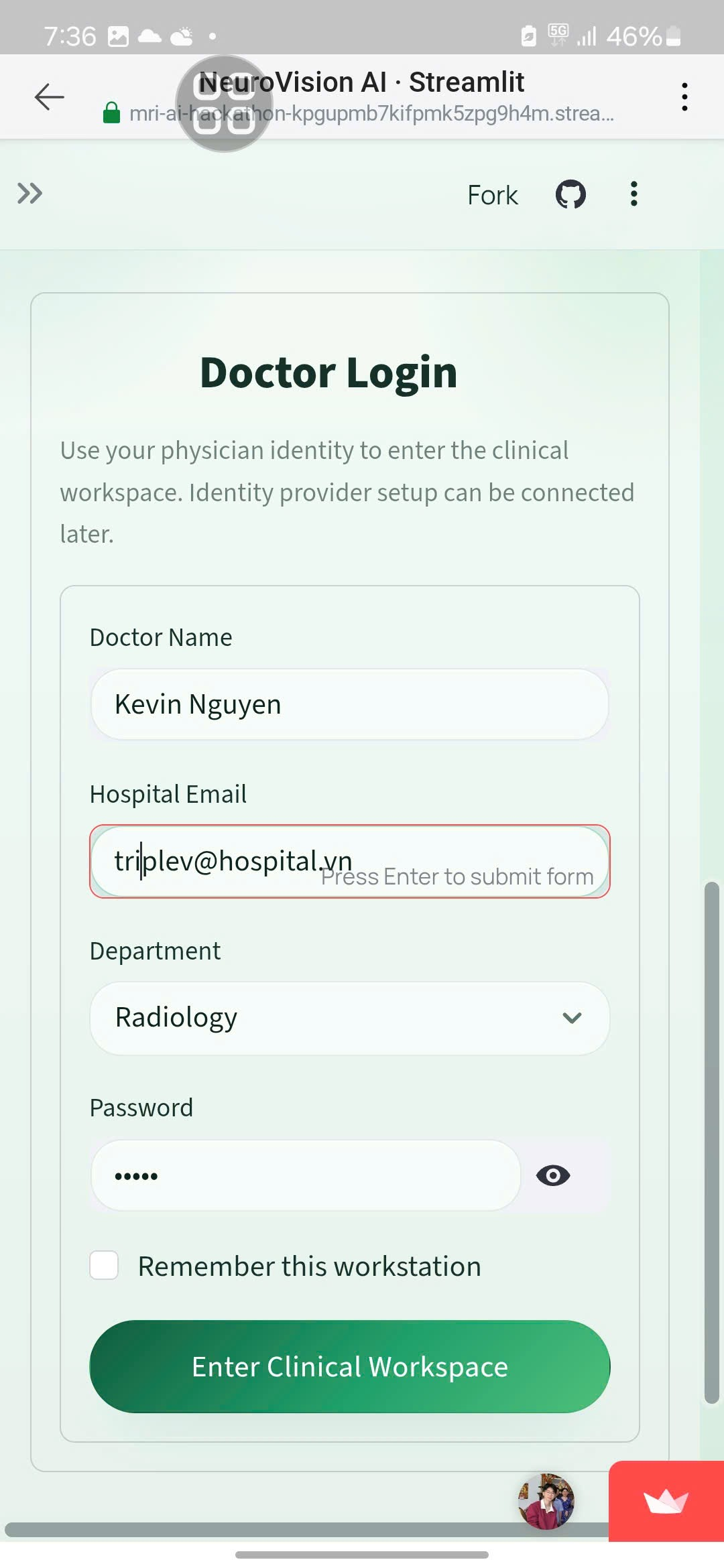
NeuroVision functions as an all-in-one, offline diagnostic workspace for medical professionals. At its core, it allows doctors to seamlessly create patient profiles and batch-process multiple MRI scans with zero latency. Running in the background, our custom AI engine rapidly analyzes these images to detect and segment brain abnormalities. Instead of just giving a raw output, NeuroVision generates intuitive heatmaps (Grad-CAM) and bounding boxes to visually explain exactly where and why the AI made its decision. Crucially, the platform is designed with a 'Human-in-the-Loop' philosophy: a built-in clinical editor empowers doctors to review, override, and append their own professional notes to the AI's findings. Finally, the system securely organizes all records into a local, offline database (PACS) and can export a professional, ready-to-print PDF medical report with just a single click.
How we built it
We engineered NeuroVision using a modular architecture that separates a robust deep learning backend from a highly responsive graphical user interface. The core AI engine was developed using PyTorch, featuring a custom-trained U-Net model optimized for precise medical image segmentation. To ensure clinical trust and transparency, we integrated Grad-CAM algorithms to extract explainable heatmaps directly from the model's convolutional layers. For the frontend, we utilized PyQt6 to craft a professional native desktop experience, implementing multi-threading (QThread) to guarantee a zero-latency UI while the AI processes heavy MRI batches asynchronously. Medical image preprocessing was handled via OpenCV and Pydicom, allowing seamless ingestion of diverse file formats. Finally, we built a secure, offline JSON-based patient database alongside an automated PDF reporting module, packaging the entire ecosystem into a standalone executable using PyInstaller. Furthermore, to accelerate our development cycle during the intense hackathon timeframe, we actively leveraged Generative AI tools, including OpenAI's ChatGPT and Codex. These tools acted as our AI pair-programmers, helping us rapidly prototype complex PyQt6 layouts, debug multi-threading bottlenecks, and optimize our data preprocessing pipelines. This AI-assisted workflow allowed us to spend less time on boilerplate syntax and more time perfecting the core clinical logic and user experience.
Challenges we ran into
Our journey was a rollercoaster of technical pivots and intense problem-solving. We initially set out to build an EEG-based seizure detection system, but we quickly hit a massive roadblock: the sheer volume and complexity of raw brainwave data were overwhelming for a hackathon timeframe, consuming most of our precious development hours just on data ingestion. Realizing we needed a more visual and impactful approach, we pivoted to MRI Analysis. However, our first attempt using a standard ResNet classification model proved to be unreliable for clinical standards; the model was 'overly aggressive,' often producing false positives—it would rather guess incorrectly than provide a nuanced diagnostic boundary. Finally, after sleepless nights of iteration and with the strategic support of OpenAI's Codex and ChatGPT, we successfully transitioned to a U-Net segmentation architecture. This move was a game-changer. It provided the stability we lacked, allowing for precise lesion localization rather than just simple classification. Balancing real-time AI performance with a heavy PyQt6 interface and managing the massive PyTorch dependencies within a 2GB executable limit were our final hurdles, but they ultimately pushed us to build the professional, stable workspace that NeuroVision is today.
Accomplishments that we're proud of
- Successful Pivot & Resilience
- Explainable AI (XAI) Integration
- Seamless "Human-in-the-Loop" Workflow
- High-Performance Desktop Engineering
- Deployment Readiness
- Optimized AI Accuracy
What we learned
- The Art of the Pivot
- Medical AI is about Trust, not just Accuracy
- Deep Learning Deployment Hurdles
- Human-in-the-Loop Design
- AI-Augmented Development
- The Power of Resilience ## What's next for NeuroVision Looking ahead, the roadmap for NeuroVision is focused on expanding its diagnostic depth and increasing its global clinical impact. Our primary goal is to evolve from a 2D slice analyzer to a 3D volumetric segmentation engine, allowing for more precise surgical planning and tumor volume measurements. Beyond MRI, we aim to support a wider range of imaging modalities, such as CT and X-ray scans, creating a unified diagnostic hub for various neurological conditions. To enhance accessibility, we plan to transition from a purely local database to a secure, encrypted Cloud-PACS system, facilitating seamless collaboration between rural clinics and specialist hospitals. Furthermore, by optimizing our models with technologies like TensorRT, we envision bringing this diagnostic power to mobile devices for immediate bedside assistance. Ultimately, we aim to pursue formal clinical validation and regulatory compliance (FDA/CE), transforming NeuroVision from a successful hackathon prototype into a certified, life-saving medical tool ready for daily clinical use.


Log in or sign up for Devpost to join the conversation.