


🧠 About the Project
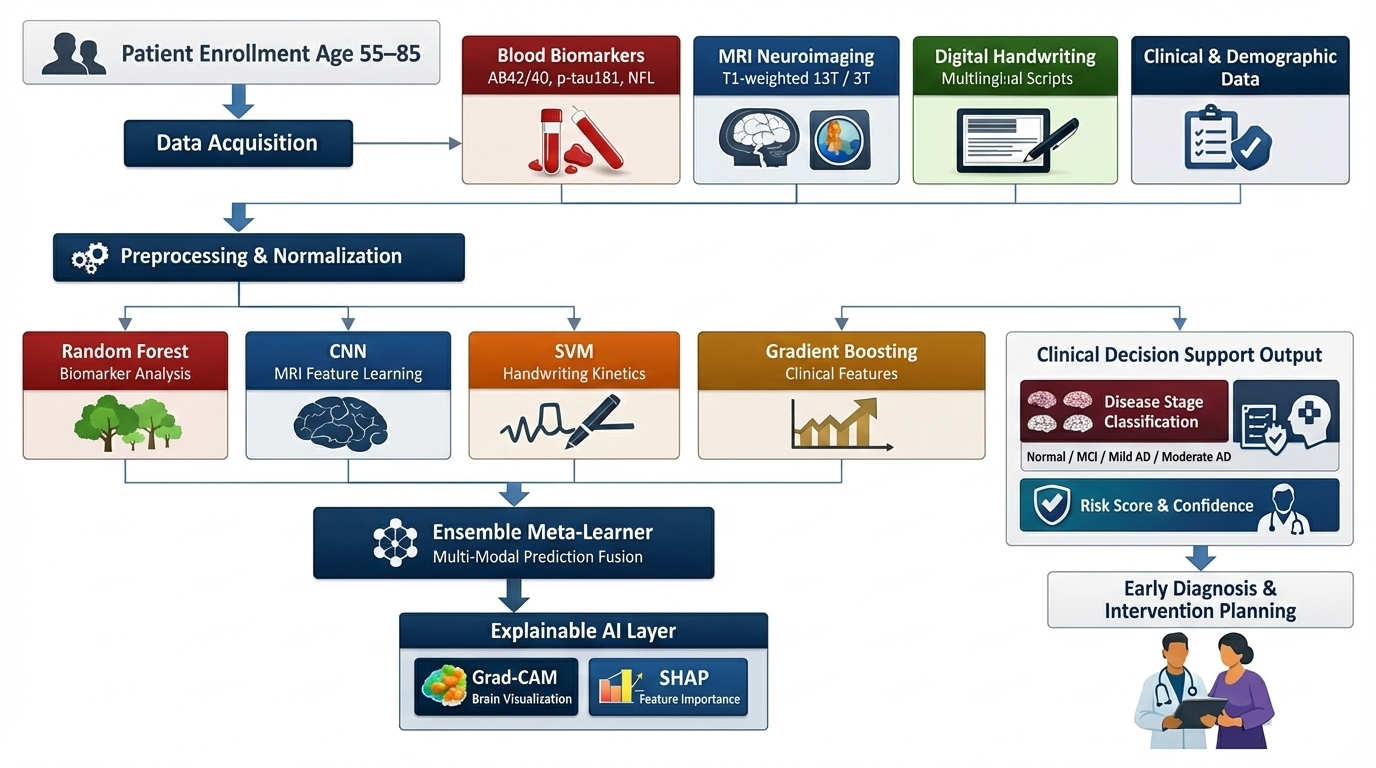
NeuroVision is an AI-powered Clinical Decision Support System (CDSS) developed to enable early and cost-effective detection of Alzheimer’s Disease. The project integrates multi-modal medical data while ensuring interpretability, clinical trust, and real-world applicability.
💡 Inspiration
Alzheimer’s Disease is often diagnosed at a late stage, when treatment options become limited. Studies show that brain changes and biological markers appear years before visible symptoms, yet current diagnostic methods rely heavily on single tests that are either expensive or insufficient. This gap inspired us to design NeuroVision, focusing on early detection, affordability, and clear explanations that clinicians can understand and trust.
🔍 What It Does
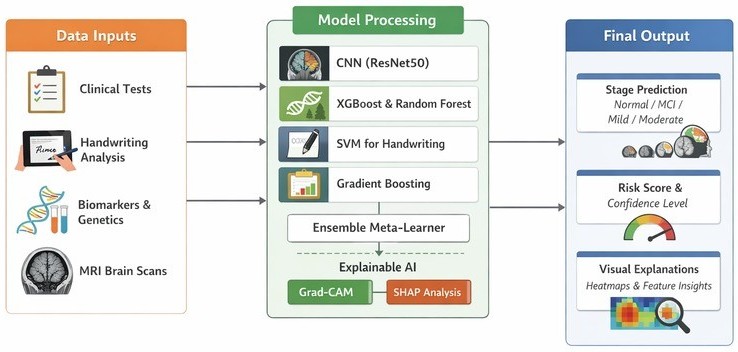
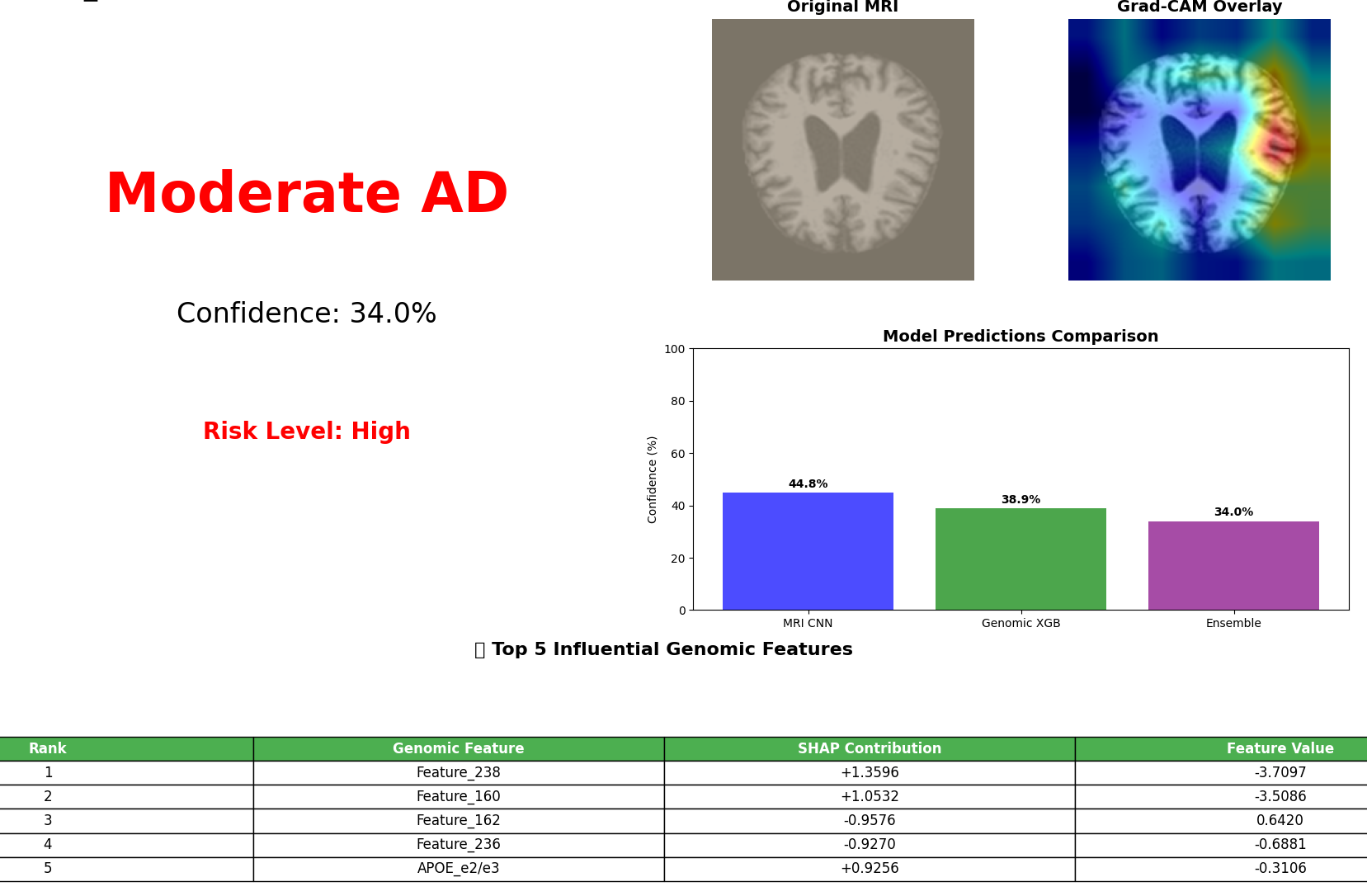
NeuroVision analyzes clinical test results, digital handwriting patterns, biomarkers and genomic data, and MRI brain scans to classify Alzheimer’s stages such as Normal, Mild Cognitive Impairment (MCI), Mild Alzheimer’s, and Moderate Alzheimer’s. The system provides a stage prediction, risk score, and confidence level, along with visual explanations that highlight the factors influencing the decision.
🛠️ How We Built It
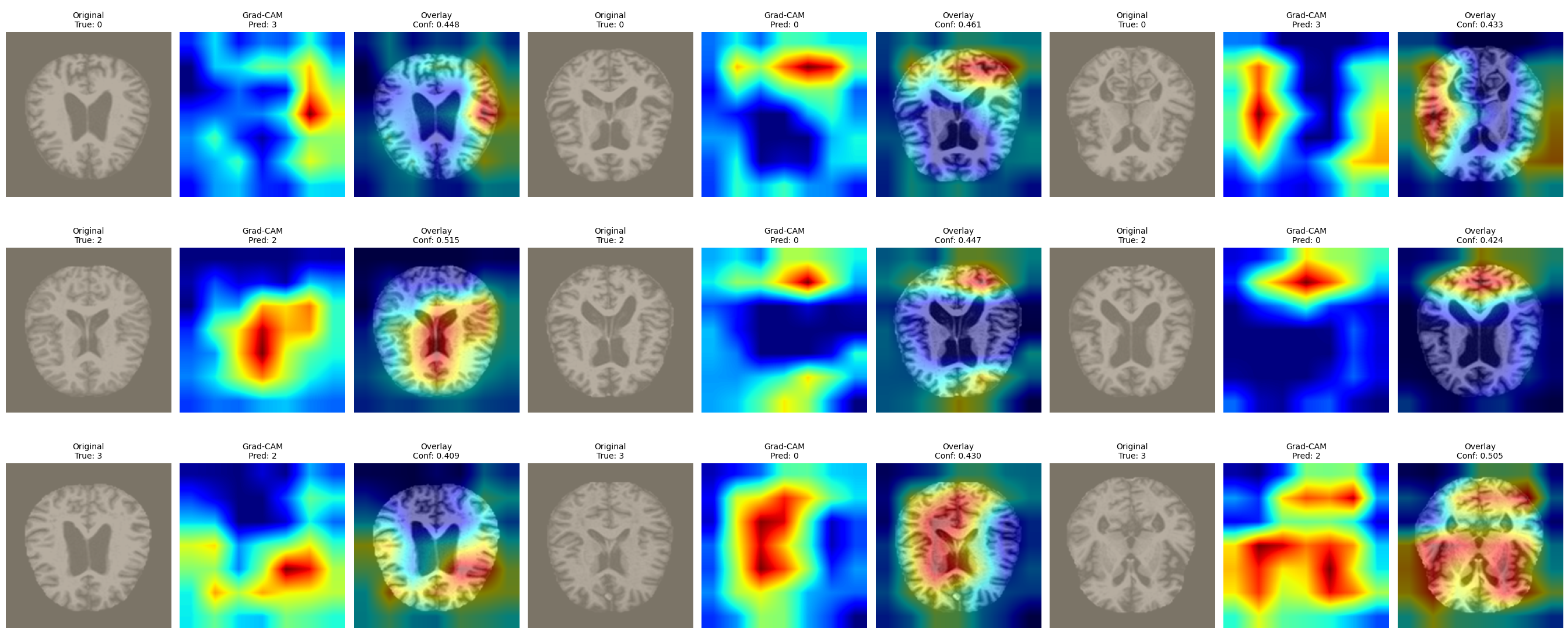
The system was built using a multi-modal ensemble machine learning architecture. Convolutional Neural Networks (ResNet50) were used for MRI analysis, while tree-based models processed biomarker and genomic data. Support Vector Machines (SVMs) analyzed handwriting features, and Gradient Boosting models handled clinical data. A logistic regression meta-learner combined all predictions. To ensure transparency, Explainable AI (XAI) techniques such as Grad-CAM and SHAP were integrated. The pipeline was implemented using Python, PyTorch, and scikit-learn, and deployed through a lightweight interactive dashboard.
⚠️ Challenges We Ran Into
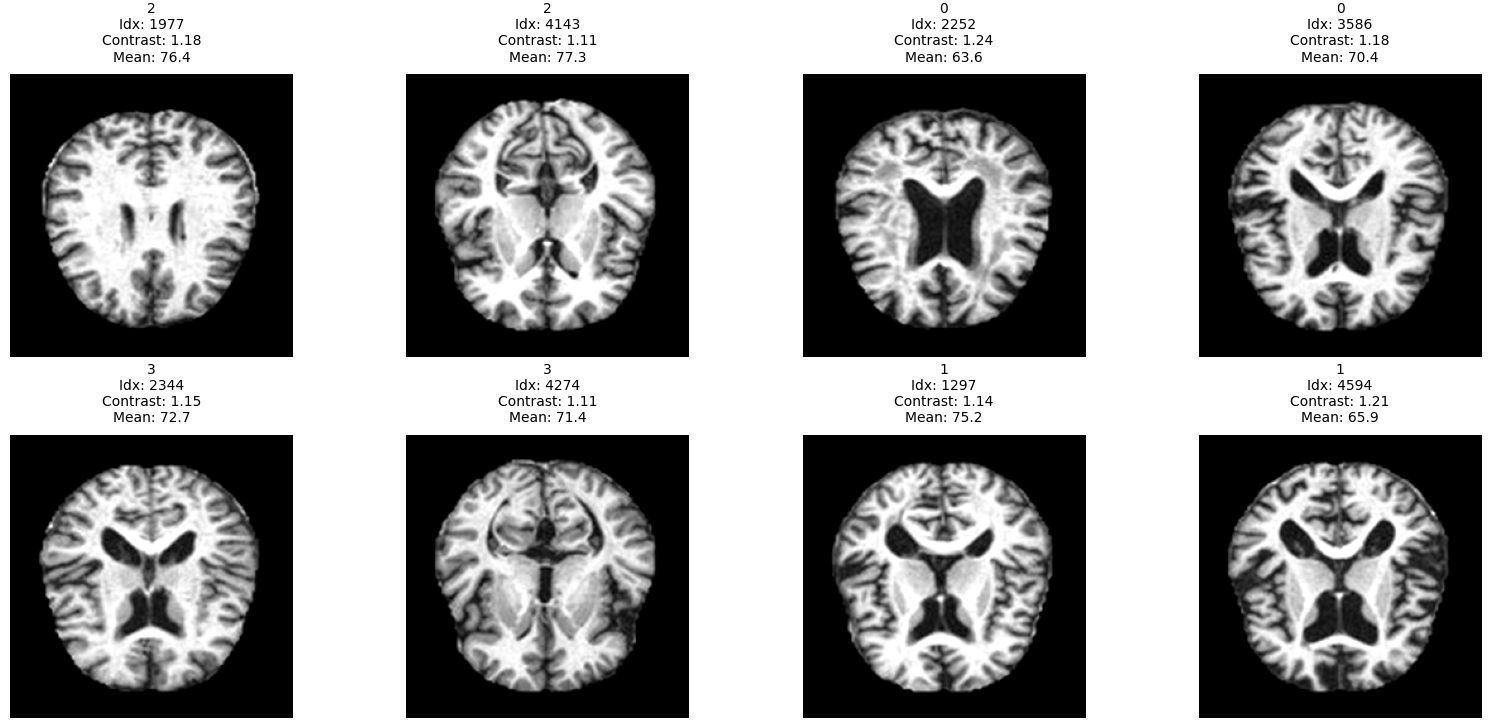
We faced challenges in integrating heterogeneous datasets with different formats and scales. Managing class imbalance, maintaining model accuracy while adding explainability, and ensuring computational efficiency for low-resource healthcare environments were key difficulties. Designing a solution that balances technical performance with clinical interpretability required careful experimentation and iteration.
🏆 Accomplishments That We’re Proud Of
We successfully developed a fully functional multi-modal AI system that demonstrated improved performance over single-modality approaches. The integration of Explainable AI improved transparency and trust. We also built a clinician-friendly prototype dashboard and aligned the project with SDG 3 – Good Health and Well-Being, emphasizing accessible healthcare innovation.
📘 What We Learned
This project helped us understand the importance of multi-modal learning, medical data preprocessing, and ethical AI design. We learned how explainability plays a critical role in healthcare applications and how to design AI systems that consider real-world clinical constraints, not just theoretical accuracy.
🚀 What’s Next for NeuroVision
Plans include testing NeuroVision on larger and more diverse datasets, improving patient-level data alignment, and extending the system to support longitudinal disease progression prediction. We also aim to integrate the platform with Electronic Health Records (EHRs) and conduct clinical pilot studies to validate its effectiveness in real healthcare settings.


Log in or sign up for Devpost to join the conversation.