Inspiration
Our inspiration originates with the Dream Machine from the 60s, a simple flickering light causing profound visual effects, and the plethora of research after it showing health improvements, neuron regeneration, and treatments of mental disease.
What it does
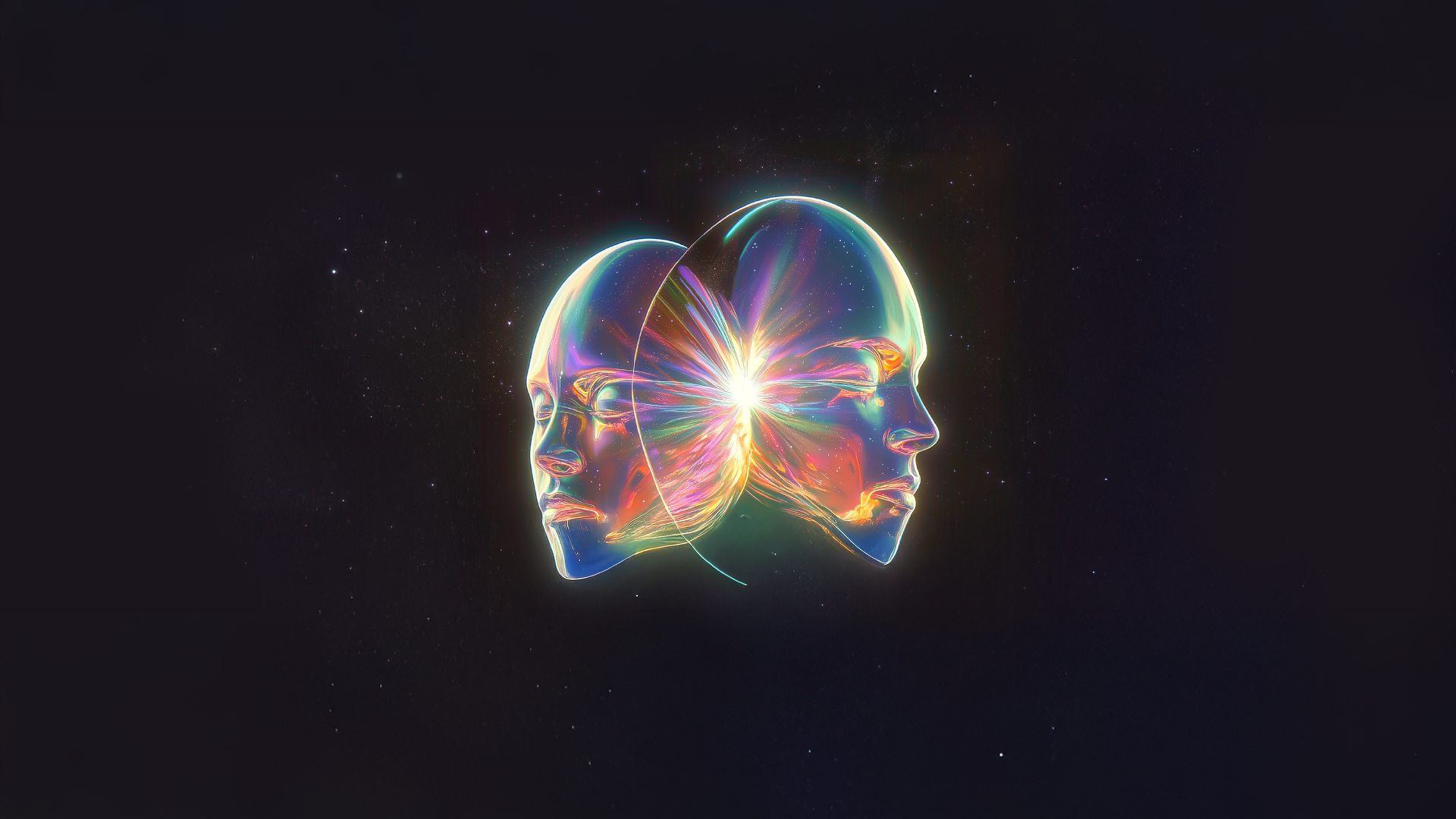
Neuroveil synchronizes brainwaves between participants, allowing them to converge to a shared brainstate, and control that brainstate to elicit certain effects.
How we built it
HACK HACK HACK! 3D printing, embedded systems, webserver master/client relationships, Apple vision pro monitoring systems, and more
Challenges we ran into
The Qualcomm RB3 Gen 2 was designed with a pipeline for realtime AI inference on video and other multimedia data types. However, our application involved EEG readings from the OpenBCI Cyton. We had to develop a custom model instead of the ones available on the Qualcomm SDK, and figure out a way to install the packages for our model so that it ran on the Qualcomm hardware.
Accomplishments that we're proud of
WE SYNCHRONIZED BRAINS BAYBEEEEEE
What we learned
😌💫🕊️🧠🤍
What's next for Neuroveil: The Twin Mind Interface
More than two people synchronized at the same time. A dimly lit room; it is cylindrical. there are concrete panels in a circle in the middle. There are 12 people laying on the ground. They are connected. Interlinked. Wires spill like oil from their heads. They all point to the middle of the room. In the middle of the room is a large metal cylinder. There is a hum of machinery in the distance. What they summon they do not know. An eye unknowingly twitches. The humming grows louder. There is a real goofy guy in there too. He has a cart. Oysters on the cart. The wires knowingly twitch.


Log in or sign up for Devpost to join the conversation.