-
-
-
-
-
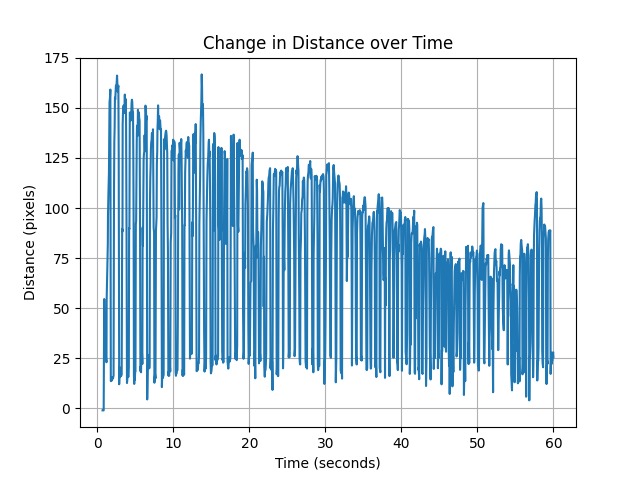
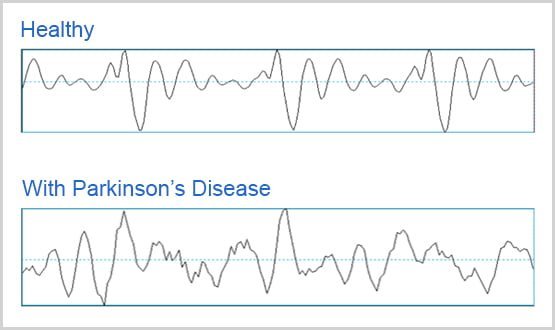
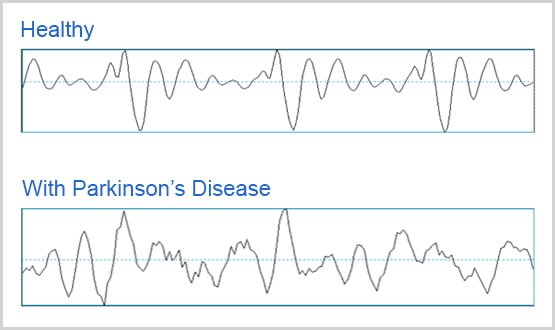
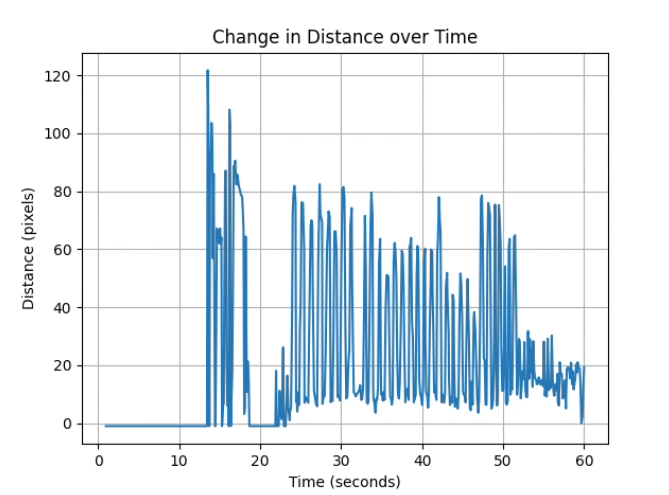
Healthy person graph
-
-
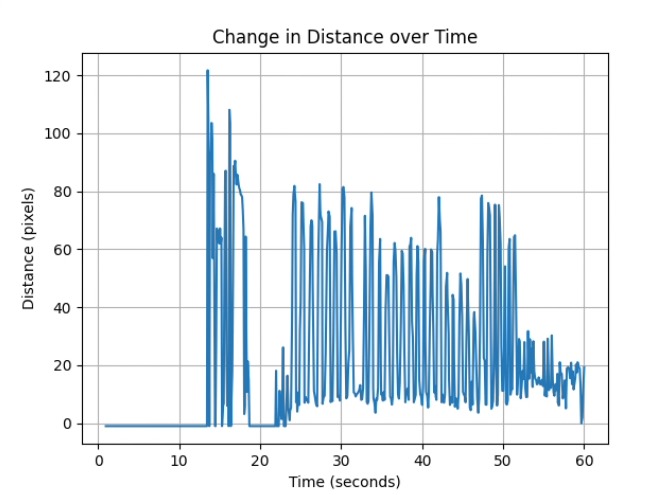
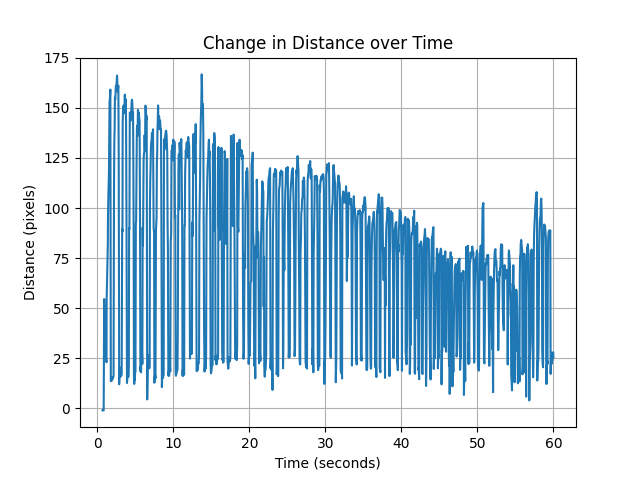
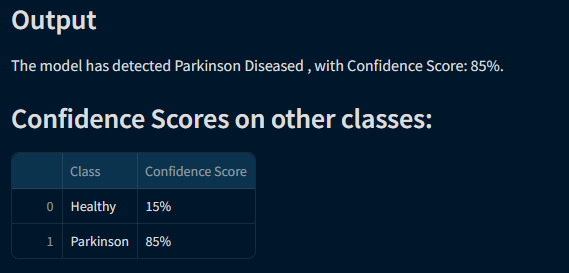
Parkinson person graph
-
🌟 Inspiration & What It Does
A Personal Journey: My grandfather showed early signs of Parkinson’s with slight tremors and stiffness, but they were repeatedly dismissed as normal aging. By the time he received a proper diagnosis, the disease had progressed, limiting his treatment and independence.
This deeply personal experience highlighted a critical gap: the real problem is the absence of early, accessible screening, especially in regions lacking neurologists. NeuroSketch was born so families don't have to wait for answers and paramedical workers can easily spot early warning signs.
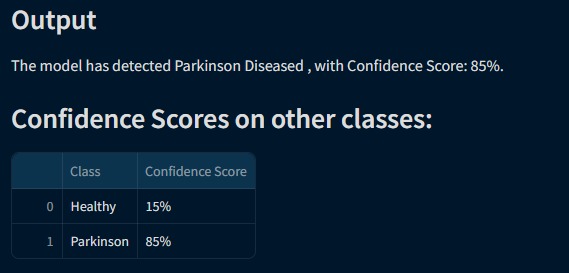
NeuroSketch is an AI-powered early screening tool that combines three non-invasive diagnostic tests to generate an overall risk indication. This helps staff decide when to refer a patient to a neurologist.
| 🩺 Diagnostic Test | 🔍 What It Analyzes | 🎯 Purpose |
|---|---|---|
| 🌀 Spiral Drawing | Image processing & feature extraction | Detects tremor-related irregularities in drawn spirals. |
| 🎙️ Voice Assessment | Audio features (pitch variation, frequency) | Identifies speech anomalies and instability linked to Parkinson’s. |
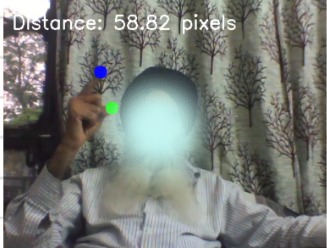
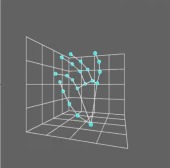
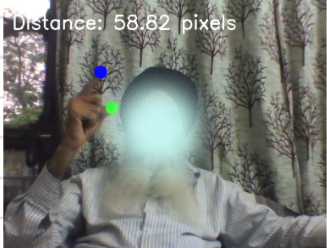
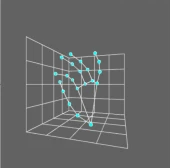
| 🏃 Motor Movement | Computer vision methods | Analyzes movement speed, rhythm, and consistency via camera. |
🛠️ How We Built It
We engineered NeuroSketch with a focus on simplicity and scalability, treating each diagnostic test as an independent pipeline before fusing their outputs into a single early-detection signal.
Our Tech Stack & Architecture:
- 🐍 Core Logic: Built entirely in Python for robust data handling and machine learning.
- 🖥️ User Interface: Developed using Streamlit to ensure a clean, accessible experience.
- ☁️ Cloud & AI APIs: Explored cloud tools and Gemini API to support chatbot-based guidance for users and staff.
Each pipeline leverages specific technologies:
- Vision: OpenCV and computer vision models for motor tracking and spiral analysis.
- Audio: Signal processing libraries for pitch and frequency instability extraction.
🚧 Challenges & 🏆 Accomplishments
Building a medical-grade prototype in a limited time frame is no easy feat. We balanced technical complexity with the need for a highly empathetic user design.
The Hurdles We Faced:
- 📉 Data Scarcity: Finding high-quality, diverse Parkinson’s datasets is incredibly difficult and requires heavy coordination.
- ⚖️ Model Generalization: Fine-tuning the models to work reliably across completely different users and environments.
- 👵 UI/UX Constraints: Continuously iterating to ensure the interface was simple and friendly for elderly patients.
What We Are Most Proud Of:
- 🥇 Unified Workflow: Successfully combining three distinct diagnostic modalities into one seamless test.
- 🥈 Working Prototype: Transitioning from theory to a functional prototype that demonstrates real-world usability.
- 🥉 Real-World Impact: Designing specifically for paramedical assistance rather than just clinical research.
🧠 What We Learned & 🚀 What's Next
The biggest takeaway from this project is that data quality matters infinitely more than model complexity. Furthermore, we learned that healthcare tech must be built around real users, constraints, and environments.
Technical Skills Gained:
- 🧩 Multimodal AI Integration
- 👁️ Computer Vision Application
- 🔊 Audio Signal Processing
The Roadmap for NeuroSketch:
- 📈 Expand Datasets: Train our models on larger, highly diverse datasets to maximize clinical accuracy.
- ➕ New Features: Integrate additional non-invasive tests, such as gait analysis and facial expression tracking.
- 🛡️ Validation: Improve robustness for real-world, clinical deployment.
- 🌍 National Scale: Partner with mentors and health organizations to scale NeuroSketch into a national screening tool across India!


Log in or sign up for Devpost to join the conversation.