Inspiration
Alzheimer’s disease is a progressive neurological disorder where early and accurate severity assessment is critical for patient care. While MRI is widely available and non-invasive, many AI models analyze individual slices in isolation, limiting clinical reliability and interpretability. We wanted to build a system that reasons at the patient level and provides clinically meaningful explanations.
What it does
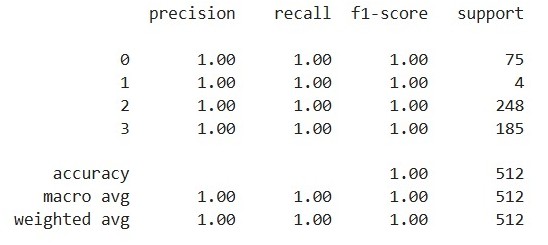
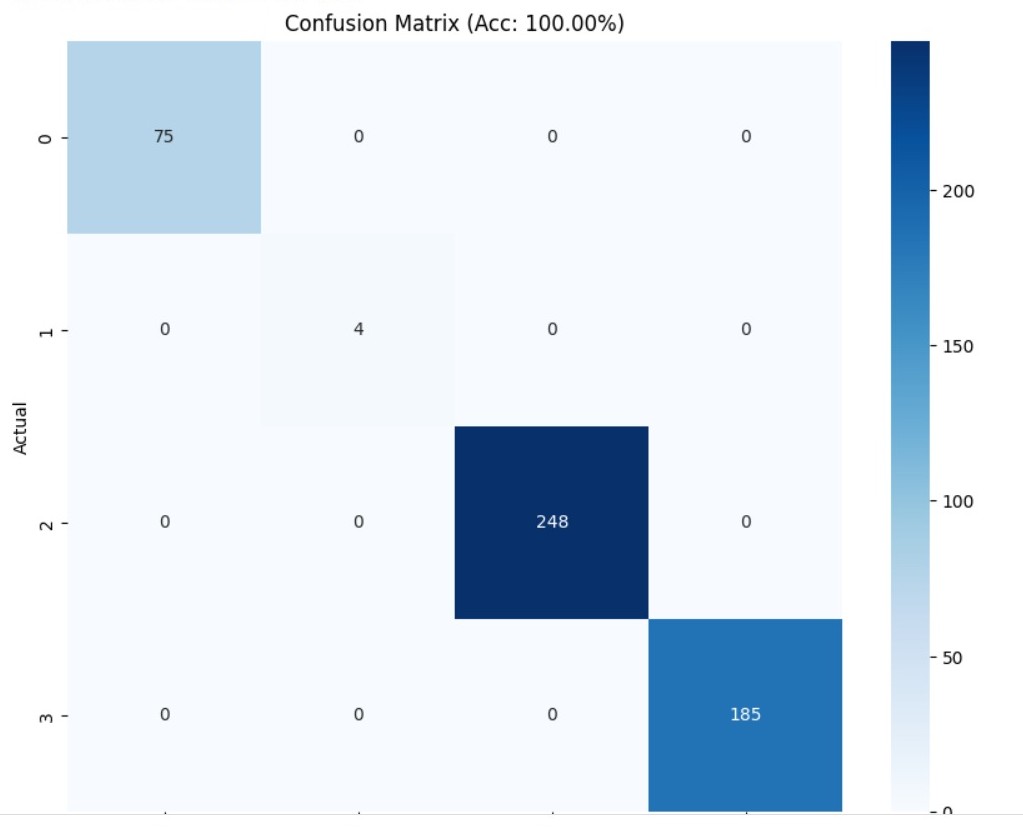
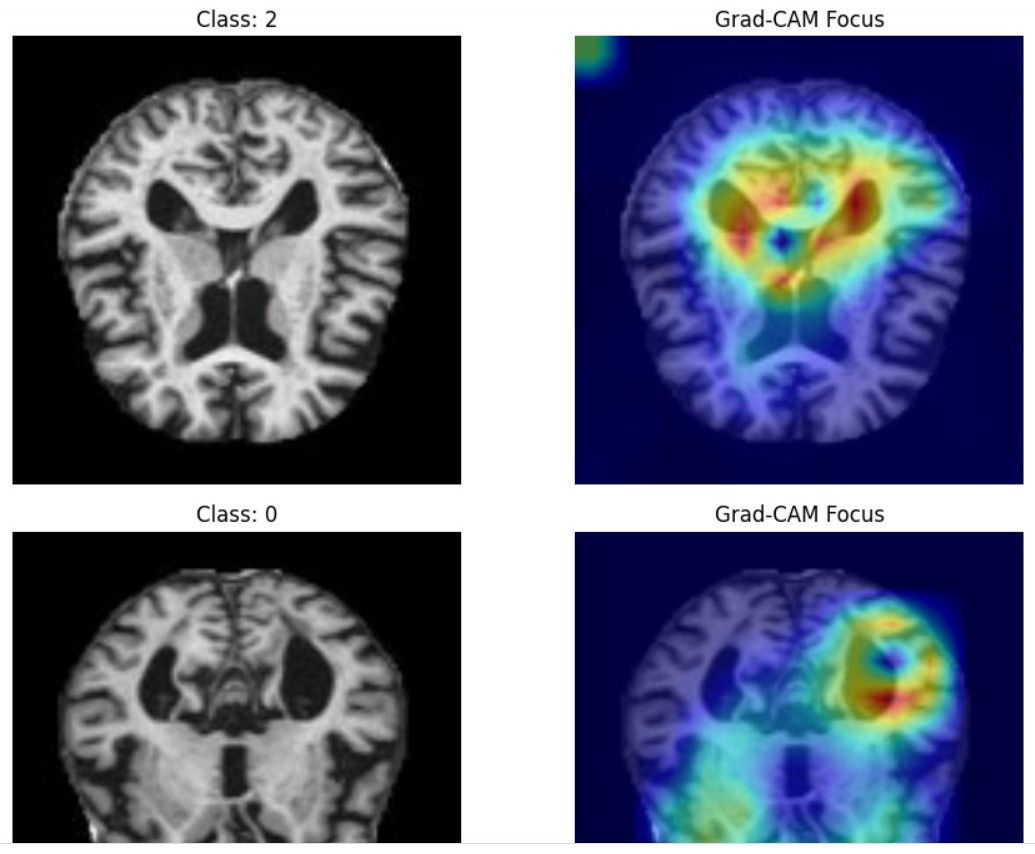
NeuroSense is an AI-powered system that classifies Alzheimer’s disease severity into four stages—Non-Demented, Very Mild, Mild, and Moderate—using structural MRI scans. The model aggregates multiple MRI slices per patient to generate a single, patient-level prediction and produces Grad-CAM heatmaps to explain which brain regions influenced each decision.
How we built it
NeuroSense leverages an EfficientNetV2-based deep learning architecture for slice-level MRI feature extraction, followed by patient-level aggregation using mean pooling. This design enables robust severity prediction while preserving clinical context across slices. Integrated Grad-CAM explainability reveals model attention over key Alzheimer’s-related regions, including the hippocampus and temporal lobes, ensuring transparency and clinical relevance.
Challenges we faced
Key challenges included preventing data leakage across patients, handling class imbalance, and ensuring that high accuracy did not come at the cost of interpretability. Implementing patient-level aggregation and validating Grad-CAM outputs against known Alzheimer’s biomarkers were critical steps.
What we learned
We learned that patient-level modeling significantly improves clinical relevance compared to slice-level approaches. Explainability is essential—not optional—when building AI systems for healthcare, as it increases trust and enables meaningful validation by clinicians.
What’s next
Future work includes validating the model on external datasets (e.g., ADNI), extending the approach to 3D volumetric MRI, and studying performance across different scanner protocols and demographics.



Log in or sign up for Devpost to join the conversation.