-
-
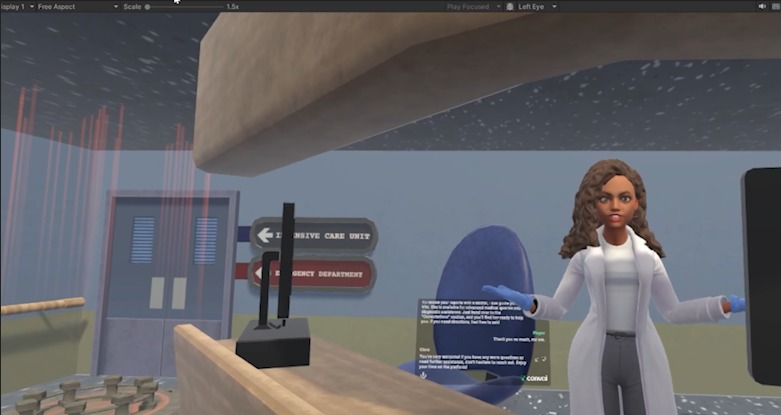
ai agent
-
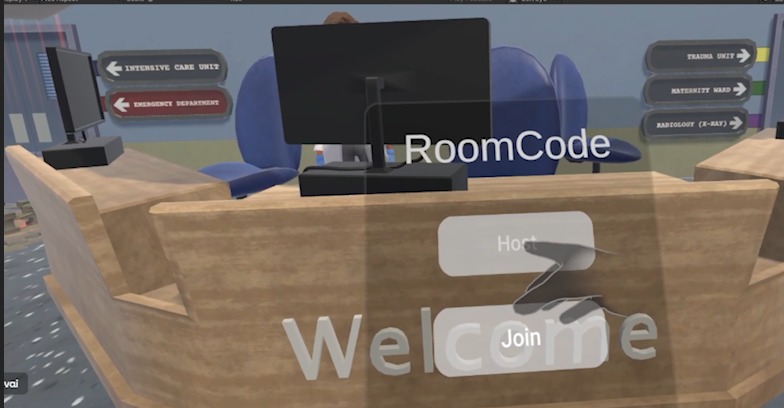
multiplayer
-
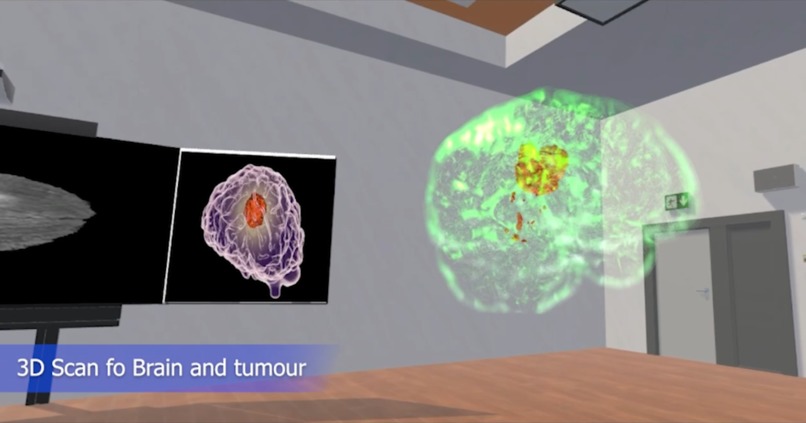
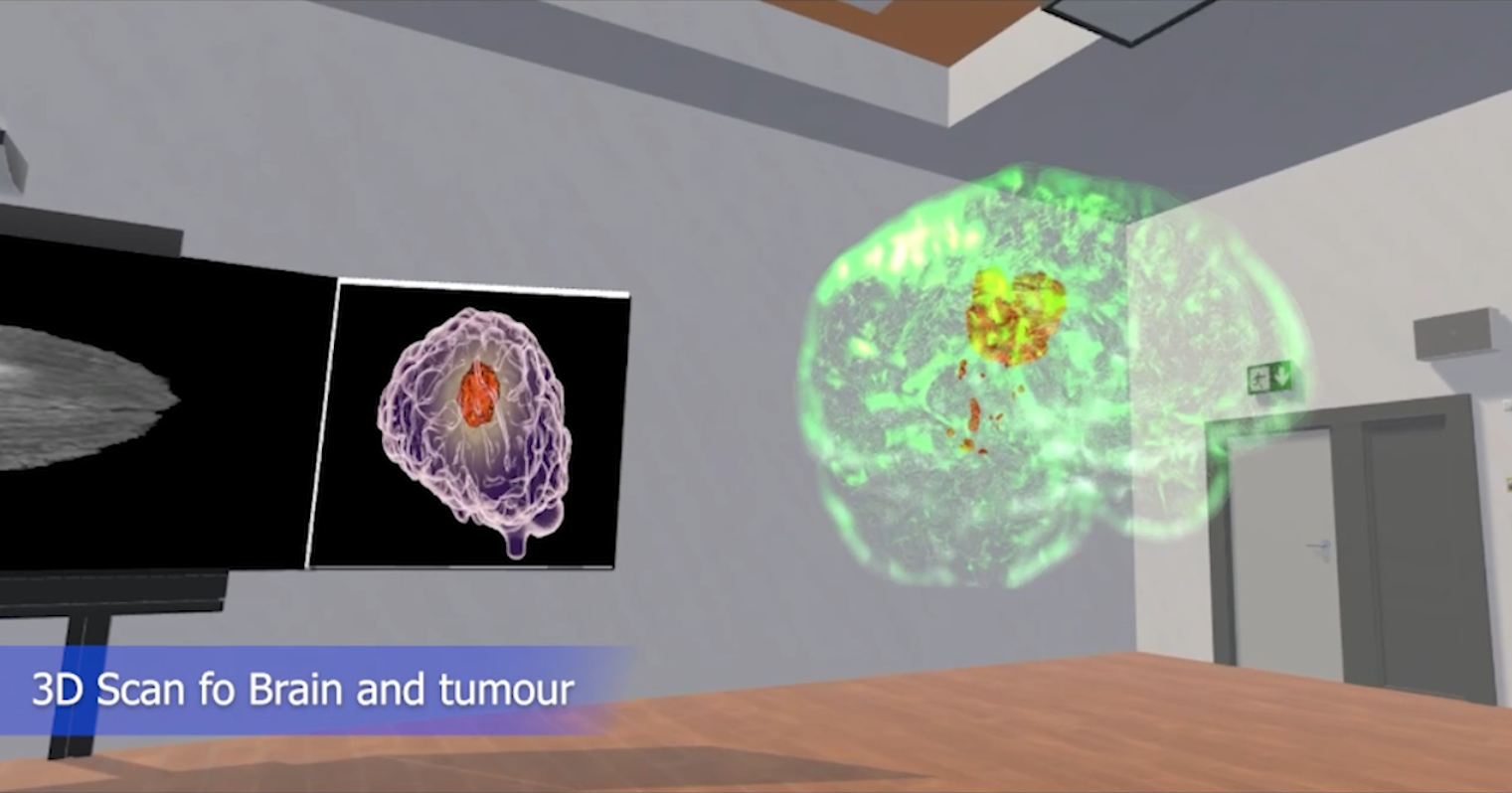
3dscan1
-
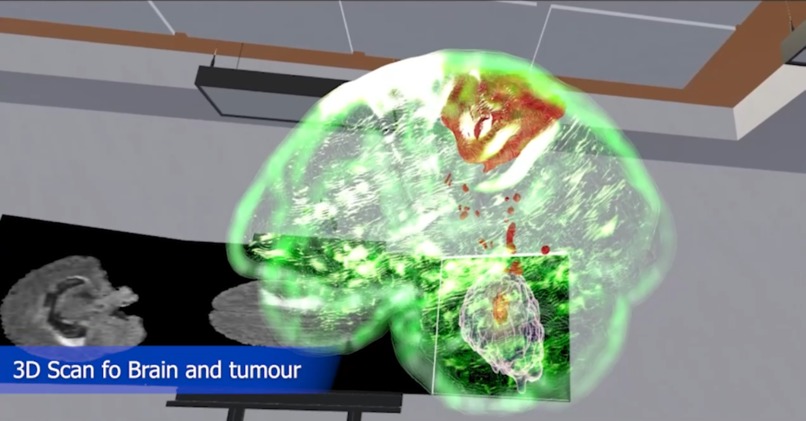
3dscan
-
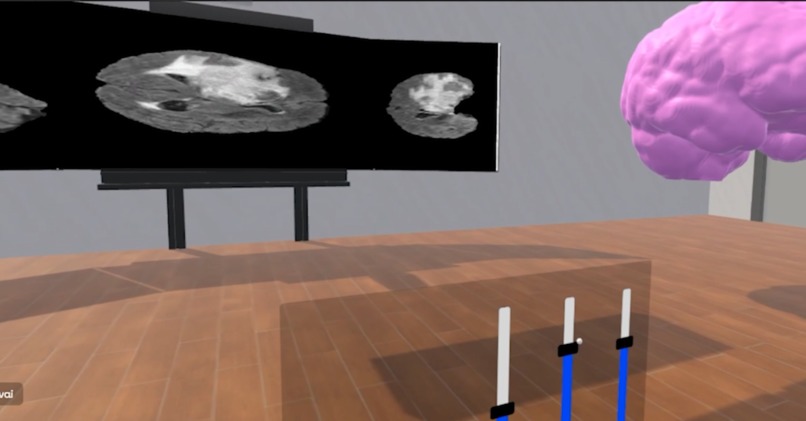
2d image
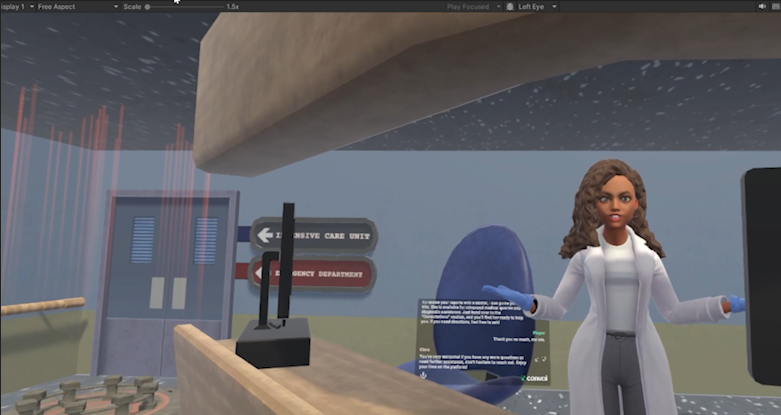
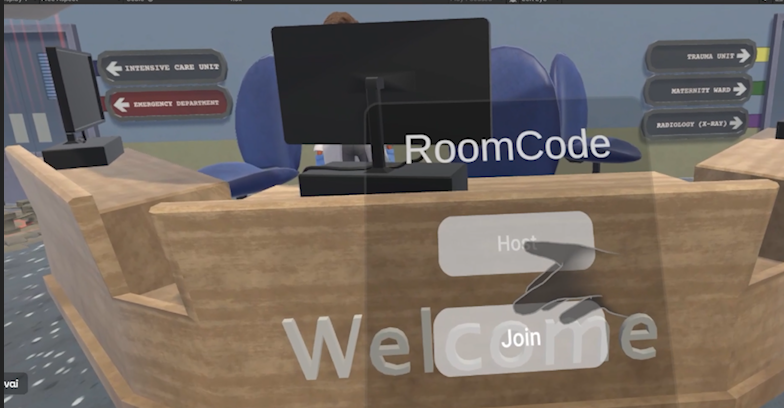
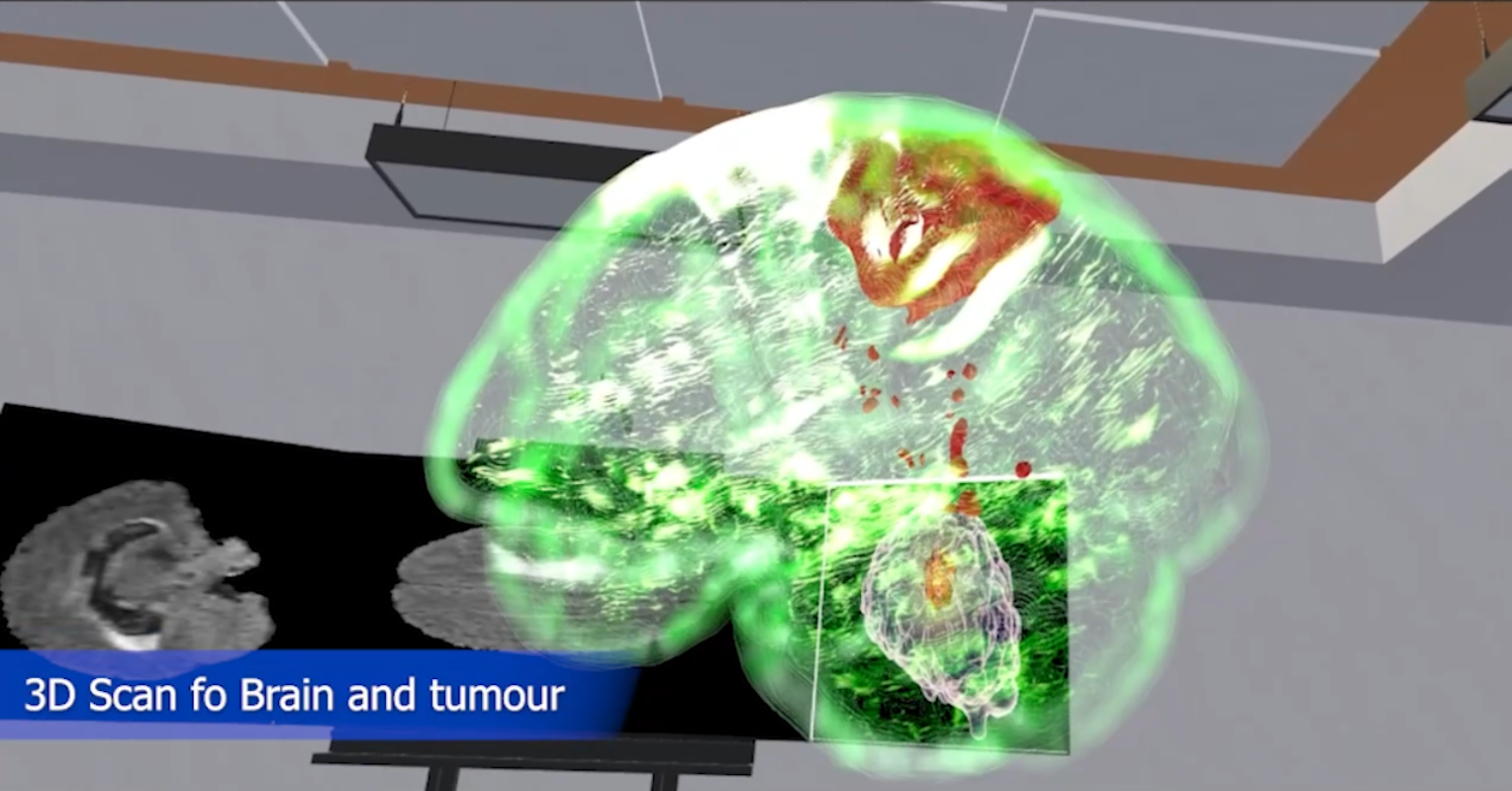
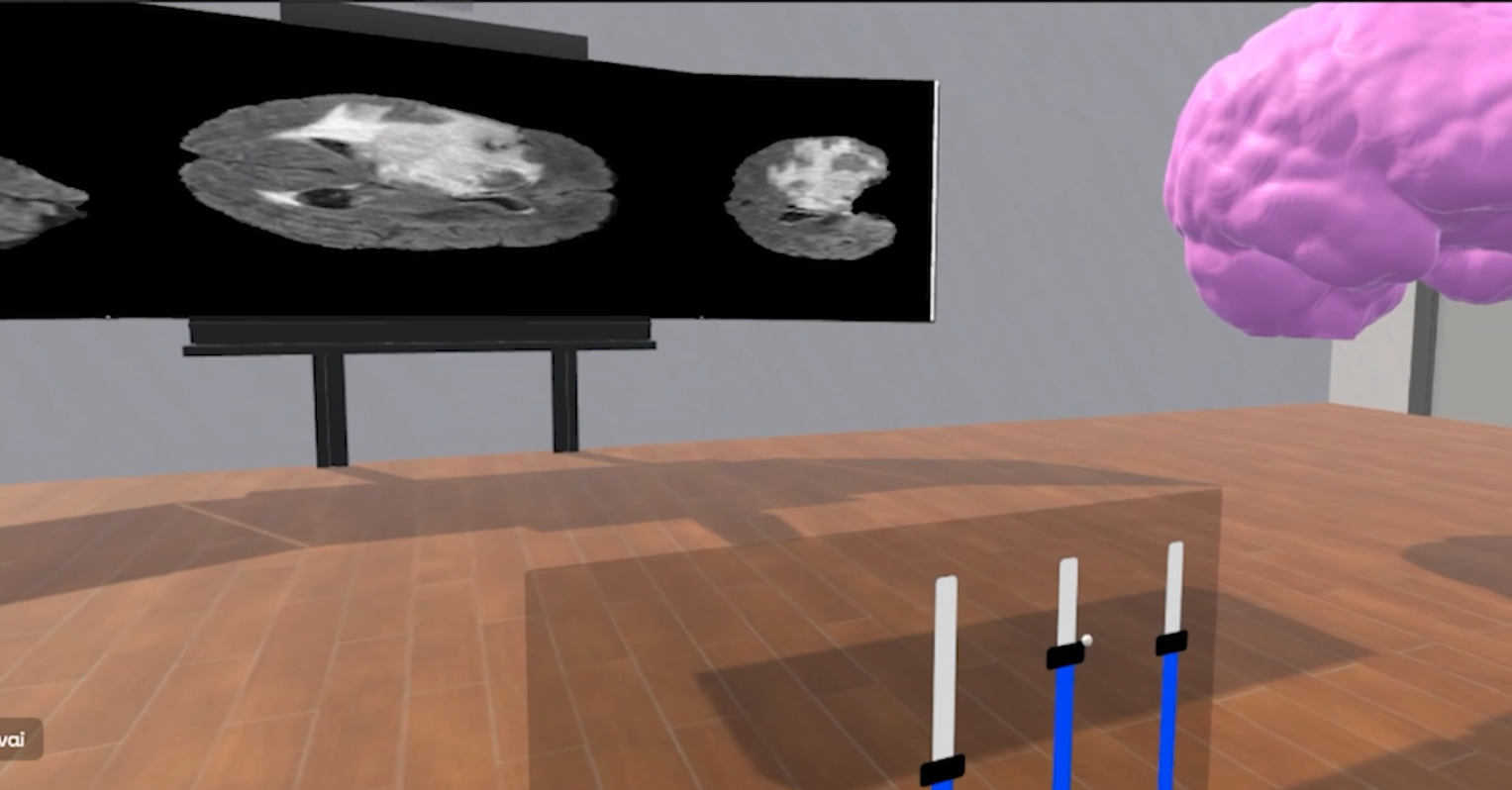
Our project, Neuroscope VR, was inspired by the challenges faced by doctors using traditional 2D imaging methods for diagnosing and understanding brain tumors. The process can often be tedious and limited, making it difficult to visualize complex structures and collaborate effectively. We wanted to revolutionize this by leveraging the power of Extended Reality (XR) to provide a more intuitive, interactive, and collaborative solution.
Throughout the development journey, we learned the importance of combining technology with user-centric design, ensuring that our platform not only enhances visualization but also aligns seamlessly with the workflows of medical professionals. We explored advanced 3D modeling, real-time collaboration tools, and AI integration to create a comprehensive and immersive experience.
Building Neuroscope VR involved integrating high-fidelity 3D brain models with features like adjustable transparency, axial, sagittal, and coronal views, and real-time scaling and rotation. We also developed an AI-powered assistant to address user queries and provide actionable insights instantly.
One of the major challenges we faced was remote collaboration via multiplayer so that any healthcare profession across the globe in detailed XR enviornment ensuring the VR environment was both highly detailed and easy to navigate for users unfamiliar with XR technology. Optimizing the platform for seamless performance while maintaining the accuracy of medical data was another hurdle we overcame with meticulous testing and iteration.
With Neuroscope VR, we aim to transform how doctors visualize, analyze, and collaborate on critical cases, making healthcare more precise, efficient, and collaborative.


Log in or sign up for Devpost to join the conversation.