-
-
NeuroScope Logo
-
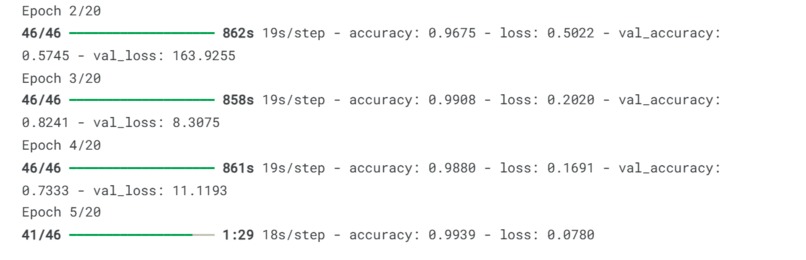
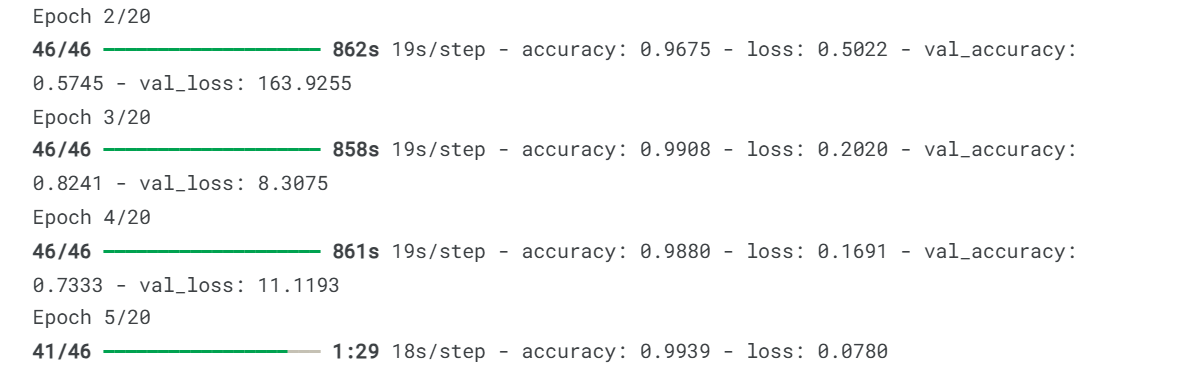
Training and validation dataset accuracies
-
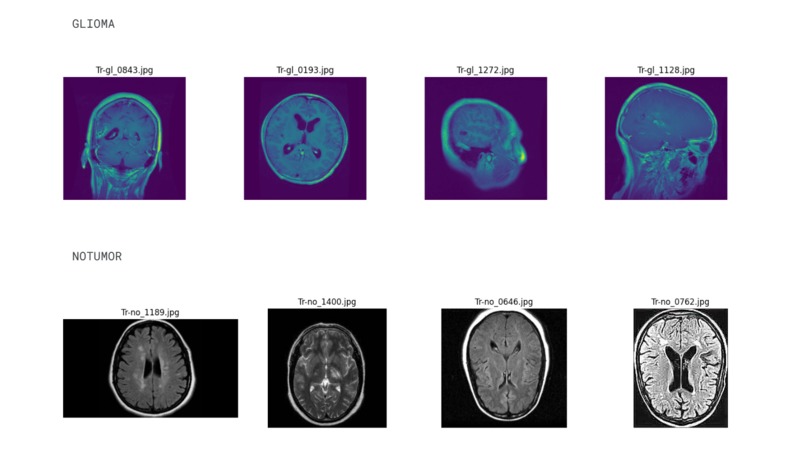
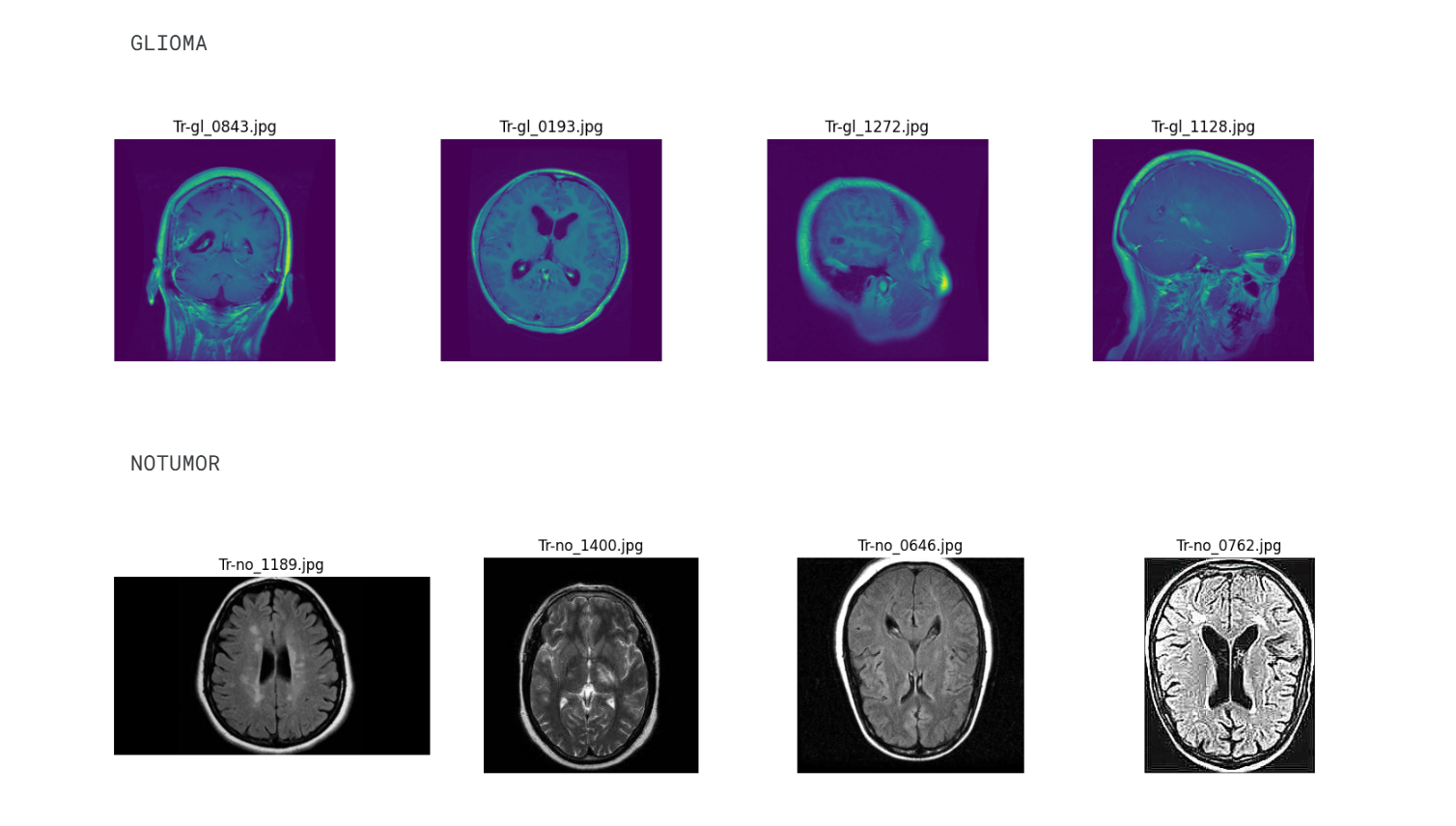
Examples of sample images
Inspiration
The development of NeuroScope was simply us planting a seed to grow into our big ambitions. Both of us have friends and family that suffer from neurological diseases, which is why we both sought out to help tackle one of the many devastating illnesses, brain cancer.
What it does
NeuroScope is an application that aims to help doctors to accurately diagnose patients with potential brain cancer. More than 32% of cancer patients receive a misdiagnosis, which puts them at a much higher risk of fatality. To prevent this, we developed NeuroScope to help doctors make the right decision when diagnosing patients.
How we built it
To build NeuroScope, we used machine learning and a convolutional neuro network (CNN) model to analyze medical imaging data, specifically, MRI scans. In order to train the model, we used prefetching and random sampling, allowing us to ensure efficiency for our model. After displaying the sample images, the trained model evaluates the data processed in order to finally detect possible tumors.
Challenges we ran into
We ran into several challenges throughout our journey, but our biggest challenges was understanding the CNN model and reducing the overall runtime of our program. Due to the sheer amount of image files that were in our dataset, we constantly found ourselves having to work our way around some of these hurdles. To reduce the runtime, we had to repeatedly adjust the sizes of selected images, and make several edits to the numbers involving the datasets.
Accomplishments that we're proud of
The biggest accomplishment that we're proud of is effectively making use of the CNN model, despite being inexperienced in the beginning of the hackathon. When initially hearing the different categories we could tackle, we both knew that we wanted to try machine learning, resulting in us gaining the opportunity to finally try out the CNN model for ourselves. In the first few hours of the hackathon, we both spent time researching and understanding how the model actually works, and towards the end, we can both confidently say that we have a decent understanding of how to effectively use the CNN model in our code.
What we learned
We learned that the CNN model consists of several different layers that each work to reduce spatial dimensions and allow for the program to efficiently use the datasets. After the data gets processed through the model, especially the dense layers, the data is able to get categorized, where in our case, it would be "tumor" or "no tumor."
What's next for NeuroScope
Considering the time limitations, we were unable to explore all of our interests. More specifically, we aimed to create a highly accurate machine classification model that could differentiate between different types of brain cancer, not just glioma tumors. We plan to expand our project to be able to handle more data values and increase its accuracy so our program can be applied to many more cases.
Built With
- cnn
- kaggle
- python
- tensor


Log in or sign up for Devpost to join the conversation.