-
-
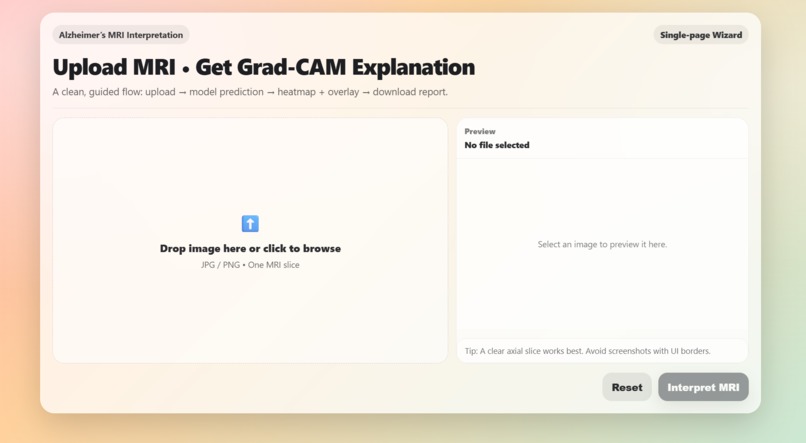
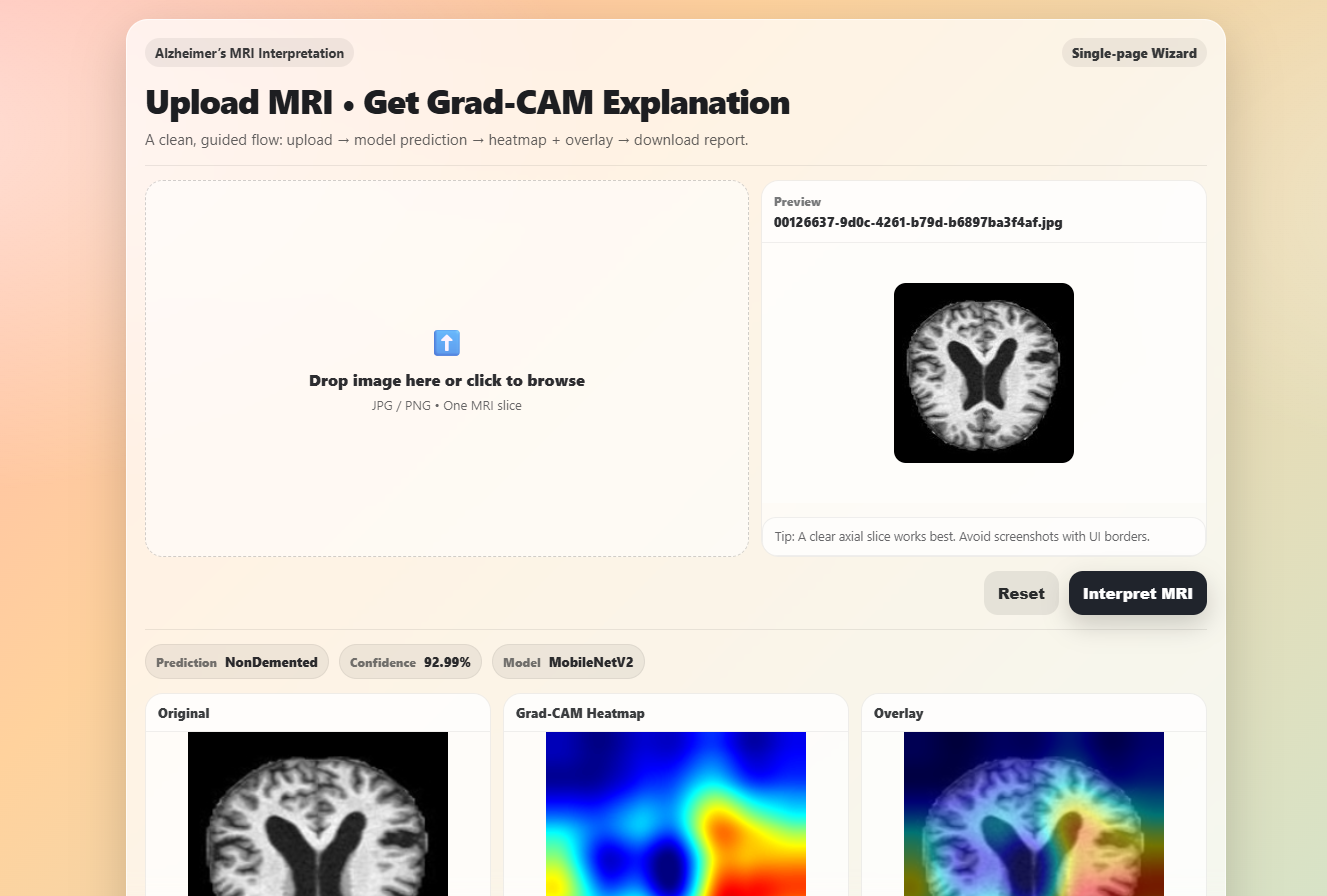
Starting Screen
-
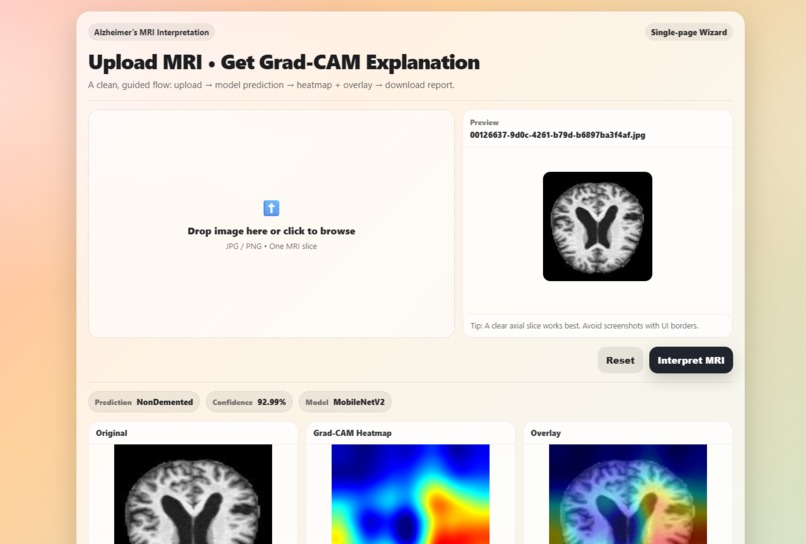
MRI uploaded
-
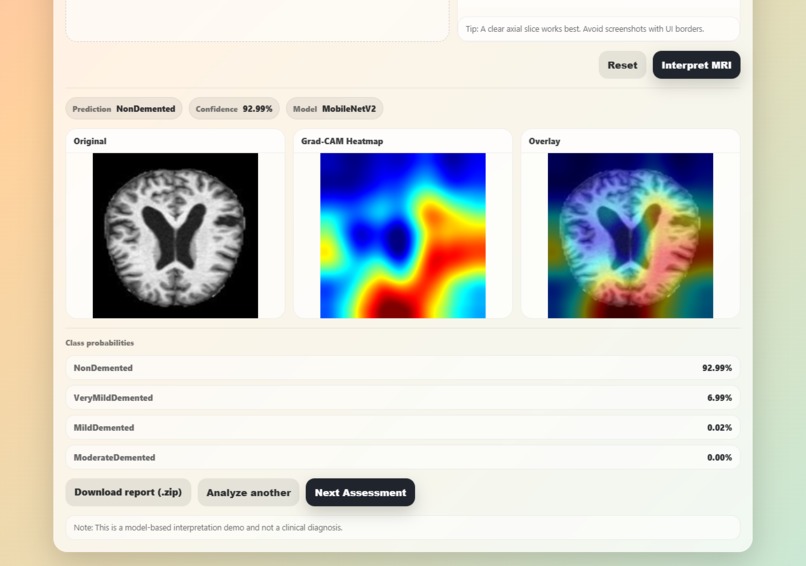
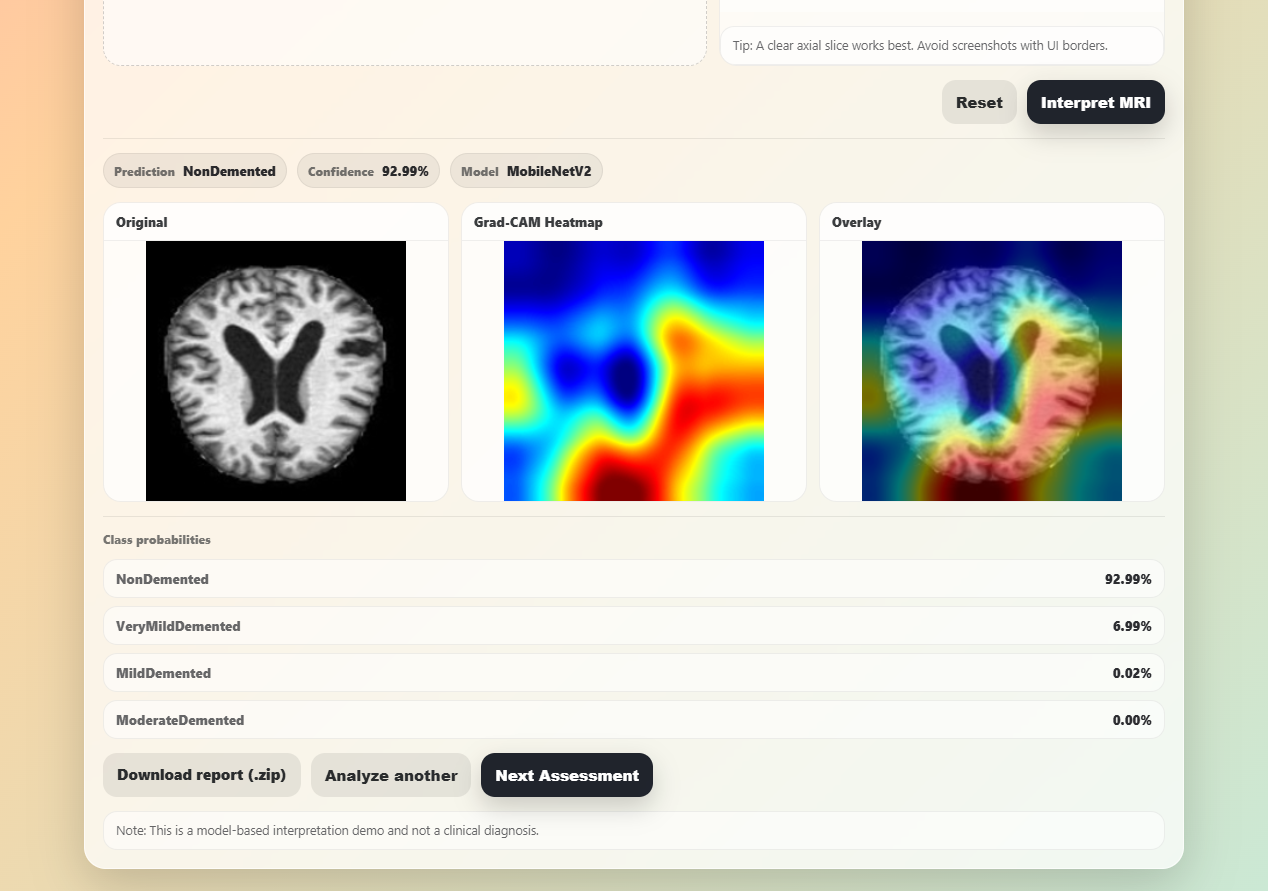
Analysis Done (using Grad-Cam and CNN)
-
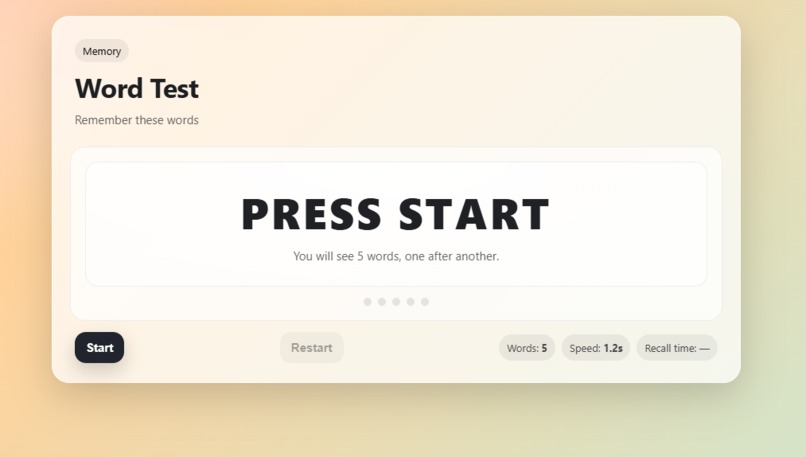
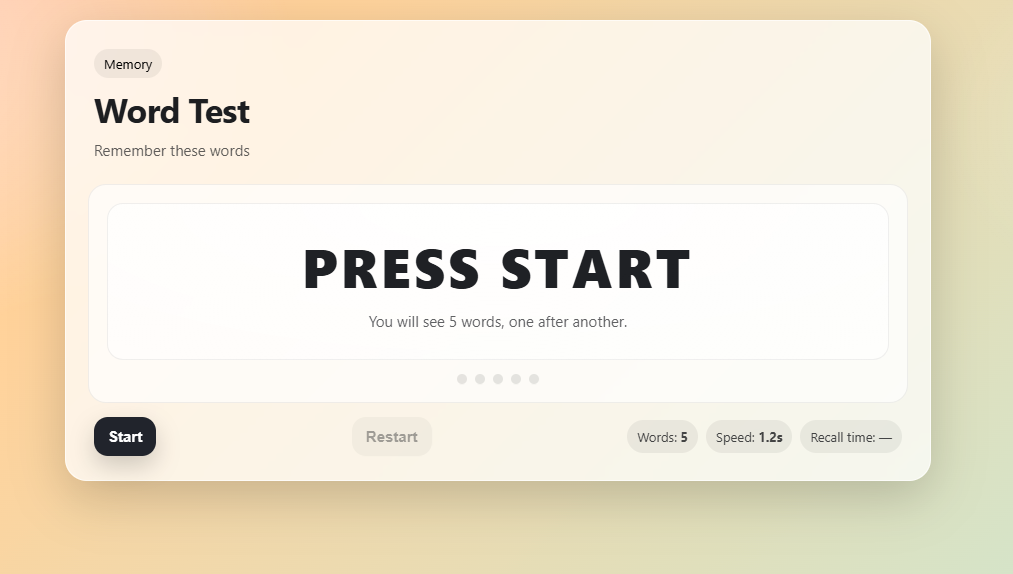
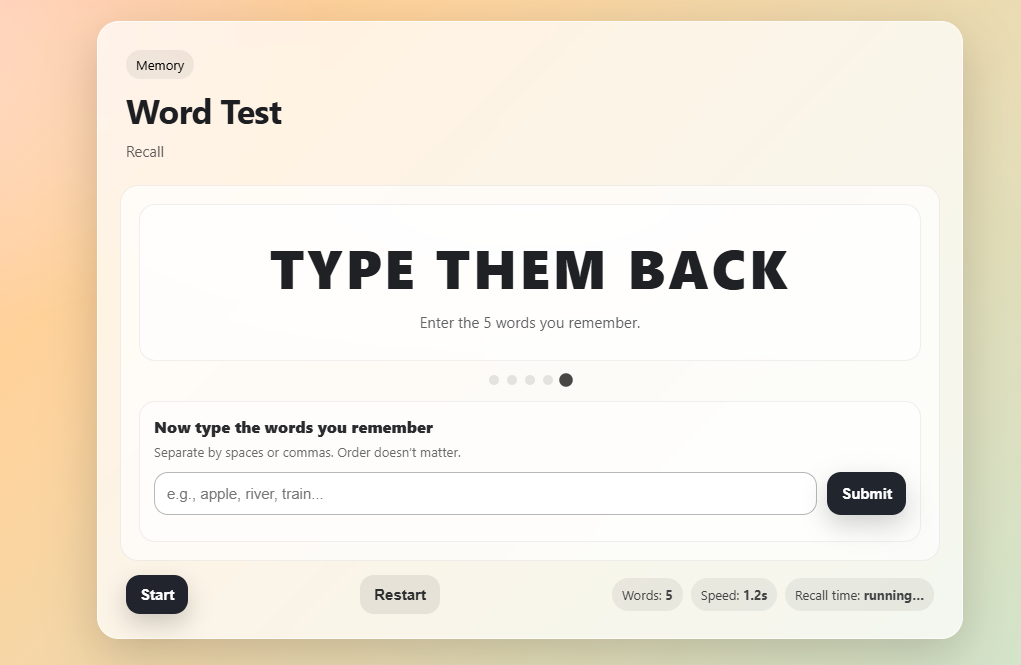
Word Test starts
-
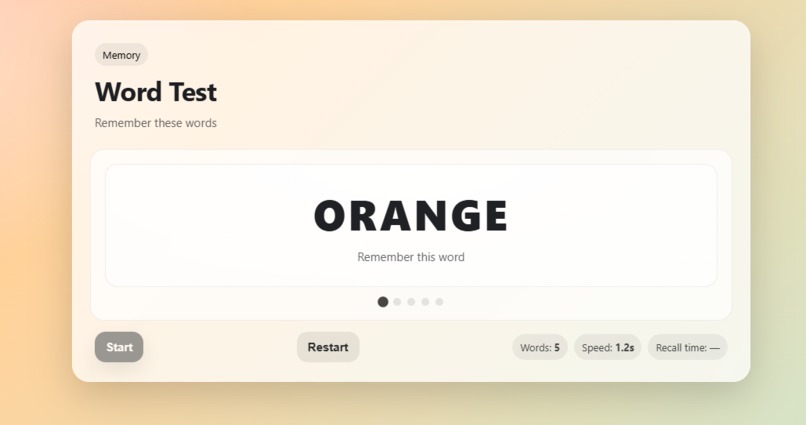
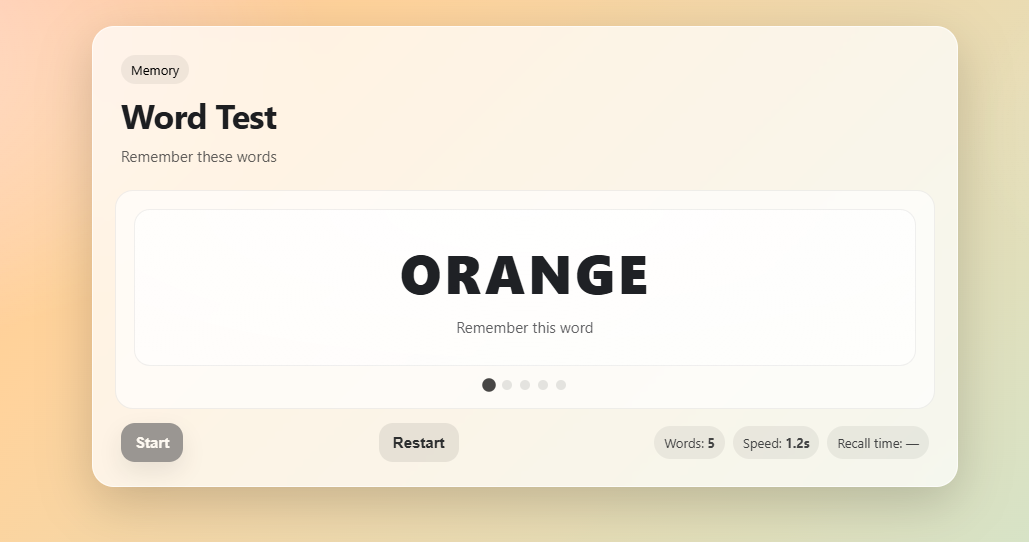
Words are flashing
-
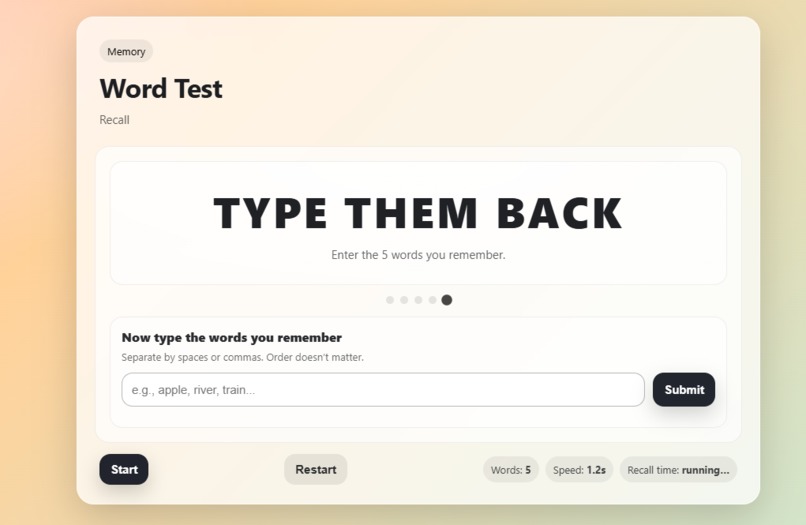
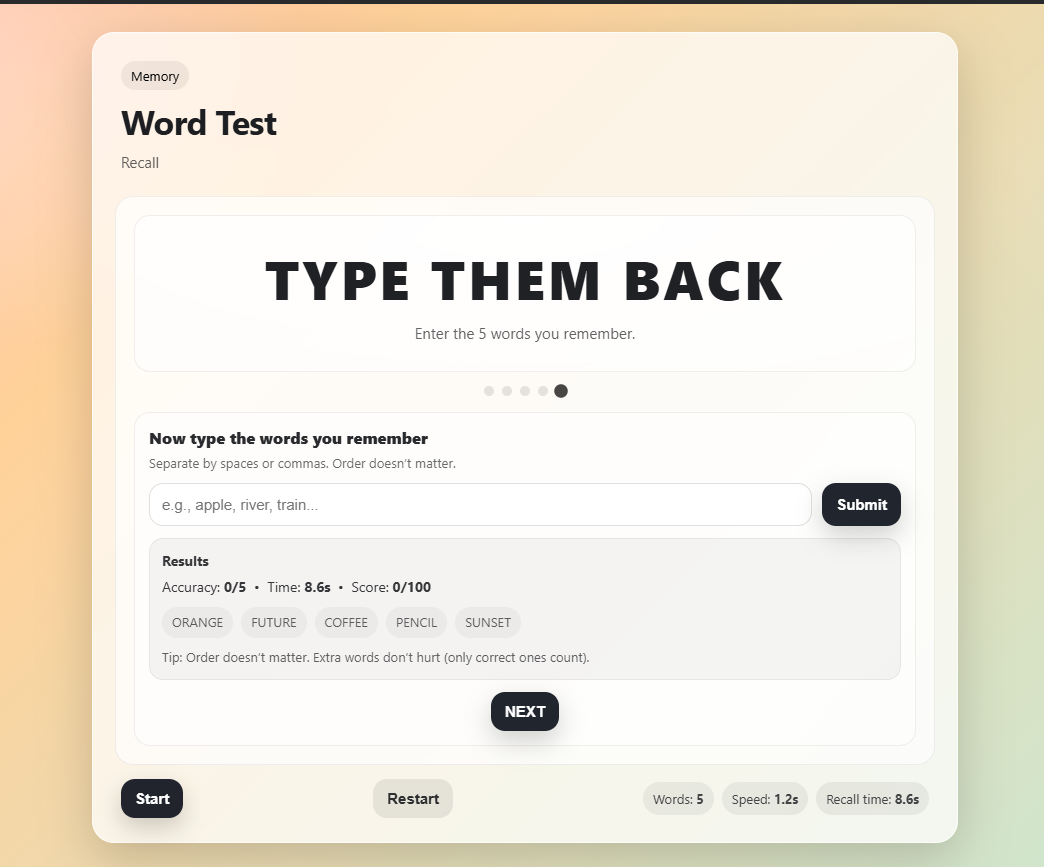
Word Recall
-
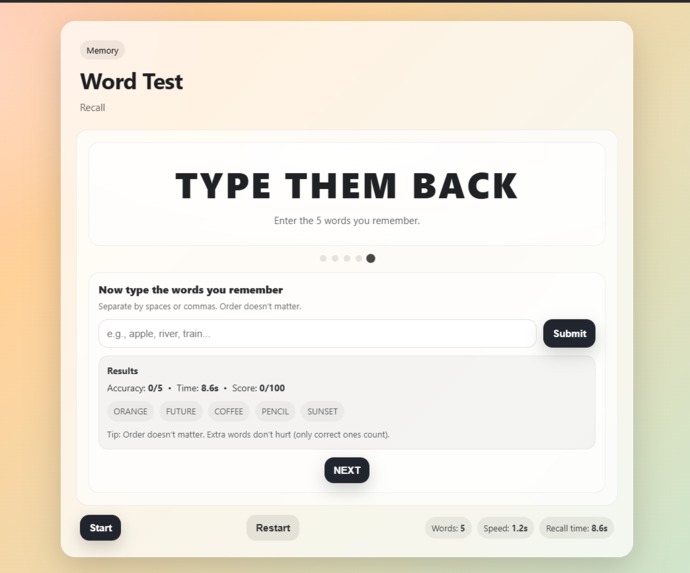
Score provided
-
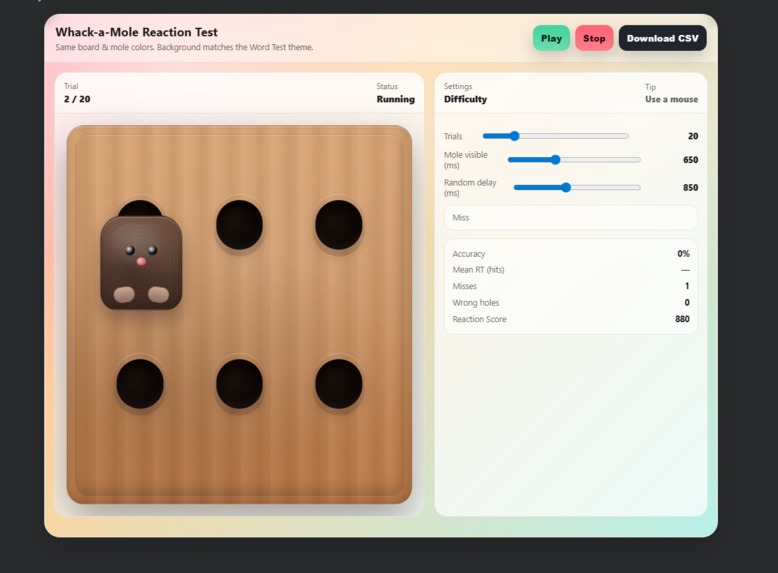
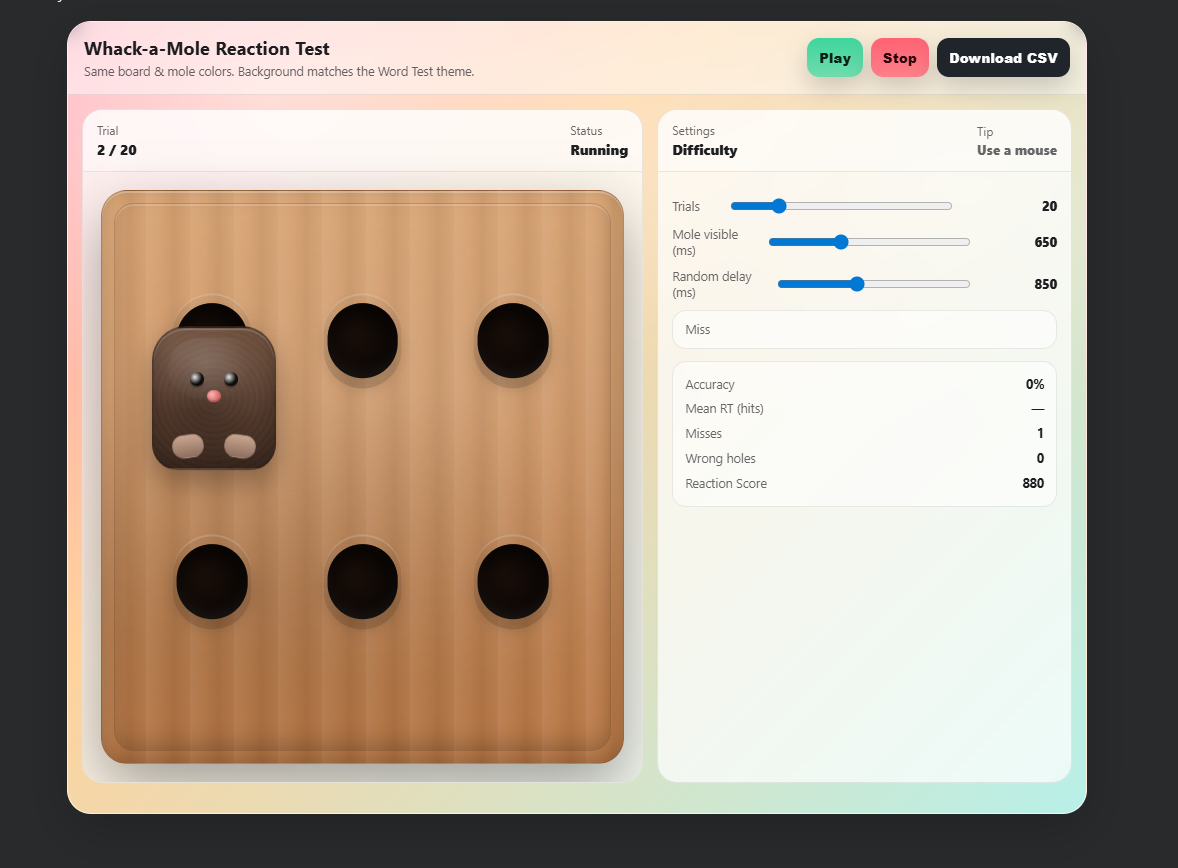
Whack-A-Mole Test
-
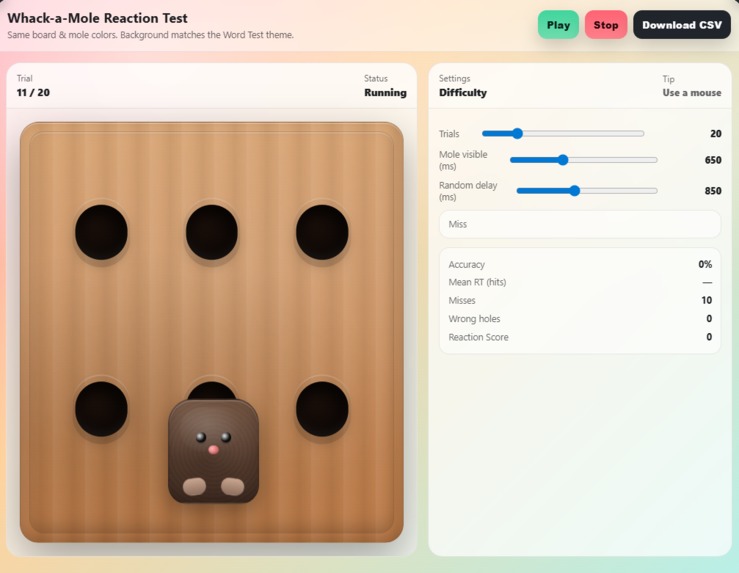
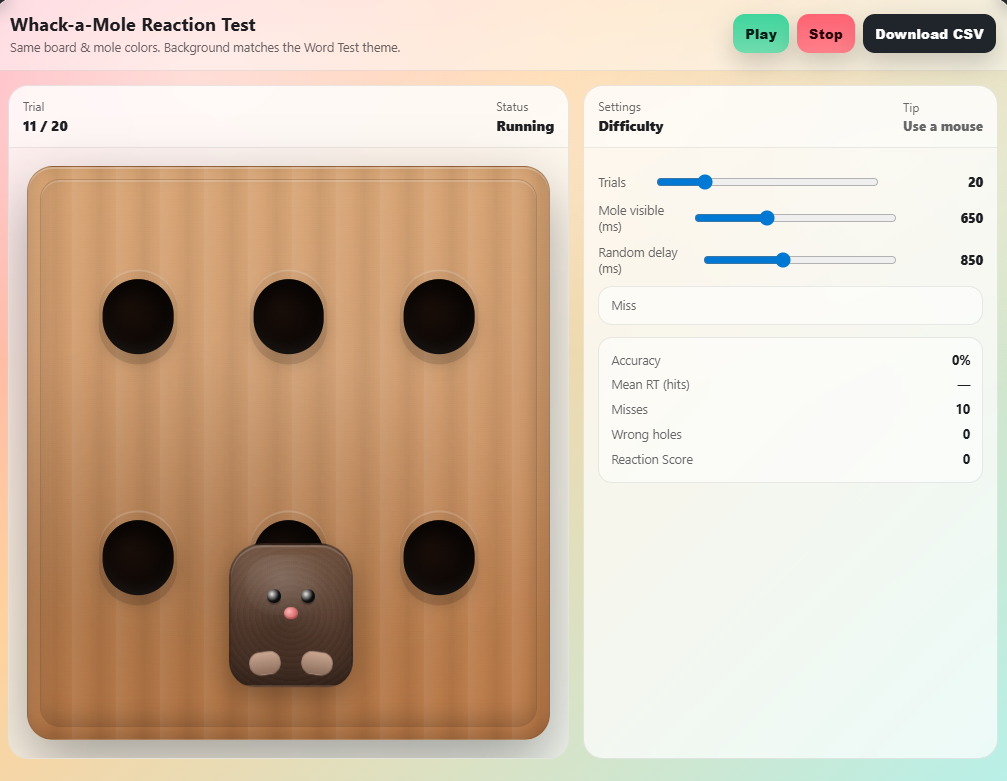
Mole Moving
-
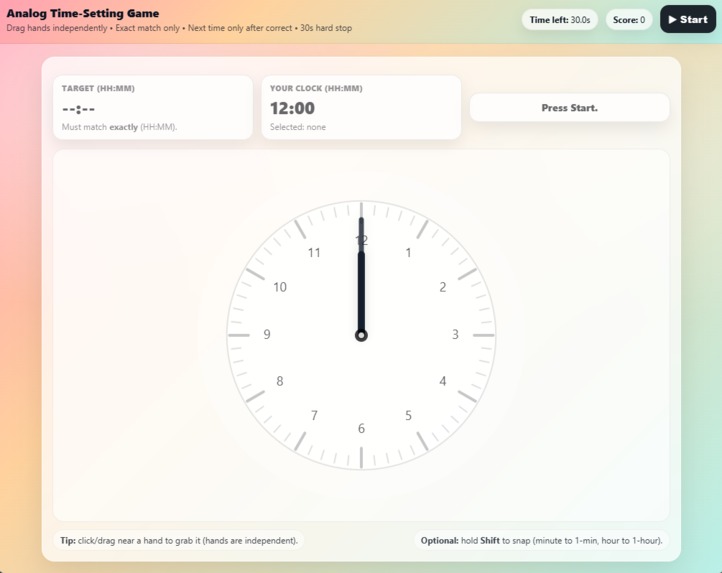
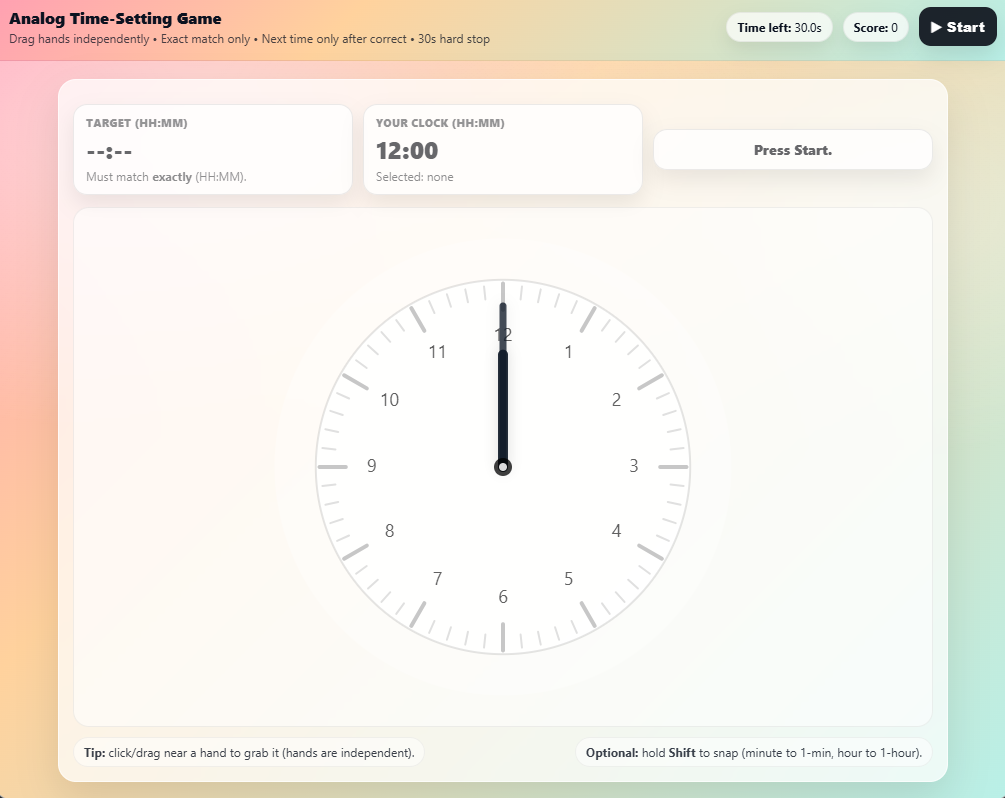
Cognitive Clock Test
-
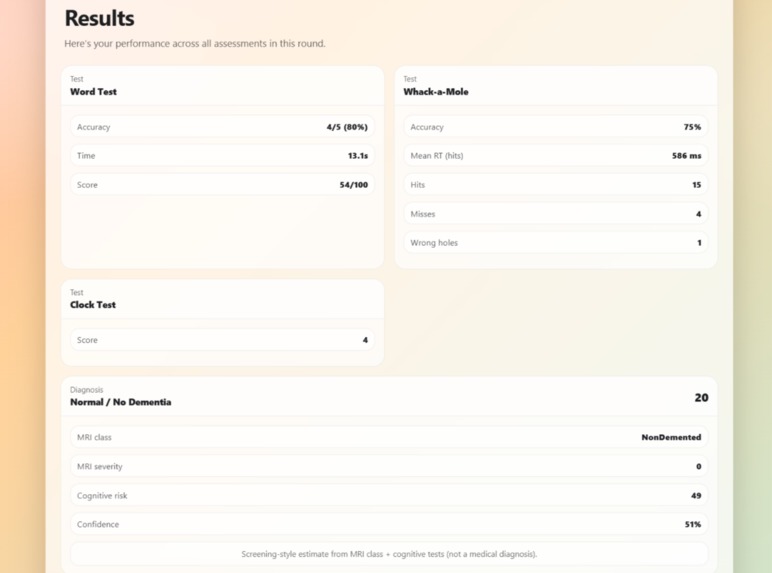
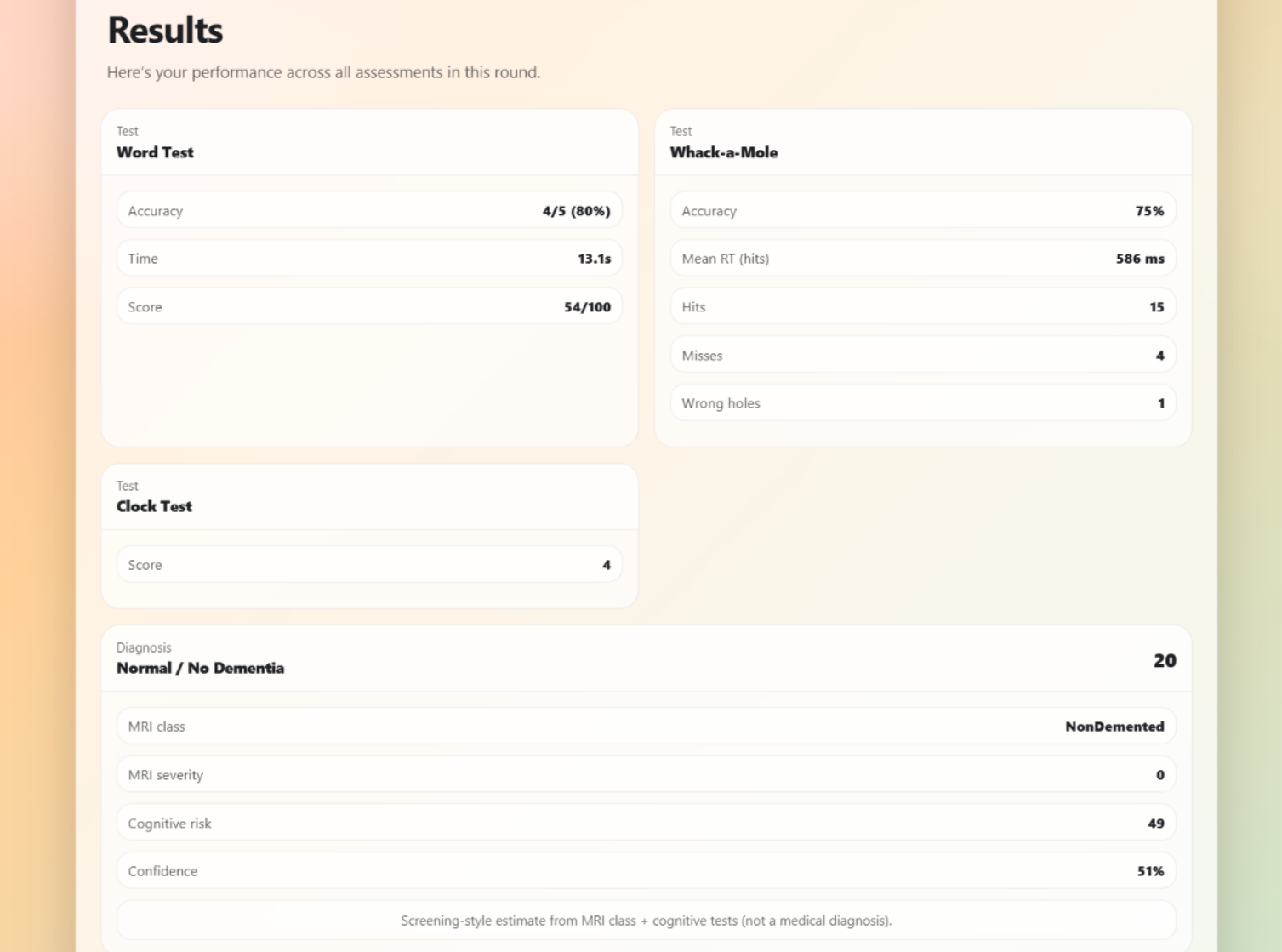
Final Results Computation
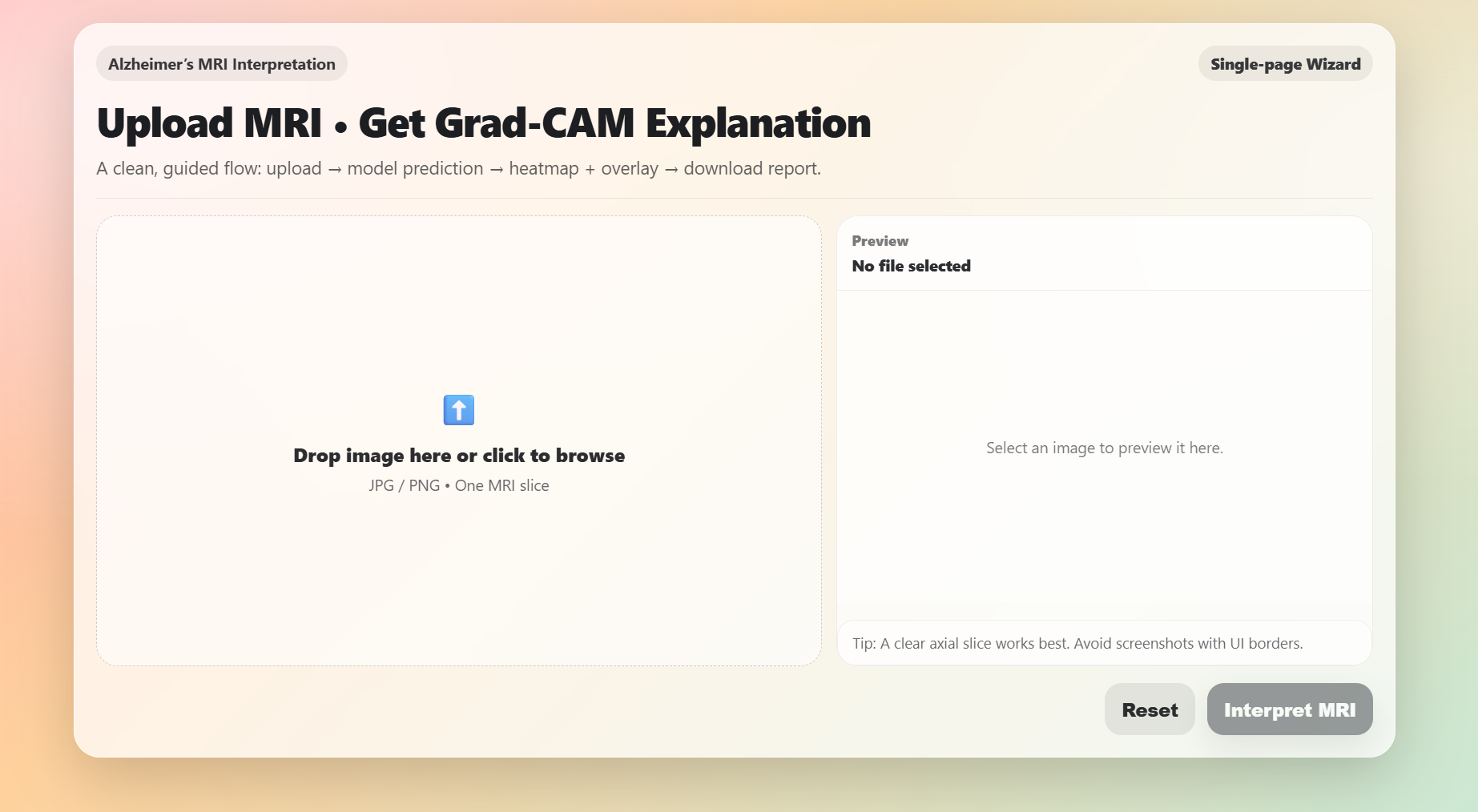
Project Inspiration & Overview
The main inspiration for this project was that it was a DO GOOD initiative. We aimed to build it as holistically as possible to extract maximum learning value across domains.
This project served as a strong introduction to:
- Web development
- Using Grad-CAM for the first time
- End-to-end frontend development, having previously worked mostly on backend systems
We built a CNN model from scratch, and analyzing MRI scans in conjunction with different cognitive test scores proved to be a highly valuable learning experience.
Dataset & Model Development
We began by identifying a suitable dataset and used the following Kaggle resource:
https://www.kaggle.com/datasets/uraninjo/augmented-alzheimer-mri-dataset
Steps followed:
- Trained a CNN model on the dataset
- Used Grad-CAM to generate heatmaps and final overlays for interpretability
- Classified MRI scans into the following categories:
MildDementedModerateDementedNonDementedVeryMildDemented
Understanding Clinical Diagnosis
To understand how Alzheimer’s is diagnosed cognitively by clinicians, we studied the following references:
- https://pmc.ncbi.nlm.nih.gov/articles/PMC10623994/
- https://www.lunduniversity.lu.se/article/new-digital-cognitive-test-diagnosing-alzheimers-disease
Based on this research, we designed three major cognitive tests.
Cognitive Tests Designed
A) Word Recall Test
We built a simplified version of real-world word recall tests used by doctors.
Test Flow:
- 5 words are shown from a diverse word bank
- Words are flashed at a speed of 1.2 seconds
- The user is asked to recall the words one by one
Metrics Evaluated:
- Accuracy
- Speed
Reference:
https://www.sciencedirect.com/science/article/abs/pii/027826269090047R
B) Whack-A-Mole Reaction Test
The above research highlighted the importance of reaction time in cognitive assessment. To make this both engaging and effective, we implemented a Whack-A-Mole game—a familiar childhood concept.
- Entire UI/UX was designed and developed by us from scratch
Metrics Evaluated:
- Mean Reaction Time
- Accuracy
C) Clock Drawing Test (Developer-Friendly Version)
We created a simplified, developer-friendly version of the traditional Clock Drawing Test.
Objective:
- Evaluate how accurately the user understands a target time
- Measure how well they can translate it onto a user-controlled clock interface
Final Diagnosis Logic
In the final step:
- MRI embeddings and cognitive test scores are combined
- Dynamic weights are applied to each component
- A simplified final score is computed
This score helps in indicating the potential need for professional medical consultation, rather than providing a definitive diagnosis.
Conclusion
This project integrates AI-based medical imaging, human–computer interaction, and cognitive science into a single diagnostic support framework, maximizing both social impact and technical learning.
Built With
- google-colab
- grad-cam
- javascript
- kaggle
- python


Log in or sign up for Devpost to join the conversation.