-
-

Intro
-
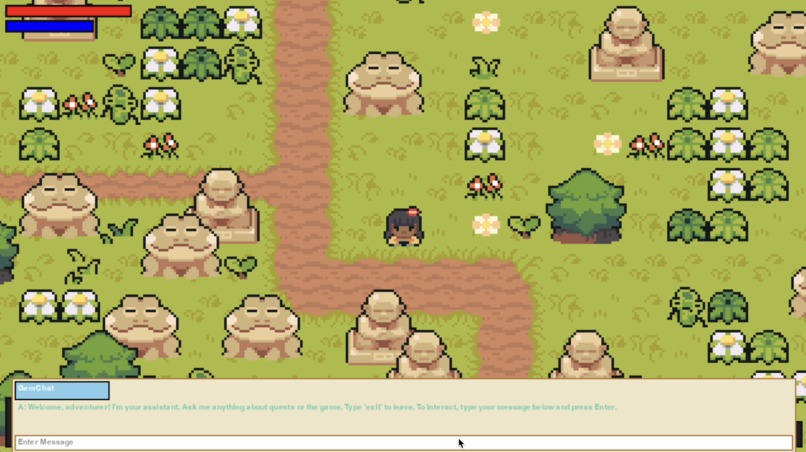
Gameplay

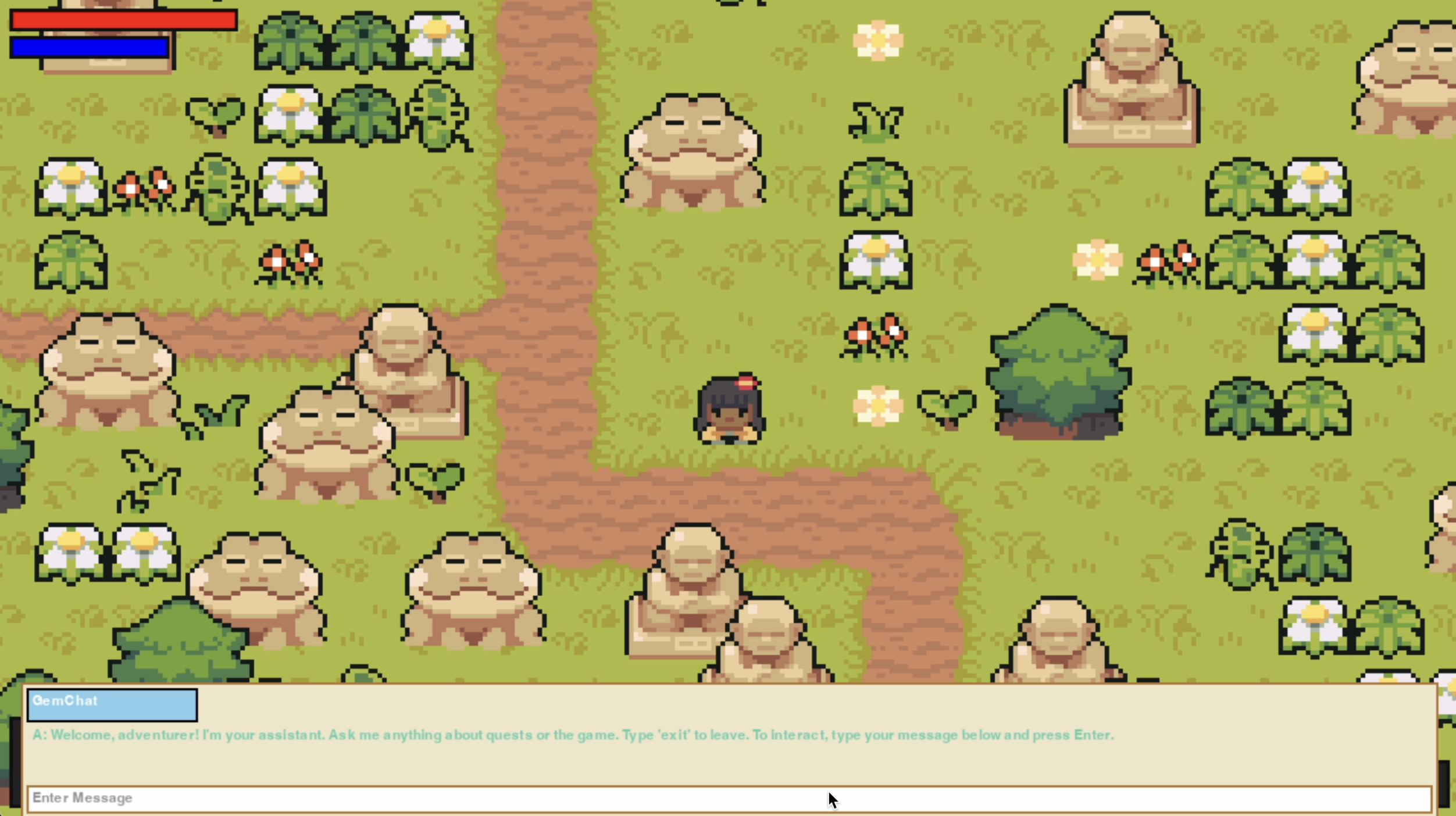
Inspiration
We set out to redefine how players interact with RPGs. Traditional quest systems follow rigid scripts, often making gameplay predictable. We wanted to bring something dynamic—an AI-driven Questmaster that adapts to the player's journey, making every playthrough unique.
What it does
NeuroQuest serves as an intelligent game master, tracking player progress, adjusting quests dynamically, and providing real-time hints. It personalizes challenges, reacts to decisions, and integrates with the game’s map to offer guidance that feels natural and immersive.
How we built it
Combined Python, Pygame, and Google’s Gemini AI to create an evolving RPG assistant. The AI processes player stats—kills, level, XP—and generates quests that fit the player’s progress. It also references an in-game map to provide location-based guidance, making exploration more intuitive.
Challenges we ran into
Designing AI prompts that generate useful, game-relevant responses. (Accurate responses) Ensuring the AI could process real-time player data without lag. Mapping AI guidance to in-game locations in a way that feels organic. (Stored in CSVs)
Accomplishments that we're proud of
Successfully integrating AI to enhance game immersion. Making quest guidance feel fluid and adaptive. Overcoming technical hurdles to maintain a seamless player experience.
What we learned
This project deepened our understanding of AI-driven gameplay mechanics, real-time data processing, and human-AI interaction in games. We learned to fine-tune AI responses, optimize performance, and create a system that balances unpredictability with structured gameplay.
What's next for NeuroQuest
Implementing AI memory to track player choices across sessions. Enhancing NPC interactions to feel more lifelike. Expanding voice recognition for hands-free guidance. Exploring multiplayer integration for AI-driven cooperative play.


Log in or sign up for Devpost to join the conversation.