NeuroNote – AI-Powered Personalized Learning
Inspiration
I was inspired by the mental health struggles I saw among students and the limitations of one-size-fits-all education. I realized that students don’t just need academic help, they also need support for their well-being. Knowing that personalized learning can boost retention by 60% and wellness tracking can reduce burnout by 40%, I set out to combine both.
What it does
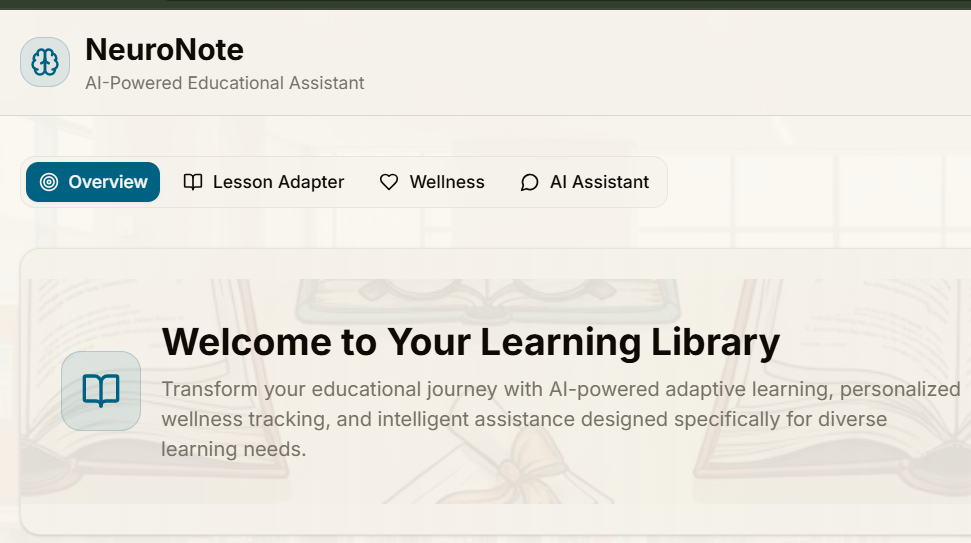
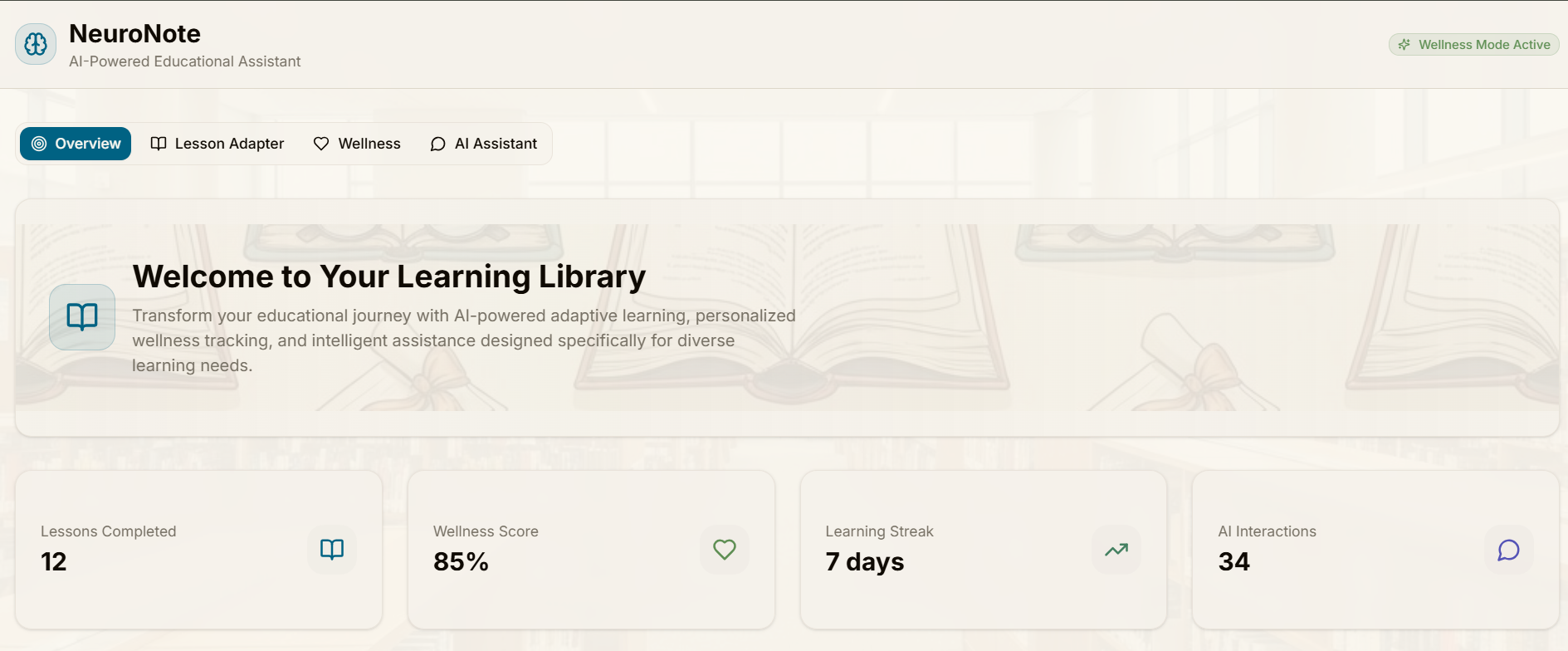
With NeuroNote, I created a platform that adapts to each student’s unique style while supporting their health. It includes:
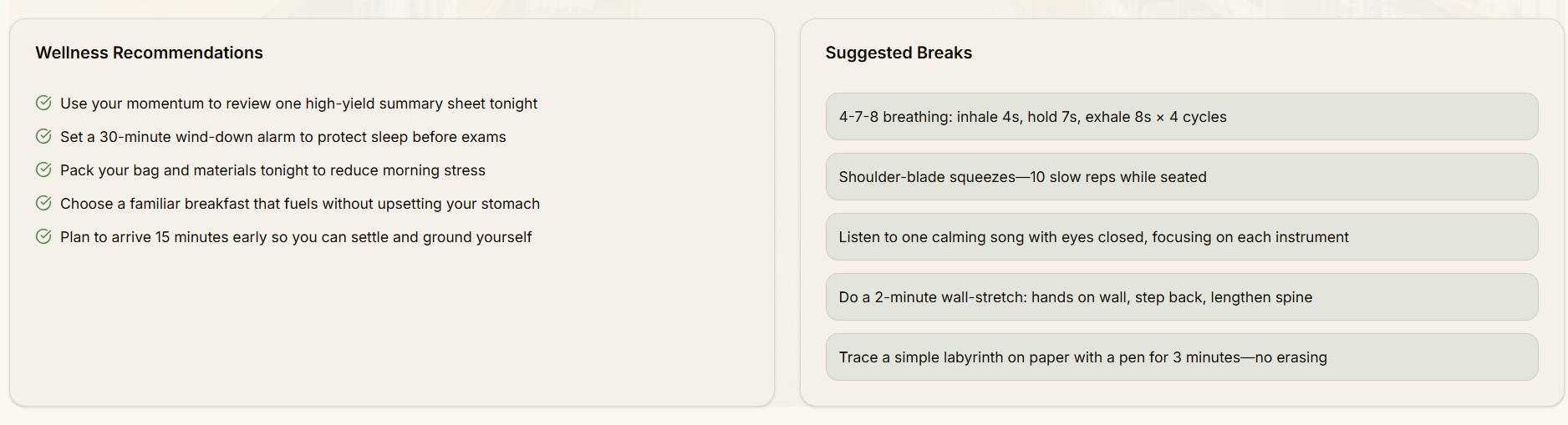
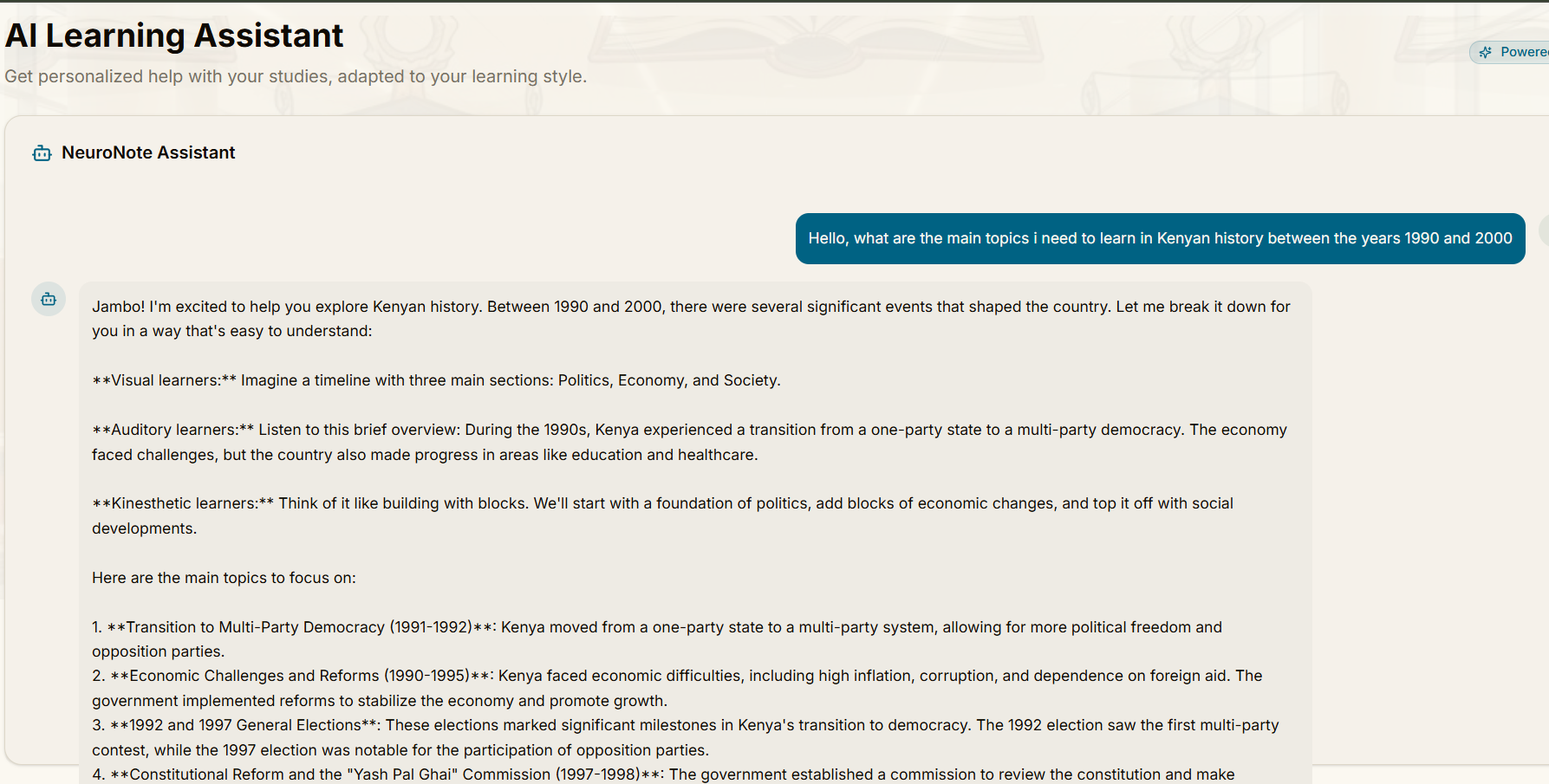
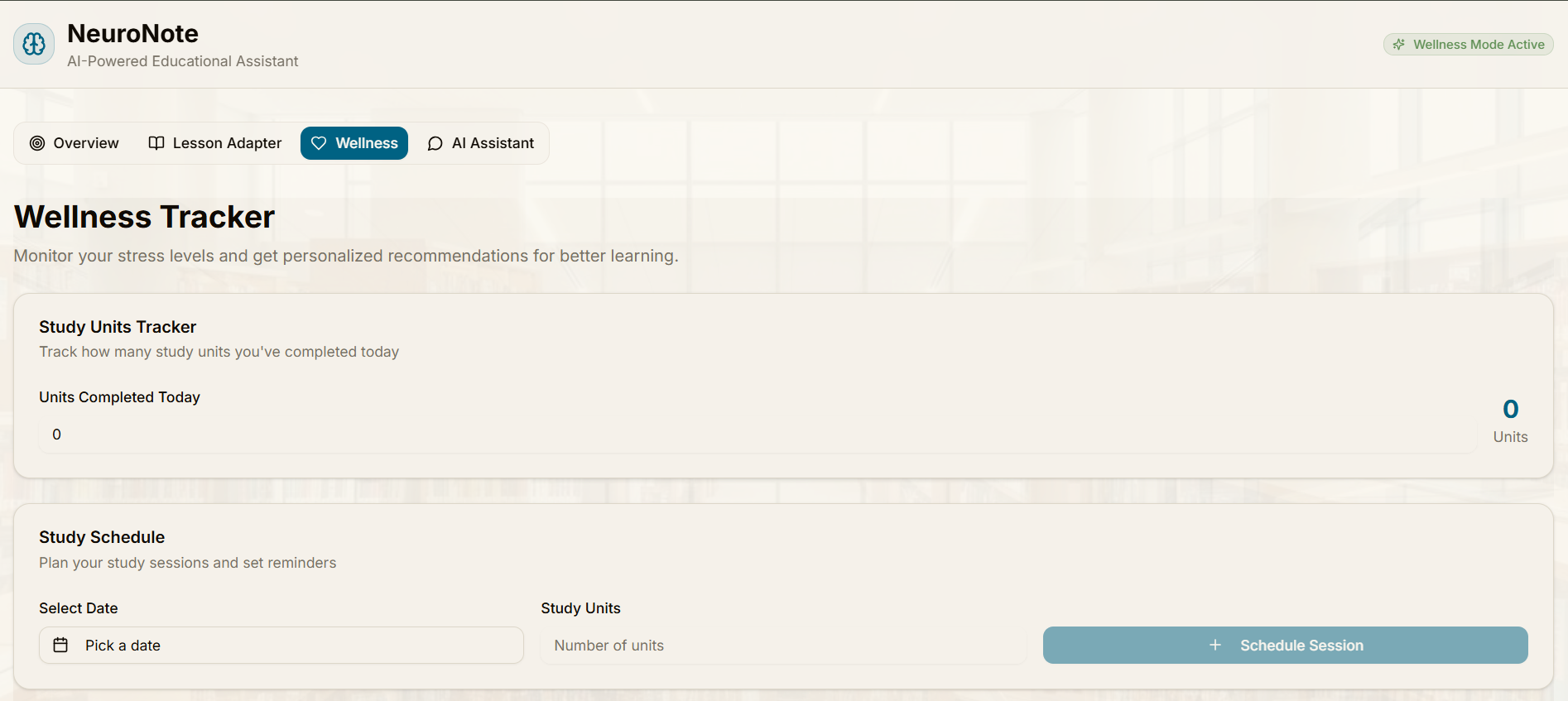
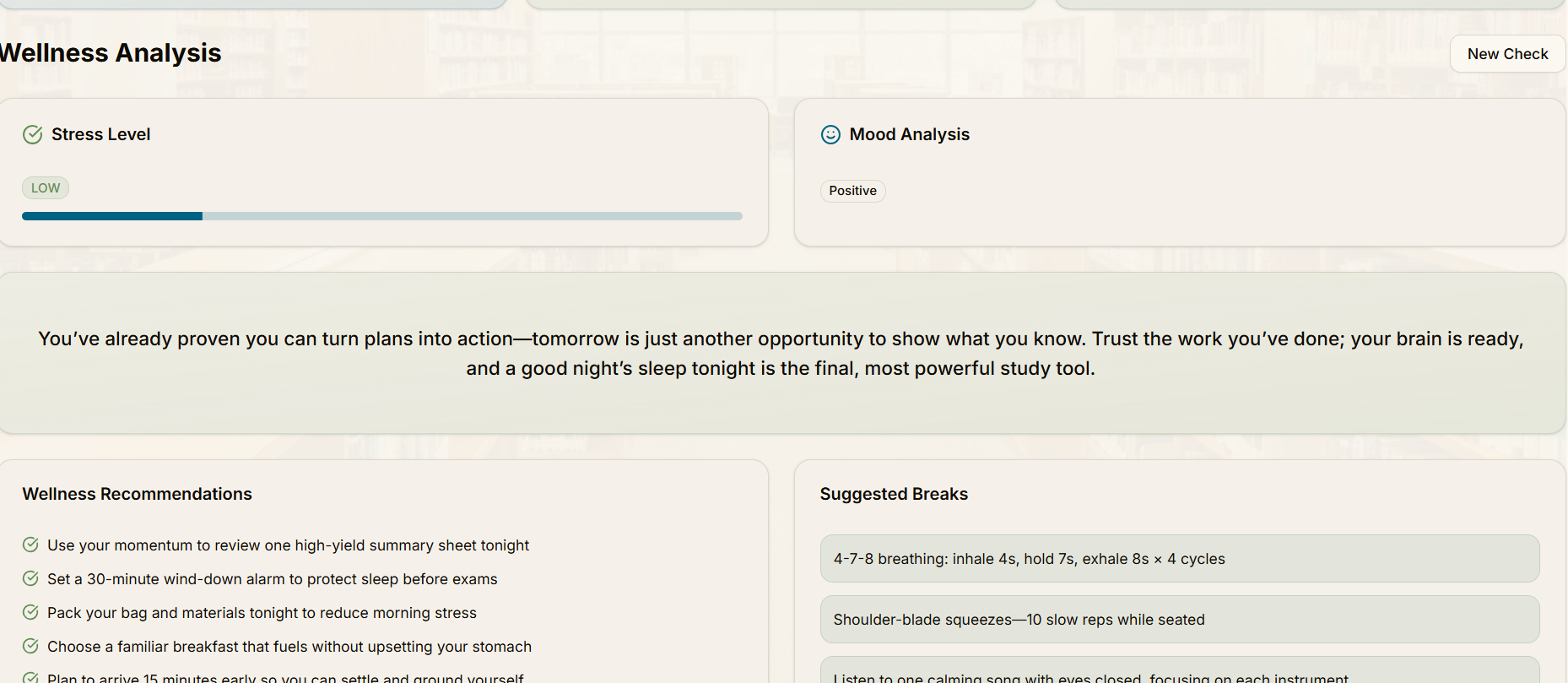
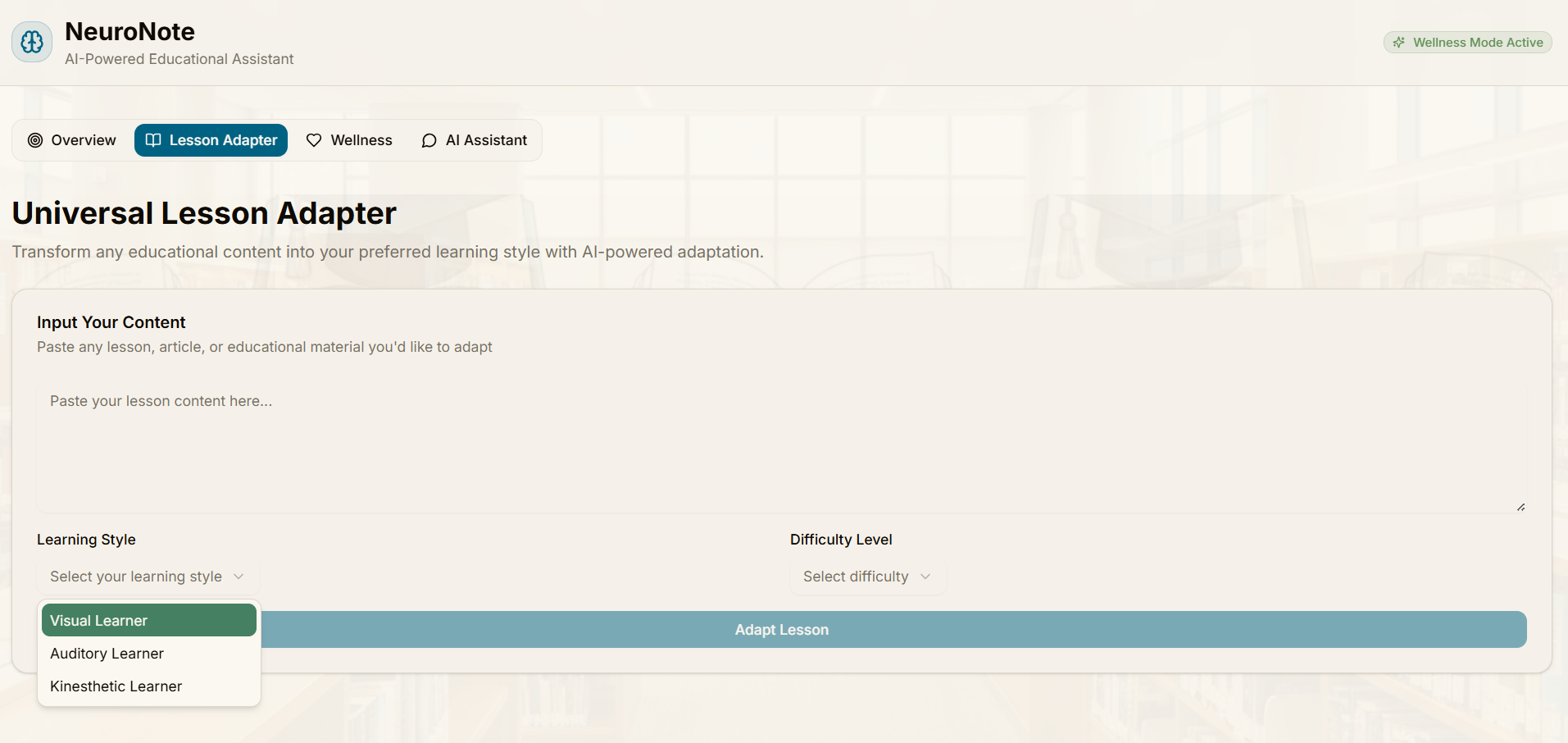
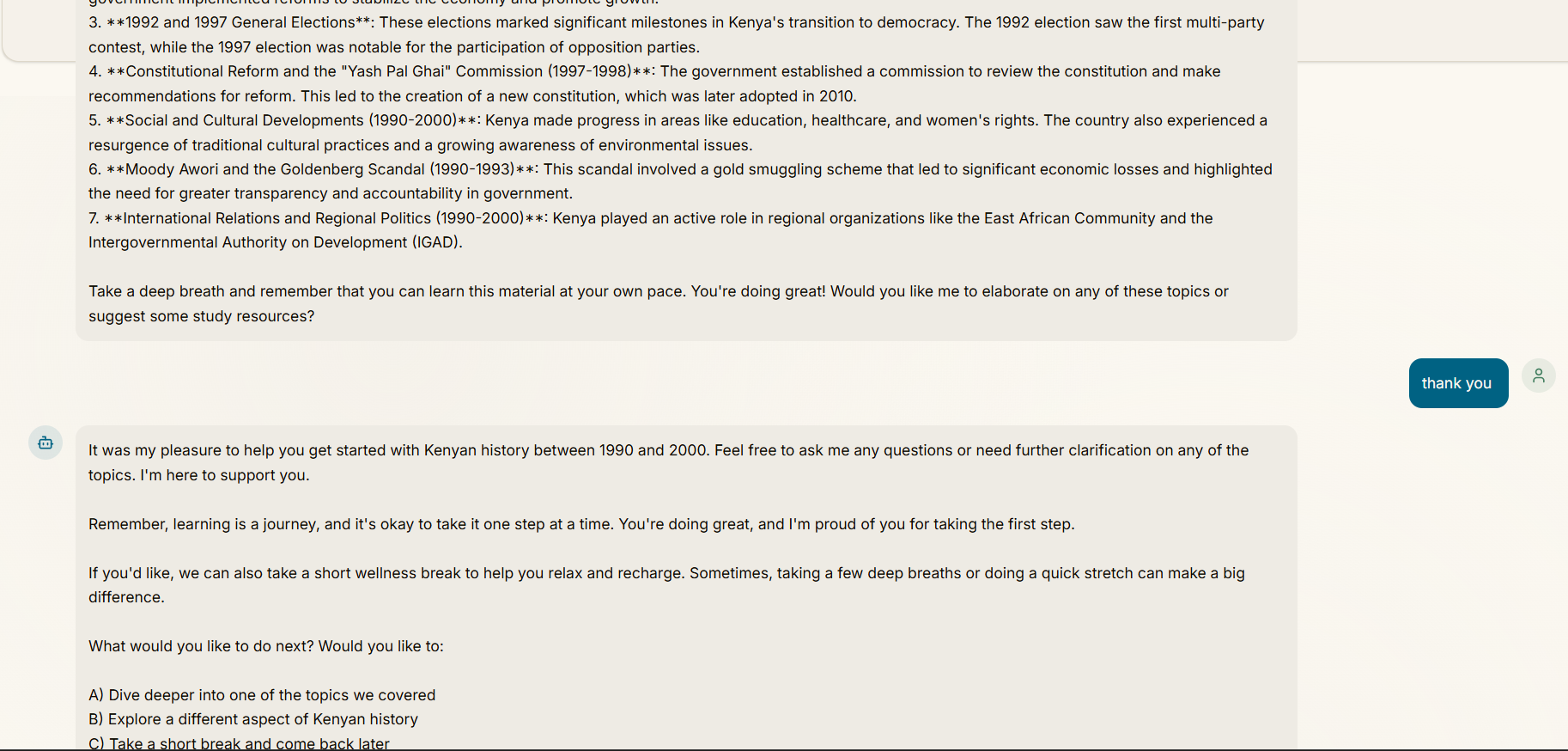
AI Lesson Adapter – I use AI to tailor any content to the student’s pace and comprehension. Wellness Tracker – I monitor study habits, stress, and provide balance tips. Study Units – I gamify learning into bite-sized, trackable units. Smart Calendar – I schedule study sessions with built-in wellness breaks. AI Chat Assistant – I provide instant explanations and study guidance.
How I built it
I built NeuroNote using Next.js 14, React, and Tailwind CSS, deploying on Vercel. For AI, I integrated Groq API with structured outputs, ensuring consistent, reliable adaptations.
Challenges
I ran into issues with structured AI outputs that initially caused server errors, and I had to research better models. I also struggled with balancing advanced AI features with simple UX, and even something as small as font compatibility became a challenge during deployment.
What I learned
I learned that model selection and error handling are critical for smooth AI integration. I also discovered how powerful user-centered design can be when balancing complexity and simplicity. Most importantly, I saw how AI can genuinely help students succeed both academically and personally.
What’s next
I plan to:
- Add predictive analytics to forecast burnout and optimize study times
- Introduce collaboration features like study groups
- Build native mobile apps
- Connect NeuroNote with tools like Canvas and Google Classroom
- Expand accessibility with voice commands and multilingual support
- Partner with schools and researchers to validate and expand the platform
- Gamified Learning – Reward systems, streaks, and badges to keep learners motivated.
- Low bandwidth areas - Using localized AI to make Neuronote accessible, even using SSD codes for low bandwidth areas and for those without smartphones in third world countries.
Vision: With NeuroNote, I want to make learning not only smarter—but healthier.Inspiration

Log in or sign up for Devpost to join the conversation.