-
-
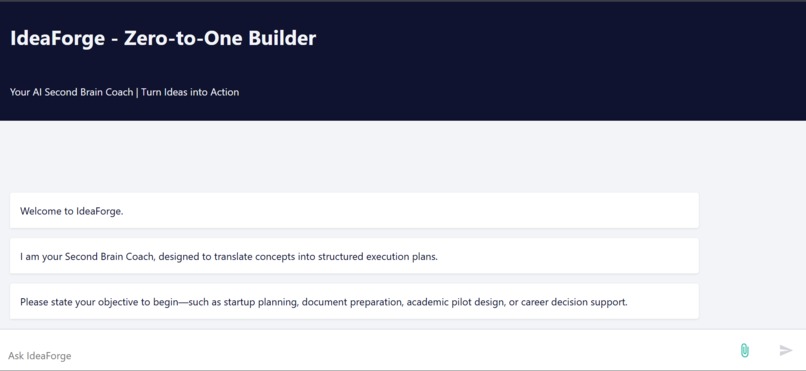
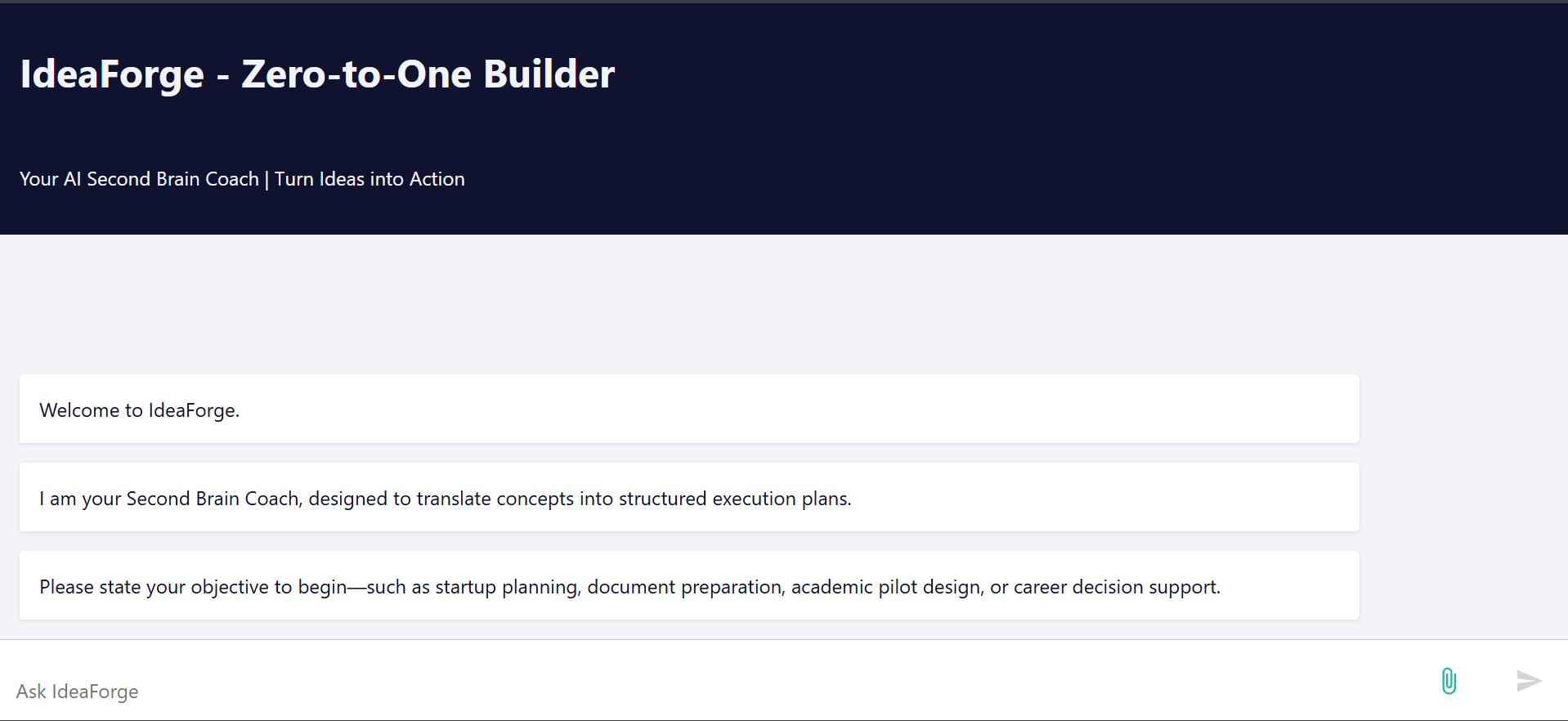
IdeaForge - UI
-
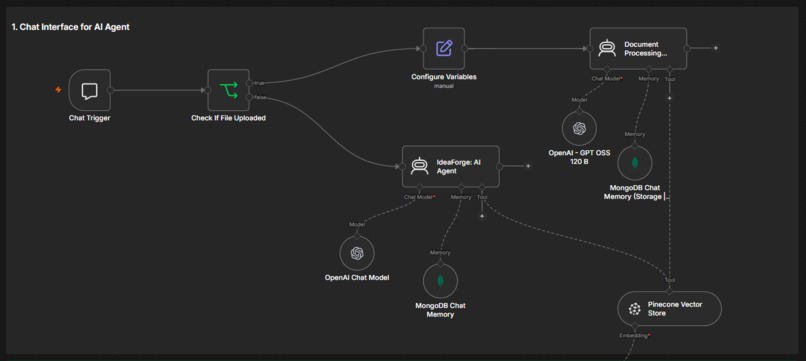
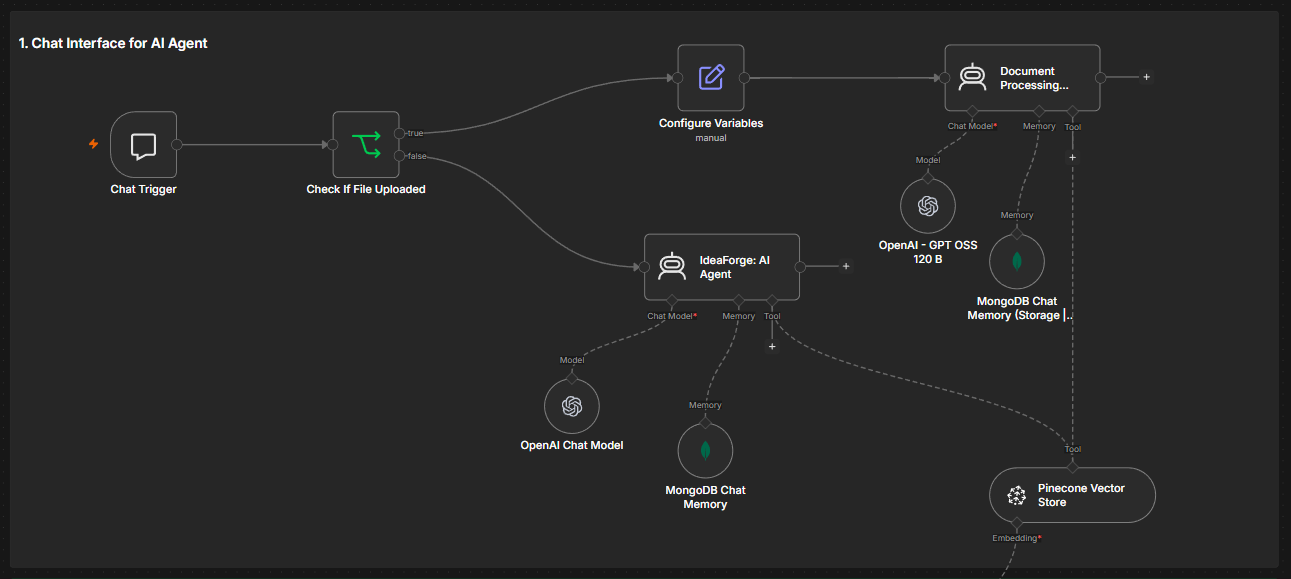
First and Main AI Agent
-
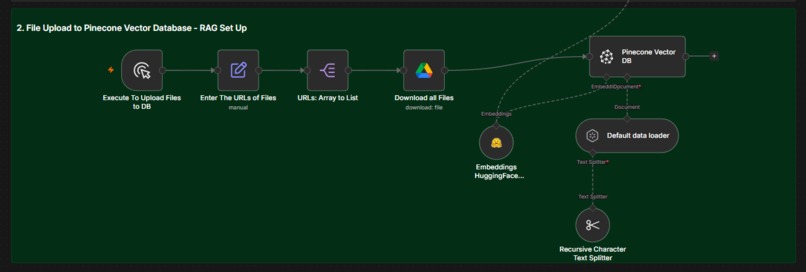
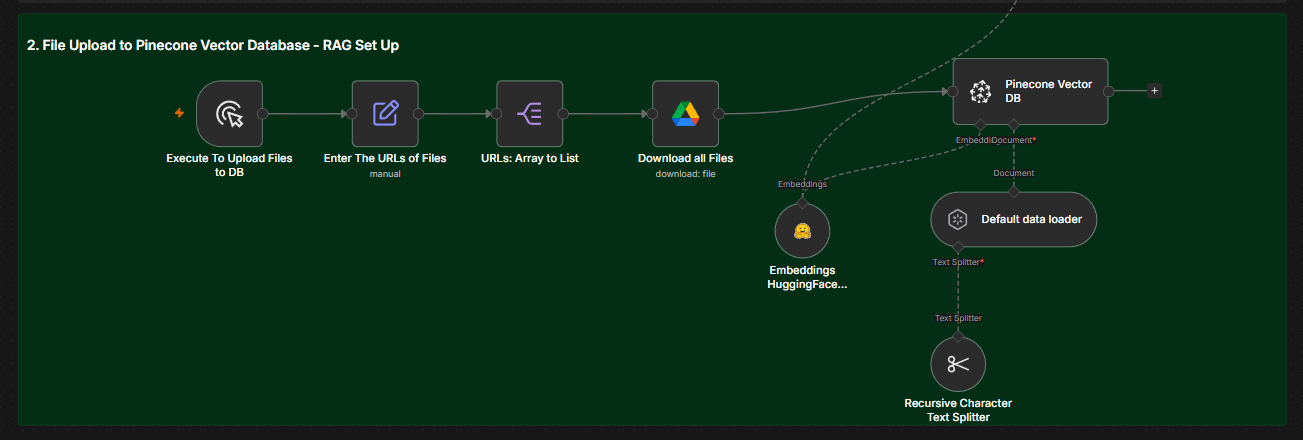
AI Guardrail and RAG Agent for IdeaForge
-
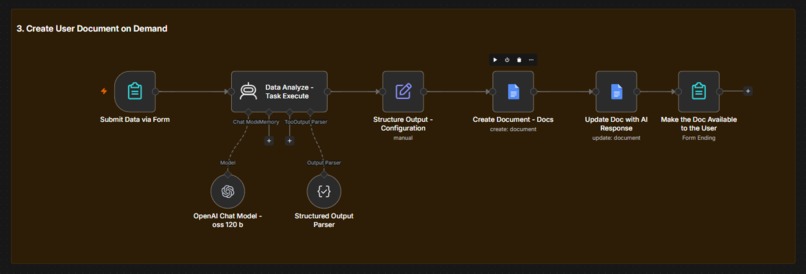
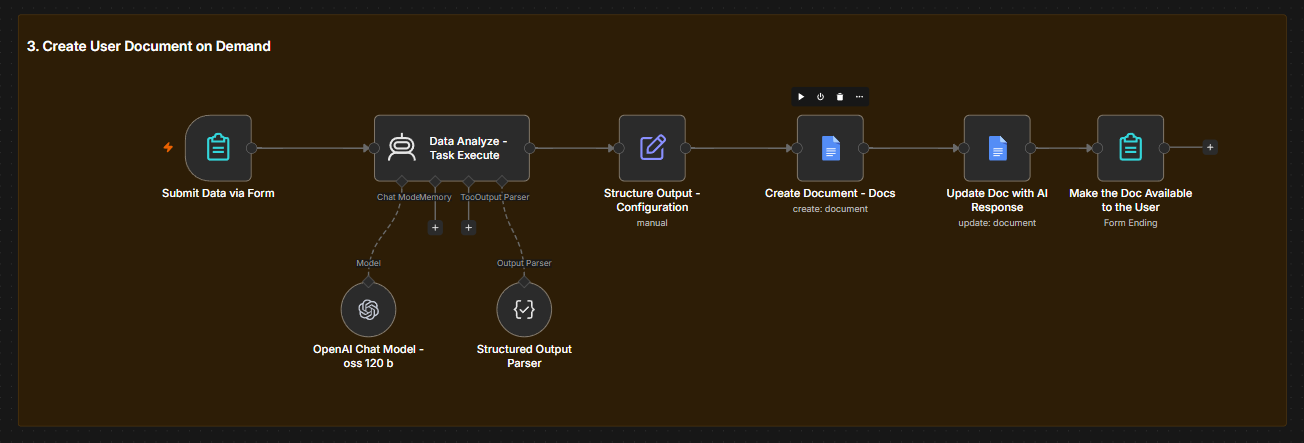
Analyze and Generate Documents for the User on Form Submission
-
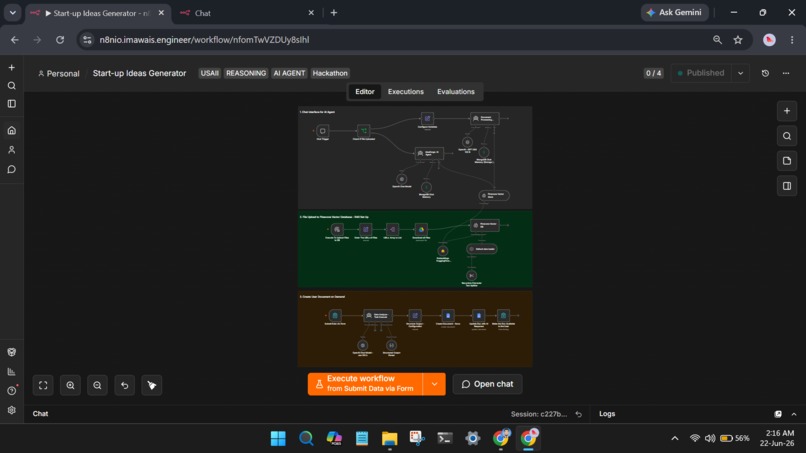
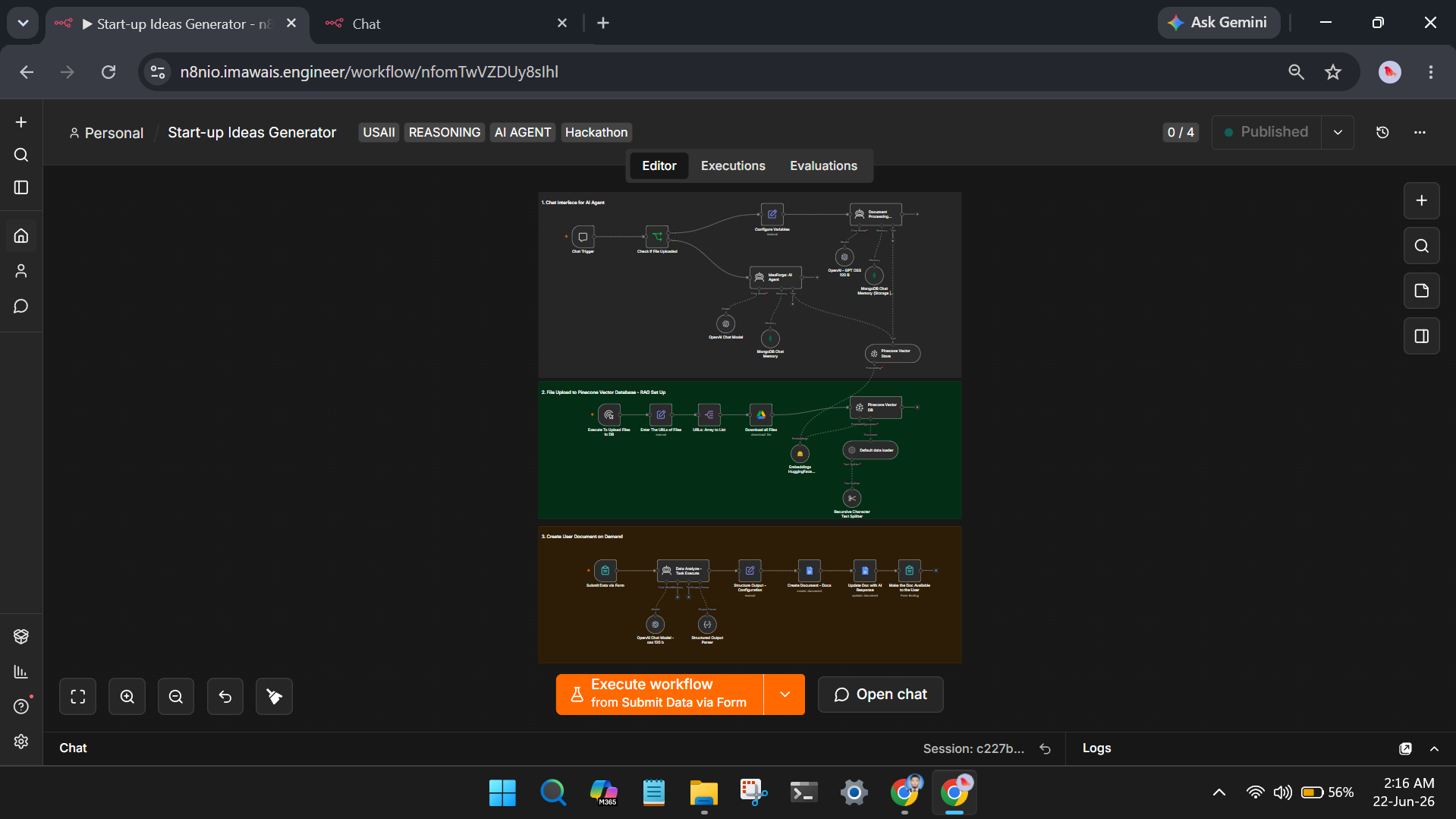
IdeaForge - Backend N8N - Capture
Inspiration
The hackathon brief for "Build the Second Brain for Real Life" deeply resonated with us. As college students and aspiring creators, we repeatedly saw talented peers with promising ideas — campus startups, innovative class projects, and personal ambitions — get stuck in execution paralysis. Modern life brings overwhelming information, hidden tradeoffs, and constant mental switching, yet most tools either oversimplify (basic pros/cons or generic task lists) or overwhelm users. We set out to build a practical tool that fills this gap by acting as a reasoning partner — helping users move from vague ideas to structured, realistic plans with clear first steps.
What it does
IdeaForge: Zero-to-One Second Brain is an AI-powered Second Brain Coach that helps college students, recent graduates, aspiring founders, and career-switchers transform vague ideas into actionable execution plans.
Users describe their idea in natural language along with personal context (studies, time constraints, resources, etc.). The system:
- Clarifies and refines the idea
- Surfaces key assumptions and risks with confidence levels
- Delivers a structured execution roadmap (including a realistic 30-day action plan)
- Emphasizes study/life balance and burnout prevention
- Always ends with a clear Human Decision Moment
Every response follows a consistent, scannable format and includes responsible AI elements: uncertainty framing, confidence scores (Low/Medium/High), tradeoffs, and explicit disclaimers that the final decisions remain with the user.
It also includes a Document Assistant mode where users can upload resumes, cover letters, or other documents to get professional feedback or generate improved versions directly into Google Docs.
How we built it
We built a functional, production-ready workflow in n8n following a thoughtful software engineering approach:
Core Components:
- Intelligent Chat Interface with custom styling and conversation memory (MongoDB)
- Powerful Main Agent (
IdeaForge) powered by Groq (gpt-oss-120b) with a carefully engineered system prompt enforcing the mandatory response structure - RAG System using Pinecone vector database + Hugging Face embeddings, pre-loaded with hackathon guidelines and SRS documents for consistent, context-aware responses
- Document Processing Branch: Handles file uploads (PDFs, DOCX), analyzes them, and creates/improves documents using Google Docs integration
- Responsible AI Guardrails embedded directly into the agent prompts
The architecture creates a clean pipeline:
Chat Input → Context Retrieval (RAG) → Structured Reasoning → Formatted Output → Actionable Next Step
Challenges we ran into
- Crafting prompts that produce deep reasoning instead of generic task lists required significant iteration.
- Balancing comprehensive analysis with concise, student-friendly outputs.
- Implementing robust file handling and Google Docs automation while keeping the workflow reliable.
- Ensuring strong uncertainty representation and human-in-the-loop principles without making the experience feel overly cautious.
Accomplishments that we're proud of
- Delivered a fully working, responsive AI coach that follows the exact response structure required by the hackathon brief.
- Successfully implemented RAG with relevant project documents for grounded, consistent responses.
- Built a dual-purpose system: idea-to-execution coaching + professional document assistance.
- Embedded Responsible AI practices (confidence scores, risk/mitigation framing, explicit human decision points) throughout.
- Created a clean, modern chat UI with custom CSS and seamless Google Docs export.
What we learned
We learned that building effective decision-support AI is more about structuring thinking and enforcing disciplined reasoning than about raw model power. Prompt engineering for consistency and responsibility is just as important as the underlying technology. We also gained hands-on experience with n8n orchestration, vector databases (Pinecone), and integrating AI with productivity tools.
What's next for IdeaForge
We plan to evolve IdeaForge by:
- Expanding into a true multi-agent system (Clarifier, Risk Analyzer, Planner, Simulator, Orchestrator)
- Adding more integrations (Google Calendar, Notion, export to PDF/Word)
- Implementing user feedback loops and progress tracking
- Creating specialized templates for common student scenarios (career decisions, side hustles, class projects to pilots)
- Making the project open-source so other students can build upon it
IdeaForge is a practical step toward a real "Second Brain" for the next generation of creators and founders.
Built With
- docs
- drive
- google-calendar
- grok-(xai)
- javascript
- mongodb
- n8n
- openai
- pinecone

Log in or sign up for Devpost to join the conversation.