Inspiration
We were inspired by the need for a research assistant that can dig deep into vast amounts of information quickly and accurately. Using Perplexity's Sonar API, we aimed to create a chatbot that goes beyond surface-level answers and helps users explore complex topics effortlessly.
What it does
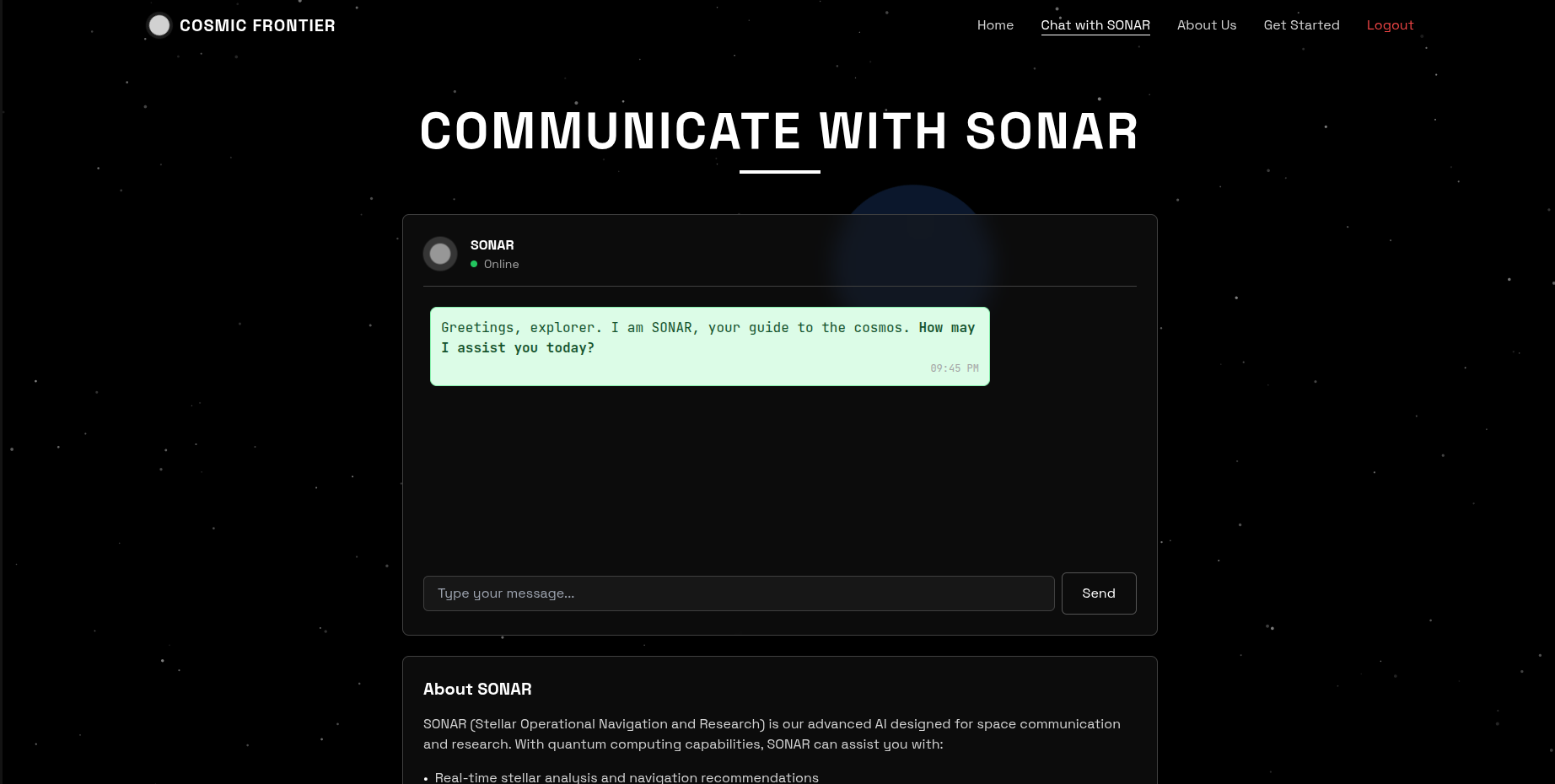
Our chatbot leverages the Sonar API to fetch real-time, detailed insights on any research query. It provides users with accurate, concise, and well-sourced responses, making deep research accessible and interactive through conversational AI.
How we built it
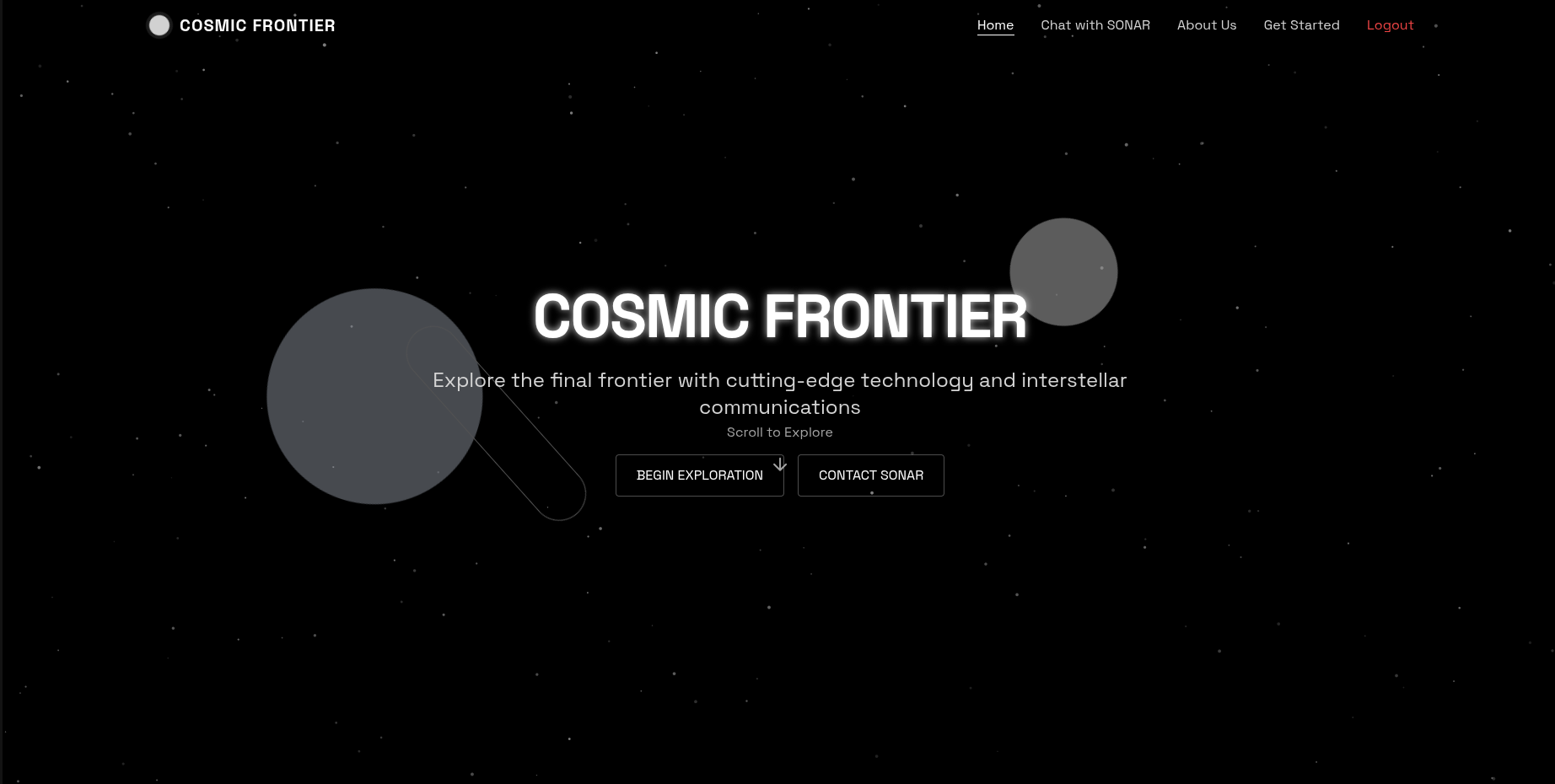
We integrated Perplexity's Sonar API into a custom chatbot interface, combining natural language processing with API-driven data retrieval. The backend handles user queries, processes responses, and formats information clearly, ensuring a smooth and engaging user experience.
Challenges we ran into
We faced challenges optimizing response accuracy while maintaining speed. Balancing thorough research depth with conversational brevity required tuning prompts and handling ambiguous queries. Integrating API responses into a fluid chat interface also took iterative refinement.
Accomplishments that we're proud of
We're proud of creating a chatbot that can handle complex research questions in real-time with relevant, clear answers. Successfully harnessing the Sonar API's power and delivering an intuitive, fast user experience was a major achievement.
What we learned
We learned the importance of prompt engineering and API integration in building AI-driven research tools. Additionally, we gained hands-on experience managing trade-offs between response depth and latency in conversational systems.
What's next for NeuroNet
Next, we plan to enhance NeuroNet by adding multi-turn context awareness, supporting follow-up questions seamlessly. We also aim to improve source attribution transparency and explore voice input for more natural interactions.


Log in or sign up for Devpost to join the conversation.