-
-
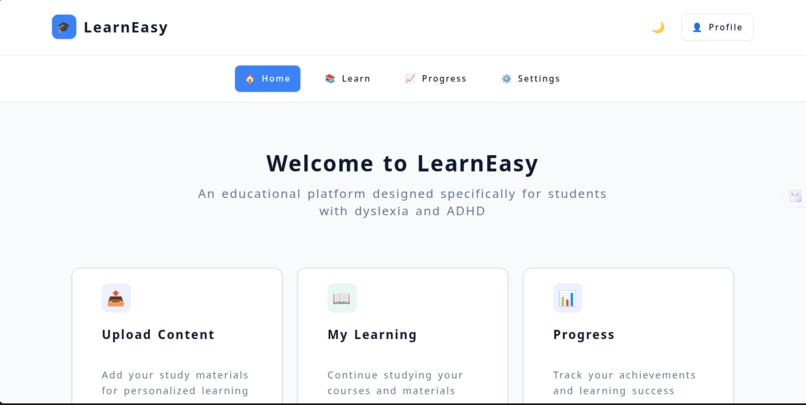
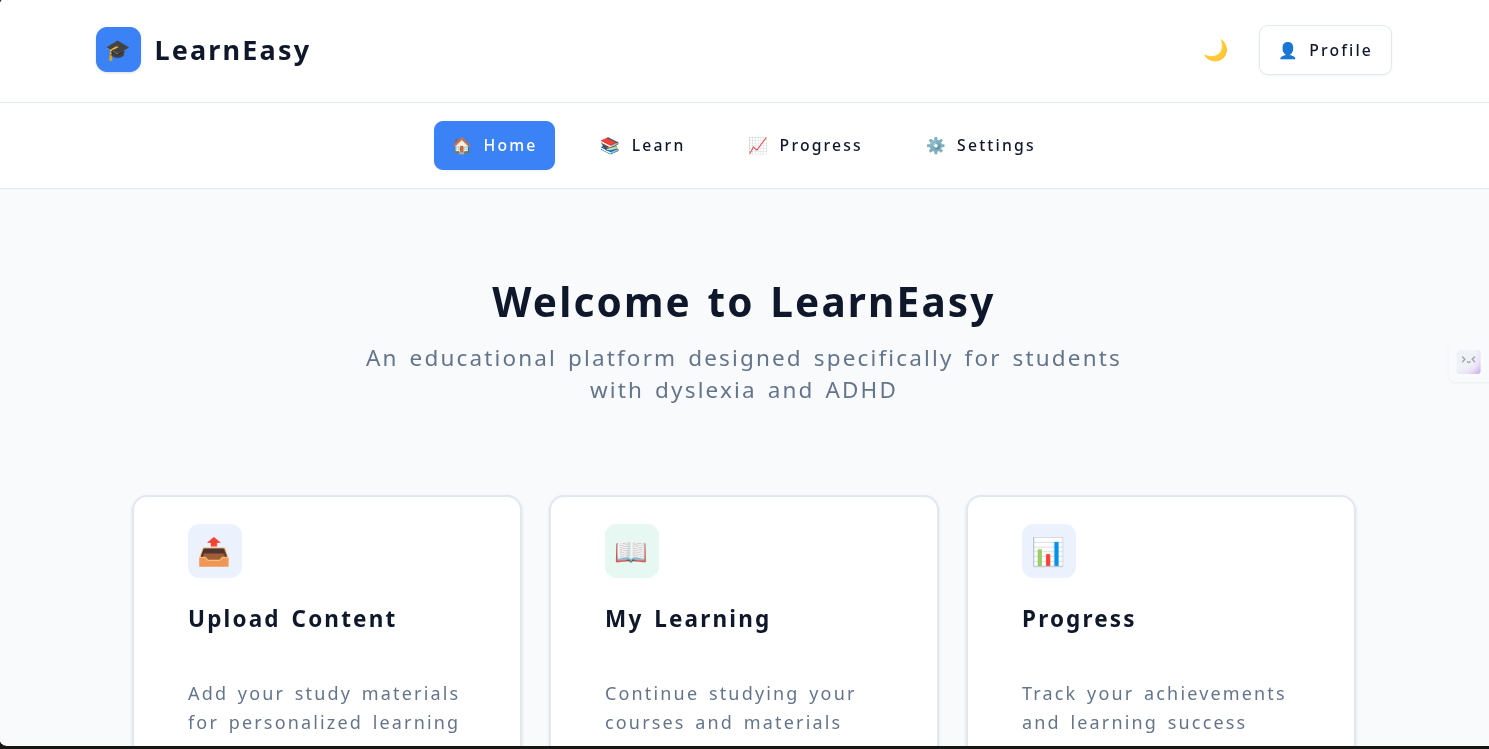
Home page
-
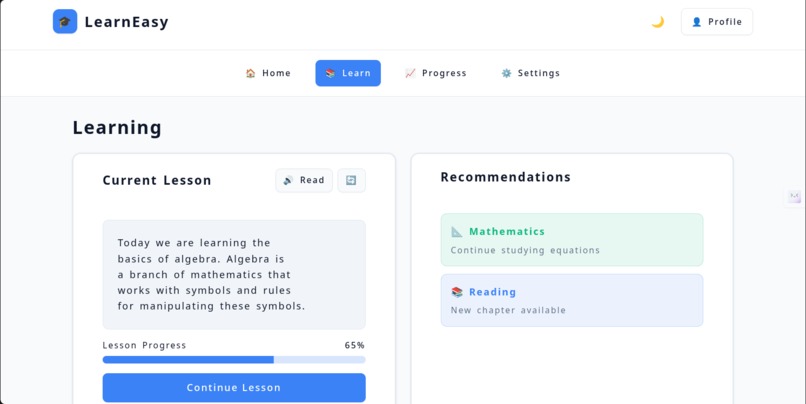
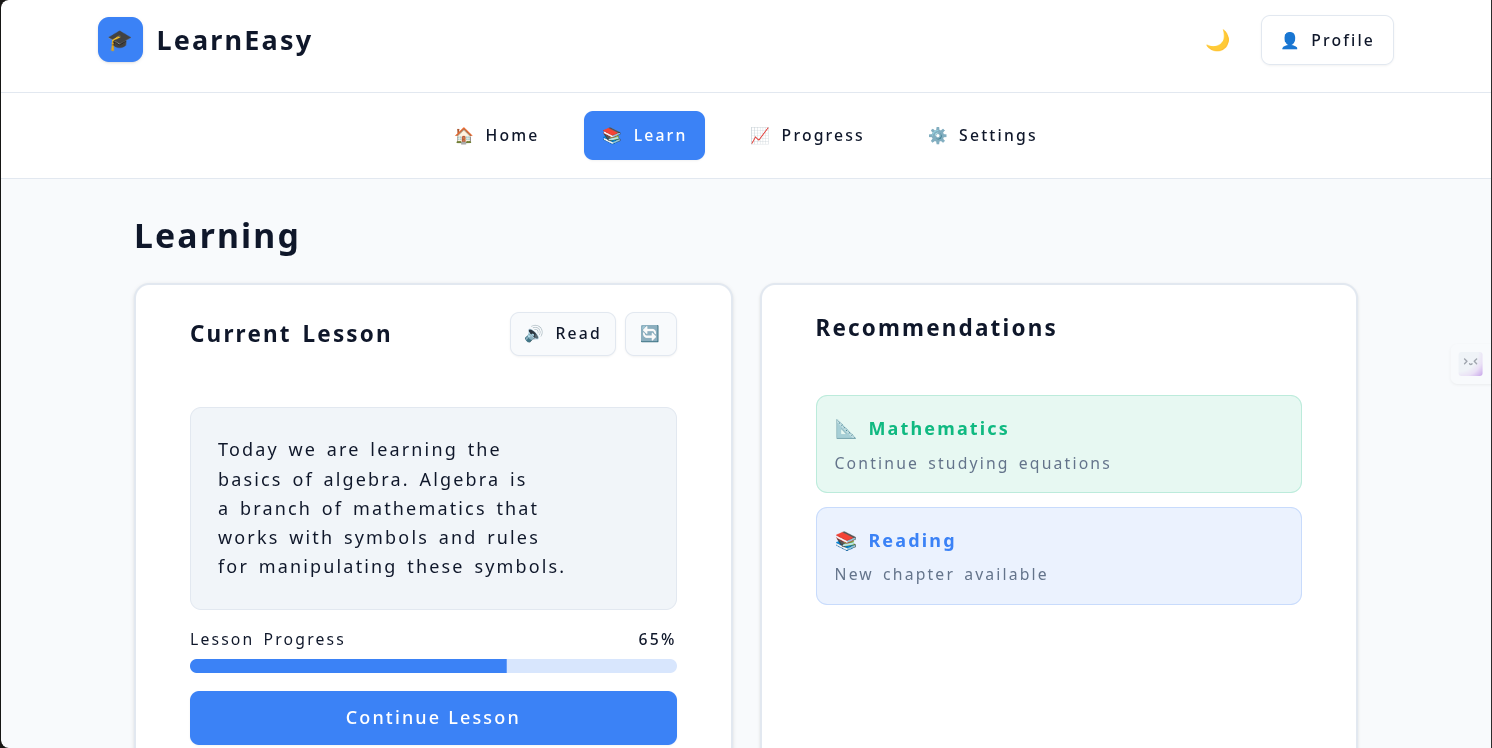
Learning&Voice page
-
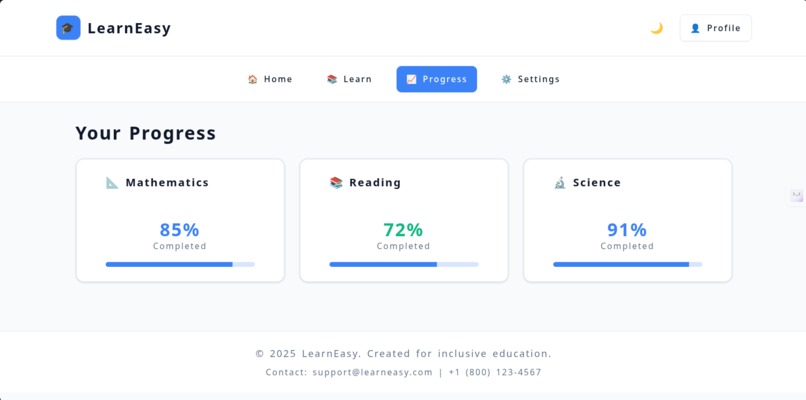
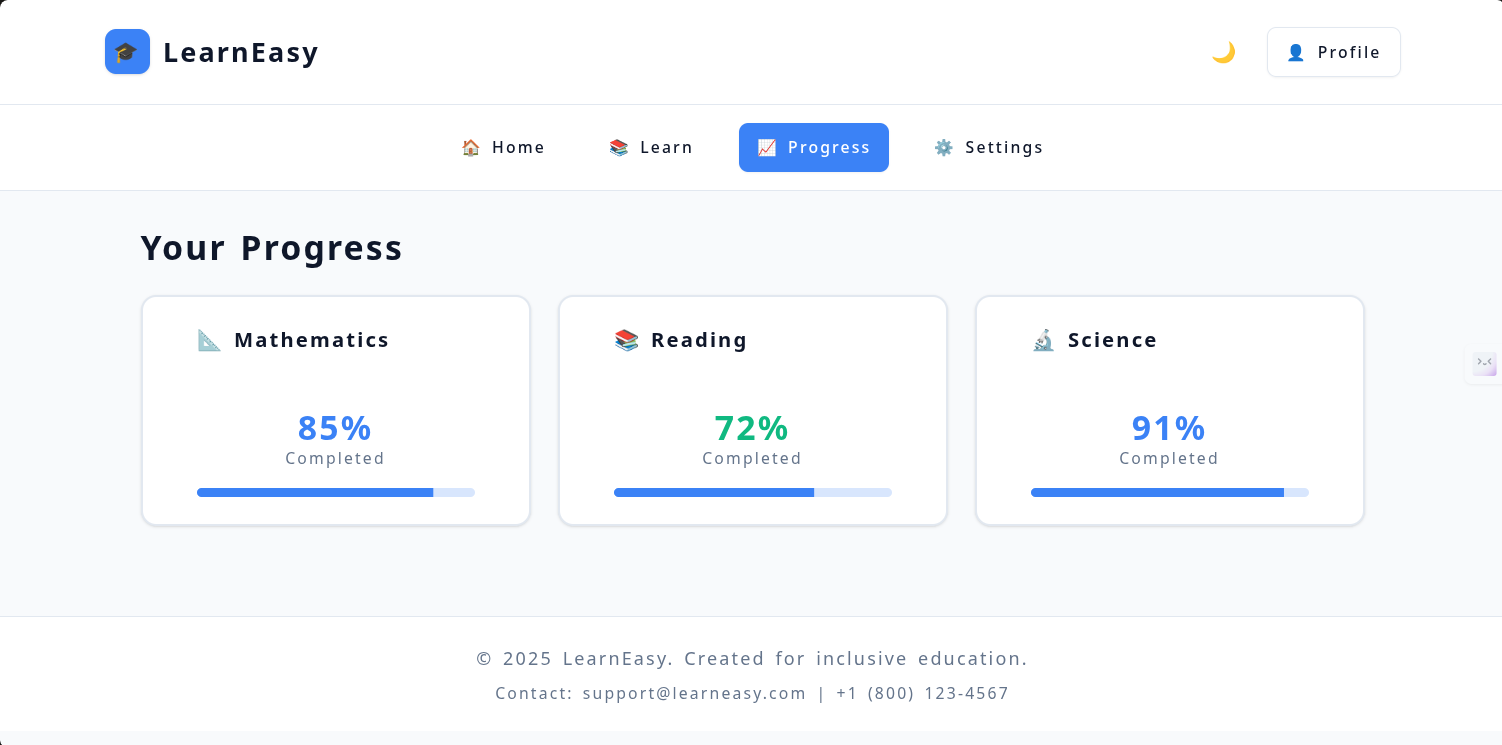
Progress page
-
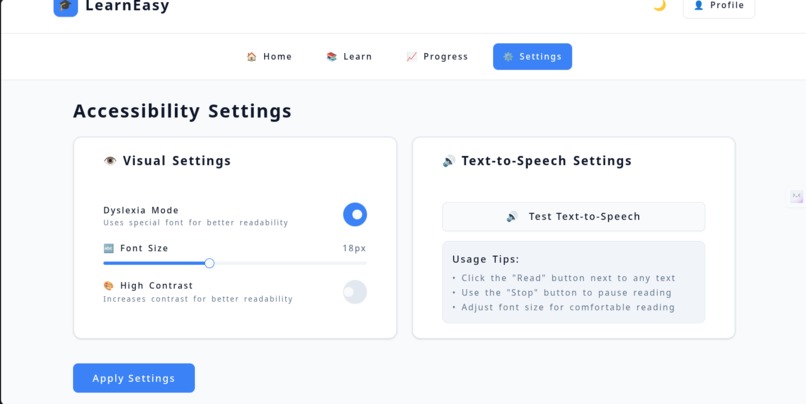
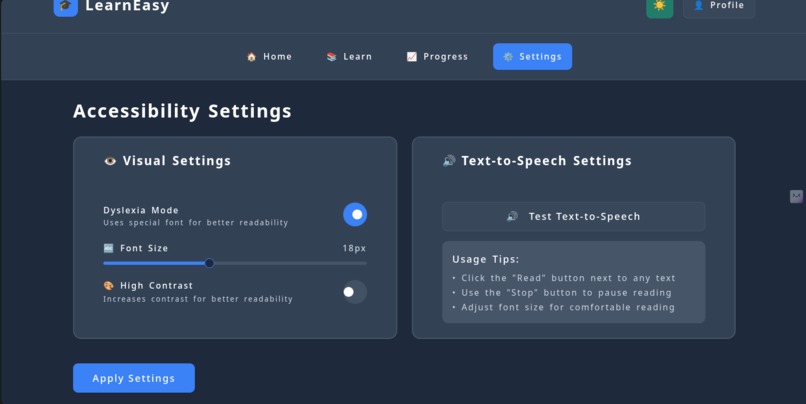
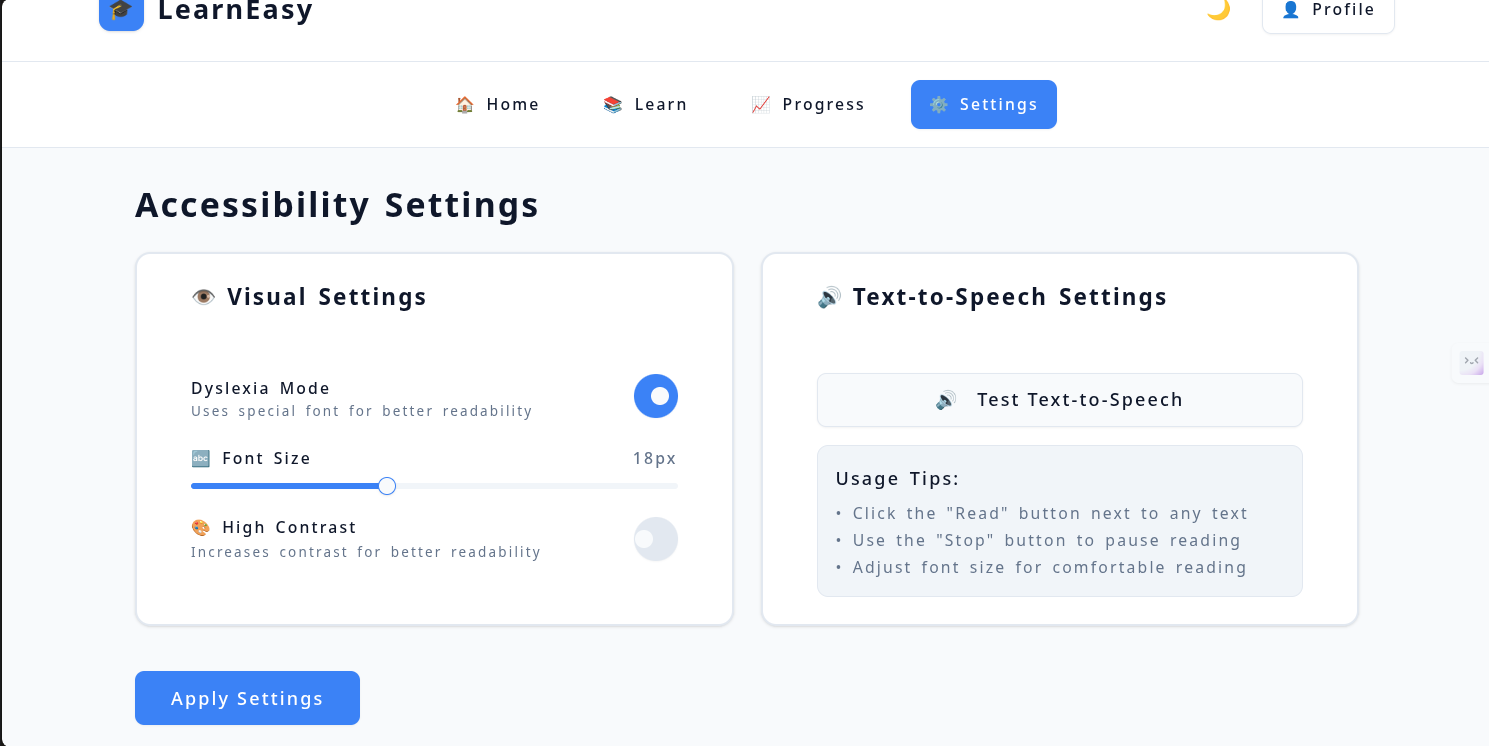
Text&Voice page
-
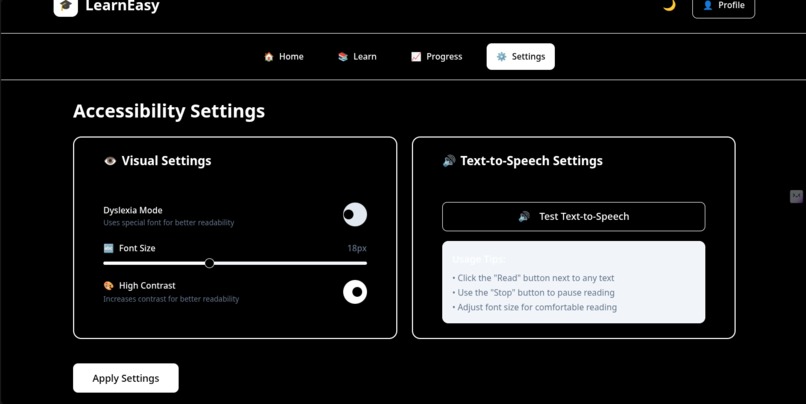
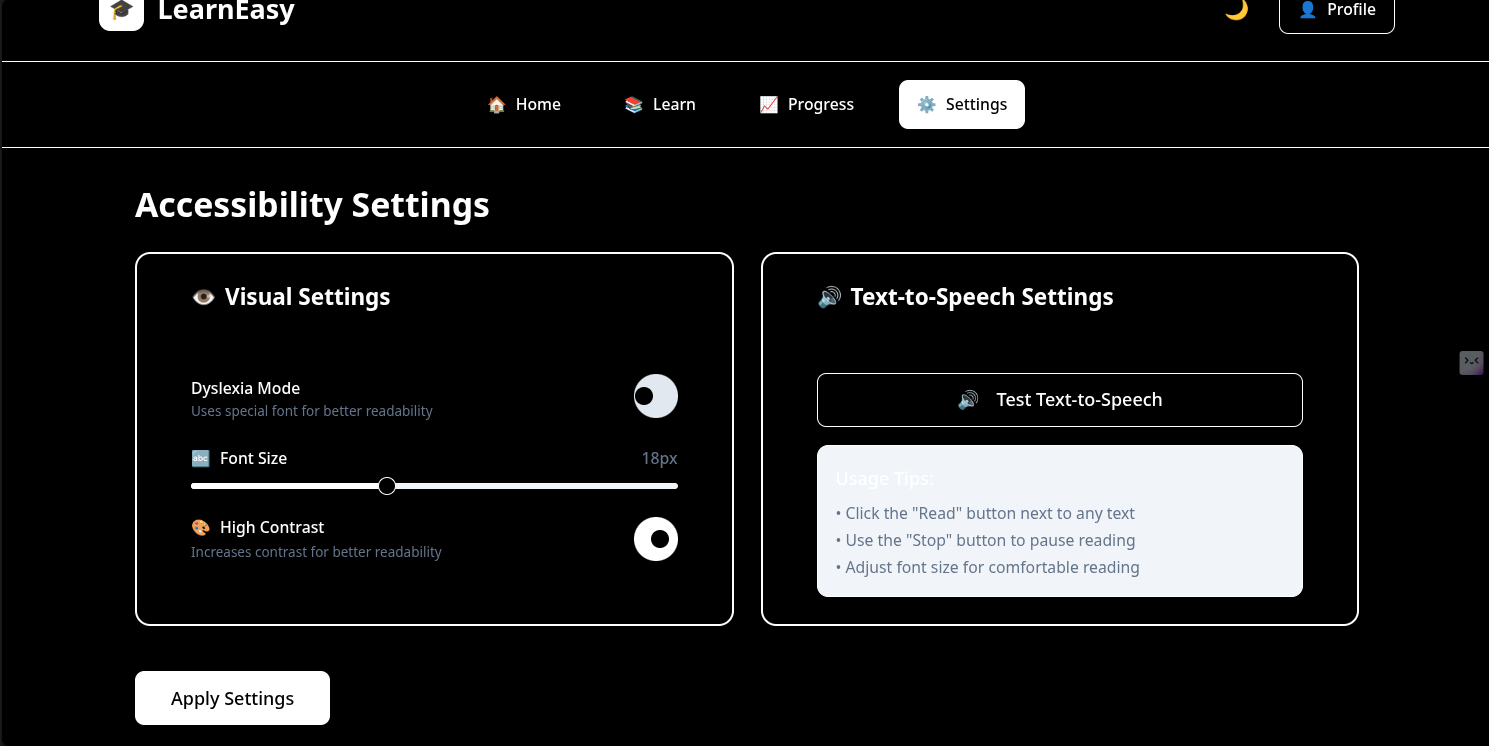
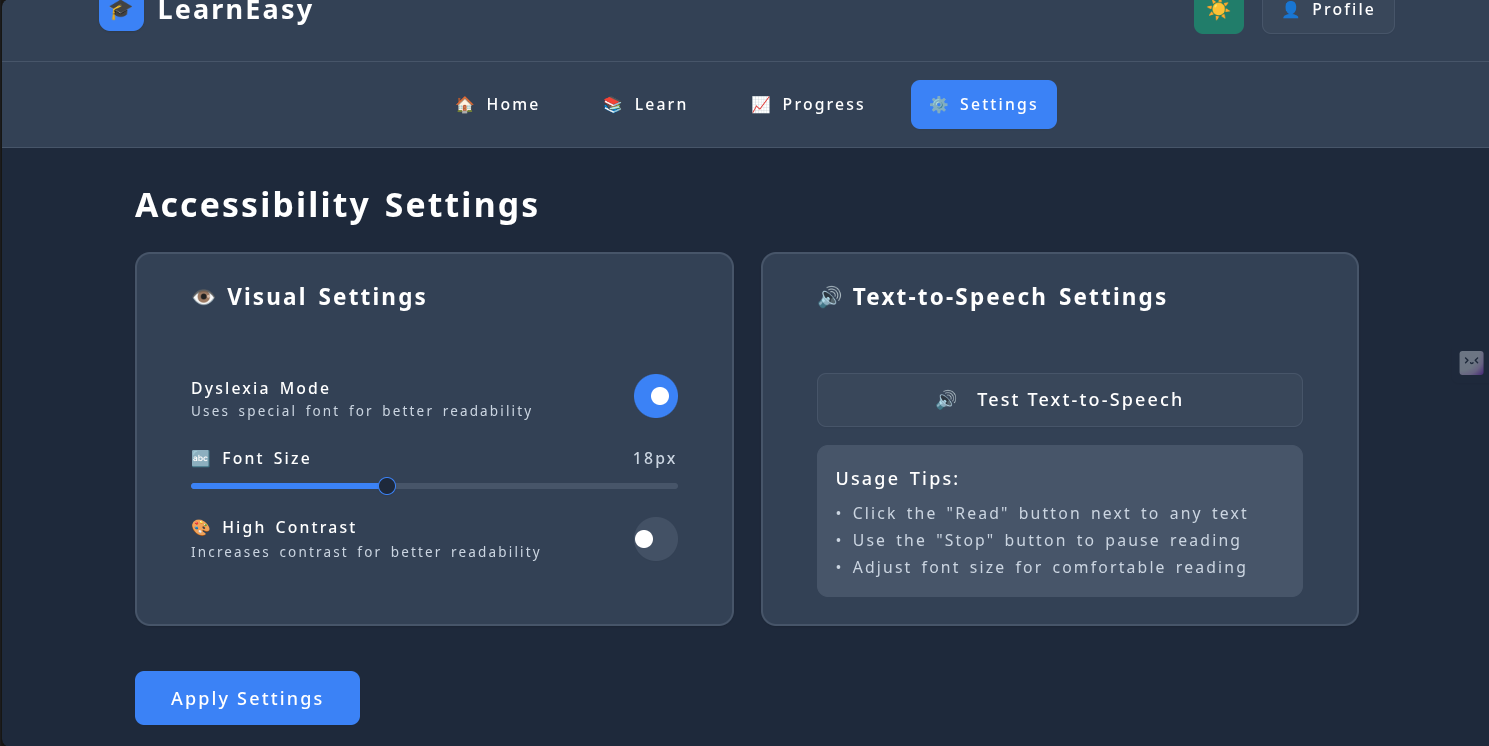
Black theme page
-
Inspiration
The inspiration for NeuroAdapt Learning stems from the increasing recognition of the diverse needs of students with neurodiverse conditions such as dyslexia, ADHD, and autism spectrum disorders. These students often struggle with traditional education systems designed for the majority, which can lead to poor academic outcomes and decreased motivation. Understanding the scale of this challenge—and the lack of accessible, personalized support—motivated me to develop a tool that leverages AI to break down barriers and provide equal learning opportunities. The goal was to create an adaptive learning platform that truly caters to individual needs, empowering every student to reach their potential.
What it does
NeuroAdapt Learning is a platform that uses advanced artificial intelligence to adapt educational content in real-time to better fit the learning styles of neurodiverse students. The system simplifies complex text by breaking it into short, easy-to-understand segments, highlights important concepts, and generates synchronized audio narration for multimodal learning. For students with ADHD, it transforms content into interactive micro-tasks to help maintain engagement and focus, accompanied by visual cues and adjustable pacing. This personalized approach makes education more accessible, reduces frustration, and improves comprehension and retention. Through this platform, learning becomes more inclusive, effective, and impactful for students who traditionally face significant challenges.
How we built it
Building NeuroAdapt Learning involved several key technical steps and learning milestones. I integrated state-of-the-art AI models via HuggingFace’s inference API, which allowed seamless access to powerful language models for text simplification and audio generation without the need for local model hosting. On the backend, I developed a FastAPI service to mediate requests between the frontend and AI models, handling user authentication and data persistence. To manage user data and authentication, I configured a PostgreSQL database on Supabase, leveraging its built-in authentication and secure data management features. The frontend was rapidly built using v0.dev, facilitating quick creation of an accessible and customizable UI, which I deployed on Vercel. The backend was deployed on Northflank, taking advantage of their build and deploy pipeline. Throughout the process, I mastered cloud environment configuration, API integration, deployment strategies, and secure authentication flows.
Challenges we ran into
Several challenges surfaced during the project. Initially, finding a hosting platform that balanced ease of use, container support, and a free tier without requiring a credit card was difficult, resulting in adaptations of deployment tactics. Deploying the backend service on different cloud providers revealed variabilities in environment variables, port configurations, and scaling behaviors to accommodate. Managing cross-origin requests between frontend (Vercel) and backend (Northflank) necessitated careful CORS configuration to avoid blocking issues. Integrating Supabase’s authentication with FastAPI introduced the complexity of validating JWT tokens securely while maintaining responsiveness. Furthermore, adapting AI model usage to produce consistent, high-quality text simplifications and TTS output required iterative tuning of prompts and fallback system design. These challenges enhanced the project’s robustness and my problem-solving skills.
Accomplishments that we're proud of
We are proud to have delivered a fully operational MVP within a constrained timeframe that addresses an important social issue with AI technology. NeuroAdapt Learning successfully demonstrates the potential to personalize learning content dynamically, significantly lowering barriers for neurodiverse students. The platform provides an elegant user experience that is both accessible and intuitive, ensuring usability for individuals with special needs. The integration across multiple services—AI inference APIs, secure database authentication, cloud deployments—and the seamless connection of frontend and backend illustrate a strong technical foundation. Achieving real-time content adaptation with accompanying synchronized audio has been a major milestone, alongside establishing a scalable and secure infrastructure.
What we learned
This project offered deep insights into the intersection of AI, accessibility, and cloud-based software architecture. I expanded my expertise in API-driven AI model integration and learned how to optimize prompt design for targeted educational outcomes. Implementing database management and authentication through Supabase revealed best practices for secure, scalable user data handling. Deploying on modern cloud platforms taught me the nuances of cloud-native development, including managing environment variables, CORS, and multi-service communication. The importance of accessibility-centered UI/UX design was reinforced, highlighting that usability goes hand-in-hand with technological innovation. Finally, the process sharpened my skills in troubleshooting, rapid prototyping, and iterative development under a fixed deadline.
What's next for NeuroAdapt Learning
Looking forward, NeuroAdapt Learning aims to broaden its scope to support a wider range of neurodiverse conditions beyond dyslexia and ADHD, including autism spectrum challenges. Plans include enhancing the AI adaptation algorithms through continuous learning and user feedback to increase precision and personalization. The user interface will be further improved to streamline navigation and increase customization options. Real-world testing with diverse student groups is a priority to validate effectiveness and inform development. Additional features such as progress analytics, gamification elements, and collaborative learning tools are envisioned to boost engagement and sustained usage. Ultimately, the project aspires to become an indispensable educational companion that fosters inclusion and empowerment worldwide.
Built With
- huggingface
- next.js
- postgresql
- python
- supabase
- typescript

Log in or sign up for Devpost to join the conversation.