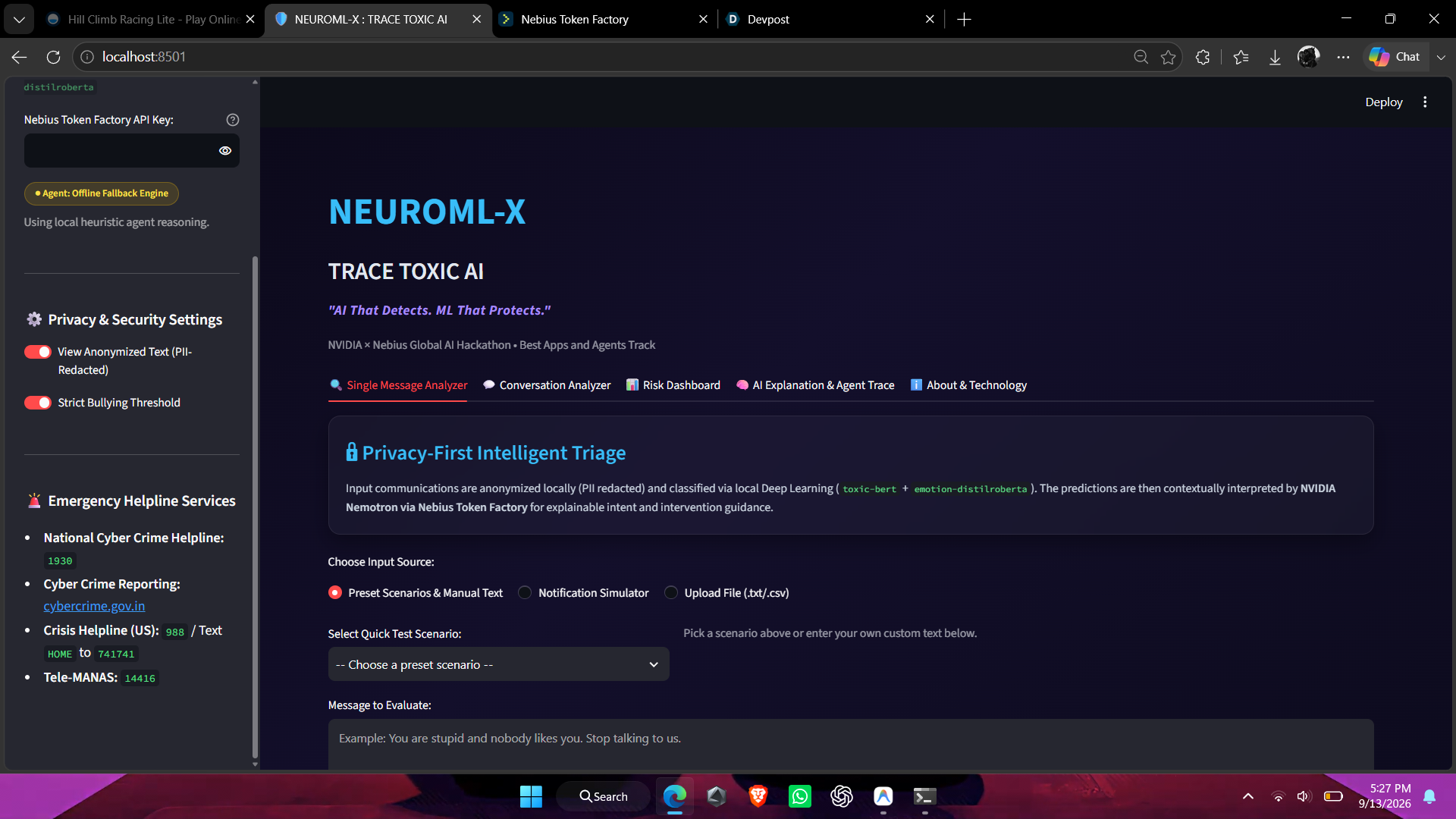
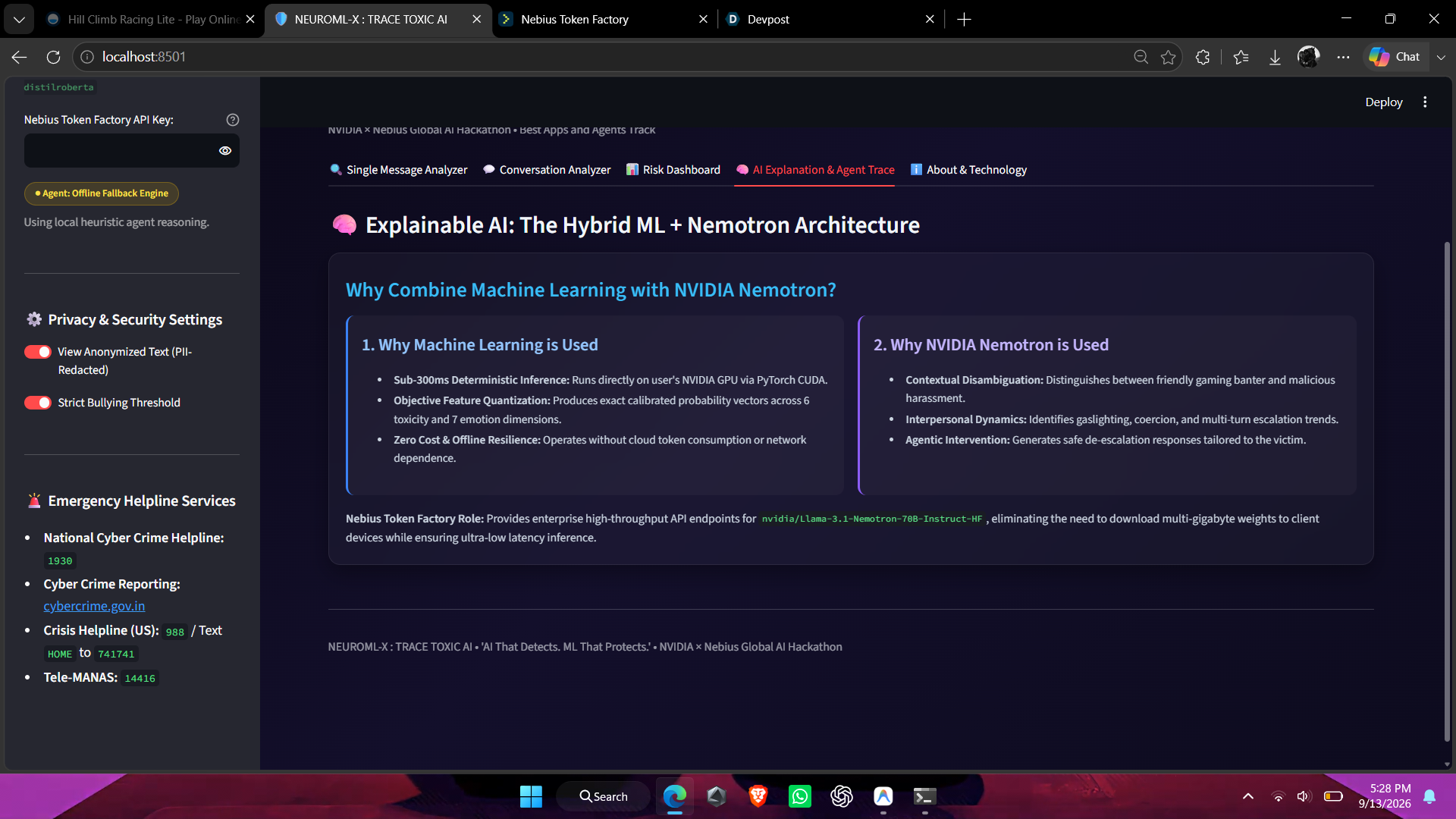
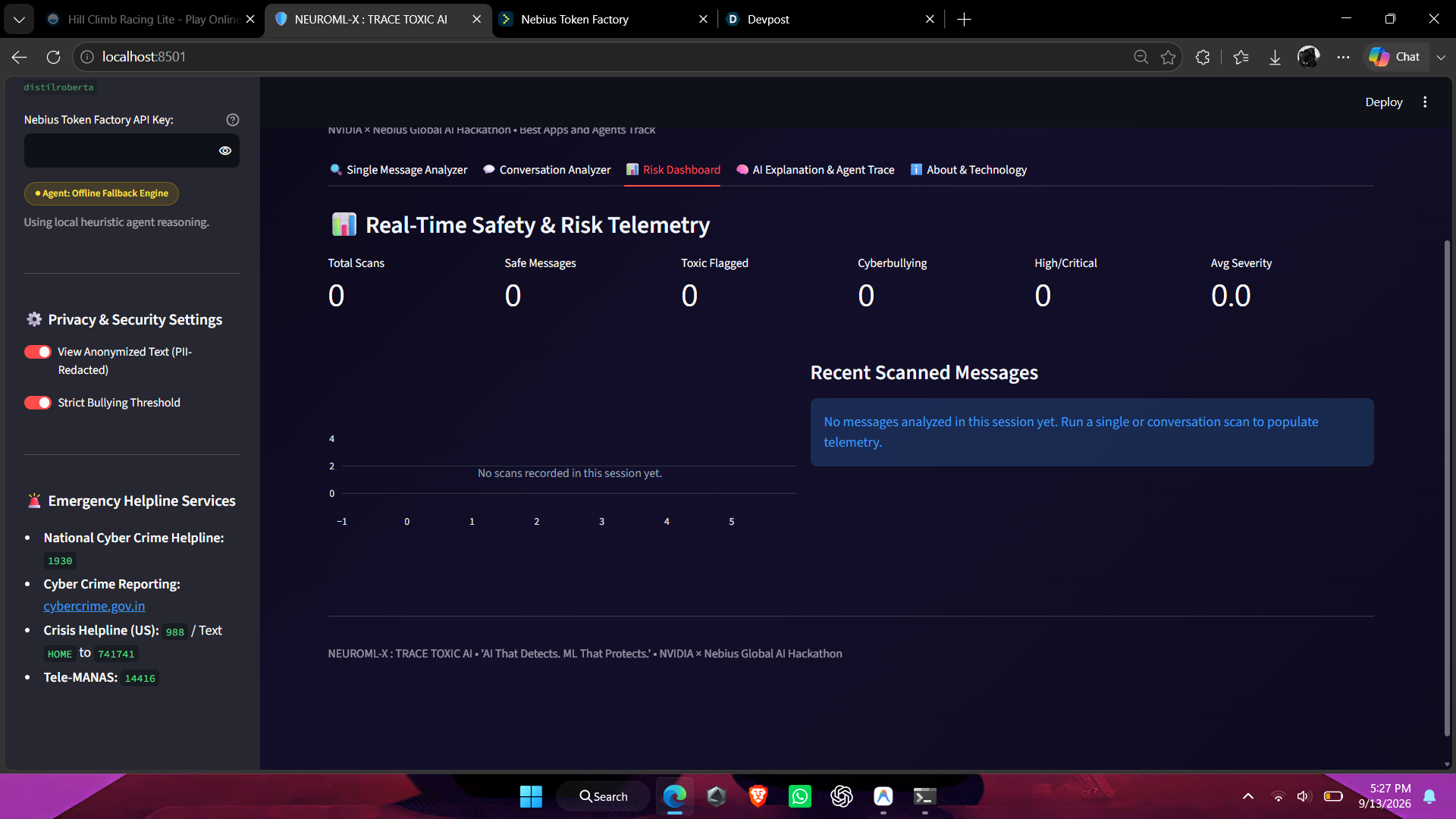
Inspiration
Artificial Intelligence is becoming increasingly powerful, but many AI applications are built around a single model or a single type of data. We wanted to explore a different approach: combining multiple AI and Machine Learning techniques into one intelligent system that can learn from data, understand patterns, and make meaningful predictions.
This idea inspired NEUROML-X, a unified AI and Machine Learning platform designed to bring different forms of intelligence together. Our goal was to create a system that is not limited to one specific model, but can combine machine learning, deep learning, computer vision, natural language processing, and intelligent decision-making into a single workflow.
What We Built
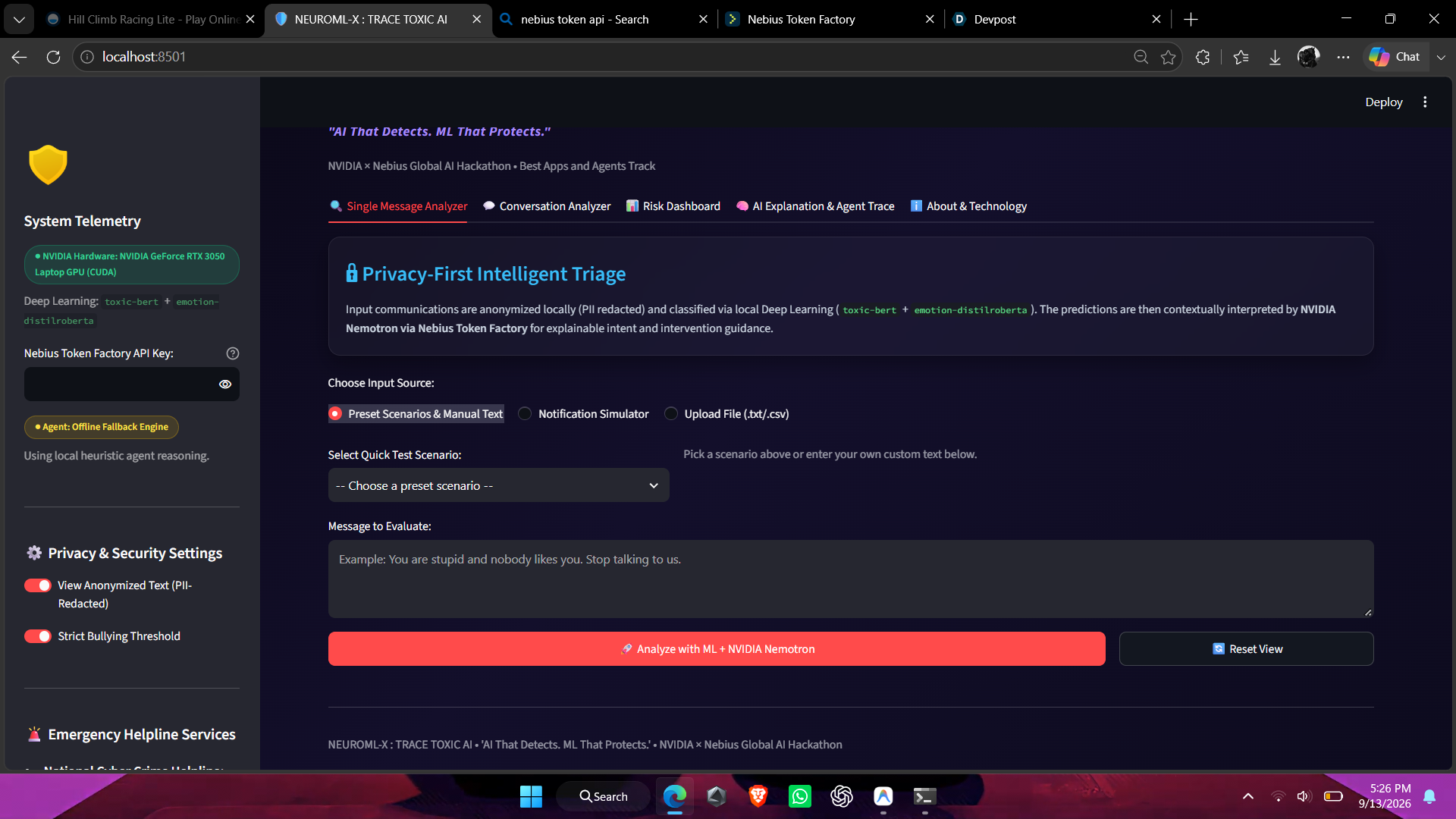
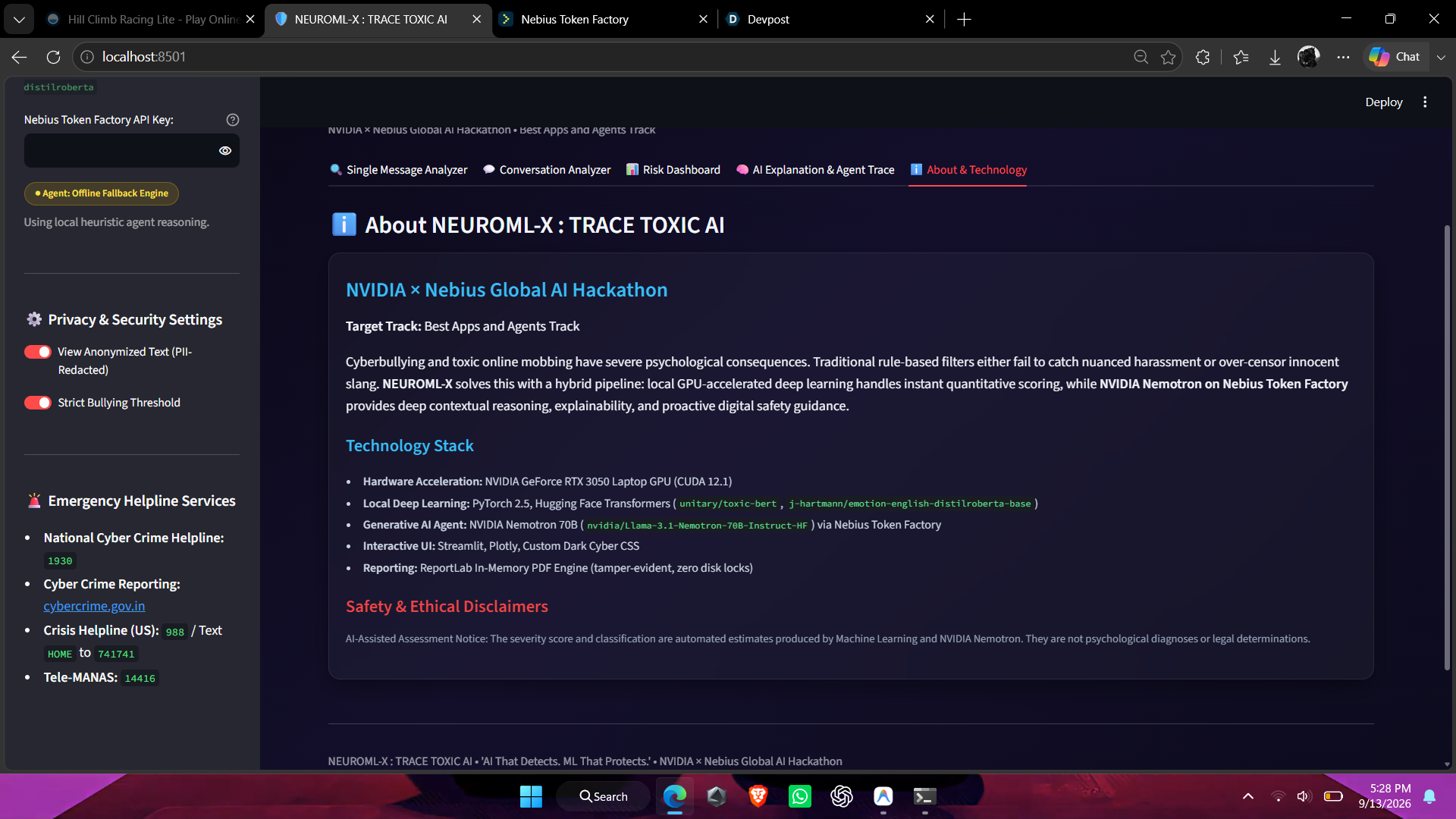
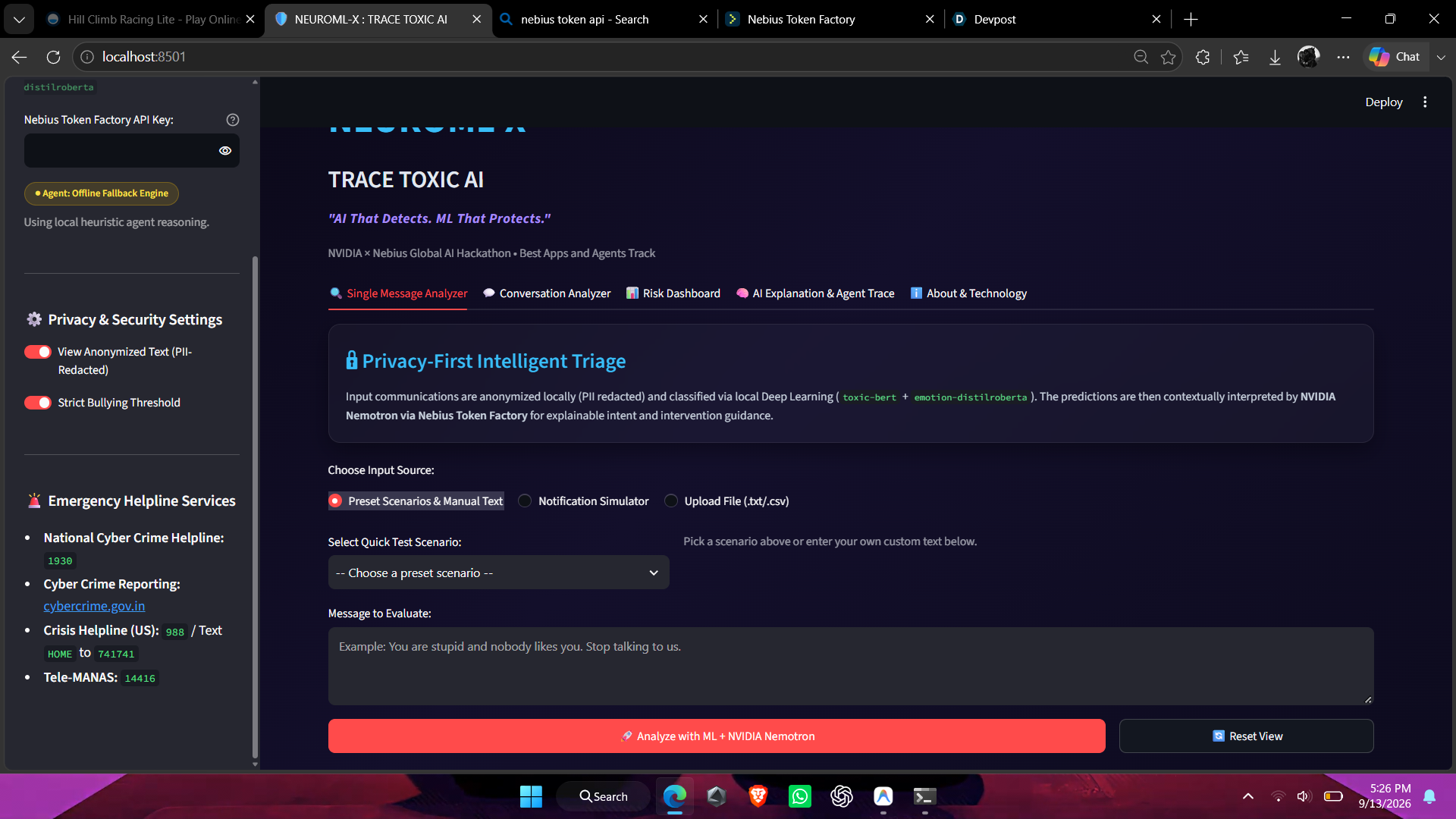
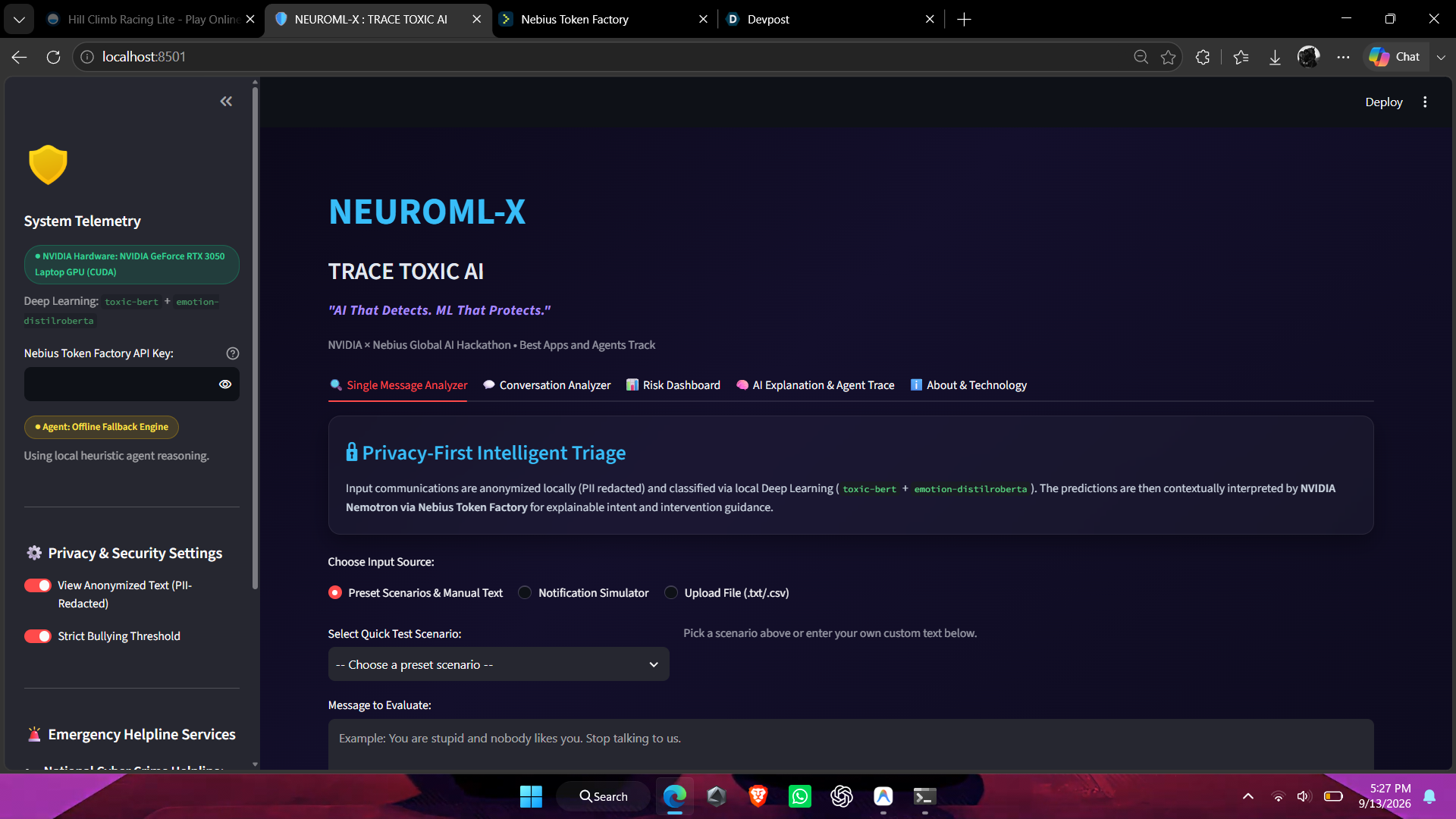
NEUROML-X is an AI/ML intelligence platform that processes input data, extracts meaningful features, applies appropriate Machine Learning or Deep Learning models, and produces an intelligent result.
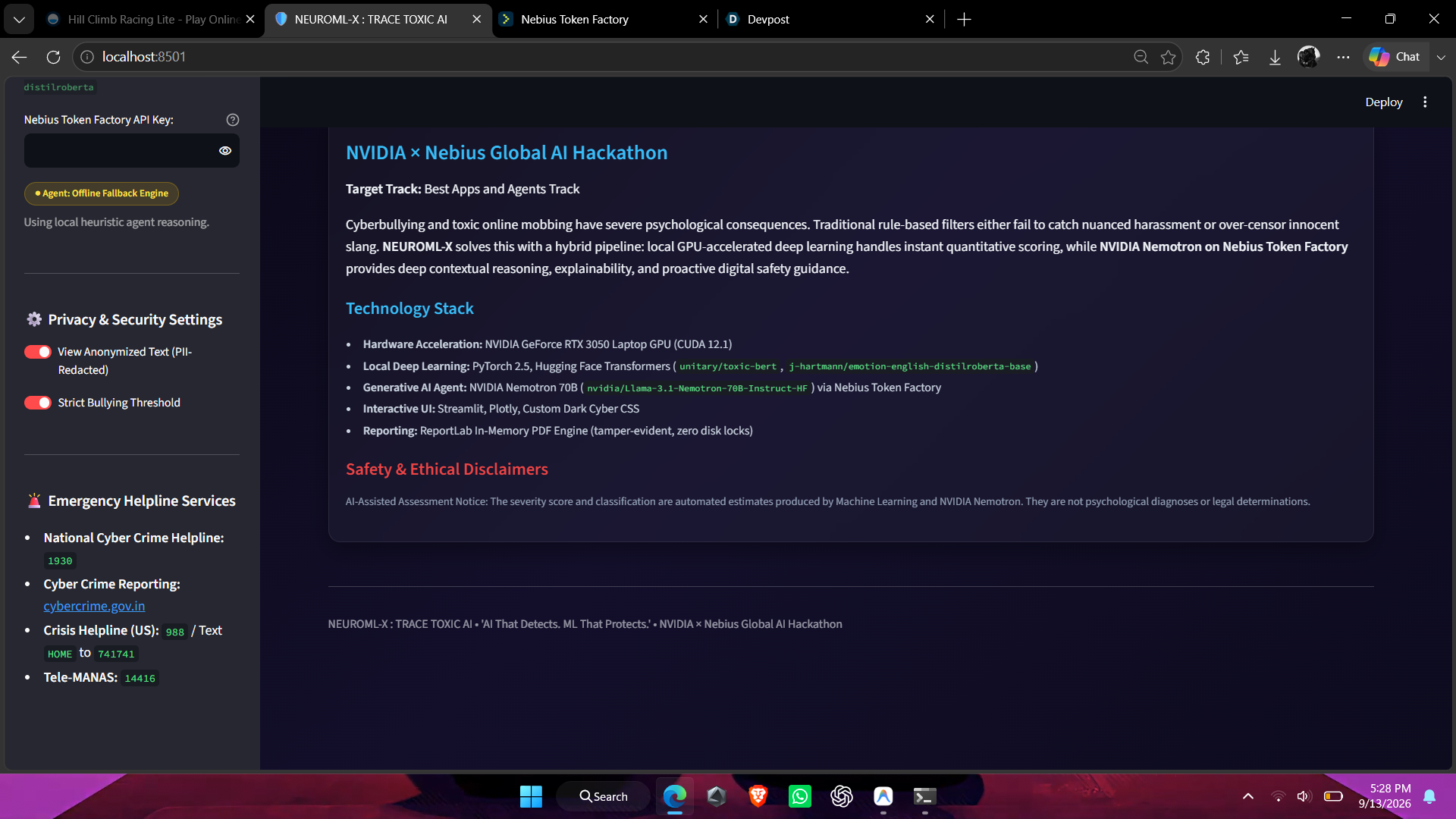
The system is designed around a modular architecture, allowing different AI models to work together instead of relying on a single algorithm. Depending on the task, the platform can use traditional Machine Learning models, neural networks, computer vision models, NLP models, and multimodal AI techniques.
Our focus was not simply to build another AI model, but to demonstrate how multiple AI and ML approaches can work together to create a more capable intelligent system.
How We Built It
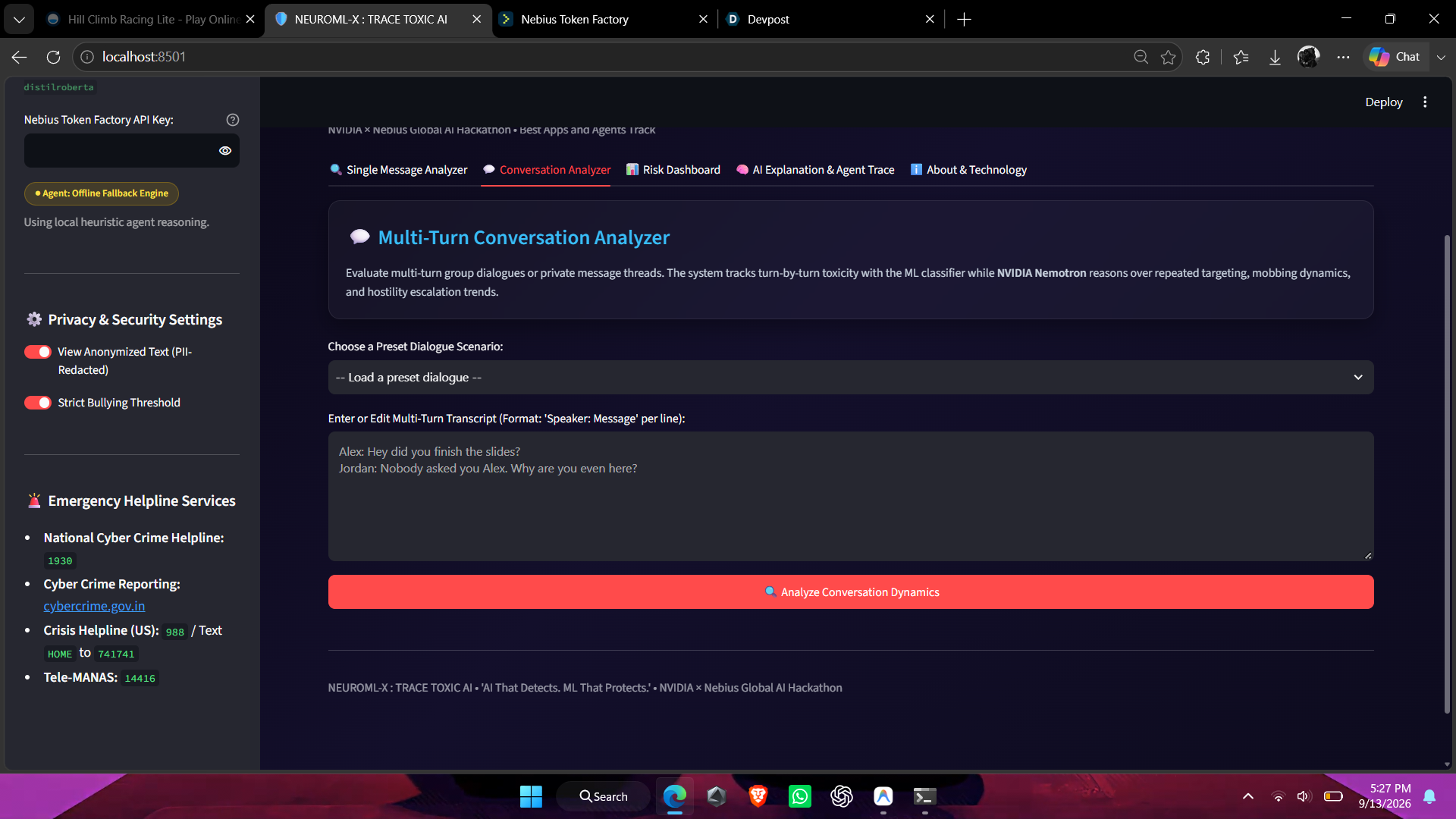
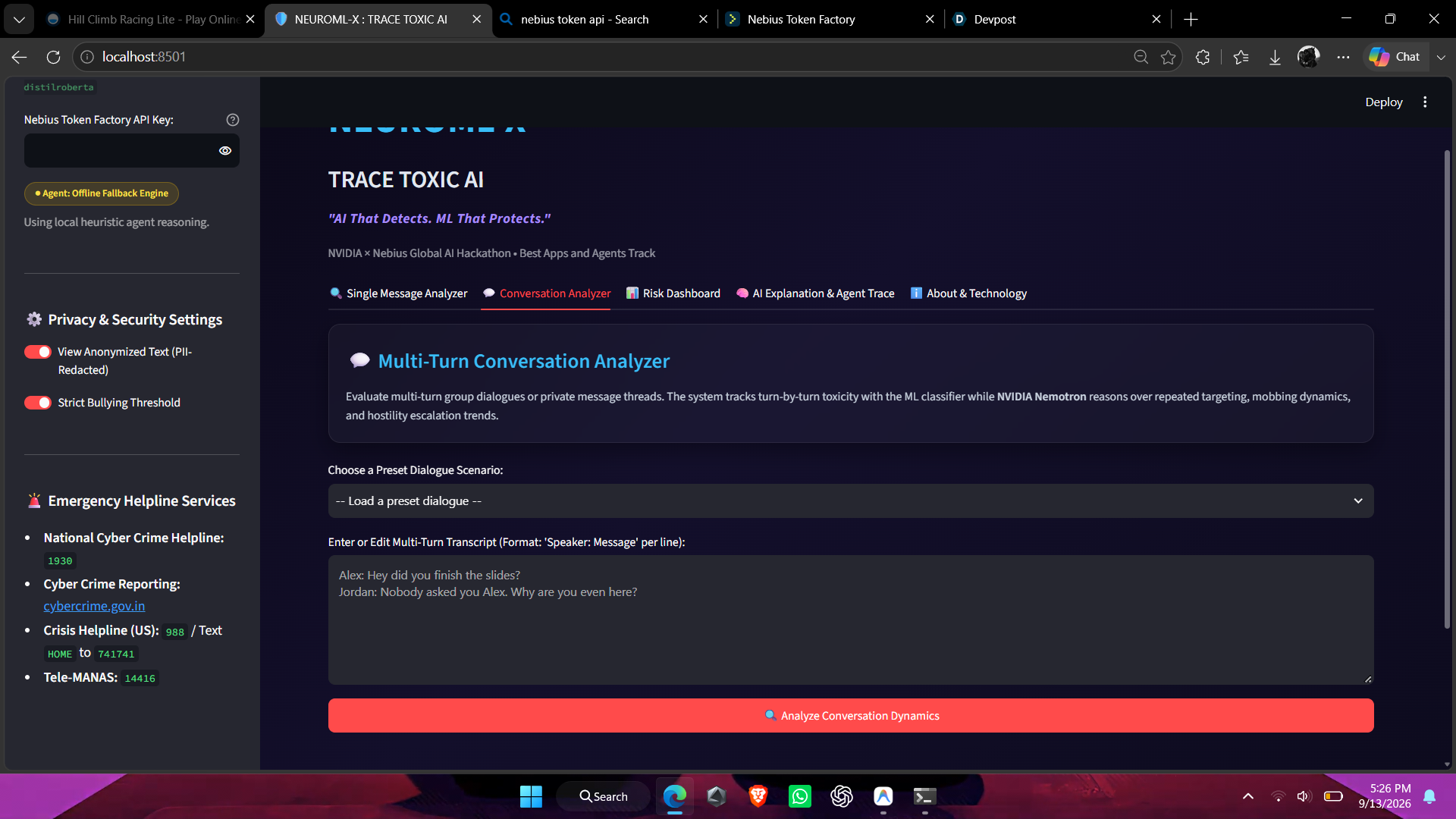
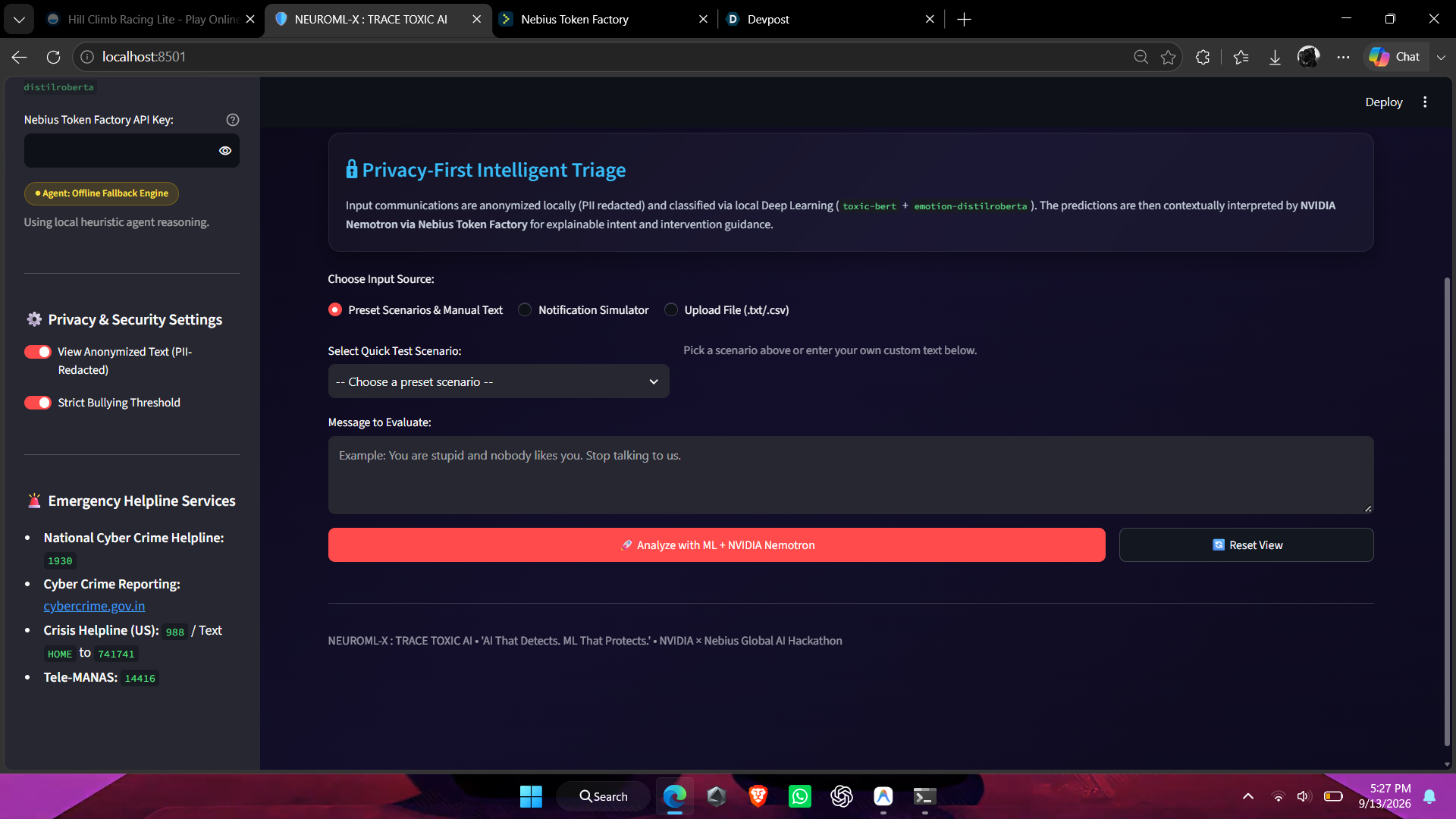
We developed NEUROML-X using Python and a combination of modern AI/ML technologies. The development involved data preprocessing, feature extraction, model training, inference, and an interactive interface for demonstrating the results.
The system was designed to run on a regular personal laptop during development, making the concept accessible without requiring a dedicated AI workstation.
Our workflow includes:
- Data Input – Collect and process the required input.
- Preprocessing – Clean, normalize, and prepare the data.
- Feature Extraction – Extract useful patterns and representations.
- AI/ML Processing – Apply appropriate ML and deep learning models.
- Intelligent Analysis – Combine model outputs to generate meaningful insights.
- Visualization – Present the results through an intuitive interface.
What We Learned
Through NEUROML-X, we learned that building an intelligent AI system is not only about selecting the most powerful model. Data quality, preprocessing, feature representation, model selection, inference speed, and the way different models interact can have an equally important impact on the final result.
We also gained practical experience integrating different AI/ML approaches into a single application and optimizing models to work within the computational limitations of a personal laptop.
Challenges We Faced
One of our biggest challenges was integrating different AI and Machine Learning approaches while keeping the system lightweight enough to run locally.
We also faced challenges related to data preprocessing, model compatibility, inference performance, and balancing accuracy with computational requirements.
Instead of treating these limitations as obstacles, we used them as part of the engineering process. We optimized the workflow, selected appropriate models, and designed NEUROML-X as a modular system that can be expanded with more powerful models and GPU acceleration in the future.
What's Next
NEUROML-X is designed to be more than a single-use prototype. Future versions can incorporate GPU-accelerated inference, larger foundation models, advanced multimodal models, autonomous AI agents, and continuous learning capabilities.
Our long-term vision is to evolve NEUROML-X into an adaptive intelligence platform where AI models can collaborate, learn from different types of data, and provide increasingly intelligent and context-aware results.
